
Revitalization Project Brings New Purpose to Nine Neglected Stone Quarries Across China
Transforming Abandoned Sites into Tourist Attractions and Eco-friendly Spaces to Promote Sustainable Development.


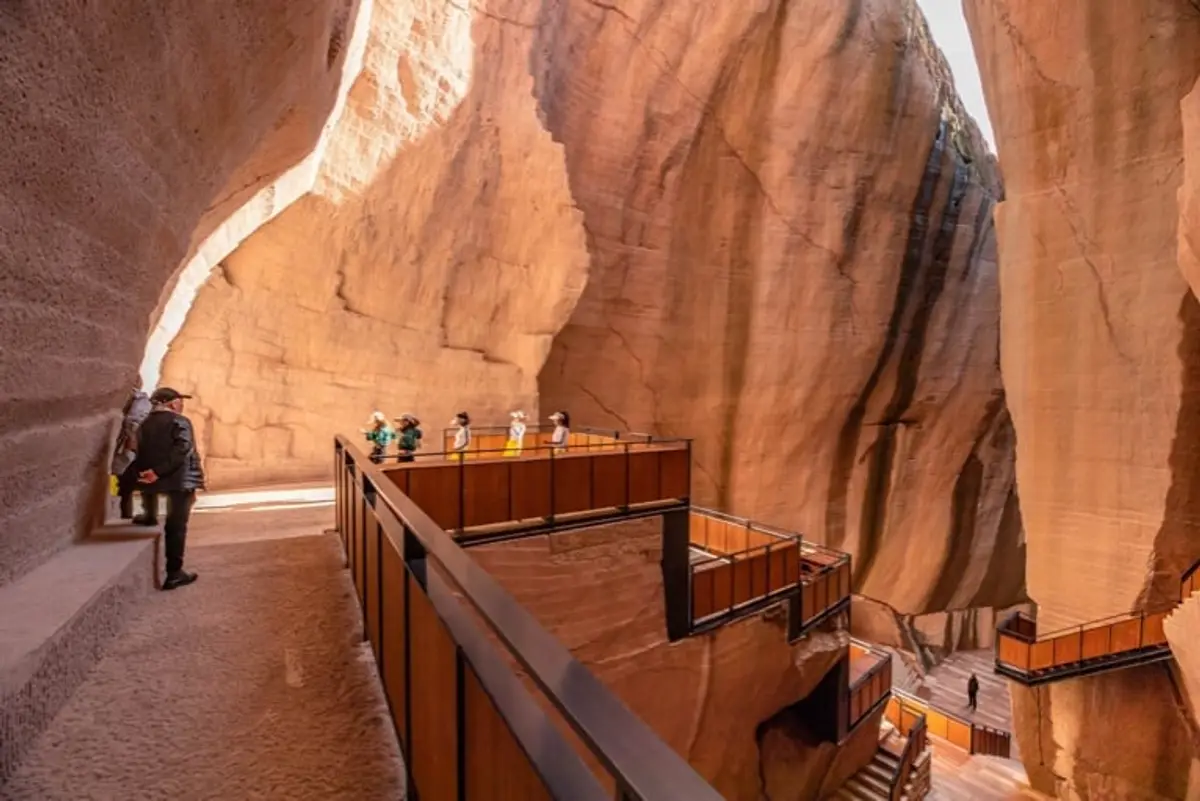
Beijing architect Xu Tiantian and her studio DnA_Design and Architecture have undertaken a commission to develop new concepts for the abandoned stone quarries in the northern part of Jinyun County in Zhejiang Province. Over 3000 small stone quarries were abandoned until recently. The team is focusing on nine quarries located in Xiandu valley, which has stunning natural landscapes and volcanic rock formations, already a tourist attraction today. The project aims to create social and cultural locations for both locals and visitors while simultaneously aiming for ecological improvements to support the development of the region.
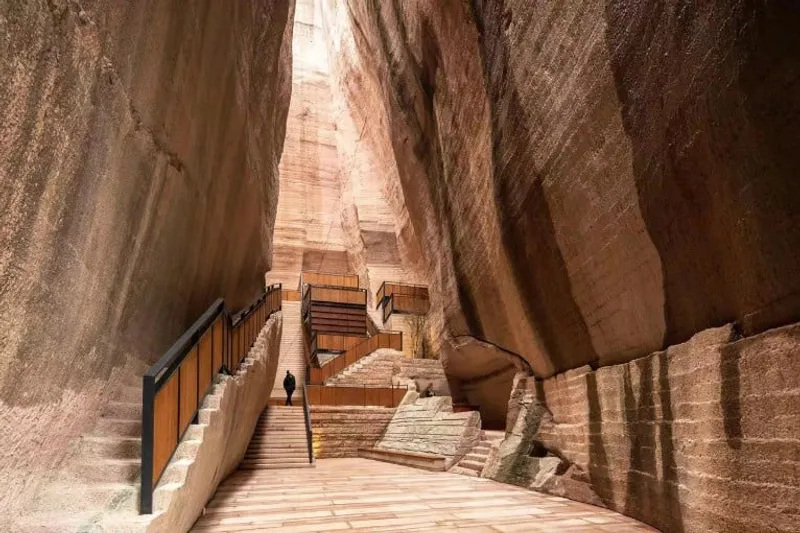 Quarry #8, Jinyun, photo by Wang Ziling © DnA_Design and Architecture
The steep mountains and narrow valleys in Jinyun County are a result of the small-scale exploitation of local stone quarries. These quarries were operational for decades and caused considerable intervention in the natural landscape. Jinyun County attracts many tourists today with the Xiandu Scenic Area. The legendary Yellow Emperor's temple has been located here for over 3000 years, and it has a significant impact beyond the region. The temple was destroyed in the Ming dynasty and reconstructed in 1994. It has been regularly used since then for commemoration ceremonies and was listed on the National List of Immaterial Cultural Heritage in 2011. The natural and artificially created caves in the region have 125 important stone calligraphies, the oldest of which is from the Tang dynasty and has been listed as a national cultural heritage since 2001.
 Quarry #8, Jinyun, photo by Wang Ziling © DnA_Design and Architecture
Jinyun County is located in southern central Zhejiang Province, with almost 80% of the region covered by forests, making agricultural production challenging due to the scarcity of fertile soil. The inhabitants relied on the profession of the stonemason and manually carved the material from the rock face until recently. The massive stone blocks were used for the construction of houses, limited in height by the heavy weight of the material. The quarries have been abandoned for some years, and some are used for chicken farming, and fish ponds, or have fallen into disrepair.
 Quarry #8, Jinyun, photo by Wang Ziling © DnA_Design and Architecture
Due to the ongoing transformation of society, socioeconomic challenges, and the need for new perspectives to counter the exodus from rural regions, the administration is seeking new possibilities for dealing with the archaic mining industry's remnants and new sources of income for the population. The quarries today are gaping wounds in the natural landscape and require urgent ecological improvements.
 Quarry #8, Jinyun, photo by Wang Ziling © DnA_Design and Architecture
The project aims to create new utilization concepts for the abandoned quarries that put historical aspects of over a thousand years and everyday cultural heritage into a new context. The converted stone quarries are part of a public infrastructure that aims to support the region's development. The project aims to create ecological improvements and social and cultural locations for both locals and visitors. The region has a natural and cultural heritage that needs to be preserved while the quarries' ecological improvements will have a positive impact on the region's natural landscape.
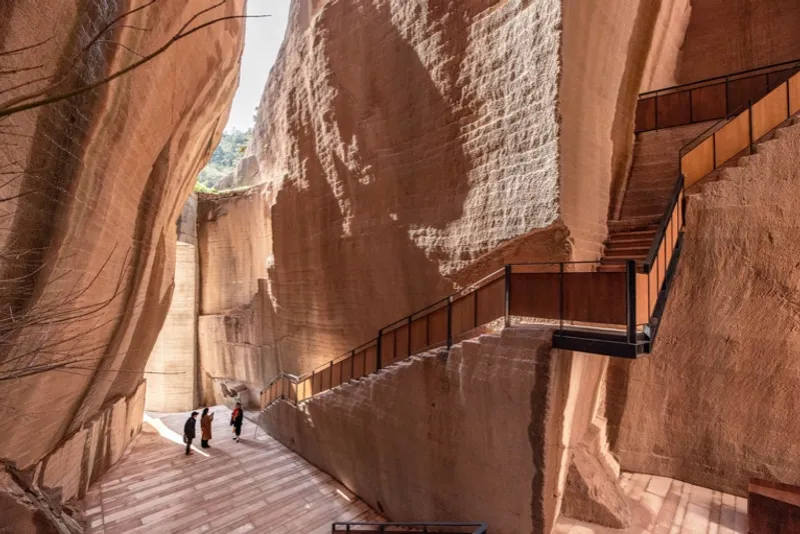 Quarry #8, Jinyun, photo by Wang Ziling © DnA_Design and Architecture
The exhibition showcasing the Jinyun Quarries' revitalization project will be held at the Aedes Architecture Forum in Berlin from 19 March to 5 May 2022. Xu Tiantian and her studio DnA_Design and Architecture's work in Songyang's rural area has already received international attention. The success of the revitalization projects in Songyang is a testimony to the studio's capability of bringing cultural and social value to an area while preserving its natural and cultural heritage. The exhibition will be a platform for showcasing the studio's vision and the possibilities of reimagining abandoned quarries' use.
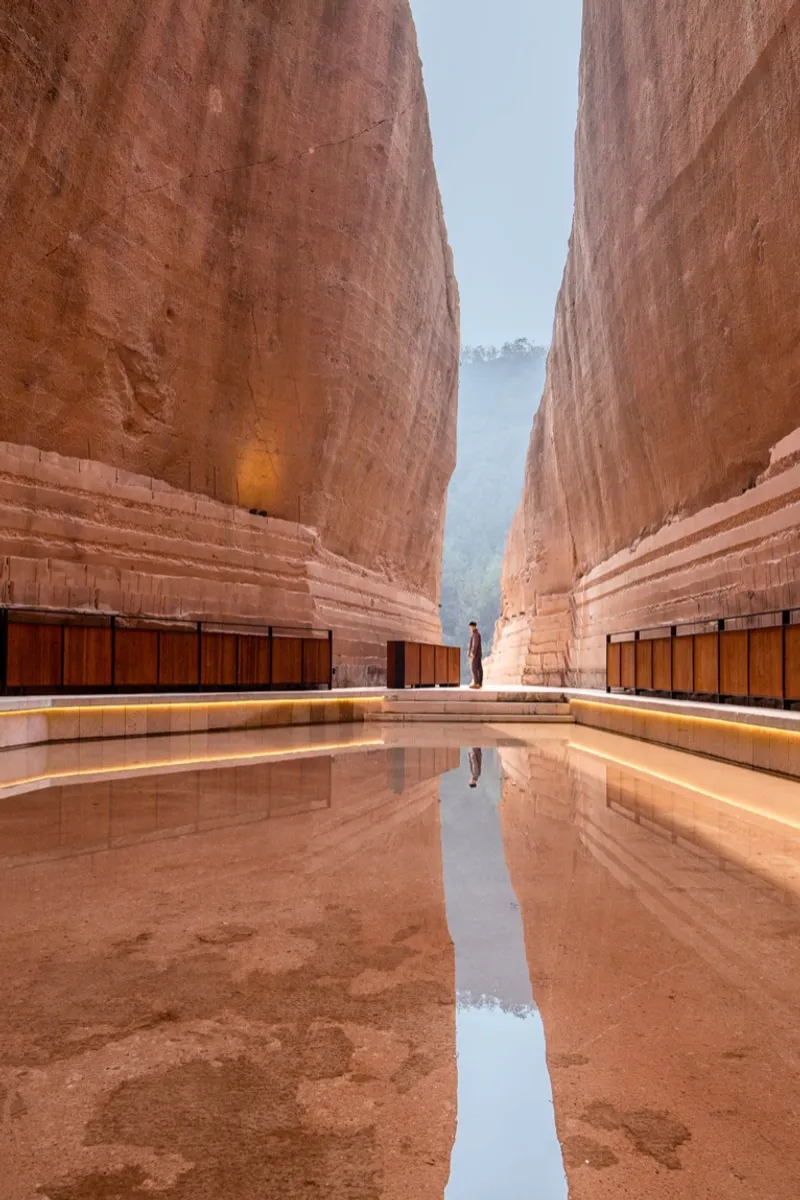 Quarry #8, Jinyun, photo by Wang Ziling © DnA_Design and Architecture
The Jinyun Mountain National Geological Park in China has undergone a transformation. Nine former stone quarries have been repurposed and revitalized by architects at DnA_Design and Architecture. The exhibition showcases the individual locations, each characterized by unique forms cut into the rock, and connected by footpaths. The quarries range from large open spaces suitable for performances and presentations to smaller chambers used as teahouses. The interventions by the architects are in contrast to the "over-designing" of rural areas, which has become common in many places in China.
The nine quarries have been connected by a valley and a small village. An information centre and a stone quarry park with water surfaces, demonstrating history, flora, and fauna, are being planned. The repurposed quarries provide new locations for social and cultural infrastructure and possibilities for economic development, such as a restaurant and an education centre for processing natural stone.
 Quarry #8, Jinyun, photo by Wang Ziling © DnA_Design and Architecture
The repurposing of these quarries has transformed the landscape shaped by a work culture of hard physical labour into a symbol of economic and cultural transformation in the rural area, which also contributes to socioeconomic and ecological improvements. The spatial experience in the caverns and natural illumination, and acoustics offer an experience that is not possible in such a way in the normal day-to-day life of rural and urban populations.
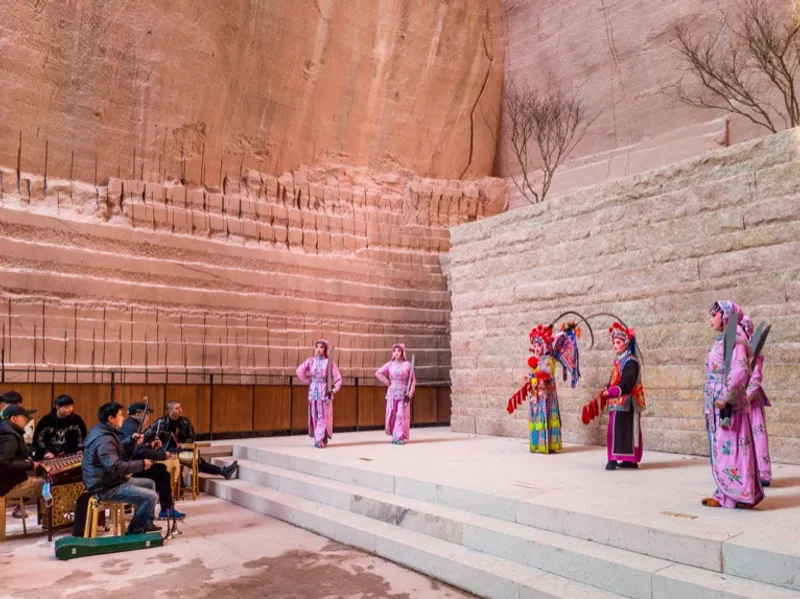 Performance in Quarry #9, Jinyun, photo by Wang Ziling © DnA_Design and Architecture
The exhibition, which will be on display at the Aedes Architecture Forum in Berlin, showcases the project's images. Respectful approaches were taken when creating the exhibition, such as the models produced in China coming to Germany by train on the route of the Trans-Siberian Railway, and all the other components being produced in Berlin. The installation presents the unusual spatial feeling in the stone quarries of Jinyun scenographically, and visitors can experience it. Spectacular, translucent models give an impression of the complex spatial structure of the spaces carved into the rock, accompanied by large-format photos, plans, and descriptions. Films communicate the historical situation when the stone quarries were still in operation on the one hand, and also how the population, the craftsmen, and the administration have accepted and assessed the newly created infrastructures today on the other.
Exhibition: 19 March – 5 May 2022
Venue: Aedes Architecture Forum, Christinenstr. 18–19, 10119 Berlin
Opening Hours: Tue–Fri 11am–6.30pm, Sun–Mon 1–5pm and Sat, 19 March 2022, 1–5pm

Popular Articles
Popular articles from the community


Conexión: Biophilic Design Reimagines High-Rise Living in Hong Kong
Conexión reimagines high-rise living in Hong Kong through biophilic design, green facades, shared spaces, daylight, water and nature within.

The Ocean Hive: Sustainable Architecture for a Self-Sufficient Civilization at Sea
The Ocean Hive imagines sustainable architecture at sea, where modular habitats, algae, wave power and ocean waste sustain a growing colony.

Hill & Cross Opera: Sculptural Opera House Architecture Shaped by Tallinn’s Landscape and Identity
Hill & Cross Opera reimagines opera house architecture in Tallinn through its sculptural hill, civic plaza, glass wave and a luminous cross.

Play: Fragments of Their World
Familiar architecture becomes modular playground design, creating safe spaces where displaced children can learn, connect, imagine and play.

Similar Reads
You might also enjoy these articles
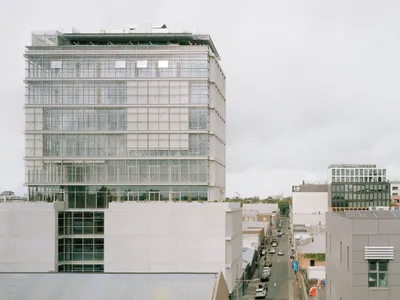
116 Rokeby Building, Collingwood
Sustainable Collingwood office building featuring double-skin façade, natural ventilation, rooftop amenities, and carbon-neutral design focused on wellbeing and longevity.
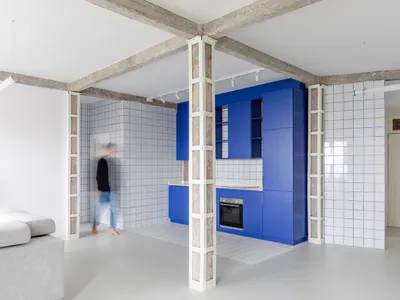
Contemporary Apartment Renovation in Spain: RV House by BIAN Opens Up to the Sea
A minimalist 1930s apartment in Santander is transformed into a flexible, sea-facing home through contemporary Spanish renovation.
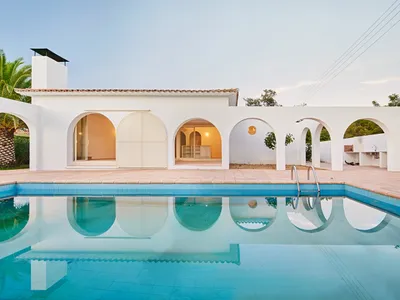
3 Marías House: A Contemporary Mediterranean Courtyard Retreat by Bajet Giramé + Burckhardt
Mediterranean courtyard home blending traditional architecture with modern design, terracotta flooring, flexible interiors, sustainable climate strategies, and garden integration.
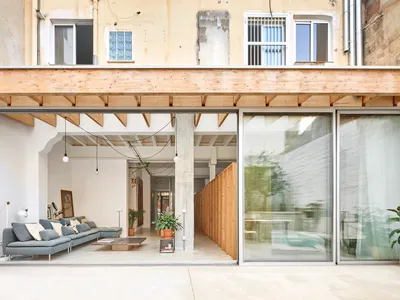
NZ10 Apartment by auba studio: Adaptive Reuse in Palma de Mallorca
Adaptive reuse apartment transforms bakery into light-filled home with patios, privacy layers, and wood interiors enhancing urban living experience.

Explore Abandoned Quarry Competitions
Discover active competitions in this discipline


Challenge to reimagine the Iron Throne

Photograph architecture without architects

Illustrate the lost glory of Angkor Wat - Render Challenge

Design challenge to reuse E-waste
Comments (0)
Please login or sign up to add comments
No comments yet. Be the first to comment!