Reviving the Karnaphuli Riverfront: A Vision for Sustainable Urban Resilience
Reconnecting Chattogram’s Heritage with Nature Through Water-Sensitive Urban Design


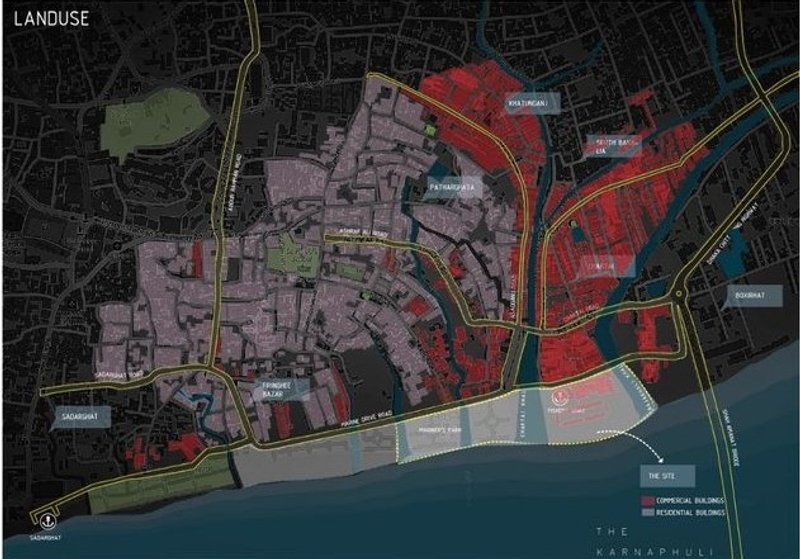
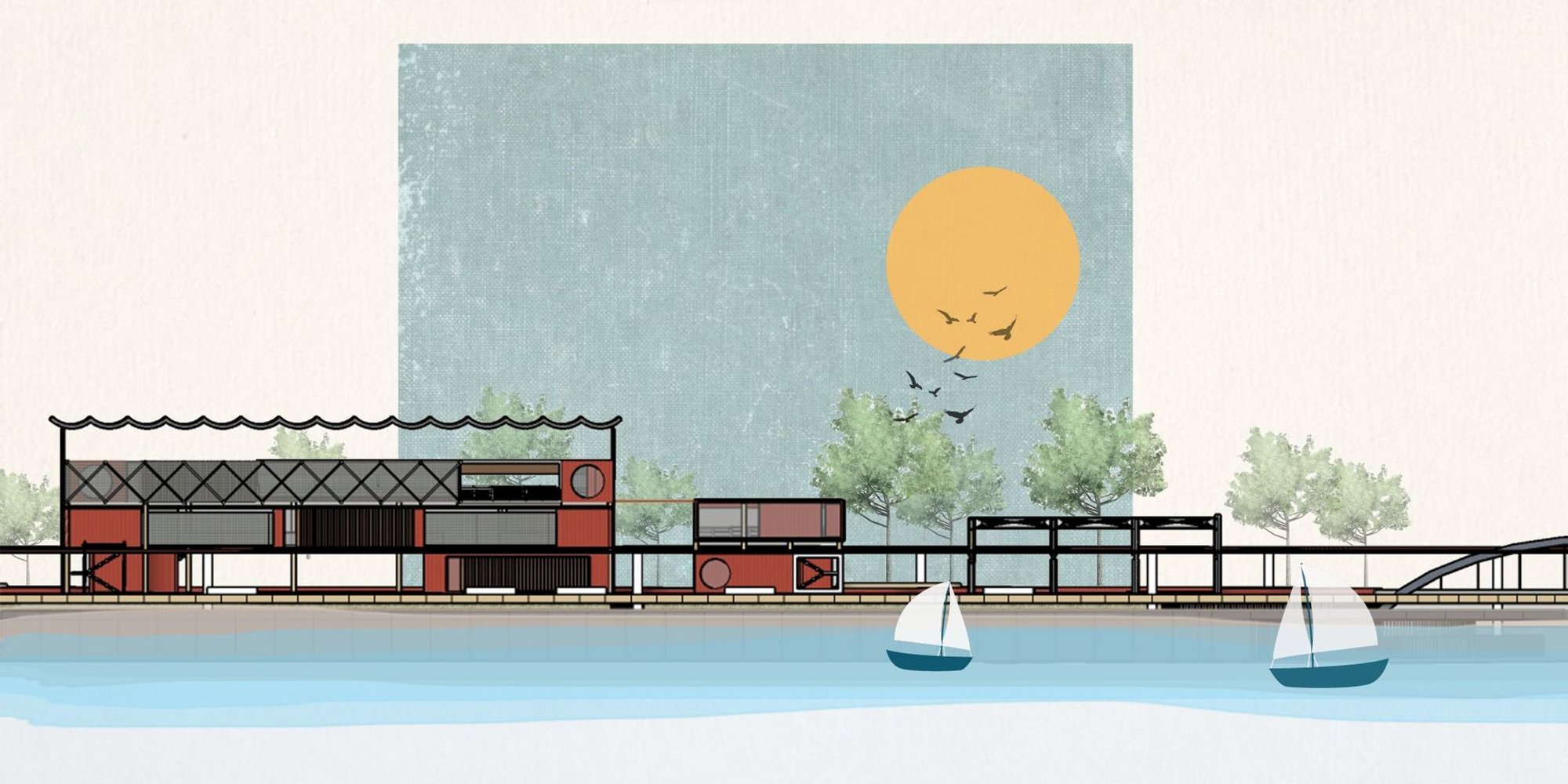
The Karnaphuli River, once the lifeline of Chattogram and a bustling hub of trade, culture, and nature, now sits as a silent witness to the city’s urban sprawl. As the city grapples with the challenges of unplanned development, pollution, and shrinking public spaces, the riverfront's historical and ecological value is at risk of being lost forever. The thesis project, “Reminiscing the Roots,” a shortlisted entry, created by Ishrar Haque, in UnIATA '24, presents a transformative approach to revitalizing the Karnaphuli West Bank, blending innovative water-sensitive urban design with sustainable architecture to reimagine the riverfront as a thriving public space.
The Need for Revitalization
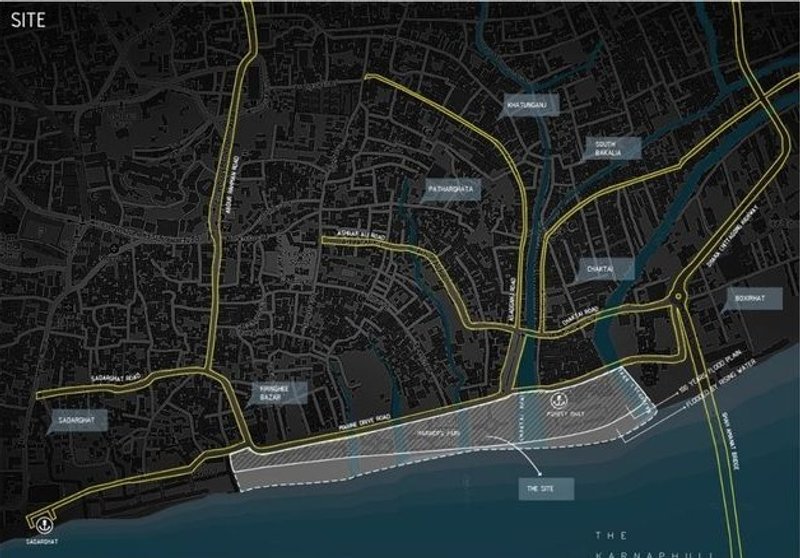
Chattogram’s identity has always been closely tied to its waterways. The Karnaphuli River, with its network of ancient canals, formed a vital artery for trade and culture. Over the years, however, unchecked urbanization has severed this relationship, leaving the river polluted and its banks cluttered with misused and neglected spaces. This project seeks to undo this damage by addressing critical issues.
The river suffers from industrial waste discharge, encroachment, and poor drainage systems, leading to degraded water quality and frequent flooding. Furthermore, only 15.54% of the riverfront area is currently planted, contributing to the heat island effect and loss of biodiversity. The riverfront’s potential as a cultural, recreational, and ecological hub remains untapped due to poor accessibility and lack of infrastructure.
A Water-Sensitive Urban Design Solution
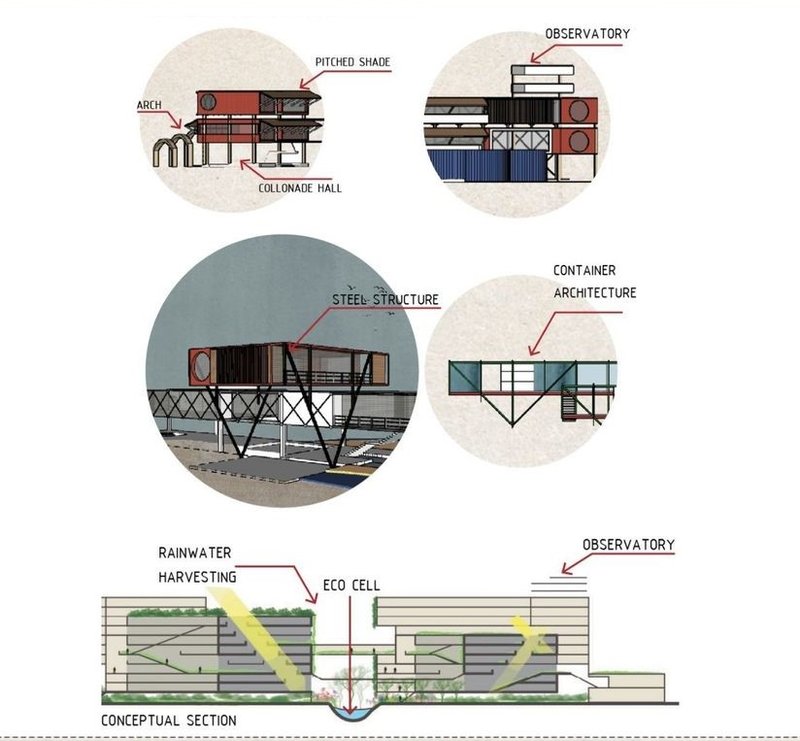
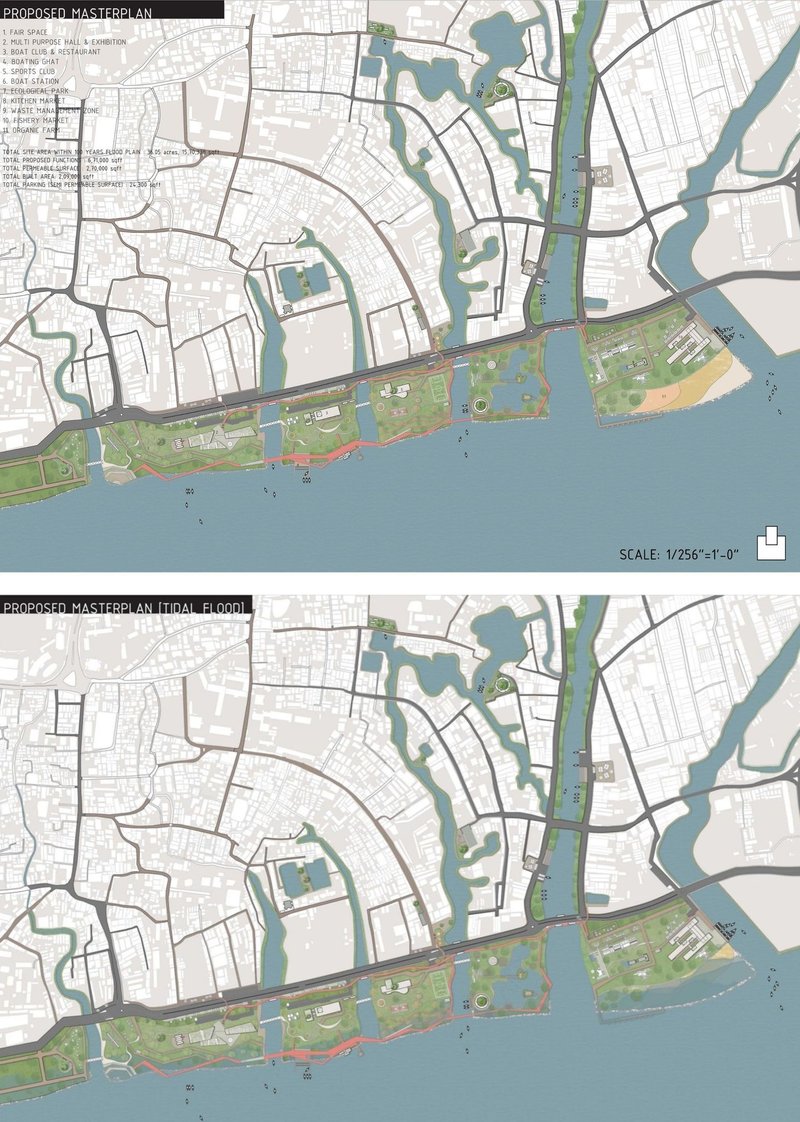
The project’s vision integrates water-sensitive urban design as a nature-based solution to restore ecological balance and improve the city’s resilience. The proposal introduces strategies to enhance water quality, such as rhizofiltration and oxygenation using native aquatic plants to naturally filter pollutants. These measures also improve oxygen levels, revitalizing aquatic life. Existing canals are widened to a minimum of 40 feet and deepened to at least 10 feet to prevent waterlogging and ensure smooth water flow.
The design significantly expands green infrastructure, increasing green cover from 15.54% to 75.58%. This includes introducing 14,81,600 square feet of planted area with native species. Ecological parks with limited public access are constructed to act as retention zones, creating habitats for flora and fauna while serving as natural water purifiers.
Circular waste management systems are proposed, where degradable waste from the site is utilized in a closed-loop system, producing compost and organic fertilizer to support urban farming along the riverbank. Accessibility is also a key focus, incorporating a multi-modal approach that includes walkways, cycling tracks, and water transport routes. Elevated walkways and floating piers ensure year-round access regardless of water levels. Recreational zones such as floating restaurants, boating stations, and exhibition spaces foster community engagement.
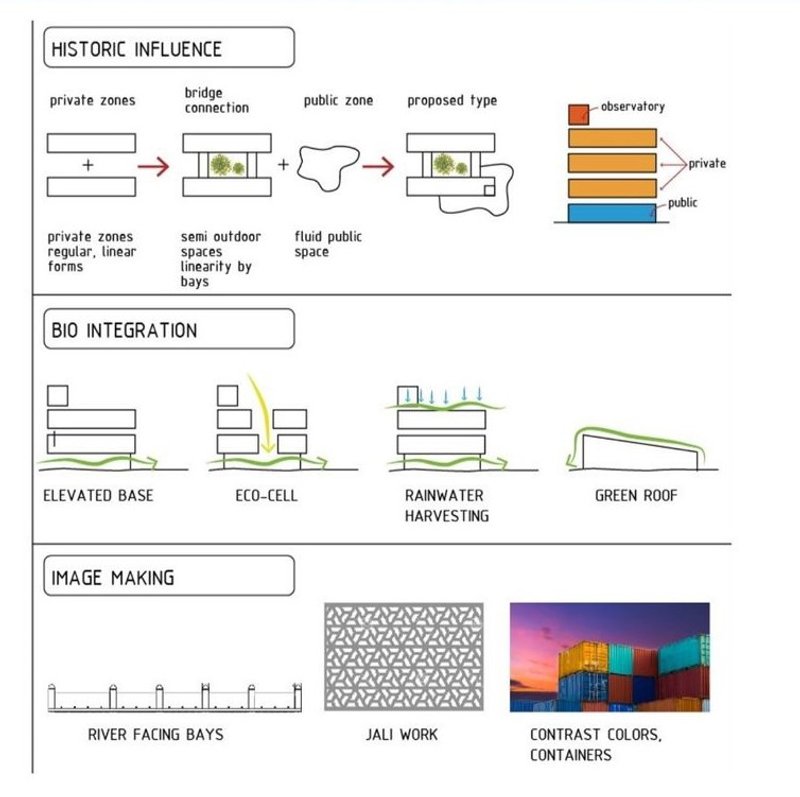
Architectural Interventions: Context Meets Innovation
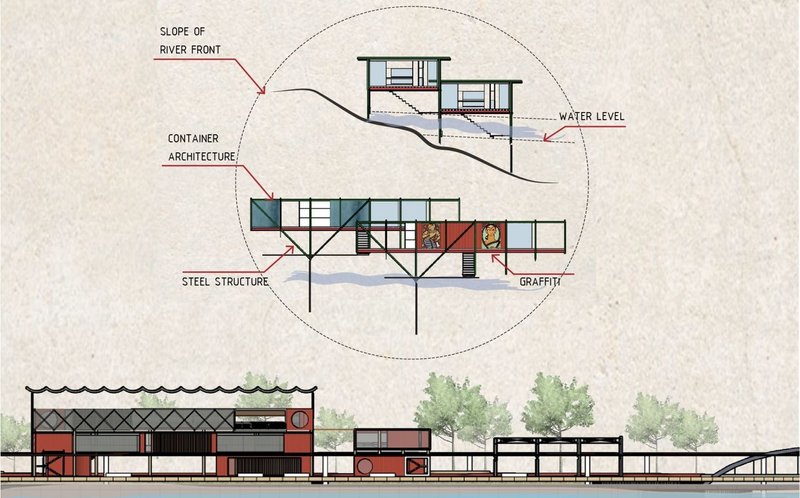
Architecture plays a pivotal role in redefining the riverfront, blending modern functionality with historical context. Lightweight steel-framed structures inspired by Chattogram’s industrial heritage are used to house observatories, cafes, and community spaces. Buildings are equipped with sustainable systems for rainwater harvesting and green roofs, promoting water management and thermal insulation. The site is divided into layered zones—public, semi-public, and protected ecological areas—ensuring a balance between accessibility and conservation.
Creating a Healthy Urban Ecosystem
The proposed design not only addresses environmental challenges but also enhances urban livability. Native plant species and water-sensitive interventions attract wildlife, including migratory birds and aquatic species like the Hilsa fish and Ganges River dolphins. Open green parks, sports facilities, and waterfront promenades provide spaces for relaxation and activity, while public participation in maintaining green spaces fosters a sense of ownership and stewardship.
Preserving Heritage, Reimagining the Future
The architectural language of the project draws heavily from Chattogram’s historical fabric. The linear forms of colonial and Portuguese-era buildings inspire the spatial arrangements, while traditional materials like brick and terracotta are combined with contemporary steel and glass. The design evokes a sense of nostalgia, allowing residents to "reminisce the roots" of their city while embracing a sustainable future.
Challenges and Vision for the Future
While the project offers hope, it comes with challenges. Coordinating between stakeholders, ensuring long-term maintenance, and preventing future encroachments require robust policies and public engagement. However, by aligning with Sustainable Development Goals (SDGs) such as clean water, sustainable cities, and climate action, the project sets a benchmark for urban resilience in Bangladesh.
The “Reminiscing the Roots” project is not just a redesign of a riverfront; it is a call to action for reconnecting Chattogram’s people with their heritage, culture, and nature. Through innovative water-sensitive urban design and sustainable architecture, the Karnaphuli Riverfront can transform into a symbol of hope—a thriving public space that honors the past while paving the way for a resilient and inclusive future.