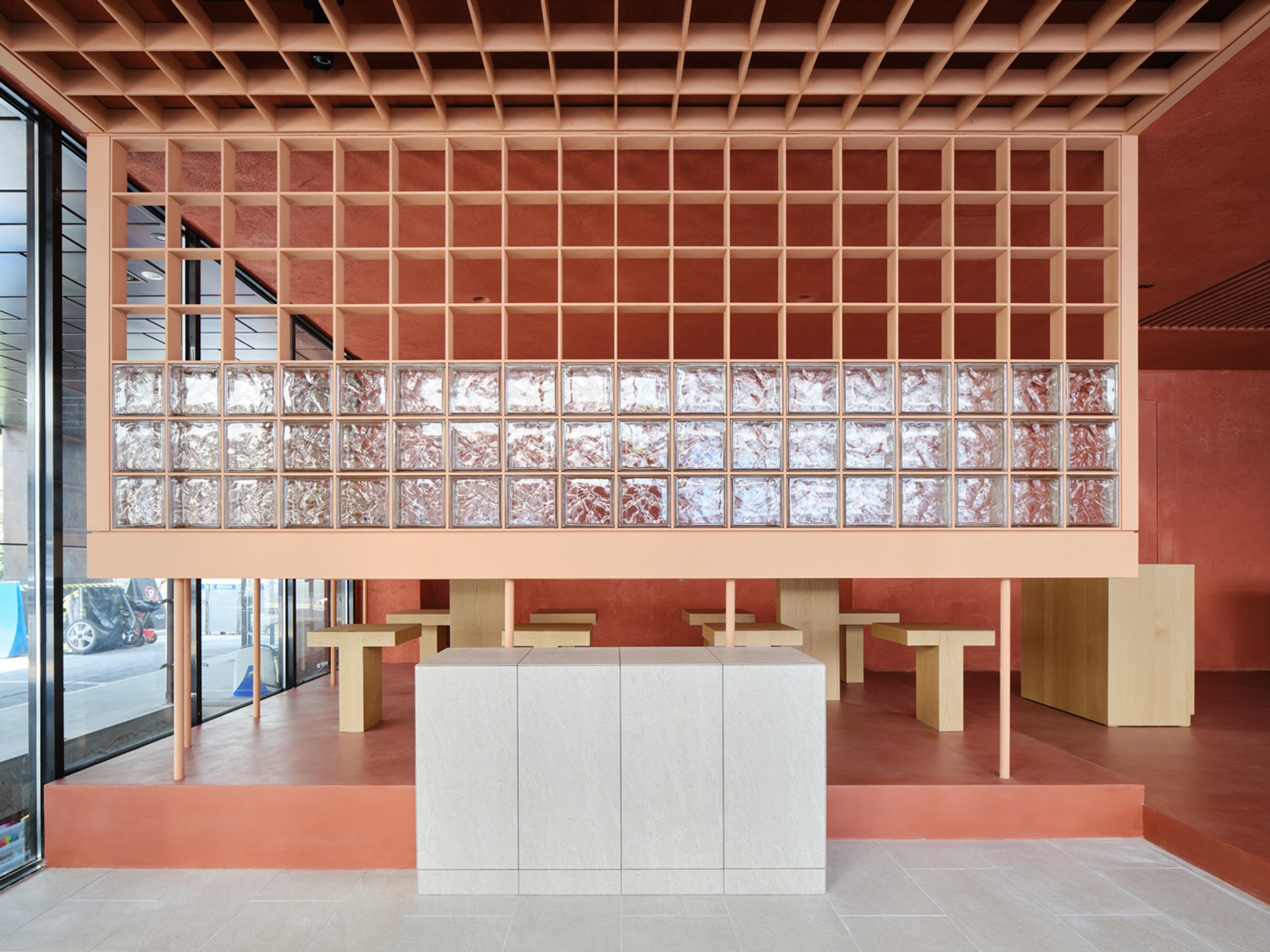
Sijul Restaurant: A Vision of Seasonal Restaurant Design by design CHOU
Sijul Restaurant integrates seasonal design principles, using light, materials, and seasonal ingredients to create an immersive dining experience.


Introduction to Seasonal Restaurant Design
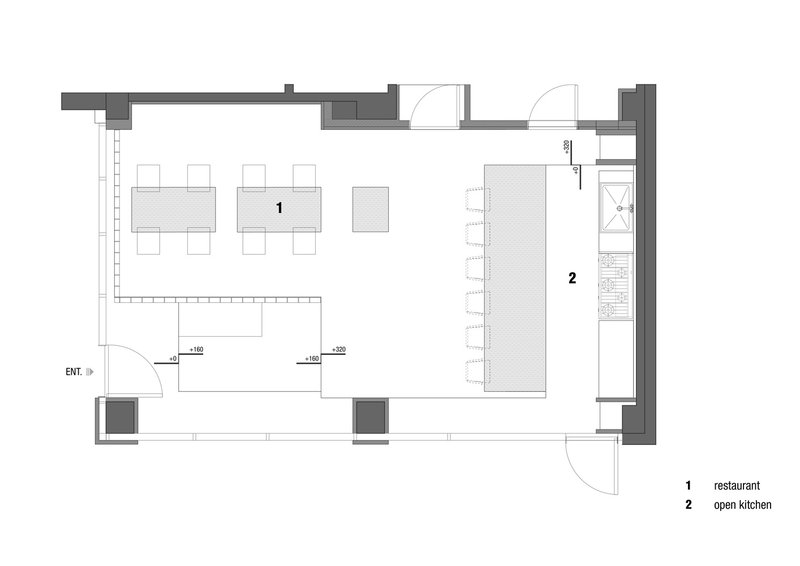
Sijul Restaurant, designed by design CHOU in South Korea, presents an innovative approach to seasonal restaurant design. Covering an area of 53 m², the restaurant emphasizes the connection between food, nature, and the changing seasons, creating a dynamic environment where the design interacts with time and light. This restaurant captures the essence of seasonal ingredients and incorporates them into both the culinary experience and the architectural space, offering an immersive dining experience.
Concept and Inspiration
The design concept for Sijul Restaurant revolves around the subtle shifts in seasons. The architects at design CHOU focused on the idea that the first noticeable change of the season happens on the dining table, through the ingredients that are used in food. Just like the seasonal change in nature, the design reflects this dynamic shift through the space, utilizing natural elements and light to create a fluid, ever-changing atmosphere.
Sijul Restaurant embraces the changing colors of landscapes, the direction of the wind, and the depth of light. These changes are mirrored in the way the food is served, with seasonal ingredients featured prominently on the menu. This philosophy of using ingredients that match the time of year enhances the experience of dining, linking the space and the meal through nature’s cycles.
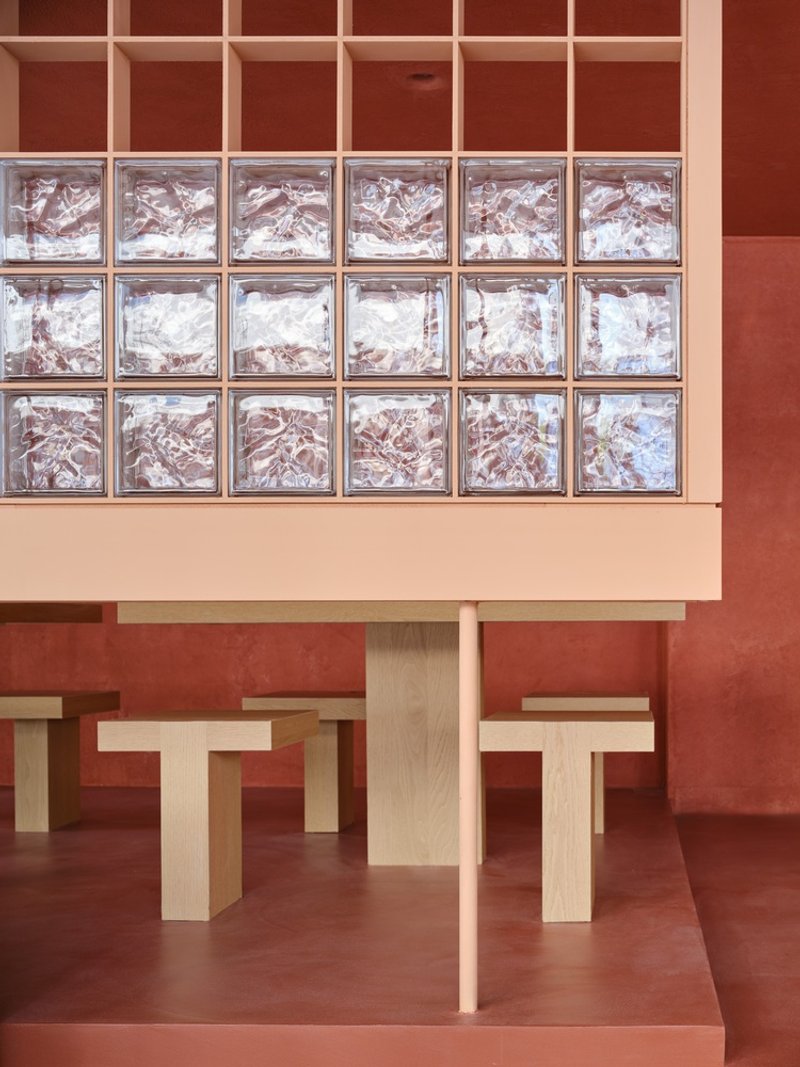
Architectural Design and Material Choices
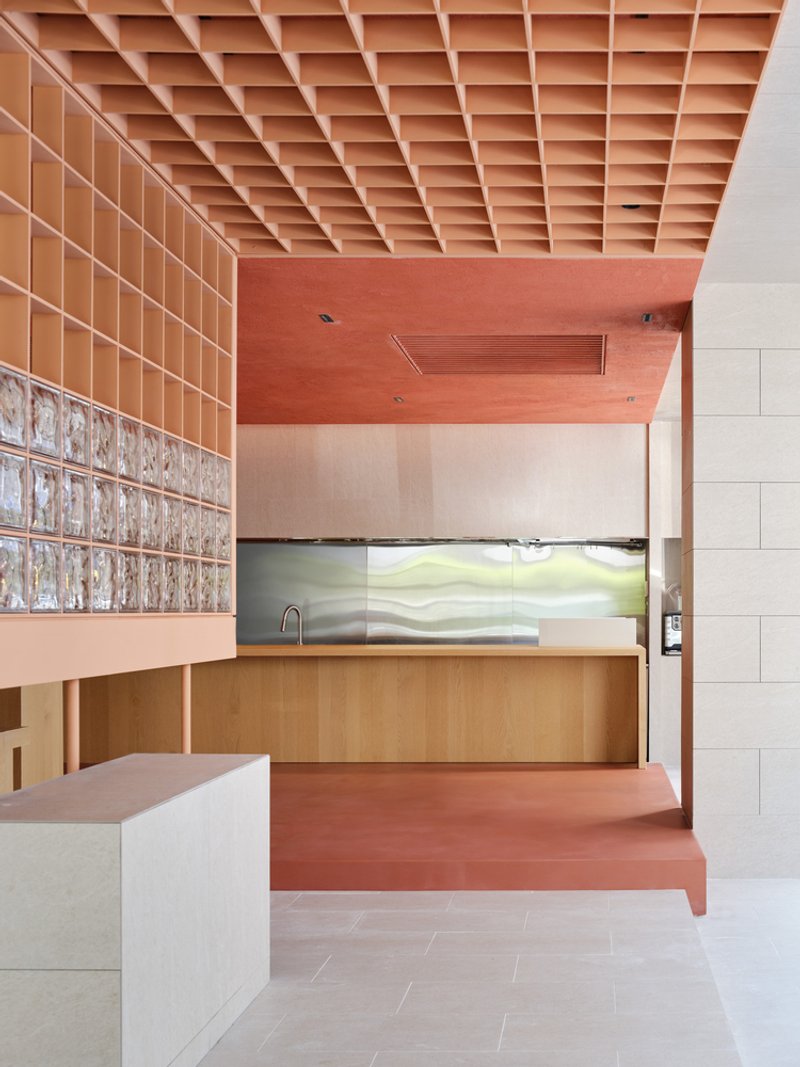
The architecture of Sijul Restaurant incorporates elements that represent the flow of nature. The design team sought to create an environment that would embody the interaction of light and shadow, much like the change of seasons. A primary feature of the space is the use of steel materials in the structure, which grow in vaults and form a delicate relationship with the elements.
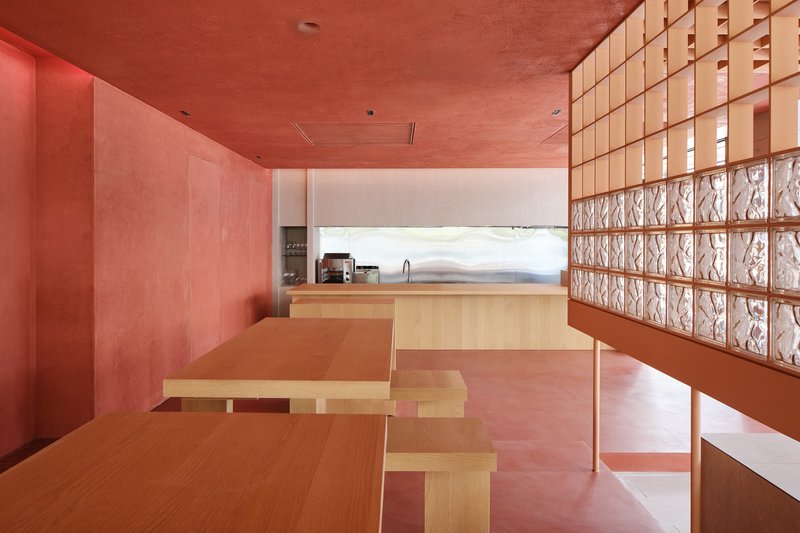
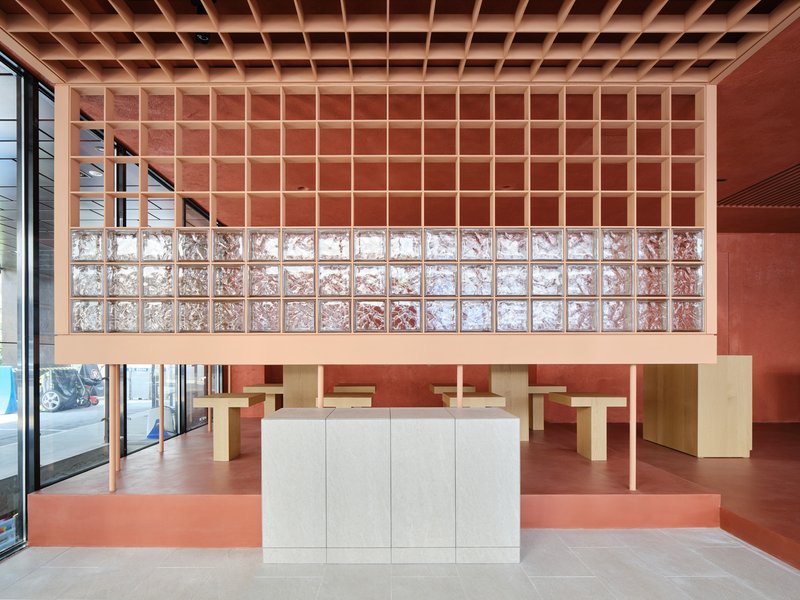
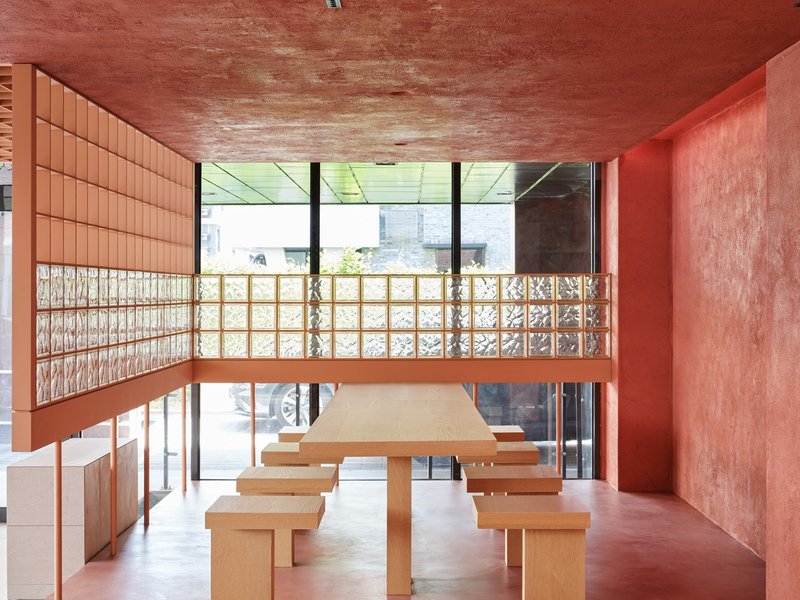
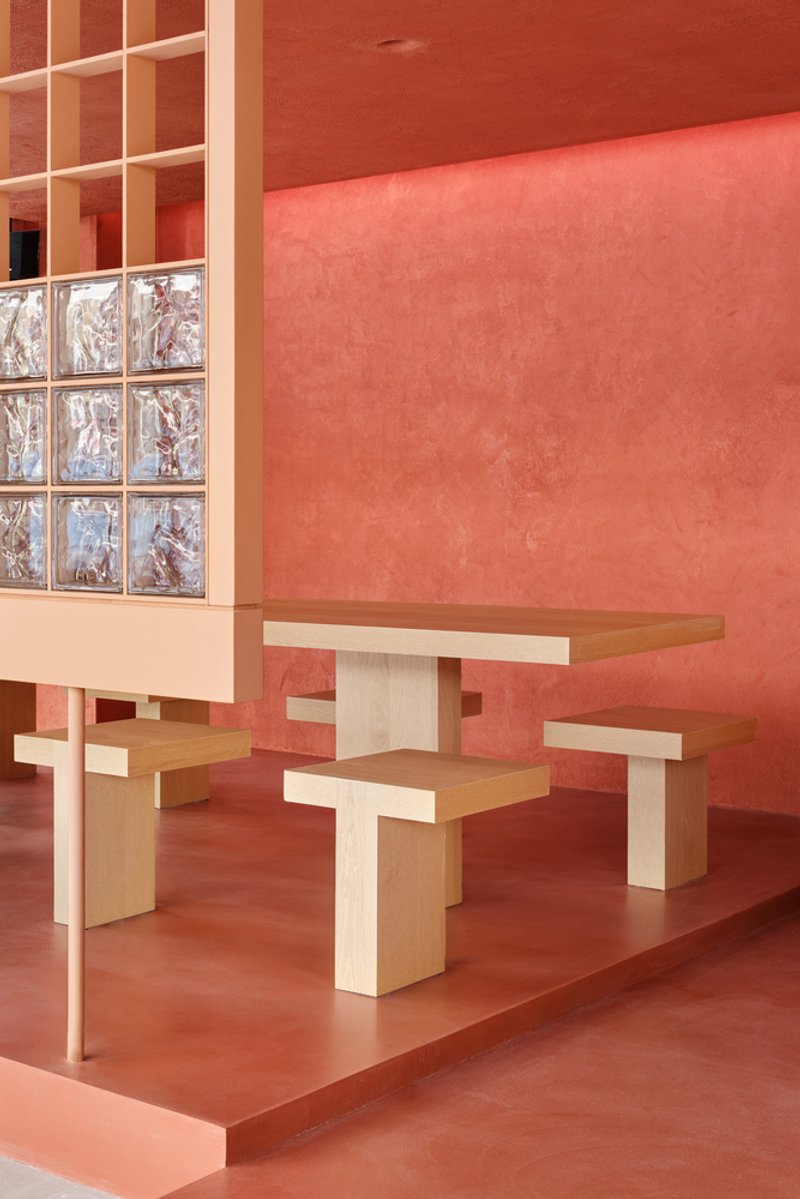
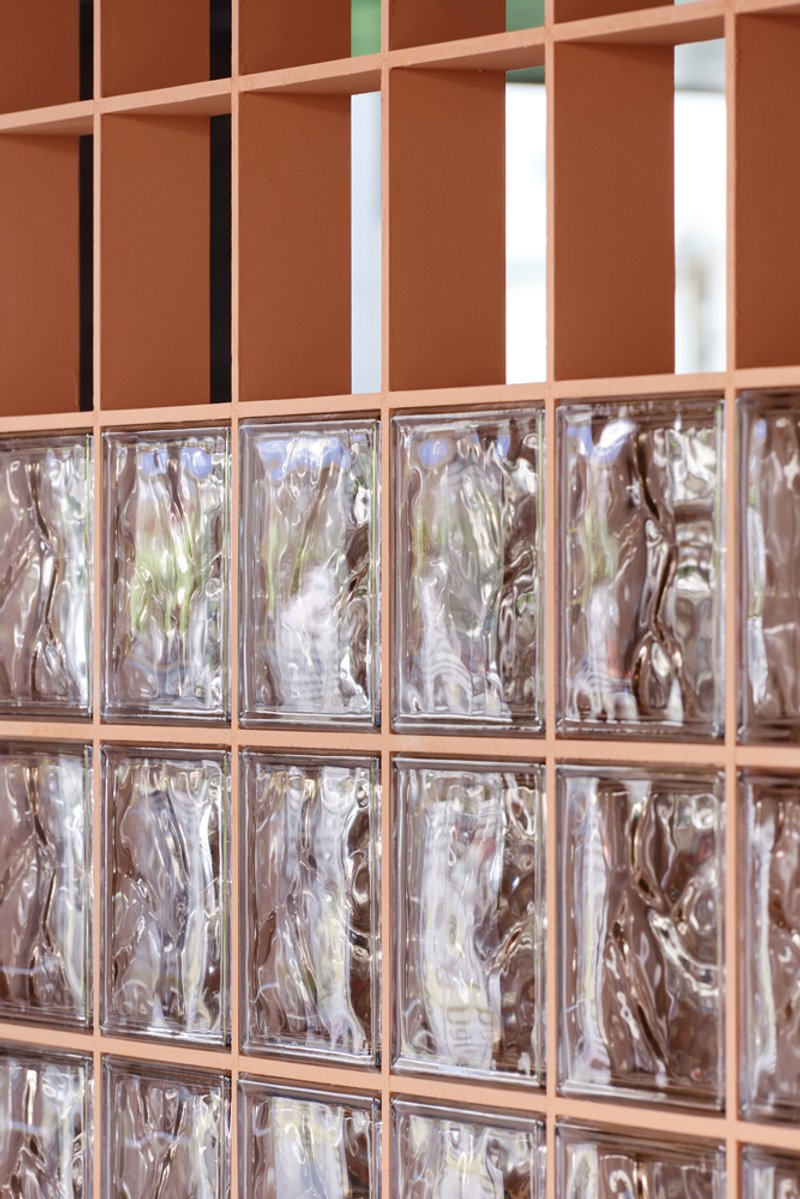
The interior design includes crimson microcement, which adds depth and warmth to the space. This material abstracts the movement of shadows, reflecting the passage of time, similar to how a sundial tracks the sun's movement. The use of lower colored glass blocks allows natural light to filter into the space, providing a constantly changing atmosphere that mirrors the seasons outside.
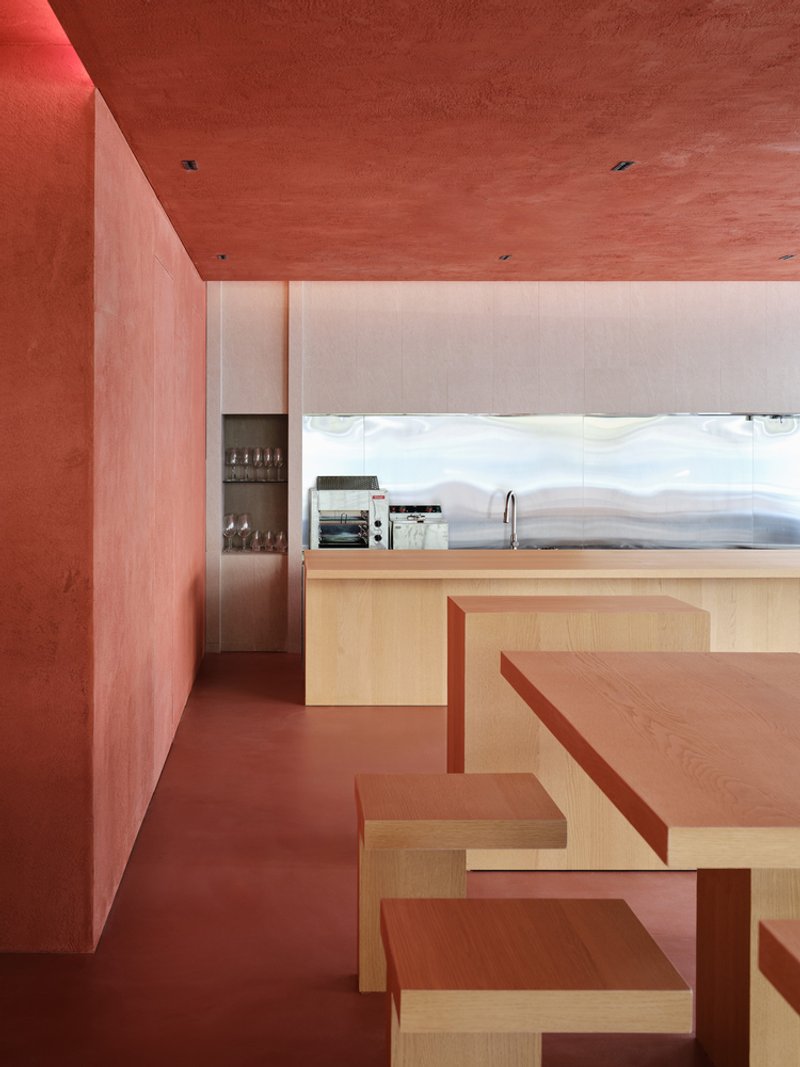
The Role of Light in Seasonal Restaurant Design
A key feature of Sijul Restaurant’s design is its relationship with light. As you enter the space, the light gradually reaches different parts of the interior, evolving throughout the day. This dynamic interaction between light and space creates a sense of time and change, allowing the restaurant to reflect the cycle of the seasons. The play of light enhances the feeling of intimacy and connection to nature, making the dining experience unique to each moment.
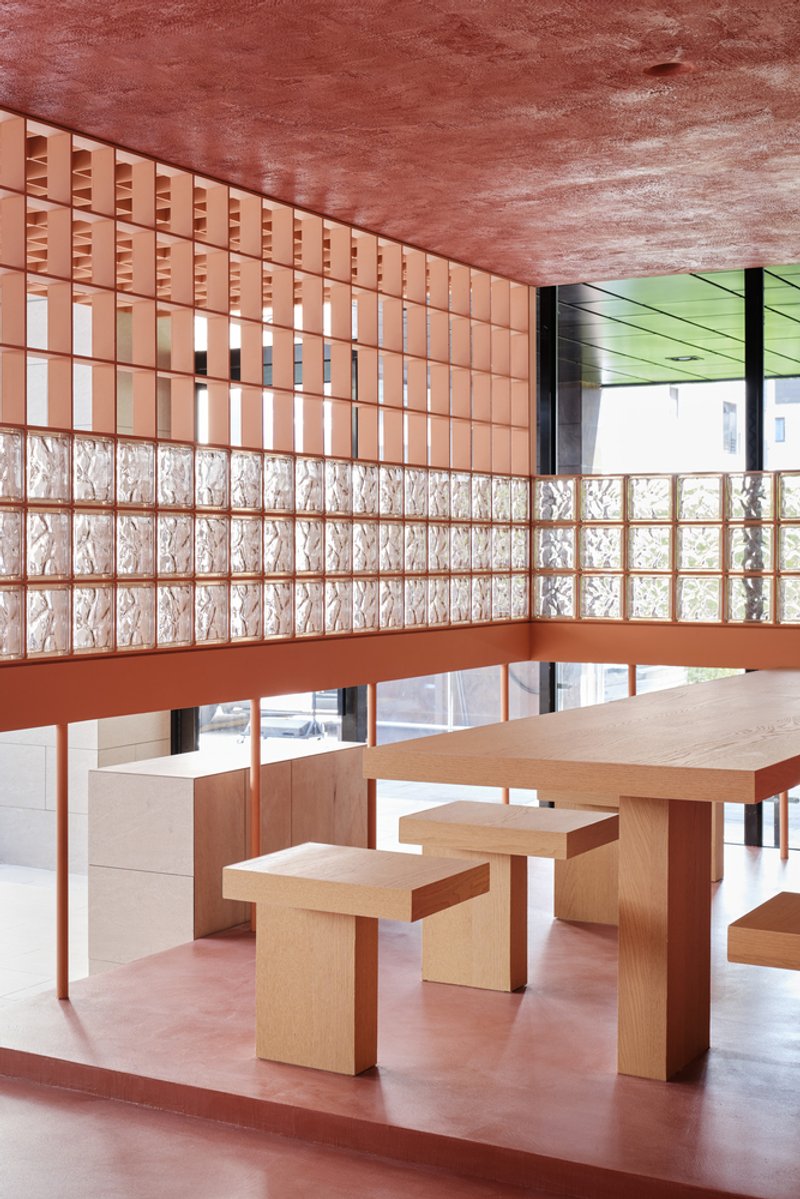
A Harmonious Blend of Food and Space
Sijul Restaurant is a stunning example of seasonal restaurant design, where the architecture and the culinary experience are inextricably linked. By using natural materials, playing with light, and incorporating seasonal elements, the design transforms the space into a living, breathing entity that changes with time. The restaurant not only serves food but also celebrates the flow of nature and the seasons, offering diners a unique and immersive experience.
All Photographs are works of kimdonggyu