‘sʔitwənx UBC Okanagan Child Care by Public Architecture + Design
‘sʔitwənx UBC Okanagan Child Care blends sustainable timber design and playful discovery zones, creating a warm, pragmatic, and inspiring learning environment.


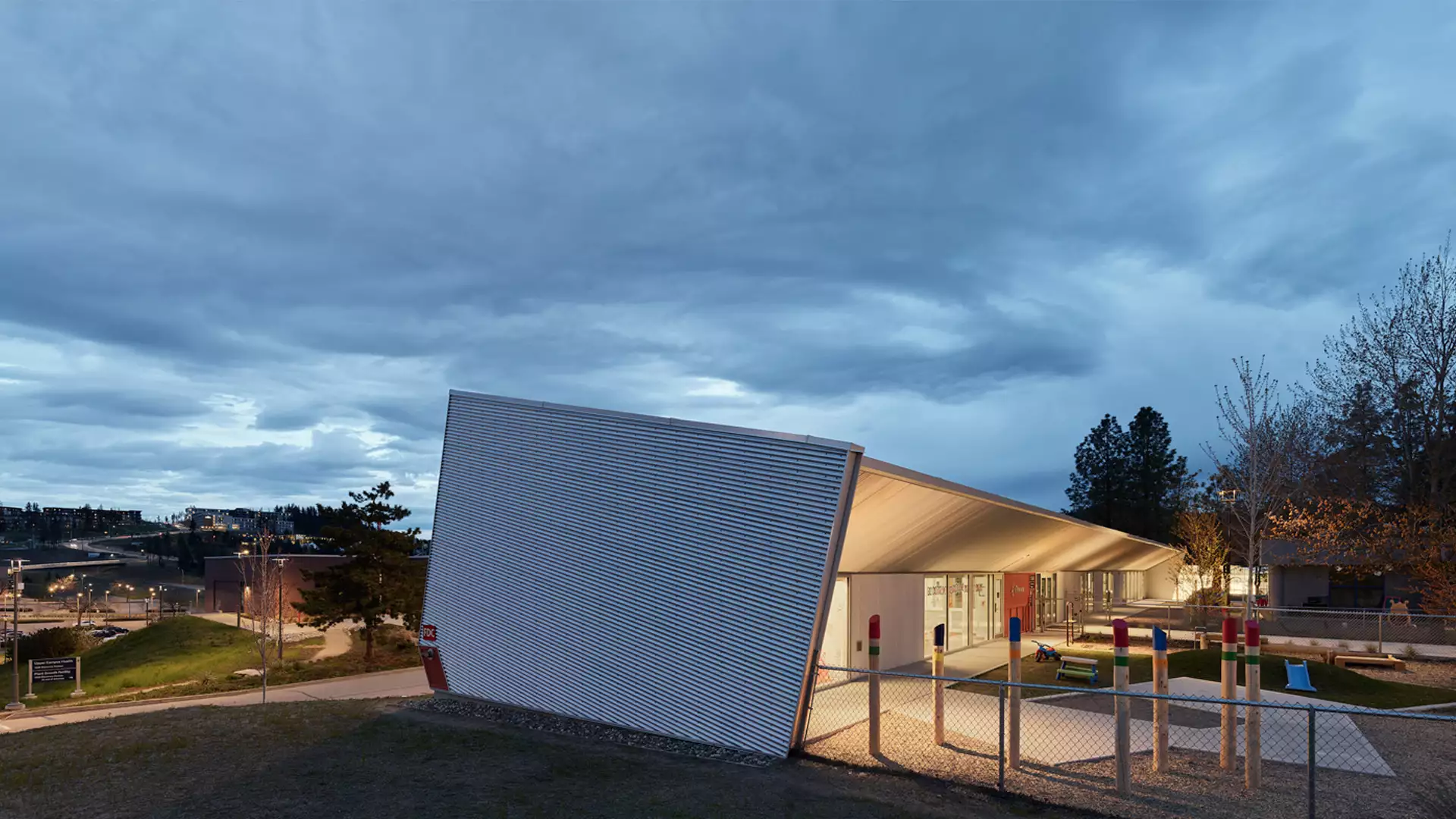
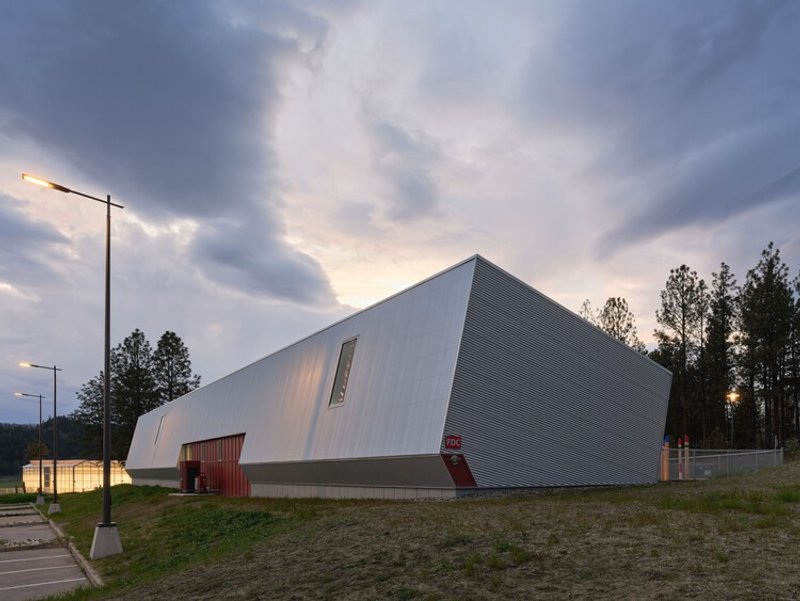
Located on the University of British Columbia Okanagan campus in Kelowna, Canada, the ‘sʔitwənx UBC Okanagan Child Care Centre by Public Architecture + Design is a remarkable example of Architectural Pragmatism—a design philosophy that embraces challenges and transforms limitations into creative opportunities. Completed in 2024 and spanning 650 m², this project redefines how early childhood environments can be engaging, sustainable, and architecturally expressive within a modest budget.
Design Concept: Architecture Through Pragmatism
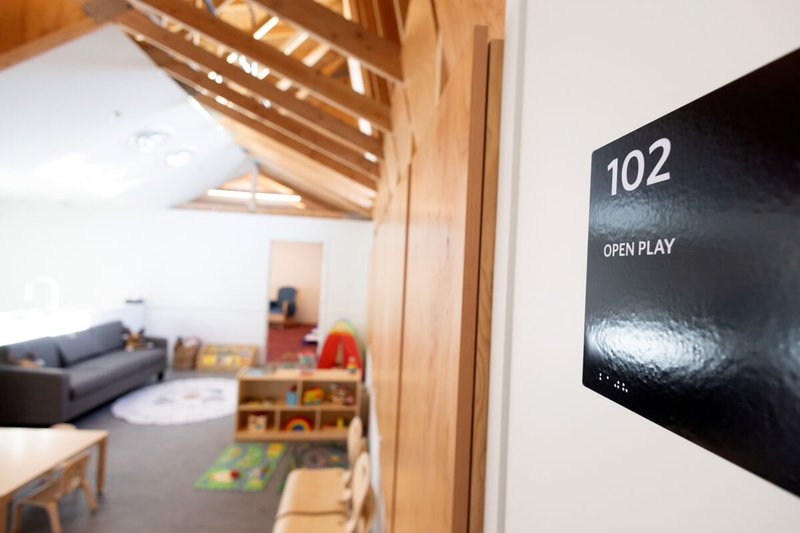
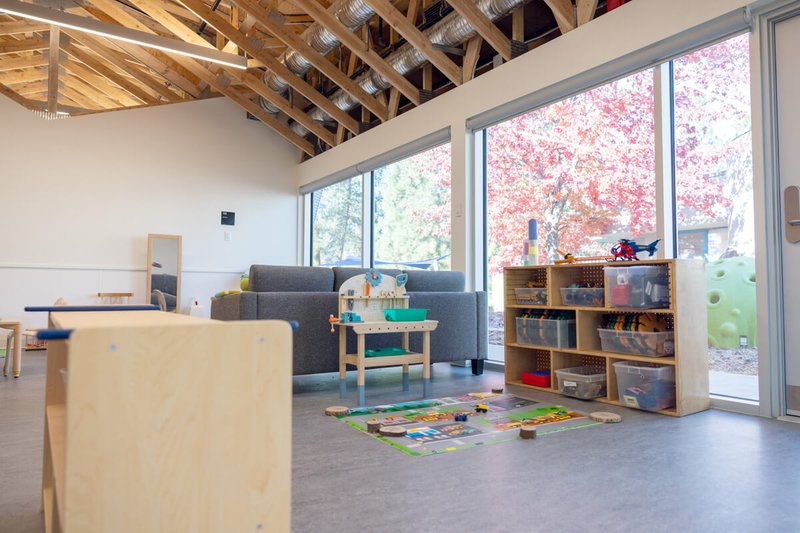
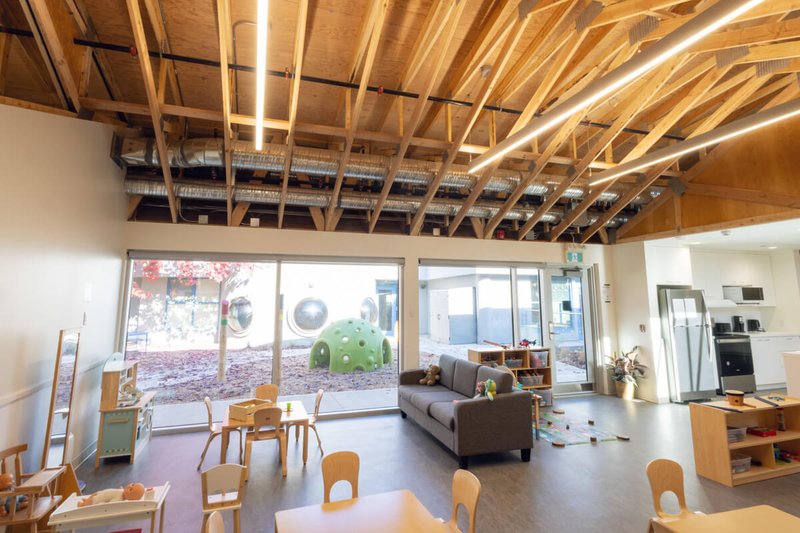
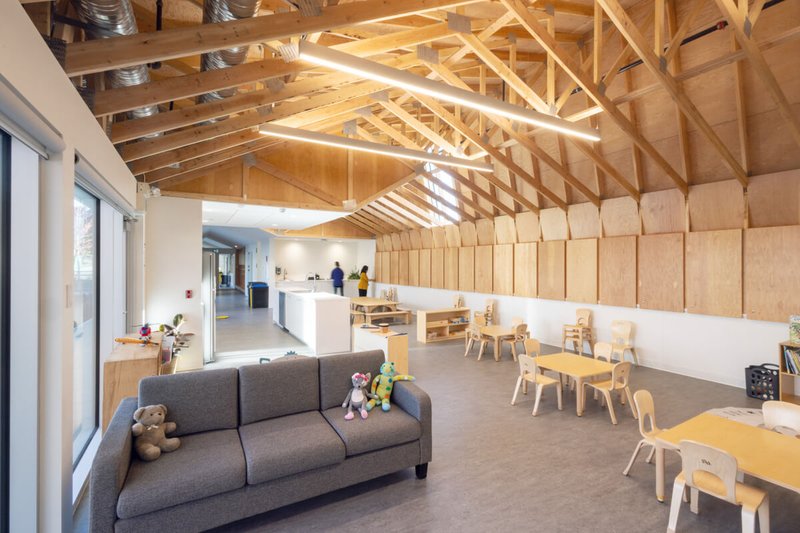
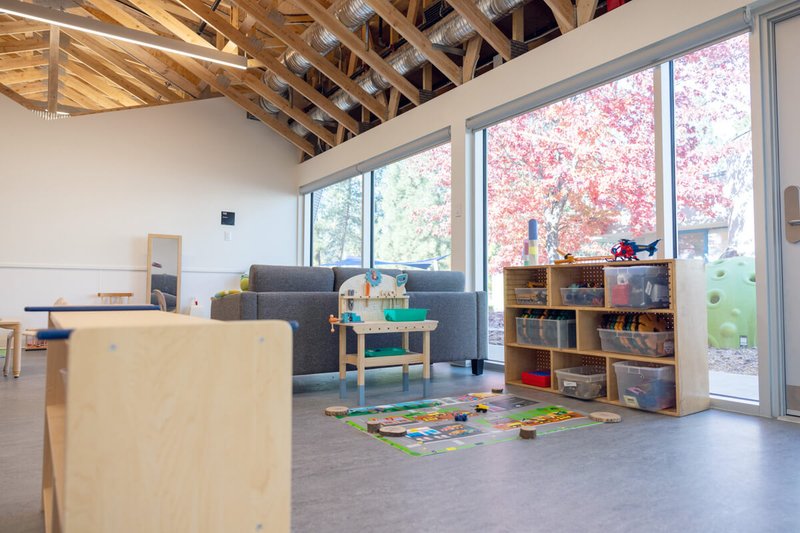
The term ‘sʔitwənx’, a Syilx word meaning “crane”, symbolizes curiosity, exploration, and growth—values reflected in both the building’s function and design. The architects adopted Architectural Pragmatism as a guiding principle, meaning they worked with constraints rather than against them. Faced with budgetary limits, they selected pre-engineered roof trusses, typically considered utilitarian. Instead of concealing them, the team exposed these elements, allowing their raw form and rhythm to become part of the architectural narrative—an honest and expressive gesture that celebrates simplicity.
Form and Spatial Organization
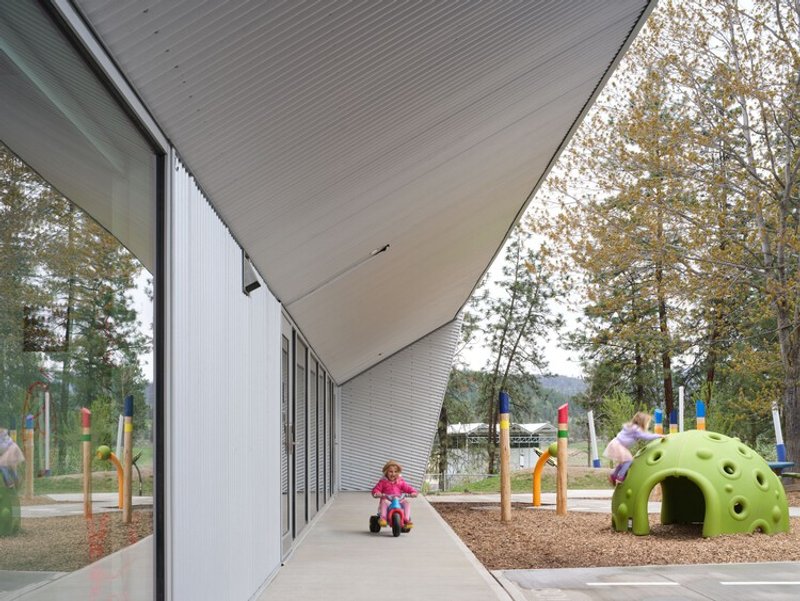
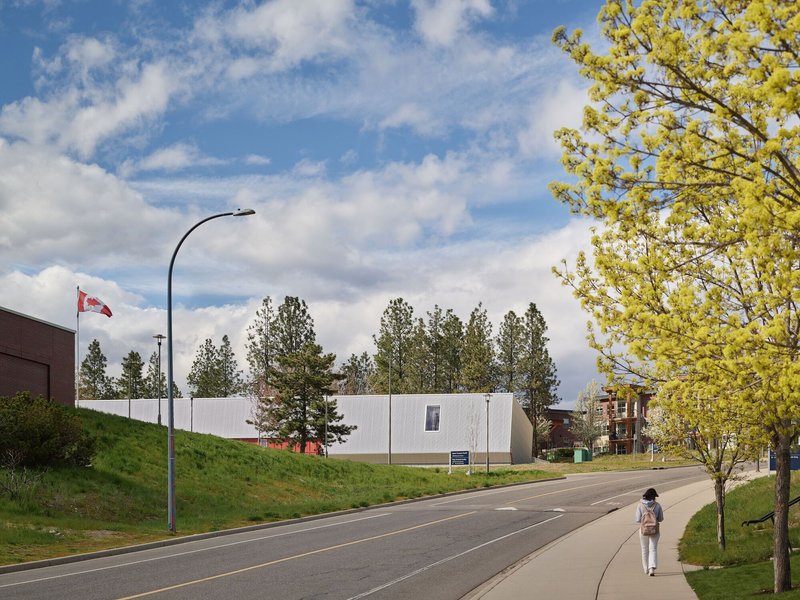
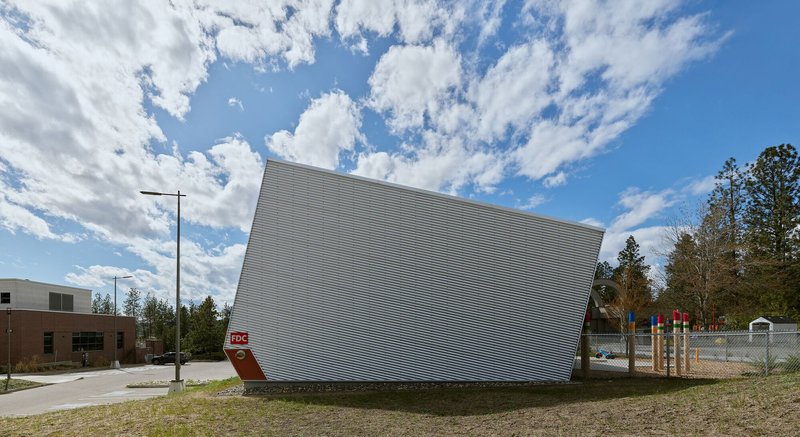
The site posed multiple constraints—mature trees, existing underground utilities, and proximity to another active childcare centre. These challenges shaped the design into a long, narrow structure oriented east–west, strategically shielding the play areas from the harsh Okanagan sun and adjacent parking lot.
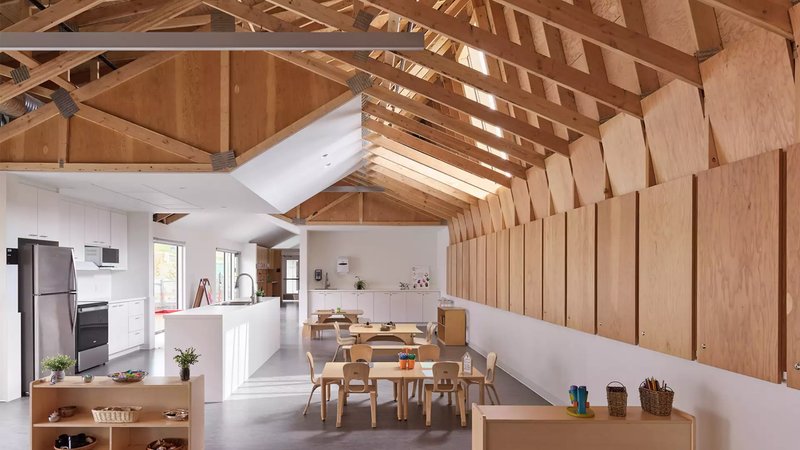
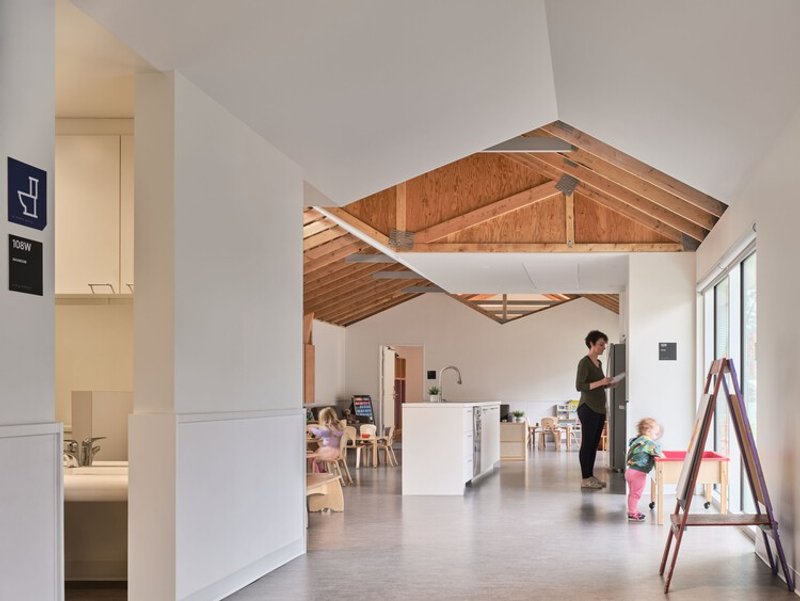
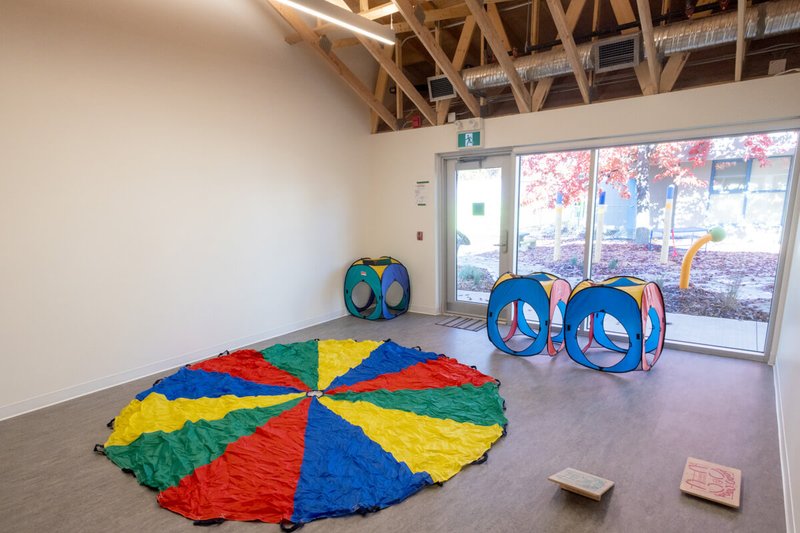
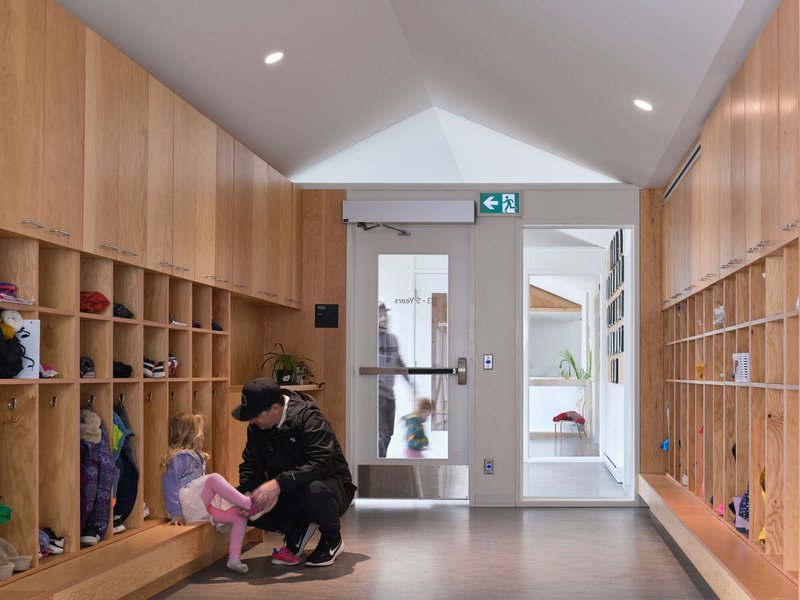
Inside, the architects moved away from traditional compartmentalized classrooms and introduced “discovery zones”—fluid, overlapping areas for activities such as art, cooking, movement, and play. These flexible environments encourage interaction, exploration, and independence, fostering a child’s natural curiosity and creativity.
Structure and Materiality
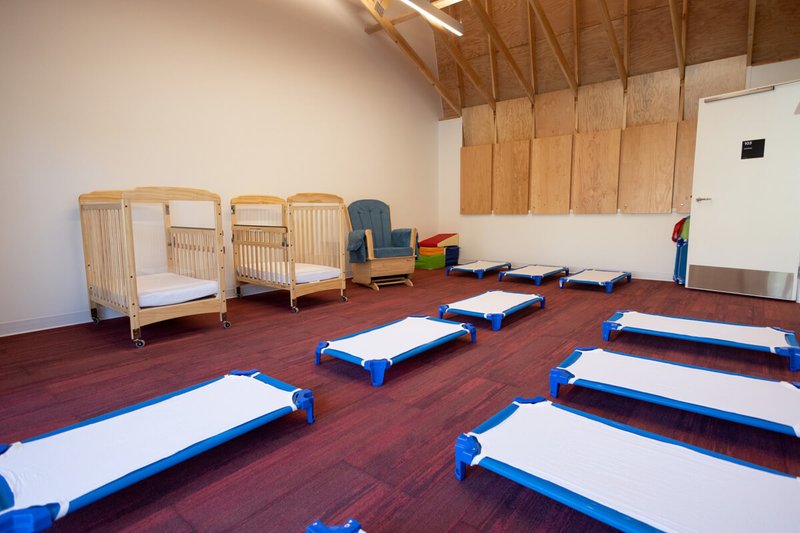
The building’s six pre-engineered truss forms share a consistent roof profile externally but vary in their internal geometry. This design creates an interplay of light and spatial intimacy, producing zones that feel warm and familiar—especially around nap rooms, kitchens, and play areas. The timber structure, exposed beams, and natural finishes create a tactile environment that balances durability with comfort.
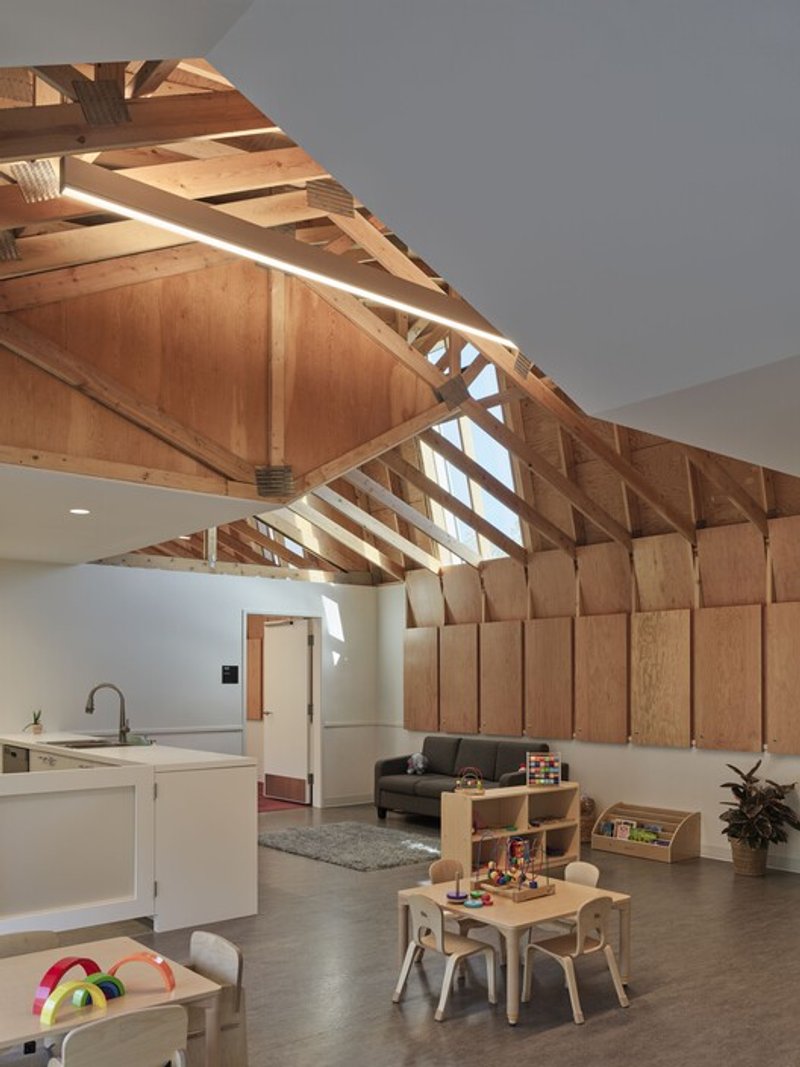
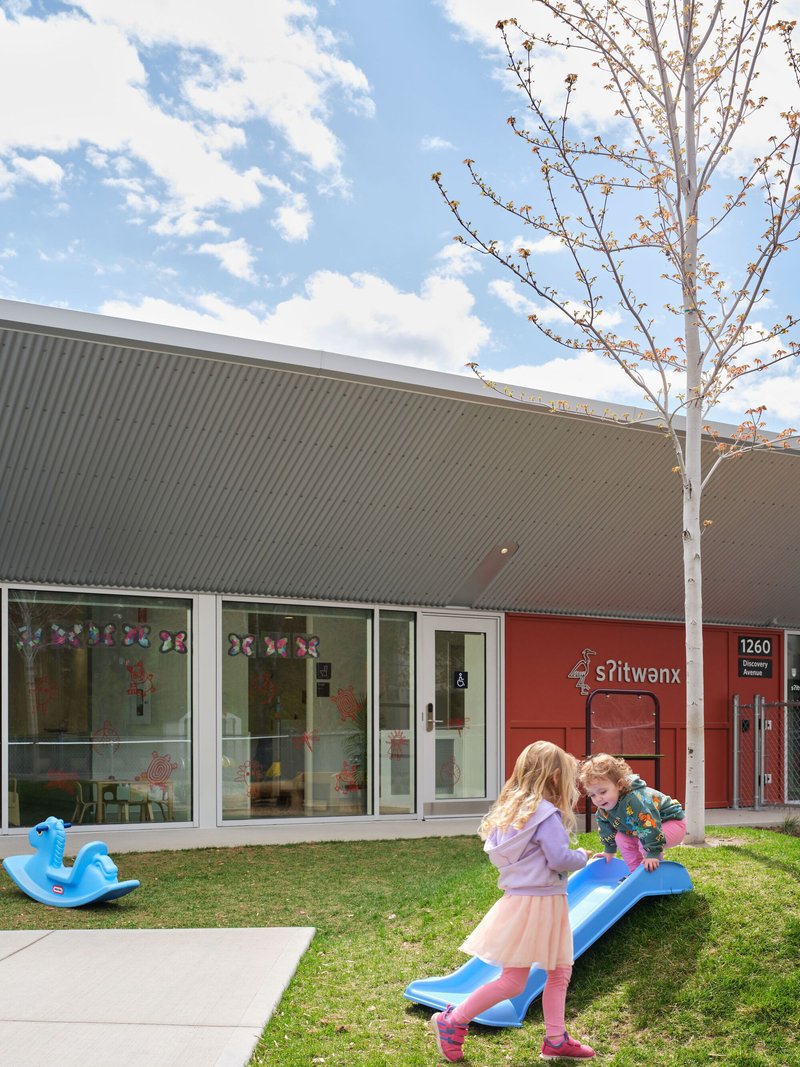
Materials like Vicwest corrugated cladding, Soprema insulation systems, and Kawneer window systems ensure sustainability and long-term performance. The exposed trusses and timber detailing bring warmth and authenticity, underscoring the beauty of simple, resource-efficient design.
Construction and Collaboration
Despite the logistical challenges of building just six meters away from an operational childcare center, construction was completed within ten months. The use of prefabricated timber trusses allowed the main structural frame to be erected in only three weeks, minimizing disruption to children and staff.
Throughout the process, the construction team maintained a clean and safe environment, engaging the children next door, who watched in fascination as the new building took shape. The collaboration between architects, consultants, and builders resulted in an exceptional level of craftsmanship that exceeded expectations despite the project’s practical constraints.