

Sustainable Garden Home Design: A Closer Look at the House for BEES
Explore the "House for BEES" in Mosman, Australia: a sustainable garden home design that harmonizes modern living with nature.


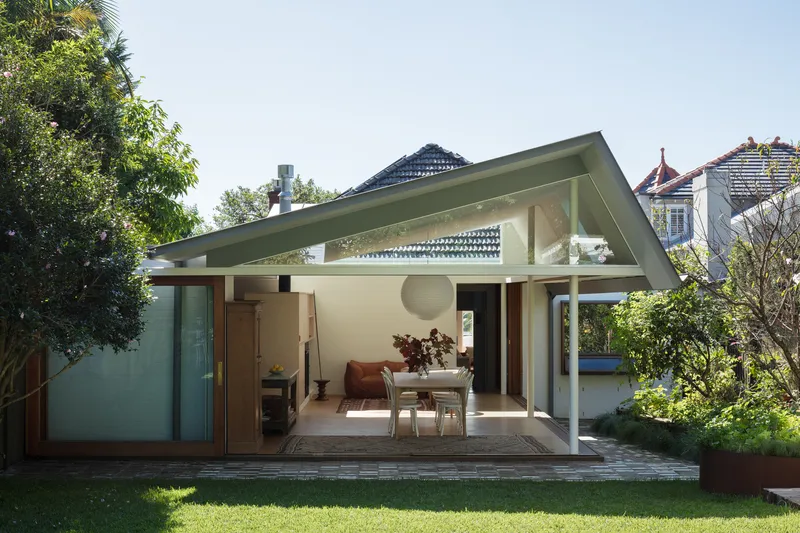
In Mosman, Australia, the "House for BEES" by Downie North Architects stands as a prime example of sustainable garden home design. This project showcases how modern architecture can harmonize with ecological principles to create living spaces that are both beautiful and environmentally sensitive.
Client Vision and Architectural Brief
Sarah and Evan, a couple with two children, envisioned a new addition to their Federation-era home that embraced their garden while incorporating sustainable features for year-round comfort. Their main goals were to enhance their living space with a focus on casual, easy living and to maximize the use of their garden.

Site Challenges and Architectural Response
Situated near Sydney Harbour, the site presented unique challenges including a south-facing backyard, which limited winter solar gain, and proximity to bedrock, affecting drainage. Downie North Architects' response was a design that prioritized natural light, ventilation, and seamless indoor-outdoor living.
The Design Strategy
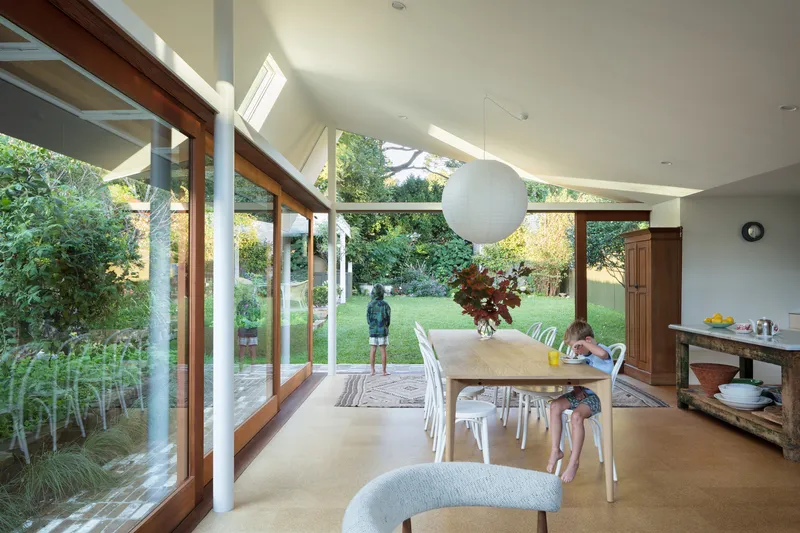
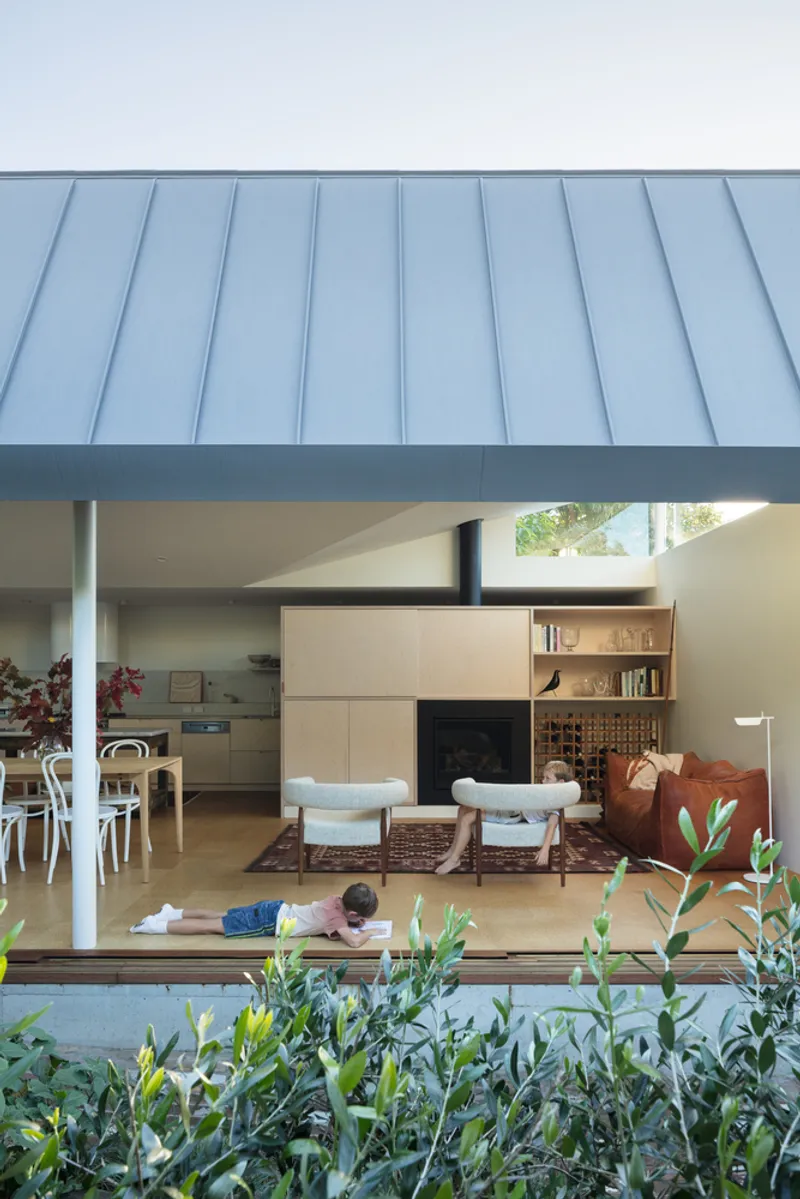
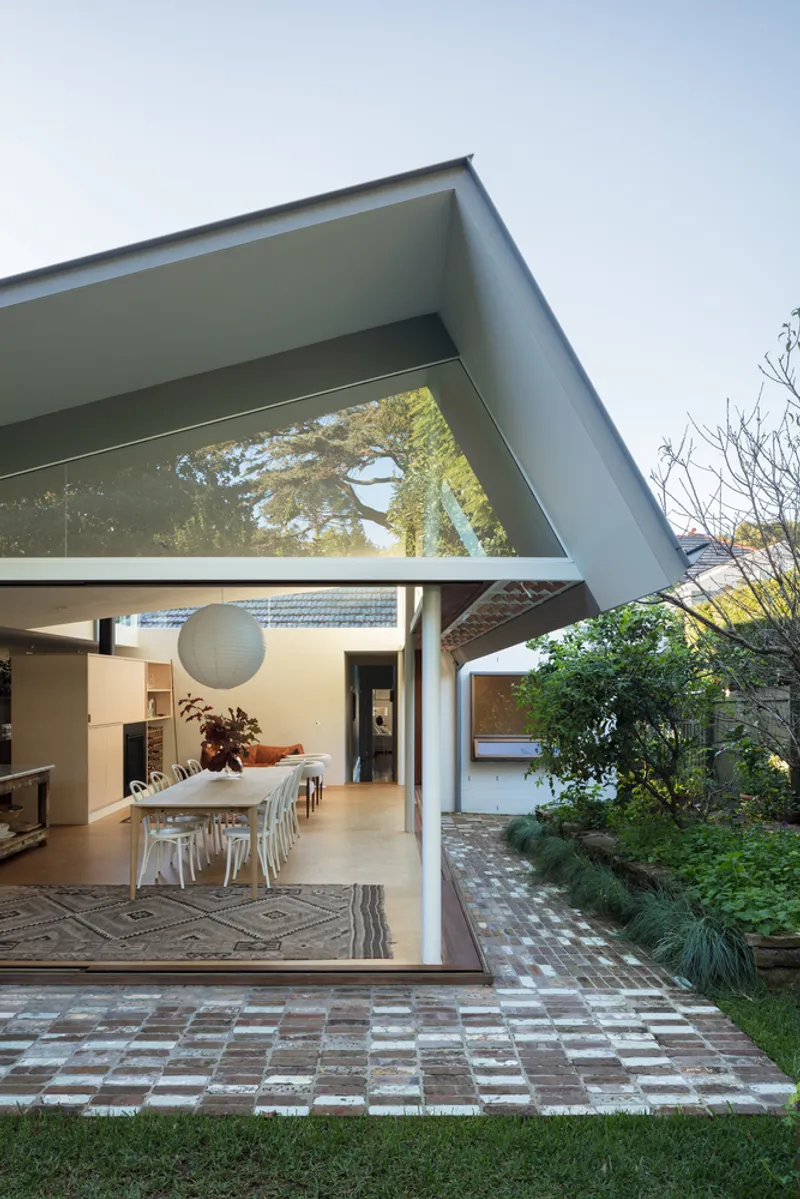
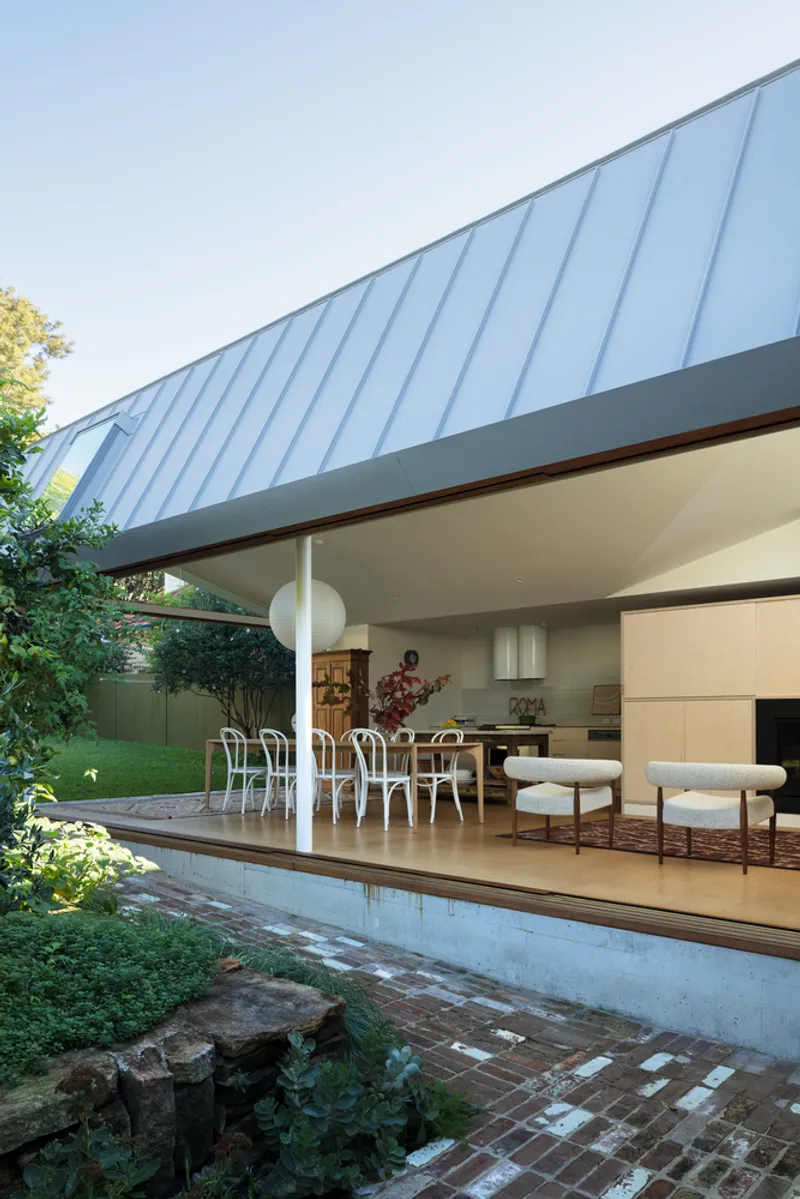
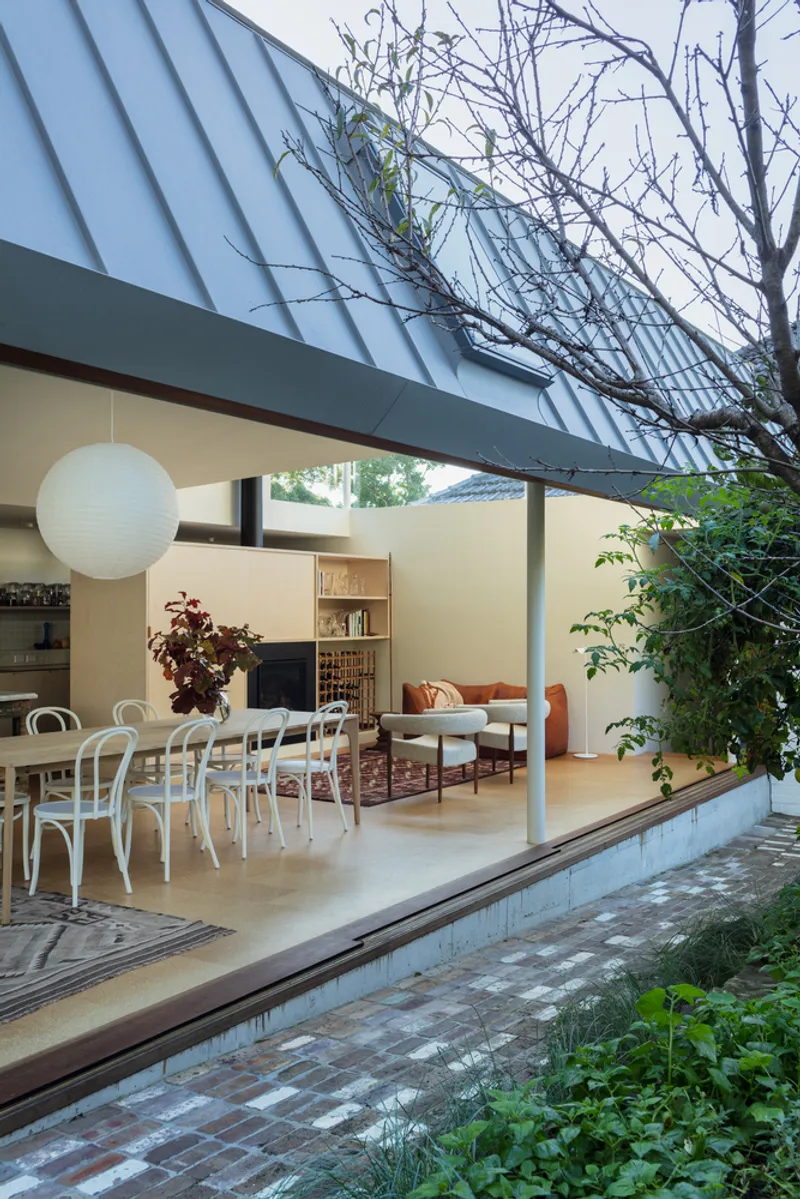
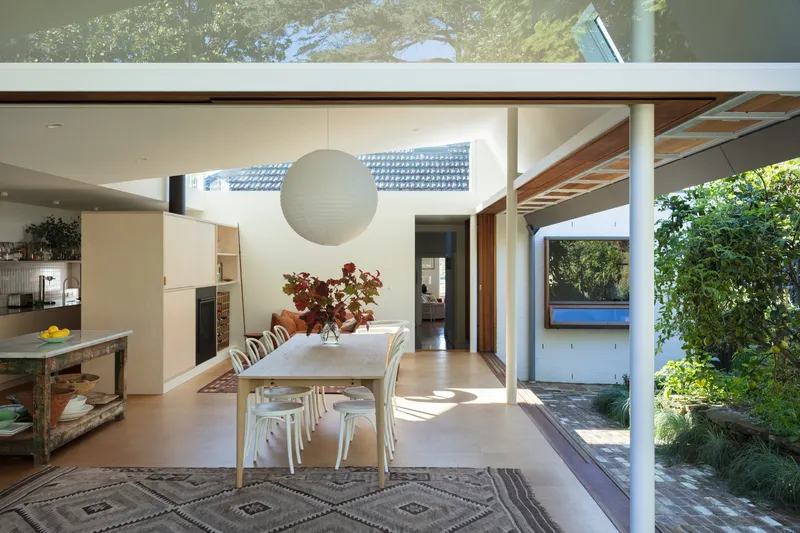
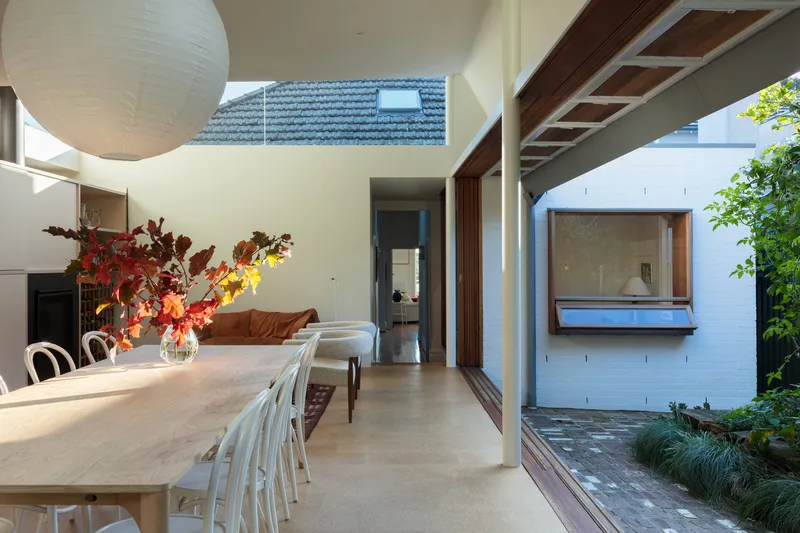
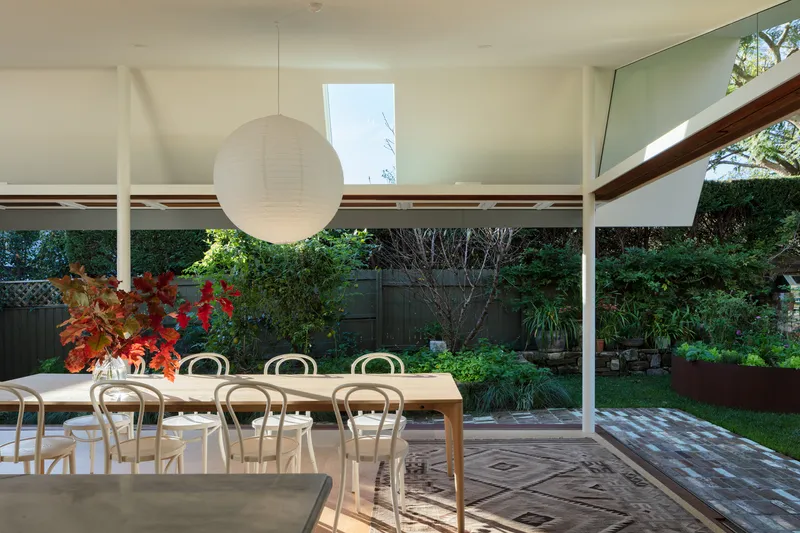
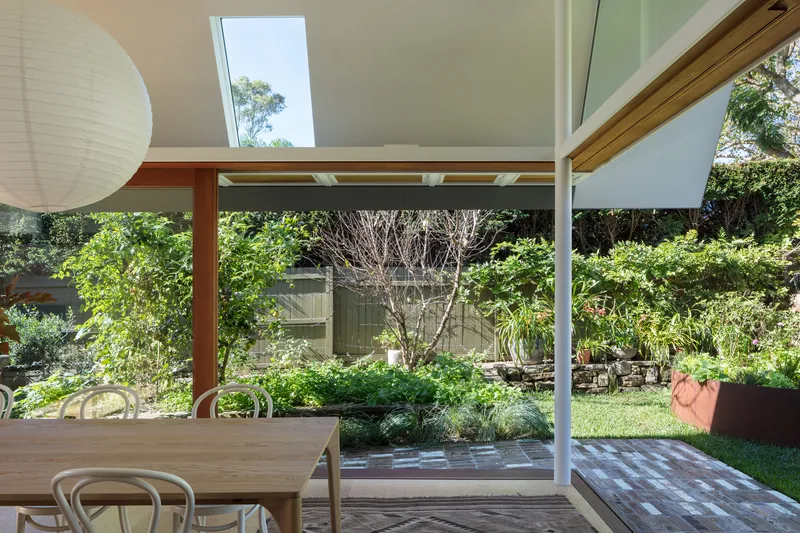
The architectural strategy involved creating a garden room with a floating roof that captures northern light and facilitates the capture of easterly breezes. The use of sliding doors and minimal barriers between the interior and the garden epitomizes the concept of sustainable garden home design.
Sustainable Features and Materials
Passive Design Techniques
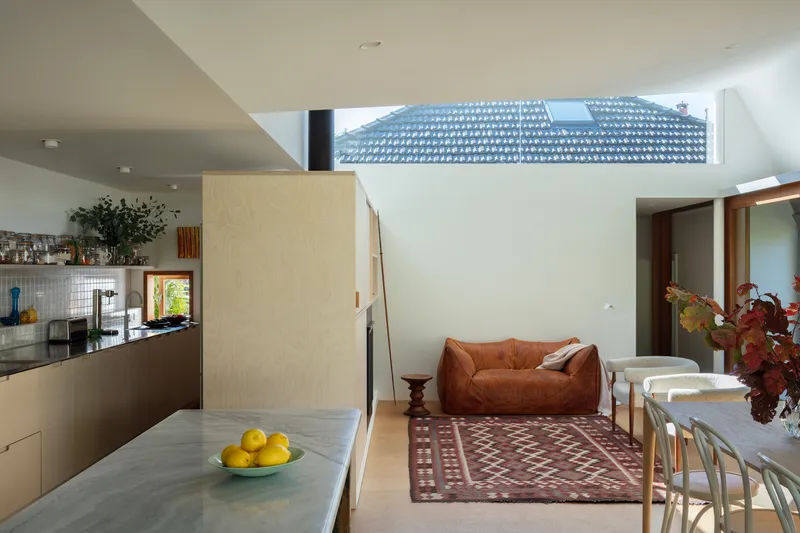
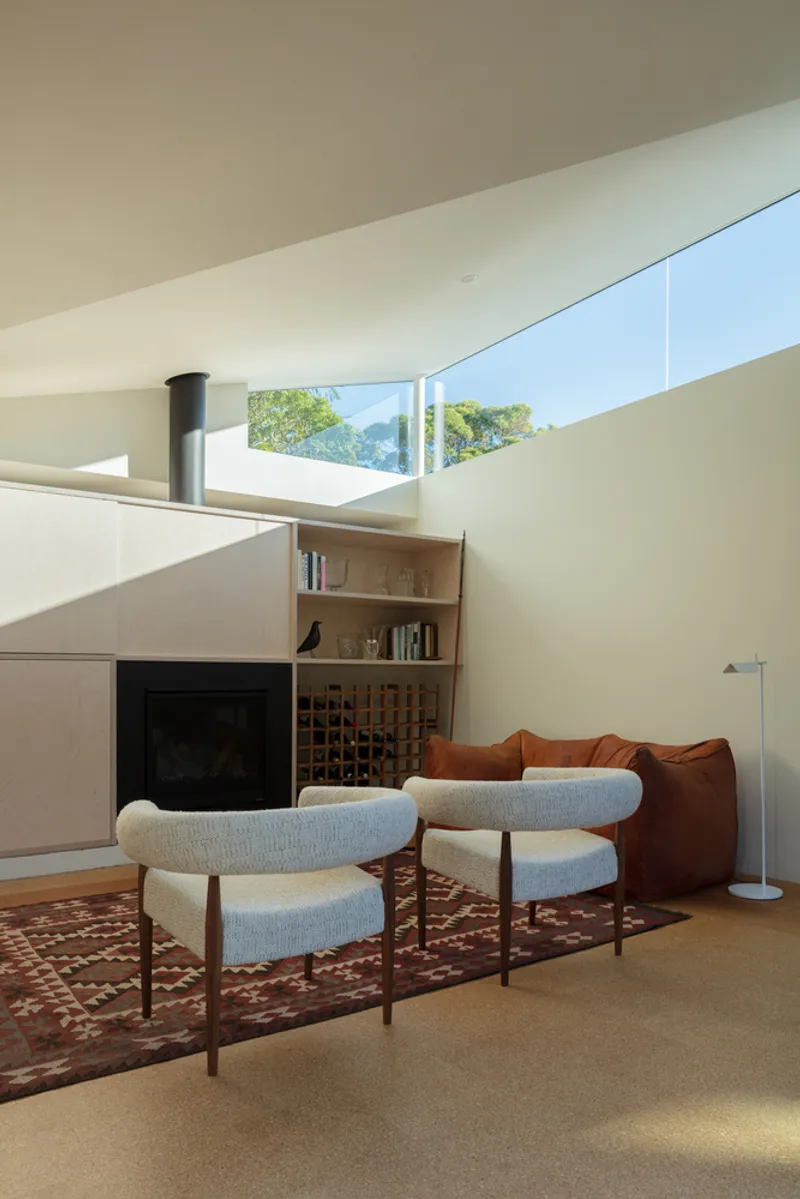
The home's design utilizes passive heating and cooling strategies to reduce reliance on artificial climate control. Strategic placement of windows and doors allows for optimal natural ventilation and light, reducing energy consumption throughout the year.
Material Selection
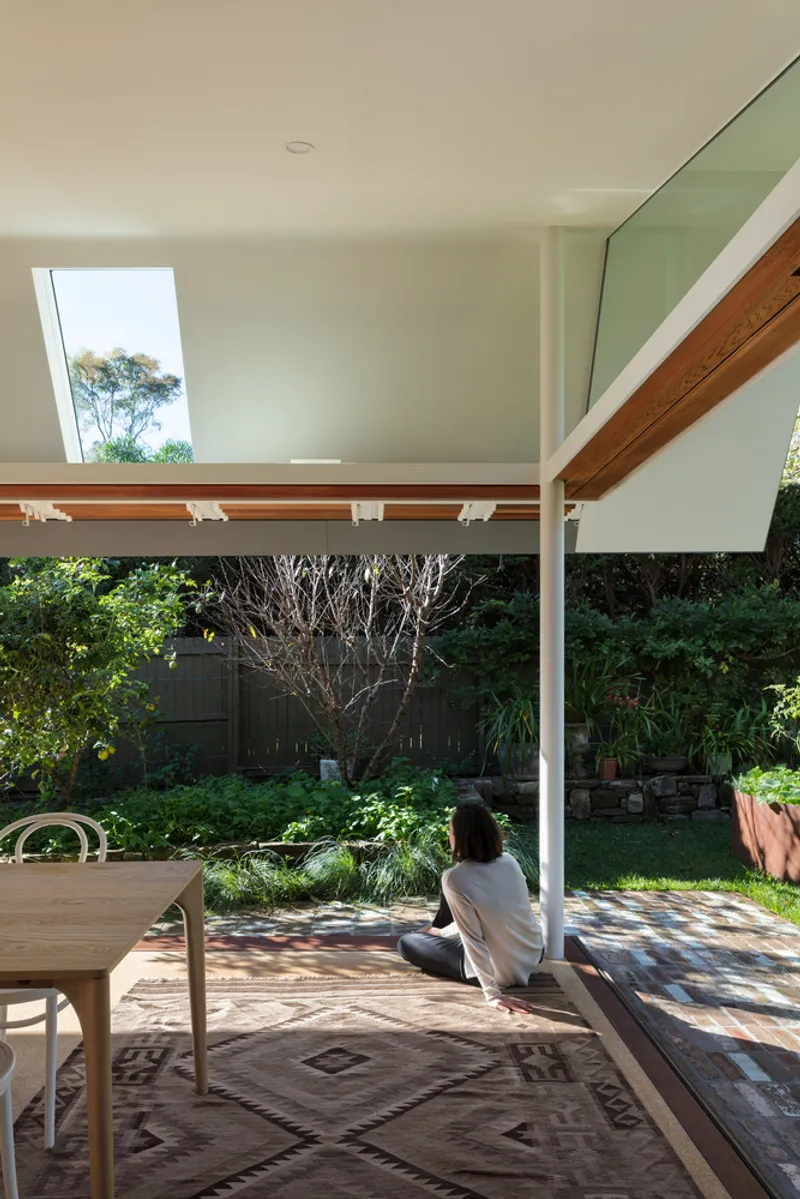
Emphasizing sustainability, the architects selected materials for their durability and potential for reuse. This included reclaimed bricks, salvaged joinery, and second-hand fixtures, which not only reduce waste but also add character to the home.

Integration with the Garden
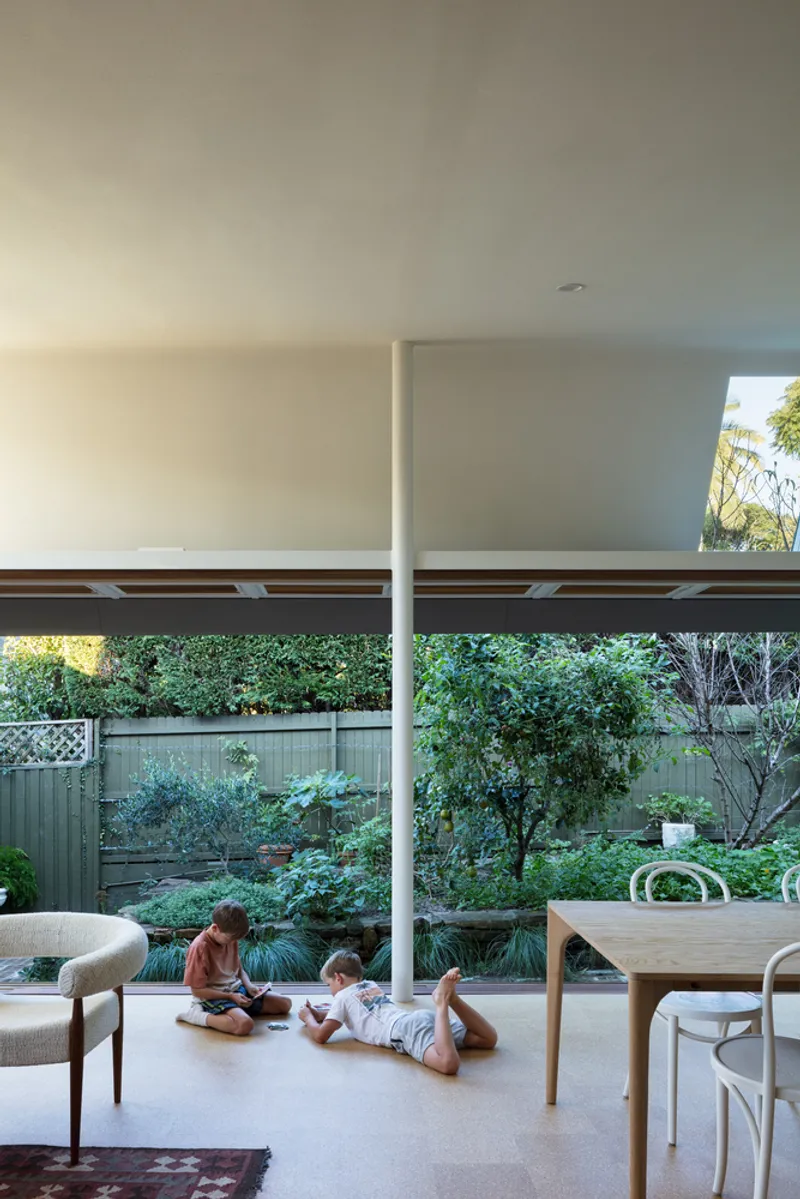
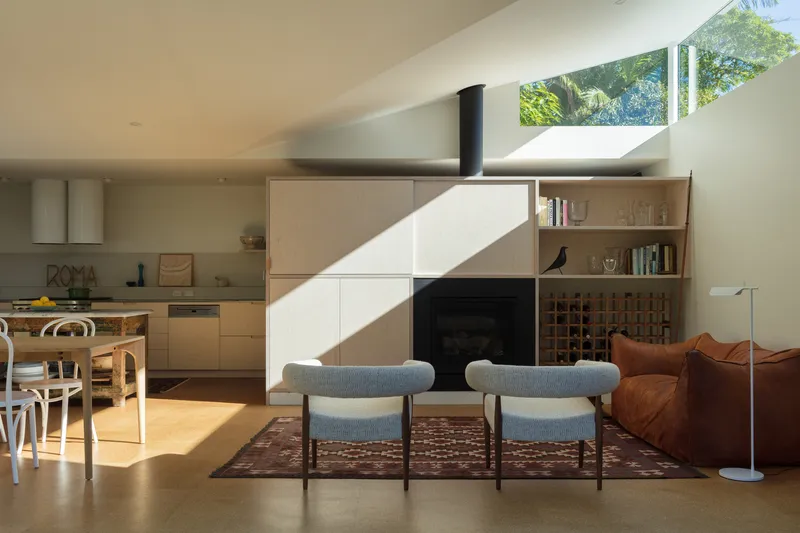
The layout and structure of the addition were designed to make the garden an integral part of daily living. The living areas open up directly onto the garden, making it an extension of the indoor space. This integration supports biodiversity and provides the family with a direct connection to their outdoor environment.
Energy Efficiency and Water Management
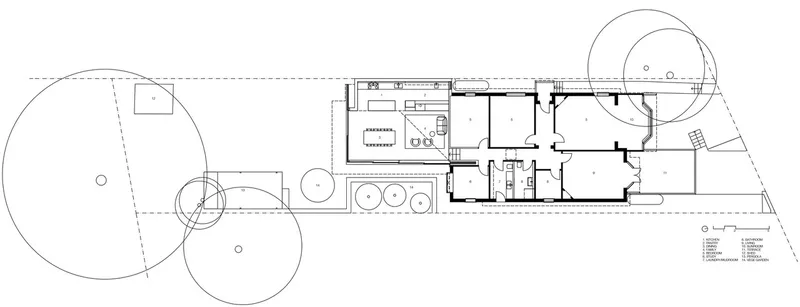
The house features 18kW of solar panels and dual 5000L rainwater tanks, which underscore its sustainability credentials. These elements help manage the home's energy requirements and water usage effectively, aligning with principles of sustainable garden home design.
The "House for BEES" by Downie North Architects is a testament to the possibilities within sustainable garden home design. By focusing on passive design, material reuse, and integration with the natural environment, the project not only meets the needs of its residents but also sets a benchmark for future residential architecture projects.
Incorporating sustainable practices into home design is more than just a trend; it's a necessary approach in our ongoing dialogue with the environment. The House for BEES stands as a model of how homes can function as both private sanctuaries and integral parts of the broader ecosystem.
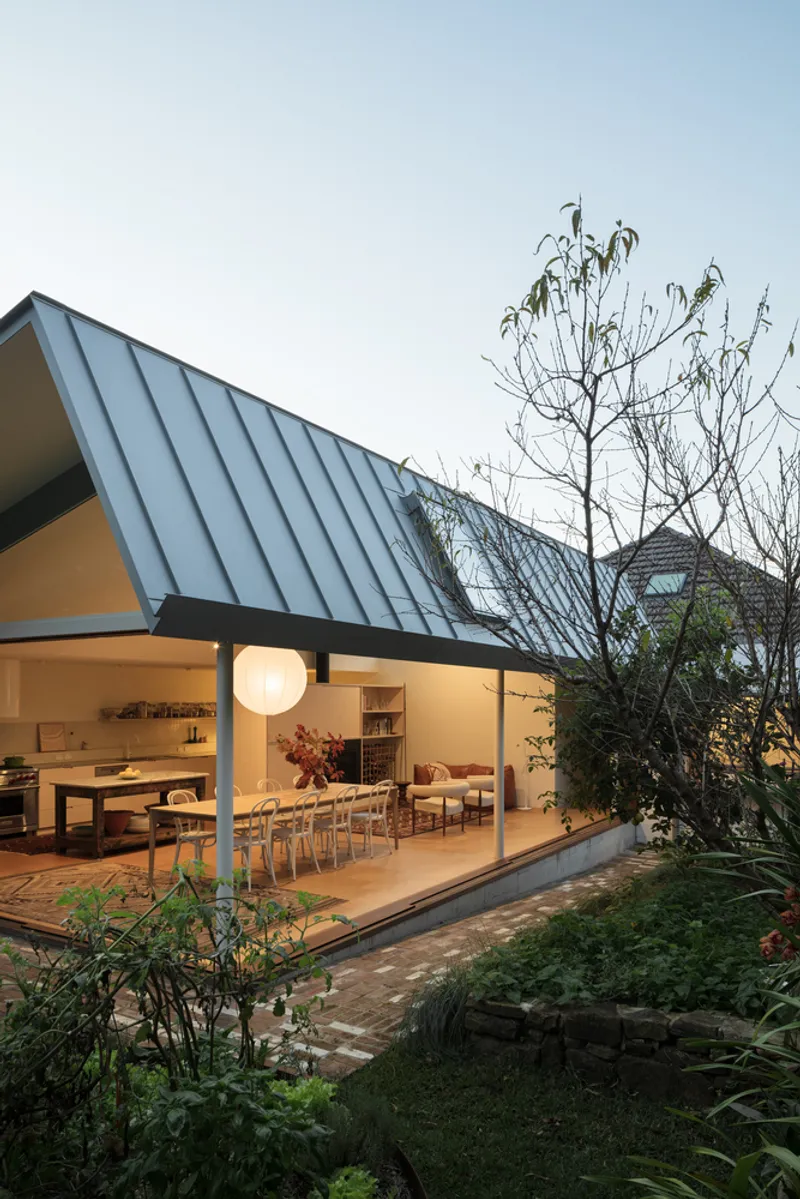
All the photographs are work of Clinton Weaver


Popular Articles
Popular articles from the community


Tsunami Convergenics: Turning Catastrophic Ocean Forces into Underwater Housing Infrastructure
A speculative underwater settlement off the coast of Onagawa, Japan, treats tsunamis and typhoons as energy sources rather than threats.

Opera on the Sea: Driftwood Logic Shapes a Timber Opera House on Estonia's Coast
Trevor Orgill's opera house translates the entangled drift of floating timber into a civic building where wood, water, and music converge.

The Amber Palace Opera: A Geological Fiction Surfaces on Tallinn's Baltic Waterfront
Pierre Brillard reimagines a Baltic legend as a public landscape, opera house, and waterfront promenade rooted in Tallinn's coastal identity.

Singing Woman: An Opera House That Performs Before the Curtain Rises
Ovidiu Cristian Pavel's conceptual opera house translates Estonia's choral identity into a sculpted waterfront landmark facing the Baltic Sea.

Similar Reads
You might also enjoy these articles


Maya Harvest: A Cacao Resort Village Rooted in Mayan Tradition and Local Craft
Situated within a Tabasco cacao plantation, this shortlisted resort proposal merges vernacular materials with hands-on cultural immersion.
Harmonia: A River-Shaped Community That Grows Over Decades in Boa Vista
Curved pathways and modular grid structures along the Branco River create a phased settlement designed to evolve from 2030 to 2050.

The Architecture of Bathing: A Mughal Hammam Reimagined Across the Yamuna
Charlotte May's honorable mention entry for The Black Taj reinterprets Agra's bathing rituals through red sandstone, water, and framed views of the Taj Mah
Om-1: A Wall-Hung System That Moves Your Workspace Off the Desk
Modular plywood boards, magnetic pegs, and utility elements migrate clutter from the horizontal surface to the vertical plane.

Explore Architecture Competitions
Discover active competitions in this discipline

Challenge to reimagine the Iron Throne

Photograph architecture without architects

Illustrate the lost glory of Angkor Wat - Render Challenge

Design challenge to reuse E-waste
Comments (0)
Please login or sign up to add comments
No comments yet. Be the first to comment!