Sustainable Modular Architecture: A Paradigm for Affordable and Adaptive Urban Living
Smart, sustainable modular housing that enhances efficiency, affordability, and adaptability for the future of urban living.


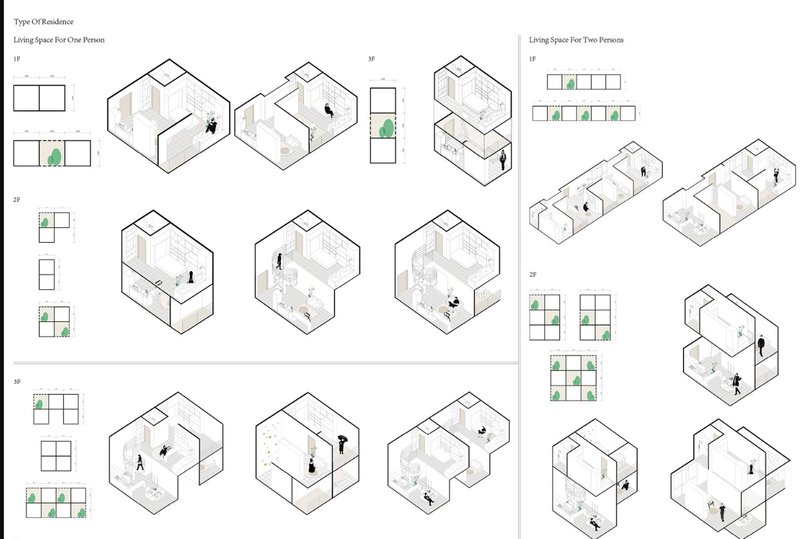
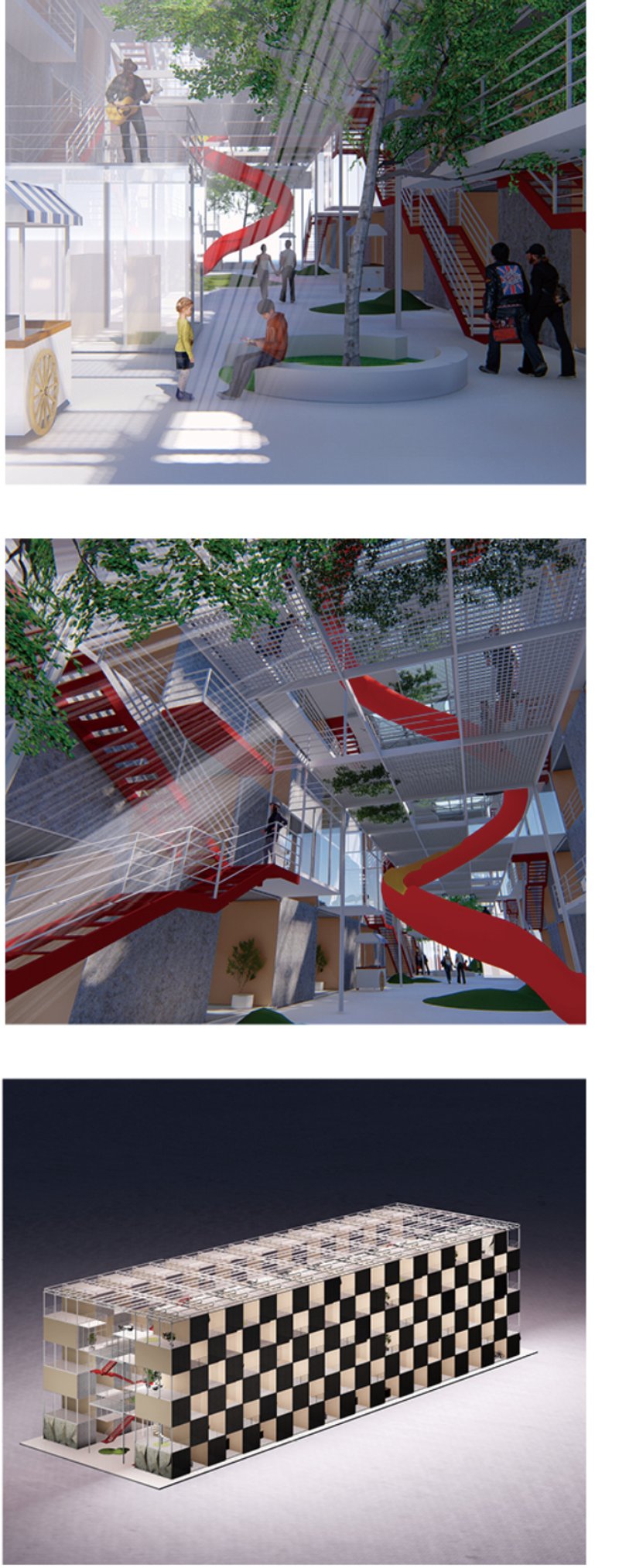
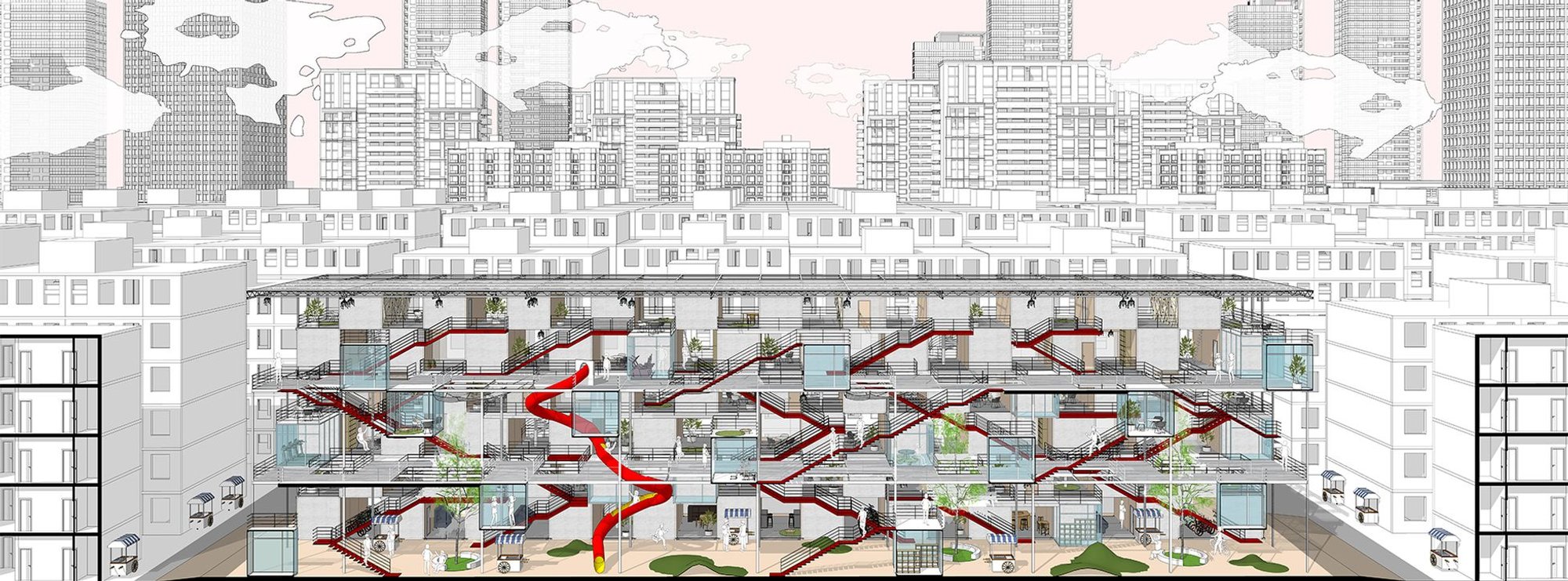
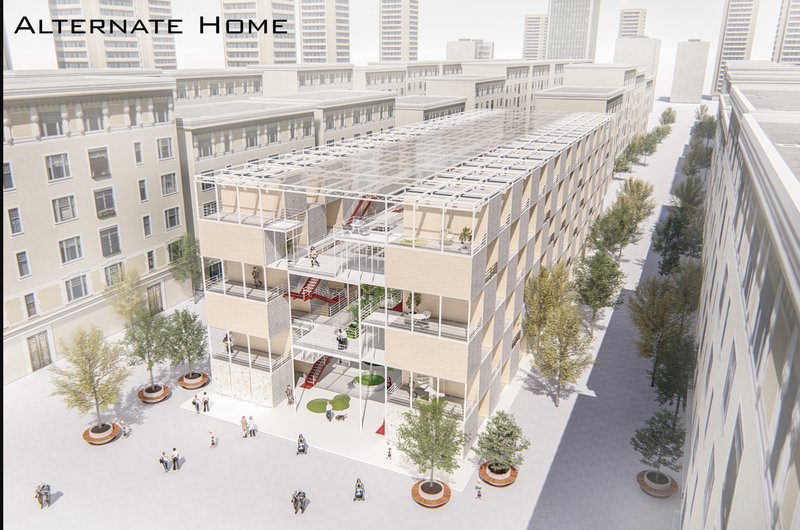
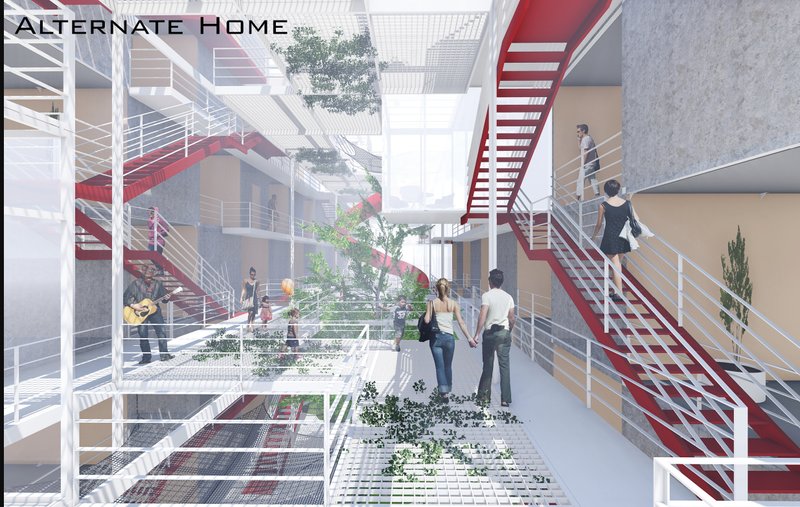
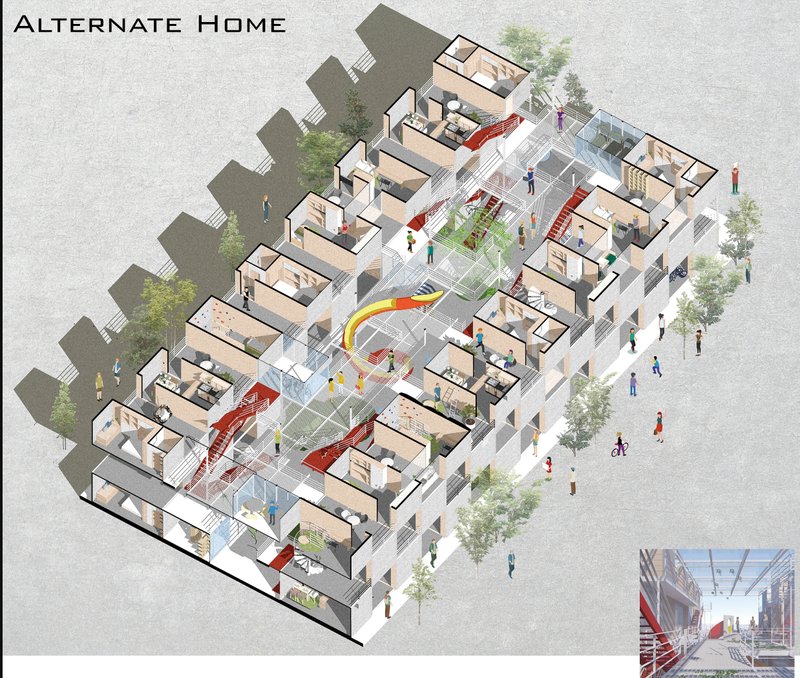
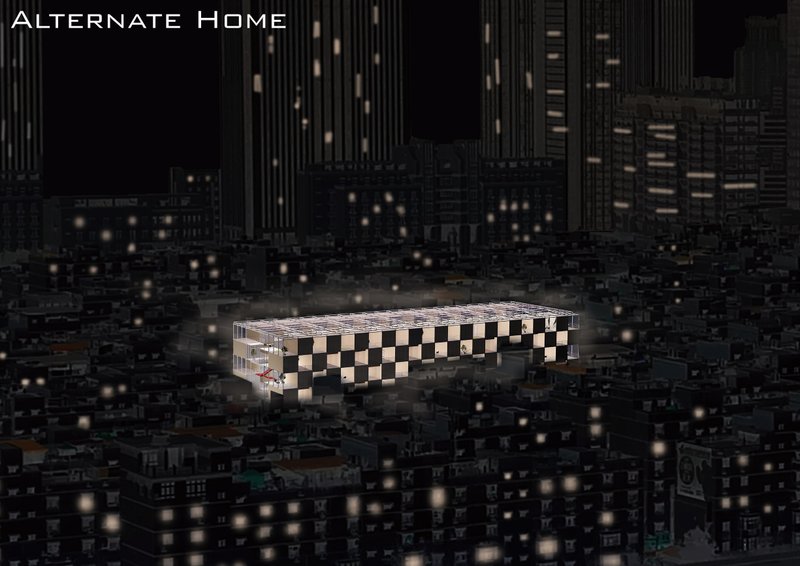
As urban populations surge and housing affordability becomes an increasingly pressing issue, sustainable modular architecture emerges as a transformative solution. The Alternate Home project exemplifies this approach, proposing a prefabricated modular system designed to enhance daylight penetration, optimize ventilation, and improve sanitation in low-rent housing developments. By leveraging an innovative overlapping module strategy, this design effectively reduces material consumption by 50%, thereby significantly lowering construction costs while maintaining structural integrity.
Reimagining Affordable Housing Through Modularity
The architectural framework of Alternate Home promotes flexibility in occupancy, allowing modular units to be reconfigured and reassigned to different users over time. This design fosters an adaptable residential environment that evolves in response to shifting demographic and economic conditions.
Core Architectural Innovations:
- Prefabrication Efficiency: Streamlines construction processes, minimizes material waste, and accelerates project timelines.
- Optimized Environmental Performance: Strategic spatial planning enhances natural ventilation and daylight access, contributing to improved indoor air quality and energy efficiency.
- Cost-Effective Construction: Integrates sustainable materials and modular assembly techniques to reduce overall expenses while ensuring durability.
- Scalability and Replicability: Serves as a scalable prototype adaptable for various urban contexts, addressing the housing crisis with a replicable, high-density living model.
Project Credentials:
- Designed by: Yufeng Zheng, lcr1305, 晨冉 李, 晓雪 史, 晓龙 张
- Distinction: Runner-up in the Plugin Housing Challenge 2020
By integrating sustainable modular architecture with contemporary urban housing demands, the Alternate Home concept sets a precedent for cost-effective, resilient, and environmentally responsive living spaces. This approach aligns with the future of urban planning, where prefabrication and modular adaptability play pivotal roles in addressing housing shortages while fostering sustainable community development.