Sustainable Urban Architecture: Embracing the Future with Project Dandelion
This article delves into Project Dandelion, highlighting its innovative blend of sustainable urban architecture, green living, and the fusion of work and living spaces in city environments.


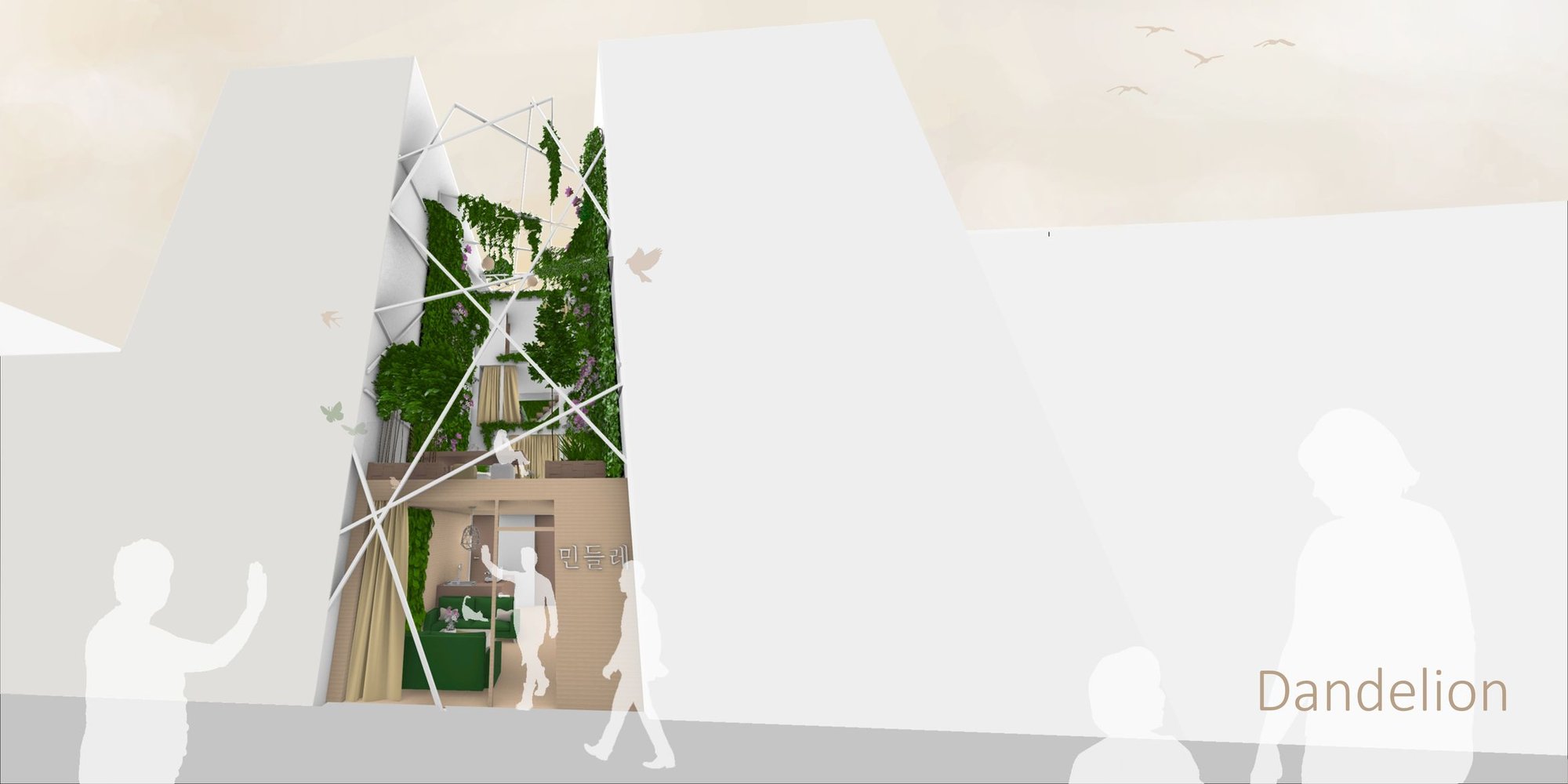
In the heart of our ever-evolving urban landscapes, a revolutionary concept is taking root, setting a precedent for the future of sustainable urban architecture. "Project Dandelion," an honorable mention entry of Nano Nest, emerges as a beacon of innovation, demonstrating the seamless integration of working and living spaces on a single plot. This article delves into the essence of Dandelion, illustrating how it epitomizes the new wave of eco-conscious urban design.
The Concept Behind Dandelion
A Blend of Work and Living Spaces
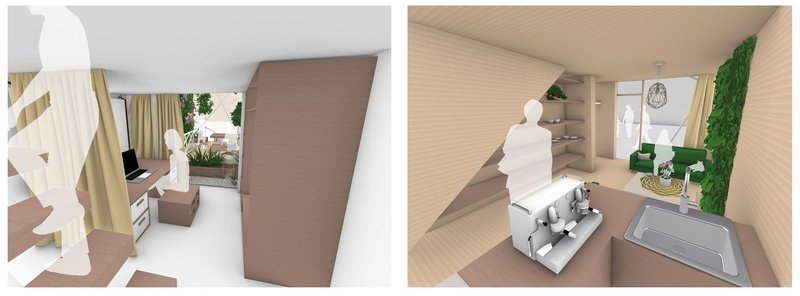
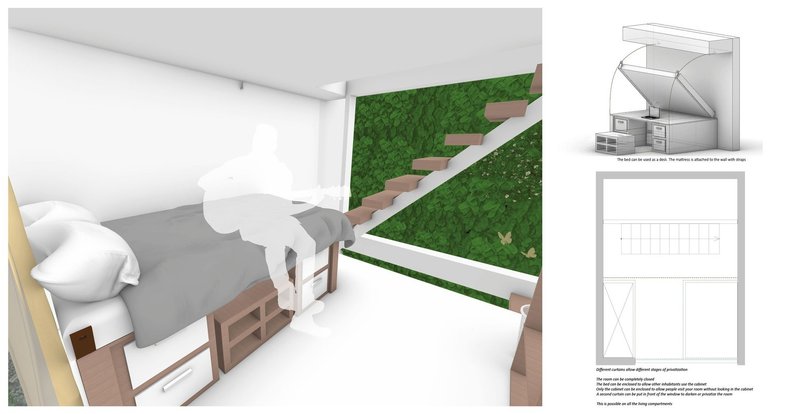
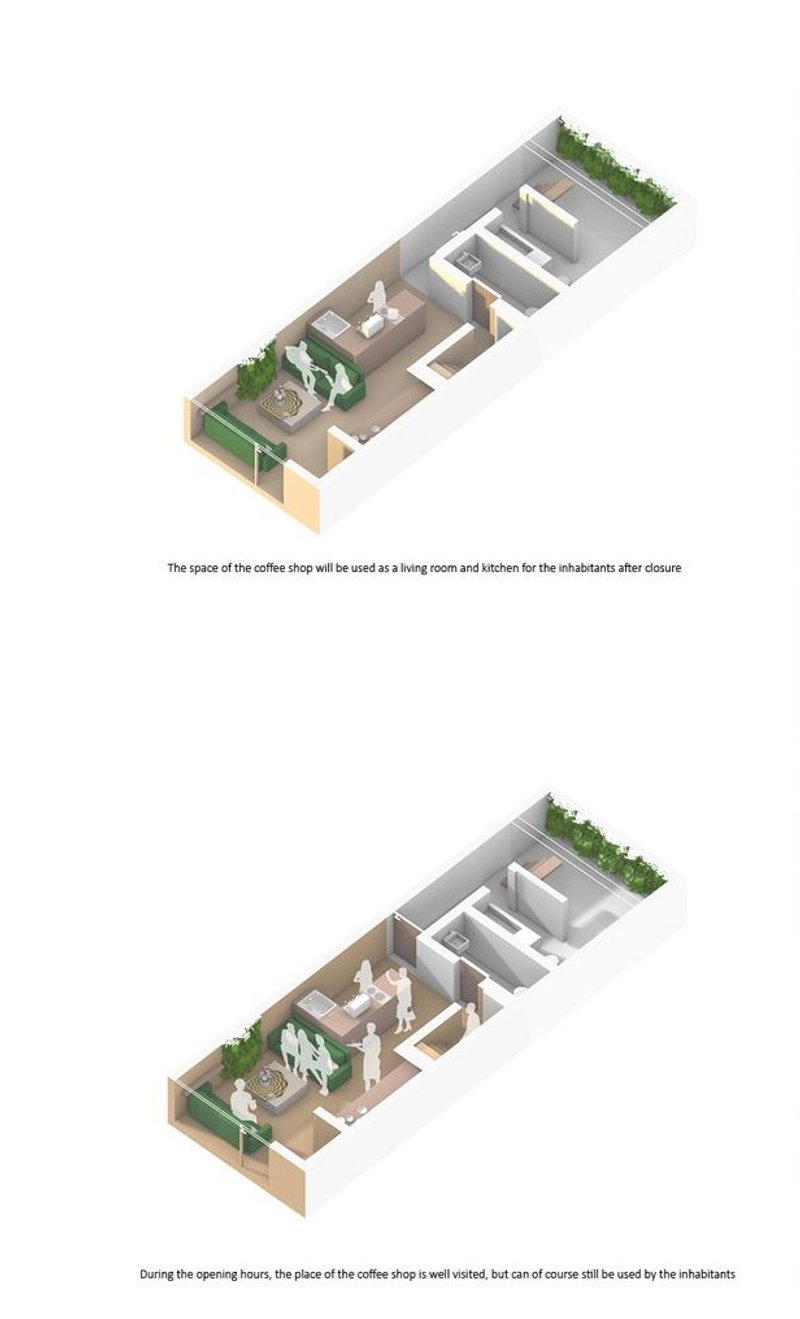
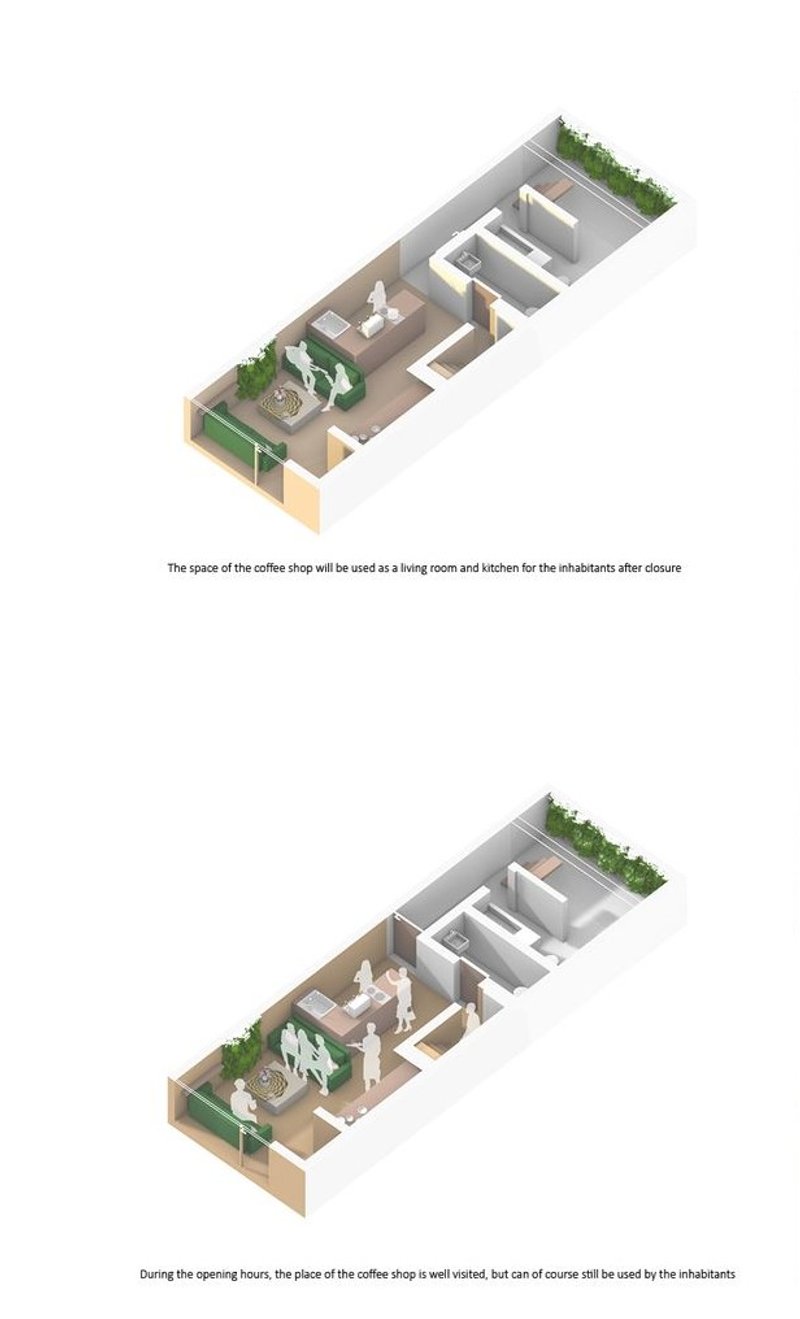
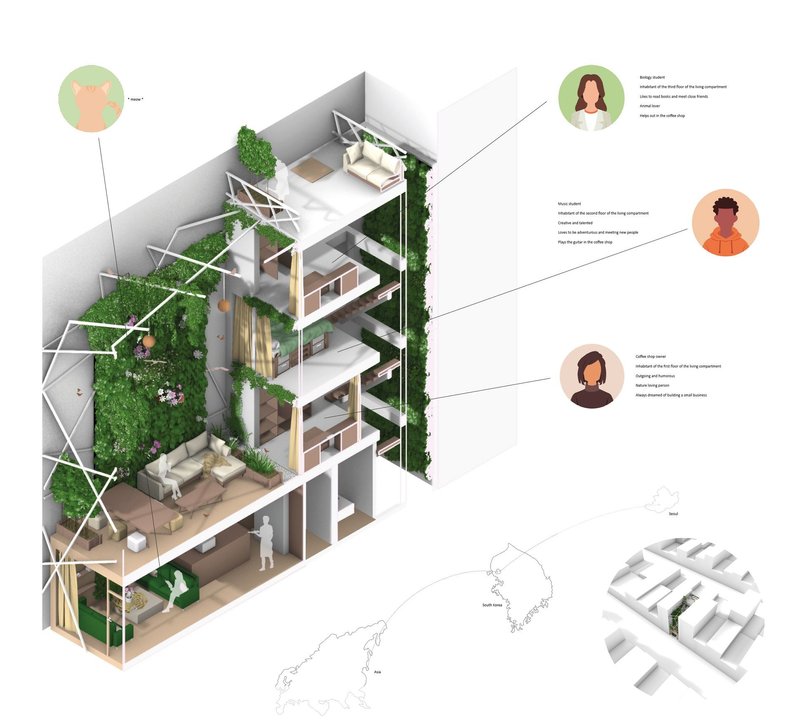
At the core of Project Dandelion lies a visionary approach to urban space utilization. The initiative challenges conventional zoning by merging the living quarters with the workspace, thus economizing on valuable urban land. This ingenious layout enables inhabitants to start and manage a small business within their living premises, an ideal solution for the densely populated cityscape.
Creating an Ecological Niche
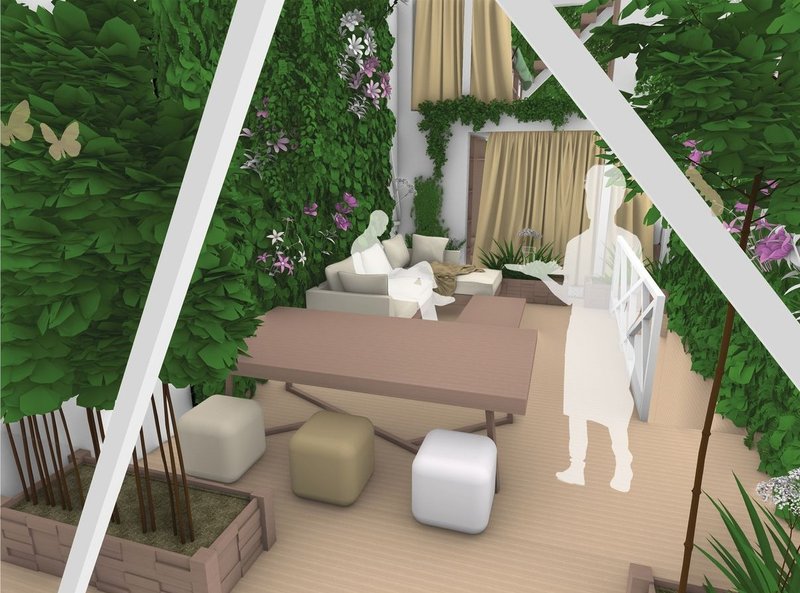
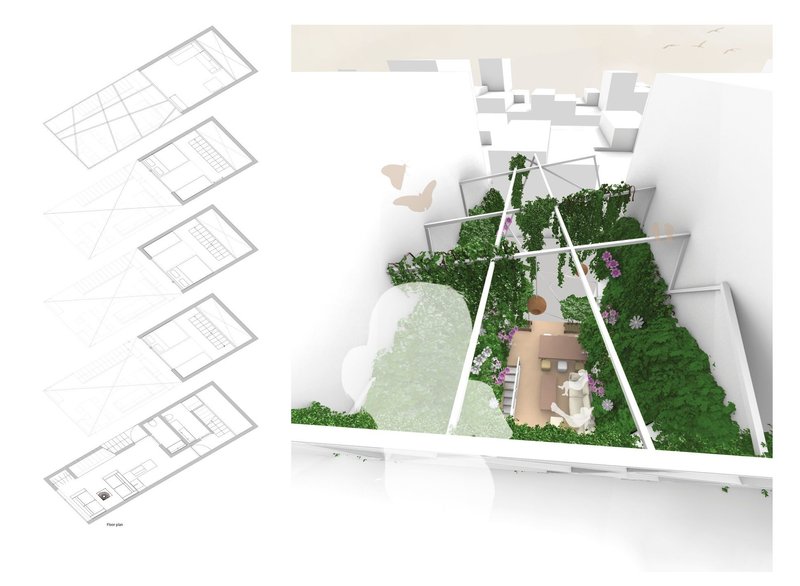
Dandelion transcends mere architectural design; it fosters an ecological enclave within the urban jungle. By incorporating lush, green niches into the residential layout, the project facilitates a vital connection between city dwellers and nature. This green infusion not only enhances the living environment but also advocates for a sustainable lifestyle, pivotal in today's climate-aware society.
The Team Behind the Vision
The project is the brainchild of a dynamic quartet: Lara Hofbauer, Eric Schmitz, Paul Schuchmann, and Sophie Bott. Their collective ingenuity and commitment to sustainability have paved the way for this groundbreaking concept in urban living.
Functionality Meets Sustainability
Dual-Purpose Spaces
During business hours, the integrated spaces within Dandelion serve a dual purpose. The project exemplifies versatility, with areas like the "pucecttne cee shop" (presumably a quaint coffee shop) that not only serves as a communal hub for residents but also remains operational for the general public. This blend of public and private spheres encourages community interaction and sustainable business practices.
The Green Factor
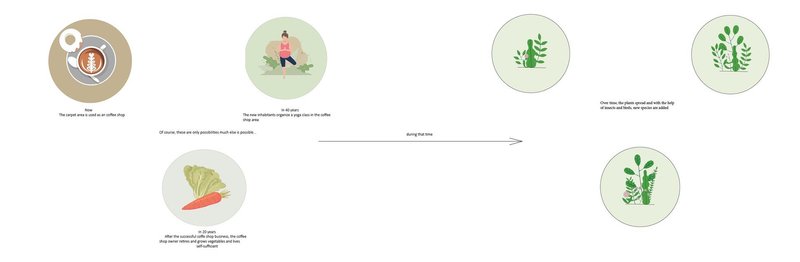
Emphasizing environmental sustainability, Dandelion is designed with green spaces that are not just decorative but functional. These areas contribute to the building's ecosystem, with vegetation that purifies the air and provides fresh produce. This initiative mirrors the project's larger goal of sustainable urban architecture, where every element is designed with a purpose and respect for the environment.
The Impact and Future of Sustainable Urban Architecture
Project Dandelion is more than just a building; it's a microcosm of what the future could hold for urban development. By valuing sustainability, community, and multifunctionality, it sets a new standard for city living.
Looking Ahead
The concept of sustainable urban architecture, as embodied by Project Dandelion, represents a forward-thinking solution to the challenges of modern urban living. As cities continue to grow, projects like Dandelion offer a blueprint for a greener, more integrated urban environment.
In an era where space is at a premium and environmental concerns are on the rise, Project Dandelion shines as a testament to innovative, sustainable urban architecture. It encapsulates a holistic approach to city living, where work, life, and nature coexist harmoniously. As we move forward, let the principles of Dandelion inspire a new generation of architects and city planners to rethink how we inhabit and interact with our urban spaces.