Sustainable Urban Park Design: Opera Park by Cobe in Copenhagen
Opera Park in Copenhagen is a model for sustainable urban park design, integrating biodiversity, climate resilience, and renewable energy solutions.


A Green Revolution in Urban Landscapes
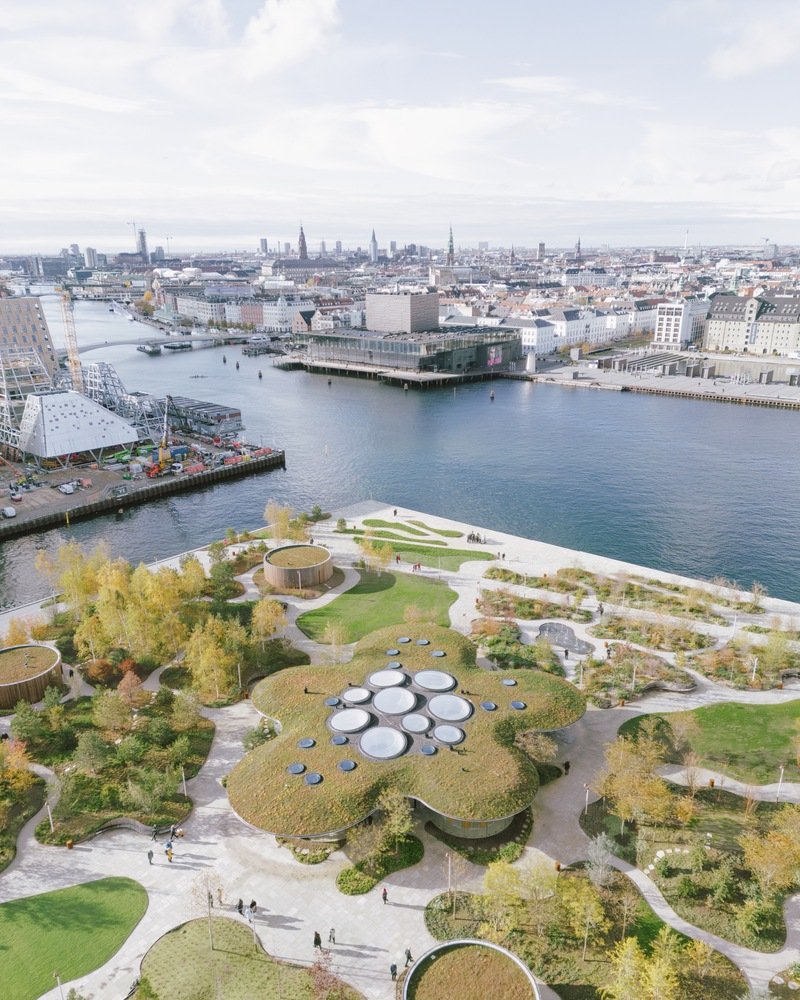
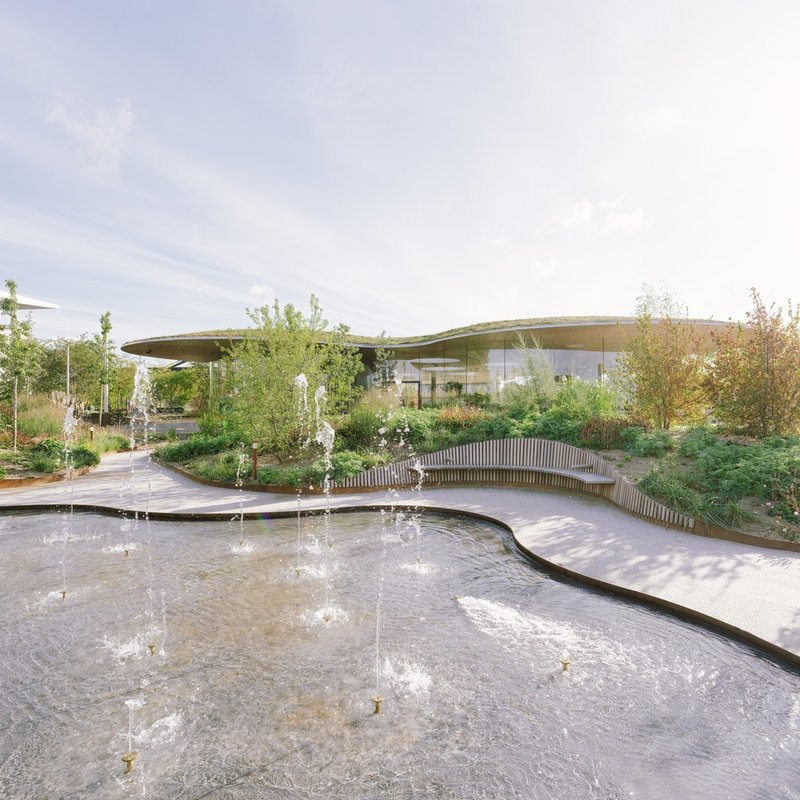
Opera Park, designed by the Danish architecture studio Cobe, is a groundbreaking example of sustainable urban park design. Located in Copenhagen’s inner harbor, this lush green sanctuary replaces an industrial island, transforming it into a biodiverse, climate-resilient public space.
The Vision Behind Opera Park
In 2019, the A.P. Møller Foundation selected Cobe to reimagine this waterfront space into a thriving green haven. The goal was to create a park that seamlessly integrates nature, architecture, and sustainability while serving as a year-round urban retreat.
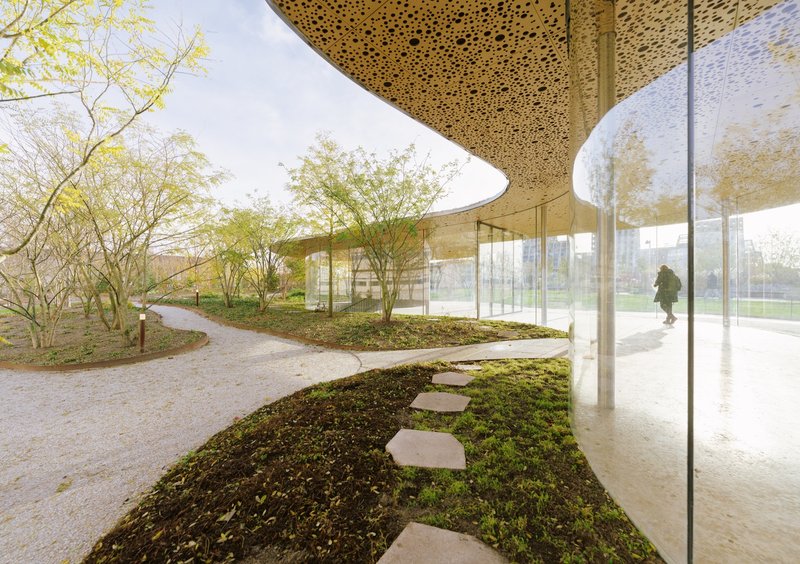
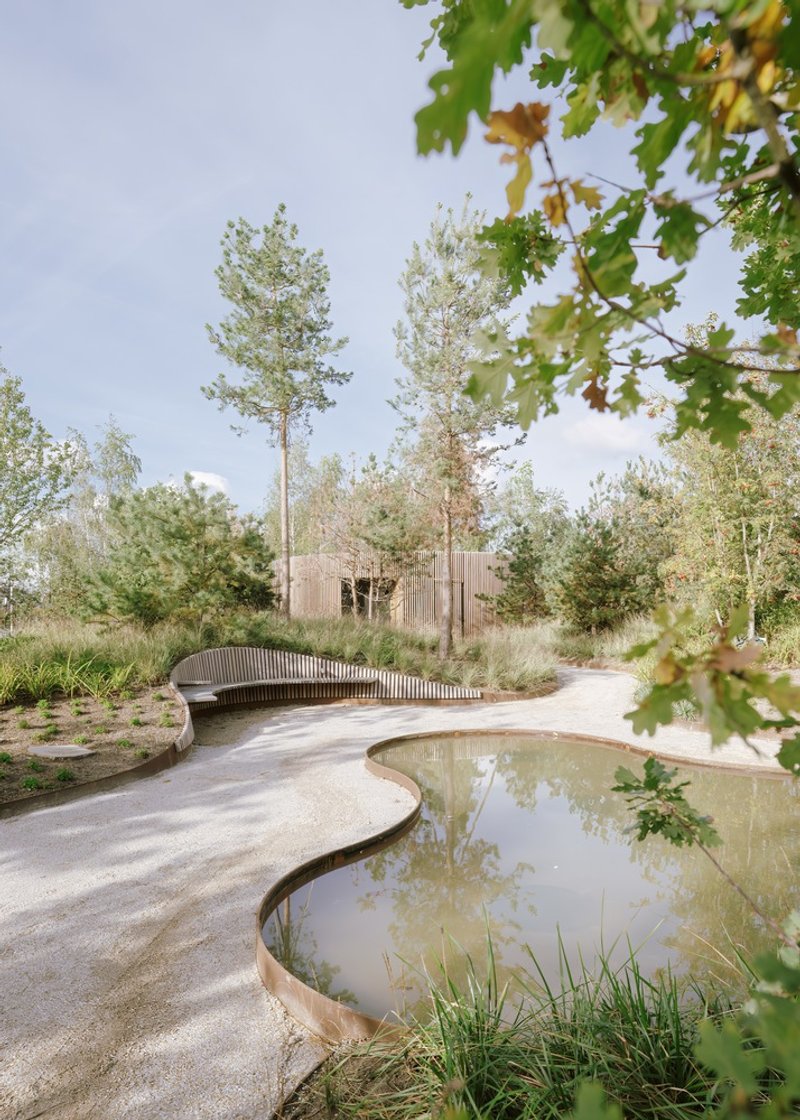
A Diverse Landscape: Six Thematic Gardens
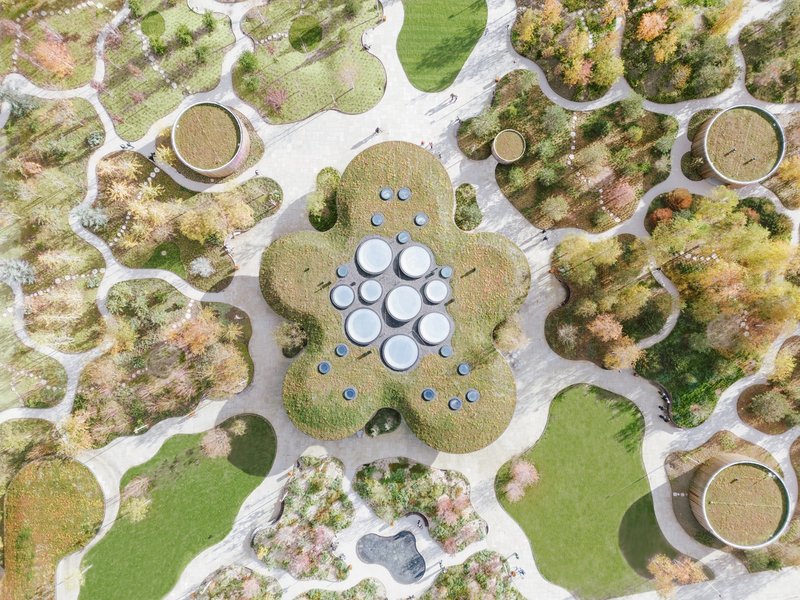
Opera Park spans 21,500 m², the equivalent of three soccer fields, and features six uniquely themed gardens inspired by different regions of the world:
- North American Forest: Showcases native trees and plants from across North America.
- Danish Oak Forest: A tribute to Denmark’s rich ecological heritage.
- Nordic Forest: A serene blend of evergreen trees and undergrowth from Scandinavia.
- Oriental Garden: Inspired by Asian landscapes, complete with tranquil water features.
- English Garden: Characterized by structured pathways and manicured lawns.
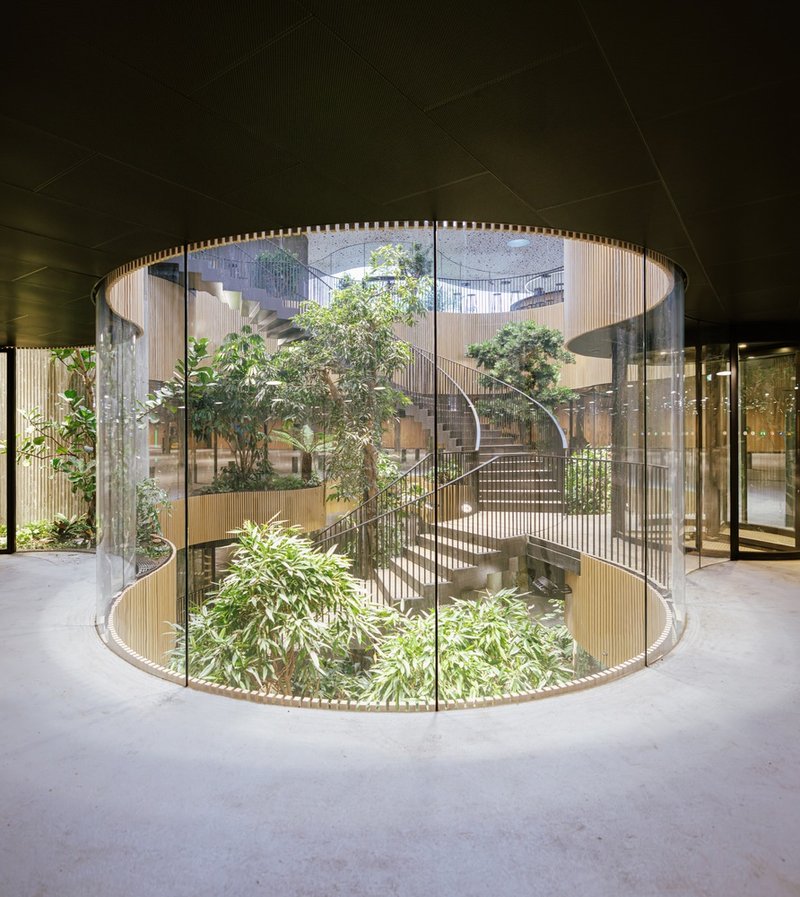
- Subtropical Garden: Housed within a greenhouse, supporting exotic plant species in a controlled environment.
Each garden is designed to enhance biodiversity while offering visitors a unique experience throughout the seasons.
Sustainability at the Core of the Design
Opera Park is a model for sustainable urban park design, incorporating various eco-friendly elements:
1. Rainwater Harvesting and Smart Water Management
- Rainwater from the Royal Danish Opera’s roof is collected in underground reservoirs for irrigation.
- Permeable gravel pathways aid water absorption and prevent runoff.
- Rain beds store excess water for gradual infiltration, reducing urban flooding risks.
2. Renewable Energy Integration
- Solar panels on the opera house roof generate power for the park, underground parking, and greenhouse.
- Green roofs enhance insulation, reducing energy consumption while supporting urban wildlife.
3. Enhancing Biodiversity
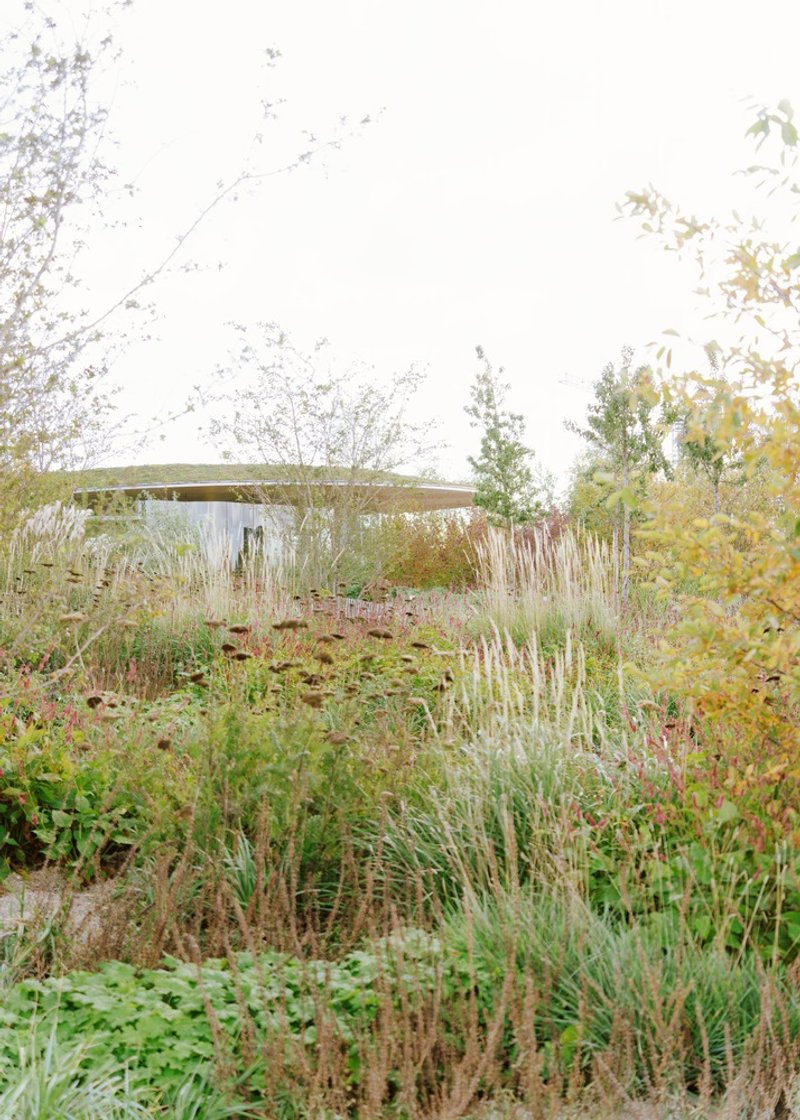
- The park features 628 trees, 80,000 perennials, and 40,000 bulbs, creating a habitat for birds and pollinators.
- The diverse plant species ensure a dynamic, seasonally evolving landscape that remains visually appealing year-round.
Architectural and Functional Elements
1. The Greenhouse: A Central Gathering Hub
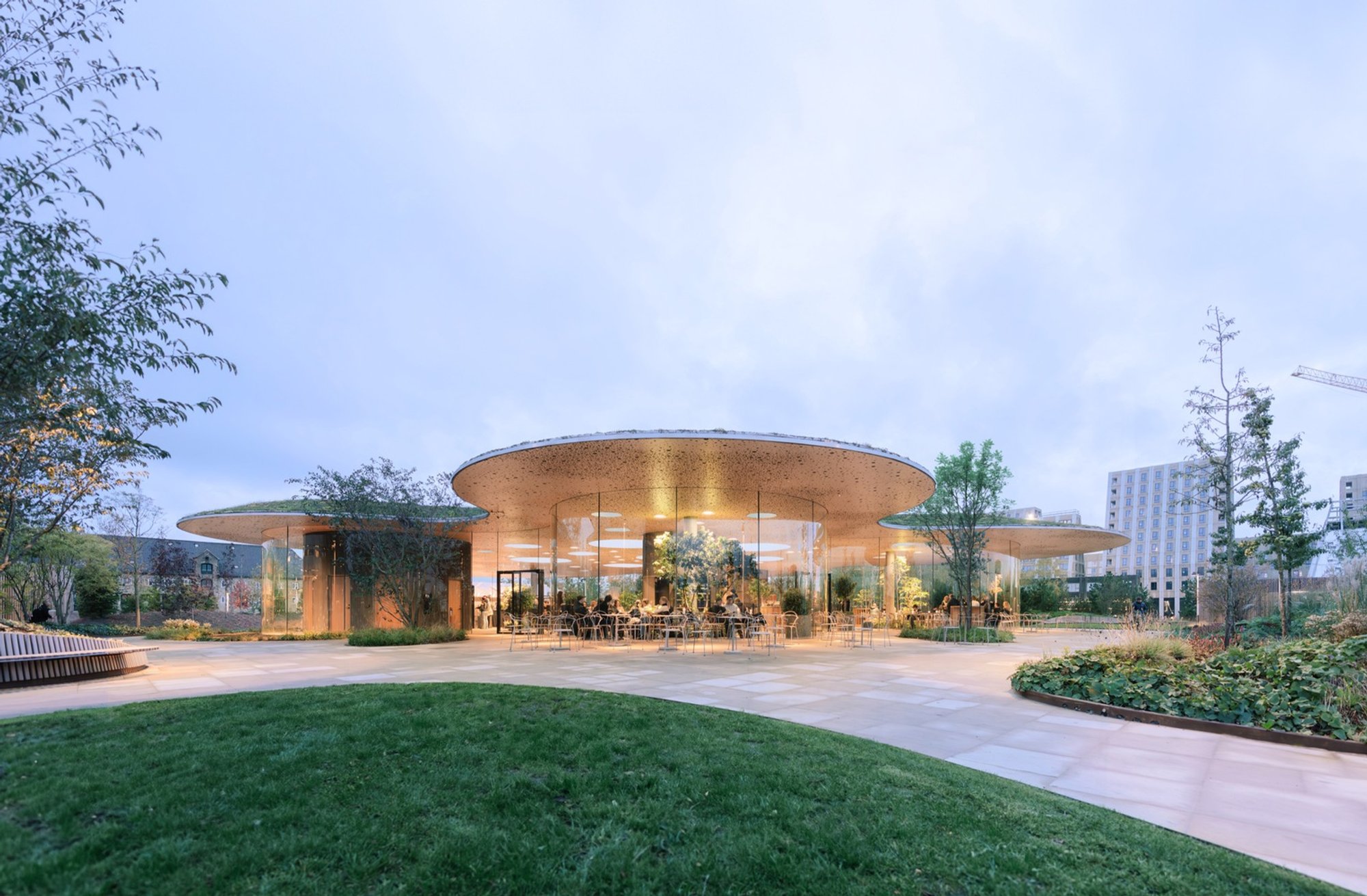
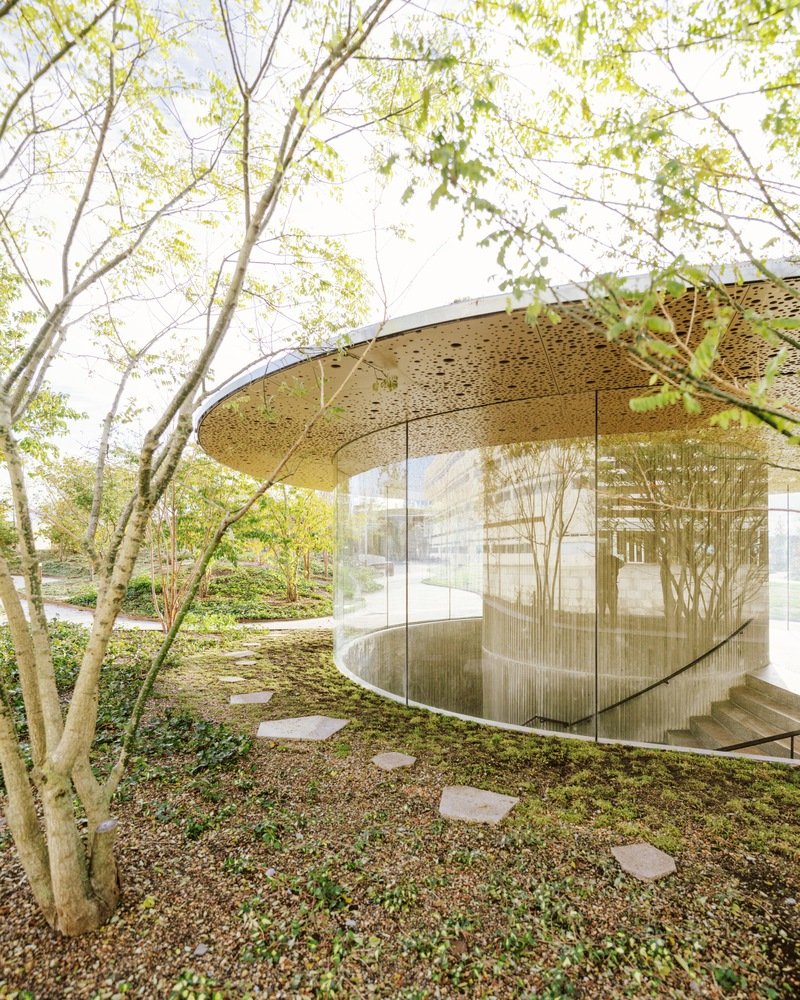
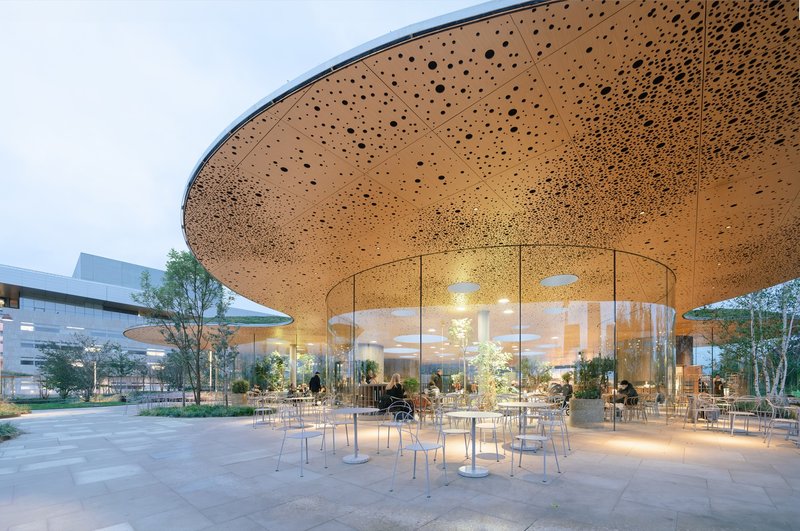
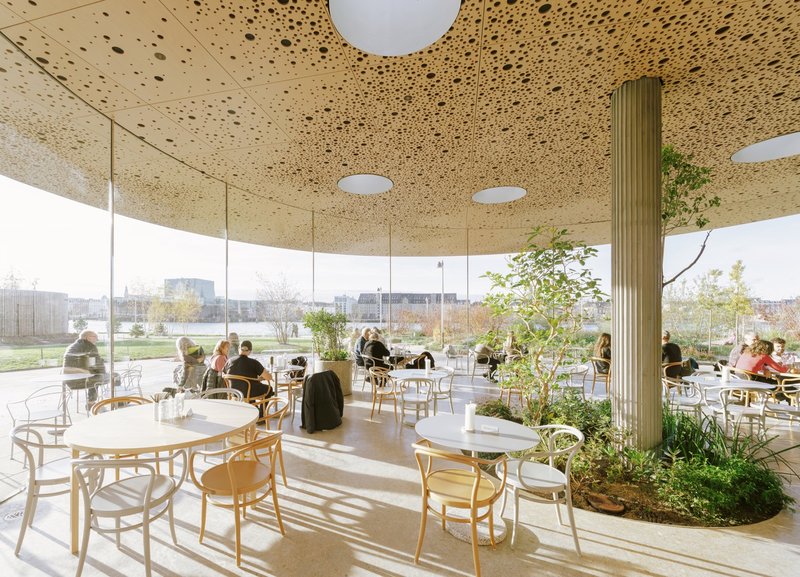
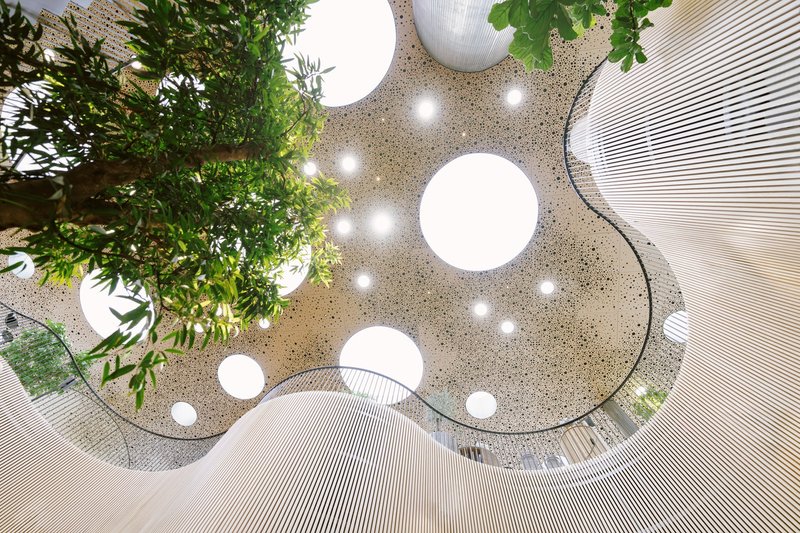
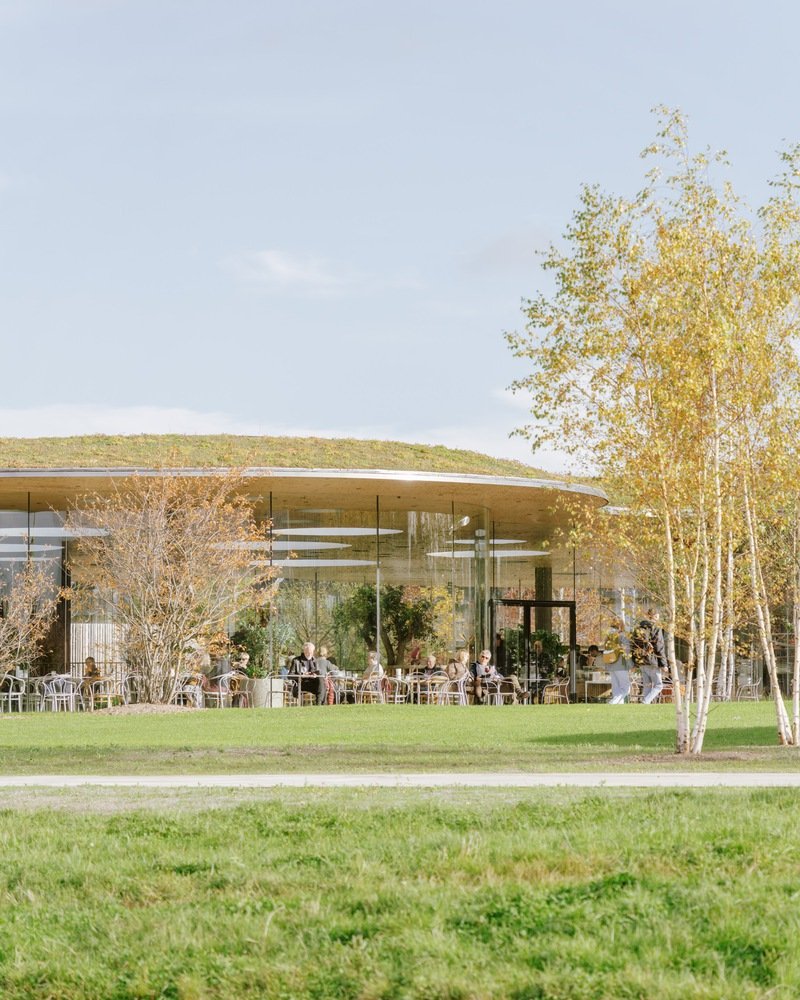
At the heart of Opera Park is a stunning glass greenhouse, designed with:
- A floating roof that blends into the landscape.
- A café that offers visitors a cozy retreat, even in winter.
- Underground terraced parking that accommodates 300 cars.
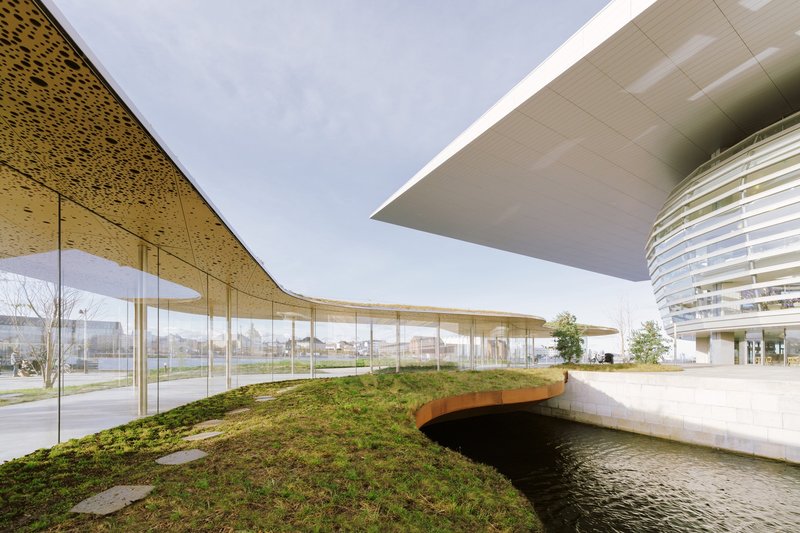
2. Covered Walkway to the Royal Danish Opera
A curved glass walkway connects the park to the Opera, providing a weather-protected passage. The bridge is an architectural extension of the park, reinforcing the integration of nature and built space.
Climate Resilience and Future-Proofing
The park’s elevated terrain protects against flooding from rising sea levels and storm surges. Additionally, the robust selection of plant species shields against harsh winds, enhancing visitor comfort.
Opera Park is more than just a public green space—it is a pioneering example of sustainable urban park design. By harmonizing biodiversity, climate adaptation, and renewable energy solutions, it sets a new benchmark for cities worldwide.
Copenhagen’s Opera Park stands as proof that sustainable urban design can transform industrial wastelands into thriving ecological and cultural landmarks.
All the photographs are work of Francisco Tirado