
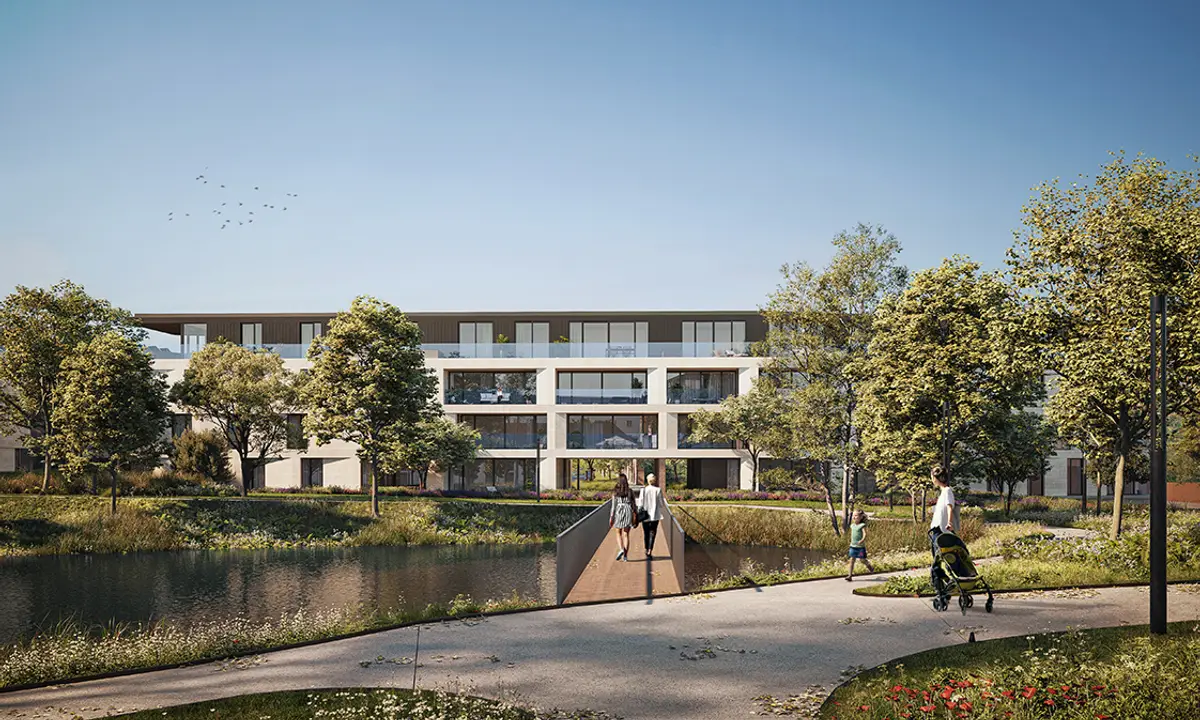
The redevelopment of the former Royal Cavalry Barracks in Tervuren has begun.
The design of C+S Architects is based on three main pillars: circularity, sustainability, and public space.

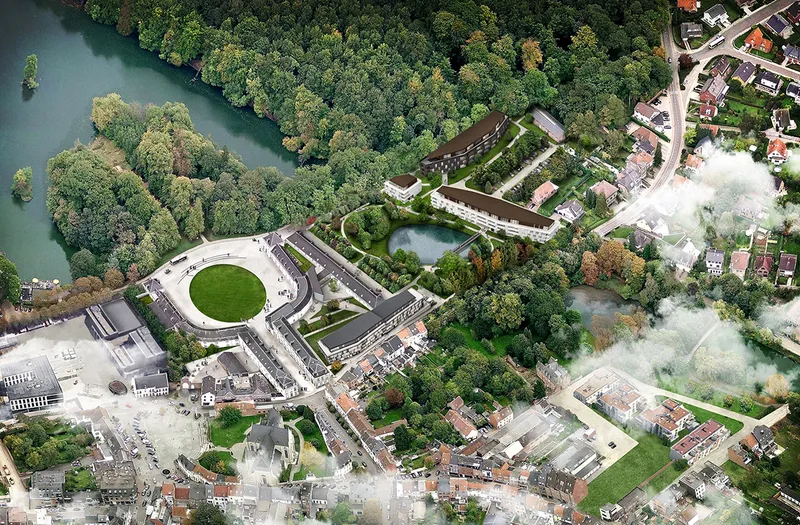
The first stone was laid in the Panquin heritage site of Tervuren, in Belgium. The regeneration project is being carried out by C+S Architects and is estimated to cost 100M. The project is set to take place in a wonderful landscape near the busy Capital of Brussels.

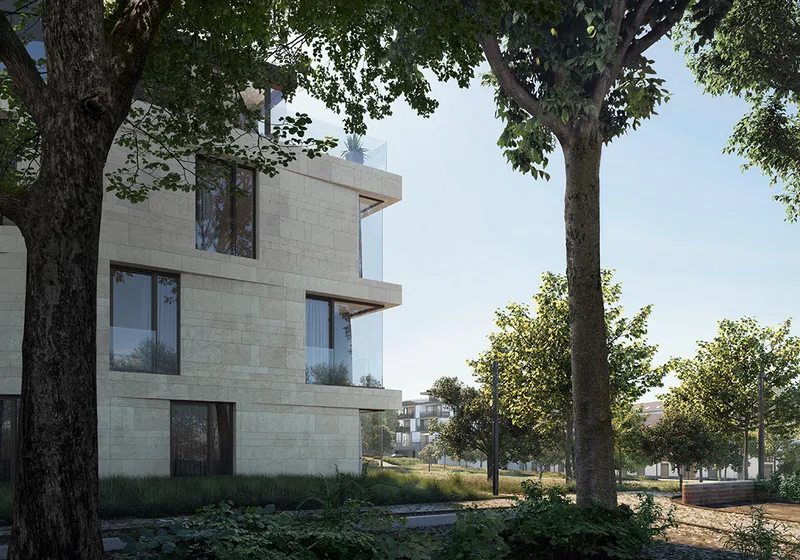
The project entails the restoration of the Ex-Royal Cavalry Barracks at Panquin, which will be turned into a luxury 108-room hotel, with restaurants, lounges, and SPA facilities. The complex will also feature an Orangery, which will be open to the public. The addition of four new residential and commercial blocks on the borders of the park and public spaces offers a series of special experiences for inhabitants and visitors, including a new monumental square, a newly designed square brought back to its original historic level, a generous park with a new lake, and a smaller green public space.
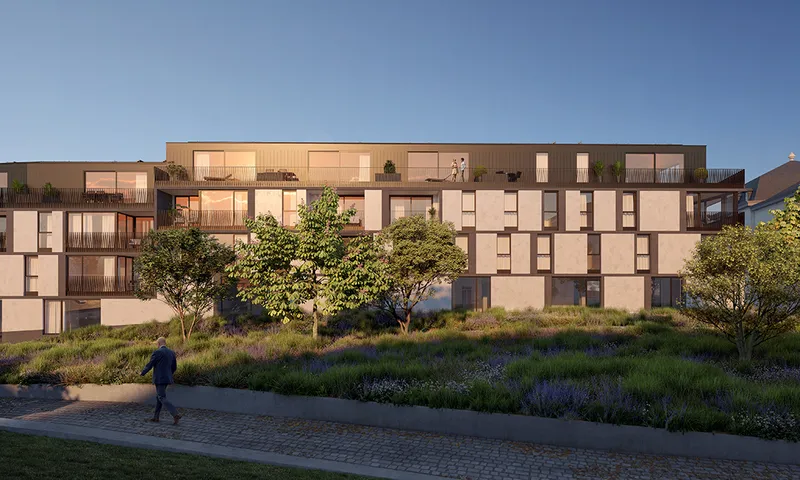
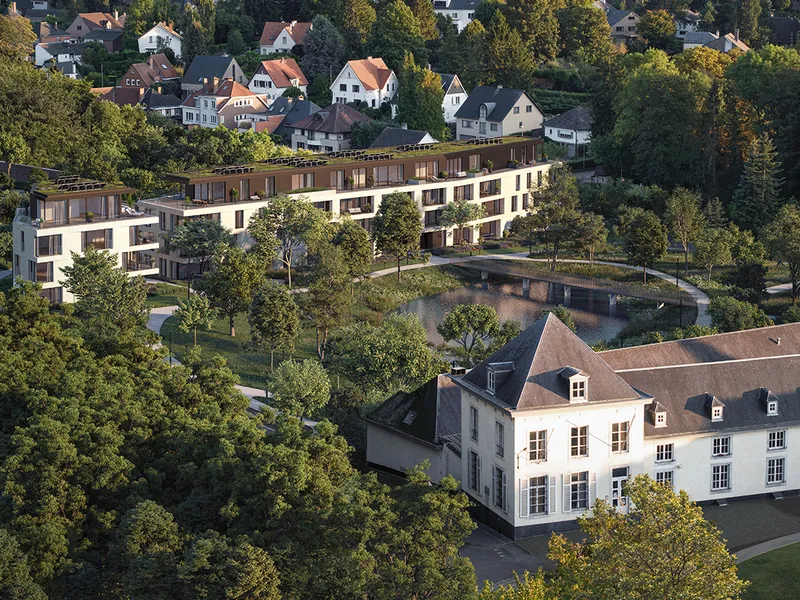
The masterplan is based on the study of historical documentation and reinterpreted in modern forms and values: one example is the redesign, in a contemporary key, of a square raised to the original level (as shown in historical maps), which hides the bulky massing of necessary parking spaces and the SPA.
The public spaces are designed to flow together, creating a cohesive and easily accessible space for everyone. A lot of care went into choosing the details of the facade and how it would relate to the historic buildings nearby. The goal was to create a modern interpretation of key historical elements, like materiality and colors.
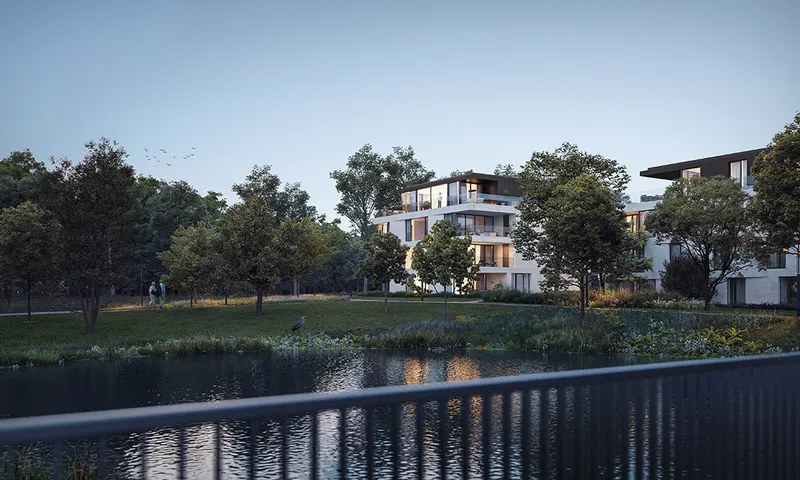

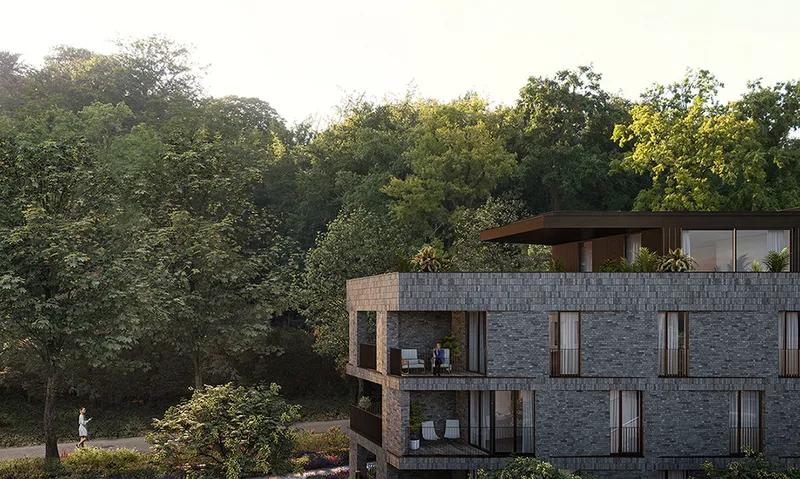
For 25 years C+S has been involved in projects of urban regeneration. We believe in the power of reusing existing buildings as one of the main principles of circularity. We care for people and the planet. Sustainability obtained thanks to the correct orientation of the buildings, the use of geothermal energy and a central warmth net together with photovoltaic panels, thick insulation, and the recuperation of dirty and rainwater for toilets and irrigation, will create almost energy-neutral buildings.
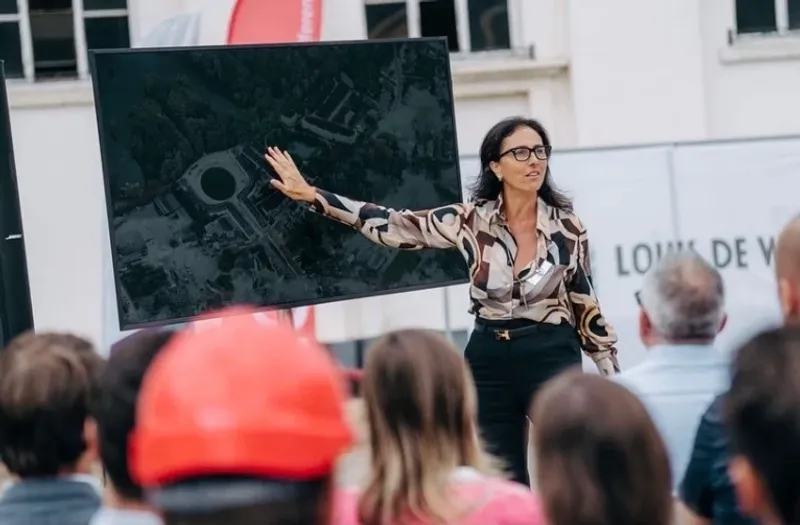
At the first stone-laying ceremony for the new public space, Maria Alessandra Segantini talked about the importance of sustainability and circularity in design. She said that this new space will be a place for all people and that it will give back to the community a part of the city that is inaccessible today.
We have always been particularly interested to address the relationship between the old and the new, creating a dialogue with the techniques of the past. With Tervuren urban regeneration project, we are honored and proud to give back to the citizens a part of their city today inaccessible. We strongly believe in the power of a free, well-designed public domain to be activated by people, their memories, their dreams, and their experiences, contributing to reinforcing the identity of the community and the roots for future generations.
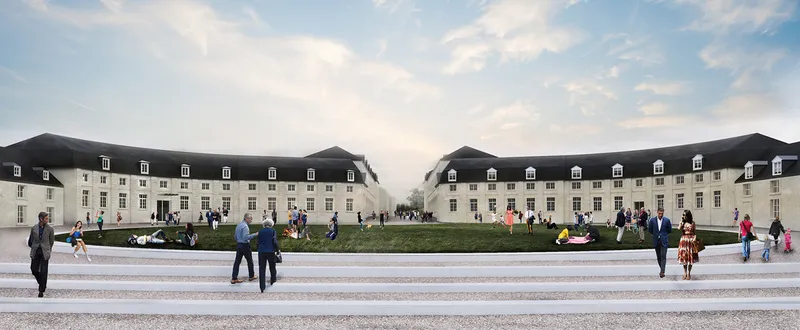

The Minister for Finance, Budget, Housing and Immovable Heritage Matthias Diependaele, the developers' ION and PMV, and the Major of Tervuren Marc Charlier all attended an event that highlights the importance of heritage buildings and their regeneration. This helps to reinforce the identity of the communities they are a part of.
The demolition works are expected to be completed by the end of 2023.
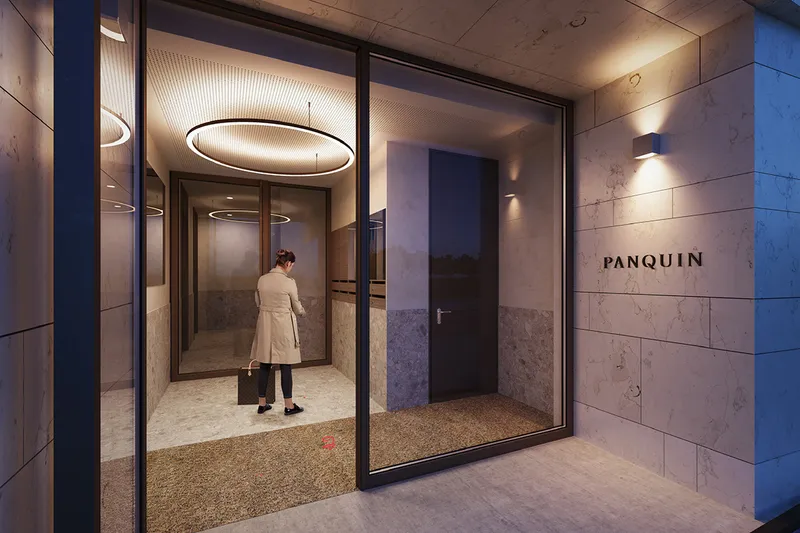


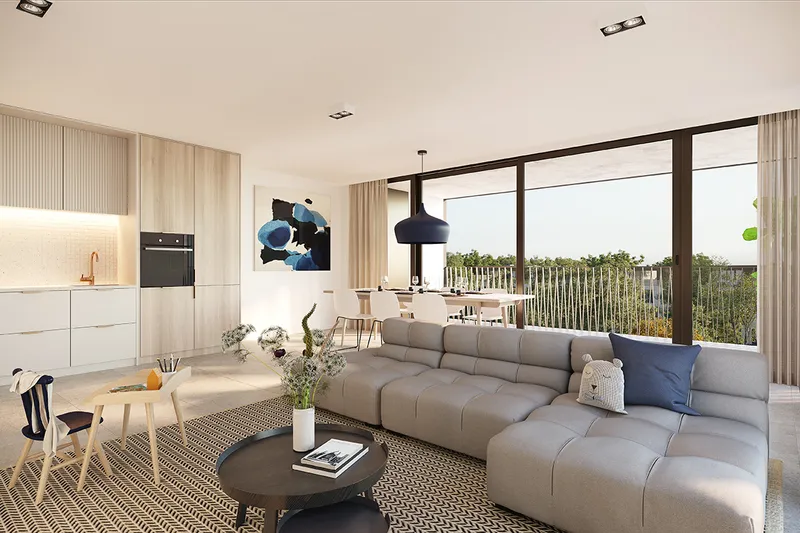
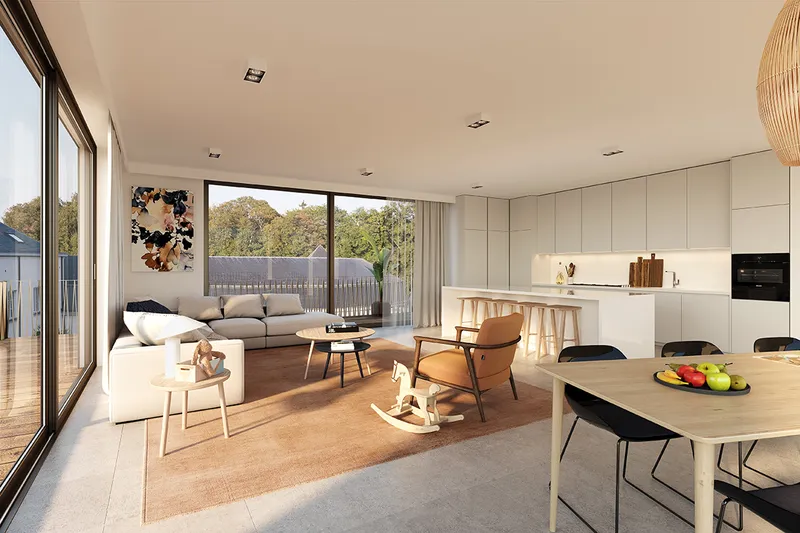

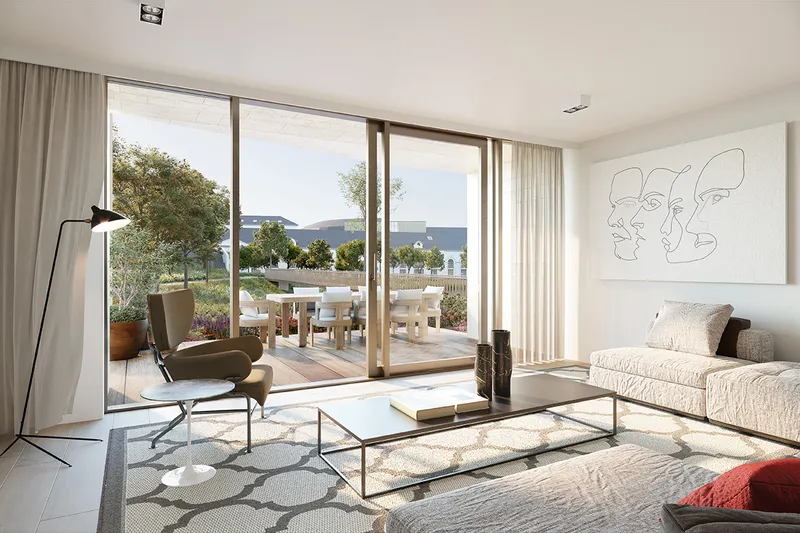
Interior Visuals of the project

Team Designers and collaborators: Matteo Capecci, Michal Dabrovski, Davide Grandi, Tommaso Iaiza, C+S Architects
Developer: ION
Landscape Design: Omgeving cvba
Restauration: Koplamp
Engineering: M&R Engineering, BAAC
Local architects: a33, D E Architecten
Total surface: 33,700 sqm
Investment: 100 million euros
References (1)

Popular Articles
Popular articles from the community


Hill & Cross Opera: Sculptural Opera House Architecture Shaped by Tallinn’s Landscape and Identity
Hill & Cross Opera reimagines opera house architecture in Tallinn through its sculptural hill, civic plaza, glass wave and a luminous cross.

Co-Life: Senior Housing Design That Reconnects Older Adults With the City
Co-Life reimagines senior housing design through healing gardens, shared streets, workshops, and a sustainable community across generations.

Co-life: Sustainable Architecture for Age-Friendly Community Living
Co-life reimagines sustainable architecture for seniors through courtyards, rammed earth, shared gardens, and spaces designed for belonging.
ALGAL REALM: A Bio-Integrated Lunar Habitat Design for Life Beyond Earth
ALGAL REALM reimagines lunar habitat design with algae-powered life support, 3D-printed regolith, and vertical living for a lunar future.

Similar Reads
You might also enjoy these articles
116 Rokeby Building, Collingwood
Sustainable Collingwood office building featuring double-skin façade, natural ventilation, rooftop amenities, and carbon-neutral design focused on wellbeing and longevity.
Contemporary Apartment Renovation in Spain: RV House by BIAN Opens Up to the Sea
A minimalist 1930s apartment in Santander is transformed into a flexible, sea-facing home through contemporary Spanish renovation.
3 Marías House: A Contemporary Mediterranean Courtyard Retreat by Bajet Giramé + Burckhardt
Mediterranean courtyard home blending traditional architecture with modern design, terracotta flooring, flexible interiors, sustainable climate strategies, and garden integration.
NZ10 Apartment by auba studio: Adaptive Reuse in Palma de Mallorca
Adaptive reuse apartment transforms bakery into light-filled home with patios, privacy layers, and wood interiors enhancing urban living experience.

Explore Sports Architecture Competitions
Discover active competitions in this discipline


Challenge to design a barrier free sports center

Challenge to design an outdoor ice-rink and park
Comments (0)
Please login or sign up to add comments
No comments yet. Be the first to comment!