


Refurbishment
Adaptive reuse and renovation projects that transform existing structures into new functional spaces.
Our communities have evolved distinctively in relation to the decades they have originated from. Each decade carries its own cultural significance within an architectural perspective, while globalization has made it possible to reach these understandings around the world. New urban developments are unique fabrics representing contemporary changes in the past century, showcasing our growing transition into a globalized world with different cultures coming together to build our cities.
Popularly used for refurbishing interiors of an apartment or space, refurbishment/ adaptive reuse (or "recycling") refers to the process of reusing a building for a purpose other than which it was originally designed for. It is also known as renewal and conversion. There are several reasons why adaptive reuse of buildings can be an alternative to the new construction from an ecological standpoint.
The element that is most often affected by the decision whether to demolish or adapt a building for a new purpose is its envelope, which should have a sound structure and be resistant. Some structures, especially historic structures and designated landmarks, are protected by designations and restoration rules enforced by municipal governments. It is an effective strategy for optimizing the operational and commercial performance of built assets.
What are the advantages of refurbishment?
The physical presence of old buildings makes people feel closer to their past; the perception of architectural beauty generates an emotional reaction that people value. The rehabilitation and retention of older buildings are important because of the character and scale they add to the built environment and at the same time conserve their historic value and local resources.
• Demolition: Removing existing structures prior to building new ones can be quite expensive and time-consuming. This is especially true when demolition isn’t done in the most efficient manner and more than one structure must be removed initially to get down to just one. Both of these obstacles can cost urban development companies as much as 5%–10% as much as what it takes to build a completely new structure and are things that many central business districts forget to consider when determining the feasibility of large-scale projects.
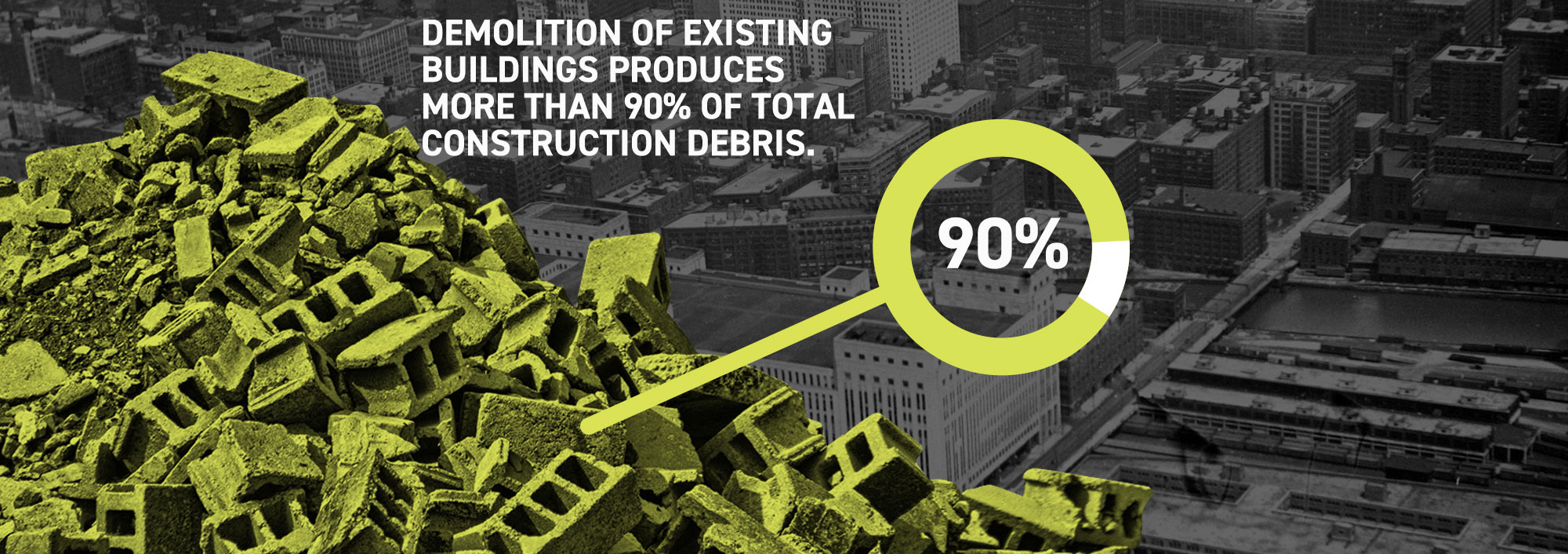 Img 1: Ratio of new construction and demolition (credits- U.S. Environmental Protection Agency)
• Cost savings on building material: Renovating and reshaping an existing building is a lot less labor-intensive than starting from scratch. And because its cost of materials tends to be a lot less than that of buying new construction materials, adaptive reuse is in the best economic interests of any organization looking to construct a commercial/industrial space.
• Decreased Public and Social Costs: As these heritage settlements have been getting crowded in the past decades, people have been looking for farther lands for development. This rapid urbanization and urban sprawl cause several harms to our planet and society. Lack of adaptive reuse of existing built assets has caused disturbance due to dislocation of residents, economic decline and disruption of community life, eventually leading to abandoned and obsolete neighborhoods that are in need of community support.
• Conserves energy: Many older buildings (like historic landmarks) have been around for a long time and have quite a history to share. Tearing down a building is often associated with being costly to repair. Though some new buildings might be just as expensive upfront, newer systems for construction usually come with higher life-cycle costs whereas older structures can be climate responsive.
"As cities become more and more alike over time, historic resources within the city become unique and irreplaceable,"
Annie Levinsky
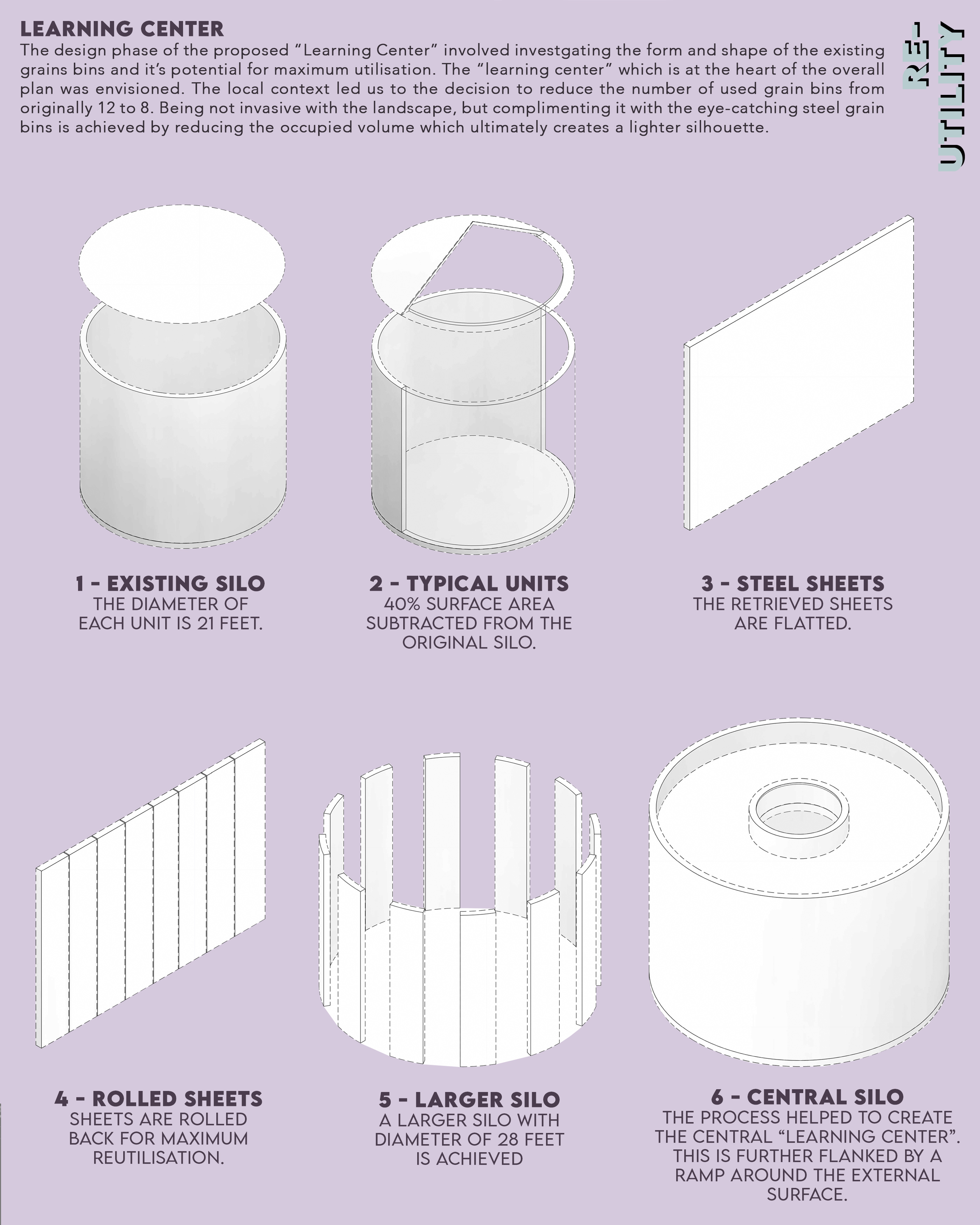
Img 2: Re-Silo - Shortlisted entry for Re-Utility
What are some major issues that can arise during refurbishment?
Building codes are the greatest hurdle when converting an old building/structure to new use. Others may say there are other bureaucratic hurdles such as permits that need to be filed, but those that have had to deal with structural conversion know that the biggest challenge is safety and accessibility. Redesigning is sometimes required to ensure everything is in compliance with the new intended use of the area. If a building is to function for different purposes, it's necessary for a plan for layout changes and modifications. Modifications include, but are not limited to: redesigning electrical, rewiring plumbing and HVAC systems as well as determining what if anything needs modifying pertaining to the foundation.
Architecture competitions
Due to the complicated structural design or material difference it sometimes takes years for refurbishing an entire structure - much more if it involves historic or cultural significance. Can this process be reduced in the initial phases of refurbishment? How can collective ideas from over the world for universal reuse of particular typologies help in accelerating and providing more insights? Can we do so by offering more opportunities and challenges in the field of refurbishment/adaptive reuse?
Architecture competitions are a great way to find creative design enthusiasts who not only have the relevant skills for designing and developing projects but who also share their vision regarding the problems affecting our society today. Architectural and design competitions offer a wide array of challenges that have the potential to be utilized in built projects. Few adaptive reuse competitions held recently were:
• Abbey
• ArchWeekly: Rethinking about the second life of materials & buildings
• Architecture of the Apolocyase
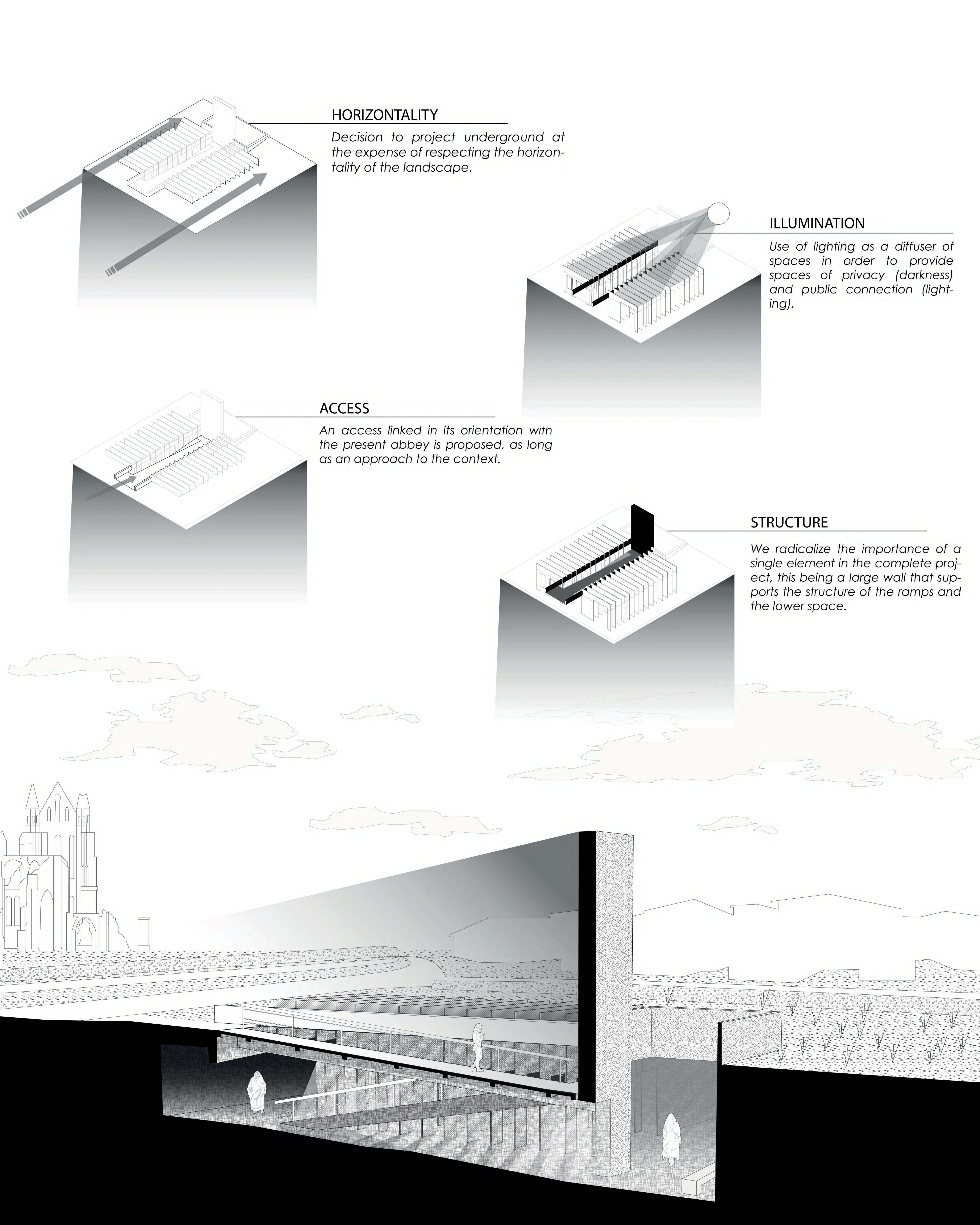
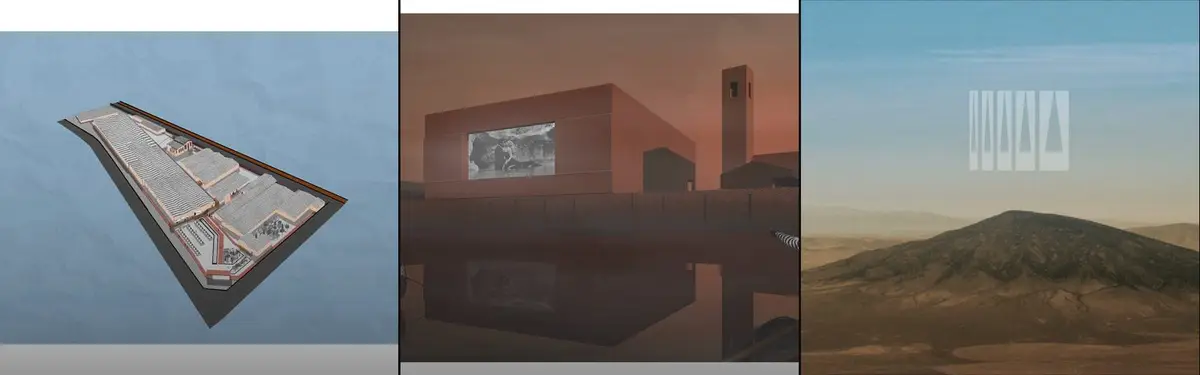
Img 3: Crypt of lag - Shortlisted entry for Abbey
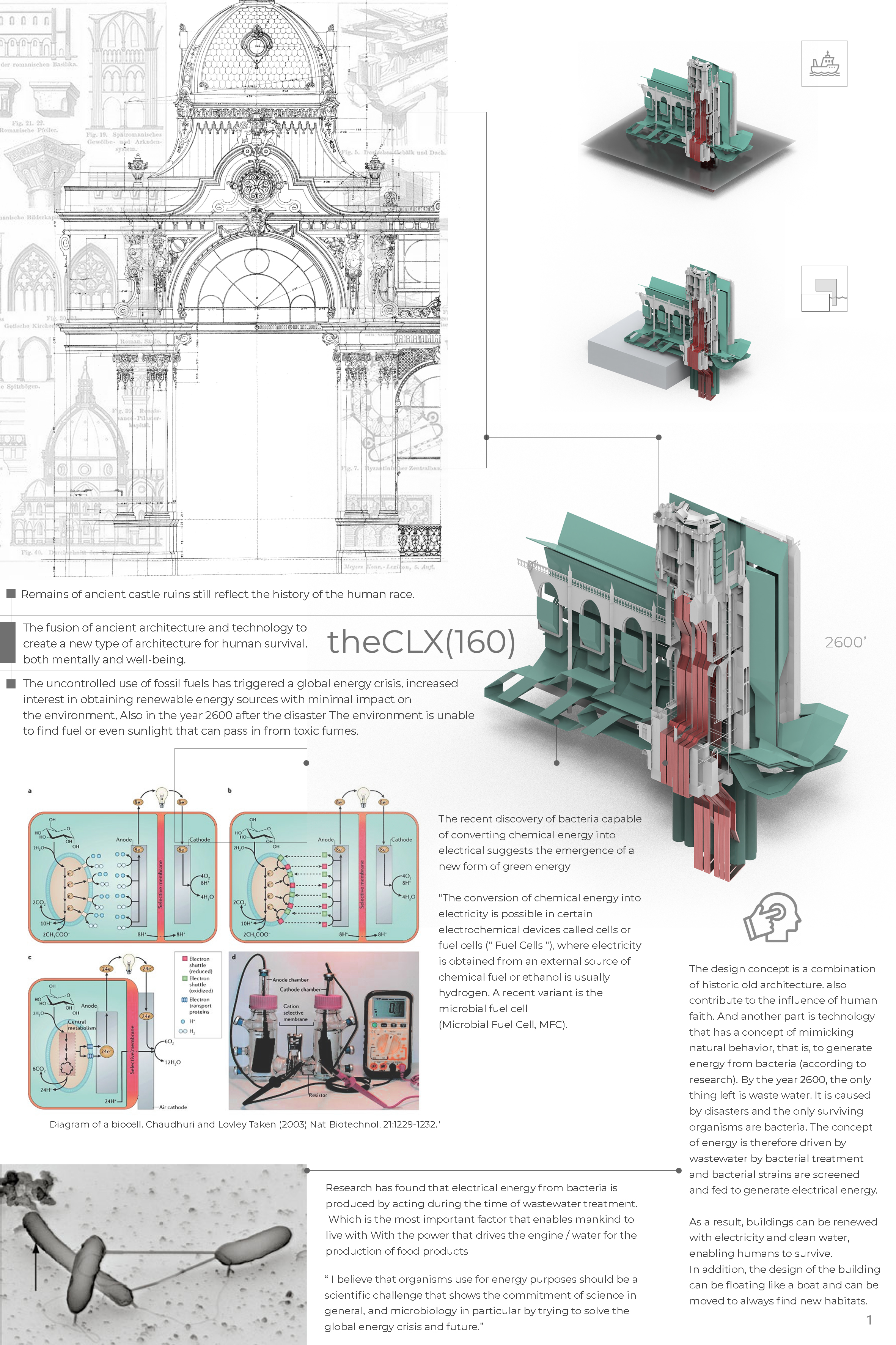
Img 4: theCLX(160) - Editor's Choice entry for Architecture for the Apocalyse (using space technology to rehabilitate earth)
• Re-Utility
• Architecture of the Abandoned
• Residential Stadium: Adaptive Reuse
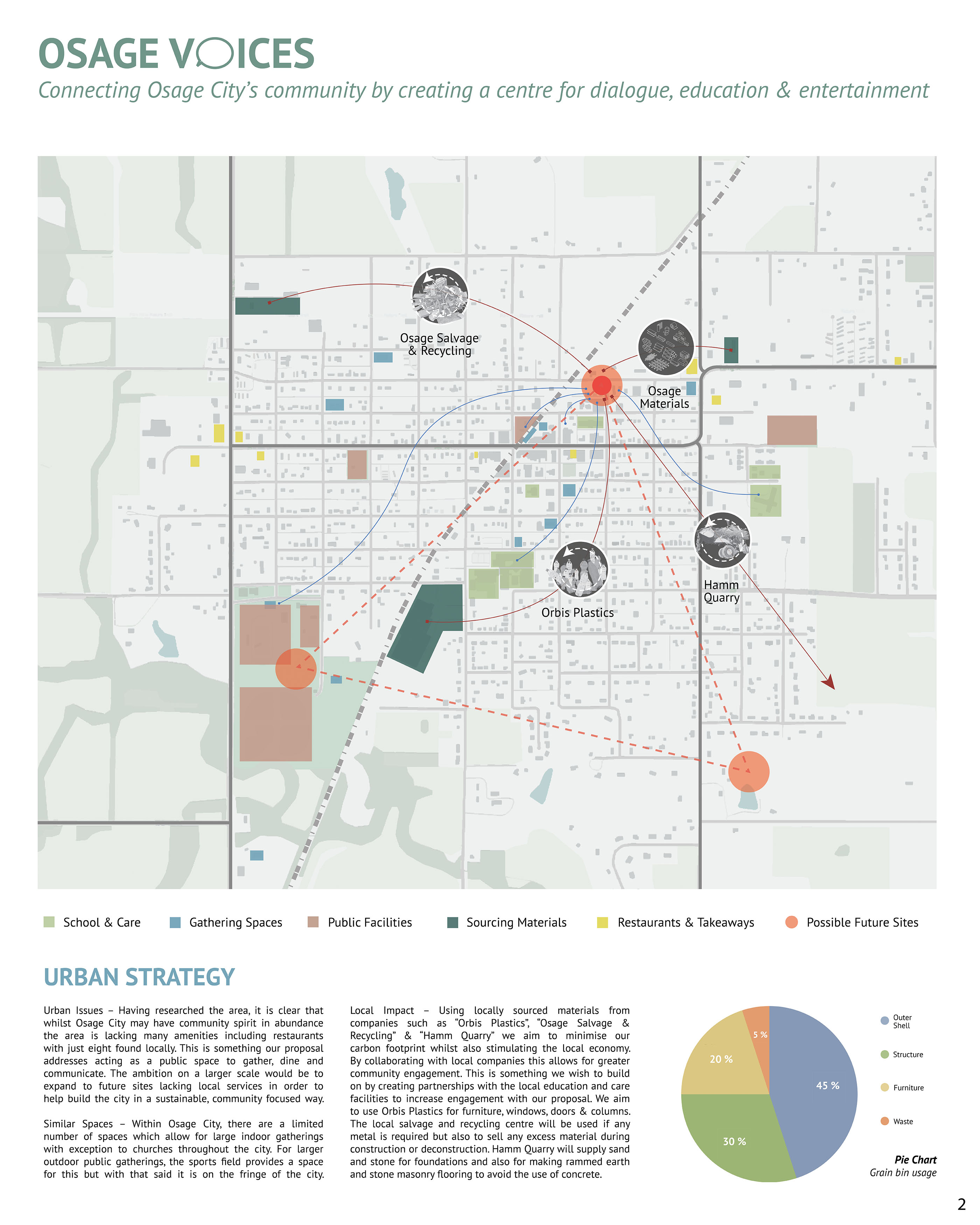
Img 5: Osage Voices - Shorlisted entry for Re-Utility
Explore more projects in refurbishment architecture:

UNI Design Competitions
UNI is a global network of architects and designers who are solving some of the most challenging problems around the globe. UNI brings together the world's largest pool of design challenges that are curated by the finest architecture academicians and professionals globally. Since 2017, UNI has hosted more than 200+ architecture competitions for various idea level to realization level briefs. In the past, UNI has helped 50+ organizations, universities, and government bodies to use our platform to generate architecture and design solutions through competitions.







Open competitions in Refurbishment
See all Refurbishment competitions

Popular projects
View all 23 projects


Latest journals
View all 20 journals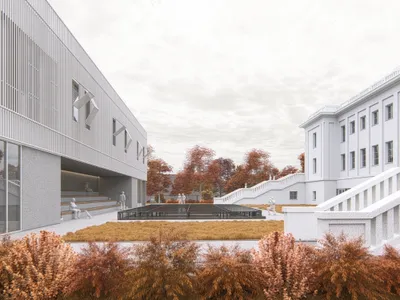
New in the Port: how to reclaim the Maritime Cultural Center
Reinterpreting socialist realist architecture as a space for everyday social activity in Nowy Port.

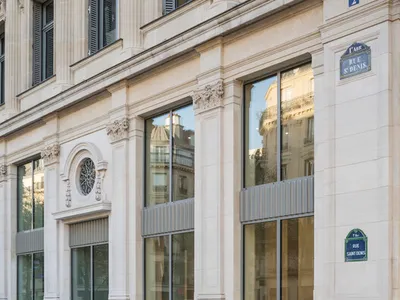
Chamber of Notaries of Paris by L'Atelier Senzu + LAGNEAU Architectes
Historic Paris notary building renovated with material reuse, curved glazing façade, double-height public spaces, improved daylight, and sustainable workplace design.
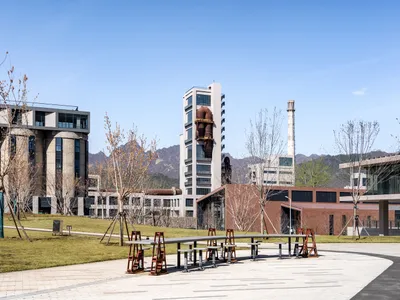
Jinyu Xingfa Science Park by HPP Architects + BIAD: Transforming Industrial Heritage into a Cutting-Edge Research Campus
Jinyu Xingfa Science Park in Beijing transforms a former cement factory into a sustainable, multifunctional research campus blending heritage and innovation.
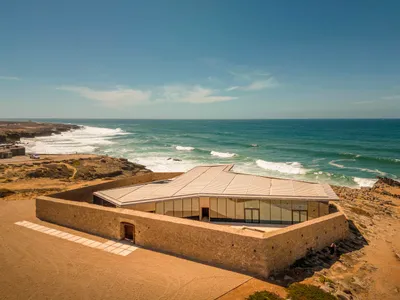
Crismina Fort Refurbishment by barbiniarquitectos
Crismina Fort in Cascais, Portugal, restored by barbiniarquitectos, blends historic stone walls with modern glass, stone, and coastal landscape integration.


