The Role of Multicultural Architecture Design in Modern Urban Spaces: A Case Study of the POLYGON Project
POLYGON, a multicultural architecture project fostering community among international students, locals, and immigrants in Amsterdam.


In the dynamic and multicultural landscape of Amsterdam, creating spaces that foster interaction and community among diverse groups is both a challenge and a necessity. The POLYGON project by Burcin Eroglu, a shortlisted entry in the Overseas Oasis competition, seeks to address this challenge by integrating international students, local residents, and immigrants into a cohesive living environment. Located in Bijlmermeer, Amsterdam, the project is a thoughtful response to the area's unique history and current needs.
The Vision Behind POLYGON
The primary aim of the POLYGON project is to create a collective life where international students, local people, and immigrants can interact and support one another. The design strategically separates common and private spaces, referencing the urban fabric of Bijlmermeer. By bridging the old with the new, POLYGON not only connects physically to the existing Bijlmermeer residences but also metaphorically bridges cultural and social gaps, enhancing the multicultural essence of the Netherlands.
Understanding Bijlmermeer
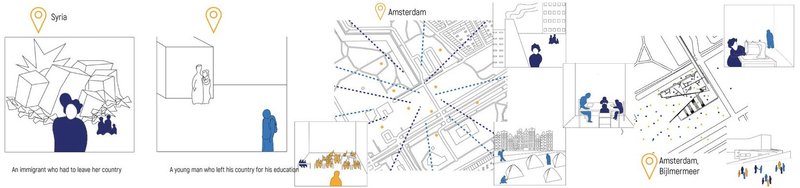
Bijlmermeer, originally designed as a mass housing project, did not evolve as envisioned. Over time, it became an area in need of revitalization. Amsterdam, a city known for its high influx of immigrants and international students, faces significant housing shortages. The majority of these immigrants come to Amsterdam for education but struggle with accommodation due to limited housing options. POLYGON addresses this issue by creating a space that caters to the housing needs of these students while fostering community engagement.
Design and Layout
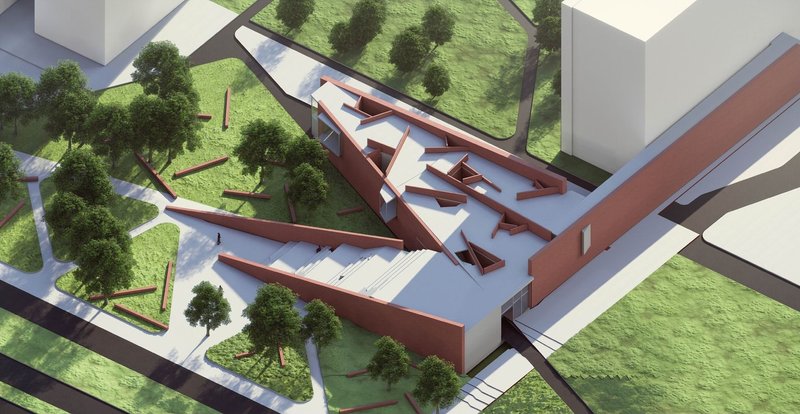
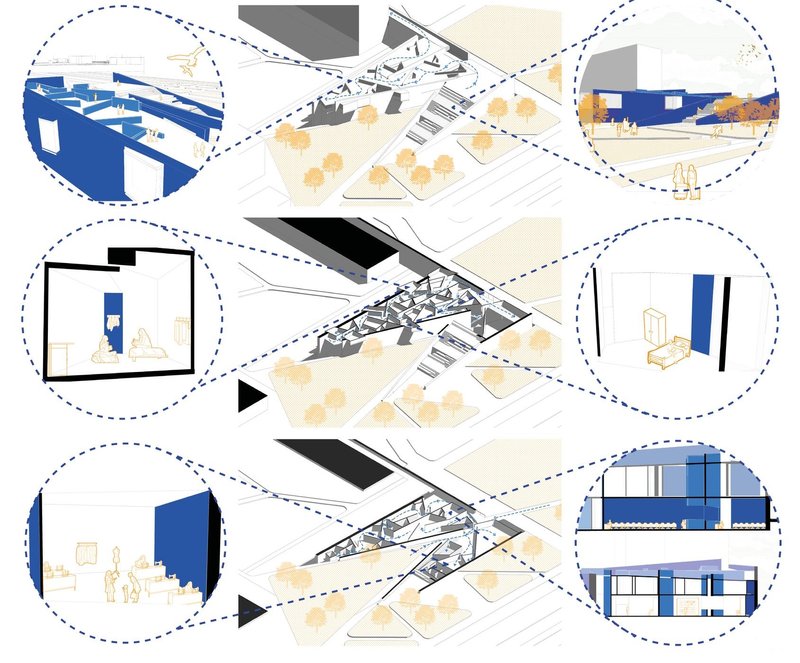
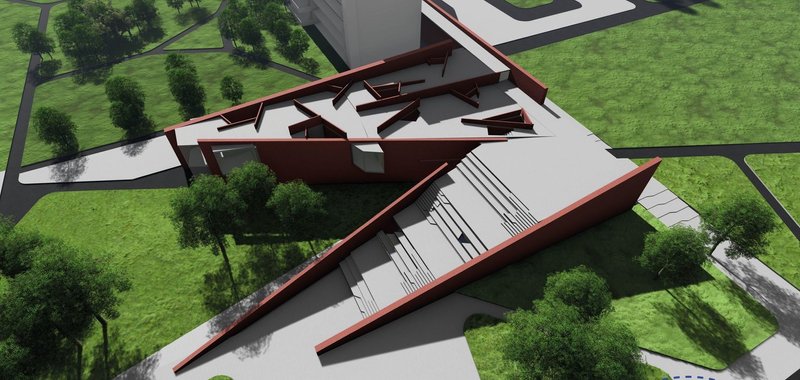
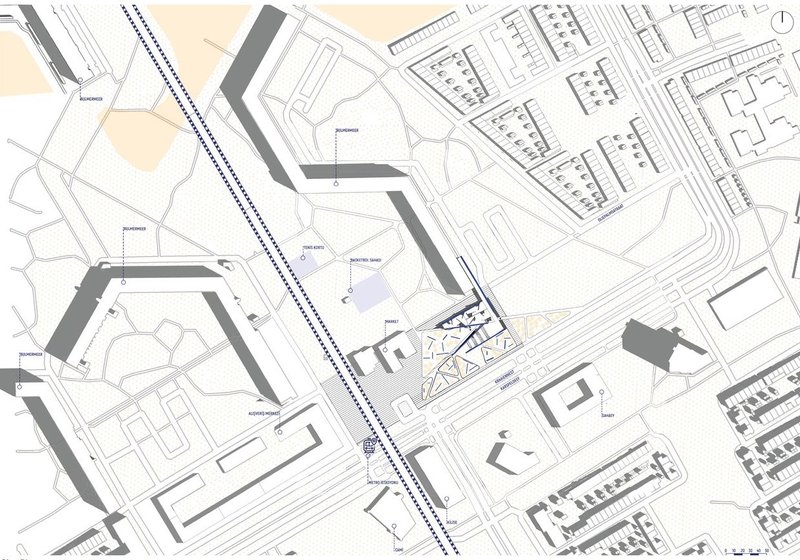
The POLYGON project is meticulously designed to facilitate interaction and community living. The site plan shows a well-thought-out integration of public and private spaces, ensuring that the residents can enjoy their privacy while also having ample opportunities for social interaction. The accommodation units vary in size, including single, double, four-person, and five-person rooms. Common facilities like bathrooms and toilets are shared, promoting a sense of community among residents.
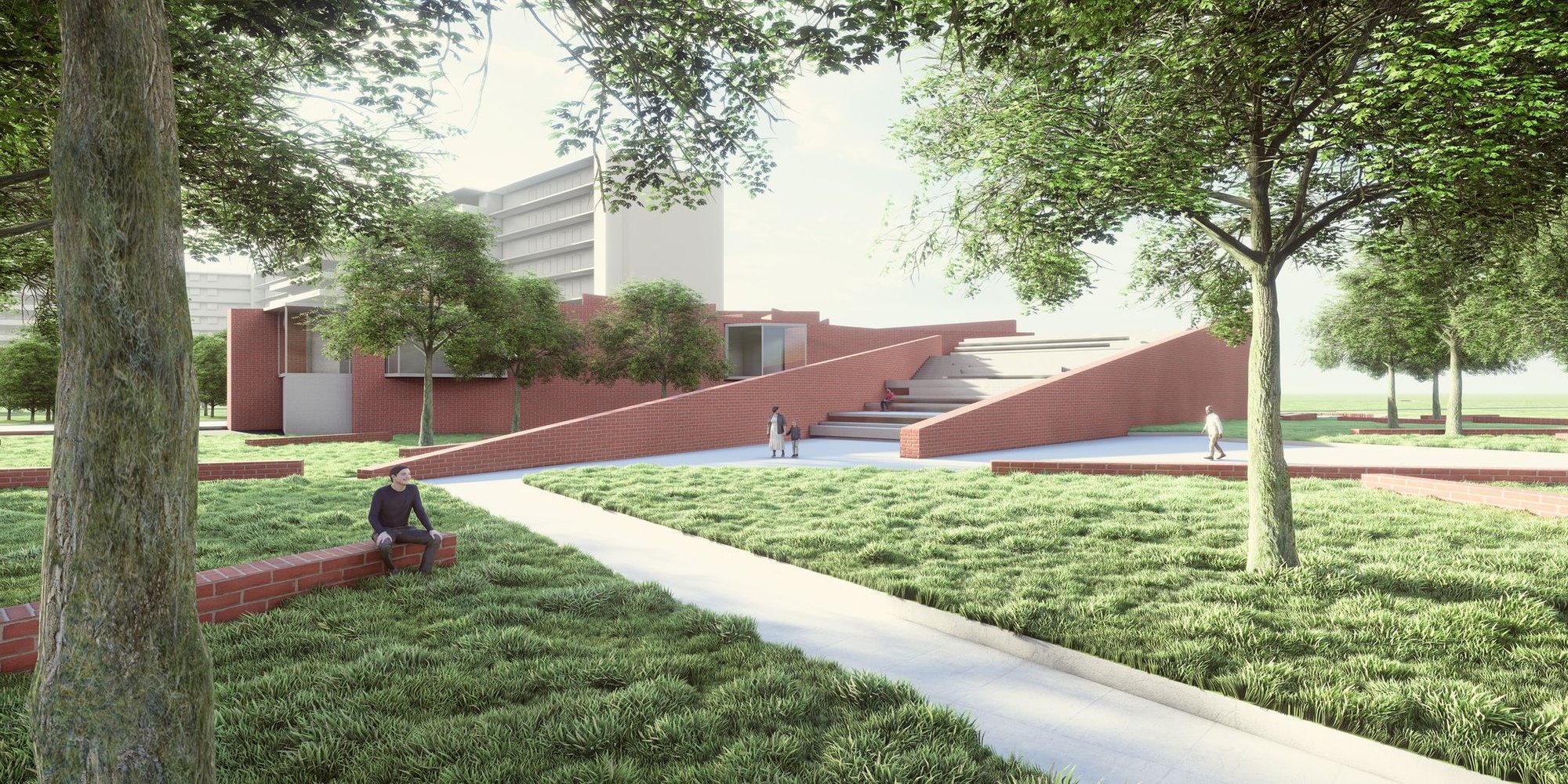
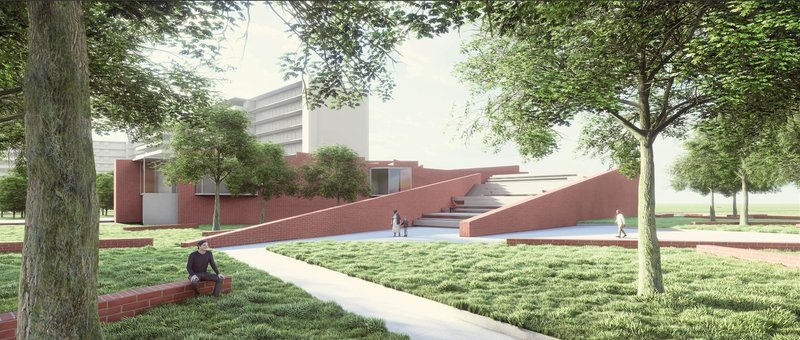
The design also features a distinctive ramp that serves multiple purposes. It redefines the boundaries of the Bijlmermeer residences, provides a public walkway, and offers coverage for the spaces below. This ramp effectively connects the new structures with the existing residences, creating a seamless integration between old and new.
Promoting Multicultural Interaction
One of the core objectives of POLYGON is to support the multicultural nature of Amsterdam. The design encourages international students, local residents, and immigrants to engage with each other through shared spaces. Art, craft, and educational activities are integral to the community center, offering residents opportunities to showcase their talents and learn from one another. This mutual interaction not only enriches the lives of the residents but also strengthens the social fabric of the community.
The Architectural Significance
POLYGON stands out not just for its social impact but also for its architectural innovation. The formation diagrams and sections highlight the thoughtful planning and execution that went into the project. The design incorporates references from existing structures and analyzes existing train and pedestrian routes to ensure seamless connectivity and accessibility.
The floor plans illustrate the efficient use of space, ensuring that each area serves a specific function while contributing to the overall aesthetic and functional harmony of the project. The sections further demonstrate how the different levels of the building interact with each other, creating a cohesive and dynamic living environment.
The POLYGON project by Burcin Eroglu is a remarkable example of how architecture can address social issues and foster community living. By integrating international students, local residents, and immigrants, POLYGON creates a space that is not only functional but also socially enriching. The project stands as a testament to the power of thoughtful design in creating inclusive and vibrant communities.