The Volvo Circle Pavilion: A Marvel of Sustainable Pavilion Architecture
An exploration of the Volvo Circle Pavilion's innovative design, showcasing sustainable architecture through material reuse, recycling, and circular practices.


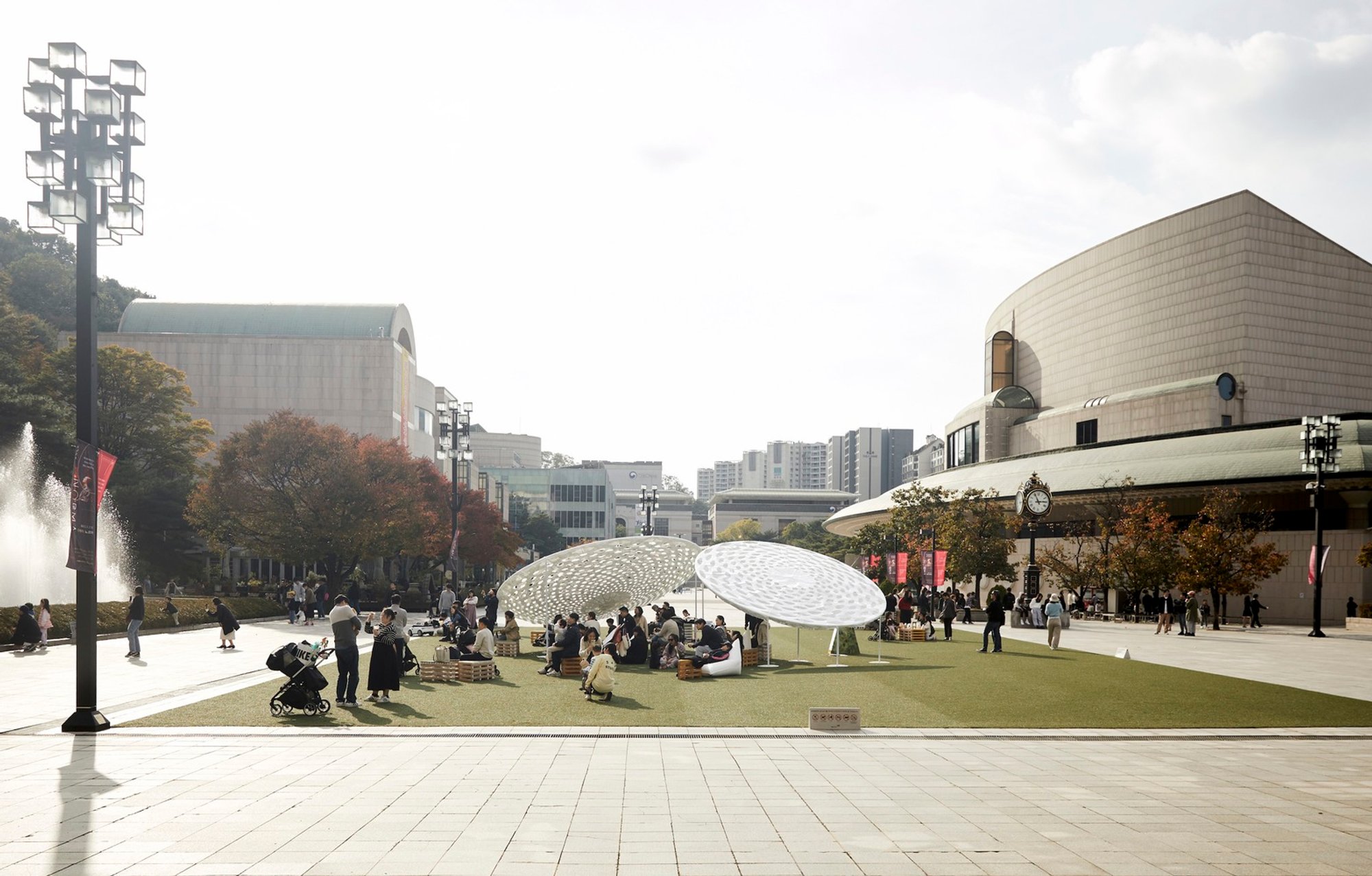
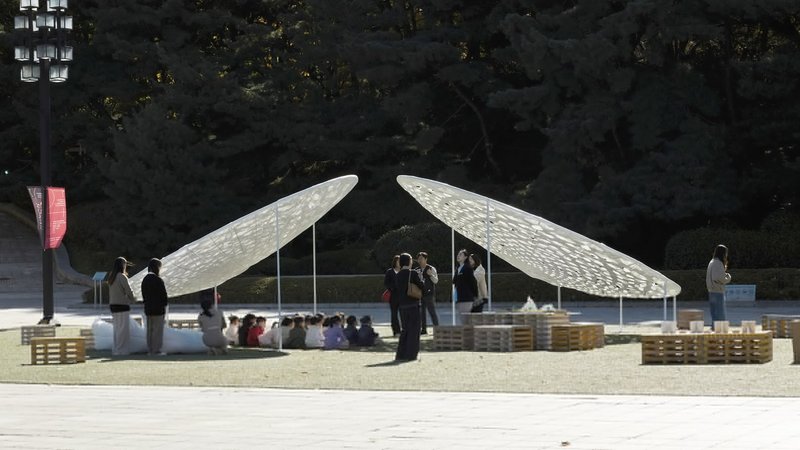
The Volvo Circle Pavilion, designed by Studio Heech and completed in 2023, represents a pioneering achievement in sustainable pavilion architecture. Located in South Korea, this remarkable project is not only a visual delight but also a testament to innovative and eco-conscious design. The structure's philosophy revolves around the complete reuse and recycling of materials, ensuring minimal environmental impact.
A Commitment to Sustainability
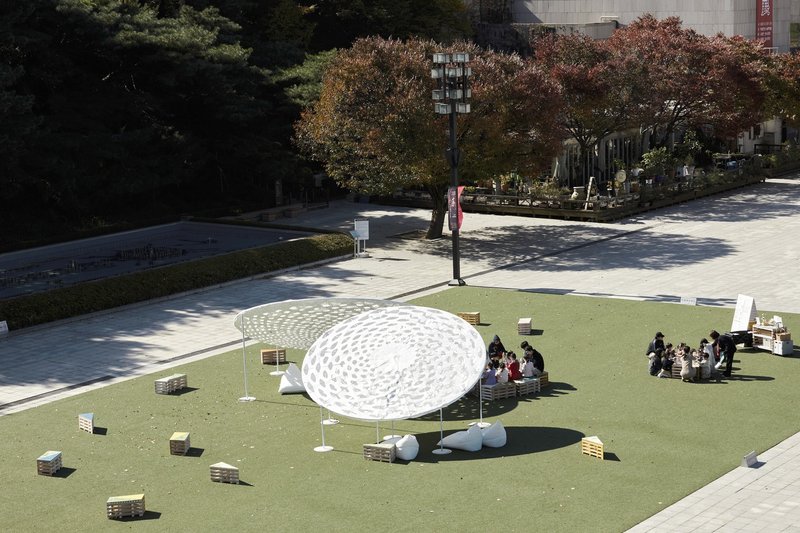
The Volvo Circle Pavilion is more than a physical structure; it embodies a vision of sustainability. Constructed using lightweight and minimal materials, every element of the pavilion was carefully chosen to ensure that it could be dismantled, repurposed, and recycled.
Material Choices: From Tyvek to Steel
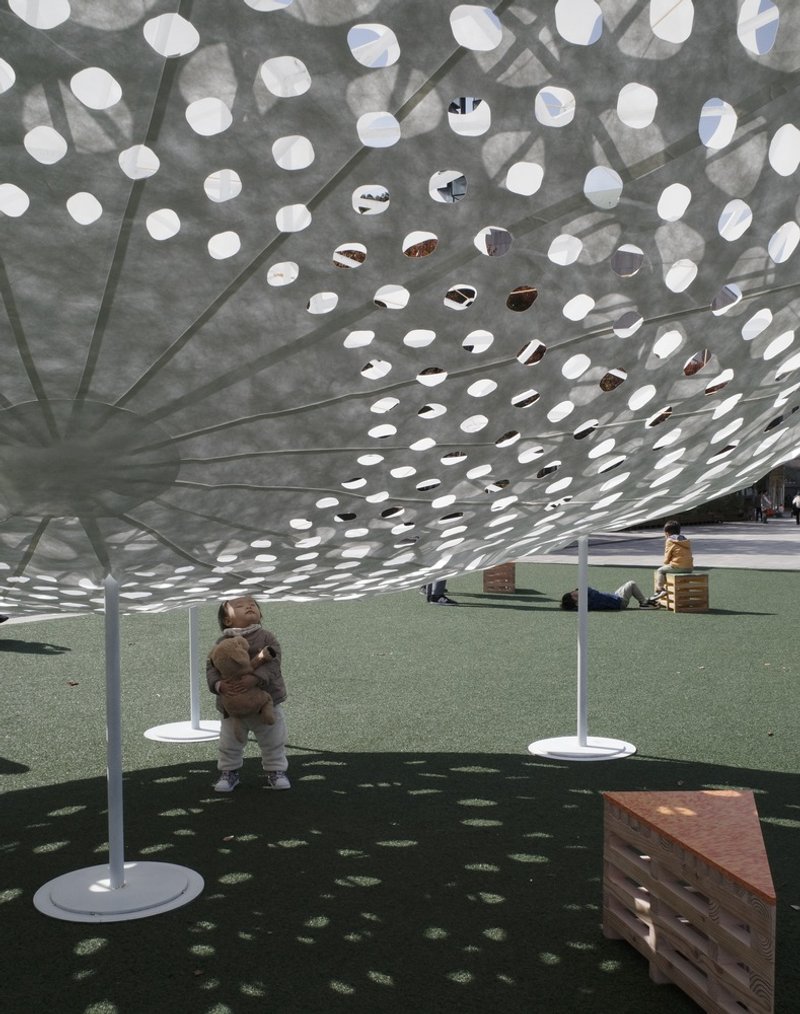
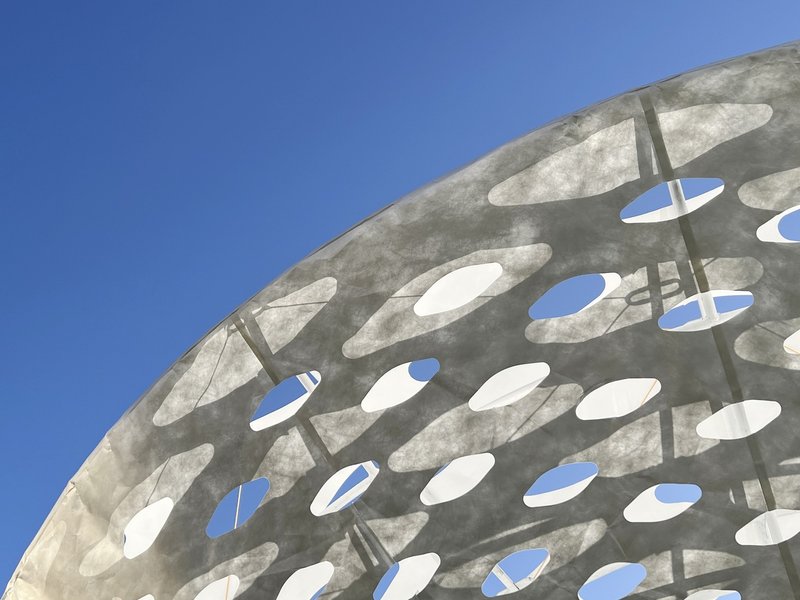
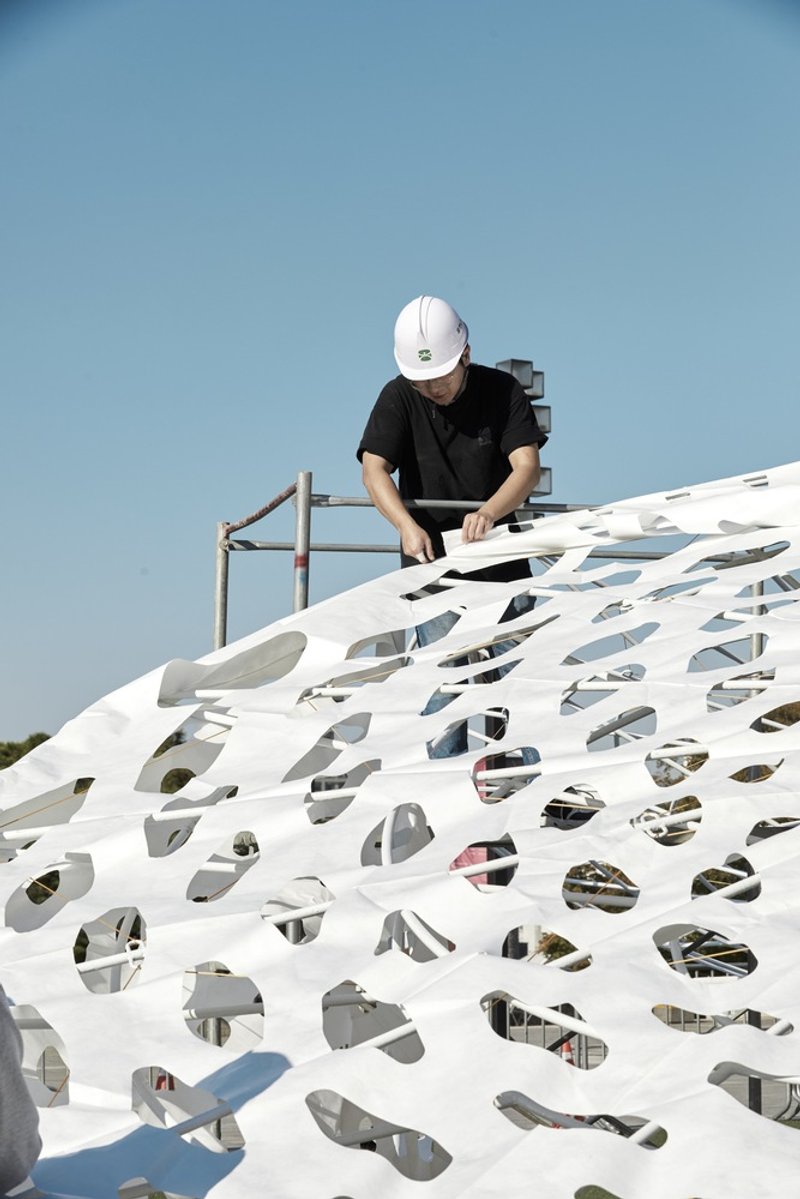
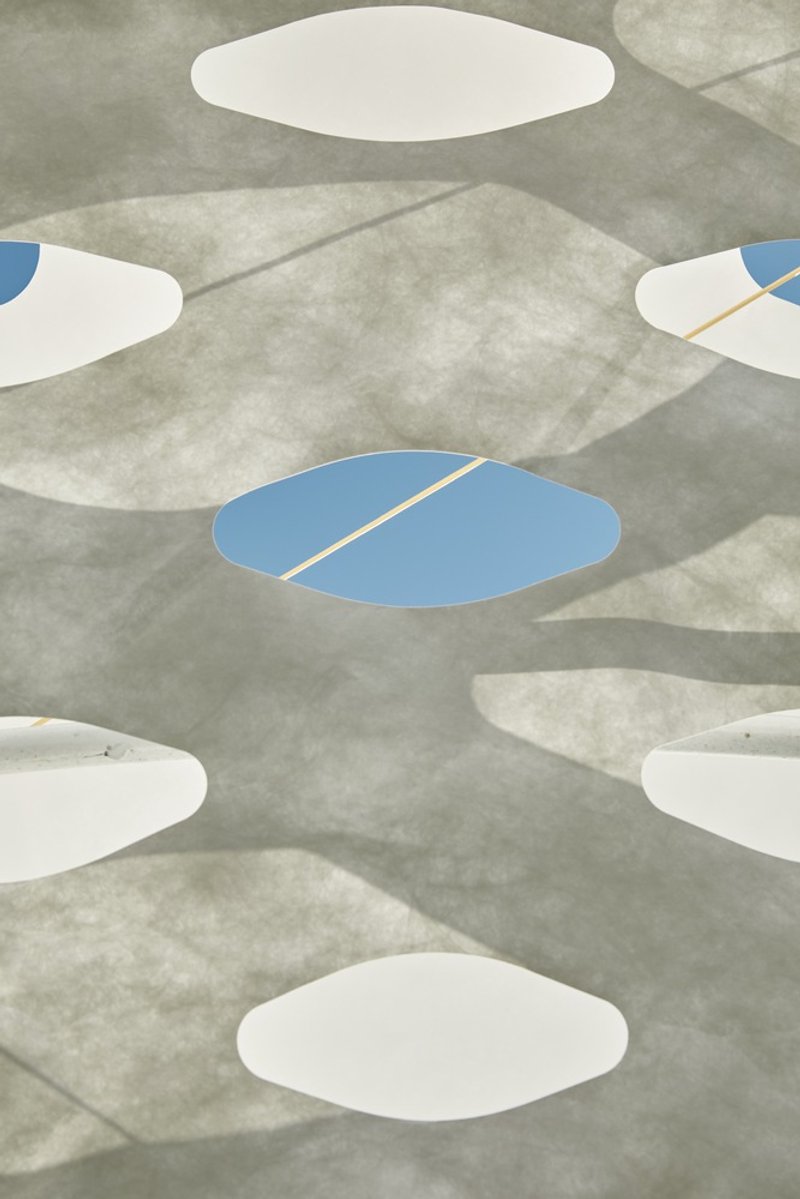
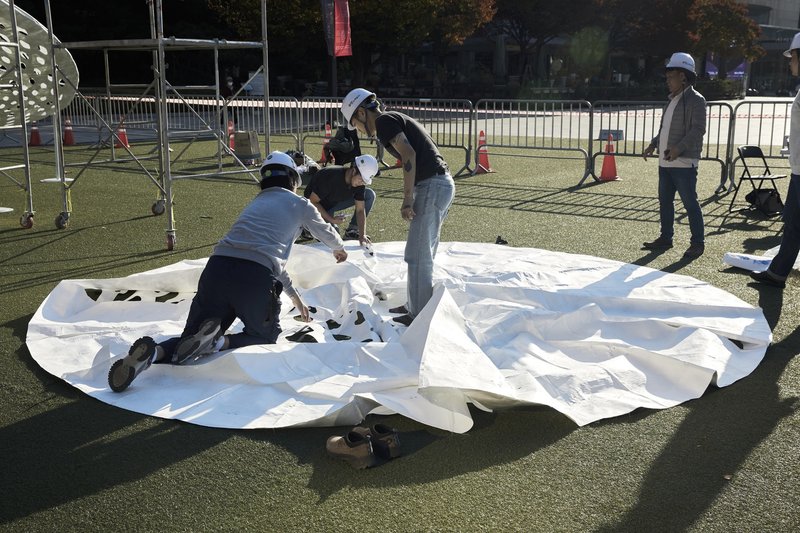
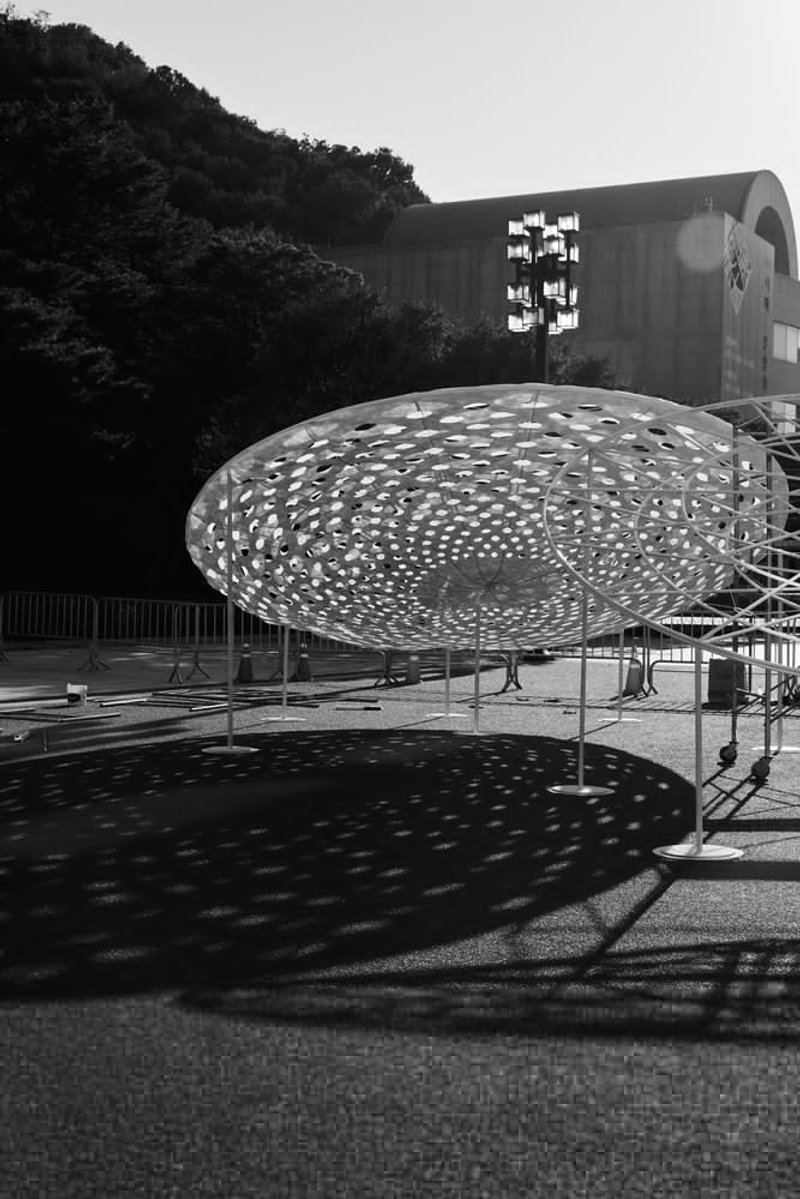
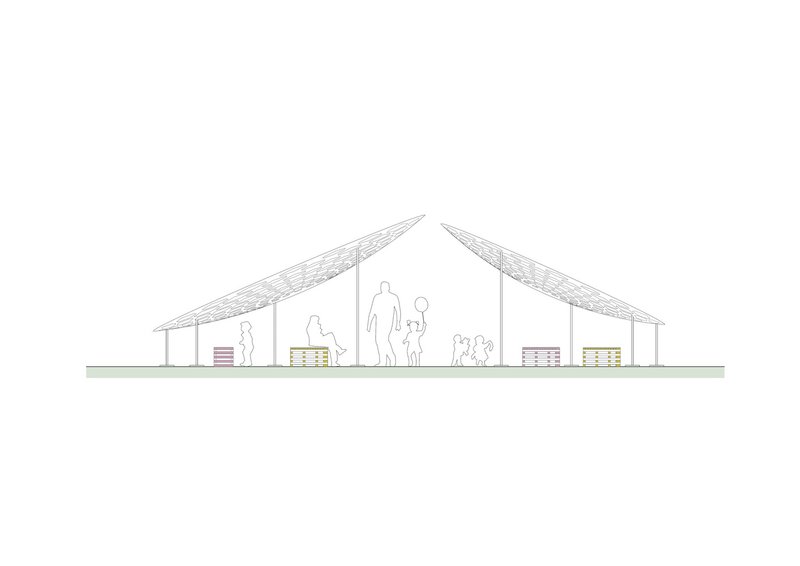
- Tyvek:The pavilion’s exterior is covered with Tyvek, a paper-thin, waterproof material with properties akin to paper. Tyvek's versatility allows it to be intricately cut into patterns that create stunning, three-dimensional shadows. These shadows mimic Komorebi, the Japanese concept of light filtering through trees, offering a dynamic interplay of light and shadow throughout the day. After its use in the pavilion, Tyvek is recycled into plastic boards, which are repurposed as public furniture.
- Steel Framework:The pavilion's minimalist steel structure was prefabricated for on-site installation, significantly reducing carbon emissions during construction. Once dismantled, the steel is recycled by Hyundai Steel Works, further contributing to the circular design approach.
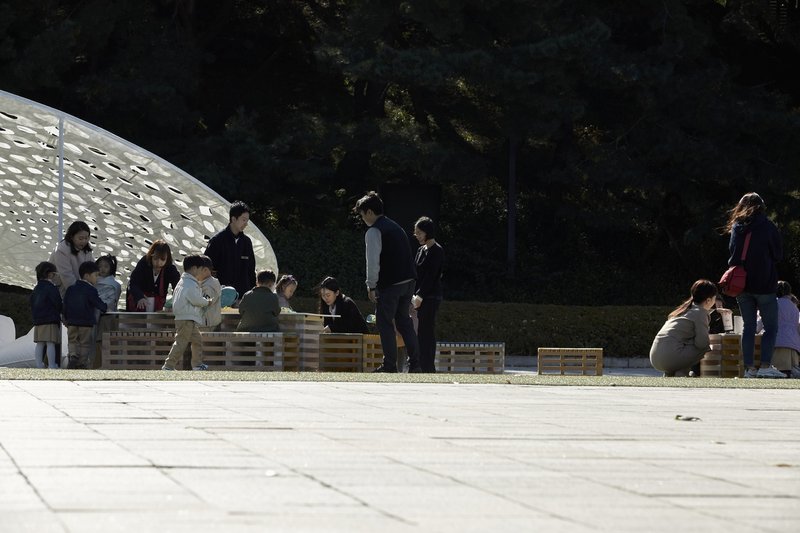
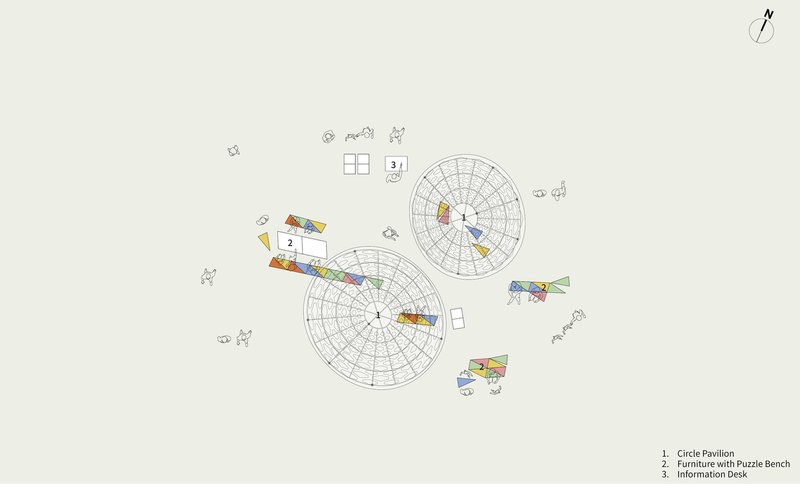
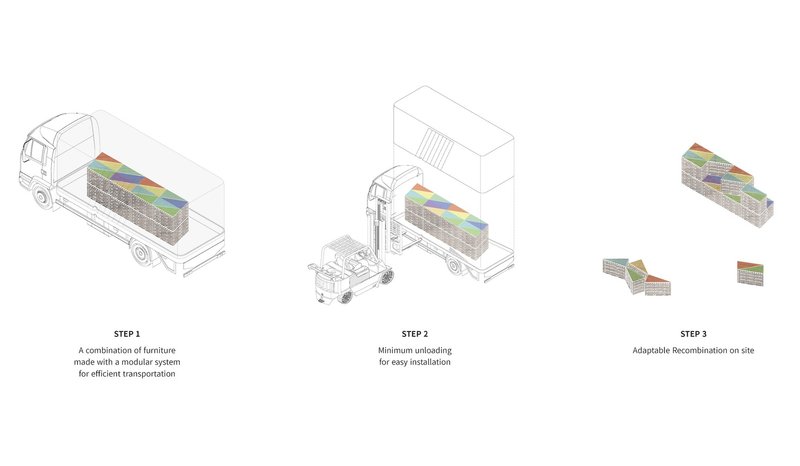
- Puzzle Benches:Created from reclaimed and neglected structural wood, the benches are another example of the project's resourcefulness. Once the pavilion’s purpose is fulfilled, these benches are donated to elementary schools, daycare centers, and libraries, enriching the community while embodying sustainable principles.
Collaborative Design
The Volvo Circle Pavilion was realized through the collaboration of various experts. Structural engineers from Front INC contributed to creating the lightweight framework, while DSLSM provided expertise in eco-friendly Tyvek applications. This teamwork ensured that every component aligned with the overarching goal of sustainability.
Aesthetic and Functional Excellence
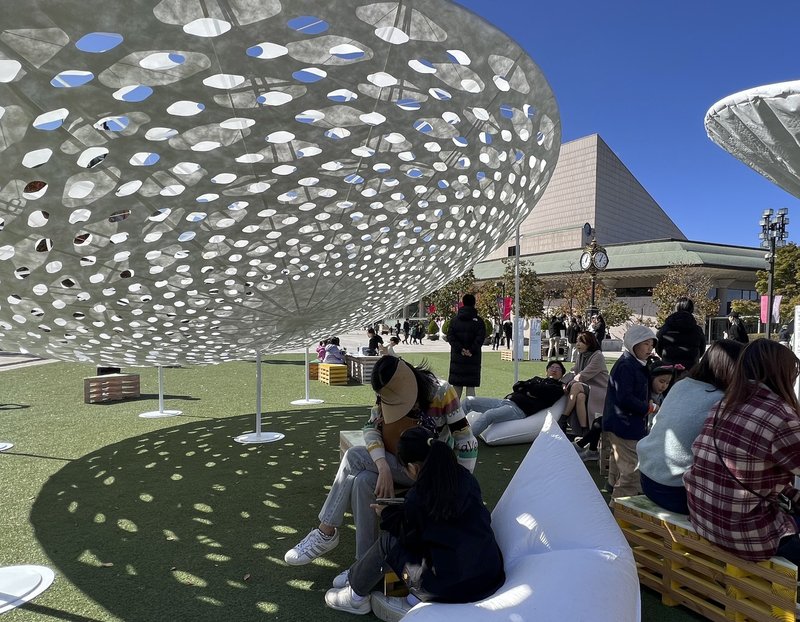
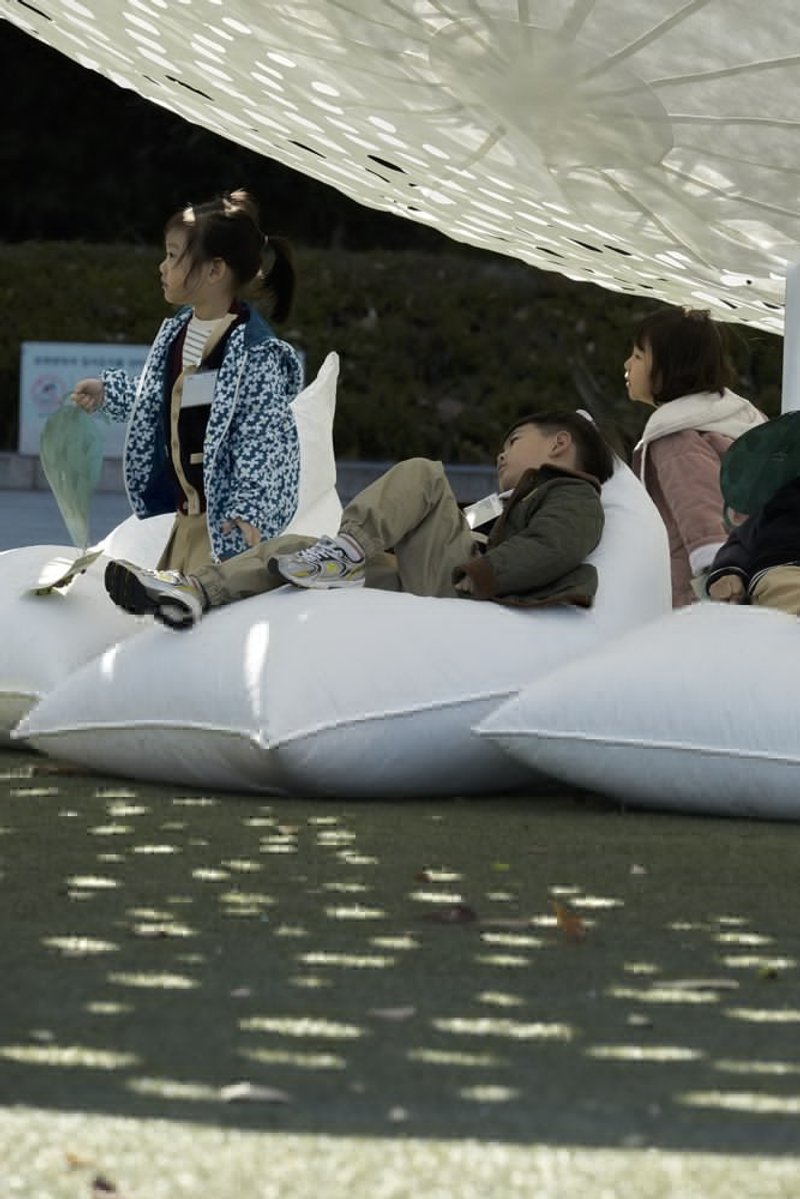
Beyond its sustainable framework, the pavilion is a visual masterpiece. The intricate patterns of Tyvek create a serene environment where light and shadow dance harmoniously. Visitors are drawn into an experience akin to walking through a forest, with changing light conditions enhancing the connection to nature.
The Circular Design Philosophy
What sets the Volvo Circle Pavilion apart is its dedication to circular design. Each material and component was chosen not only for its immediate functionality but also for its potential future use. This approach minimizes waste, reduces environmental impact, and demonstrates how architecture can contribute to a more sustainable future.

Key Features of the Pavilion’s Circular Design
- Prefabrication and On-Site Assembly:Prefabricated components allowed for efficient assembly, reducing waste and energy consumption.
- Recycling and Reuse:Tyvek is transformed into furniture.Steel is melted and reused in industrial applications.Wood elements are repurposed as community assets..
- Community Engagement:Donating puzzle benches to public spaces exemplifies how architecture can extend its value beyond aesthetics and functionality.
The Volvo Circle Pavilion by Studio Heech is a groundbreaking example of sustainable pavilion architecture. By seamlessly integrating innovative materials, a commitment to circular design, and community-oriented initiatives, it sets a new standard for eco-conscious architectural practices.
As we face global environmental challenges, projects like this highlight the power of thoughtful design to create lasting positive impacts. The Volvo Circle Pavilion is not just a building; it is a vision for a more sustainable world.
All the photographs are work of Jaeyi Kim, Hyunsik Yang