![Understanding Biophilic Design in Architecture through [t3chno.DELTA] by Jeferson Branco Arquitetura](https://ojo2mx38l6.execute-api.ap-south-1.amazonaws.com/image/eyJidWNrZXQiOiJ1bmktYmxvZyIsImtleSI6IjkvY2M3YjkwNjAtMzk5YS00ZjZhLWI3NTYtYTYxY2E5MjUwZGM3L3VuaWVkaXRvcmlhbDIwMjQtMDItMjdUMDYtMzAtMDQtMjU5ODI5LmpwZyIsImVkaXRzIjp7InJlc2l6ZSI6eyJ3aWR0aCI6NTB9LCJqcGVnIjp7InF1YWxpdHkiOjEwfSwiZmxhdHRlbiI6ZmFsc2UsIm5vcm1hbGlzZSI6ZmFsc2V9fQ==)
![Understanding Biophilic Design in Architecture through [t3chno.DELTA] by Jeferson Branco Arquitetura](https://ojo2mx38l6.execute-api.ap-south-1.amazonaws.com/image/eyJidWNrZXQiOiJ1bmktYmxvZyIsImtleSI6IjkvY2M3YjkwNjAtMzk5YS00ZjZhLWI3NTYtYTYxY2E5MjUwZGM3L3VuaWVkaXRvcmlhbDIwMjQtMDItMjdUMDYtMzAtMDQtMjU5ODI5LmpwZyIsImVkaXRzIjp7InJlc2l6ZSI6eyJ3aWR0aCI6MjAwMCwiZml0IjoiaW5zaWRlIn0sImpwZWciOnsicXVhbGl0eSI6ODV9LCJmbGF0dGVuIjpmYWxzZSwibm9ybWFsaXNlIjpmYWxzZX19)
Understanding Biophilic Design in Architecture through [t3chno.DELTA] by Jeferson Branco Arquitetura
Explore the integration of nature and technology in [t3chno.DELTA] by Jeferson Branco, a biophilic design marvel at CASACOR 2023.

Biophilic design in architecture is rapidly gaining popularity as individuals seek closer connections to nature within their living and working environments. This innovative design principle integrates natural elements into architectural and interior designs, promoting mental and physical well-being. A remarkable example of biophilic design is the [t3chno.DELTA] project by Jeferson Branco Arquitetura, showcased at CASACOR Balneário Camboriú 2023.
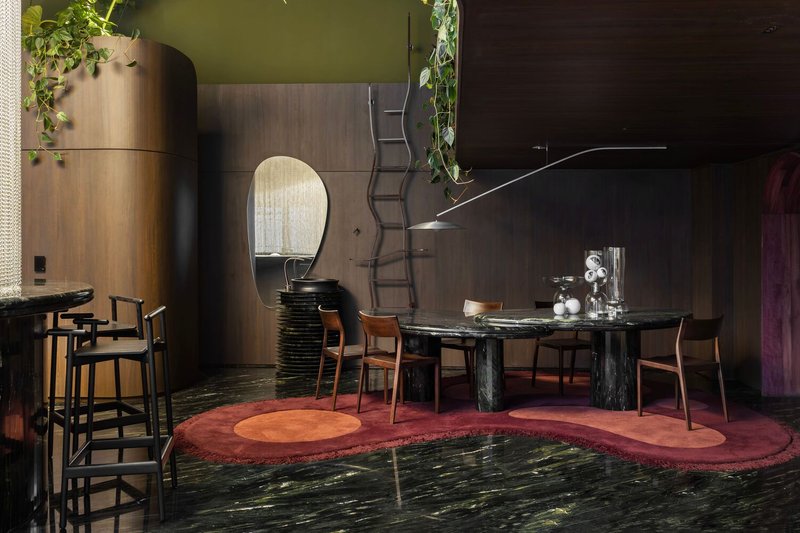
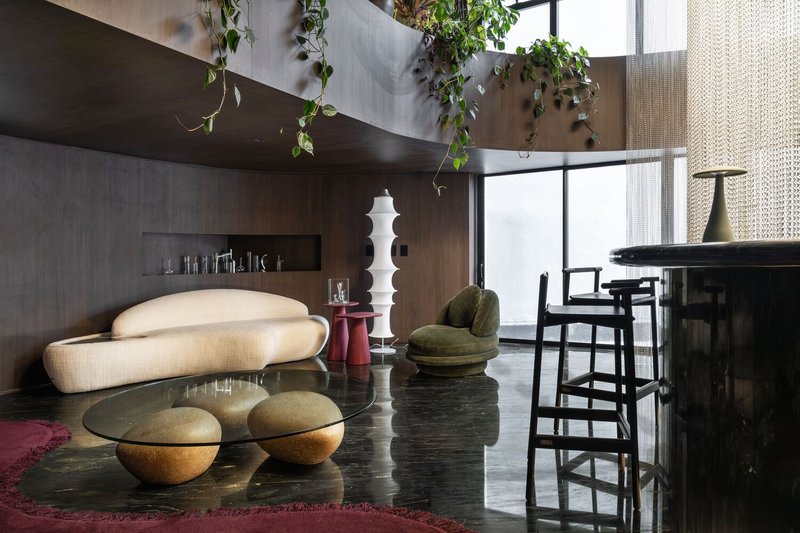
The Essence of Biophilic Design
Biophilic design is more than just adding plants to interiors; it's about creating a deep connection between nature and man-made environments. This approach has been shown to enhance emotional well-being, reduce stress, and improve cognitive function. By incorporating direct or indirect elements of nature into spaces, architects and designers can create more healthful and harmonious environments.
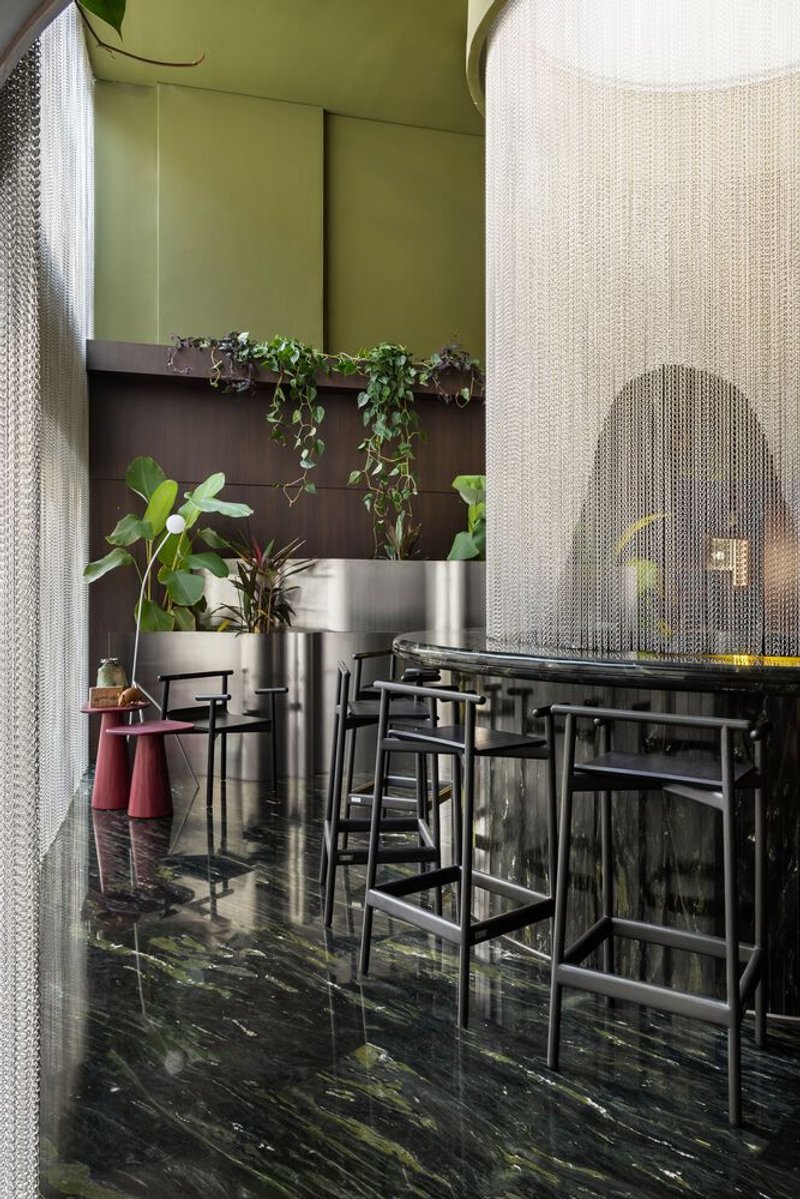
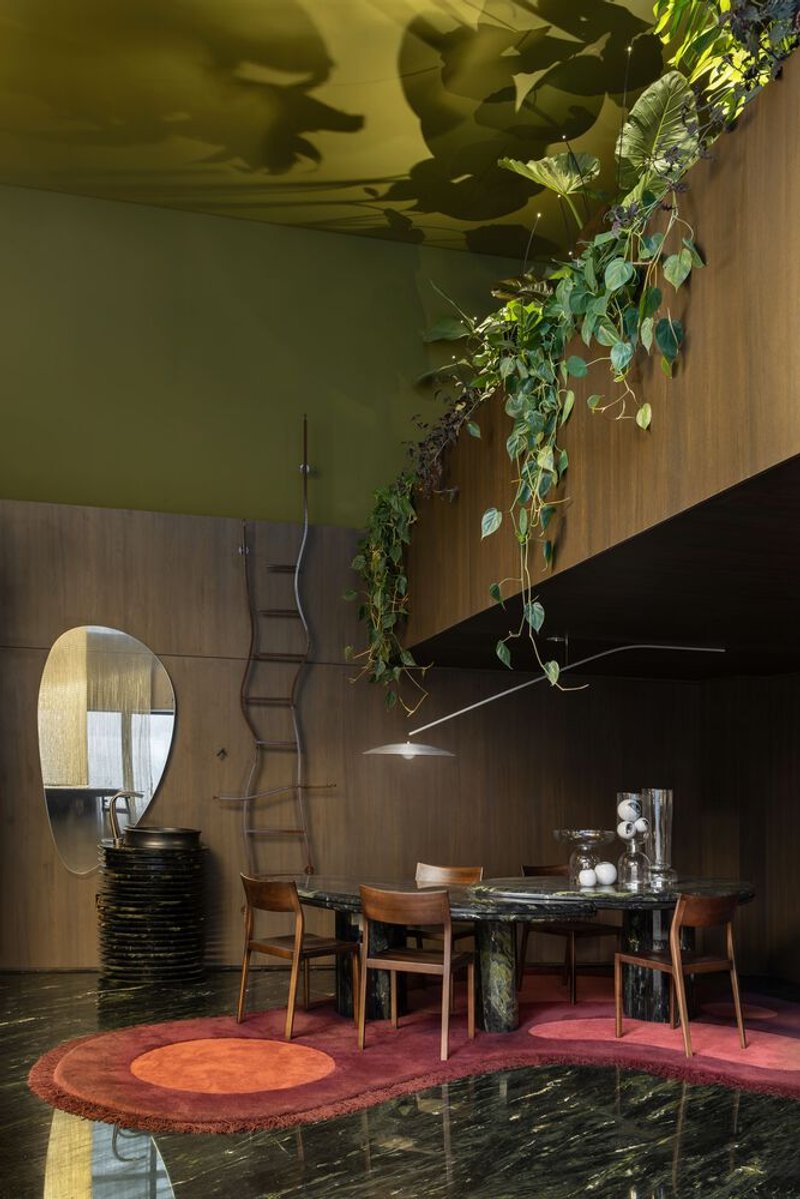
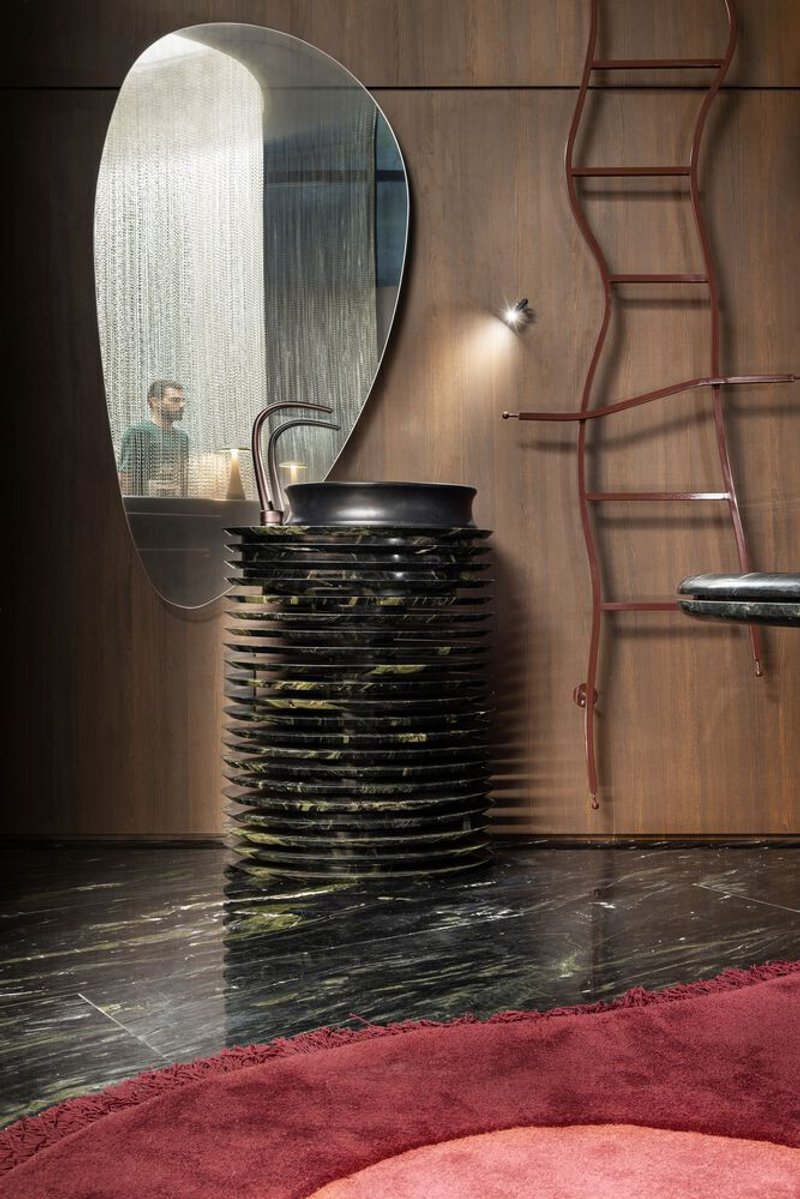
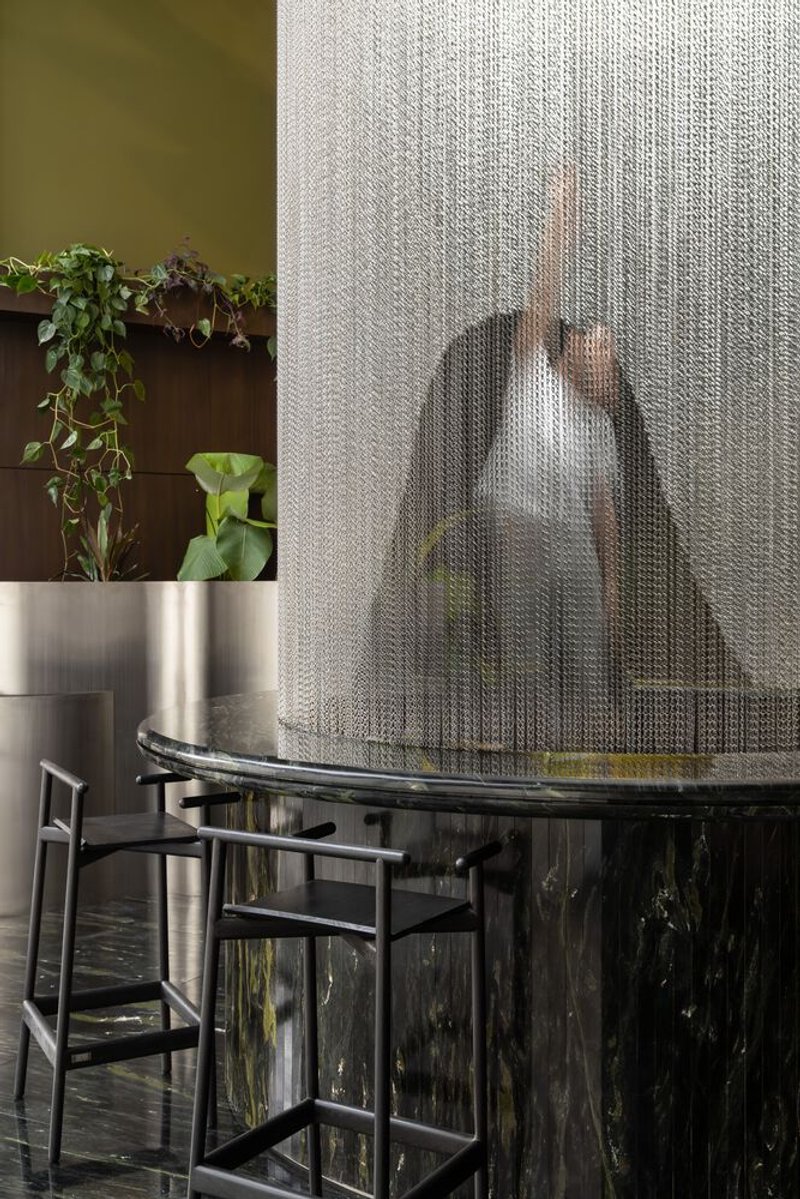
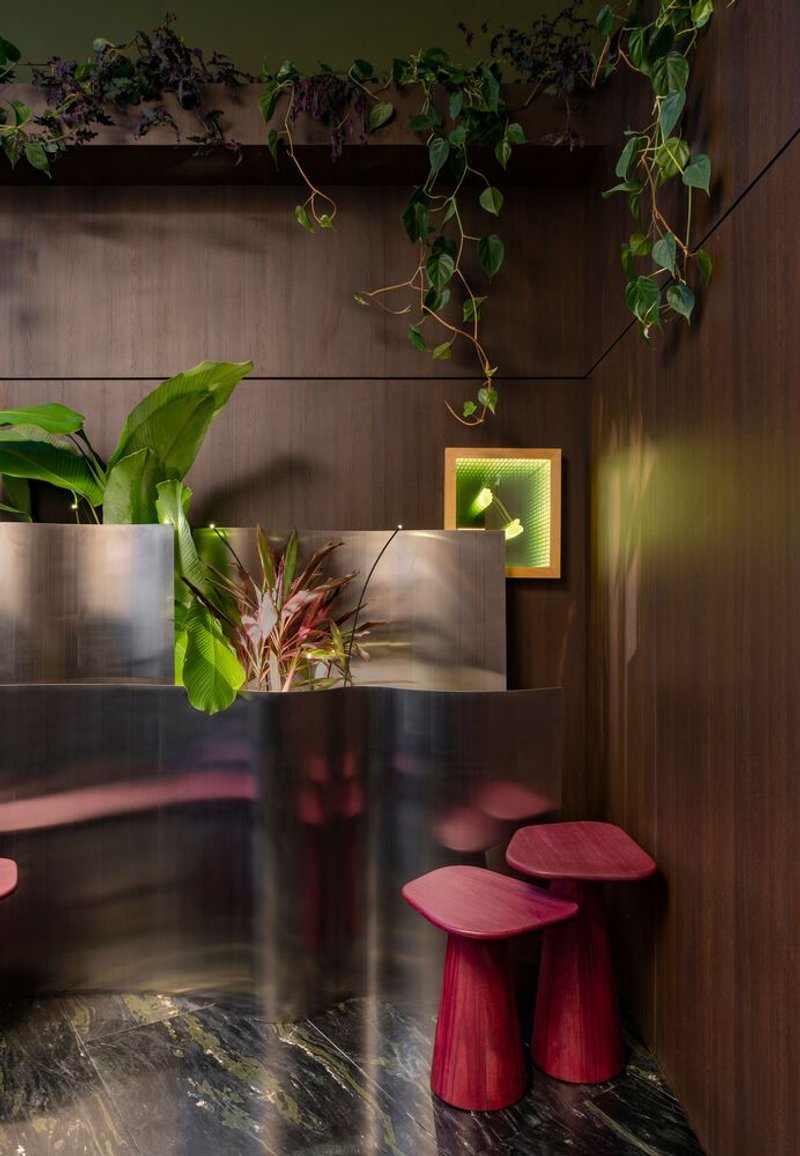
[t3chno.DELTA]: A Case Study in Biophilic Design
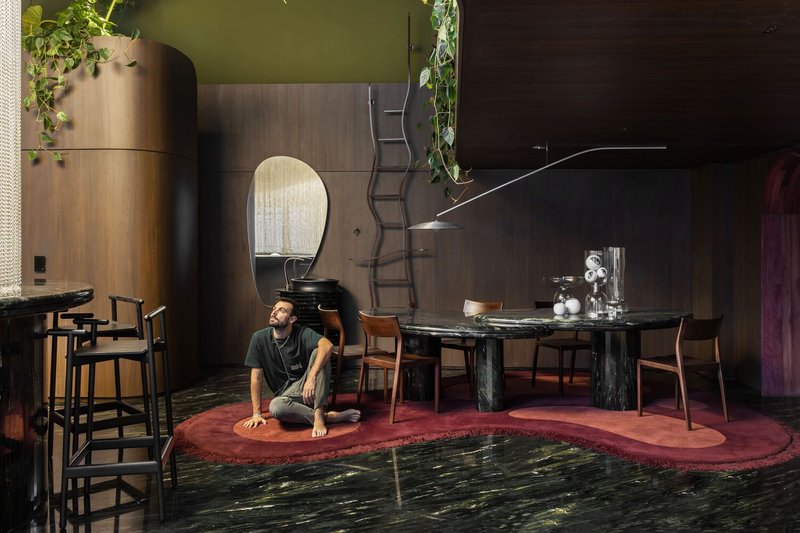
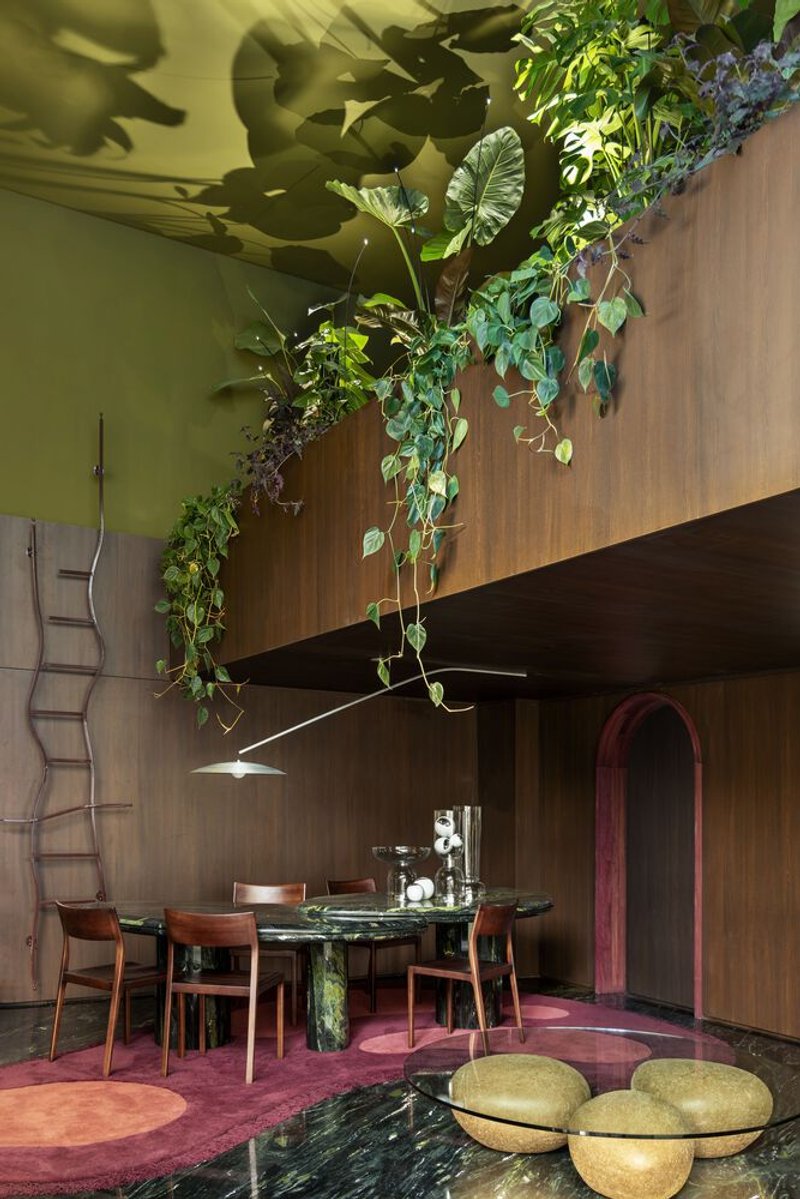
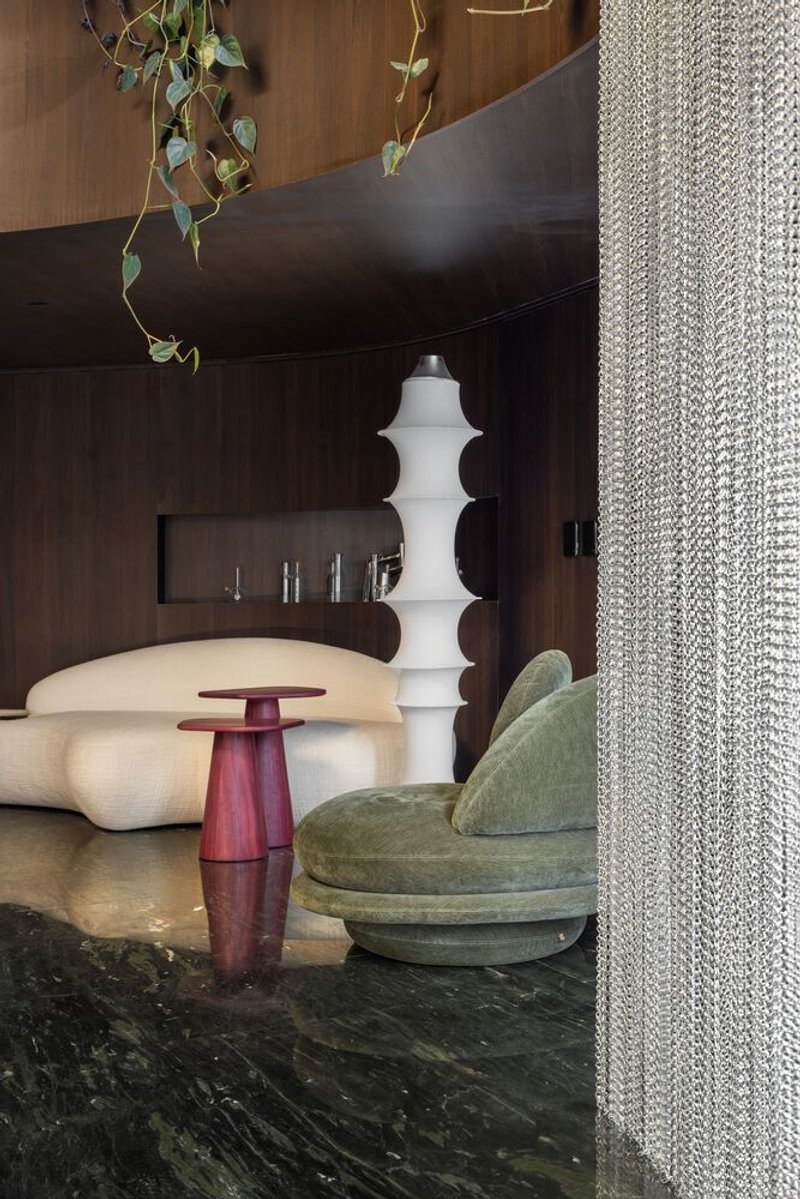
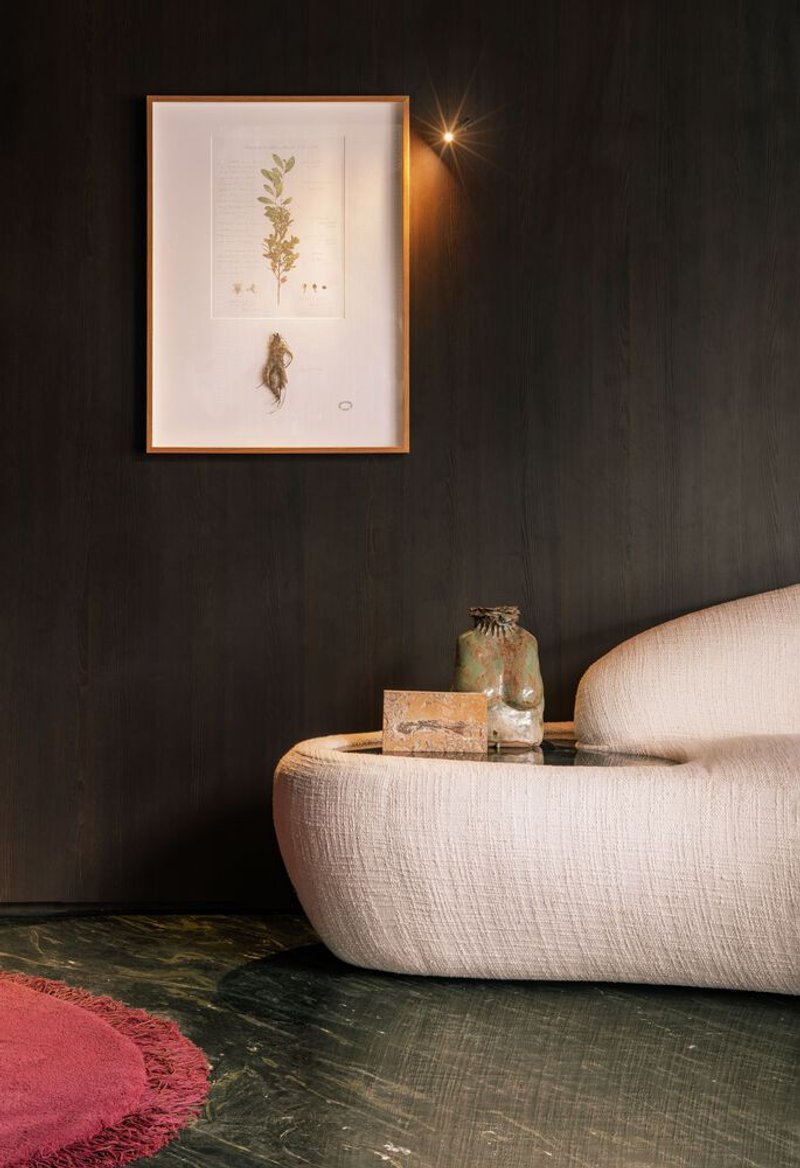
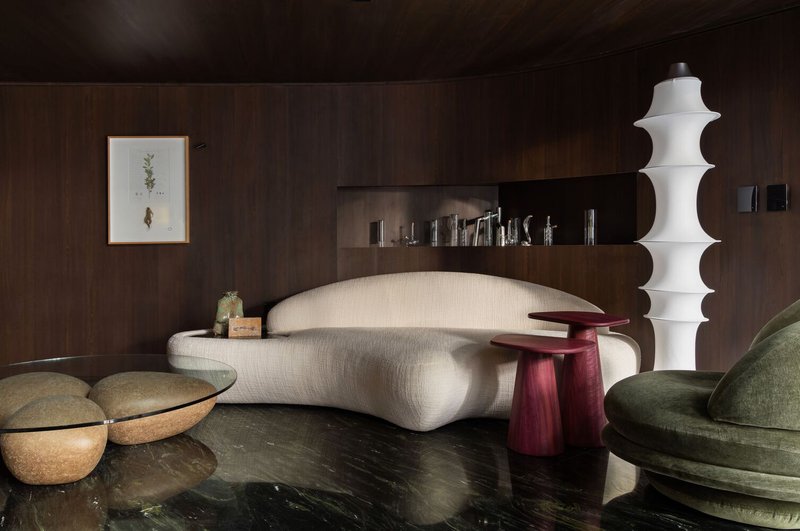
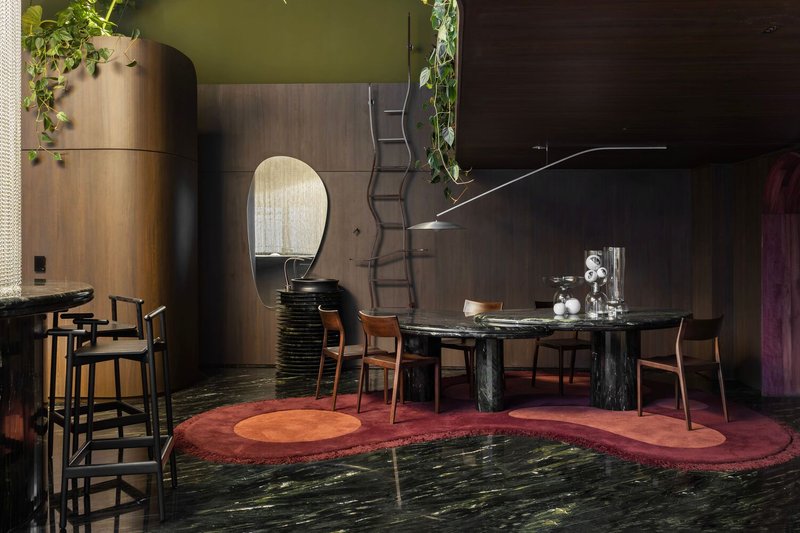
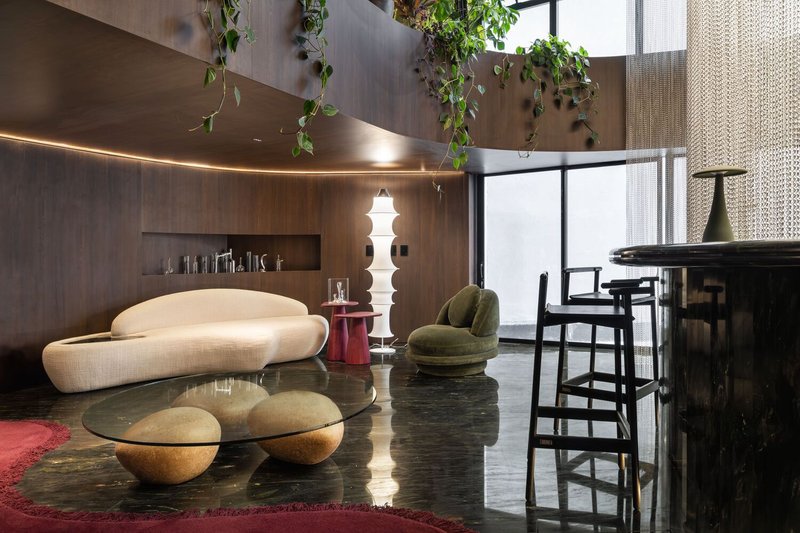
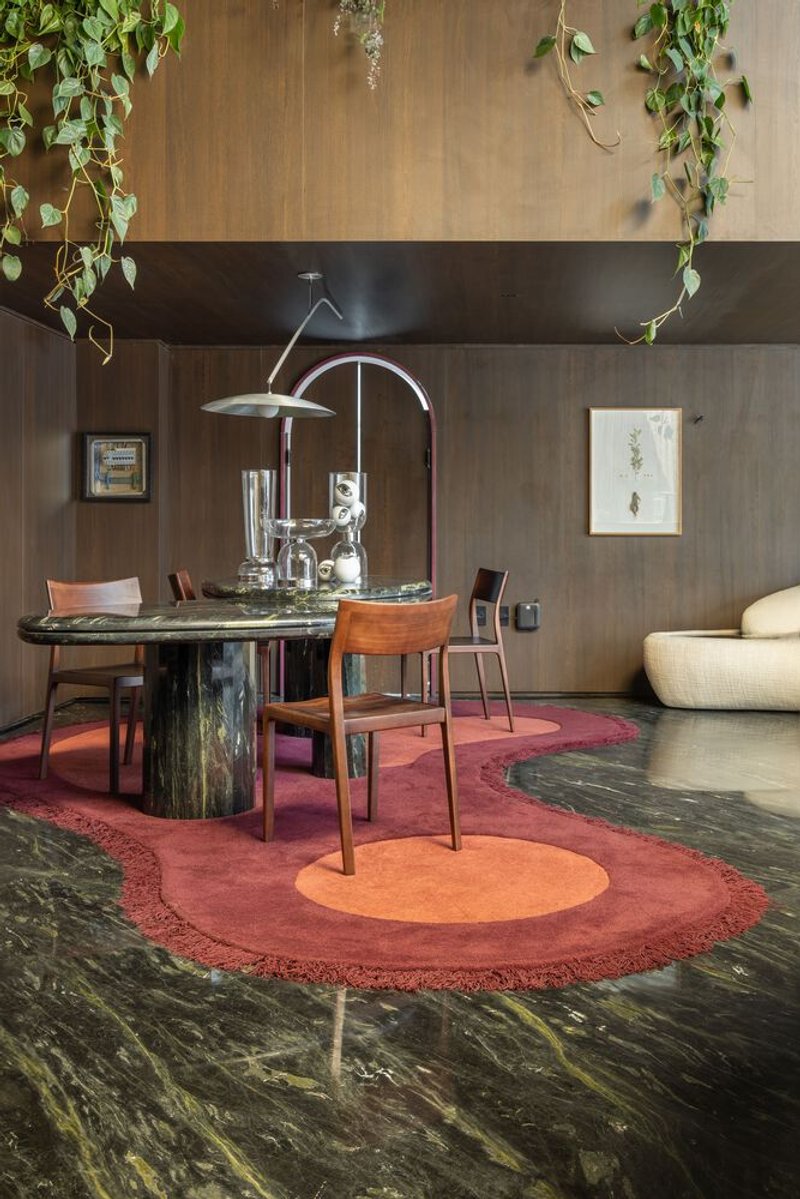
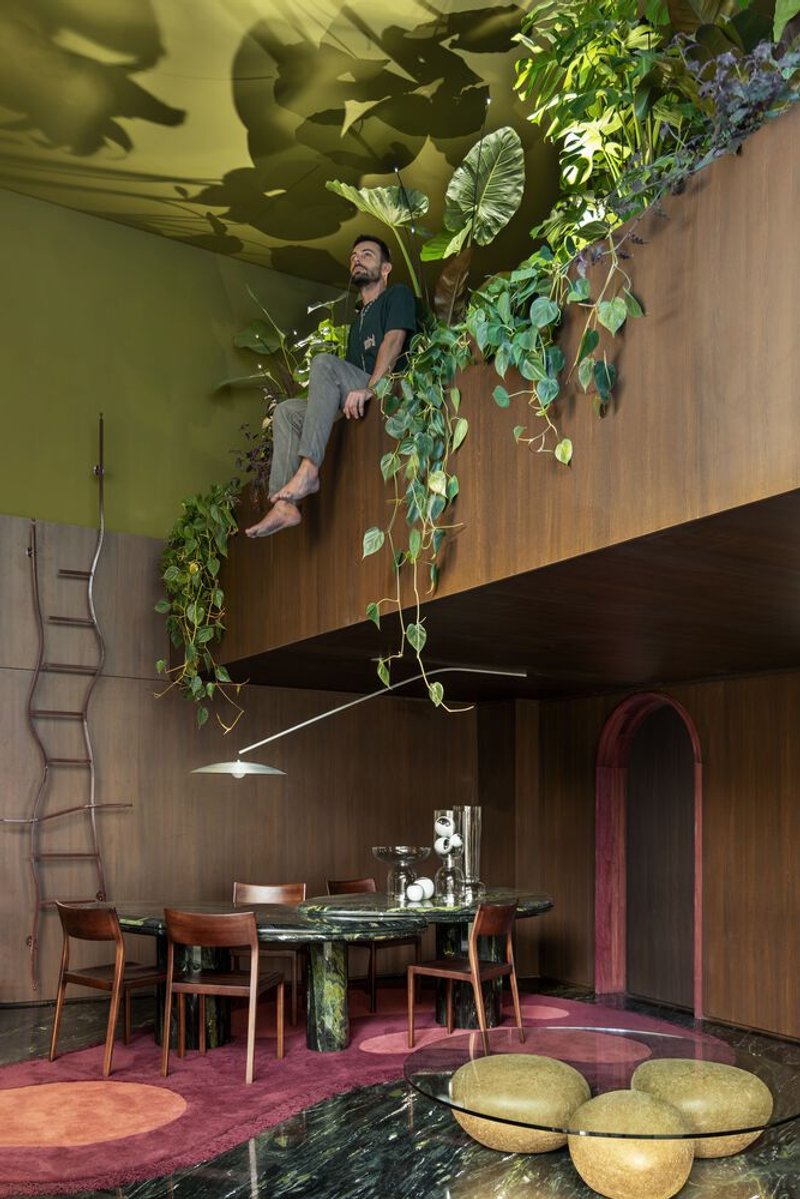
[t3chno.DELTA], designed by the talented Jeferson Branco, is a prime example of biophilic design in modern architecture. This project is a thought-provoking space that challenges visitors to reflect on their relationship with nature and technology. The design seamlessly blends organic materials like wood, stone, and iron with innovative design elements, fostering a space that is both futuristic and deeply rooted in nature.
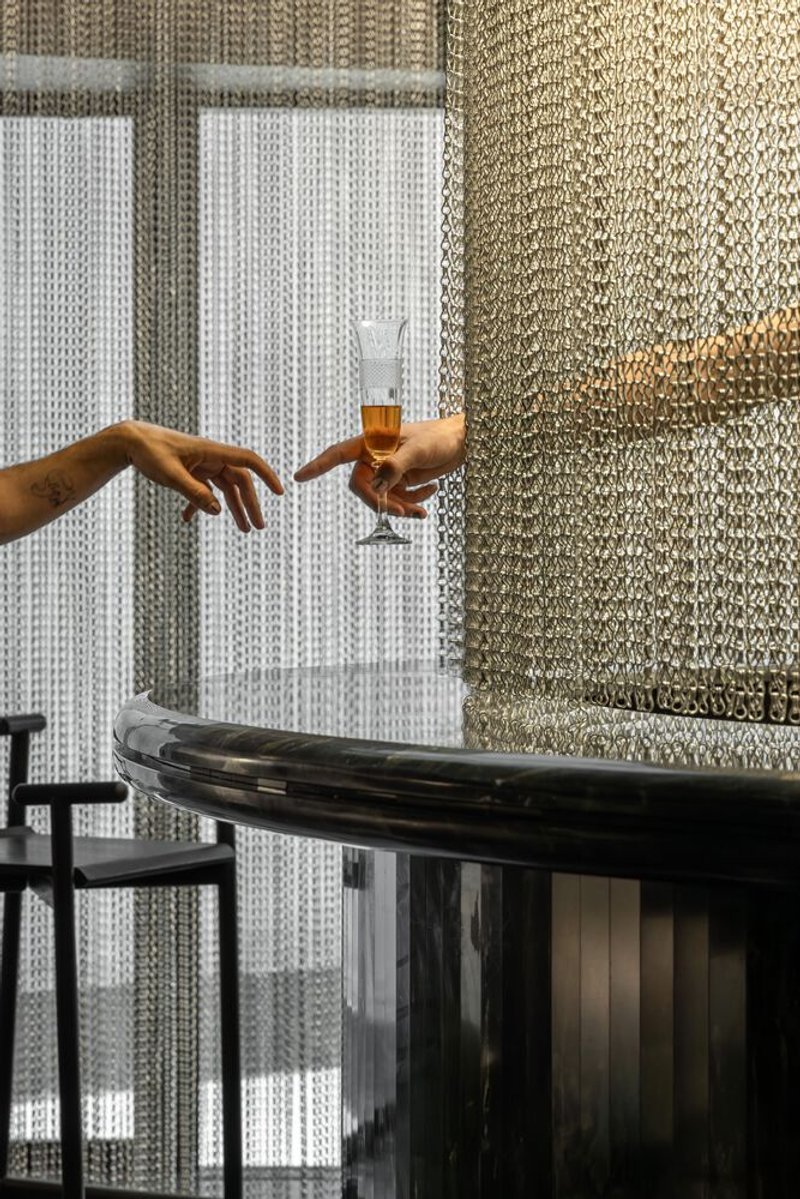
The Integration of Natural Elements
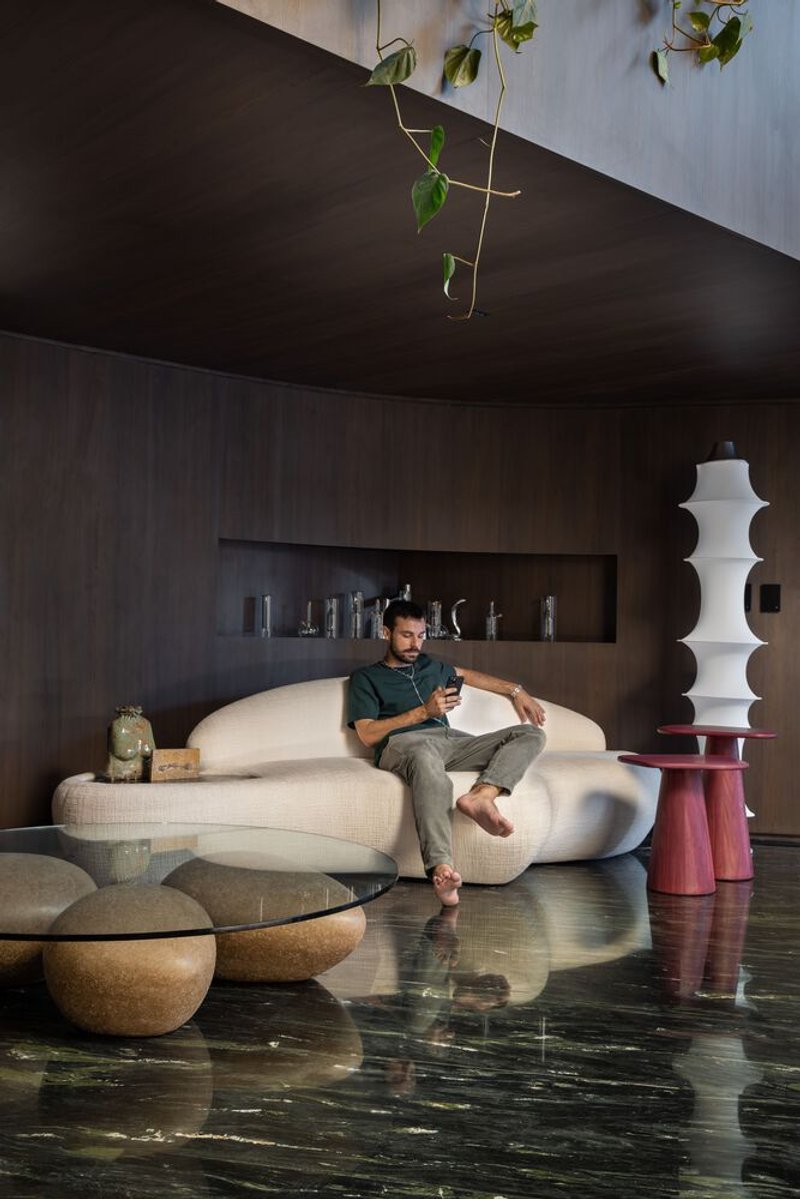
In [t3chno.DELTA], Jeferson Branco utilizes natural materials not just as design elements, but as integral components of the space's narrative. The use of wood, natural stone, and living plants brings the outside in, creating a lush, green haven that stands in stark contrast to the digital age's cold, tech-driven aesthetics. This choice of materials not only emphasizes the biophilic intent but also reinforces the importance of sustainable, locally sourced materials in modern design.
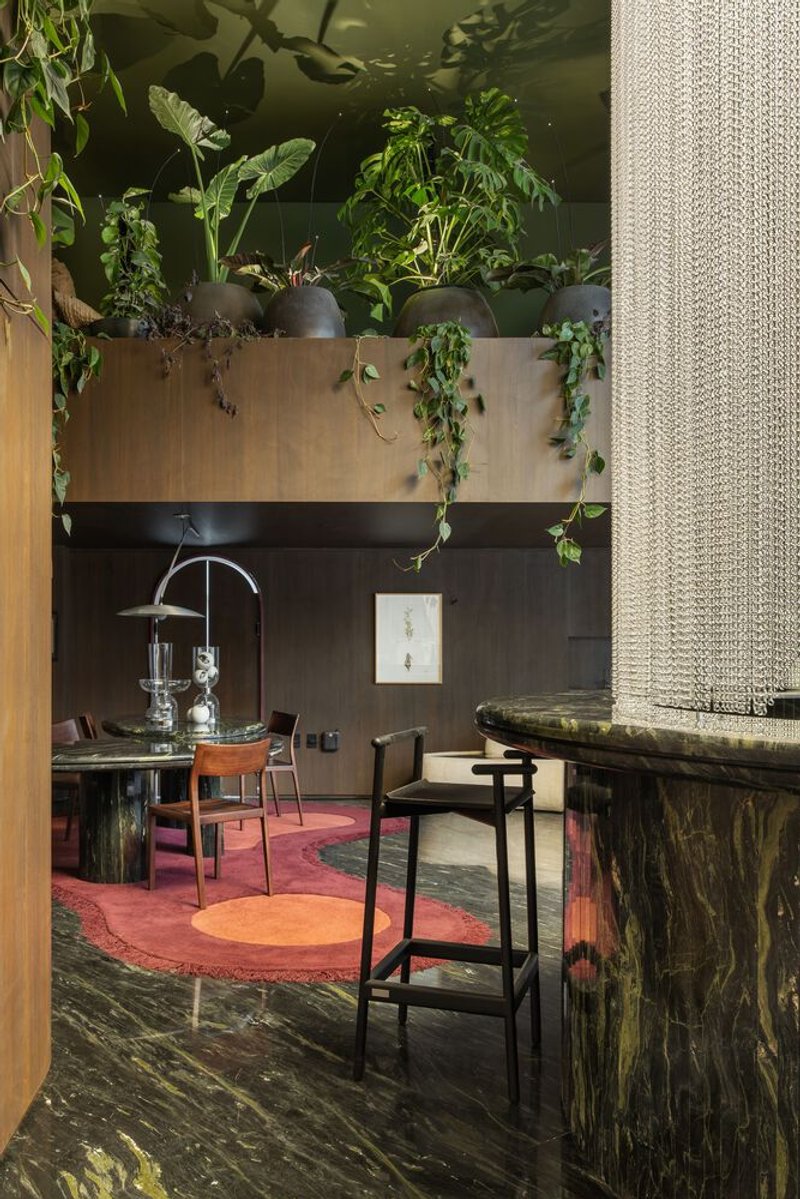
Technological Harmony with Nature
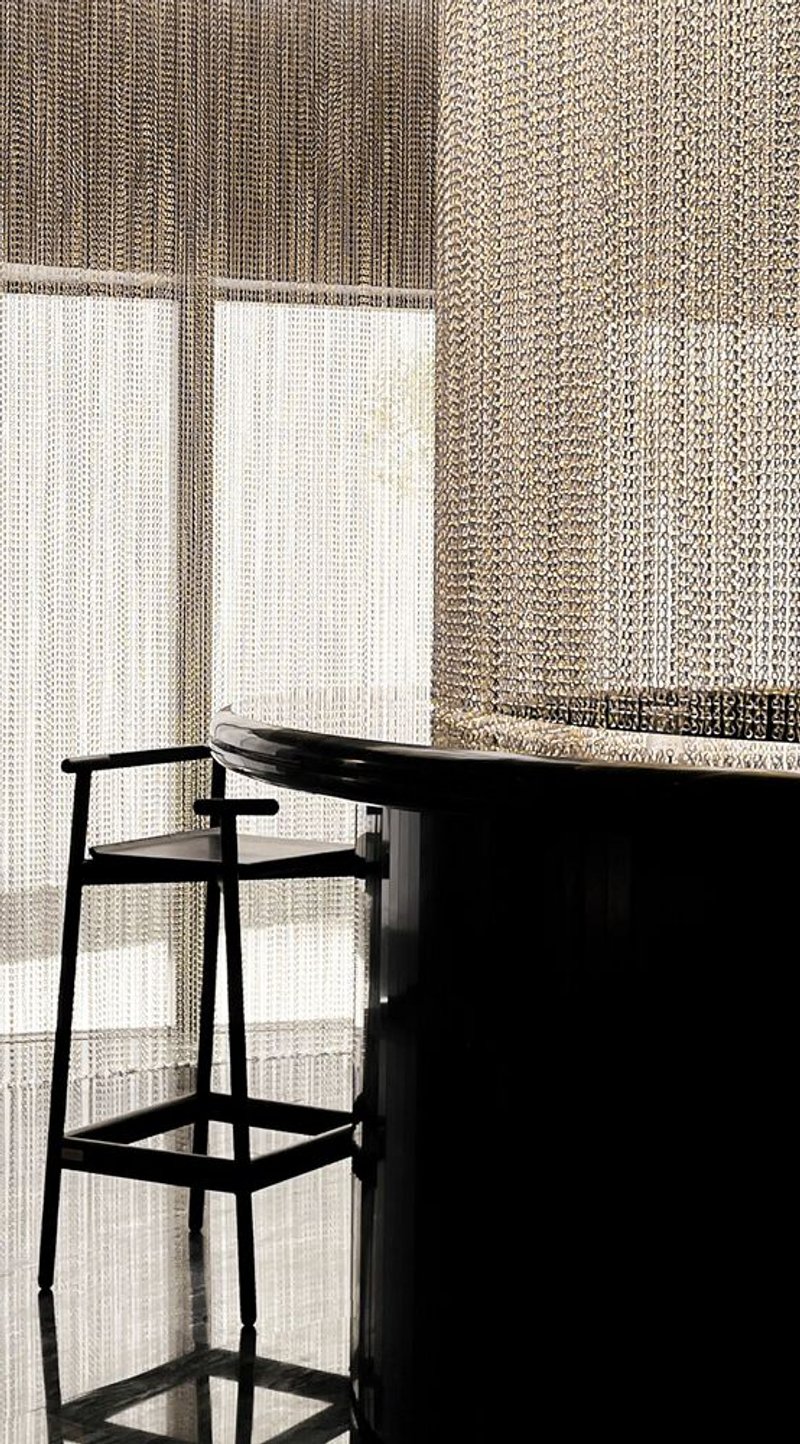
What sets [t3chno.DELTA] apart is its innovative approach to combining technology with natural design. The space features a cable automation system and contemporary furniture pieces that represent the pinnacle of modern design. However, these elements do not overshadow the natural beauty of the space. Instead, they complement it, showcasing how technology and nature can coexist in harmony.
The Future of Architecture and Biophilic Design
The [t3chno.DELTA] project by Jeferson Branco is a testament to the growing trend of biophilic design in architecture. This approach is not merely a style or trend but a necessary shift towards creating environments that prioritize human and environmental well-being. As we move forward, the principles of biophilic design will become increasingly important in addressing the challenges of urban living and environmental sustainability.
The [t3chno.DELTA] project is a compelling example of how biophilic design can transform spaces and experiences. Jeferson Branco Arquitetura's work serves as an inspiration for architects, designers, and individuals alike to embrace the principles of biophilic design. By fostering a closer connection with nature, we can create spaces that are not only beautiful and sustainable but also beneficial for our mental and physical health.
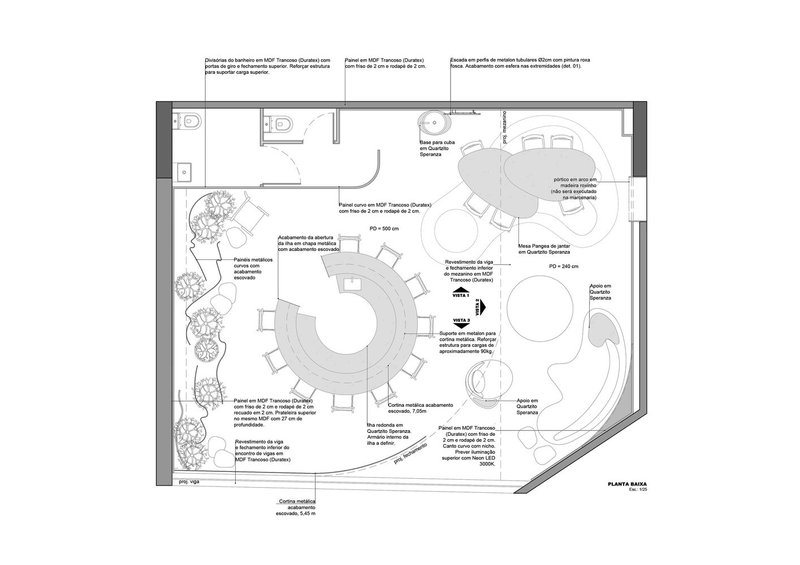
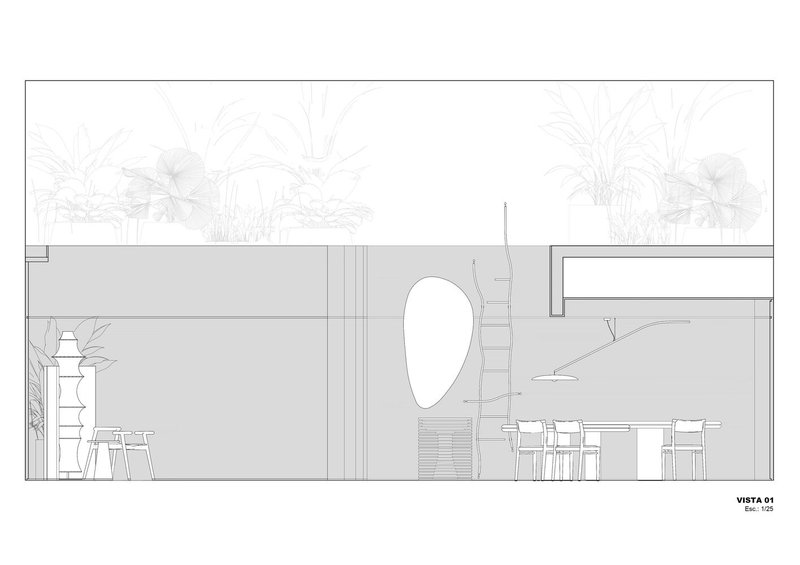
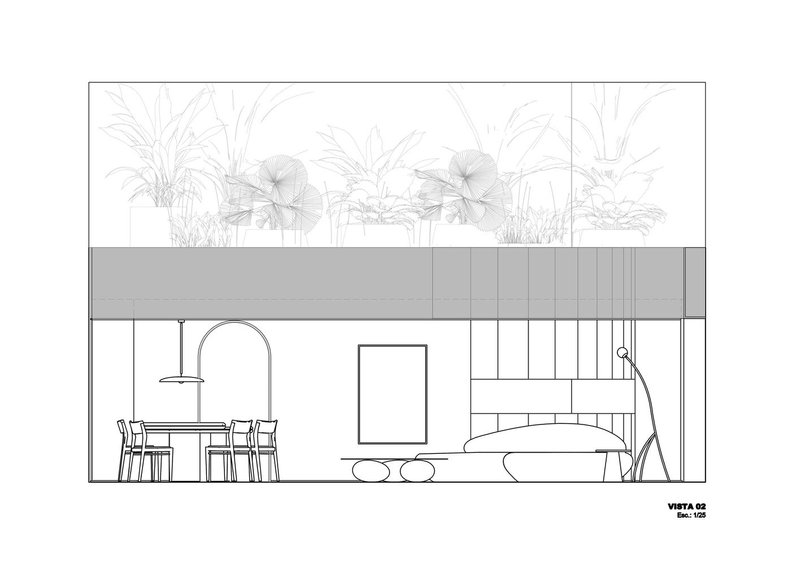
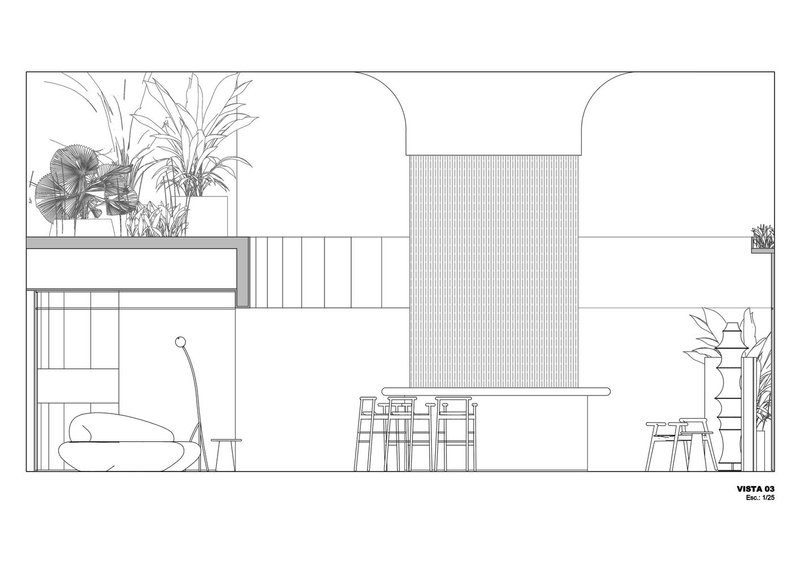
All photographs are work of Everson Martins




Popular Articles
Popular articles from the community

IKC de Geluksvogel: Sustainable School Architecture Designed for Free Movement and Digital Learning
IKC de Geluksvogel turns sustainable school architecture into a flexible Maastricht campus for digital learning, nature, and free movement.
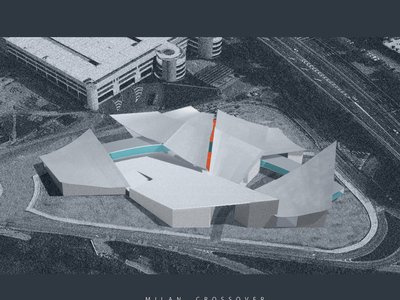
Milan Crossover: Sustainable Architecture for a New Fashion Culture in Milan
Milan Crossover transforms fashion culture through sustainable architecture, linking material libraries, remake studios, and public runways.

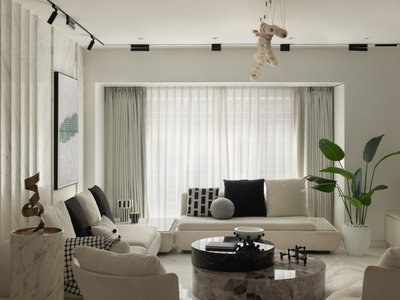
Inside a Timeless Mumbai Residence by Aether Studio
Aether Studio's 2,250 sq ft apartment in Malad, Mumbai uses marble, brass, boucle, and disciplined restraint to build a quiet retreat from the city.
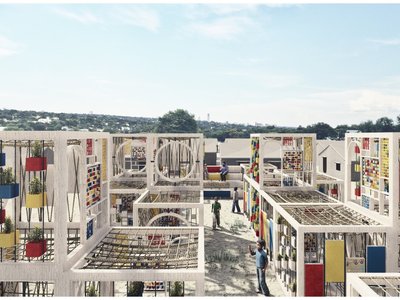
The Faith: Modular Architecture for Play, Learning, and Hope in Kutupalong Refugee Camp
A modular playground architecture project in Bangladesh where play, learning, safety, and hope rebuild childhood inside a refugee camp anew.


Similar Reads
You might also enjoy these articles
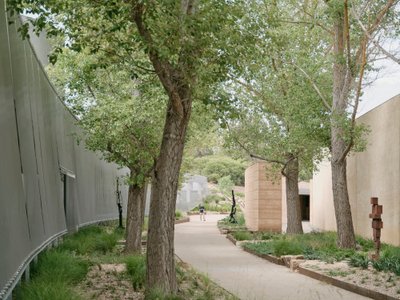
Kerstin Thompson Architects Buries a Cultural Center Beneath Its Own Car Park in the Yarra Valley
The Eva and Marc Besen Centre at TarraWarra hides 2,375 square metres of gallery and archive space under a reinstated landscape in Healesville, Australia.
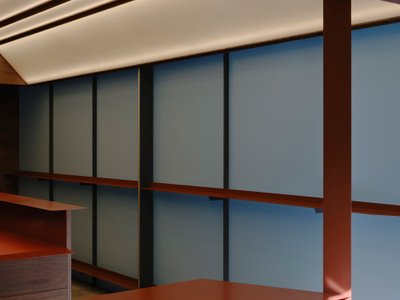
Kerry Kounnapis Packs 800 Daily Coffees into a 43-Square-Metre Melbourne Laneway Bar
Palace Coffee channels Pellegrini's and European standing bars through oxide-red steel and spotted gum timber in a Ridgway Place sliver.
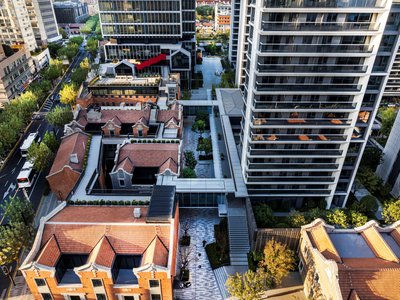
Nikken Sekkei Stacks a Three-Dimensional Lilong Atop Shanghai's Historic Alleyways
A 180-meter tower and restored heritage houses on Nanjing West Road reimagine communal lane life as a vertical mixed-use district.
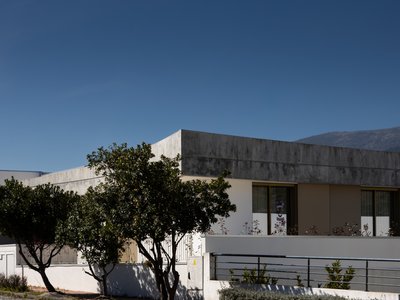
PLATAFORMArq Folds a Concrete Roof Over the Portuguese Mountains in House #474
A 220-square-meter residence in Teixoso, Portugal, wraps board-formed concrete into an angular canopy that frames the Serra da Estrela foothills.


Explore Architecture Competitions
Discover active competitions in this discipline




The International Standard for Design Portfolios


The Global Benchmark for Architecture Dissertation Awards


The Global Benchmark for Graduation Excellence


Challenge to reimagine the Iron Throne
Comments (0)
Please login or sign up to add comments
No comments yet. Be the first to comment!