Urban Regeneration of Brahmaputra Riverfront | atArchitecture
The Brahmaputra Riverfront Regeneration Project revitalizes Guwahati’s waterfront with sustainable design, enhancing biodiversity, public spaces, and urban connectivity.


Transforming Guwahati's Riverfront with Sustainable Urban Design
Introduction to the Brahmaputra Riverfront Project
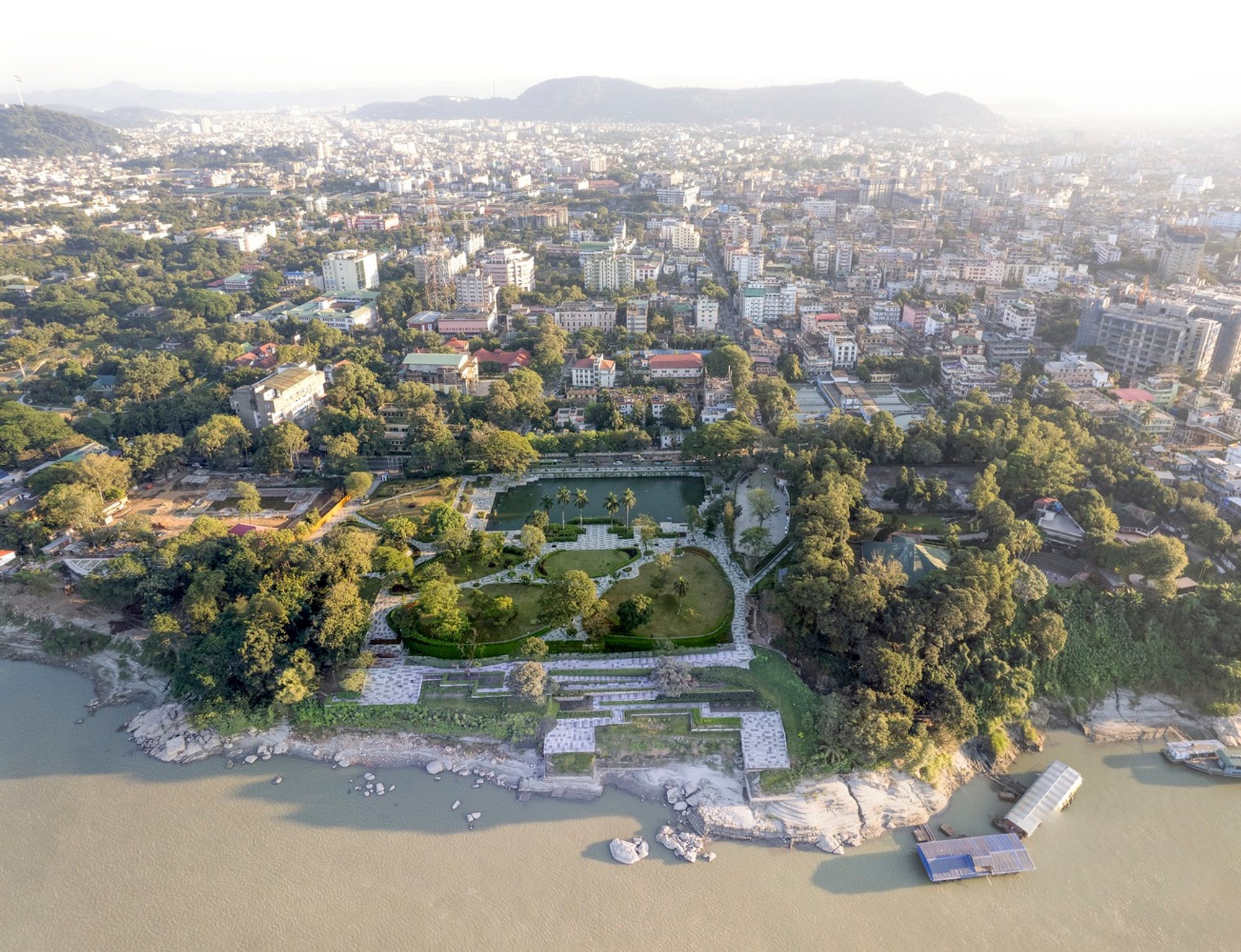
The Brahmaputra Riverfront Regeneration Project, designed by atArchitecture, is a transformative urban renewal initiative in Guwahati, India. Spanning 50,000 square feet, this visionary design revitalizes the natural landscape, integrates a heritage museum, and enhances public accessibility. The project introduces a sustainable river edge, reestablishing the connection between the city and one of the world's widest and most significant rivers.
Site Context and Environmental Considerations
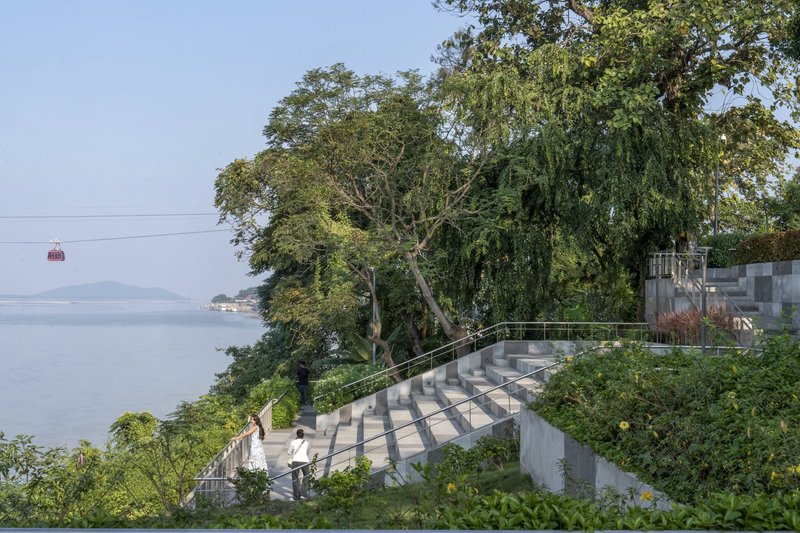
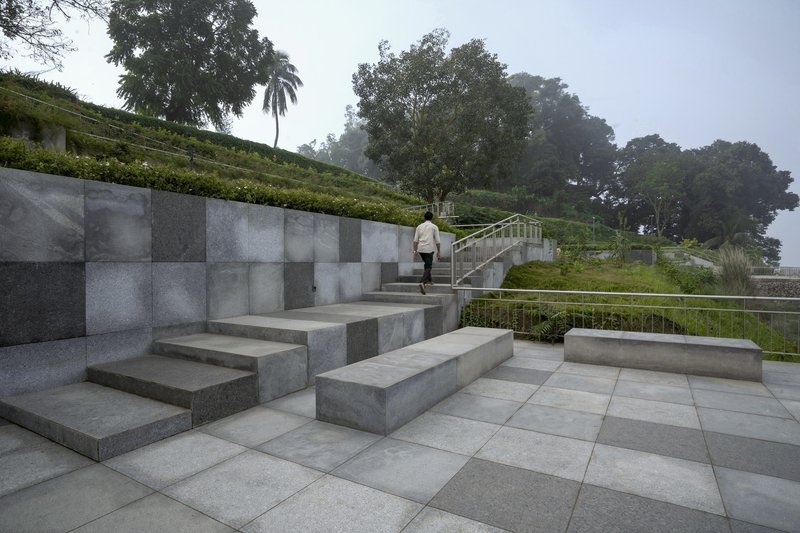
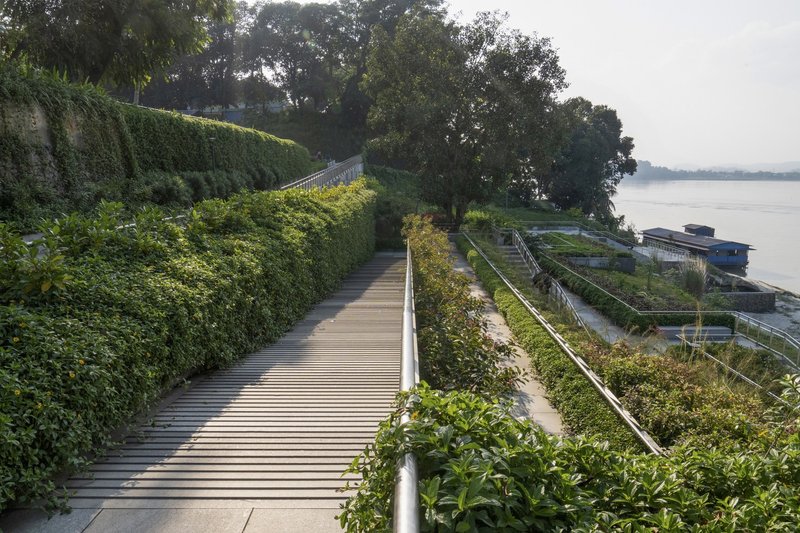
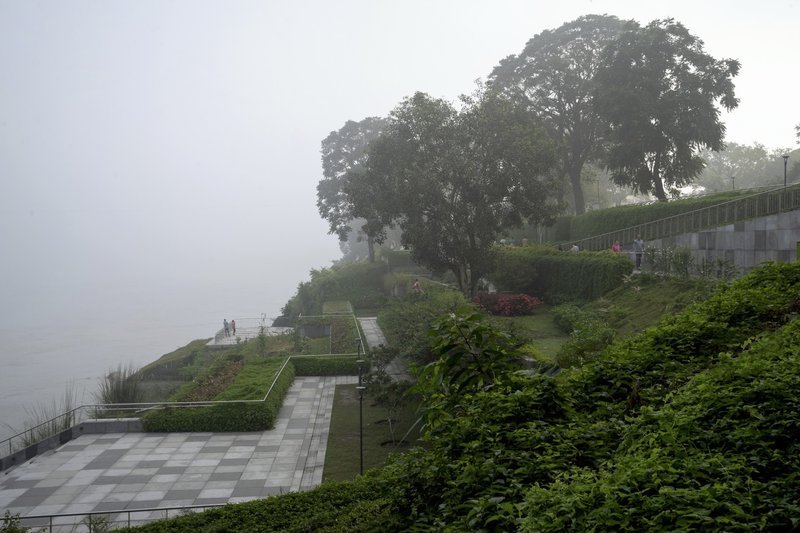
The Brahmaputra River, a lifeline of Northeast India, forms a stunning backdrop for the site. The design takes advantage of unique geographical features, including an island temple, a boat corridor, and a cable car system. A major challenge was the 10-meter elevation difference between the river’s high-water mark and the ground level. This was addressed with cascading terraces and pathways that follow the natural contours, minimizing earthwork disturbances.
Sustainable Landscape and Biodiversity Enhancement
A key highlight of the project is its integration with riparian vegetation, creating a harmonious balance between built and natural environments. The terraces are interwoven with greenery using gabion structures and recharge pits, enhancing soil health and increasing biomass. Spanning 250,000 square meters, the landscape restoration includes native trees and shrubs, fostering a biodiverse ecosystem that attracts wildlife and serves as an open-air botanical gallery.
Revitalization of Padam Pukhuri – The Lotus Pond
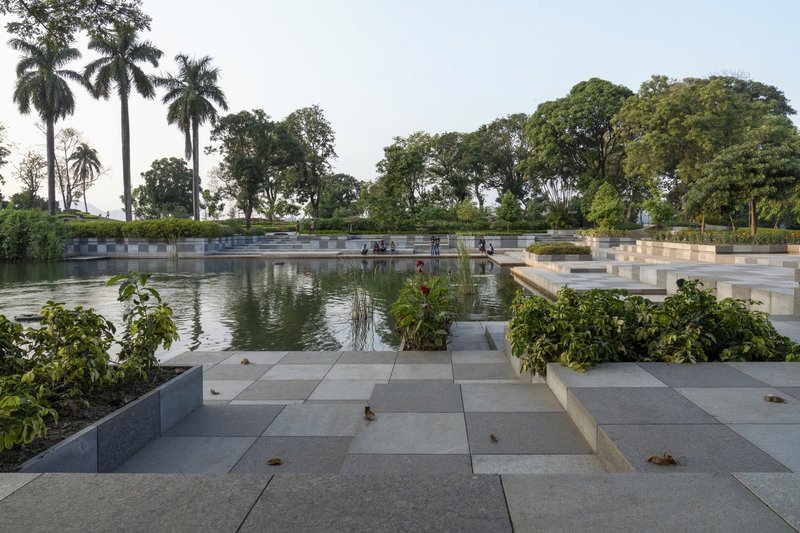
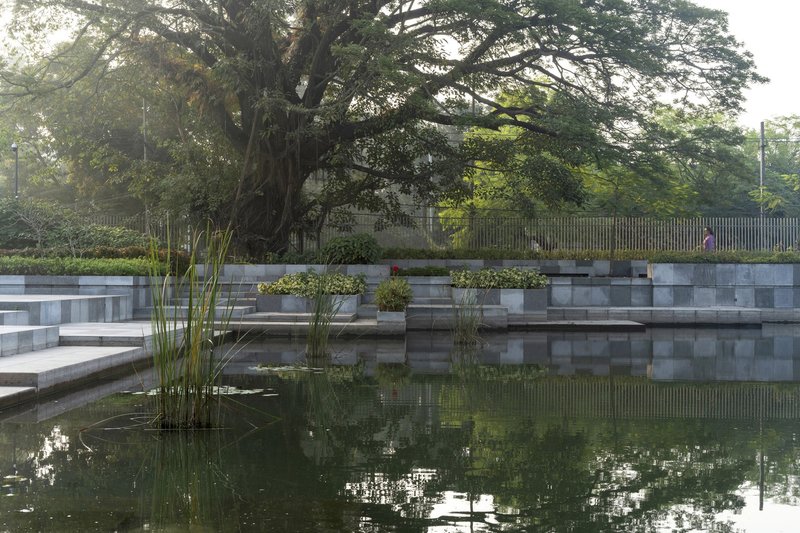
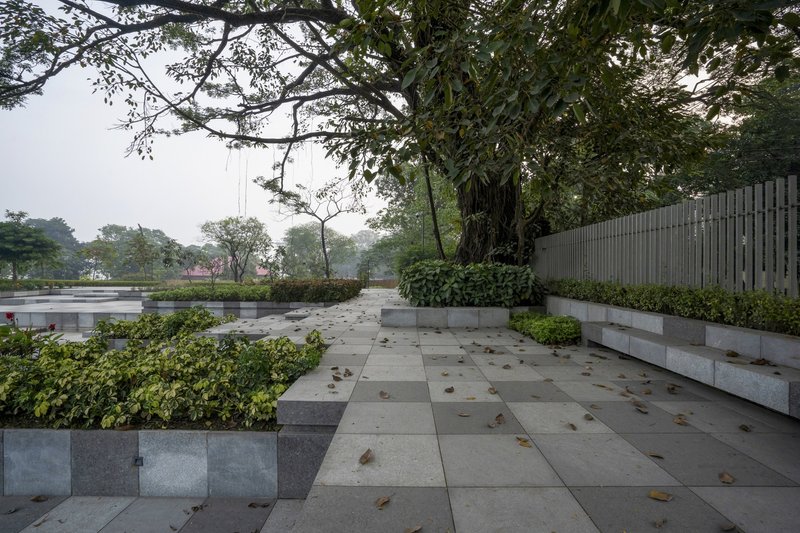
A centerpiece of the project is the rejuvenation of Padam Pukhuri (Lotus Pond), previously located 1.5 to 2 meters below ground level. The stepped pavilion design follows the natural topography, creating an inviting recreational platform while preserving the water body's aquatic flora and fauna. The gabion foundations ensure natural groundwater flow, promoting ecological balance.
Seamless Urban Connectivity and Public Spaces
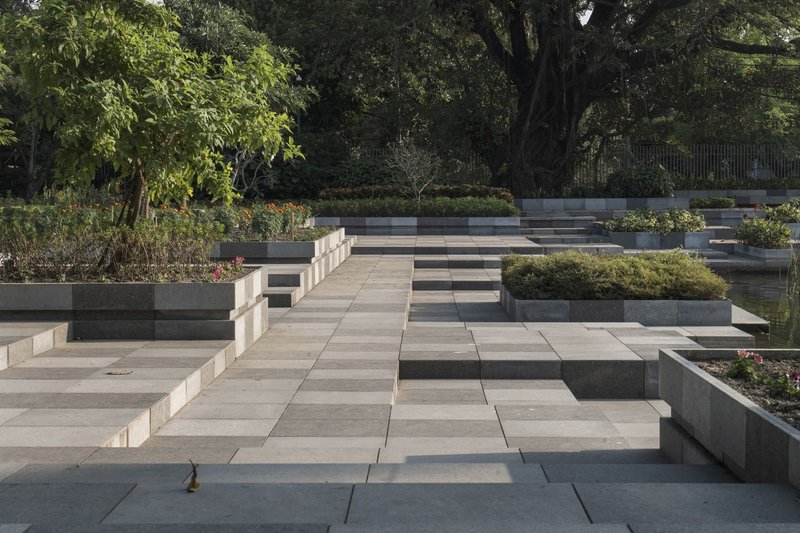
The project enhances urban mobility, benefiting pedestrians, cyclists, and motorists alike. A partly sunken parking facility serves both the riverfront and the adjacent museum. Meandering, interconnected pathways link the Padam Pukhuri, riverbanks, and communal courts, encouraging public interaction and leisure activities.
Historic and Cultural Integration
One edge of the development runs parallel to a historic road once a major artery of old Guwahati, now home to the Assam Post Office. The project restores and enhances this route, incorporating a long pedestrian corridor with elegant grey granite surfaces that harmonize with the surrounding natural beauty.
A Scalable Model for Sustainable Urban Development
As a pilot initiative led by the local urban development authority, this project sets a scalable precedent for future riverfront redevelopment in India. The design emphasizes durability, sustainability, and modularity, enabling easy replication for phased urban expansion. With the first phase now open to the public, upcoming developments include a riverfront restaurant and additional curvilinear stepped pavilions for an immersive urban-river experience.
The Brahmaputra Riverfront Regeneration Project is a landmark initiative in urban renewal, blending ecological sustainability with public space enhancement. By reconnecting Guwahati’s urban fabric to the river through innovative landscape architecture and heritage integration, this project paves the way for resilient and inclusive city planning in India.
All Photographs are works of Avneesh Tiwari