Wooden Parking Garage in Wendlingen: A Sustainable Landmark by Herrmann + Bosch Architekten
Germany’s largest wooden parking garage, featuring sustainable timber construction, green facades, solar energy, and adaptive reuse potential for future urban needs.


Germany’s Largest Wooden Parking Garage Sets New Sustainability Standards
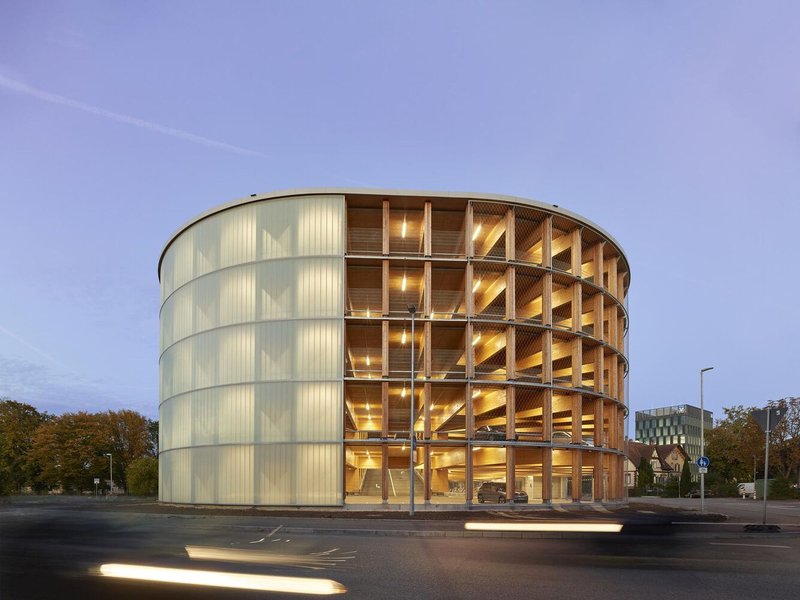
The Wooden Parking Garage Wendlingen, designed by Stuttgart-based Herrmann + Bosch Architekten, is a groundbreaking example of sustainable urban infrastructure. As Germany’s largest timber parking garage, this project not only redefines parking architecture but also promotes eco-friendly mobility, energy efficiency, and circular construction.
A Key Hub for Sustainable Mobility
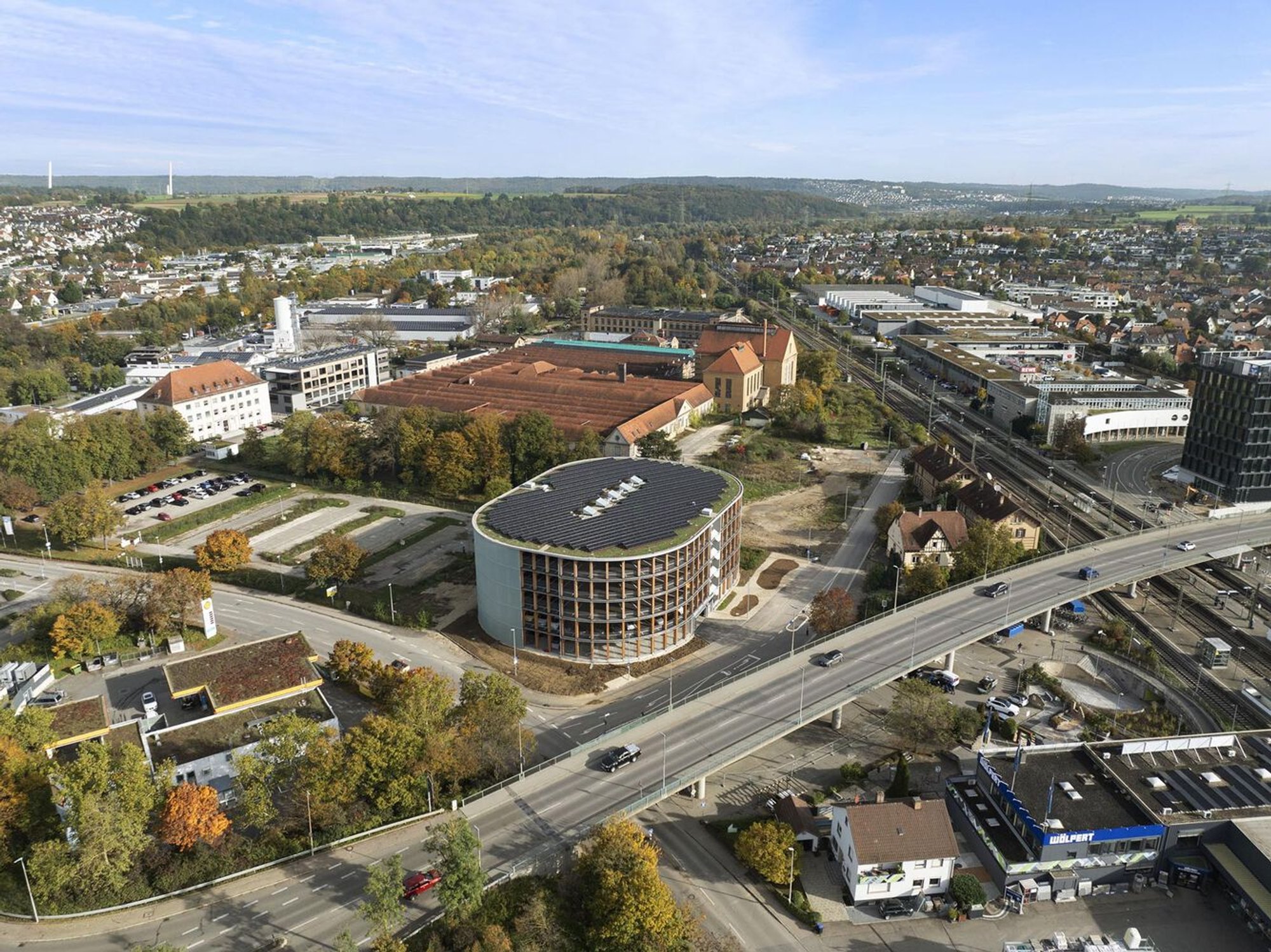
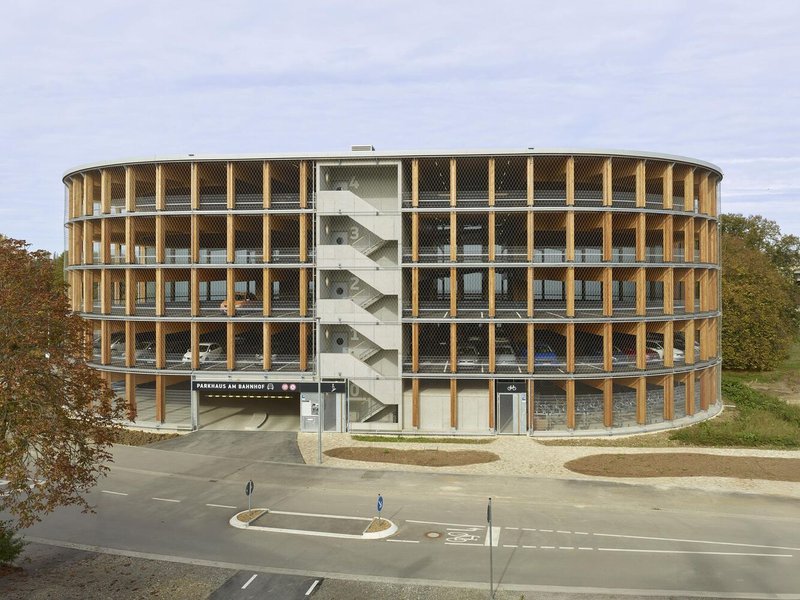
Strategically located between the upcoming OTTO Quartier—a revitalized industrial district—and the train station, the garage supports urban transit solutions and enhances connectivity. With 349 parking spaces across five levels, it integrates seamlessly into Wendlingen’s traffic management strategy, replacing existing parking areas while encouraging public transportation and green mobility.
Eco-Friendly Features and Smart Design
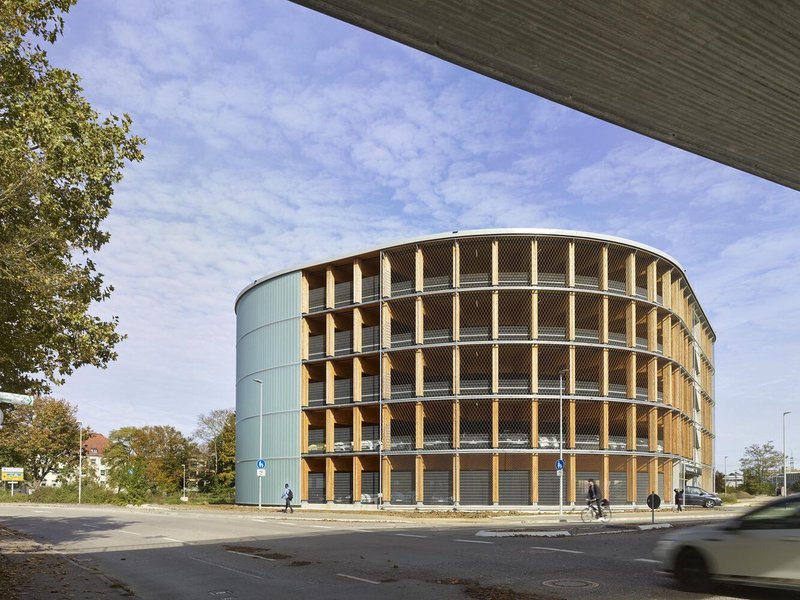
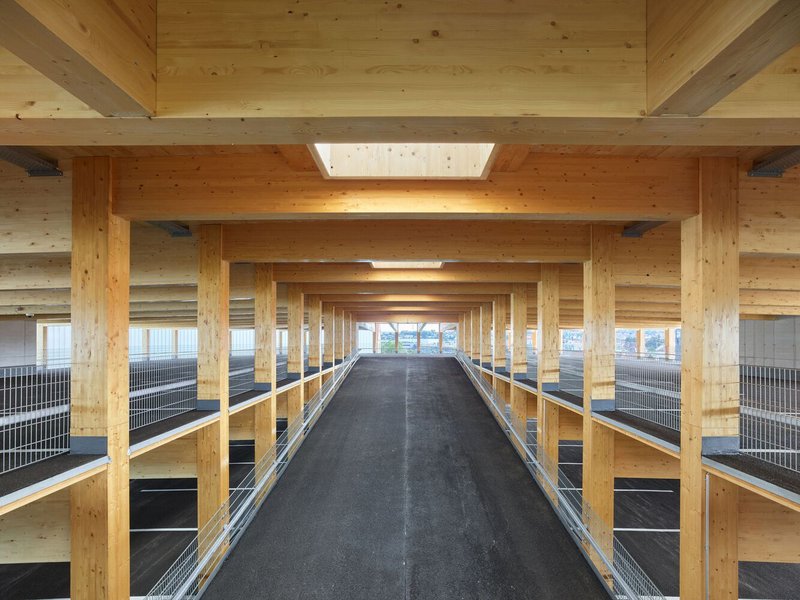
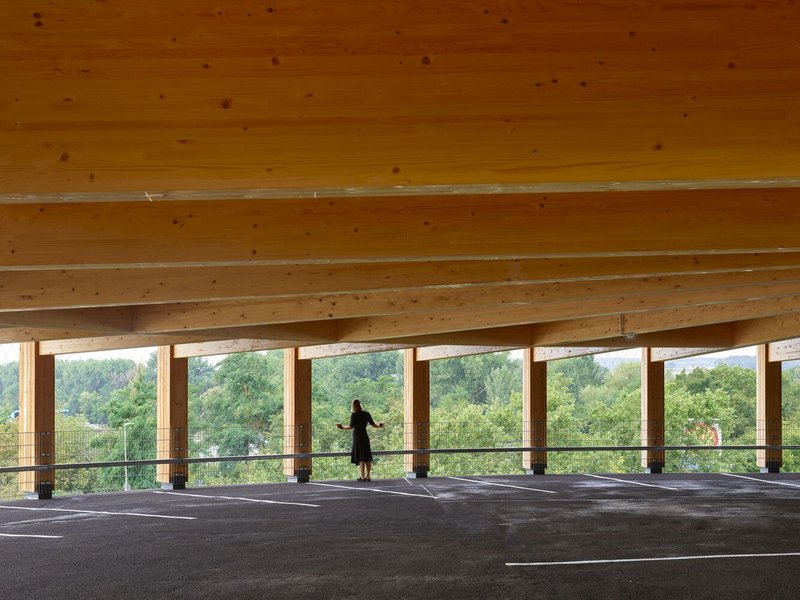
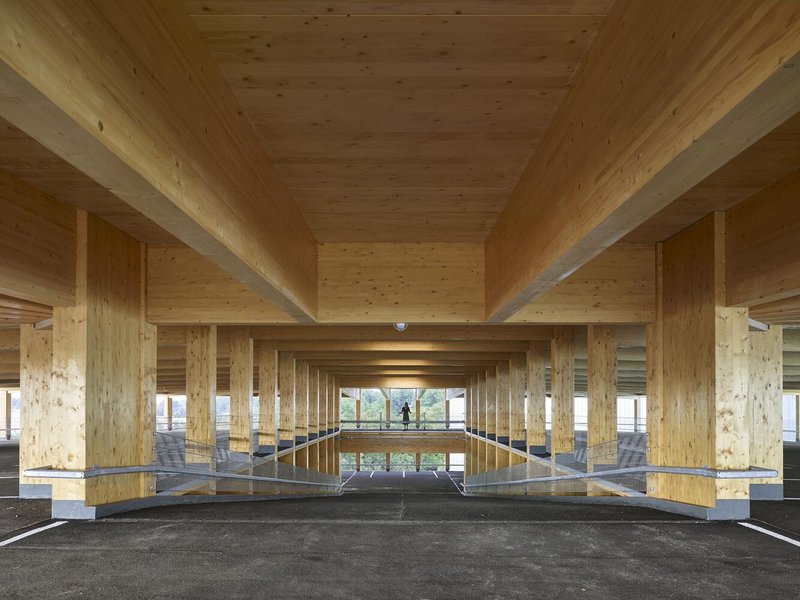
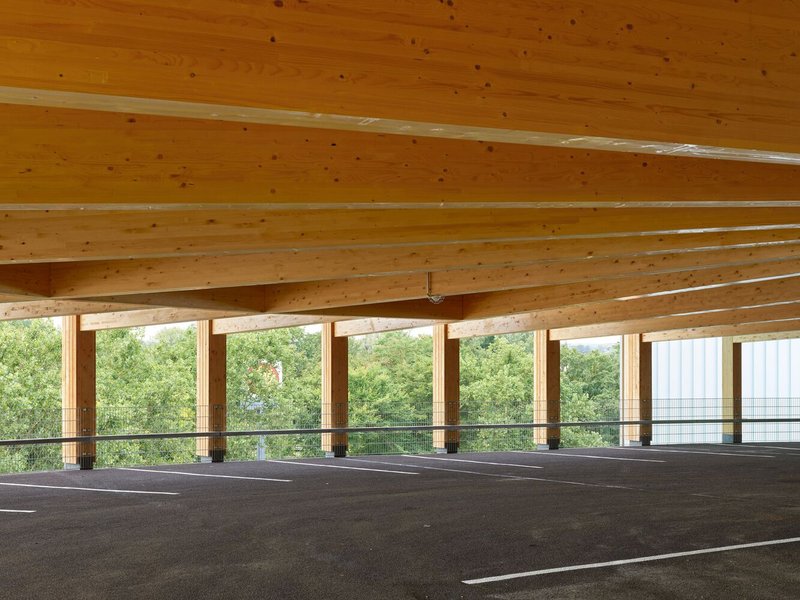
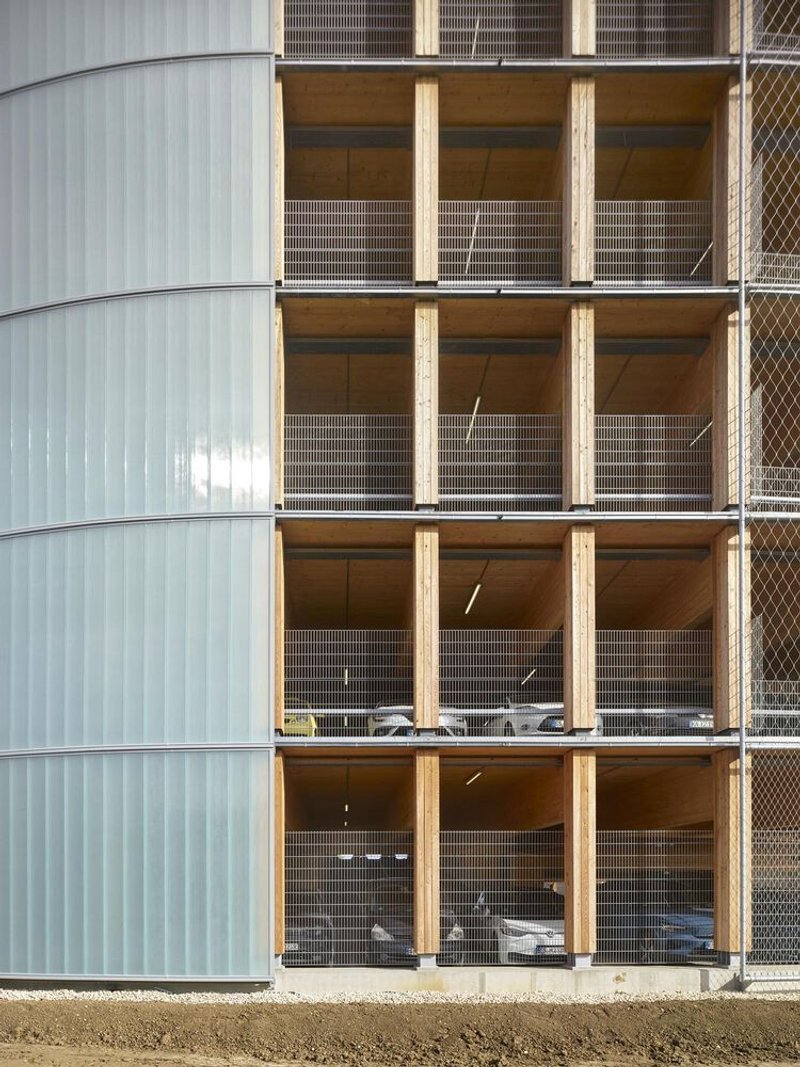
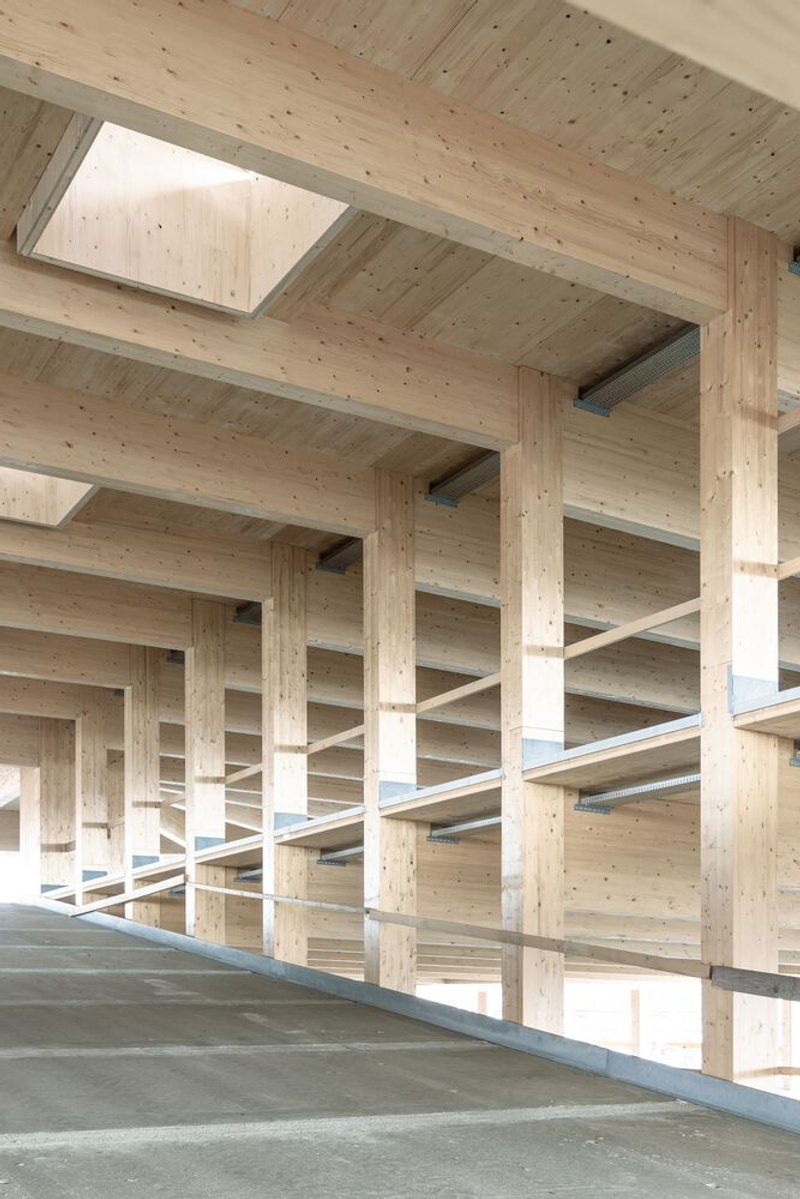
Unlike conventional concrete parking structures, this mass timber parking garage is primarily built from cross-laminated timber (CLT) and glulam beams, reducing carbon emissions and supporting sustainable construction. The garage is designed for maximum flexibility, featuring column-free parking spaces, easily adjustable layouts, and future adaptive reuse potential. With a clear height of 2.35 meters and beam clearance of 3.40 meters, the structure can be repurposed into residential or commercial spaces, ensuring long-term architectural sustainability.
Prefabrication for Efficient Construction
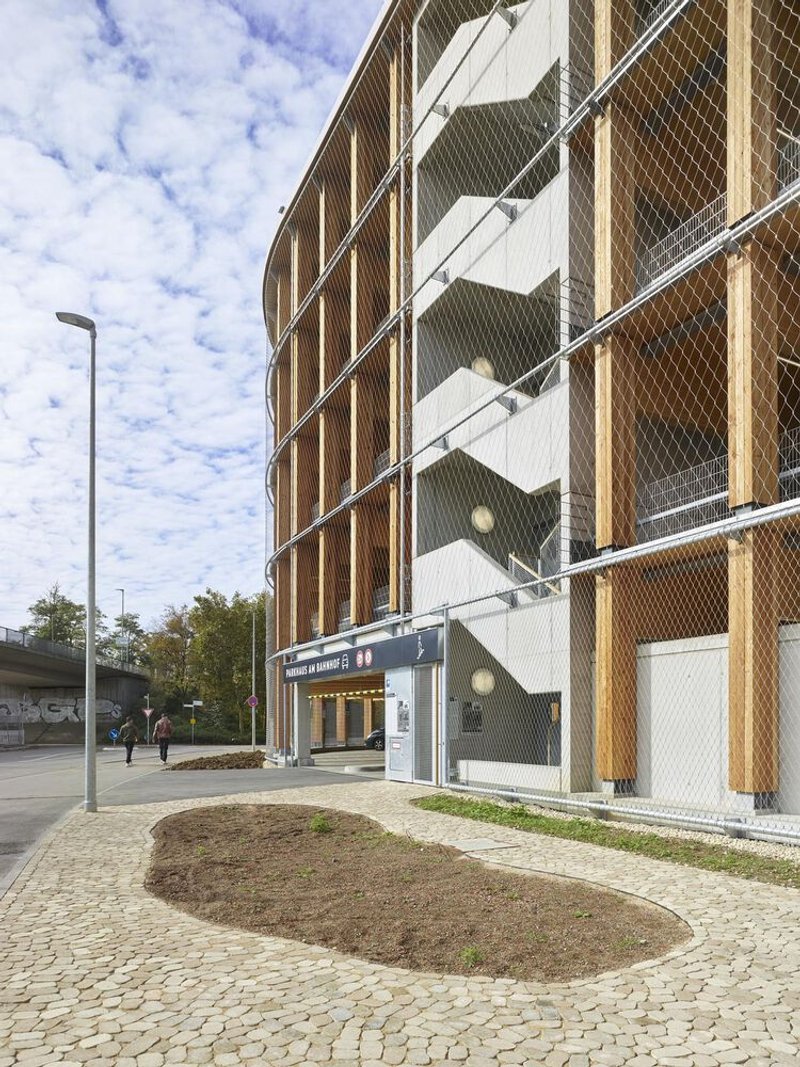
The entire wooden framework is prefabricated off-site, allowing for quick assembly through simple plug-in systems. This modular construction approach enhances cost efficiency and reduces onsite waste, making it an exemplary low-carbon building. To minimize reliance on CO2-intensive materials, only the stairwells and ramps are constructed from concrete for structural stability and fire resistance.
Sustainable Facades and Green Infrastructure
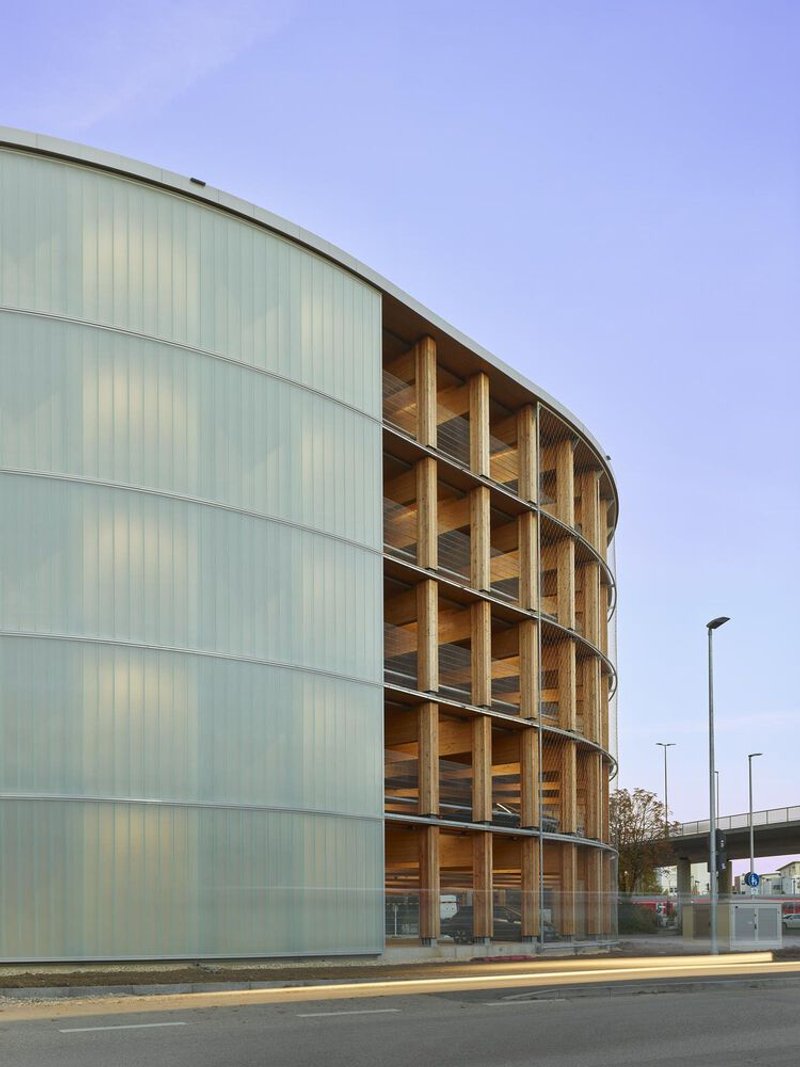
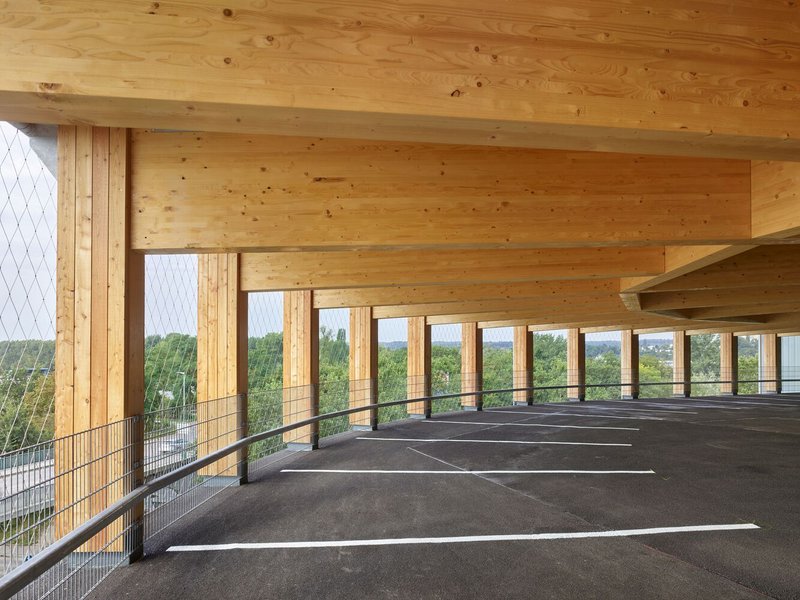
The north facade features a translucent soundproof glass wall, protecting future OTTO Quartier residents from railway and traffic noise. In contrast, the south facade is an open timber structure with green walls, blending the garage into the urban landscape. The rooftop solar panels and green roofing system contribute to energy efficiency and stormwater management, reducing reliance on conventional drainage infrastructure.
A Model for Climate-Resilient Urban Development
As part of a climate-adaptive design, the garage integrates a rainwater management system based on the sponge city concept. Unlike traditional drainage approaches, this system recharges groundwater, enhances evaporation, and mitigates urban flooding. The use of permeable surfaces, infiltration basins, and tree pits ensures a balanced hydrological cycle, contributing to biodiversity and urban cooling.
Redefining Urban Mobility with Sustainable Parking Solutions
With its Park + Ride facilities, electric vehicle (EV) charging stations, and secure bicycle parking for 200 bikes, the Wendlingen Wooden Parking Garage promotes multimodal transportation. The elimination of mechanical ventilation systems further enhances operational sustainability, making it a low-maintenance and cost-effective solution.
This project exemplifies sustainable urban planning, setting new benchmarks for eco-conscious infrastructure. By integrating timber construction, renewable energy, and climate resilience, Herrmann + Bosch Architekten have crafted a future-proof mobility hub that aligns with green building standards and urban sustainability goals.
All Photographs are works of Roland Halbe, Achim Birnbaum