

Adaptive Reuse Coffee Shop Design: Revitalizing History at Undept Coffee and Bar
The article discusses the architectural transformation of Undept Coffee and Bar, blending historical preservation with modern design elements.


Adaptive reuse in architecture refers to the process of repurposing old buildings for new uses, which combines historical preservation with modern design. This concept is vividly exemplified in the transformation of a traditional building into the vibrant "Undept Coffee and Bar" by Studio ELTM.

Historical Context and Design Vision
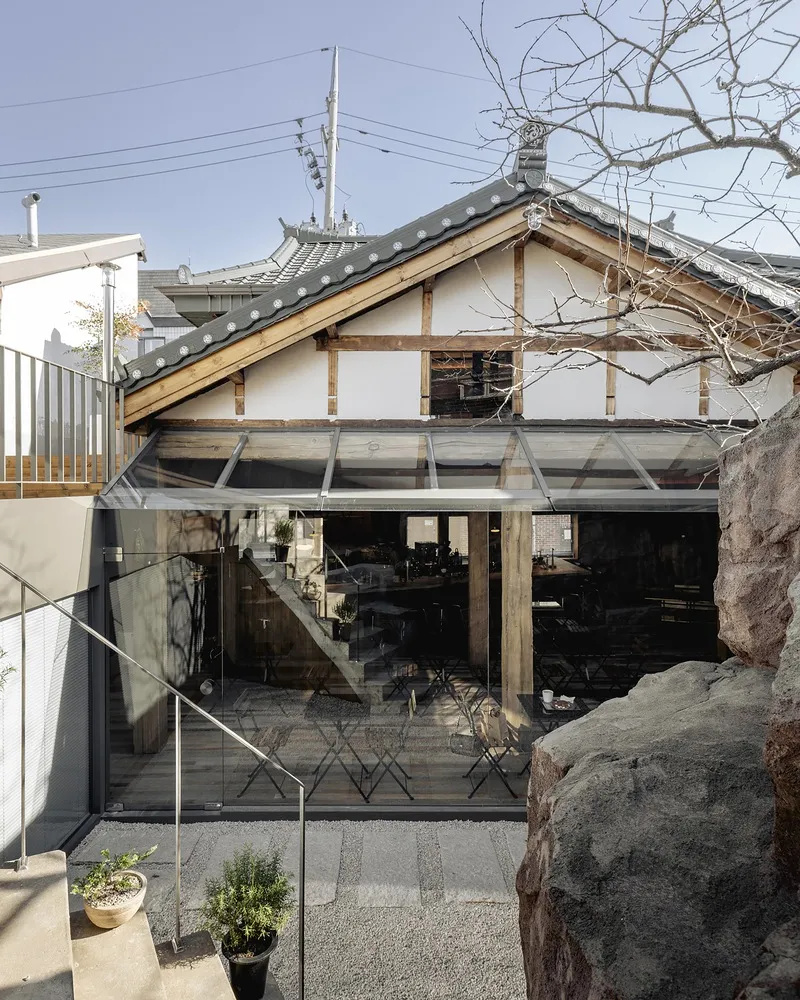
Located in the historic Yongsan-Gu district of South Korea, near an old U.S. military base, Undept Coffee and Bar stands as a testament to thoughtful architectural redesign. The building, a Jalsan-gaok, originally constructed during the Japanese occupation, features a red brick façade that harmonizes with its storied past.
The Architectural Transformation Process
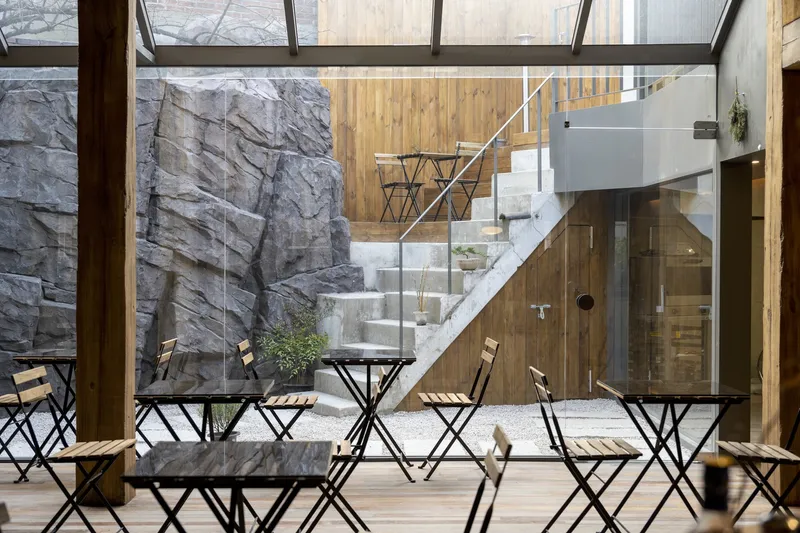
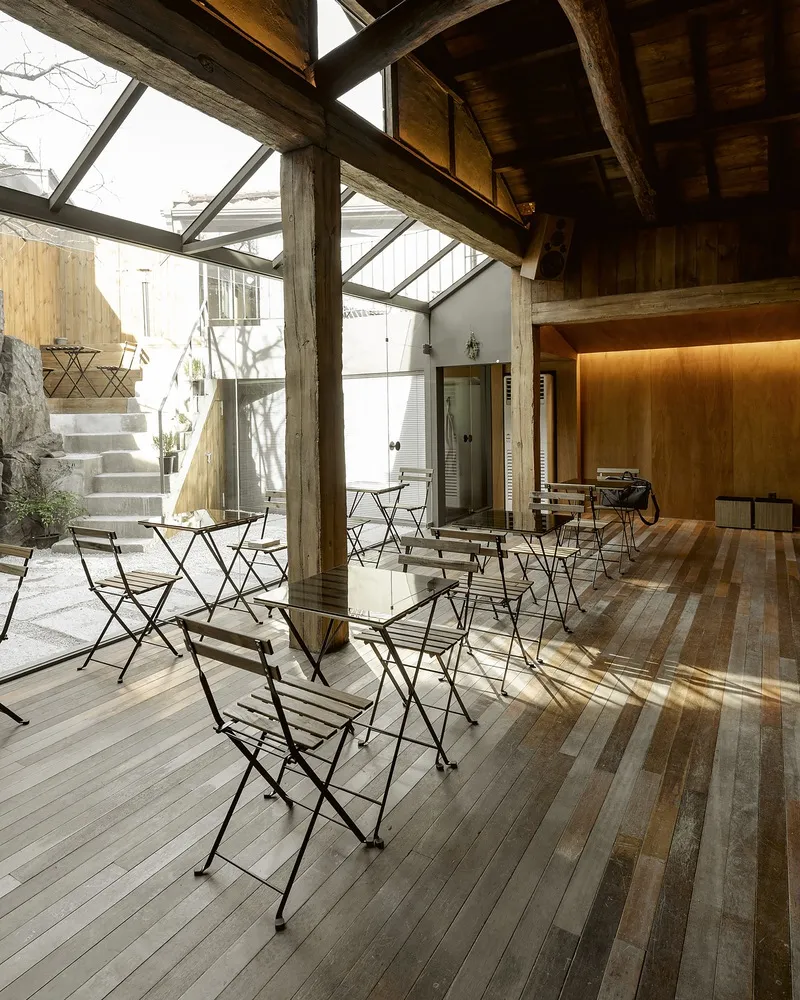
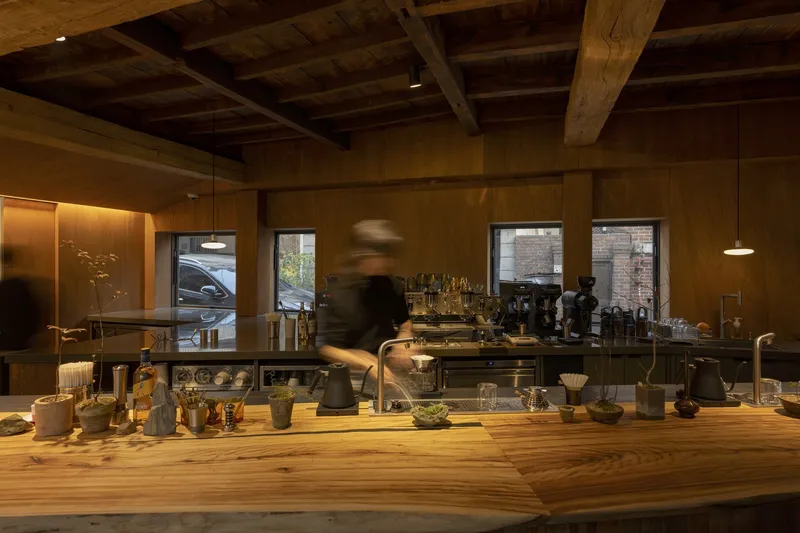
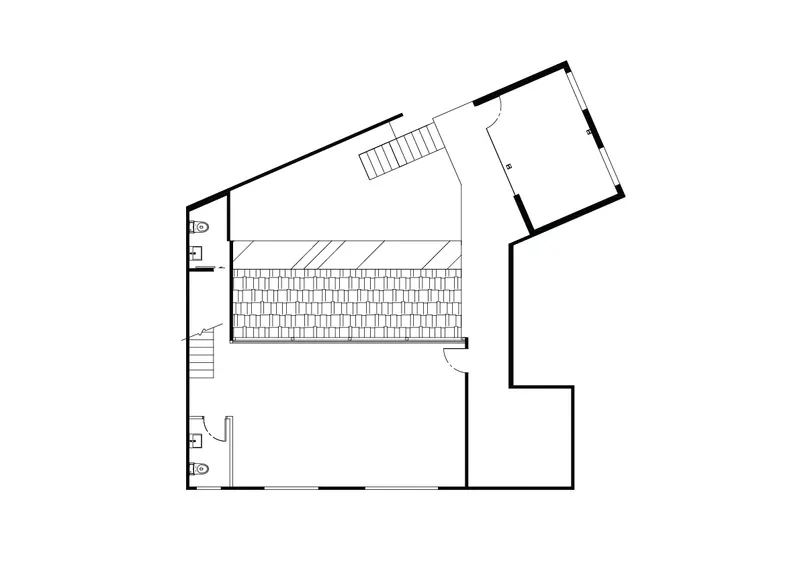
The renovation of Undept Coffee and Bar was approached with a deep respect for the existing structure’s character while integrating modern elements. The design strategy included maintaining the old wooden beams and the original roof angle, which helped preserve the building's historical essence.
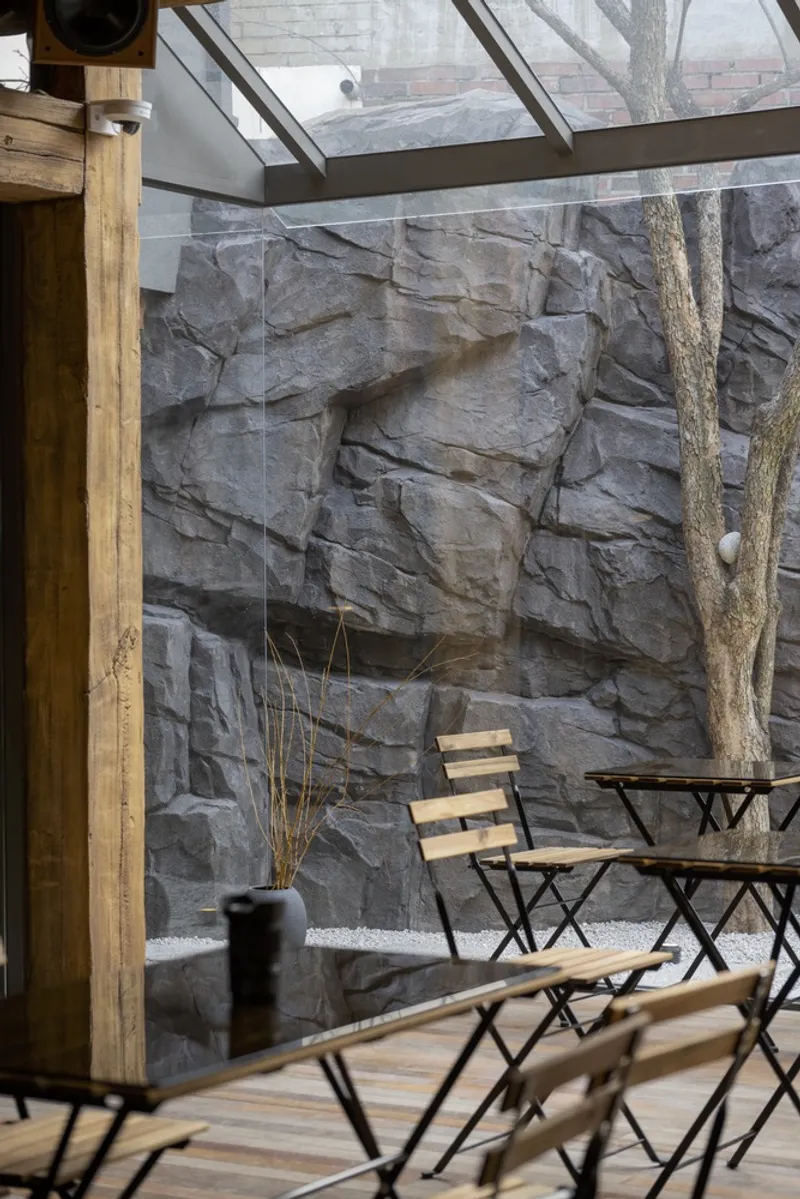
Creating a Modern Space with Historical Elements
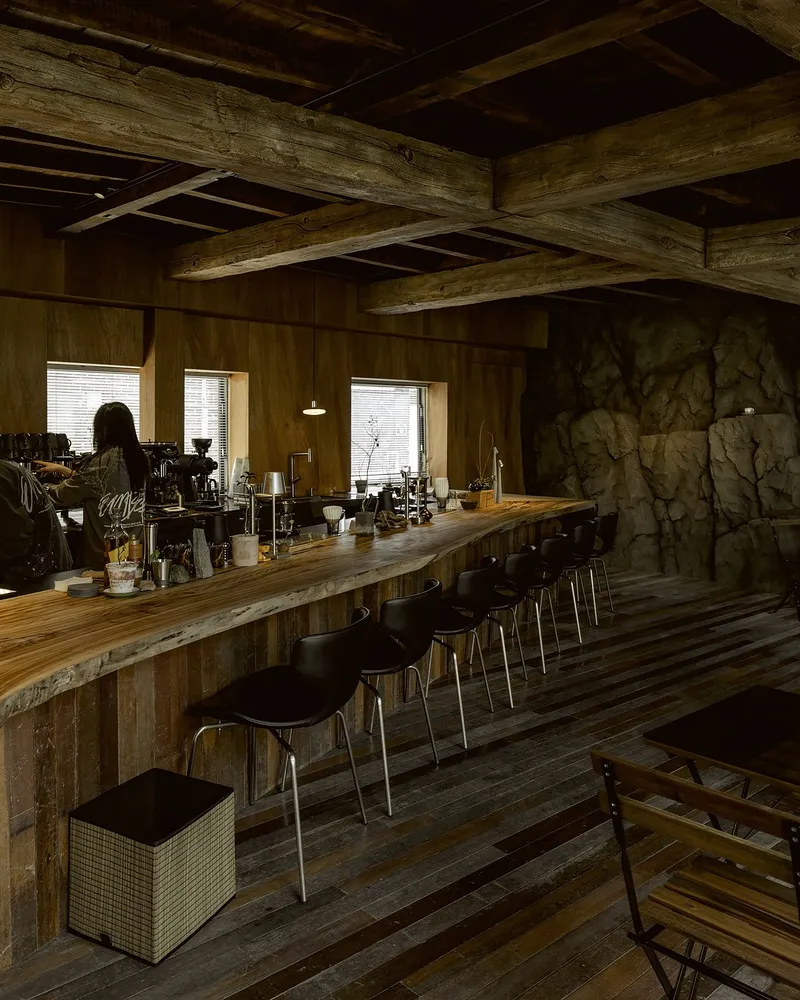
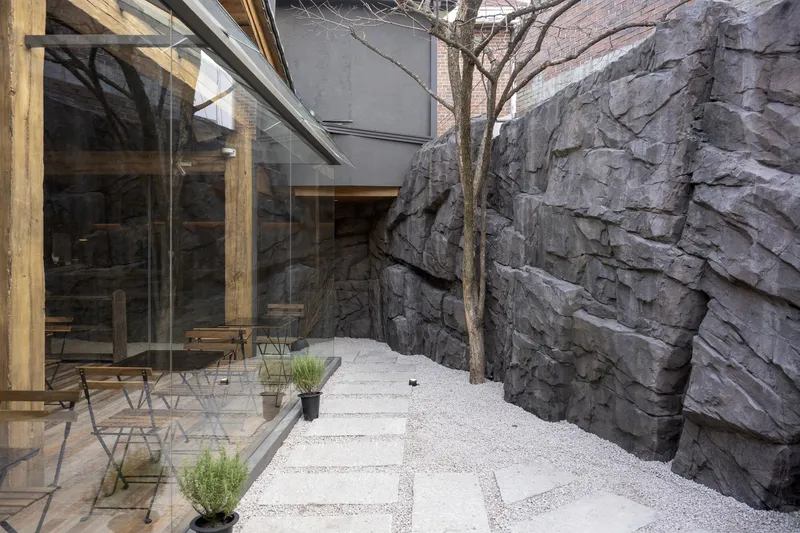
Studio ELTM’s design incorporates a cave-like stone structure at the entrance, creating a dramatic transition from the bustling city into the tranquil space of the coffee shop. This design choice not only respects the building's history but also enhances its contemporary function as a social hub.
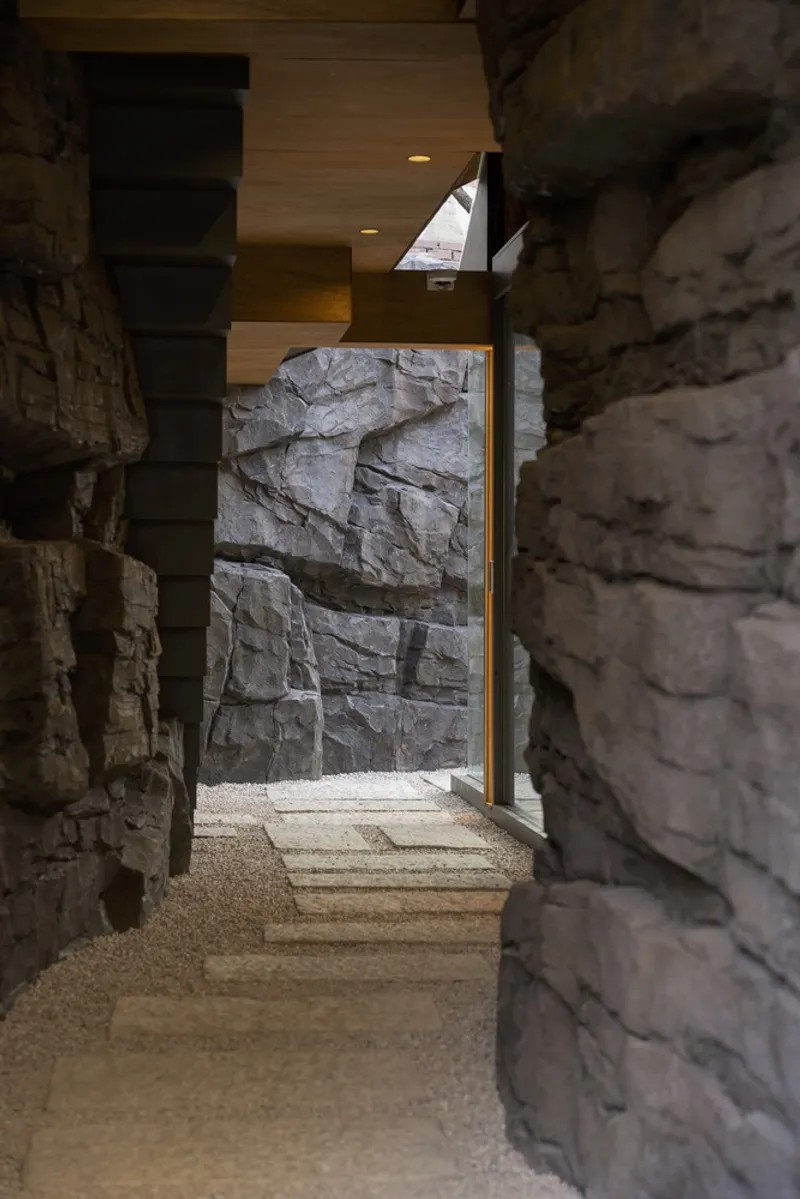
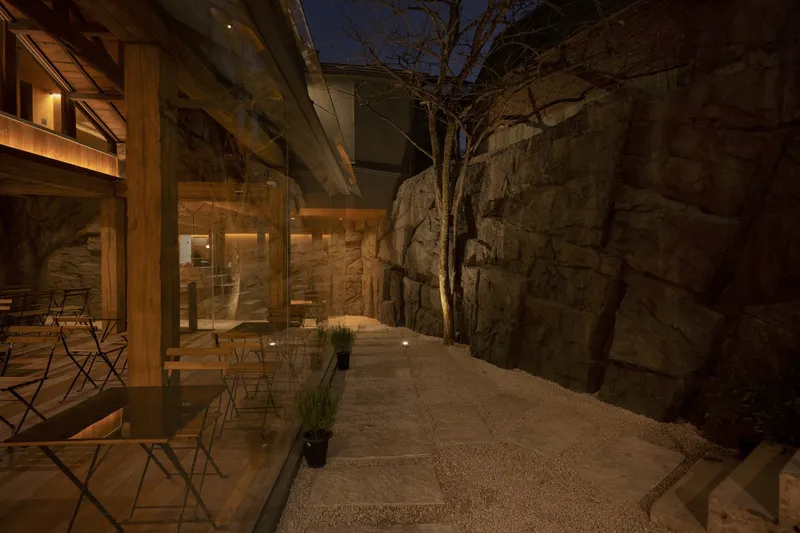
Integration of Natural Elements
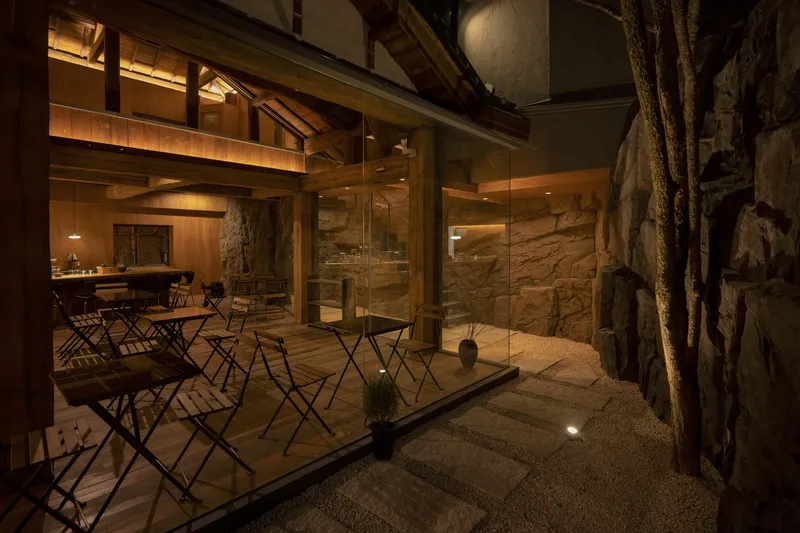
The use of natural materials like stone and wood in Undept Coffee and Bar emphasizes the building's connection to its environment. These elements are thoughtfully incorporated to maintain a dialogue between the old and the new, where history meets modernity.
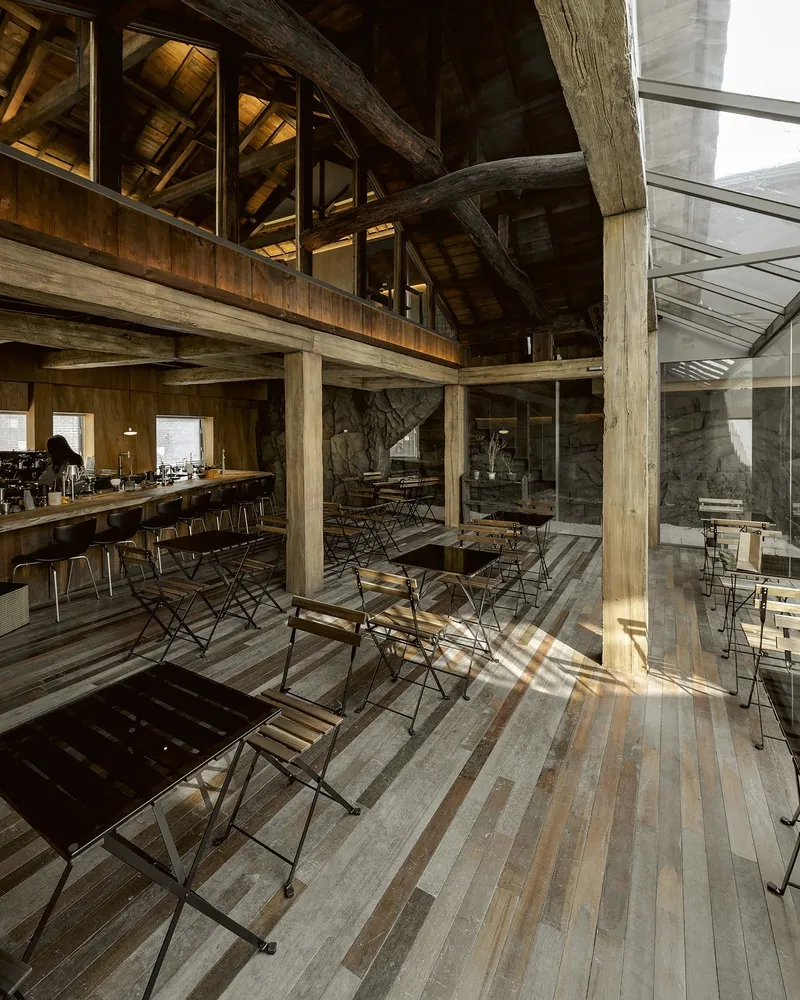
Lighting and Spatial Design
The adaptive reuse of Undept Coffee and Bar includes innovative lighting solutions that highlight the building's original features while providing a warm and inviting atmosphere. The skylights and strategic placement of indirect lighting complement the natural materials used throughout the interior.
Conclusion: A Model of Adaptive Reuse in Urban Design
Undept Coffee and Bar serves as a model for adaptive reuse, demonstrating how historical buildings can be effectively transformed into vibrant new spaces. Studio ELTM's careful preservation of historical elements alongside modern design interventions creates a unique destination that respects its past while looking forward to the future.
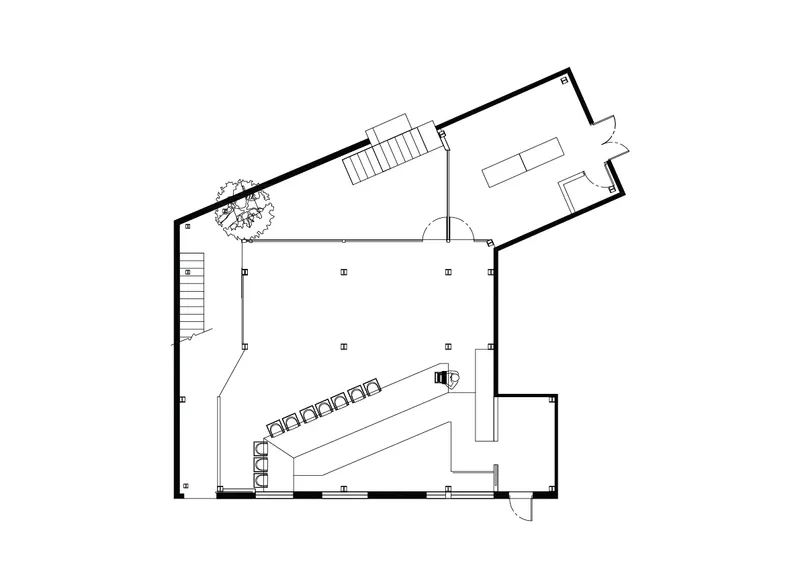
All photographs are work of Kim Seong Mun, Lee Sang Heon , Lee Sky


Popular Articles
Popular articles from the community


FCC Arquitectura Expands a Portuguese Granite House with a Board-Marked Concrete Wing
In Portugal, JV House pairs a cleaned-up whitewashed and granite dwelling with a timber-shuttered concrete extension, courtyards and a garden pool.


Aquadapt: An Underwater Habitat That Rewrites Its Rooms by the Hour
Curved modules ring the seabed while one shell shifts from breakfast room to cinema, farm and football pitch as residents' needs change.

The Amber Palace Opera: A Geological Fiction Surfaces on Tallinn's Baltic Waterfront
Pierre Brillard reimagines a Baltic legend as a public landscape, opera house, and waterfront promenade rooted in Tallinn's coastal identity.

David Ortega Stacks a Two-Story Mexico City Penthouse Around a Steel Stair and a Pergola-Shaded Roof Terrace
In Colonia Roma, a 300 m² penthouse uses oak joinery, a planted steel stair and a slatted roof pergola to make a new-build apartment feel like a house.

Similar Reads
You might also enjoy these articles


Hodi-Mandai Geram
Project Function: Preservation and revitalization of the Intangible heritage and socio-spatial identity of the Hodi by Housing, Cultural Memory Center, Sacred Grove, landscape, local tourism economy


Olio Towers: A Mid-Rise for Performers That Fuses Housing, Rehearsal, and Stage
Located blocks from Houston's Theater District, this modular tower stacks living units around a central performance atrium.

Oasis: Modular Green Housing Carved into Dhaka's Urban Fabric
A shortlisted Plugin Housing entry reclaims unauthorized settlements in Dhaka with stepped concrete volumes, green roofs, and ventilation-driven design.

Black Hole: A Floating Megastructure for the Post-Physical Era
Emiliano Mazzarotto envisions a spherical, self-scaling arena where e-sports, digital hotels, and holographic stadiums replace traditional public space.

Explore Adaptive Reuse Competitions
Discover active competitions in this discipline

Challenge to reimagine the Iron Throne

Photograph architecture without architects

Illustrate the lost glory of Angkor Wat - Render Challenge

Design challenge to reuse E-waste
Comments (0)
Please login or sign up to add comments
No comments yet. Be the first to comment!