
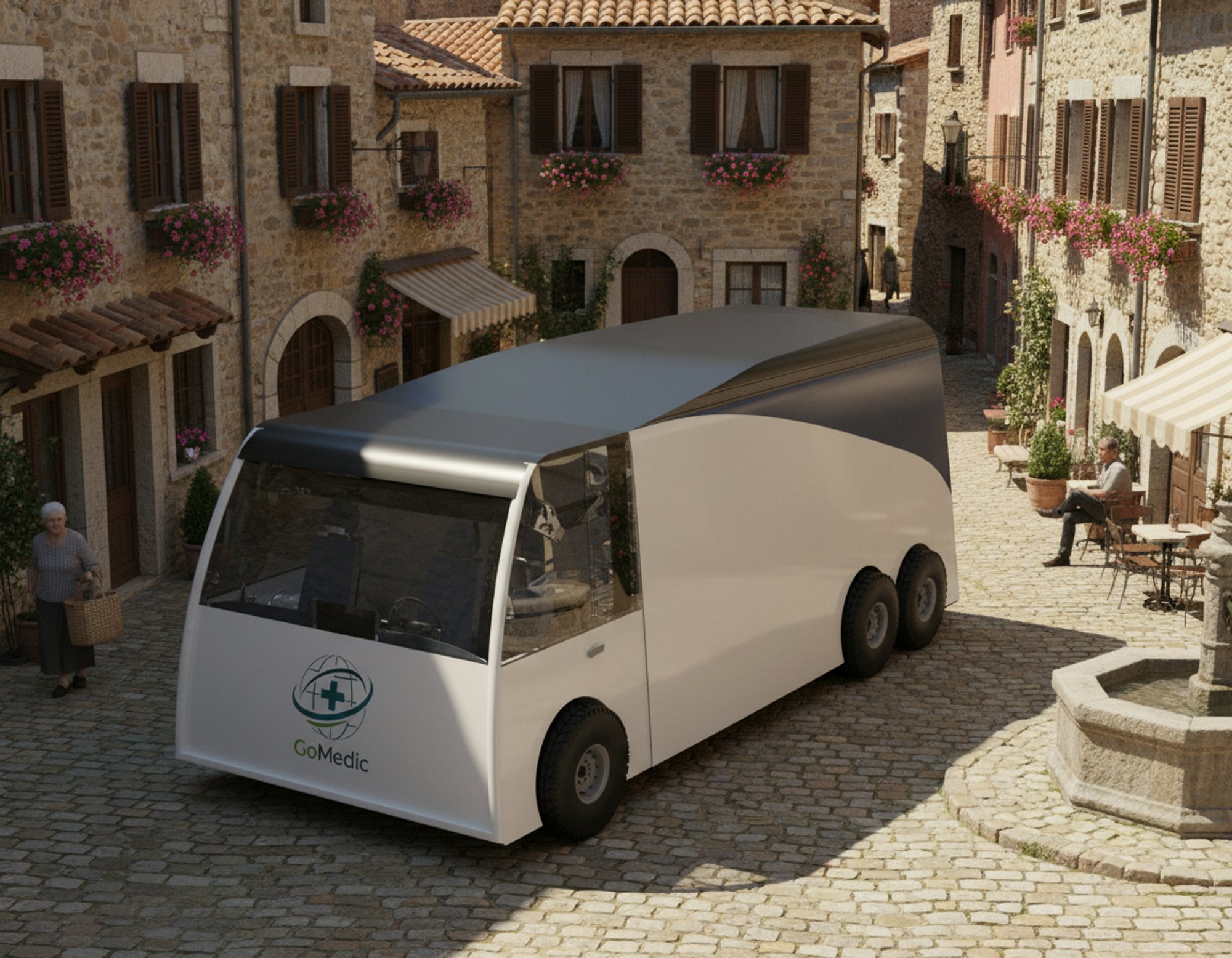
AID-Medic
A medical space for remote realities Sleeping modules, onboard sanitation, water storage, and solar-powered autonomy allow doctors to operate where facilities don’t exist.

A rotating fleet of three specialized, solar-powered mobile units that operate on a fixed weekly
schedule across multiple villages. This model emphasizes preventive healthcare and early
diagnosis to significantly reduce mortality rates from treatable conditions, supported by a publicly
beneficial corporate funding structure.
The system relies on three distinct mobile units, each specialized to maximize service efficiency and
reach. The operational model is a rotational system, ensuring all villages receive specialized care
weekly.
Enhancing Public Health and Community Engagement
The core motivation for this design is to shift the focus from expensive, late-stage emergency
treatment to proactive, accessible preventive care.
Rationale for Preventive Care
• Mortality Reduction: Routine checks (dental, blood pressure, vision) catch issues like
hypertension, pre-diabetes, and oral infections before they escalate into life-threatening
emergencies (e.g., strokes, severe infections, permanent vision loss).
• Quality of Life (QoL) Improvement: Early treatment for common issues like dental pain
or poor vision dramatically improves the daily well-being, nutrition, and work/school
capability of the community members.
• Reduced Strain on Central Hospitals: By managing routine and preventive care locally,
the GoMedic Hub system reduces the load on distant, often overcrowded central hospitals,
allowing them to focus resources on complex trauma and surgery.
Appointment and Emergency Protocol
The system employs a hybrid service model to balance pre-planned efficiency with emergency
needs. A daily operating window (e.g., 8 hours) is split:
Digital Notification and Booking
Villages are kept informed via a dedicated community email list/messaging platform. This
notification system, sent weekly, informs residents of the unit schedules and the available specialist,
allowing them to register for a specific day and time slot. This reduces queues and ensures staff
are prepared for the day's caseload.
Corporate Sponsorship as Public Good
To secure funding for the construction and maintenance of the fleet, we propose an innovative
corporate funding model: Corporate Social Tax Deduction (CSTD). (Drawing inspiration from
Denmark's strong tradition of private sector contribution to public goods (like the widespread
placement of public defibrillators), we propose a system where corporations can dedicate a minor
portion of their local corporate tax obligation (or a tax-deductible social responsibility fund) to the
procurement and sponsorship of a GoMedic unit).
• Sponsorship and Visibility: In exchange for this significant financial contribution, the
corporate sponsor gains high-visibility acknowledgment. Each vehicle will feature a
designated area for discreet corporate branding/sponsorship recognition on its exterior,
turning the mobile health unit into a positive, community-facing advertisement for the
company's commitment to public health.
• Low Operating Cost: The combination of low labor costs in rural areas, minimal
infrastructure overhead (no building maintenance), and the free energy from the solar panels
results in an extremely low per-patient cost, making the system highly economical for the
health authority.
Dental Care
• Dental chair
• integrated water suction/waste disposal system
• Lightning
• Portable Digital Intraoral X-ray ;
• basic dental mirror and explorer kits.
• Portable dental unit (drill and air/water syringe); scaler; cement filling kits.
• Advanced First Aid Kit.
• Essential Pharmaceuticals.
Patho
• Sink
• Medical Refrigerator (Solar-Powered) for vaccines
and reagents.
• Blood Pressure Monitor
• Diabetes Screening
The Patho unit acts as the primary health filter, focusing on
basic vital parameters and early risk detection.
• Heart (Hypertension): The Patho unit performs
blood pressure checks and monitors trends.
This is a first-level diagnosis. If blood pressure
is consistently high, the Patho refers the patient
to the Specialist unit for further assessment.
• Rapid Test Kits for regional infectious diseases (e.g., Malaria, HIV, Dengue).
• Urine Dipstick Test Strips.
• Advanced First Aid Kit.
• Essential Pharmaceuticals.
Specialist
• Desk
• Screen,WebCam, Internet Connection: for remote consultations with hospital-based
specialists.
• ECG Machine
• Stethoscope
• Ophthalmoscope and Otoscope Diagnostic Set (to examine the retina and ears).
• Optometric Charts and Trial Lens Set for vision testing and screening.
• Urine Dipstick Test Strips.
• Advanced First Aid Kit.
MOBILE CLINIC – SPECIALIST UNIT
Main Equipment
• Examination couch – 650×1900×650 mm
• Patient chair – 450×450×900 mm
• Doctor stool – Ø350×H500–700 mm
• Vital signs monitor – 250×200×300 mm
• 12-lead ECG device – 300×300×100 mm
• Portable ultrasound unit (1–2 probes) – 350×300×70 mm
• Wall-mounted otoscope/ophthalmoscope – 400×100×200 mm
• Spirometer – 250×200×150 mm
• Defibrillator (AED) – 300×250×100 mm
• Emergency cart with O₂ cylinder (2–5 L) – 600×500×1000 mm
• Portable suction device – 300×200×250 mm
• Infusion pump – 100×150×200 mm
• Medical refrigerator (30–70 L, 2–8 °C) – 500×540×600 mm
• Stainless sink with elbow tap – 500×400×900 mm
• Sharps and bio-waste containers – 300×200×300 mm
• All-in-one PC + A4 printer – 500×200×400 mm / 400×300×200 mm
• Overhead and base cabinets (modular 400/600/800 mm)
• LED lighting (500–1000 lux)
Utilities
• Electrical: 1.5–2.5 kW peak, UPS 1–2 kVA
• Fresh water tank 50–80 L / Waste 60–100 L
• HVAC: 8–10 air changes/hour, split 2–3.5 kW
• Oxygen quick coupling and cylinder storage
🦷 DENTAL UNIT
Main Equipment
• Dental chair with unit/tray – 700×1300×1150 mm (operating area Ø ~2000 mm)
• Assistant module – 500×600×1000 mm
• Intraoral X-ray arm – arm reach 1200–1700 mm
• Surgical suction pump – 500×500×700 mm
• Oil-free compressor with dryer – 600×600×800 mm
• Autoclave class B (18–24 L) – 500×600×400 mm
• Ultrasonic cleaner (3–6 L) – 300×250×300 mm
• Curing light – 250×250×70 mm
• Amalgam separator – 300×200×300 mm
• RO water system + tank – 400×250×450 mm
• Sterilization bench (dirty → clean flow) – 1200–1600×650×900 mm
• Sharps containers / waste bins – 300×200×300 mm
• Scialytic light + LED ambient lighting
• Lead shielding (1–2 mm Pb eq.) for X-ray area
Utilities
• Electrical: 5–7 kW peak, generator/inverter 8–10 kVA
• Water: 80–120 L clean / 120–160 L waste
• Air: 5–6 bar, 50–200 L/min
• Ventilated tech compartment (compressor + suction)
• HVAC: 10 air changes/hour
• Safety: X-ray signal light, remote timer, Pb apron storage
PATHOLOGY / LAB UNIT
Main Equipment
• Blood draw chair – 700×1200×1200 mm
• Work benches (HPL or stainless) – modules 1200×700×900 mm
• Class II A2 biosafety cabinet – 1200×800×2000 mm
• Table centrifuge – 400×500×350 mm
• Optical microscope (LED, trinocular) – 250×400×450 mm
• Hematology analyzer (3 diff) – 350×450×450 mm
• Biochemistry/immuno analyzer – 500×600×500 mm
• Urine analyzer – 200×300×200 mm
• Portable PCR (optional) – 300×300×300 mm
• Vortex mixer + lab balance – 150×200×120 / 200×300×100 mm
• Medical refrigerator (100–150 L) – 550×600×850 mm
• Freezer −20 °C (optional) – 550×600×850 mm
• Sharps and biological waste containers – 300×200×300 mm
• Sink with mixer/shower – 600×500×900 mm
• PPE dispensers
• All-in-one PC + label printer – 500×200×400 / 200×200×200 mm
• Ventilated reagent cabinets – 600×600×2000 mm
Utilities
• Electrical: 3–5 kW peak, UPS 2–3 kVA
• HVAC: ≥10–12 air changes/hour
• Water: 80–120 L clean / 100–140 L waste
• Temperature control: 3.5–5 kW A/C
• Safety: eyewash unit, spill kit, fire extinguishers
Common Notes
• Heavy items near floor & centerline for balance.
• Certified anchor rails and anti-vibration mounts.
• Seamless vinyl floor with 100 mm cove.
• HPL/stainless surfaces, rounded corners.
• Separate clean/dirty flow.
• Battery 10–15 kWh + inverter 5 kVA or generator 4–10 kVA.
• Proper ventilation for technical areas.
• Lighting 500–1000 lux (1500–2000 lux dental).
SPECIALIST UNIT
Main Equipment
• Examination couch – 650×1900×650 mm
• Patient chair – 450×450×900 mm
• Doctor stool – Ø350×H500–700 mm
• Vital signs monitor (BP, SpO₂, HR, temp) – 250×200×300 mm
• 12-lead ECG unit – 300×300×100 mm
• Portable ultrasound scanner (1–2 probes) – 350×300×70 mm
• Wall-mounted otoscope and ophthalmoscope – 400×100×200 mm
• Spirometer – 250×200×150 mm
• Defibrillator (AED) – 300×250×100 mm
• Emergency cart with oxygen cylinder (2–5 L) – 600×500×1000 mm
• Portable suction device – 300×200×250 mm
• Infusion pump – 100×150×200 mm
• Medical refrigerator (30–70 L, 2–8 °C) – 500×540×600 mm
• Stainless-steel sink with elbow mixer – 500×400×900 mm
• Sharps and clinical waste containers – 300×200×300 mm
• All-in-one PC + A4 printer – 500×200×400 mm / 400×300×200 mm
• Modular overhead and base cabinets (400/600/800 mm)
• LED lighting system (500–1000 lux over work plane)
• Compact wall-mounted diagnostic panel (BP, SpO₂, temp probes)
• Basic emergency medications cabinet (locked)
• Foldable privacy curtain or divider panel
Utilities & Technical
• Electrical load: 1.5–2.5 kW peak, UPS 1–2 kVA
• Fresh water 50–80 L / Waste water 60–100 L
• HVAC: 8–10 air changes/hour, split unit 2–3.5 kW cooling
• 24 V or 230 V electrical outlets (medical IP44 type)
• Oxygen connection point with secured cylinder bracket
• Ventilation filter class G4+F7
• Interior height min. 2.0 m for standing operations
Space Notes
• Minimum corridor width: 900–1100 mm
• Turning circle for stretcher: Ø1500 mm (optional)
• Access door clear width: ≥800 mm
• Preferred floor: seamless vinyl with 100 mm coving
• Rounded furniture edges, anti-vibration mounting
• Weight distribution balanced along vehicle centerline
Mobile Clinic Area Regulations
Mobile State (when the vehicle is moving) and Static State (when the clinic is parked and expanded).
■ Mobile State
When the clinic is in motion, all functions and enclosed structures must fit within the base vehicle
footprint. The legal maximum covered area is 5 m × 2.6 m = 13 square metres. This represents the
total enclosed body of the vehicle.
■■ Static State
When the clinic is stationary and set up for medical operation, certain parts may expand outward
(for example, side slide-outs, pop-up modules, or rear extensions). The total additional covered
area created by these expansions must not exceed 50% of the base 13 m², meaning a maximum of
6.5 m² extra. Therefore, the total covered area when expanded should not exceed 19.5 m².
Abbiamo gli interni cosi perché è una clinica mobile e tutto è attaccato alla finestra
School too
https://odulair.com/mobile-clinics-for-sale/how-to-buy-mobile-medical-unit-mobile-clinic/
https://www.cvs.it/
https://xo-care.com/blog/dental-treatment-room-design-guide/?utm_source=chatgpt.com
https://www.cfm.va.gov/til/dGuide/dgDental.pdf?utm_source=chatgpt.com



Popular Articles
Popular articles from the community

Gads Hill Early Learning Center by JGMA: Adaptive Reuse Shaping Community-Focused Educational Architecture
Adaptive reuse transforms fragmented structure into vibrant early learning center with playful façade, natural light, and community-focused sustainable design.

Free Architecture Competitions You Can Enter Right Now
No entry fees, real prizes. Here are the best free architecture competitions open for submissions in 2026.
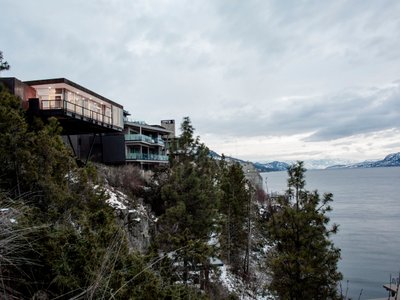
Alton Cliff House: A Harmonious Retreat by f2a Architecture in Lake Country, Canada
Alton Cliff House blends corten steel, prefabrication, and sustainable design, creating a luxurious, energy-efficient retreat perched on Canadian cliffs.
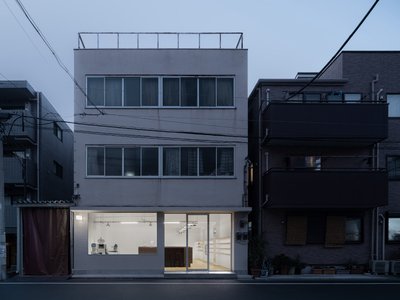
Atelier Macri Concept Store Interior Design by CASE-REAL
Atelier Macri store features a "ko" counter, walnut wood details, cork displays, blending retail, gallery, and seamless customer experiences.


Similar Reads
You might also enjoy these articles
Alton Cliff House: A Harmonious Retreat by f2a Architecture in Lake Country, Canada
Alton Cliff House blends corten steel, prefabrication, and sustainable design, creating a luxurious, energy-efficient retreat perched on Canadian cliffs.


The Ken Roberts Memorial Delineation Competition (Krob)
As the most senior architectural drawing competition currently in operation anywhere in the world, it draws hundreds of entries each year, awarding the very best submissions in a series of medium-based categories.
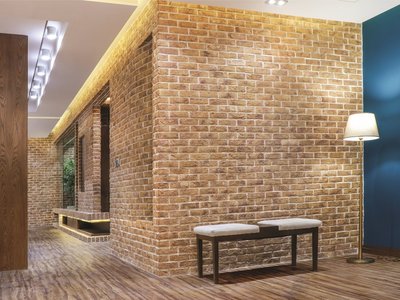
A Contemporary Take on Iranian Residential Architecture
A modern interior design in Mashhad that reinterprets brick, light, and spatial flow to create a warm, contemporary residential architecture.
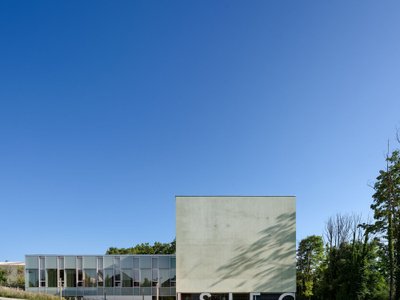
Franche-Comté Advanced School of Engineering by Dominique Coulon & associés, Besançon
A flexible engineering school immersed in woodland, combining concrete minimalism, adaptable spaces, and natural light to support evolving educational environments.


Explore Public Health Competitions
Discover active competitions in this discipline




The Global Benchmark for Architecture Dissertation Awards


Design challenge to reuse E-waste

Packaging challenge - Design meets sustainability
Comments (0)
Please login or sign up to add comments
No comments yet. Be the first to comment!