
Alive Residence: Harmonizing Urban Living with Nature in Pak Nam, Thailand
Alive Residence by Sa Ta Na Architects blends urban living with nature, featuring wooden facades, balcony gardens, natural light, privacy, and flexible family spaces.


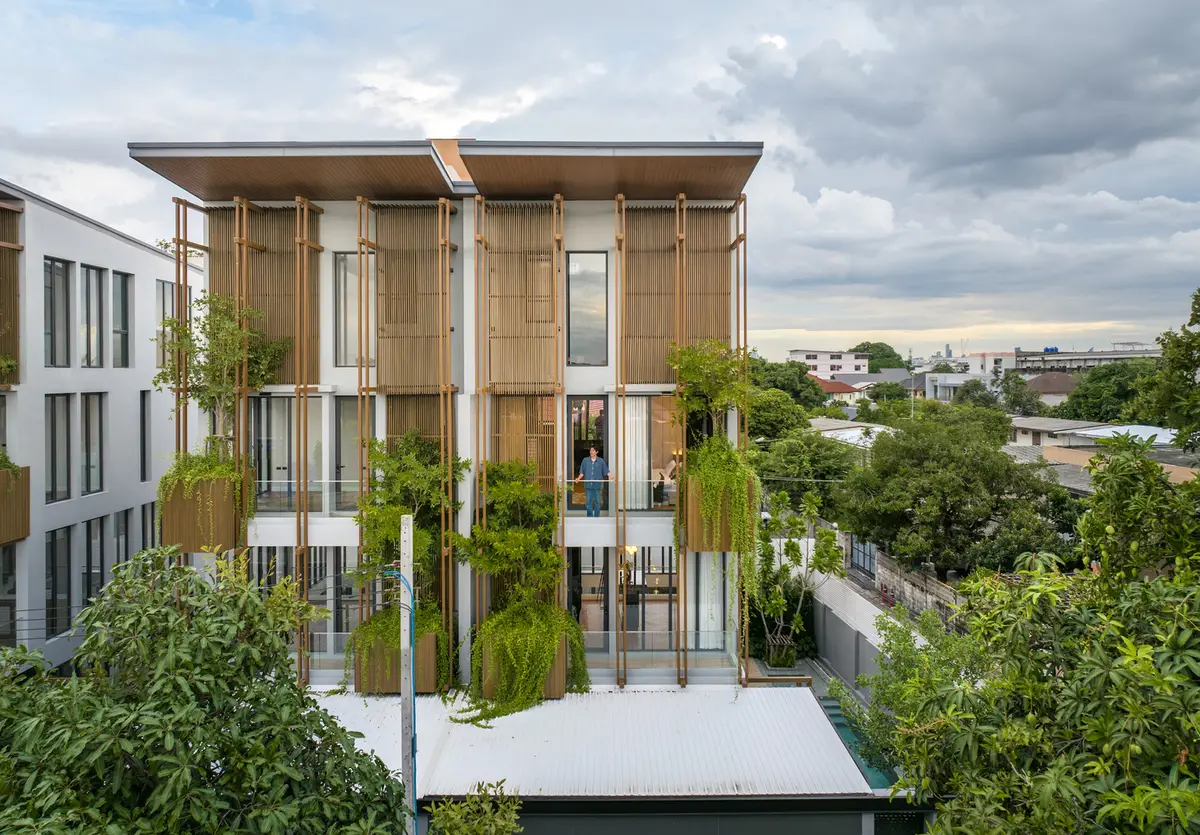
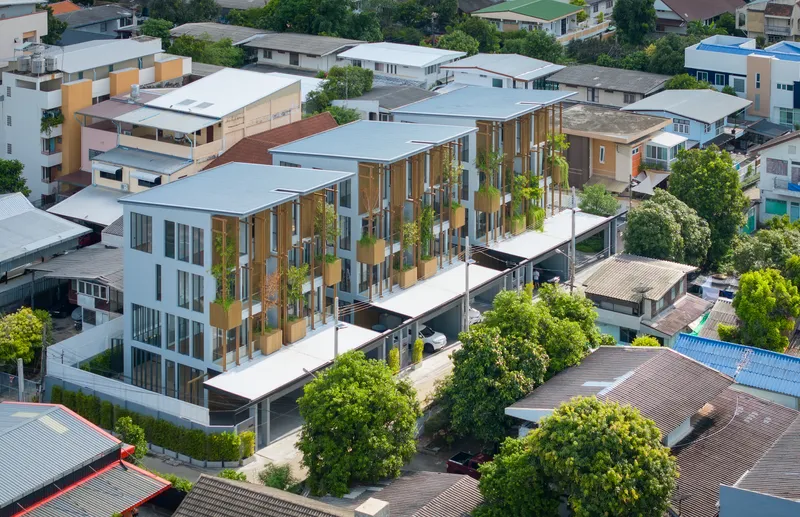
Designed by Sa Ta Na Architects, the Alive Residence in Pak Nam, Thailand, is a stunning 237 m² contemporary home that balances modern city living with the serenity of nature. Completed in 2023 under the guidance of lead architect Chalermchai Asayote, this residence showcases a thoughtful approach to flexible living, natural light, and environmental integration.
Urban Living Meets Natural Harmony
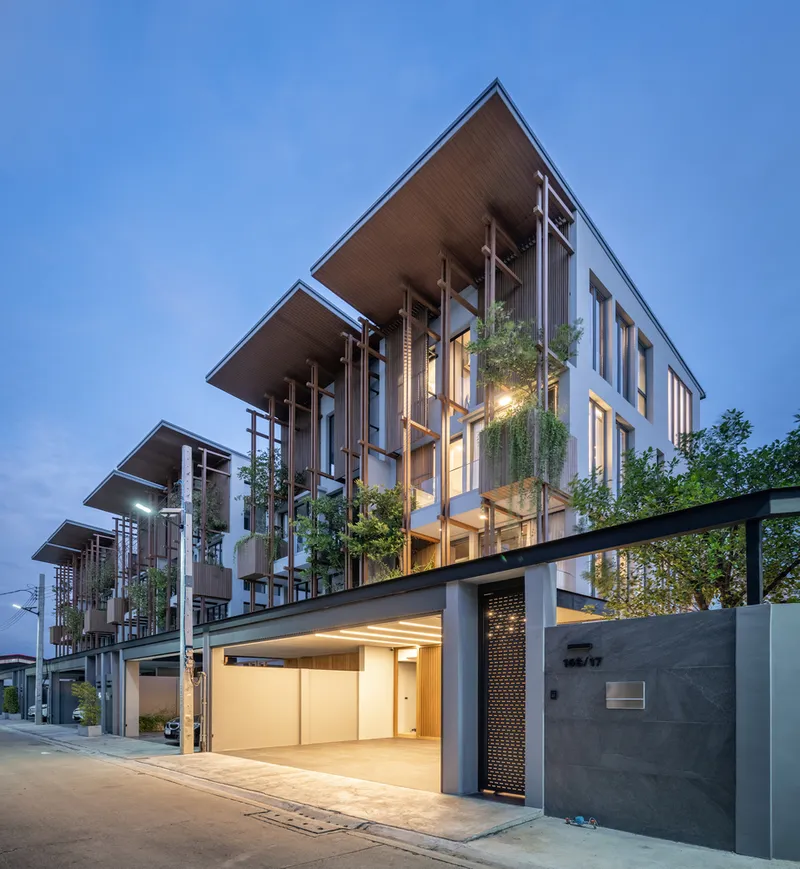
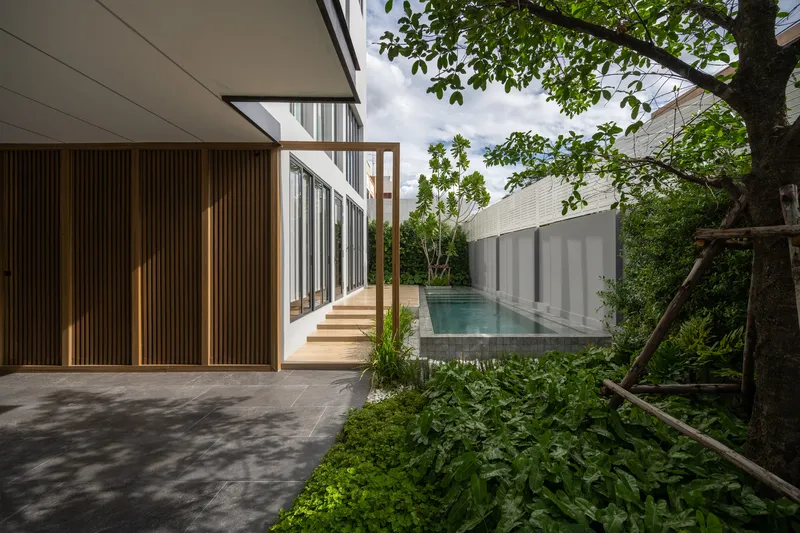
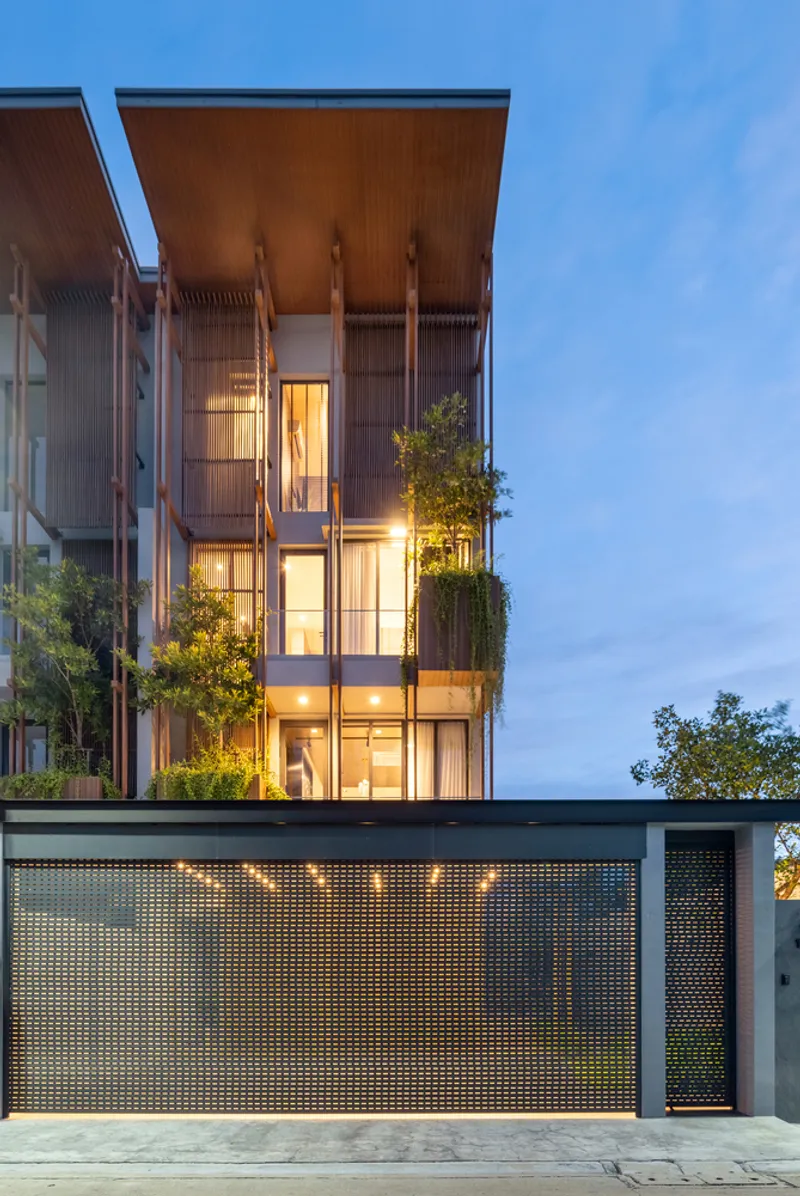
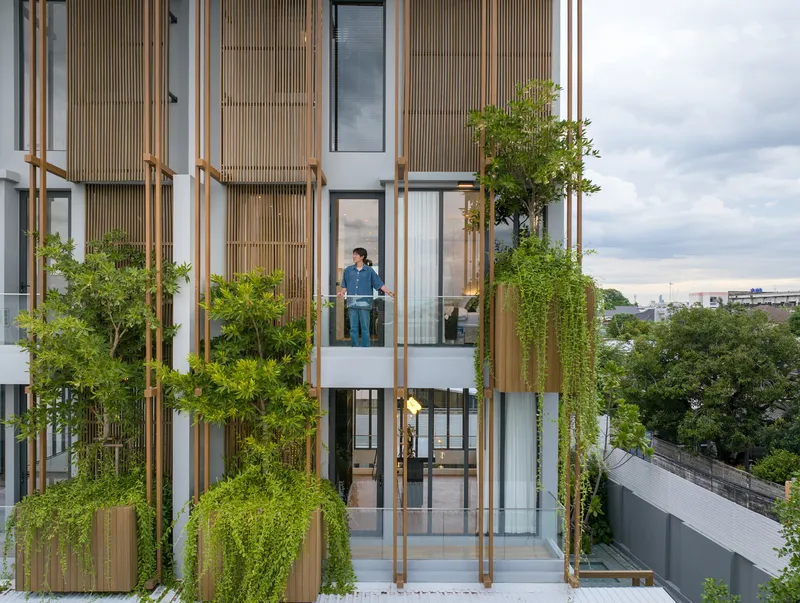
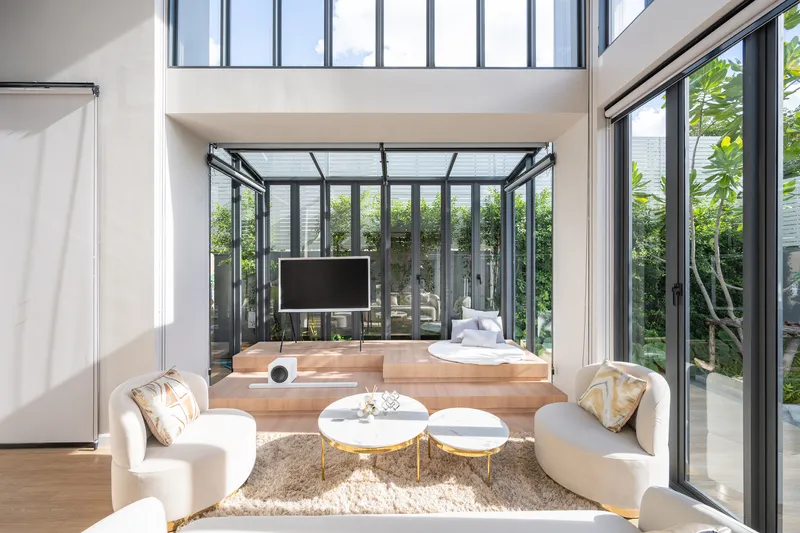
At the heart of Alive Residence lies the philosophy of blending urban lifestyle with natural elements. The architects prioritized natural light and airflow, creating a home that feels open, breathable, and connected to its surroundings. Outdoor garden spaces are carefully positioned around the house, while greenery on the balcony serves as a mini oasis, enhancing the ambiance and improving air quality. This integration of landscape design with residential architecture promotes a sense of tranquility, making the home a sanctuary within the bustling city environment.
Adaptive Design for Evolving Lifestyles
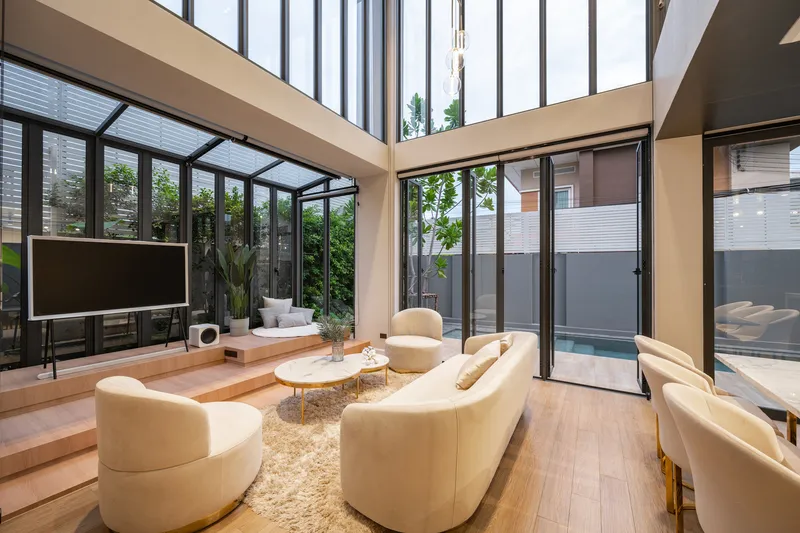
The design process began with a focus on space efficiency and adaptability to future lifestyle changes. Every square meter of the home is optimized to support different family configurations, including areas for children’s homework, remote working, and flexible home office setups. The interiors are designed to respond seamlessly to evolving needs, allowing the residence to grow alongside its occupants. This approach ensures that Alive Residence is not just a house, but a dynamic living environment for a modern family.
Creating a Retreat from the Urban Chaos
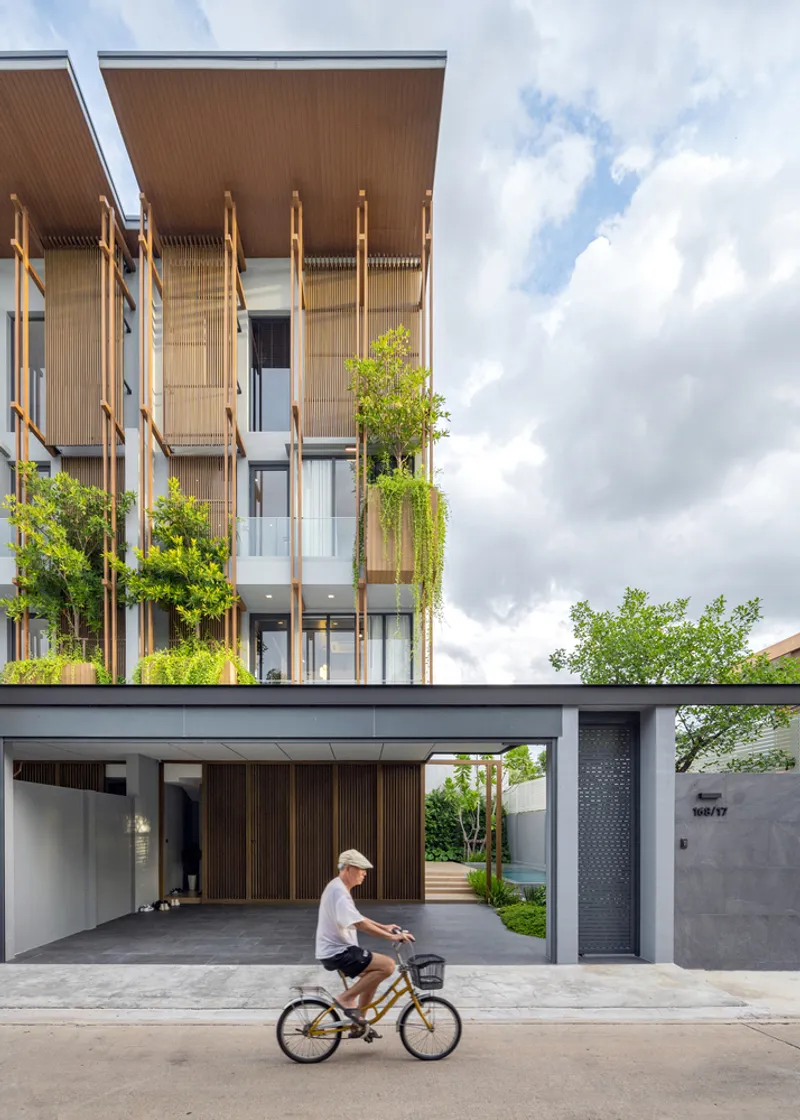
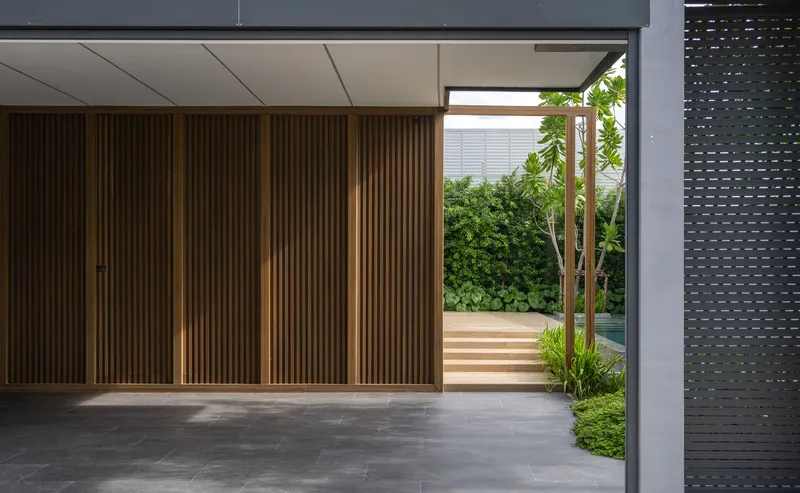
A key concept behind the project was turning the home inward, creating a deliberate separation from the street and urban distractions. Upon entering, residents are welcomed into a peaceful and private space, designed for relaxation and reconnection. The spatial layout encourages disconnection from the outside noise, fostering a calm and restorative atmosphere that defines modern urban living.
Architectural Expression: Wood and Privacy
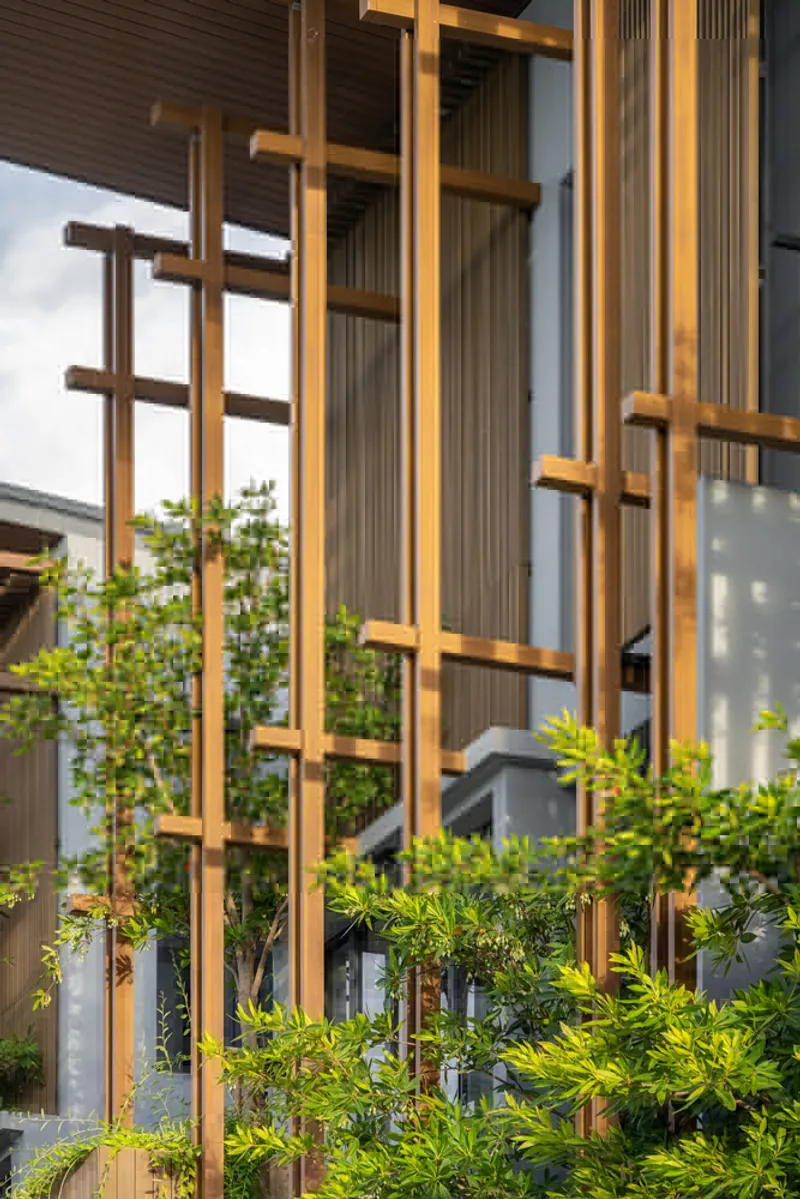
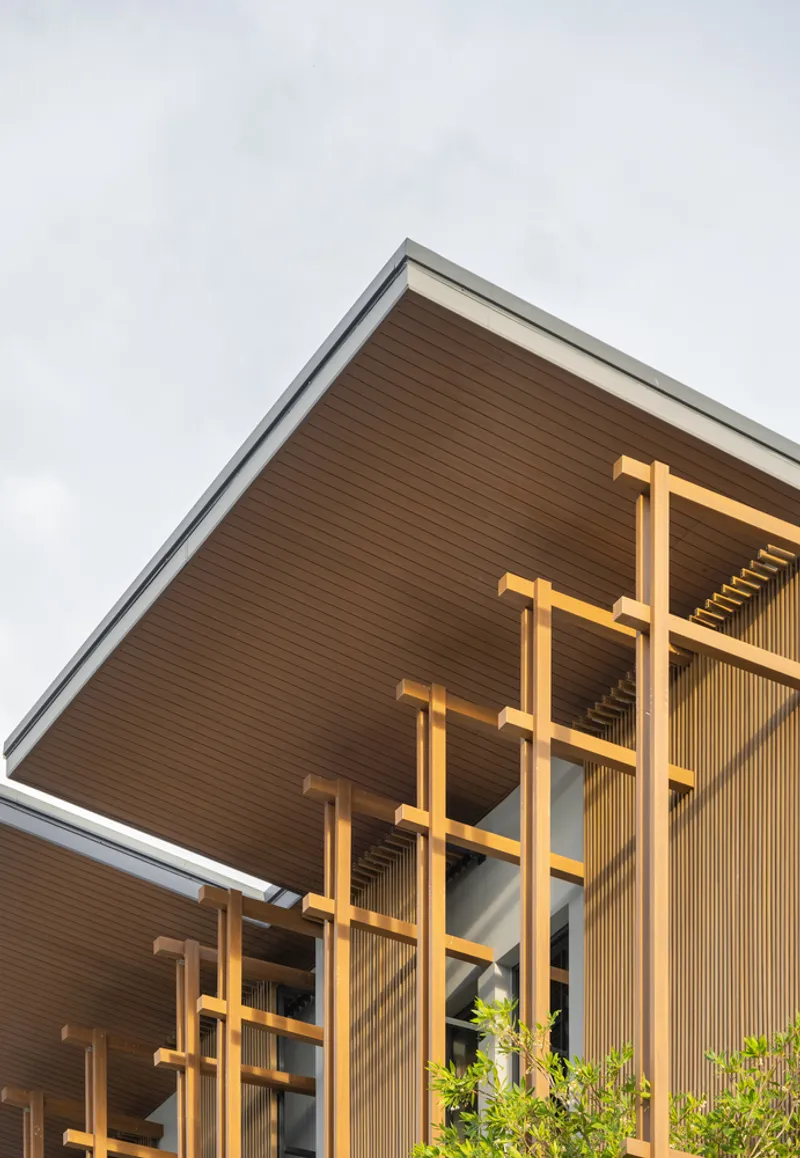
The building’s three-story structure is enveloped in a wooden facade complemented by vertical wooden slats. The facade features aluminum panels with wood patterns and high-quality artificial wood, offering privacy while maintaining a warm, natural aesthetic. This choice evokes the charm of traditional Thai wooden houses, while providing contemporary functionality. Balconies double as pocket gardens, filtering light and dust, and adding greenery that enriches the indoor-outdoor connection.
Nature as Inspiration
The use of wood and greenery is more than aesthetic, it forms the core of the home’s philosophy. Experiencing nature through wooden textures, balcony gardens, and strategic landscaping is central to the emotional and sensory experience of the house. This design fosters a home where residents can make memories, find joy, and reconnect with the essence of daily life. Alive Residence exemplifies how modern urban homes can embrace natural inspiration while meeting contemporary needs.
Alive Residence by Sa Ta Na Architects is a masterclass in balancing urban living with nature, flexibility, and privacy. Its thoughtful spatial planning, wood-based facade, and integrated greenery make it a serene urban retreat designed to adapt to evolving lifestyles. This residence stands as a model for sustainable, nature-inspired architecture in Thailand.
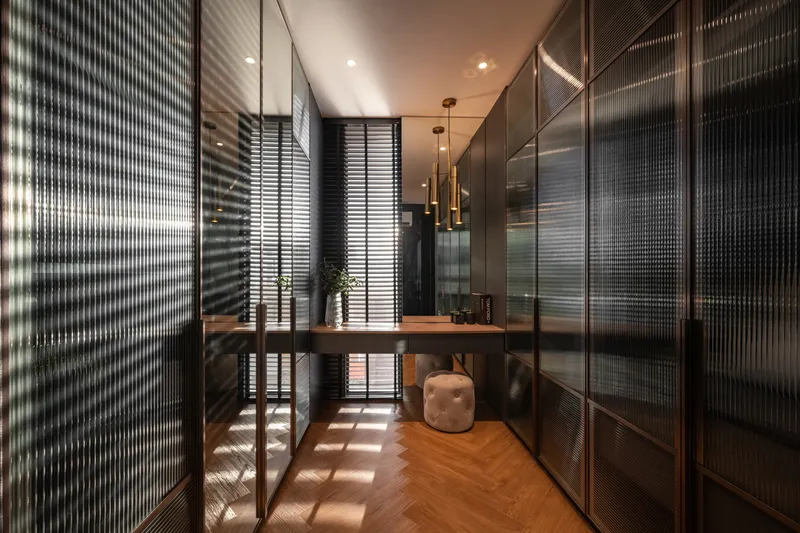
All photographs are works of
Rungkit Charoenwat


Popular Articles
Popular articles from the community


Architekt Andreas Gruber Scatters 23 Dark Timber Chalets Across a South Tyrolean Forest Edge
In Molini di Tures, Amonti Chalets breaks a resort into a hamlet of gabled timber houses, with parking, storage and services pushed into the slope.

LT2A and OPEN Architectes Thread a Brick and Glass High School Through a Wooded Belgian Campus
In Braine-l'Alleud, a 3,000 m² wing for Collège Cardinal Mercier pairs pale brick with a glazed colonnade, deferring to a small chapel and a dense wood.

David Ortega Stacks a Two-Story Mexico City Penthouse Around a Steel Stair and a Pergola-Shaded Roof Terrace
In Colonia Roma, a 300 m² penthouse uses oak joinery, a planted steel stair and a slatted roof pergola to make a new-build apartment feel like a house.

U.GA Architects Wraps an Oval Rooftop Pool in Curved Board-Formed Concrete on Busan's Jeollidan-gil
In Busan's Jeonpo-dong, a 454 m² mixed-use block stacks a neighborhood facility, guest rooms and an oval rooftop pool inside spiraling concrete walls.

Similar Reads
You might also enjoy these articles

Gil Mello Arquitetura Tilts a Single Roof Toward the Waterfalls on a Plateau Above Aiuruoca, Brazil
In Aiuruoca, Minas Gerais, a 200 m² house of local labor and reclaimed poles pairs a low valley veranda with a tall mountain one.
U.GA Architects Wraps an Oval Rooftop Pool in Curved Board-Formed Concrete on Busan's Jeollidan-gil
In Busan's Jeonpo-dong, a 454 m² mixed-use block stacks a neighborhood facility, guest rooms and an oval rooftop pool inside spiraling concrete walls.

Felipe Hess Arquitetos Turns a Blind Stone Wall to the Street and Opens a Brazilian House onto a Courtyard and Canal
A canal-front house in Brazil hides behind painted stone and planting, then opens to an olive-tree courtyard, a reed-ceilinged porch and a curving pool.

David Macias Steps a Doorless Stone and Plaster House Down a Tropical Colombian Hillside
In the humid hills of Colombia, Threshold House replaces the front door with an open void and terraces its 850 m² down the slope instead of fighting it.

Explore Living with Nature Competitions
Discover active competitions in this discipline

Challenge to reimagine the Iron Throne

Photograph architecture without architects

Illustrate the lost glory of Angkor Wat - Render Challenge

Design challenge to reuse E-waste
Comments (0)
Please login or sign up to add comments
No comments yet. Be the first to comment!