Alpamanta Winery: A Beacon of Sustainable Winery Design
Explore Alpamanta Winery's sustainable design by Japaz Guerra Arquitectos, merging eco-friendly architecture with stunning landscapes in Argentina.


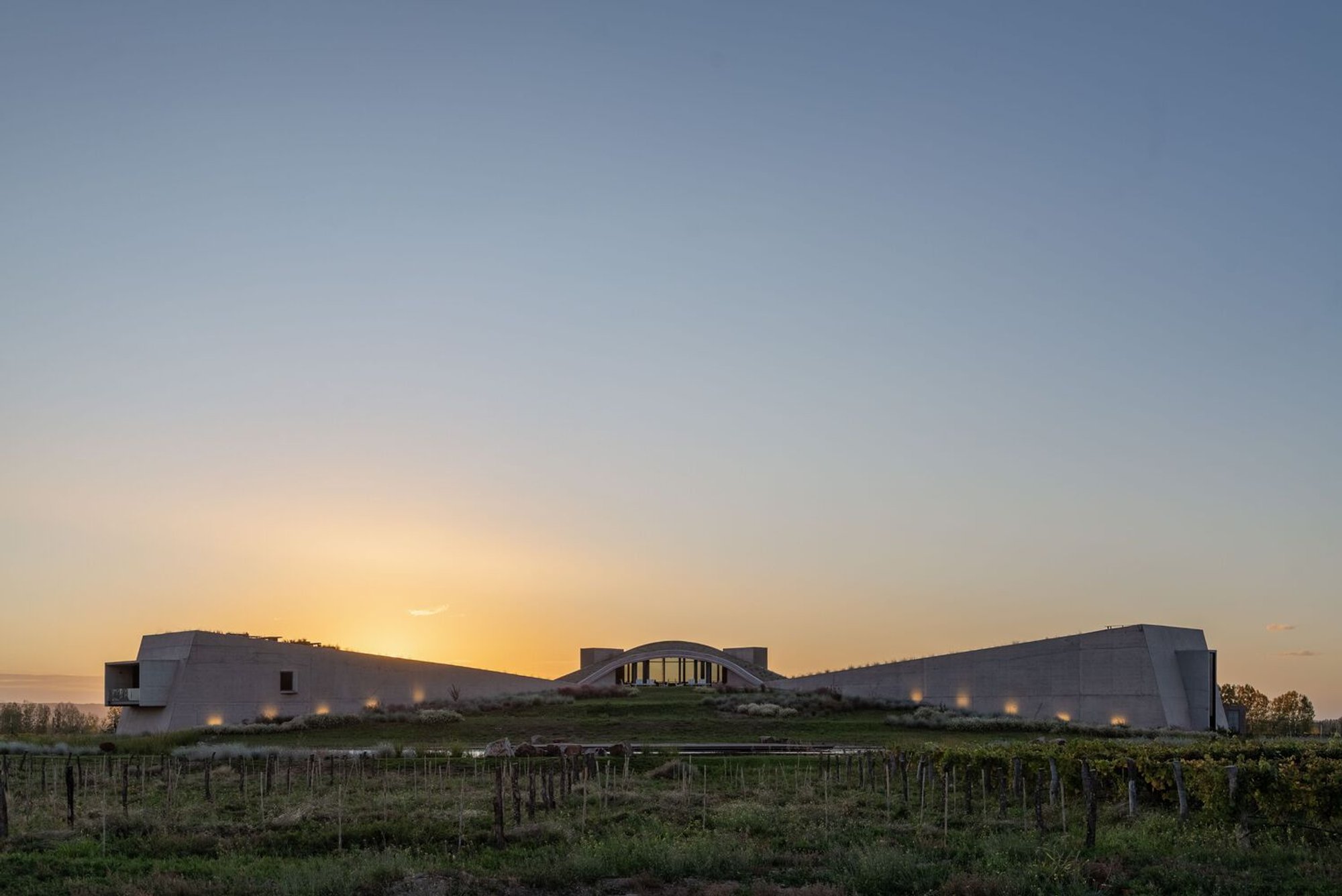
Alpamanta Winery, crafted by the acclaimed Japaz Guerra Arquitectos, stands as a paragon of sustainable winery design. Situated in the scenic landscapes of Argentina, this winery merges advanced architectural techniques with ecological sensitivity, embodying the principles of sustainability in every facet of its design and operation.
Sustainable Features and Design Philosophy
Innovative Use of Space and Natural Resources
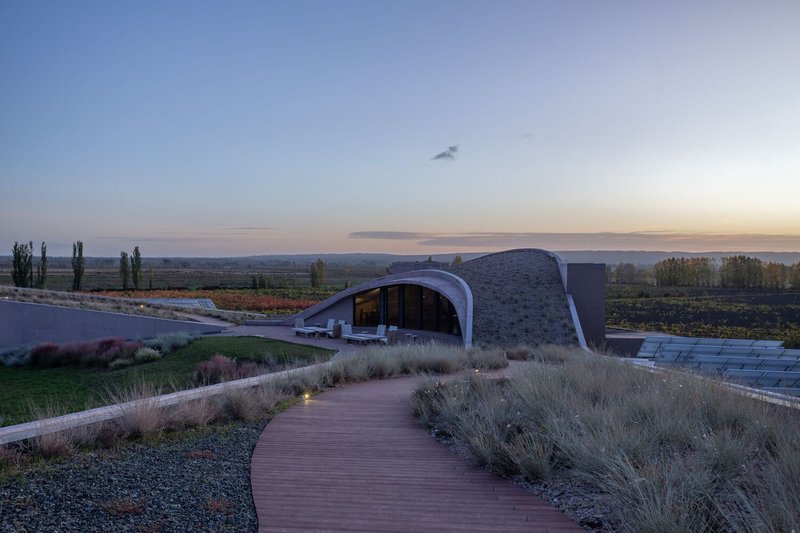
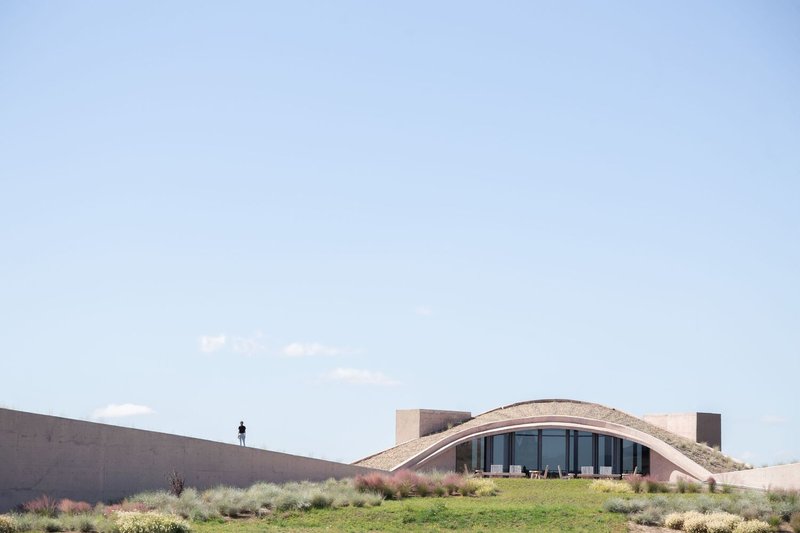
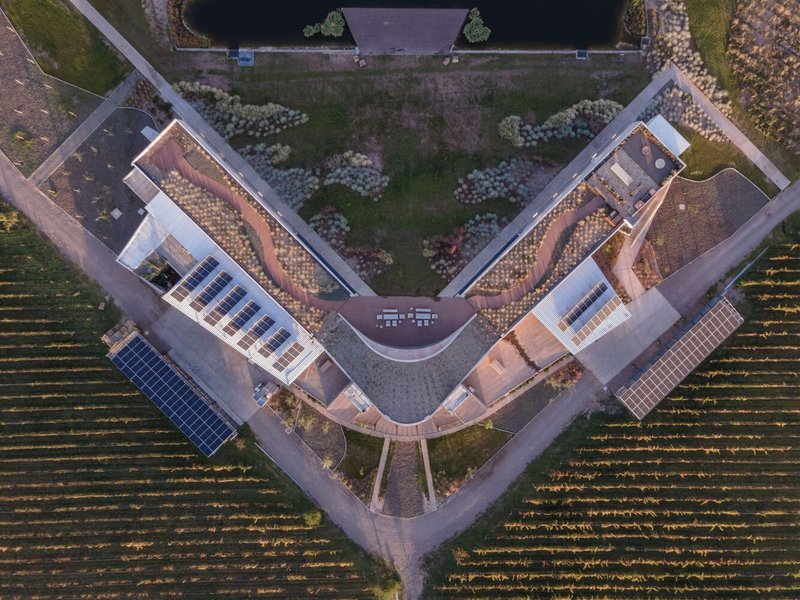
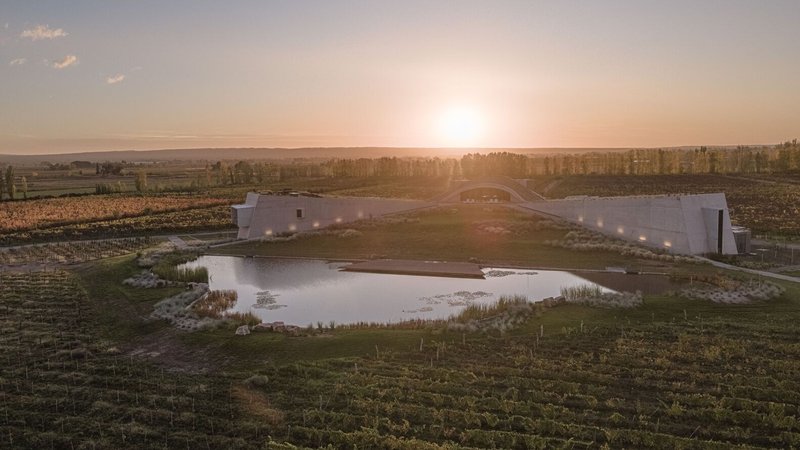
The winery, covering an area of 25,607 square feet, is strategically placed to harness natural resources efficiently. The architects have employed a green roof system, which not only provides superior thermal insulation but also supports water harvesting. This harvested water is utilized to irrigate the landscaped areas surrounding the winery, showcasing a perfect example of water resource management.
Integration with the Natural Landscape
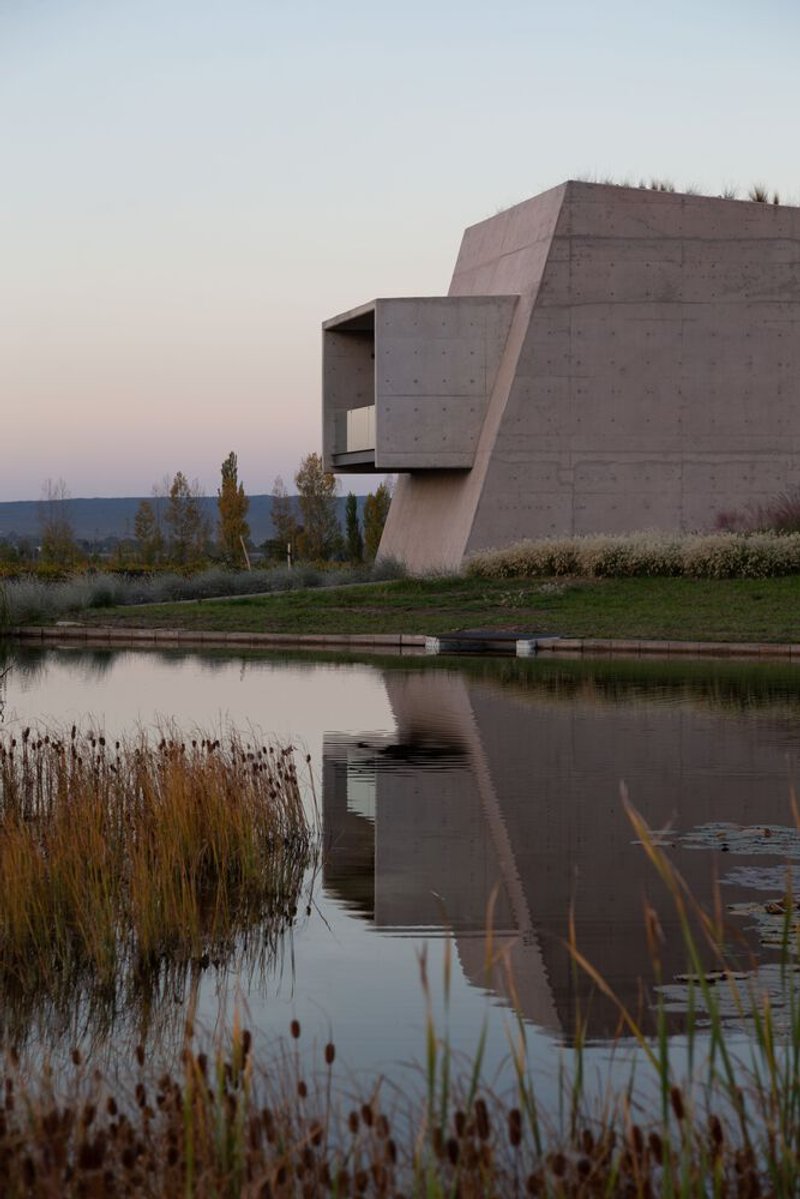
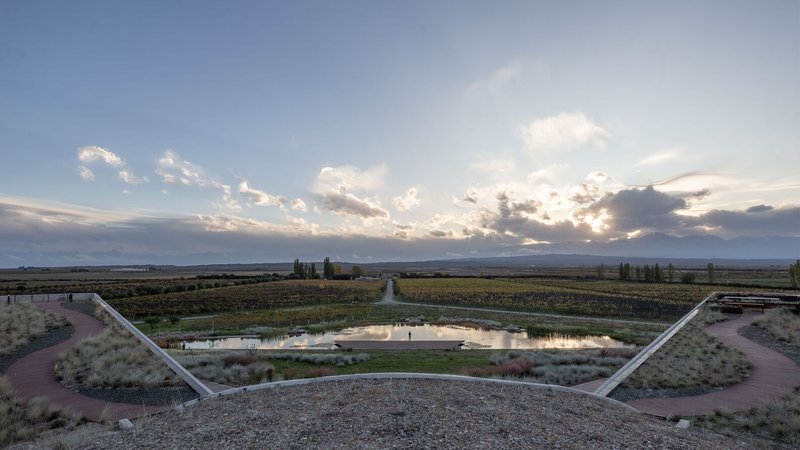
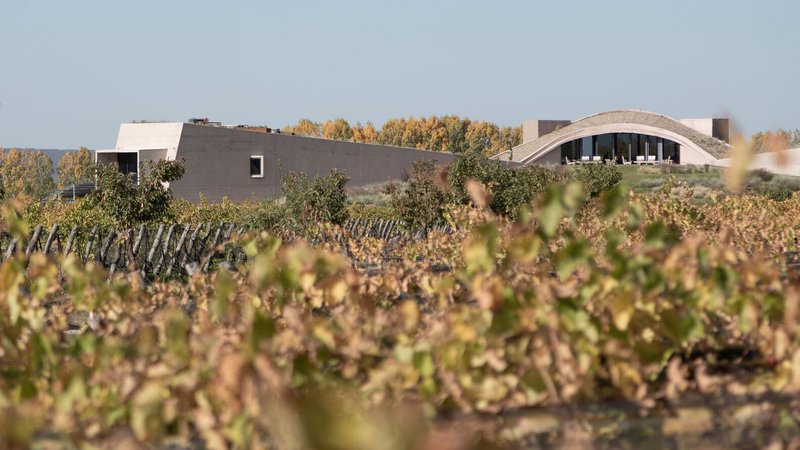
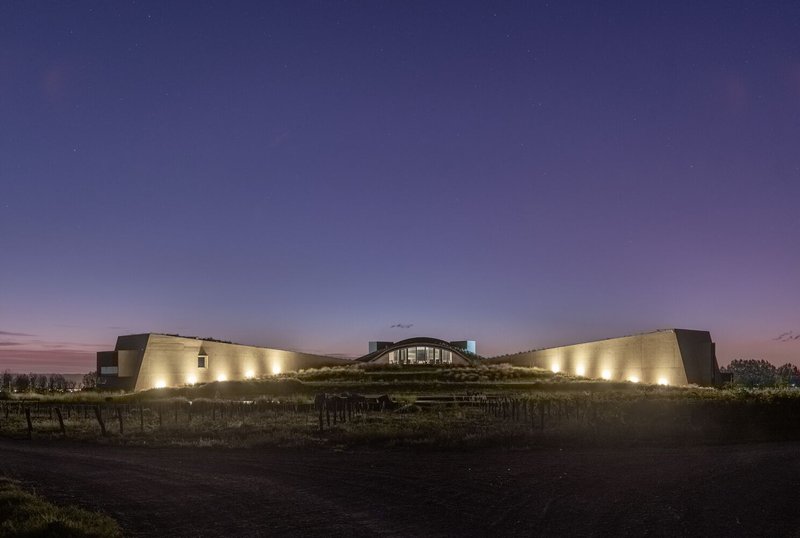
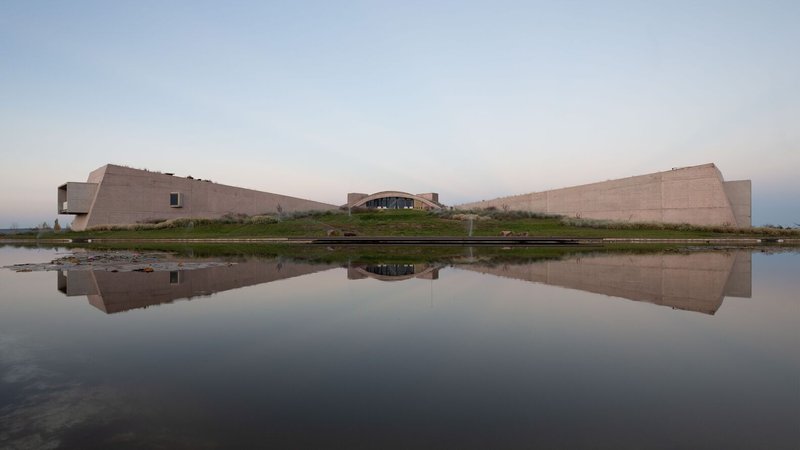
One of the standout features of Alpamanta Winery is its integration with the surrounding environment. The building is arranged in a rhombus shape, aligning with the cardinal directions to harness energy and light optimally. The east and west sides open towards stunning views, including a reflective water body and the Andes, creating a dialogue between the architecture and the natural world.
Architectural Details and Sustainability
Structure and Material Usage
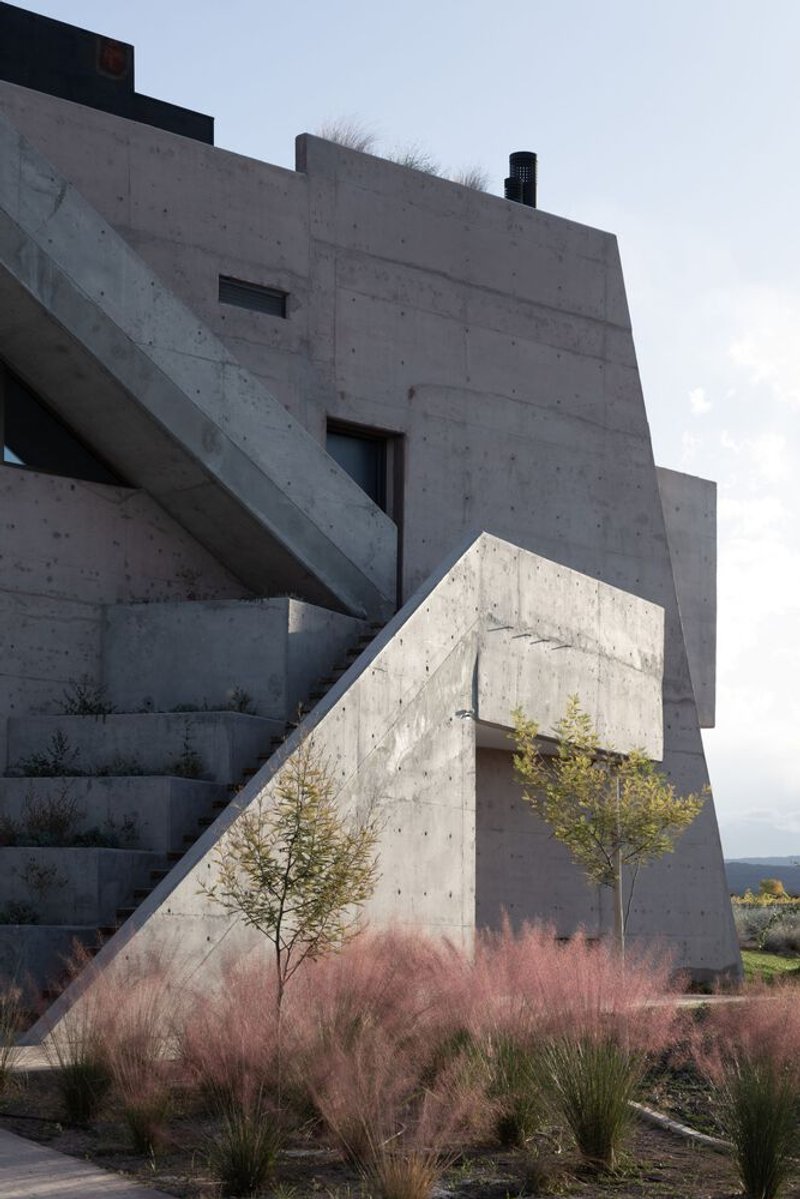
The use of sustainable materials and construction methods is central to the design ethos of Japaz Guerra Arquitectos. The winery features L-shaped arms that house the Tank Ships and the Bottle Ship, designed to maximize energy efficiency and minimize environmental impact. The materials selected, from local stone to recycled steel, reflect a commitment to environmental stewardship.
Green Roofing and Natural Insulation
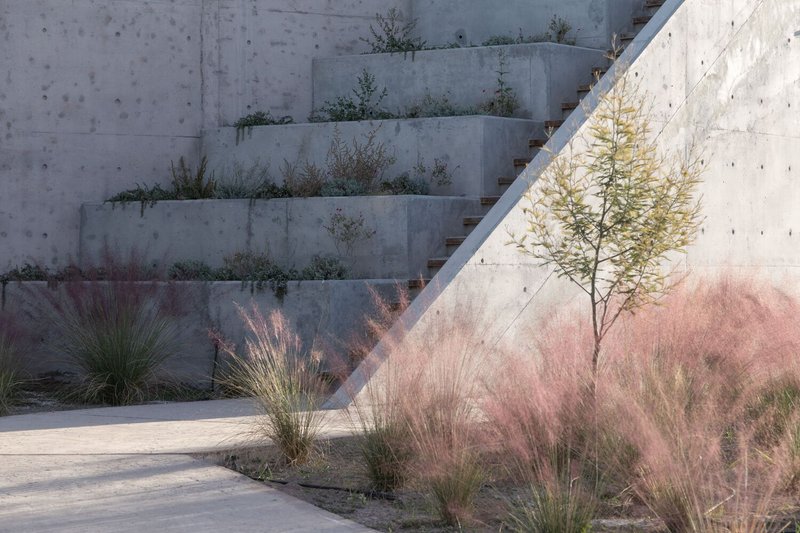
The green roofing system at Alpamanta is not just a design choice but a functional strategy to enhance energy conservation. By covering the roofs with vegetation, the winery benefits from natural insulation, reducing the need for artificial cooling and heating. This design choice significantly lowers the carbon footprint of the building.
Interior Design and Visitor Experience
Visitor Interaction with Space
The winery’s design emphasizes the visitor experience, with a helical ramp leading guests through the different levels of the winery, offering an immersive journey through the production areas. The entrance, positioned on a terrace, allows for panoramic views before descending into the heart of the winery, connecting visitors directly with the winemaking process.
Tasting Area and Event Space
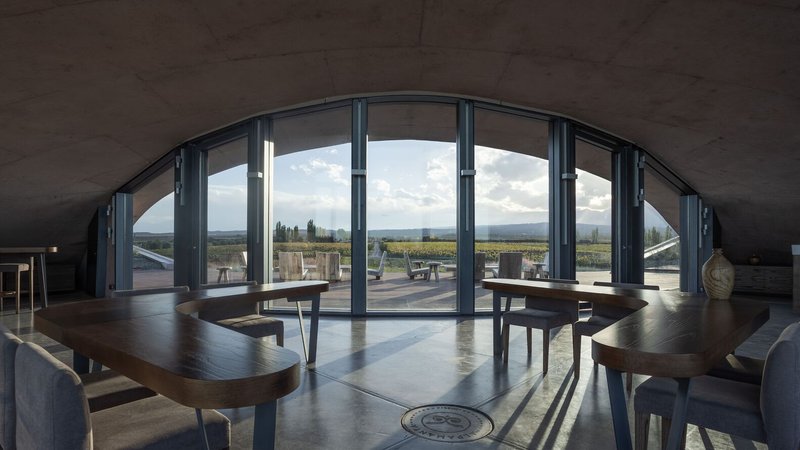
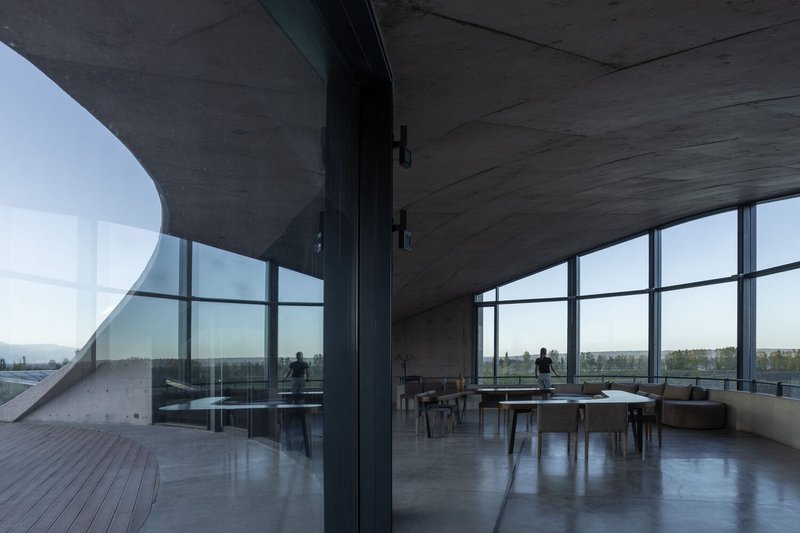
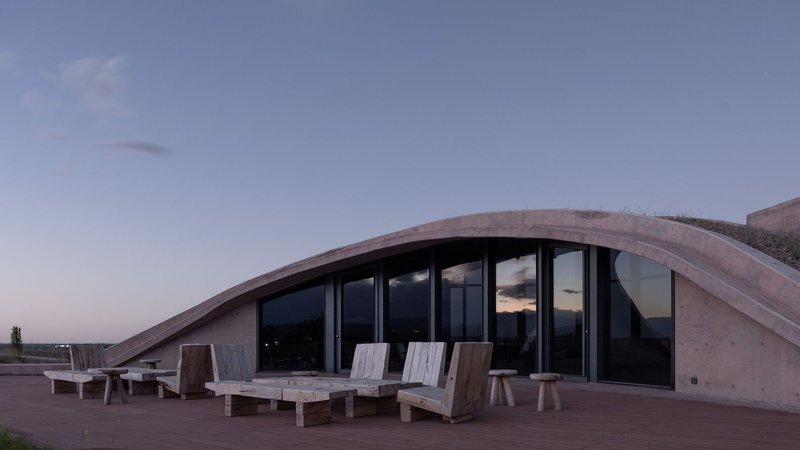
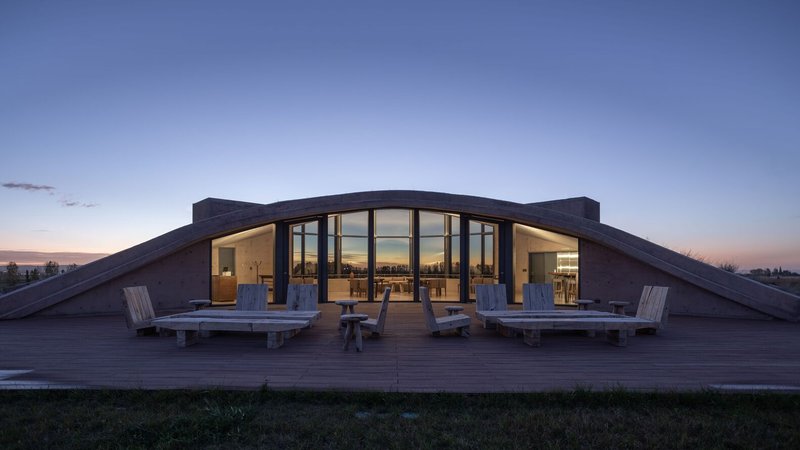
The tasting area serves as the focal point of the visitor experience, designed to blend seamlessly with the outdoor environment. The strategic positioning and vertical design facilitate a natural flow from the interior spaces to the outdoor amphitheater, ideal for events and concerts, with the natural backdrop enhancing the aesthetic and sensory experience.
The Future of Winery Design
Alpamanta Winery by Japaz Guerra Arquitectos is a testament to the potential of sustainable architecture in enhancing both functionality and environmental harmony. As the world moves towards more sustainable practices, the principles applied in the design of Alpamanta Winery provide valuable insights into how architecture can lead in the stewardship of our planet.
This approach not only elevates the winery’s brand as a leader in sustainability but also sets a benchmark for future projects in the wine industry and beyond, proving that practical sustainability and aesthetic brilliance can coexist harmoniously.
All the photographs are work of Luis Abba