
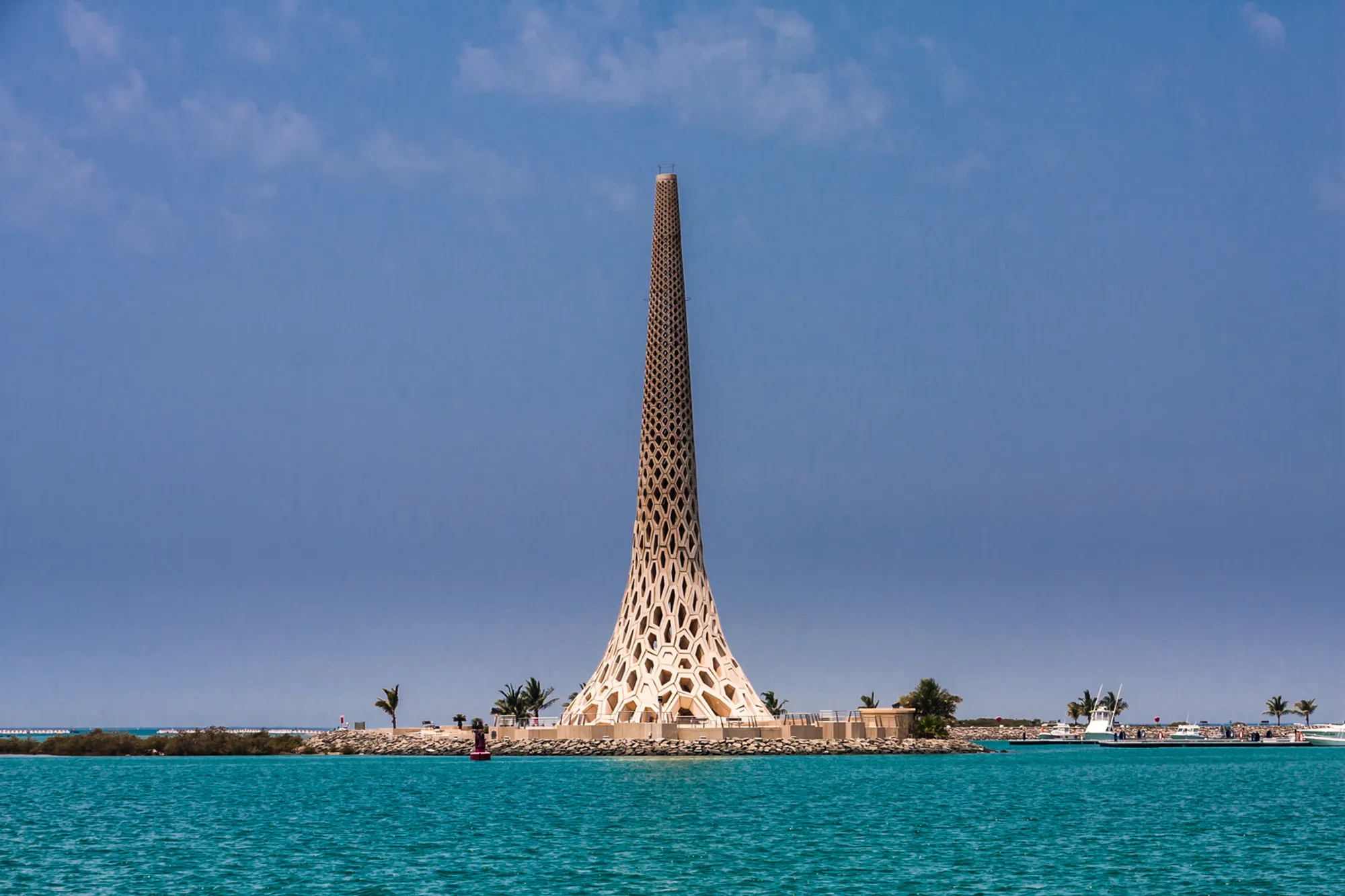
Architectural Innovations in Water-Scarce Environments: Crafting Sustainable Solutions
Can Architects Revolutionize Arid Environments with Water-Smart Designs?


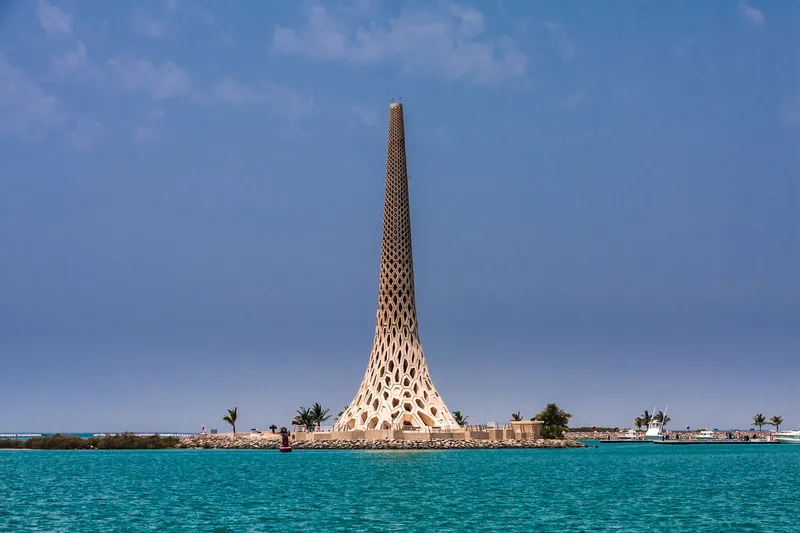
Arid environments are characterized by a severe lack of water and extremely dry weather conditions, receiving less than 25 cm of rain per year. In such extreme climates, the importance of water in architecture is heightened. The challenges posed by these vast, arid regions are immense.

For centuries, architects and designers have been developing innovative techniques, technologies, and structures to address the challenges of harsh desert landscapes and the vital need for water. Creative approaches have been devised to capture, store, and cool water in arid regions.
Uncover iconic buildings located in arid deserts around the world and investigate how their designs address the challenge of water scarcity in distinct and creative ways.

Designed to be a zero-carbon, zero-waste development, Masdar City is a sustainable urban scheme developed by Foster + Partners and constructed by Masdar in Abu Dhabi. Intended as a business hub and destination for tech companies, Masdar City incorporates many traditional Arab water management techniques, such as wind towers for cross ventilation and passive cooling. Commonly referred to as “the greenest city in the world,” the urban development is renowned for its wastewater institute at Khalifa University, and in the long term, the institution aims to perfect its collection of recovered rainwater and utilize desalination technology to recycle water.
Nestled along the red seacoast, KAUST is a private research university located in a desert environment. Not only is it the first mixed-gender university campus in Saudi Arabia, but it also owns and operates its own Seawater Reverse Osmosis Desalination Plant. To further enhance the outdoor environment, a water channel runs through the central pedestrian route, providing a cooling effect. In 2019, the university had 4,349 full-time students and faculty on campus, all of whom had their water needs met by the desalination plant, which produced a total of 147,449m3 of potable water.

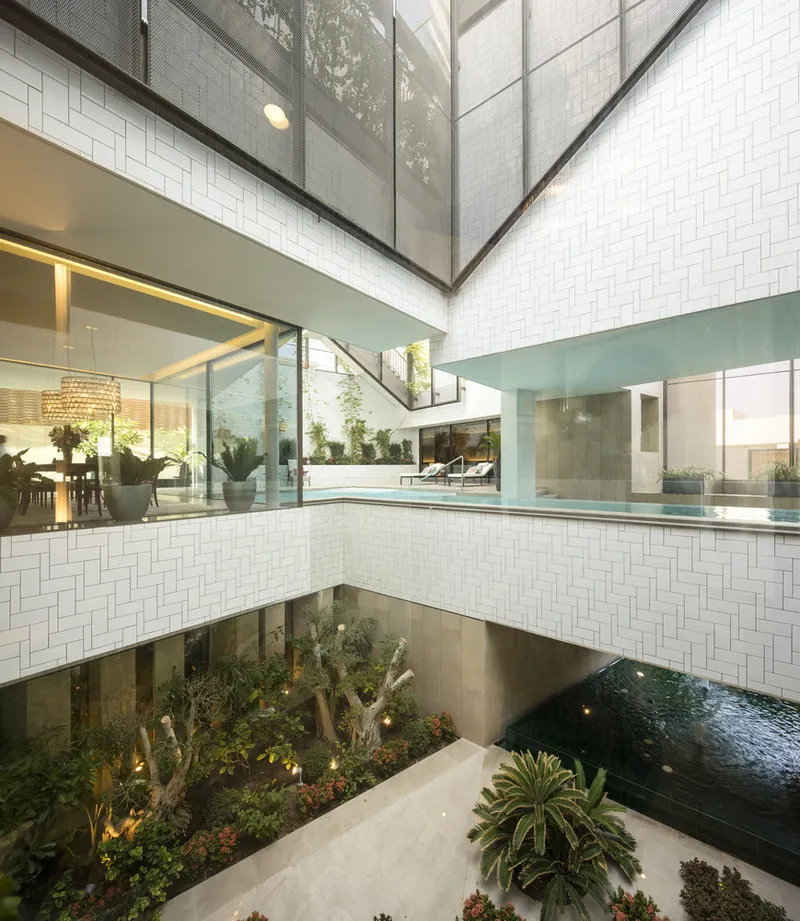
In the arid climate of Kuwait, this residence found a way to make use of the outdoors all year round by utilizing water and leveling. A wet garden was installed on the ground floor, providing a pleasant atmosphere during the hottest months and cooling the main social areas of the house. Located 4 meters below street level and shielded by the thermal mass of the soil, a large sheet of water was used to expedite the cooling of the air in the upper spaces. Additionally, the hot air was replaced by cooler air through the water beneath the earth via the central atrium.

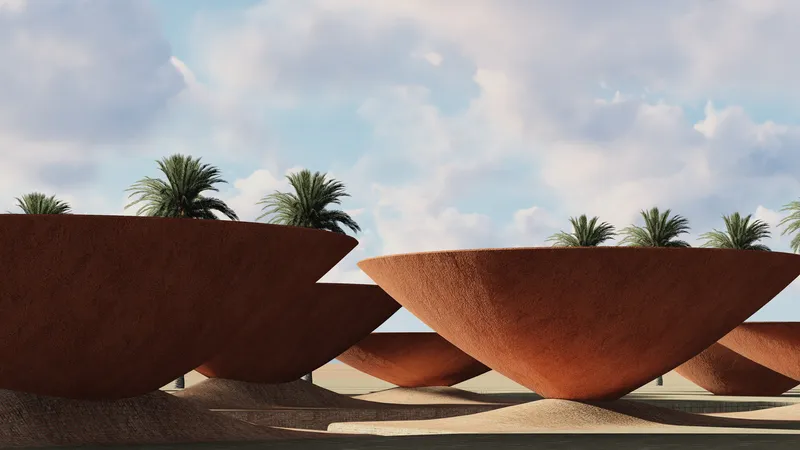
InDesign Studio, based in Kerman province's Jiroft, developed the "Concave Roof" to address Iran's water scarcity in arid regions. This infrastructure collects even the smallest amounts of rainwater and morning dew, preventing evaporation. As an example, a school with 923 m2 of roof area covered in the concave system yielded 28 cubic meters of water.
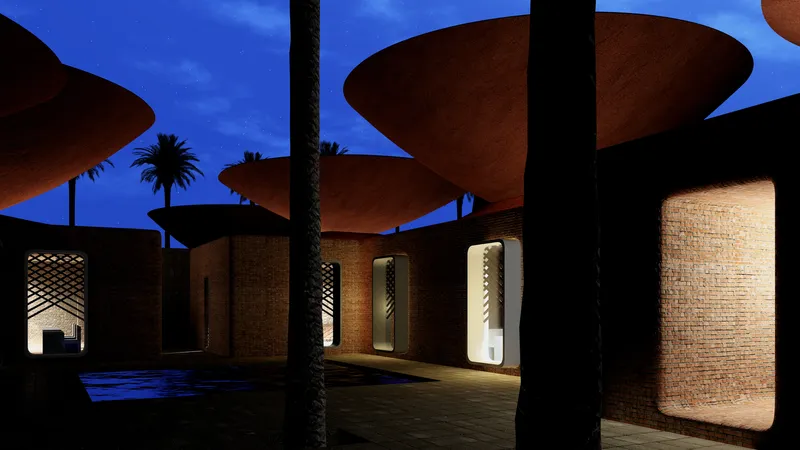
The structures depicted above demonstrate a variety of approaches to managing water in arid climates, such as desalination plants, passive cooling, water recycling, and precipitation harvesting. Examining water in structures located in arid regions broadens the scope of possibilities for architects and urban planners to develop innovative technologies that blend in with the surrounding landscape. As the world faces an ever-growing water crisis, there are numerous inventive ways to mitigate the harshness of arid environments through the judicious use of water. Water is an essential element of nature and design that should not be overlooked. It can be used to create comfortable temperatures, provide insulation, and generate new and versatile spatial experiences.



Popular Articles
Popular articles from the community


The Ocean Hive: Sustainable Architecture for a Self-Sufficient Civilization at Sea
The Ocean Hive imagines sustainable architecture at sea, where modular habitats, algae, wave power and ocean waste sustain a growing colony.

The Earth Pod: 3D Printed Homes for Resilient Refugee Communities
The Earth Pod reimagines refugee housing through 3D printed homes made from clay, combining resilience, self-sufficiency, and rapid shelter.

Conexión: Biophilic Design Reimagines High-Rise Living in Hong Kong
Conexión reimagines high-rise living in Hong Kong through biophilic design, green facades, shared spaces, daylight, water and nature within.

Co-life: Sustainable Architecture for Age-Friendly Community Living
Co-life reimagines sustainable architecture for seniors through courtyards, rammed earth, shared gardens, and spaces designed for belonging.


Similar Reads
You might also enjoy these articles

Day and Night Park: A Time-Based Urban Newsstand in Beijing
A temporary urban newsstand in Beijing blending travel, light, and reading through poetic colors, compact form, and community-focused design.

Modernist Patio Renovation in El Masnou, Barcelona by Oliver Segura Arquitectura + Cebrià Arquitectura
Modernist patio renovation blending tradition and innovation with a movable pool, leveled floors, and Catalan materials in El Masnou.

Alto Residencial Coop: Cooperative Housing Development in Santiago de Compostela by Carbajo Barrios Arquitectos
A linear cooperative housing complex blending white volumes and perforated metal façades, enhancing community living, natural light, privacy, and urban integration.
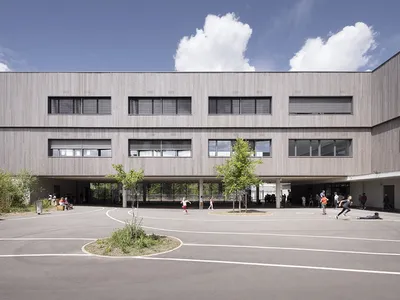
Vil Genis School by BPA ARCHITECTURE – Massy, France
Vil Genis School in Massy, France, features sustainable design, south-facing classrooms, community integration, accessible spaces, and modern educational architecture.


Explore Architecture for Water Competitions
Discover active competitions in this discipline



Challenge to reimagine the Iron Throne


Photograph architecture without architects


Illustrate the lost glory of Angkor Wat - Render Challenge


Design challenge to reuse E-waste
Comments (0)
Please login or sign up to add comments
No comments yet. Be the first to comment!