
Ballie Mosque in Elbasan: A Contemporary Revival of Ottoman HeritageBallie Mosque in Elbasan: A Contemporary Revival of
Ballie Mosque in Elbasan combines Ottoman tradition and modern architecture, using light, geometry, and materials to create contemplative, spiritual, community-focused spaces.


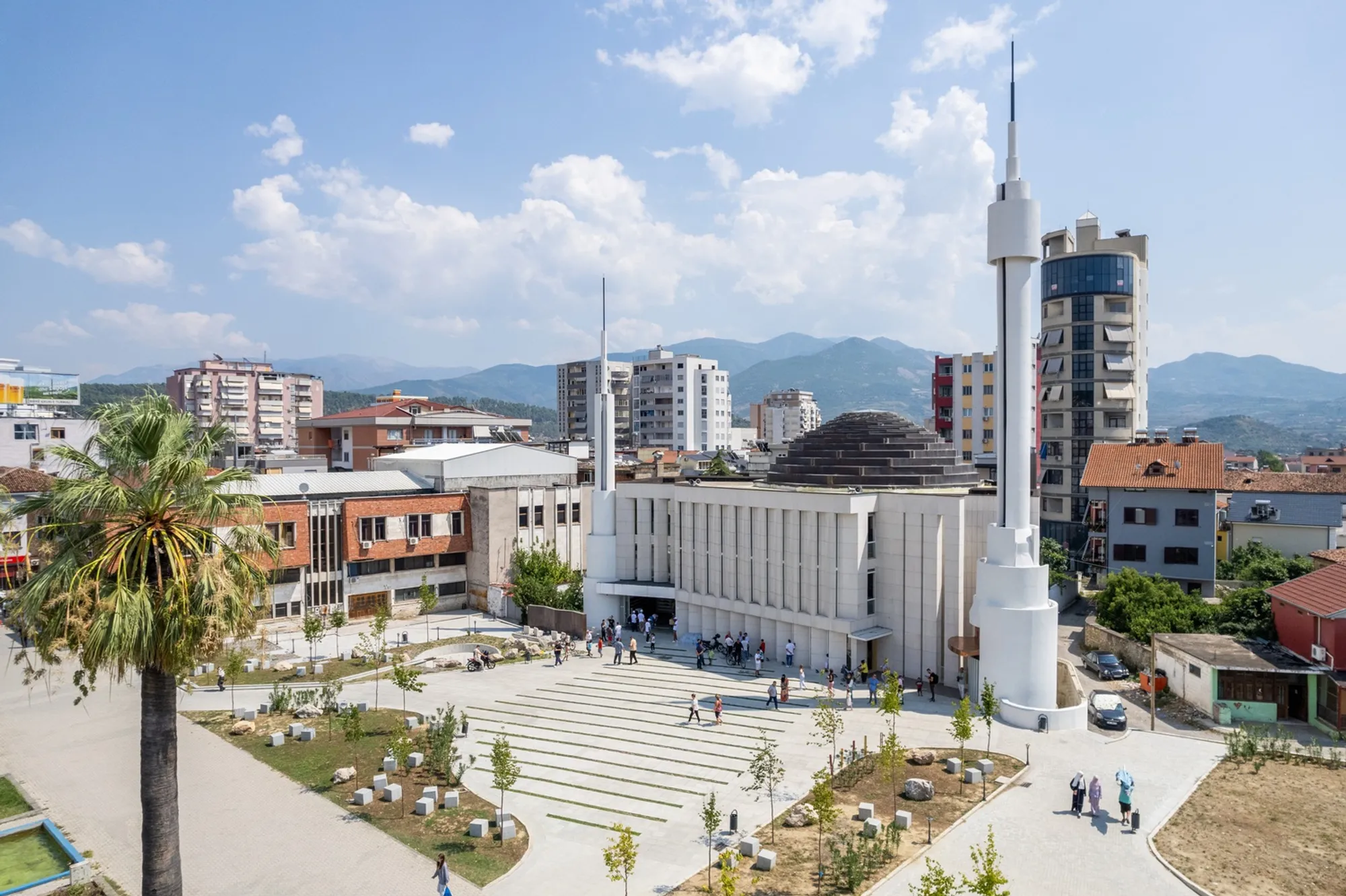
Located in the heart of Elbasan, Albania, the Ballie Mosque designed by Commonsense Studio stands as a contemporary symbol of faith, community, and architectural innovation. Completed in 2023, the mosque occupies a historic site along the central boulevard, parallel to the ancient Via Egnatia, and sits opposite the city’s 2000-year-old archaeological remains, the medieval castle, and a former communist-period theater, creating a unique intersection of historical eras.


Historical Context: From Destruction to Renewal
The site once hosted the Balizade Mosque, an Ottoman-era structure built in the 17th century. This mosque, once a defining feature of the cityscape near the old Bazaar and the Clock Tower, was demolished in 1967 during Albania’s communist regime, a period notoriously known as the “dark year” for religious expression. For five decades, the city lacked a central place of worship, until the Elbasan Muftiate commissioned the design of a new mosque to become the largest and most significant religious space in the city.
Initially, there were requests to replicate the old Balizade Mosque or adopt a classical Ottoman style. After extensive discussions, it was agreed that the new mosque would embrace contemporary architectural approaches, creating a building that resonates with modern urban life while honoring the city’s cultural and religious heritage.

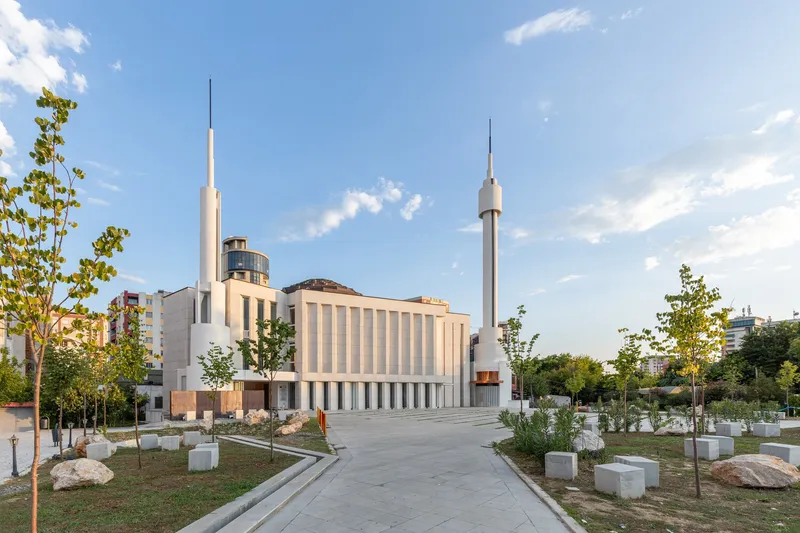
Design Philosophy: Light, Geometry, and Spiritual Experience
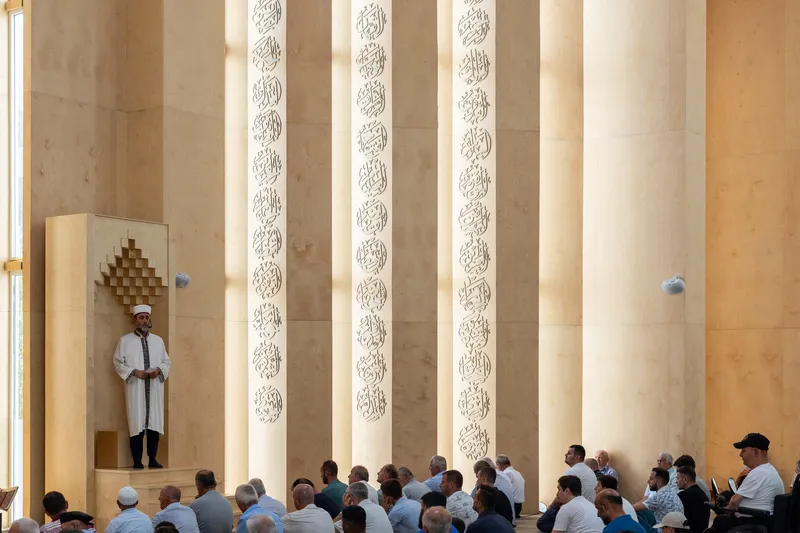
At the core of the Ballie Mosque’s design is a thoughtful approach to spatial experience and human engagement. Geometry, a timeless tool in Islamic art and architecture, informs every aspect of the mosque, from the facades and domes to the minarets, ensuring that traditional forms are reinterpreted for a modern context.
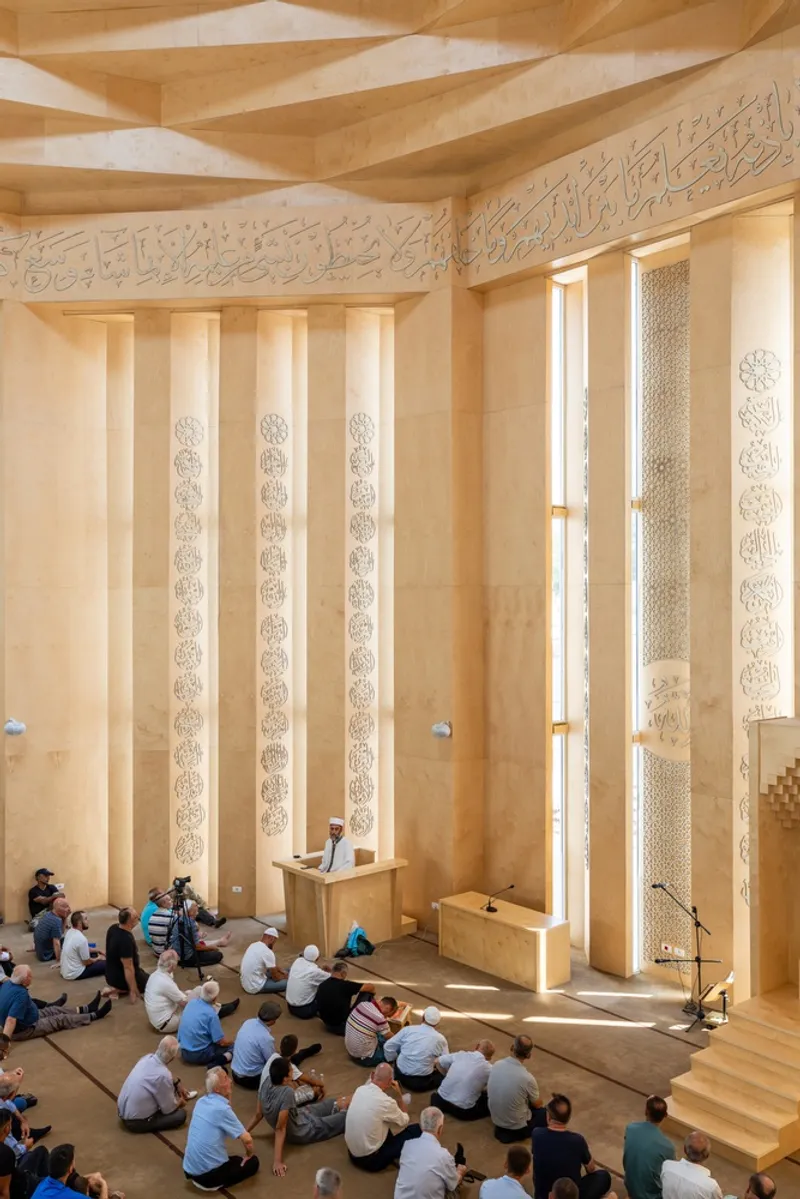

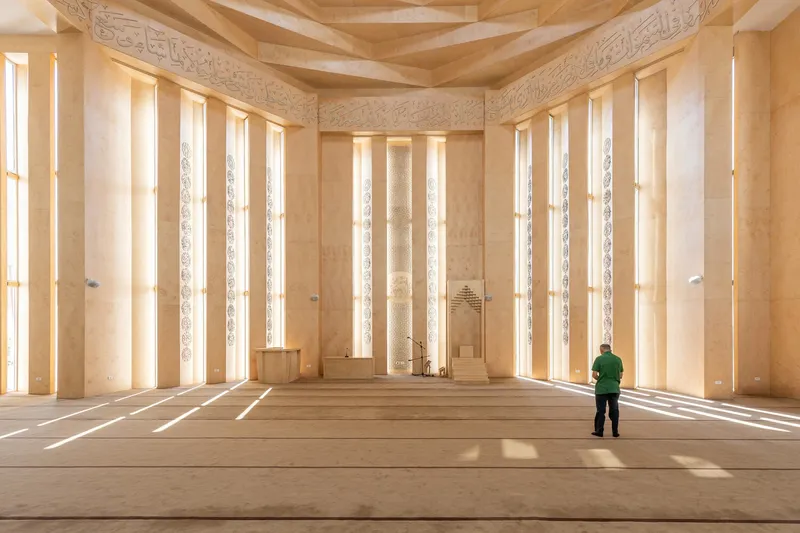
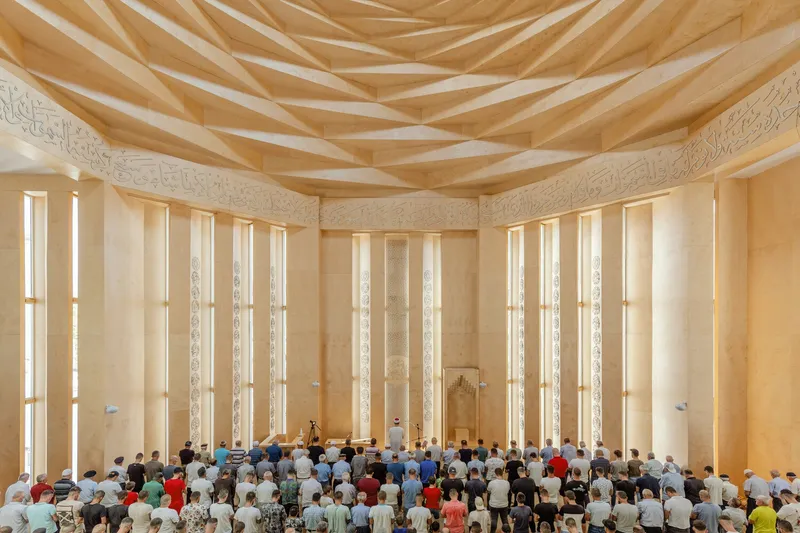
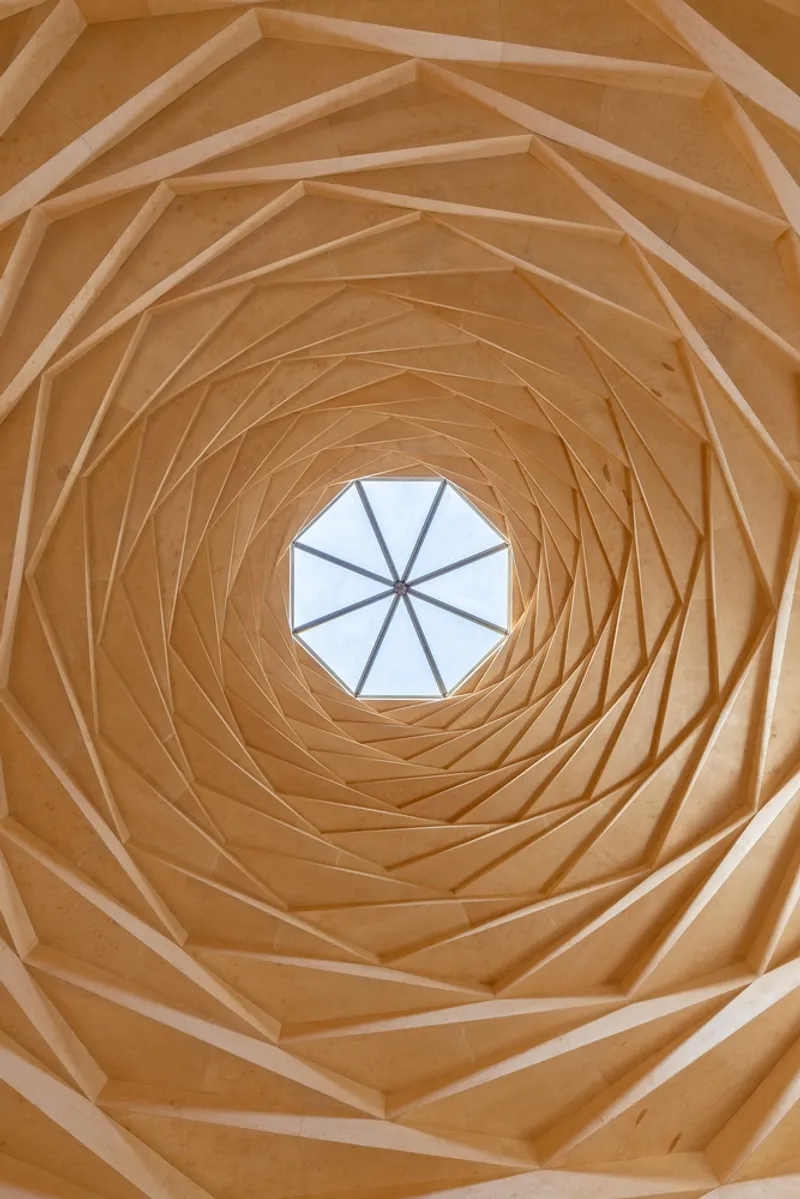
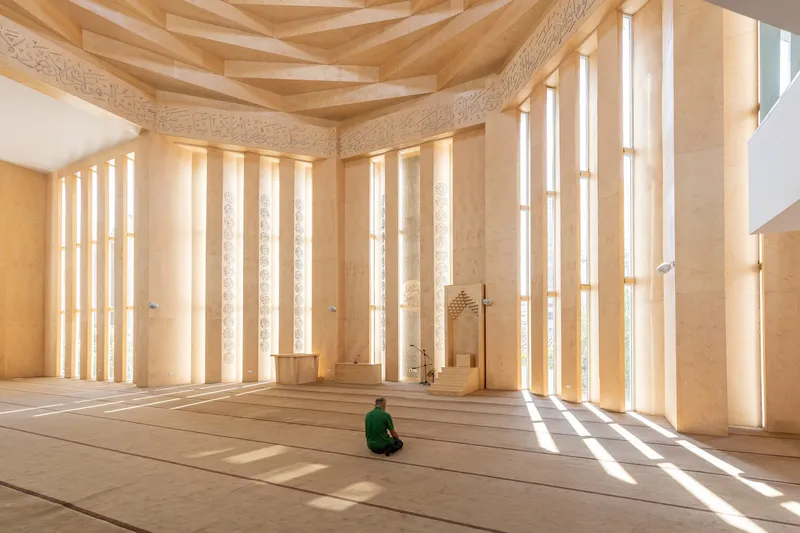
The interior is designed as a journey of introspection. Natural light enters the mosque through carefully positioned openings, revealing itself gradually and shifting throughout the day. This dynamic interplay of light and shadow evokes the passage of time, reflecting a fundamental element of Islamic consciousness and offering visitors a meditative, spiritual experience.

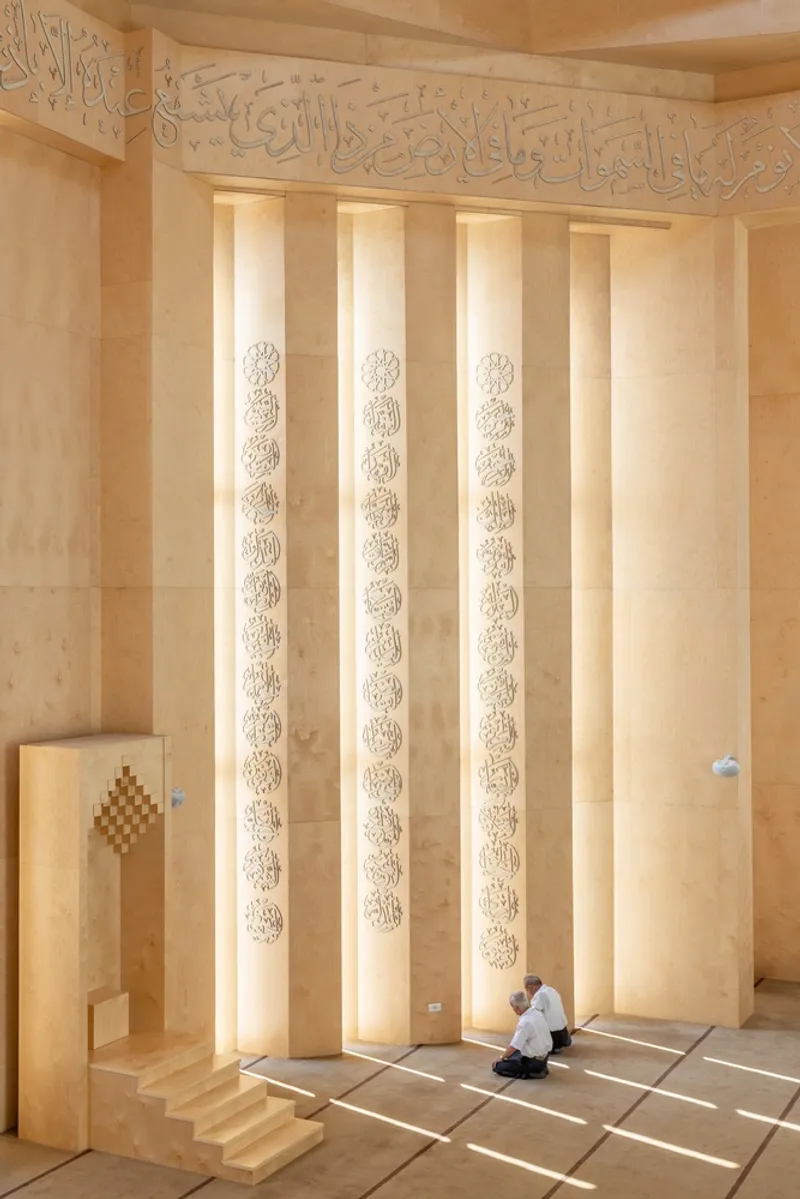
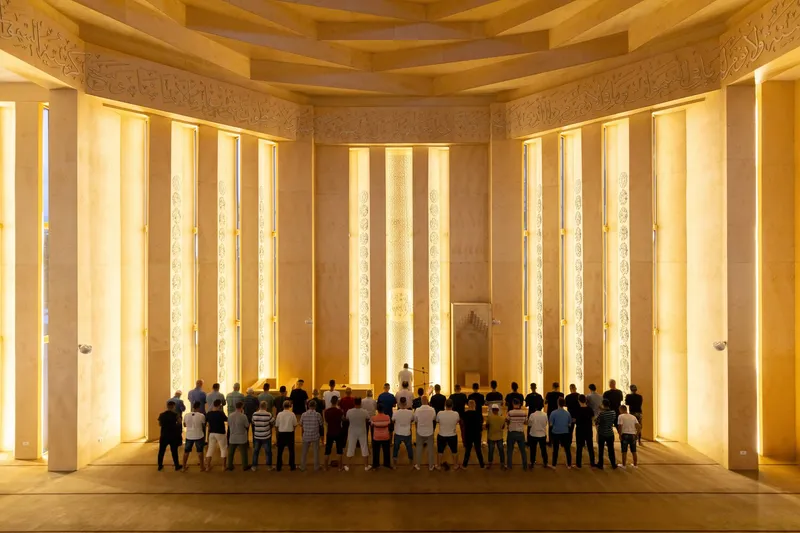
Materiality and Timelessness
The selection of materials emphasizes durability, warmth, and transformation over time. The exterior marble conveys permanence, while the copper dome develops a patina over the years, symbolizing dignity and the passage of time. Inside, wooden surfaces and abundant natural light create a welcoming, contemplative environment that continually shifts in tone, fostering spiritual reflection and inner calm.

Functionality and Community Engagement
The Ballie Mosque accommodates a large congregation, with prayer areas capable of holding approximately 1,700 worshippers. Including the public square in front, the mosque can host up to 4,600 visitors, positioning it as a vital community hub for religious and social gatherings. By integrating modern design strategies with functional spaces, the mosque fosters cultural engagement and strengthens collective identity.


A Bridge Between Tradition and Modernity
The Ballie Mosque exemplifies how architectural heritage can shape contemporary identity. Its innovative design merges tradition with modernity, encouraging dialogue across cultural and temporal boundaries. By rejecting mere historical replication, the mosque stands as a catalyst for creativity, spirituality, and community cohesion, reflecting the evolving role of religious spaces in today’s society.


All photographs are works of
Besart Cani


Popular Articles
Popular articles from the community


Conexión: Biophilic Design Reimagines High-Rise Living in Hong Kong
Conexión reimagines high-rise living in Hong Kong through biophilic design, green facades, shared spaces, daylight, water and nature within.
EW PARK: Sustainable Architecture Reimagines the Future of Urban Parking
EW PARK reimagines city parking as a modular wooden tower combining automation, solar energy, electric mobility, and adaptable urban design.

Co-life: Sustainable Architecture for Age-Friendly Community Living
Co-life reimagines sustainable architecture for seniors through courtyards, rammed earth, shared gardens, and spaces designed for belonging.

The Musturak Paradise: Senior Living Architecture for a Connected Future in Temara, Morocco
The Musturak Paradise reimagines senior living architecture in Temara via private homes, social spaces, culture, community, and shared care.


Similar Reads
You might also enjoy these articles

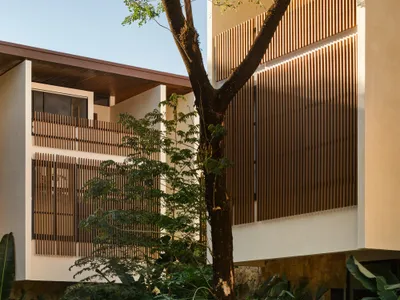
FAMM Arquitectura Organizes Ten Villas Around Courtyards and Jungle in Nosara, Costa Rica
El Molino pairs two elongated volumes with deep overhangs and timber louvers to build a compact coastal community five minutes from the beach.
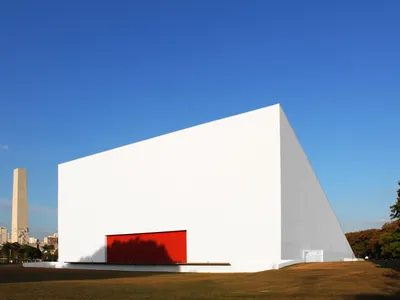
Oscar Niemeyer's Ibirapuera Park Pavilions Define São Paulo's Cultural Identity in Concrete and Curve
A constellation of modernist volumes set within São Paulo's most important urban park, conceived for the city's 400th anniversary in 1954.
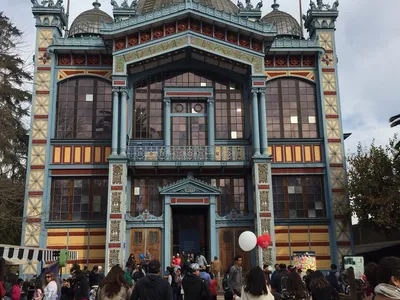
How Henri Picq's 1889 Paris Pavilion Traveled 11,000 Kilometers to Become Santiago's Artequín Museum
A prefabricated iron and glass pavilion built for the Paris Universal Exposition found a second life as a children's art museum in Chile.
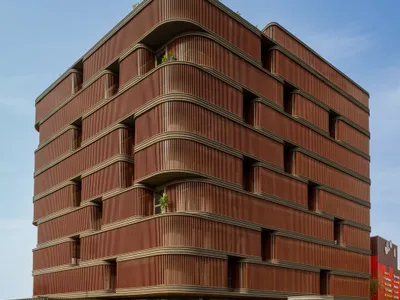
Sanjay Puri Architects Wraps a Jaipur Office Tower in Capsule-Shaped Green Buffers
A nine-level climate-responsive workplace near Jaipur Airport uses stacked planter terraces and aluminium screens to fight 40°C heat.
Explore Architecture Competitions
Discover active competitions in this discipline



Challenge to reimagine the Iron Throne


Photograph architecture without architects


Illustrate the lost glory of Angkor Wat - Render Challenge


Design challenge to reuse E-waste
Comments (0)
Please login or sign up to add comments
No comments yet. Be the first to comment!