Bamboo Architecture in the Maldives: A Sustainable Design Revolution
Explore the rise of bamboo architecture in the Maldives, highlighting sustainable design, the Overwater Bamboo Restaurant, and environmental benefits.


Bamboo Architecture in the Maldives
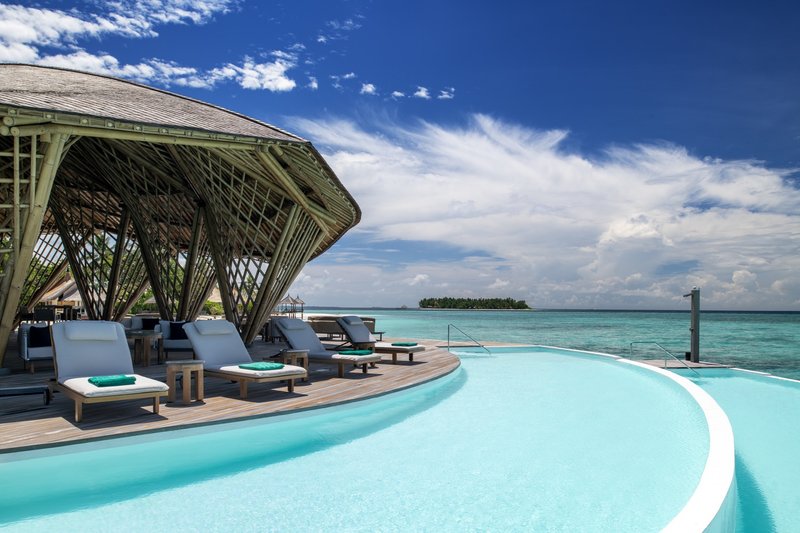
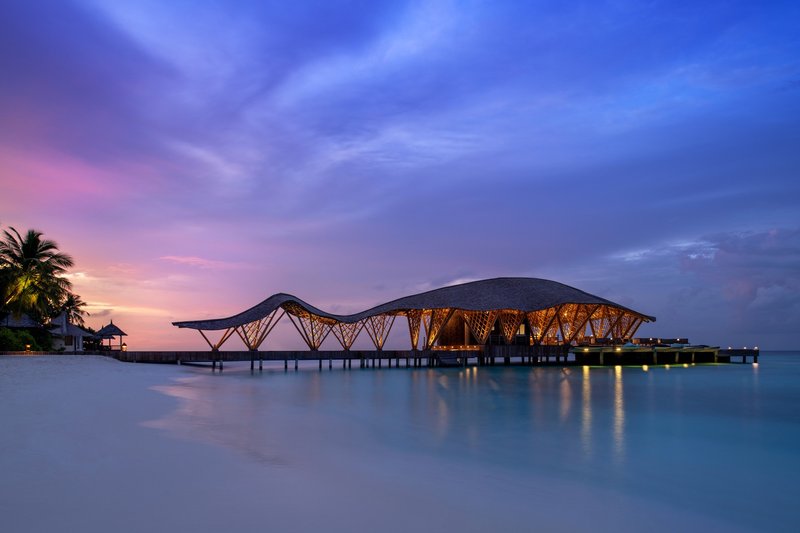
Bamboo architecture is becoming a key player in sustainable design, especially in areas like the Maldives, where eco-conscious construction is paramount. The Overwater Bamboo Restaurant in the Maldives, designed by Atelier Nomadic, exemplifies the innovative potential of bamboo in modern architecture. Not only does it showcase the aesthetic beauty of this renewable material, but it also embodies sustainable practices that align with the Maldives' environmental goals.
This groundbreaking restaurant, completed in 2023, serves as a prime example of bamboo architecture blending tradition and modernity to create functional, eco-friendly, and visually striking structures. In this article, we will explore the growing trend of bamboo architecture in the Maldives and its significant role in shaping the future of sustainable construction.
The Overwater Bamboo Restaurant: A Case Study
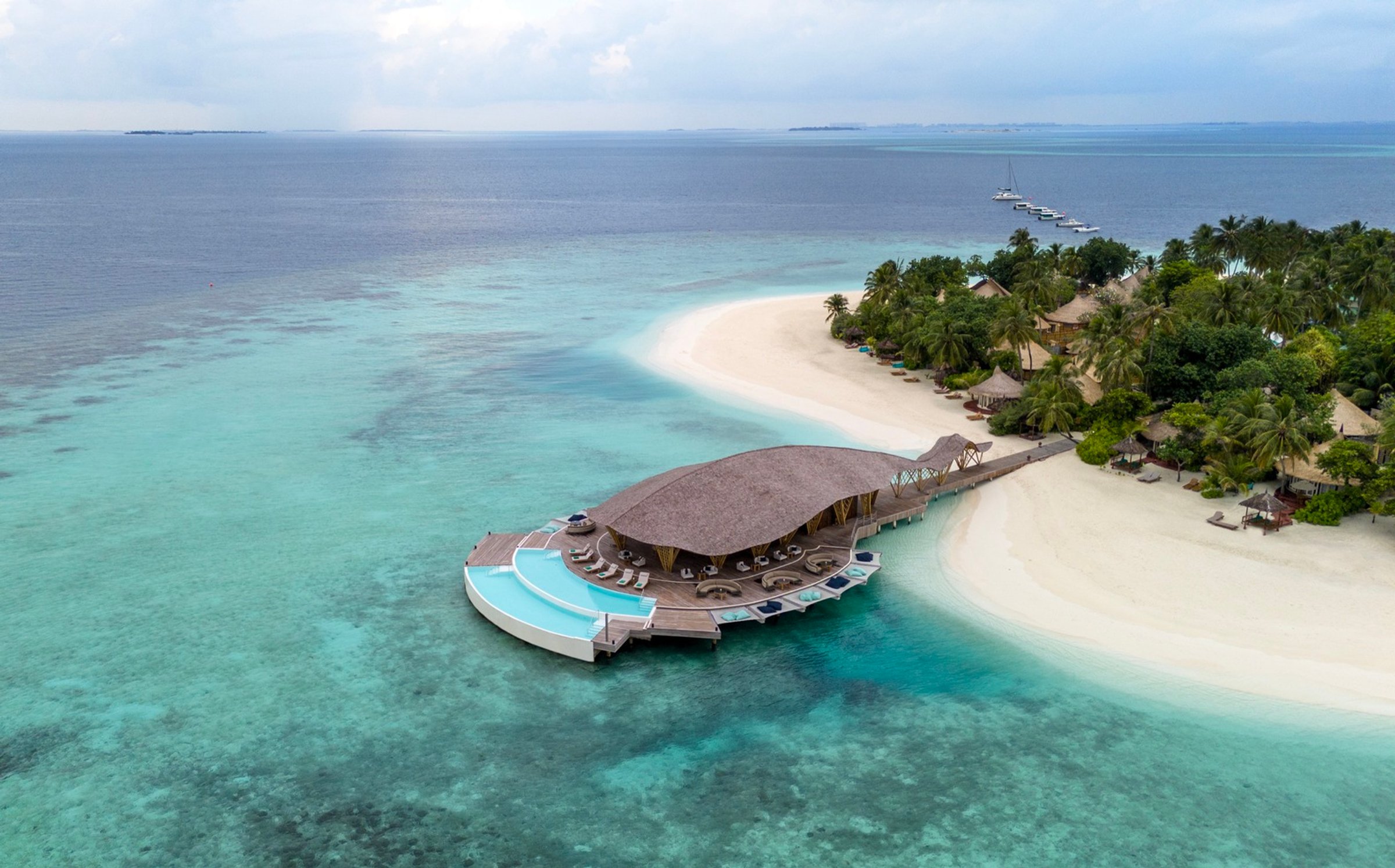
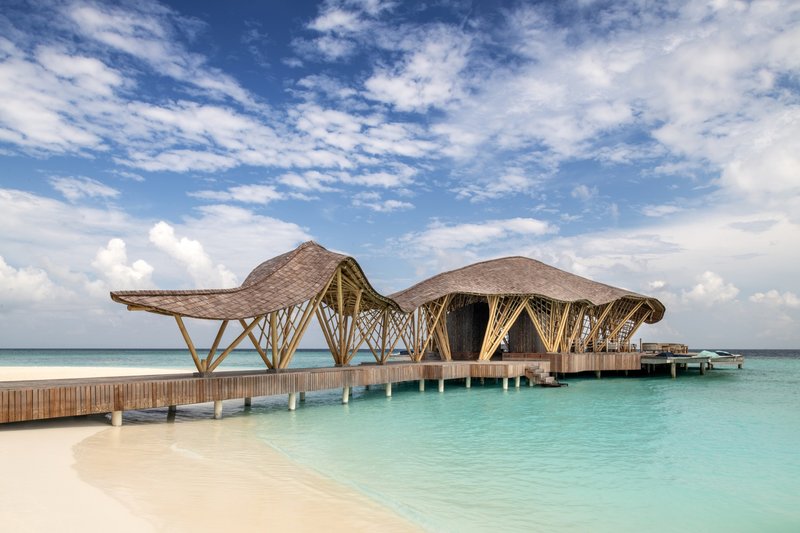
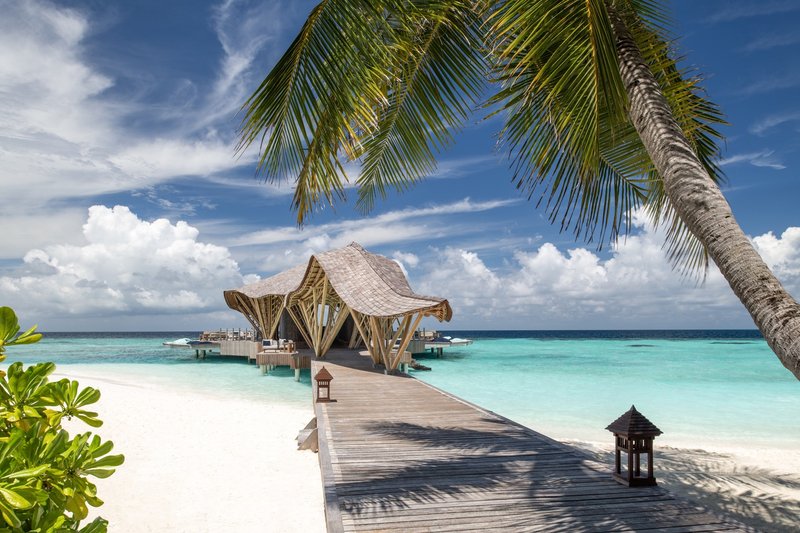
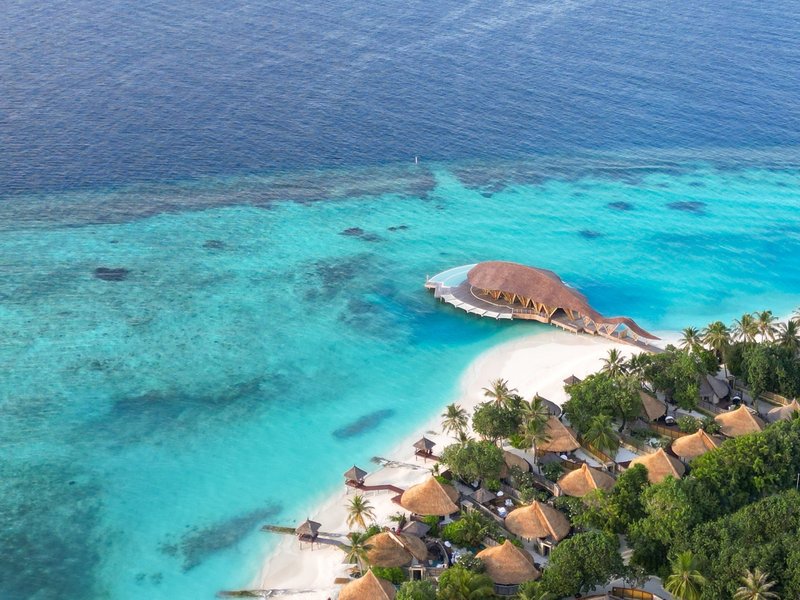
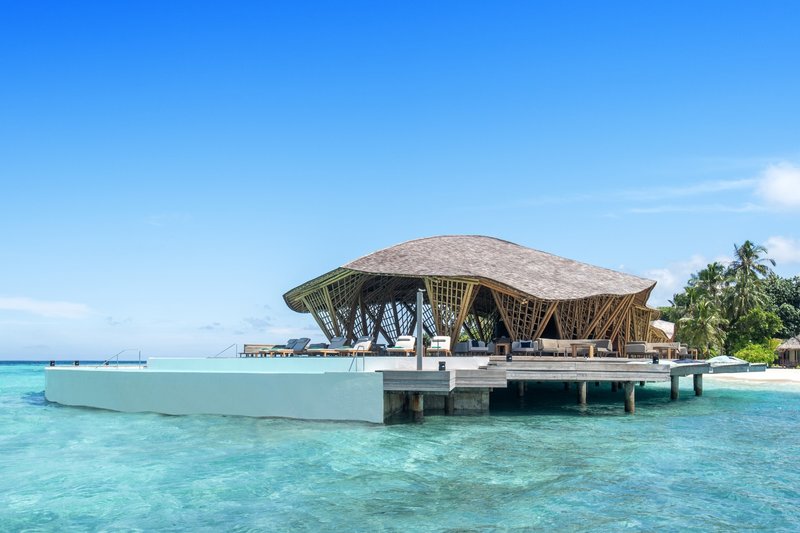
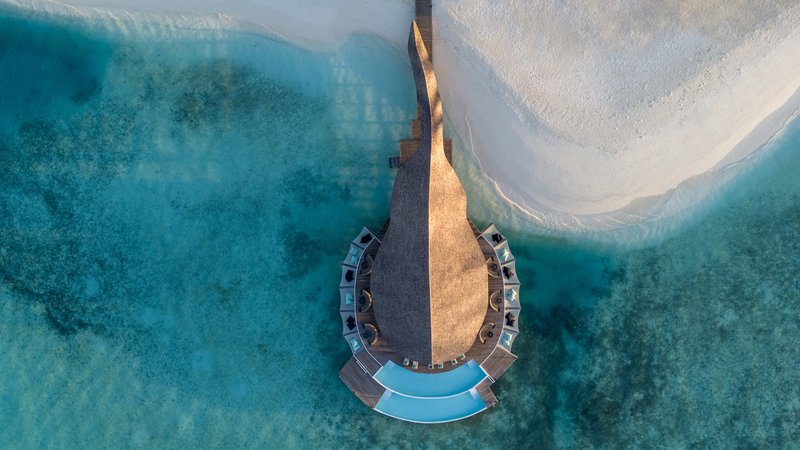
One of the most notable examples of bamboo architecture in the Maldives is the Overwater Bamboo Restaurant by Atelier Nomadic. Situated at the Banyan Tree Vabinfaru resort, this structure was designed to revamp an existing jetty, transforming it into an iconic dining experience. The design draws inspiration from the surrounding lagoon's delicate marine life, particularly the Pink Whiprays (Pateobatis fai), creating an architectural masterpiece that mimics the sleek and graceful nature of these sea creatures.
The restaurant's use of bamboo is not only aesthetic but also functional. Bamboo, a material that has been used for thousands of years in various cultures, is increasingly recognized for its sustainability. It is fast-growing, renewable, and an effective carbon sink—qualities that make it a valuable resource for the future of construction, especially in eco-sensitive regions like the Maldives.
Benefits of Bamboo in Architecture
1. Sustainability and Carbon Sequestration
Bamboo is one of the fastest-growing plants on Earth, making it an ideal material for sustainable architecture. It can be harvested without damaging ecosystems, and its rapid growth rate allows it to be replenished quickly, ensuring a steady supply of material. Furthermore, bamboo acts as an effective carbon sink, absorbing more carbon dioxide than many traditional building materials. This makes it a key component in the fight against climate change.
2. Natural Ventilation and Bioclimatic Design
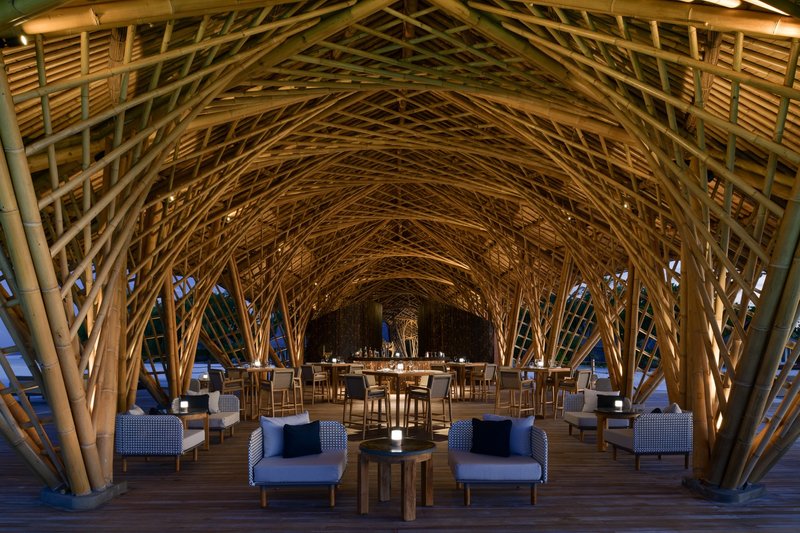
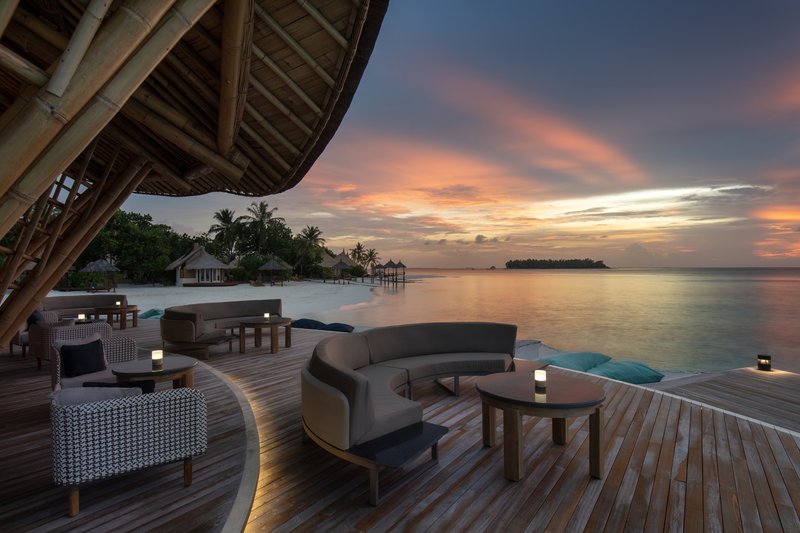
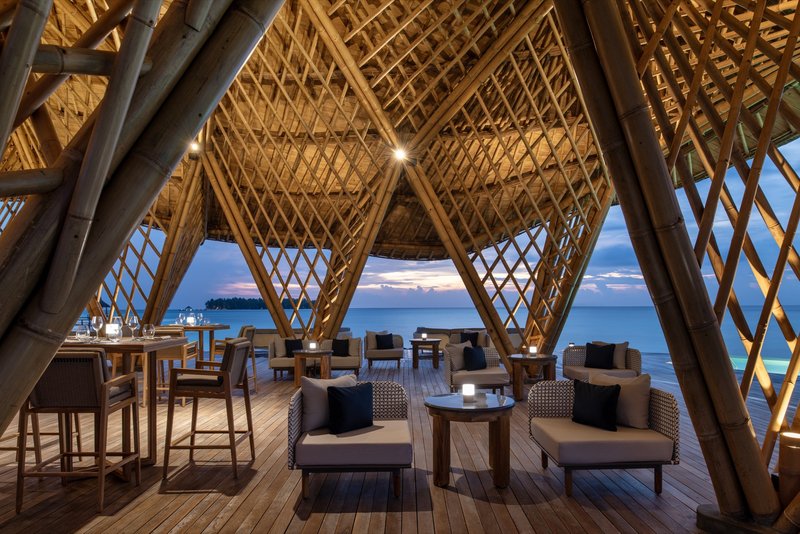
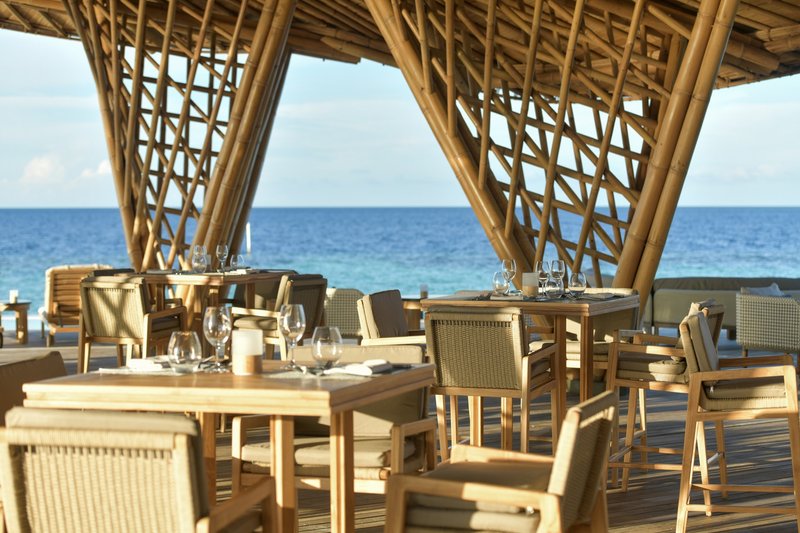
Bamboo structures, such as the Overwater Bamboo Restaurant, often incorporate bioclimatic design principles, which emphasize the use of natural ventilation and passive cooling. The restaurant's design takes advantage of the Maldives' tropical climate, allowing the building to stay cool without the need for excessive energy consumption. The bamboo ribs and open spaces allow for the free flow of air, reducing reliance on air conditioning and contributing to a more sustainable energy footprint.
3. Aesthetic and Cultural Appeal
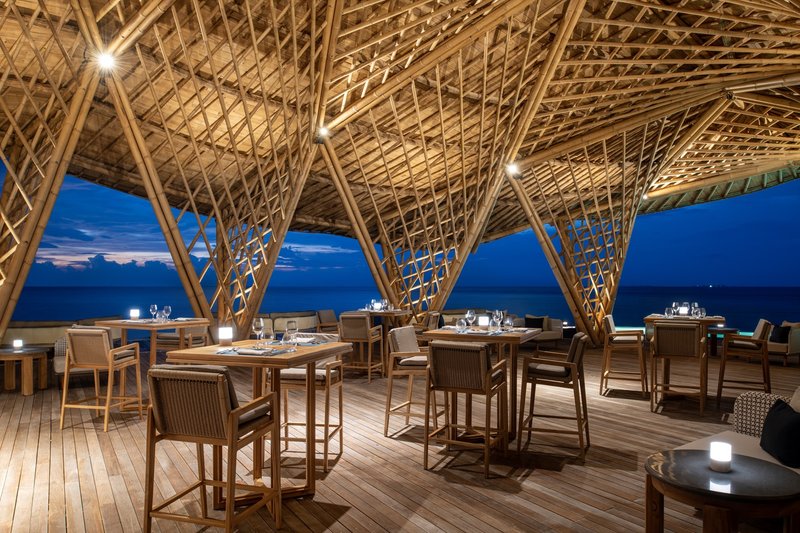
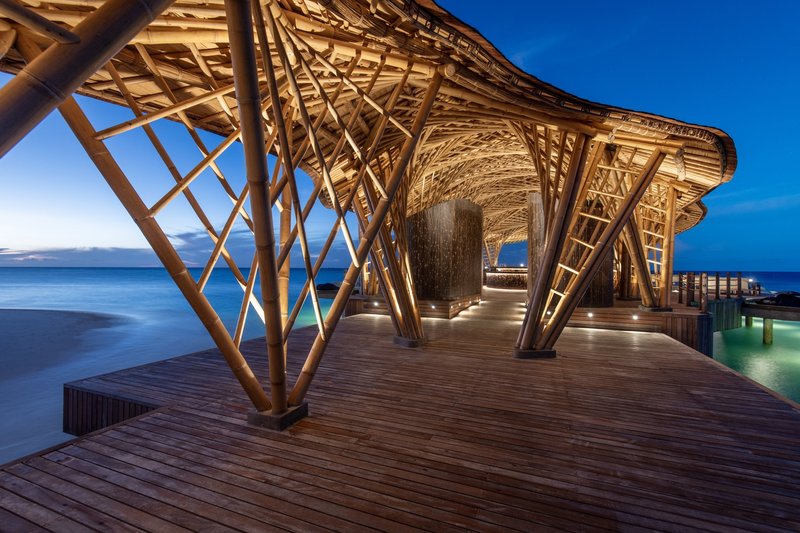
Bamboo architecture blends seamlessly into natural environments, offering a striking visual appeal that complements the surrounding landscape. The Madi Hiyaa restaurant’s bamboo structure, for example, reflects the natural beauty of the Maldives while also paying homage to the Dhivehi language. "Madi" means "ray," and "Hiyaa" means "shelter," symbolizing the harmony between the structure and the natural world.
Bamboo Architecture in the Maldives: A Growing Trend
The Maldives is increasingly embracing bamboo architecture as part of its commitment to sustainability and environmental conservation. As a nation facing rising sea levels and the impacts of climate change, the Maldives is turning to eco-friendly building materials to minimize its carbon footprint and preserve its unique ecosystems.
Bamboo’s role in Maldives architecture is particularly significant in coastal and island developments. The Overwater Bamboo Restaurant stands as a prime example of how bamboo can be used in iconic, overwater structures that complement the natural surroundings. The use of bamboo allows for the creation of stunning, sustainable buildings that can withstand the harsh tropical climate while minimizing environmental impact.
The Future of Bamboo Architecture in the Maldives
The growing popularity of bamboo architecture in the Maldives signals a broader trend toward more sustainable construction methods worldwide. As architects and designers explore new ways to incorporate bamboo into their projects, it is likely that we will see more buildings in the Maldives and other tropical regions embracing this versatile material.
Bamboo's ability to create beautiful, durable, and sustainable structures makes it an ideal choice for future projects in the Maldives. Whether it is for hotels, resorts, or public buildings, bamboo architecture offers a perfect balance between functionality and aesthetics, ensuring that buildings blend harmoniously with the natural environment.
Bamboo as a Sustainable Building Material
The Overwater Bamboo Restaurant is not just a striking example of architectural innovation, but also a testament to the potential of bamboo architecture in shaping a more sustainable future. By choosing bamboo, architects can create buildings that are not only environmentally friendly but also visually stunning and culturally resonant. As the Maldives continues to embrace bamboo in its architectural designs, we can expect more sustainable and eco-conscious buildings that reflect the beauty of the natural world.
By prioritizing sustainable materials like bamboo, architects can help mitigate the environmental impact of construction while creating lasting, beautiful structures that harmonize with the landscape. The future of architecture in the Maldives and beyond lies in the hands of designers who are willing to embrace materials like bamboo, ensuring a greener and more sustainable built environment for generations to come.