Baroque Museum Architecture: A Modern Intervention by David Closes
Exploring architect David Closes's modern intervention in Catalonia's Baroque Museum, blending contemporary design with historical architecture in Manresa, Spain.


Baroque Museum Architecture not only encapsulates the grandeur of a bygone era but also offers a canvas for modern architectural innovation. In Manresa, Spain, the Baroque Museum of Catalonia stands as a testament to such innovation, thanks to the visionary work of architect David Closes. This article explores the entrance façade of the museum, showcasing how contemporary design techniques can breathe new life into historical settings.
David Closes's Architectural Vision
A Blend of Past and Present
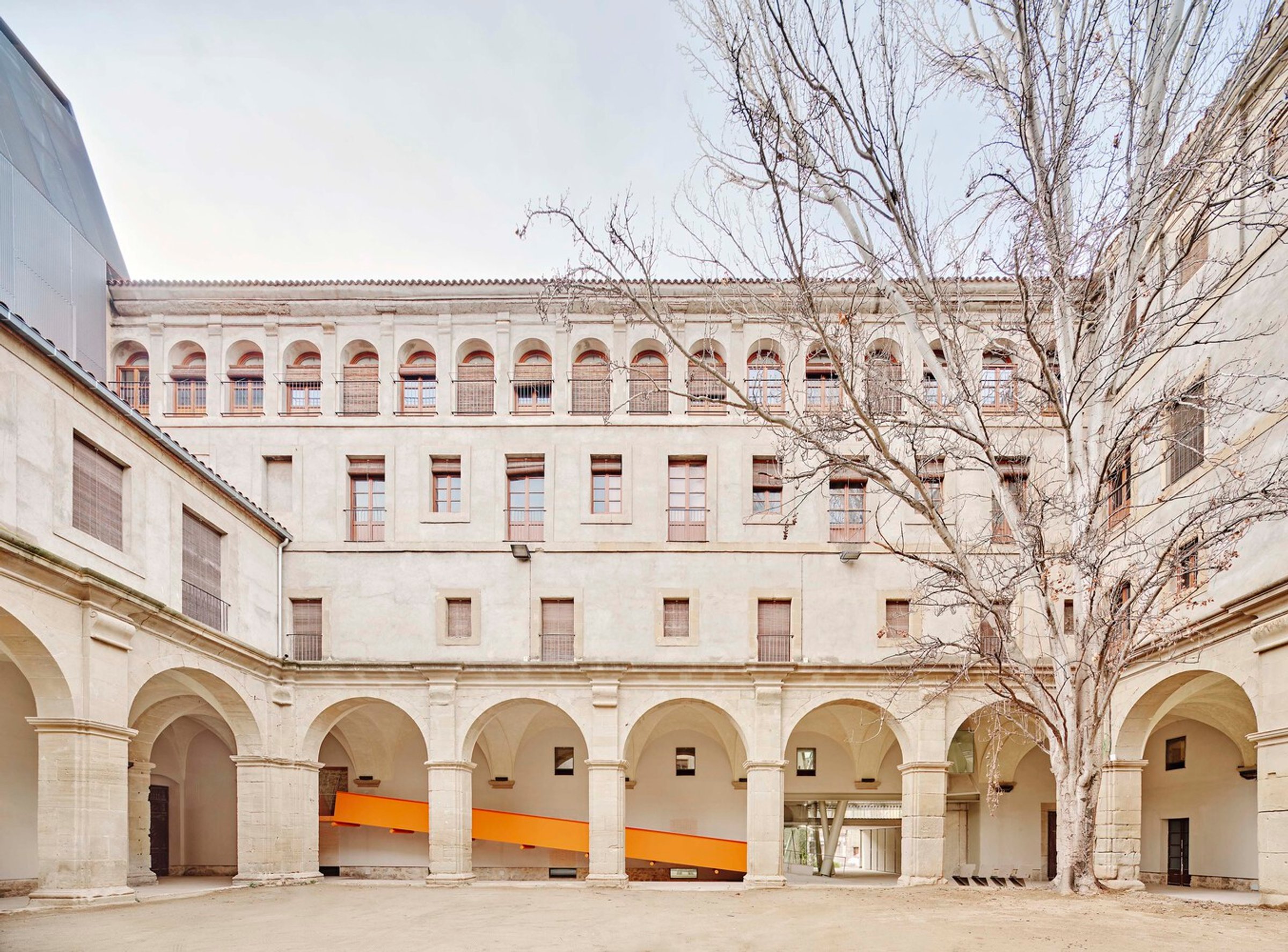
In the heart of Catalonia, architect David Closes embarked on a transformative project - the renovation of the old Jesuit college to house the Baroque Museum of Catalonia and Manresa’s City History Museum. With a keen eye for detail and a deep respect for historical architecture, Closes's work at the museum exemplifies how modern interventions can complement baroque museum architecture.
The Challenge of Preserving History
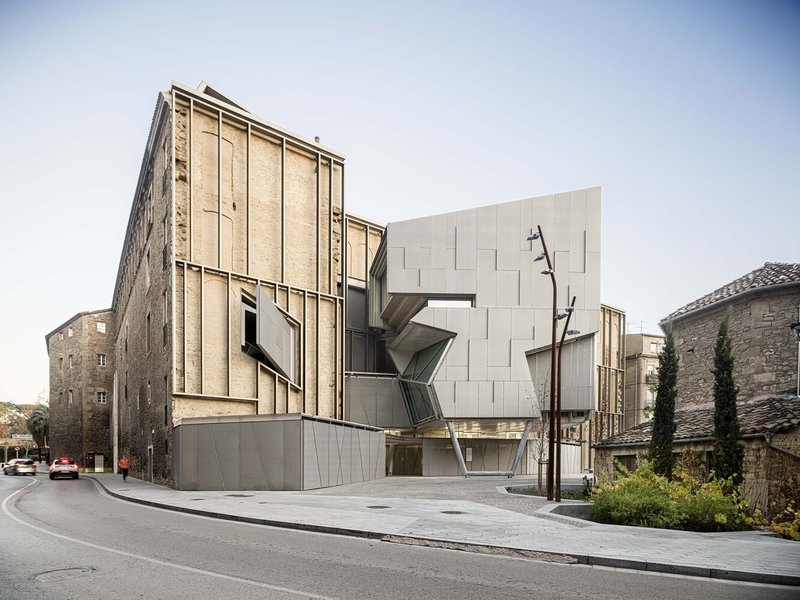
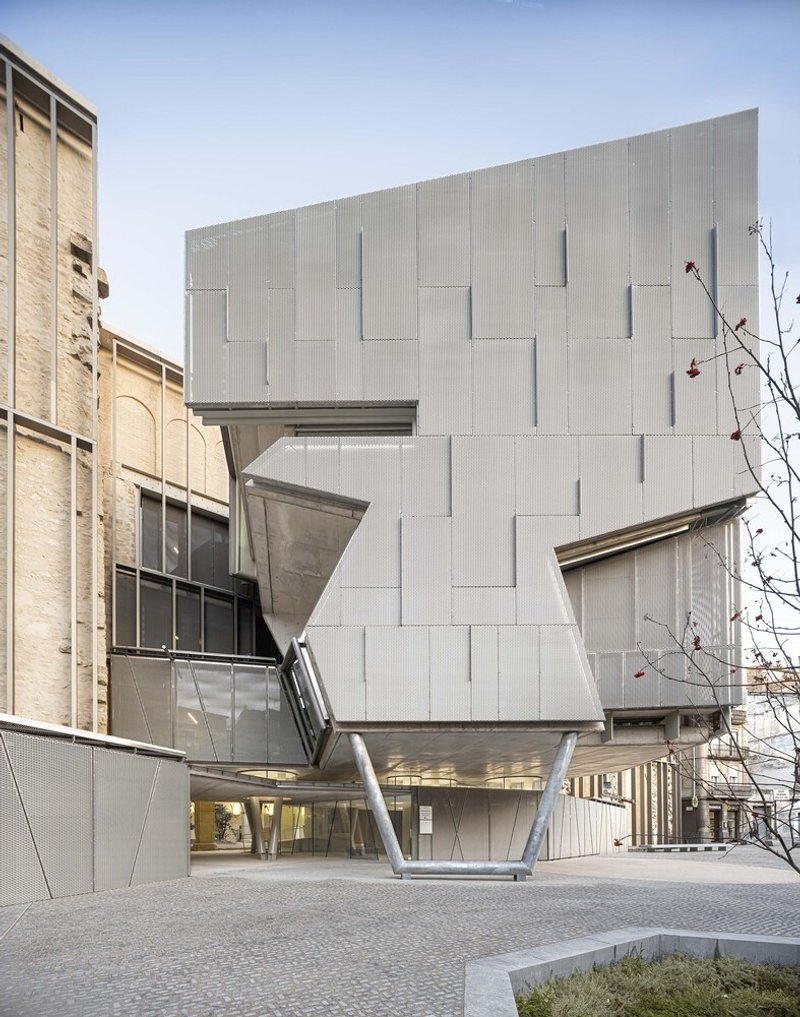
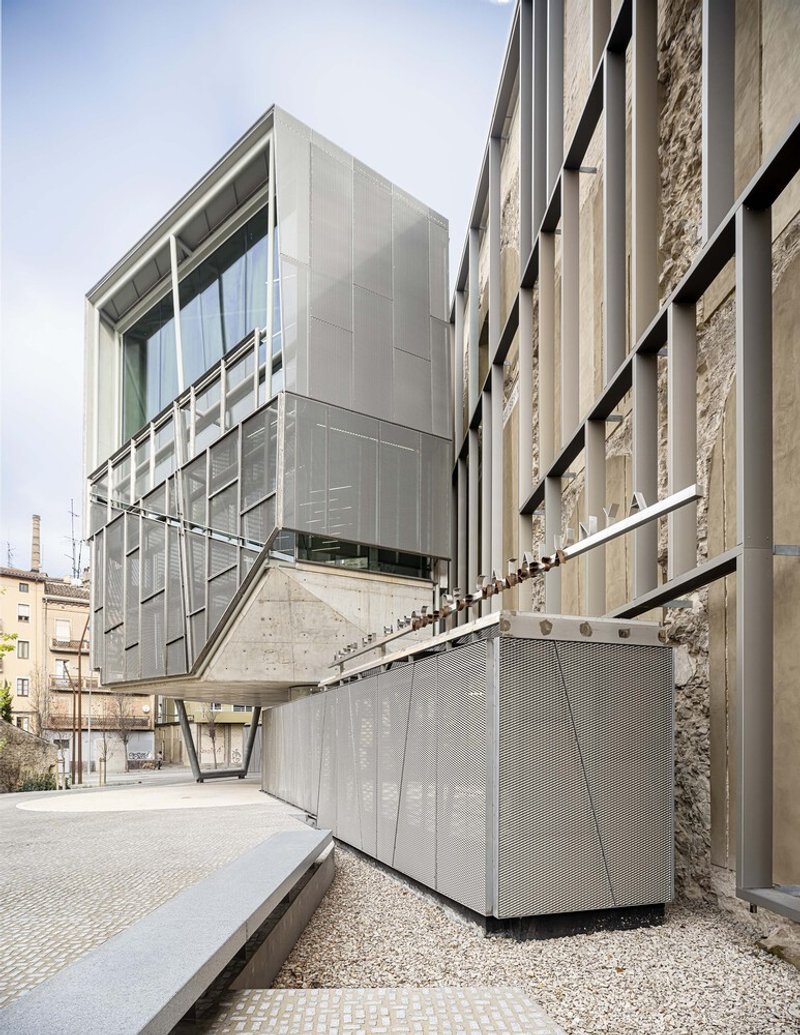
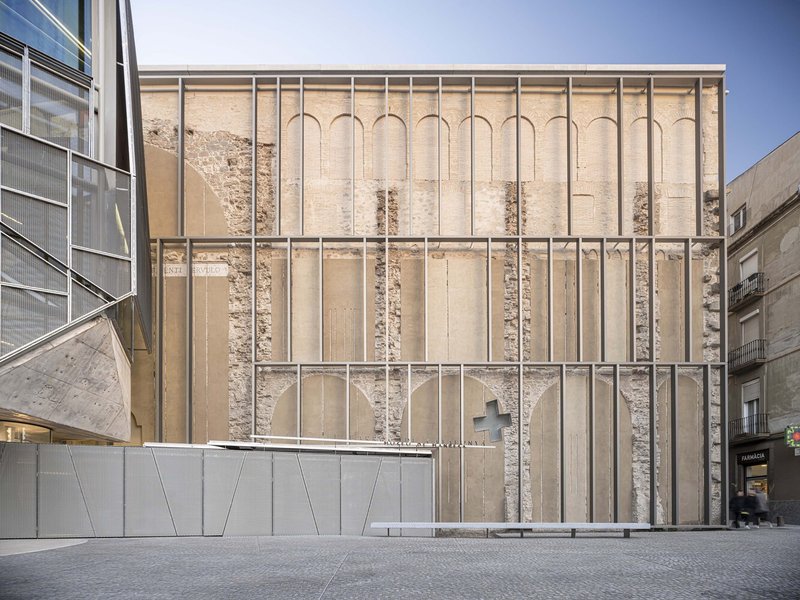
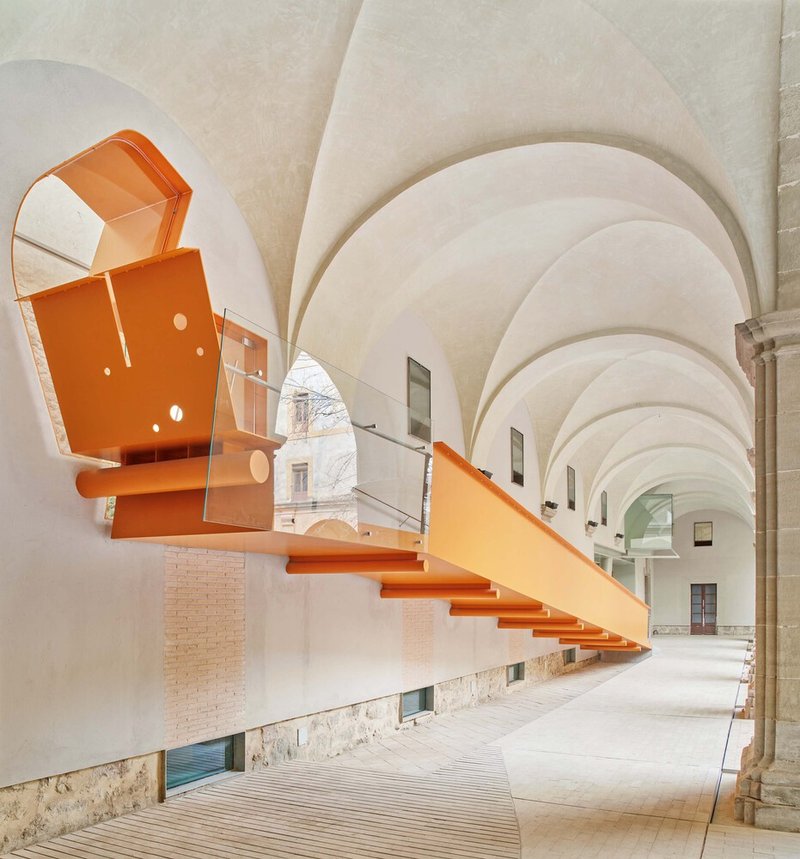
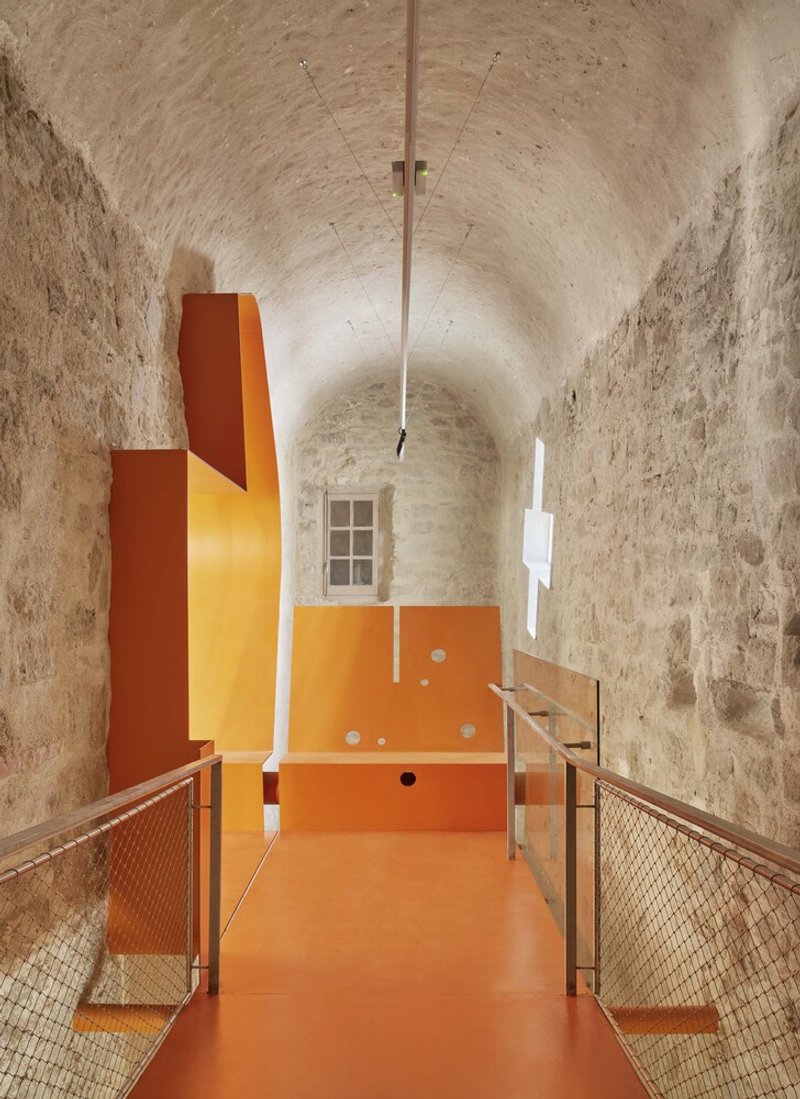
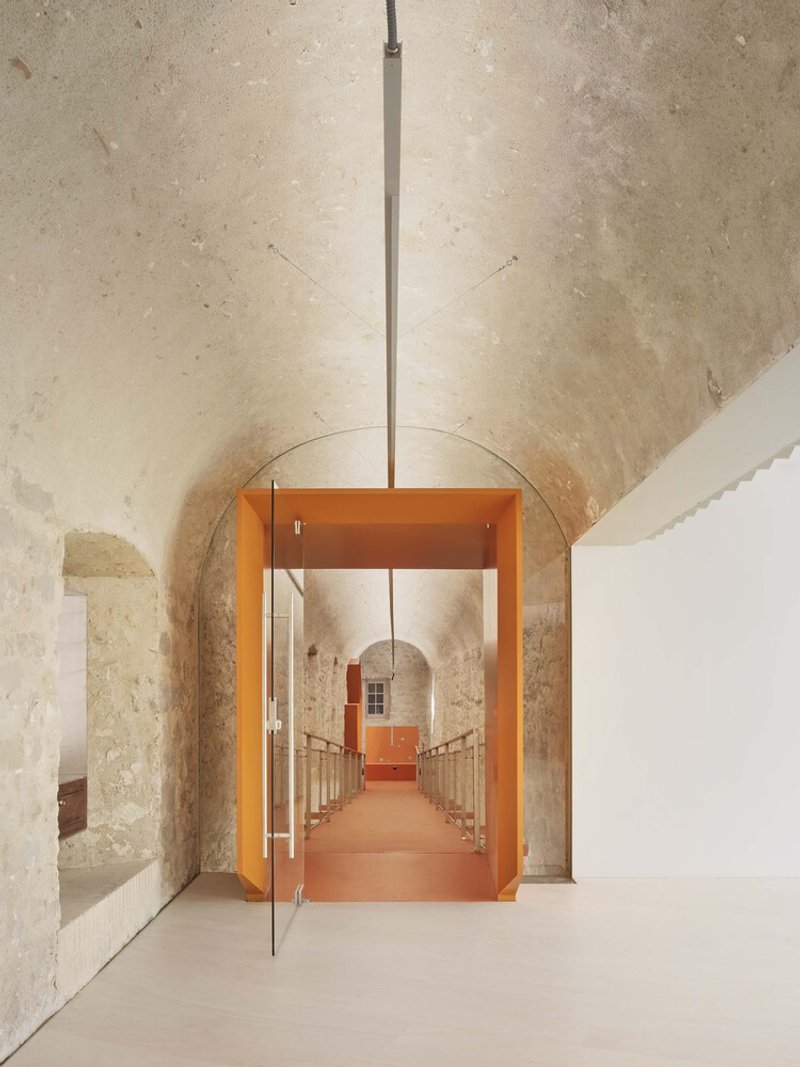
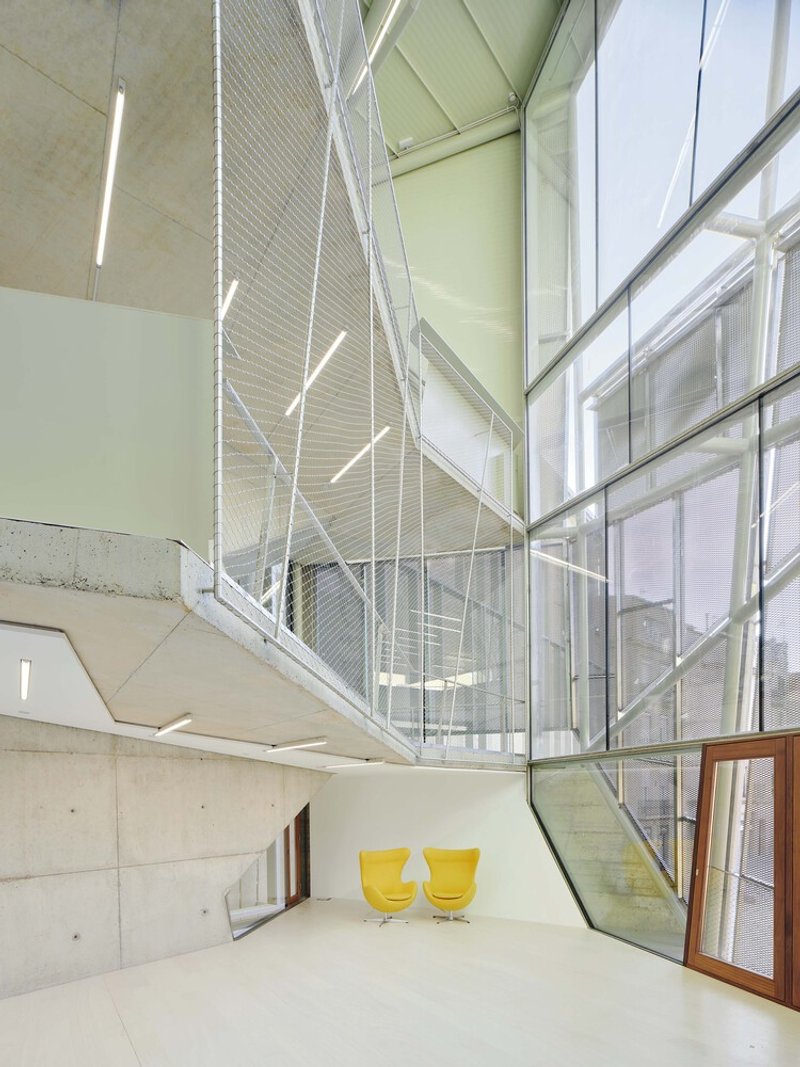
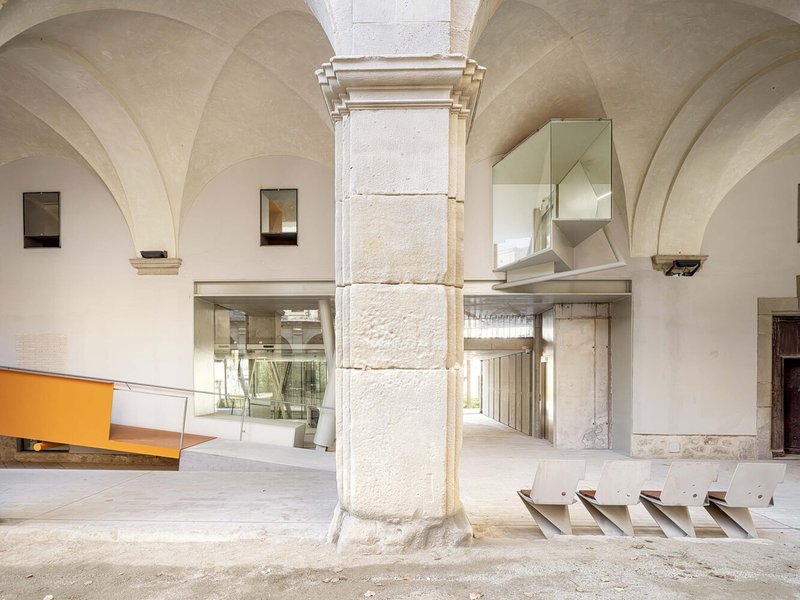
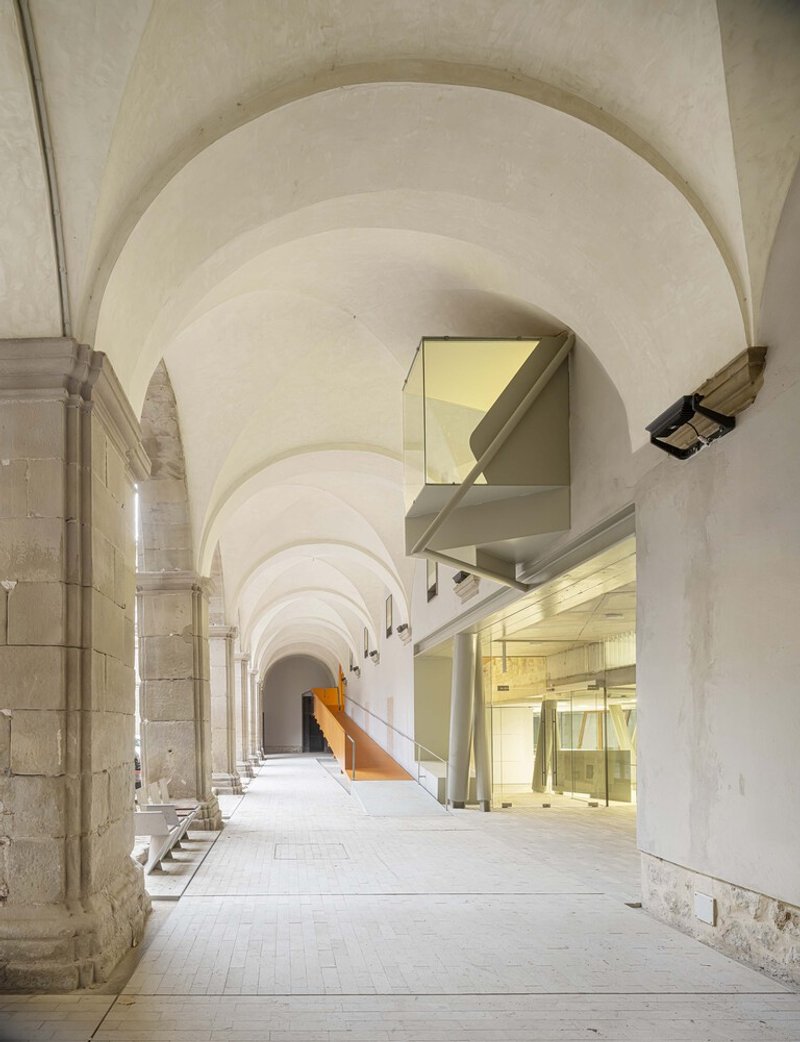
The project posed a unique challenge: how to integrate the museum within the remnants of a baroque church without its original façade. Closes approached this by creating new access points and volumes in front of the old church's partitioning wall, thus establishing a new face for the museum while honoring its baroque roots.
Architectural Features and Innovations
New Accesses and Views
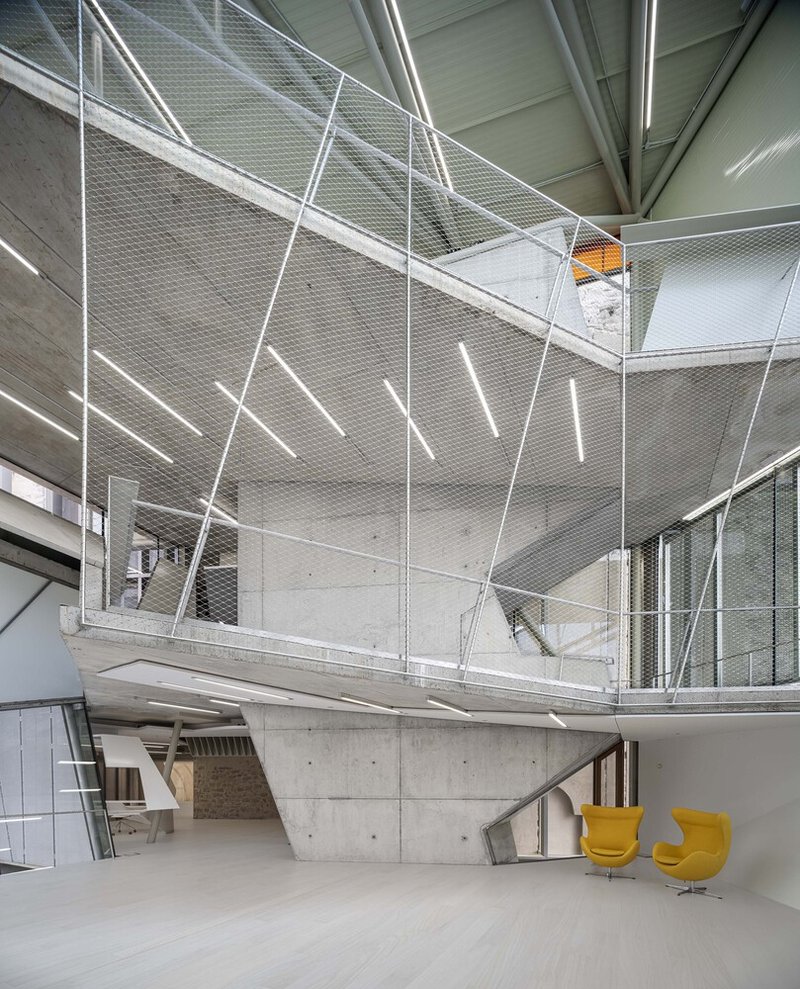
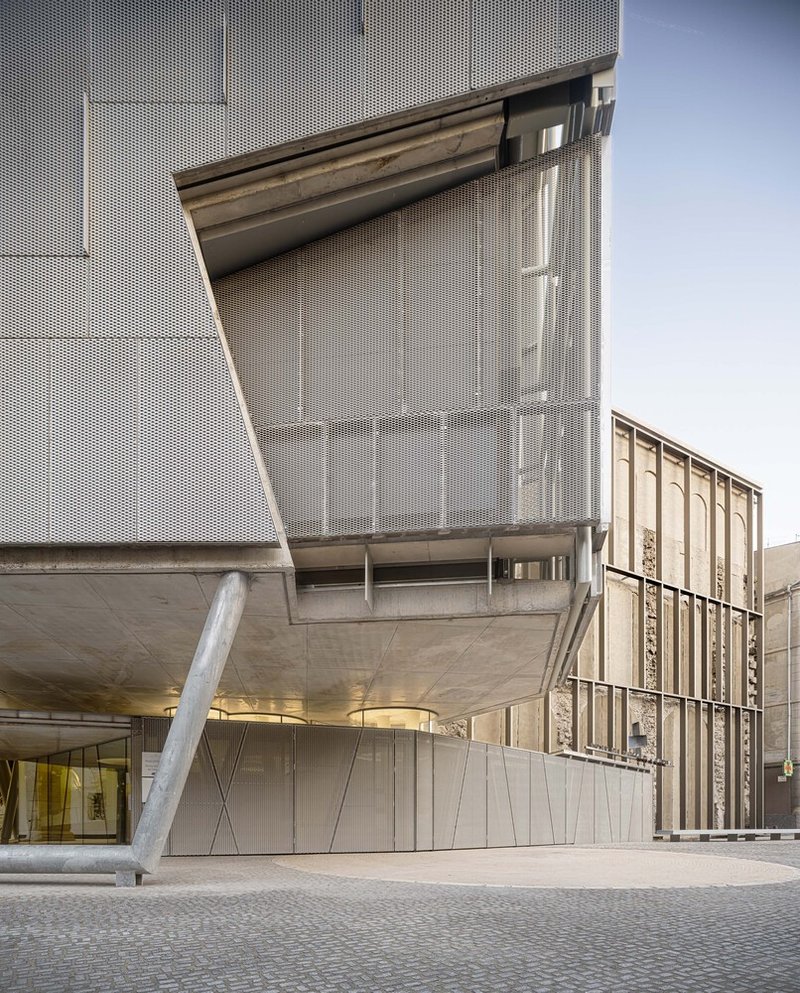
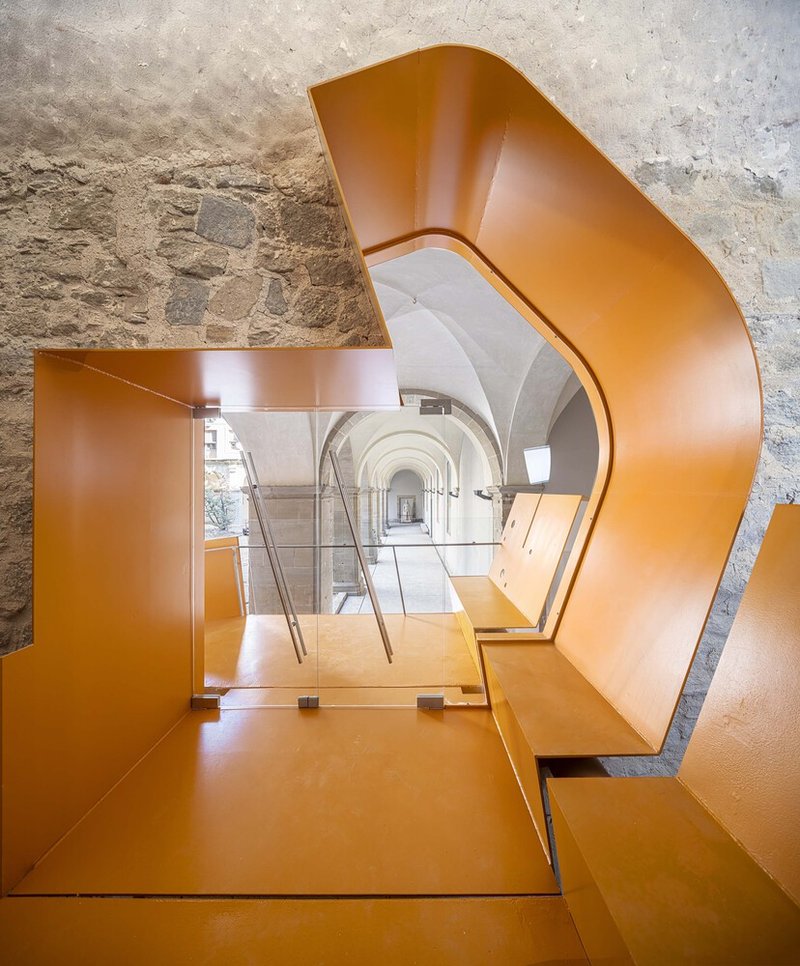
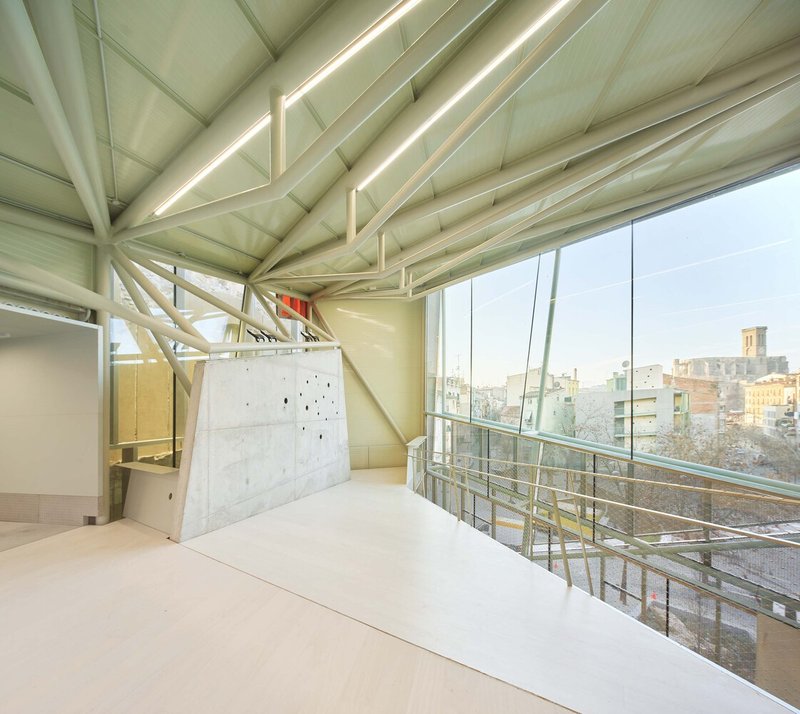
The entrance façade of the Baroque Museum of Catalonia introduces visitors to a series of new volumes and spaces. These are not merely functional; they are designed to offer vistas of the old church's remaining elements and the surrounding urban landscape, including significant landmarks like the gothic basilica of La Seu and the mountain of Montserrat.
Reconnecting with the Urban Fabric
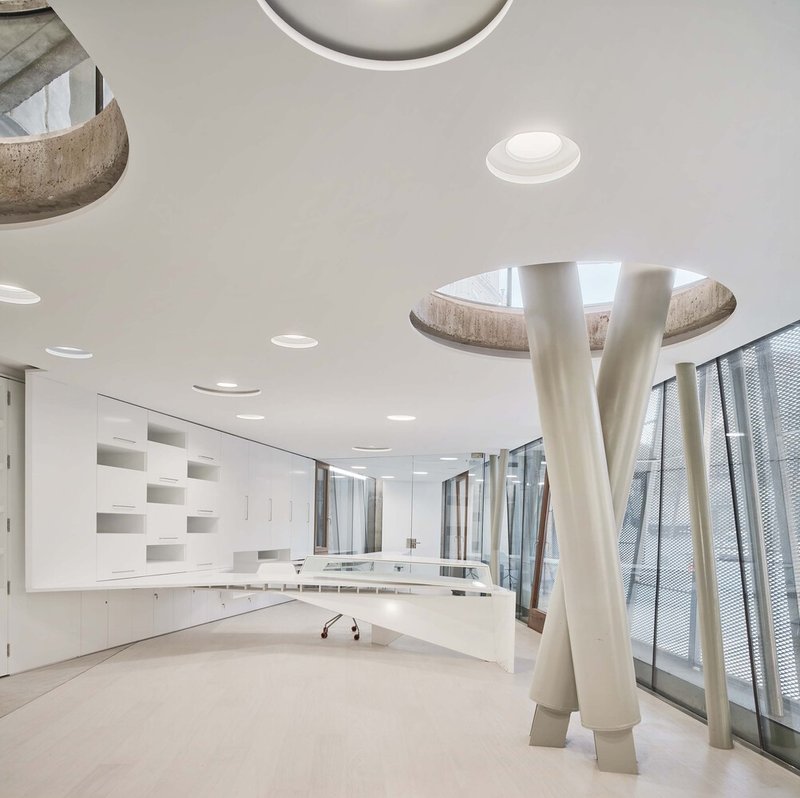
One of the project's achievements is its ability to reforge connections between the museum and its urban context. The architectural intervention by Closes creates pathways and vantage points that allow visitors to engage with both the baroque museum architecture and the city's broader historical and cultural landscape.
A Future for Baroque Museum Architecture
David Closes’s intervention at the Baroque Museum of Catalonia is a beacon for future projects in baroque museum architecture. It demonstrates how contemporary design can be sensitively woven into the fabric of historical settings, creating spaces that are both reflective of their past and fully engaged with the present.
In summary, the project not only revitalizes a significant baroque structure but also redefines the relationship between the museum and the city of Manresa. Through this blend of old and new, David Closes has set a new standard for baroque museum architecture, offering a pathway for others to follow.
All photographs are work of Adrià Goula, José Hevia