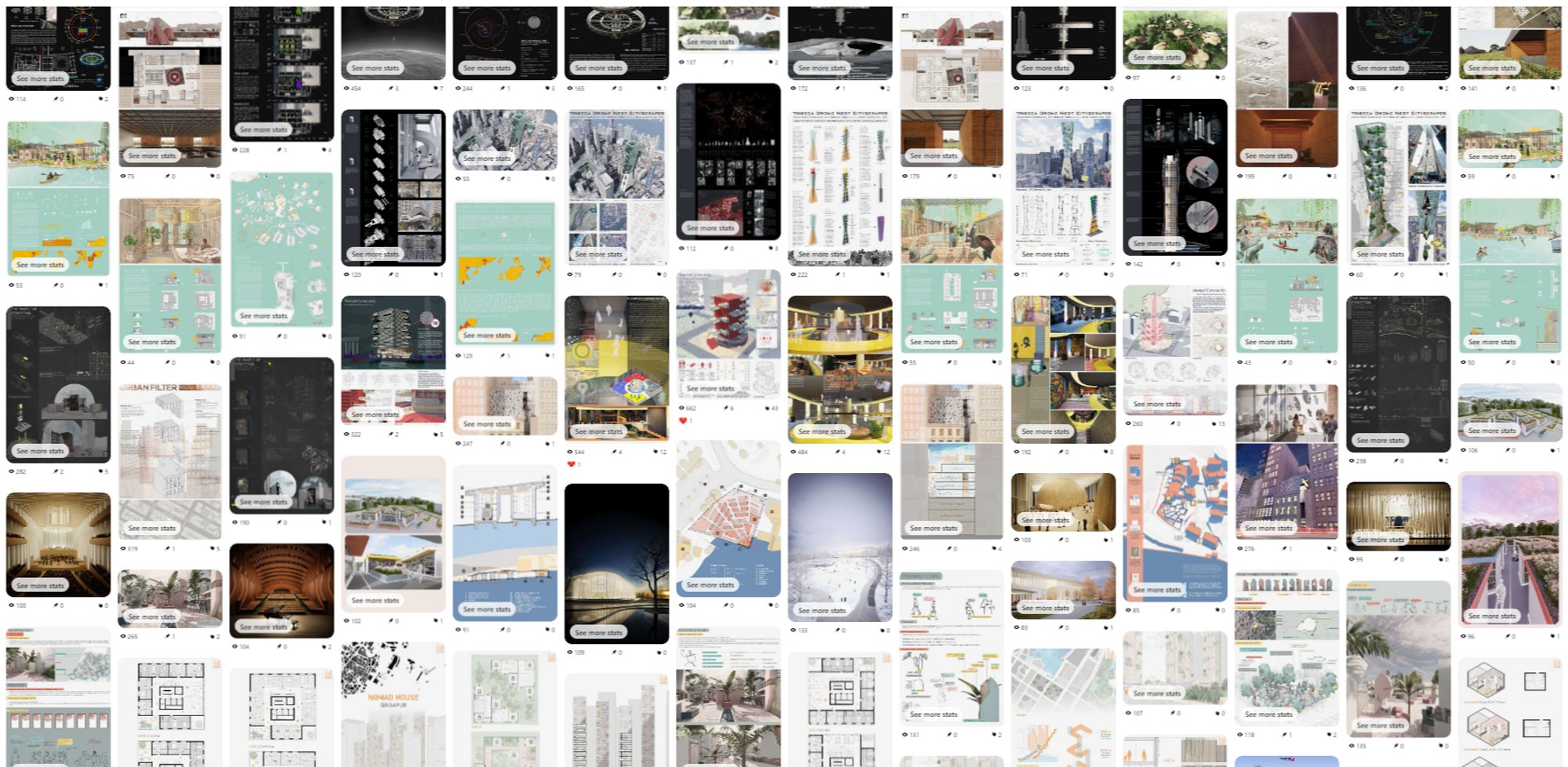
Beyond Blueprints : How Architecture Presentation Boards Define The Design Narratives?
Unveiling the Art and Strategy Behind Architectural Storytelling


Architecture presentation boards are the storytellers of the design world, where visions for spaces and structures come to life before a single stone is laid. These boards serve as a canvas, blending art and science to illustrate a project's essence—from its overarching concept down to the minutest of details. They are not mere displays; they are dialogues in visual form, inviting viewers to journey through the architect's creative process, understanding the why and how of a design's coming into being.
The importance of these boards cannot be overstated. They are the architect's voice in competitions, client meetings, and public exhibitions, translating complex architectural ideas into accessible narratives. A well-crafted presentation board has the power to inform, persuade, and inspire. It acts as a bridge between the abstract ideas swirling in the designer's mind and the concrete reality that will eventually rise from the ground.
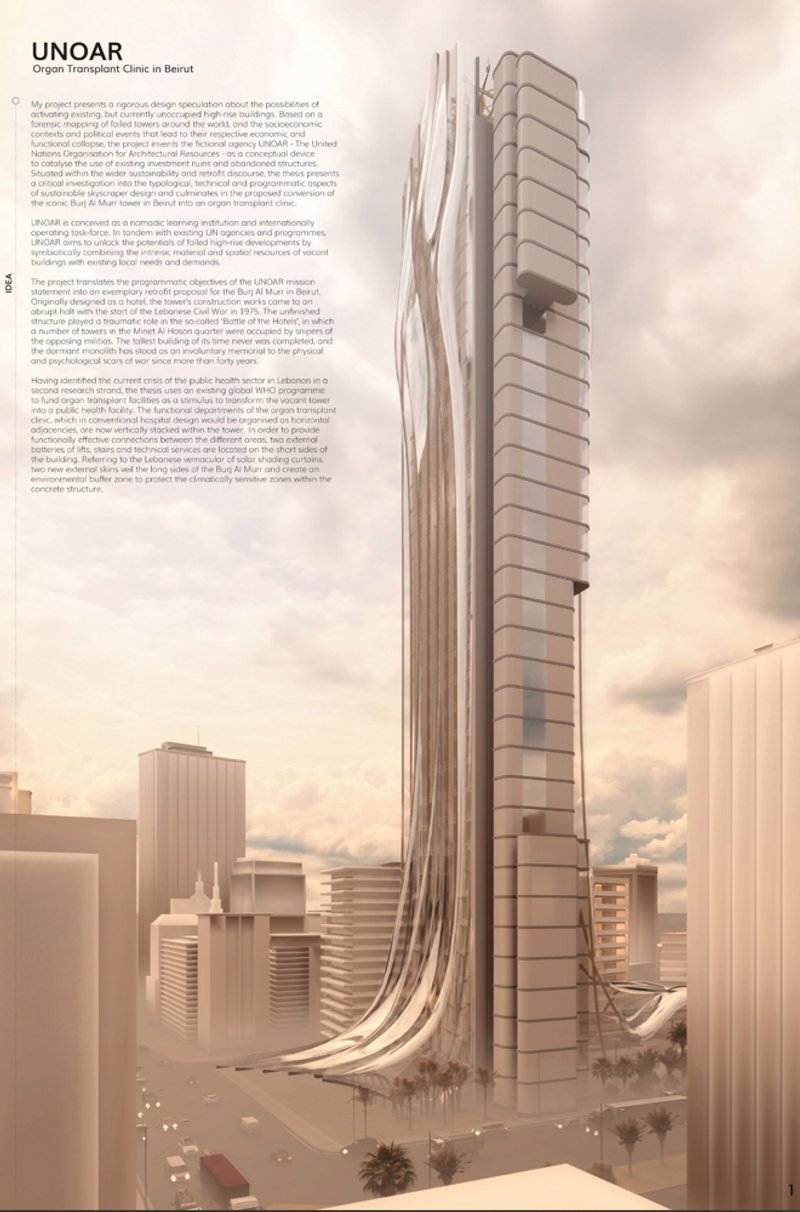
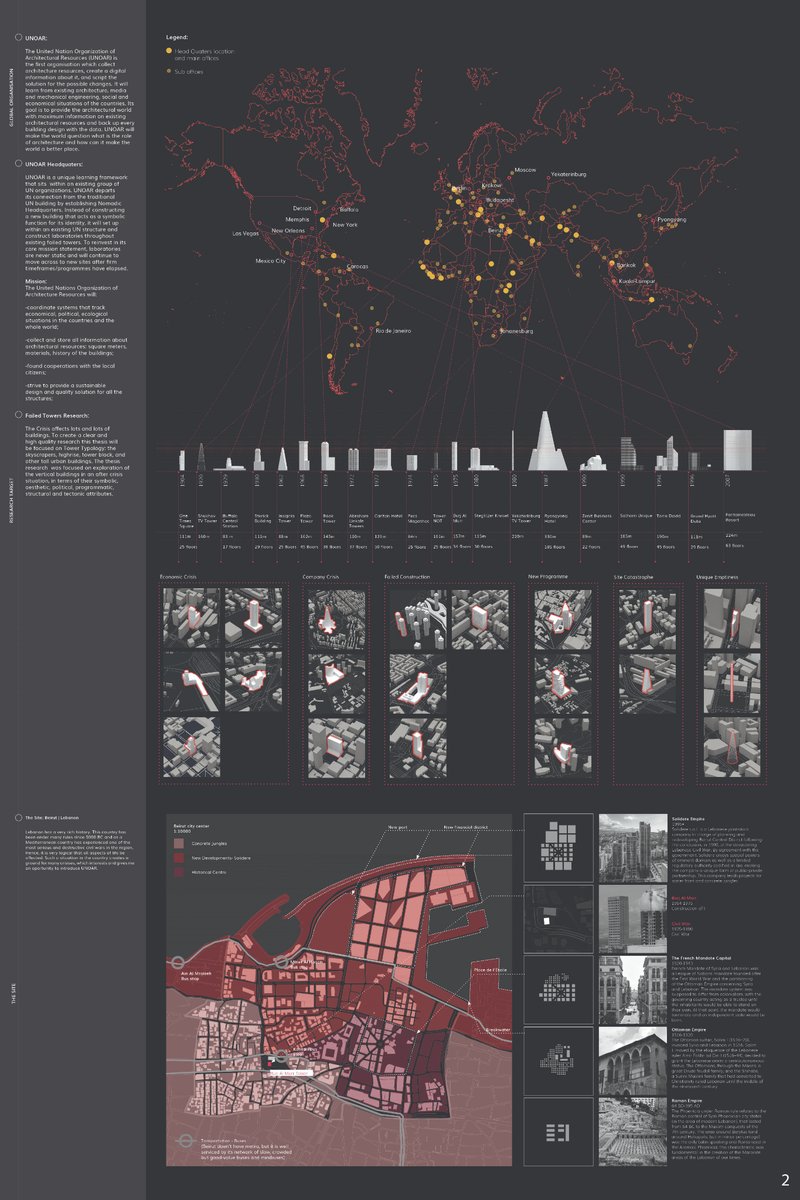
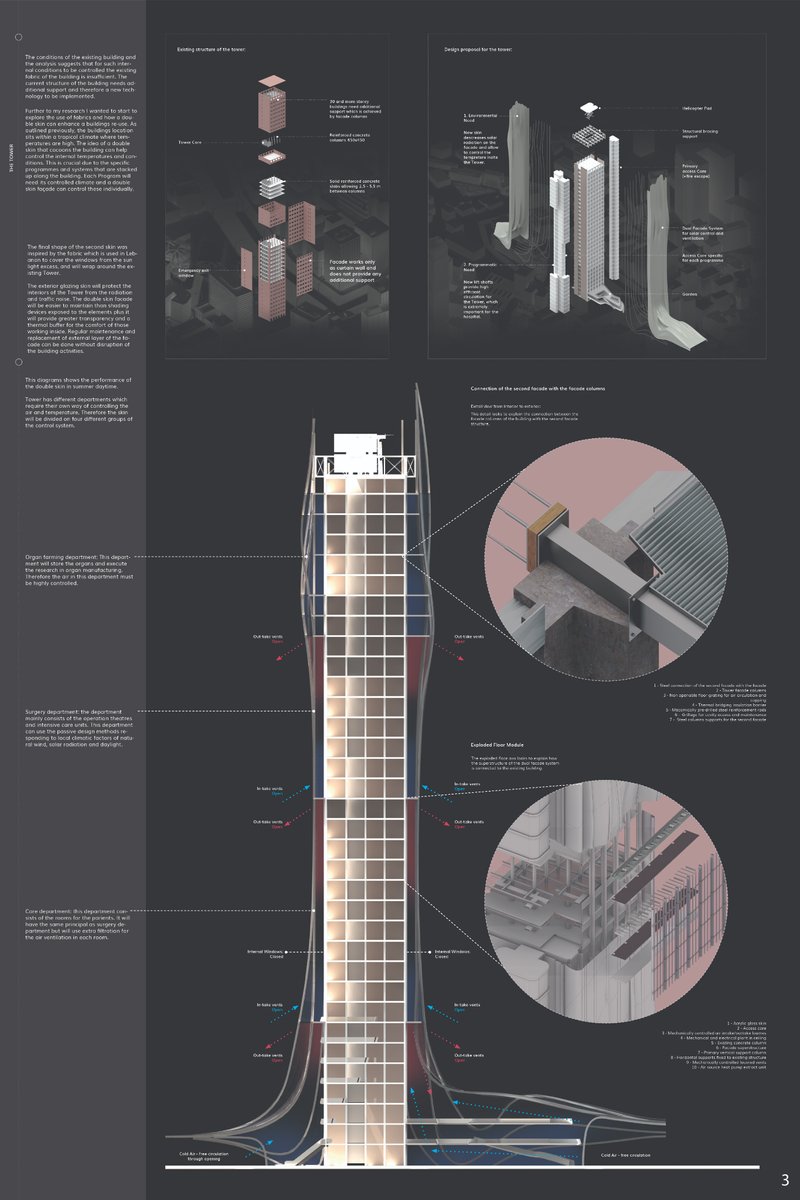
Take, for instance, the UNOAR project, a beacon of architectural innovation and complexity. The presentation board for UNOAR transcends the traditional boundaries of architectural illustration. It is a striking blend of bold vision and meticulous detail that captures the intricate workings of an Organ Transplant Clinic in Beirut. The board does not simply show a building; it delves into the very soul of the structure, revealing the delicate interplay between form and function that such a critical facility demands. Each line, each render, each annotation plays a crucial role in conveying the story of a building that aims to stand at the intersection of human need and architectural excellence. The UNOAR board is not just a presentation; it is an invitation to explore the future of healthcare architecture in urban landscapes.
Check out all the architectural presentation board from the project "UNOAR", Shortlisted entry from the competition CityScraper 2020
In the coming sections we will explore one of the curated projects and it's presentation board to evaluate how does the author of the projects have crafted the narrative of their project through each presentation board.
The Essence of Architectural Storytelling
Architectural presentation boards are much more than mere vehicles of information; they are the embodiment of a narrative, an architectural tale that unfolds through imagery, diagrams, and text. The essence of this storytelling lies in the board's ability to weave a cohesive story that guides the viewer through the conception, development, and final vision of the project.
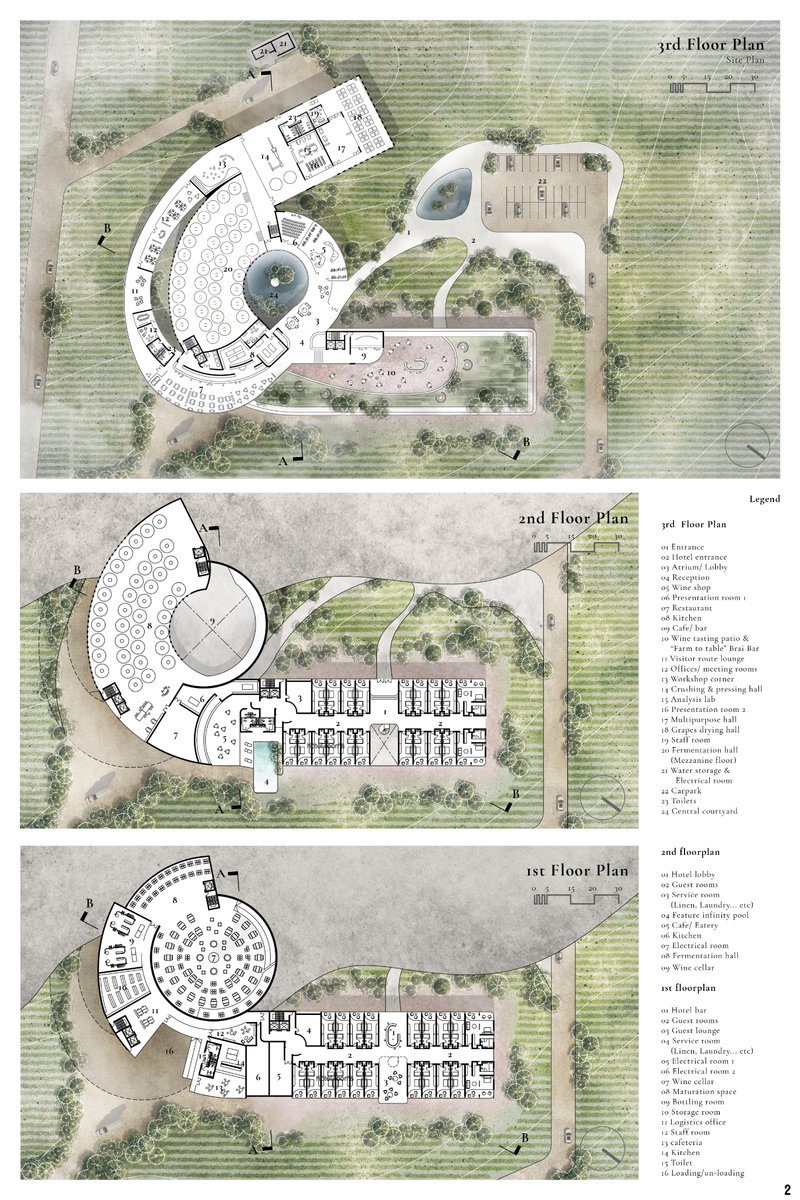
Check out all the architectural presentation board from the project "Wine Temple", People's Choice Award entry from the competition Pour 2020
We have selected Wine Temple's presentation board that stands as a beacon of architectural storytelling, demonstrating how effectively a board can communicate a project's narrative, philosophy, and soul.
- Visual Journey: The Wine Temple project exemplifies this narrative journey. The board presents a series of images that invite viewers to explore the design from multiple vantage points, both literal and metaphorical.
- Design Process: Through a thoughtful arrangement of diagrams and renderings, the board lays out the project's developmental stages, from initial sketches to detailed plans.
- Imagery: The use of evocative imagery in the Wine Temple board captures the spirit of the project. It conveys not just a building, but a sanctuary for the senses, a place where architecture and the ritual of wine drinking intersect.
- Diagrams: Detailed diagrams go beyond mere technicality, serving as visual essays that articulate the flow of spaces, the integration of structure with landscape, and the journey of wine from grape to bottle.
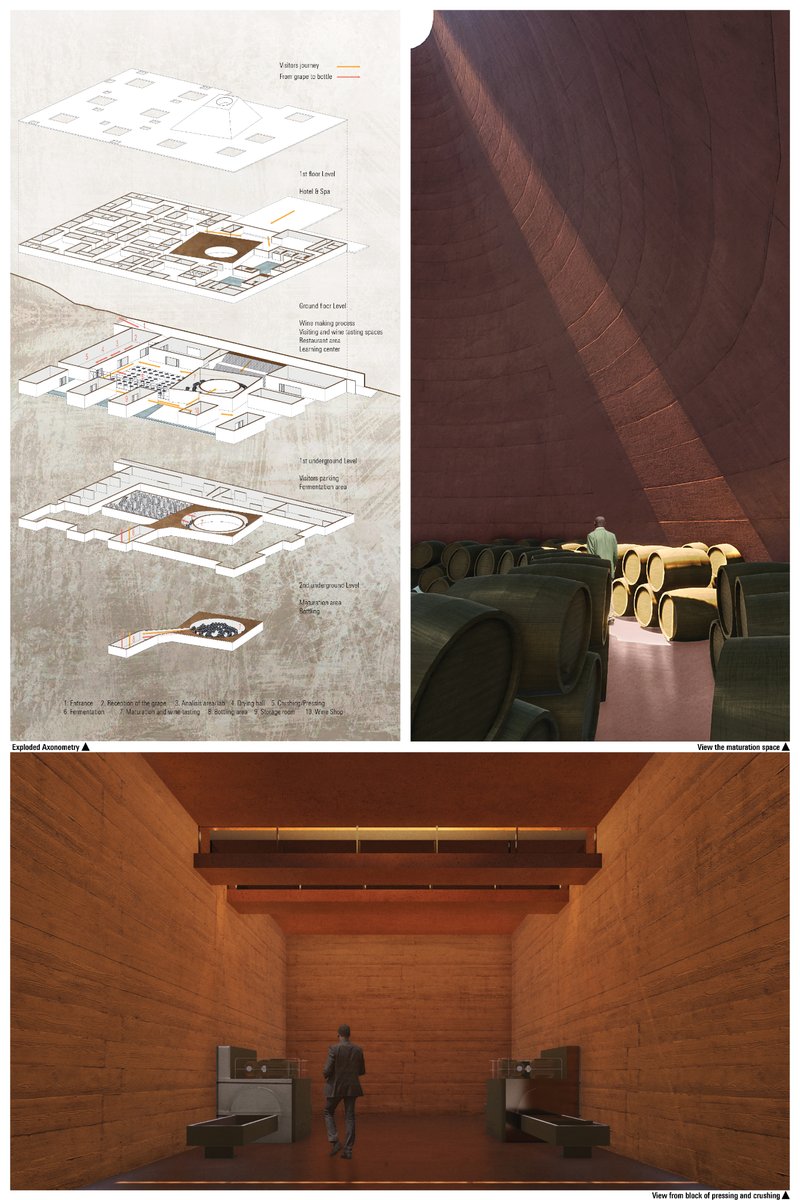
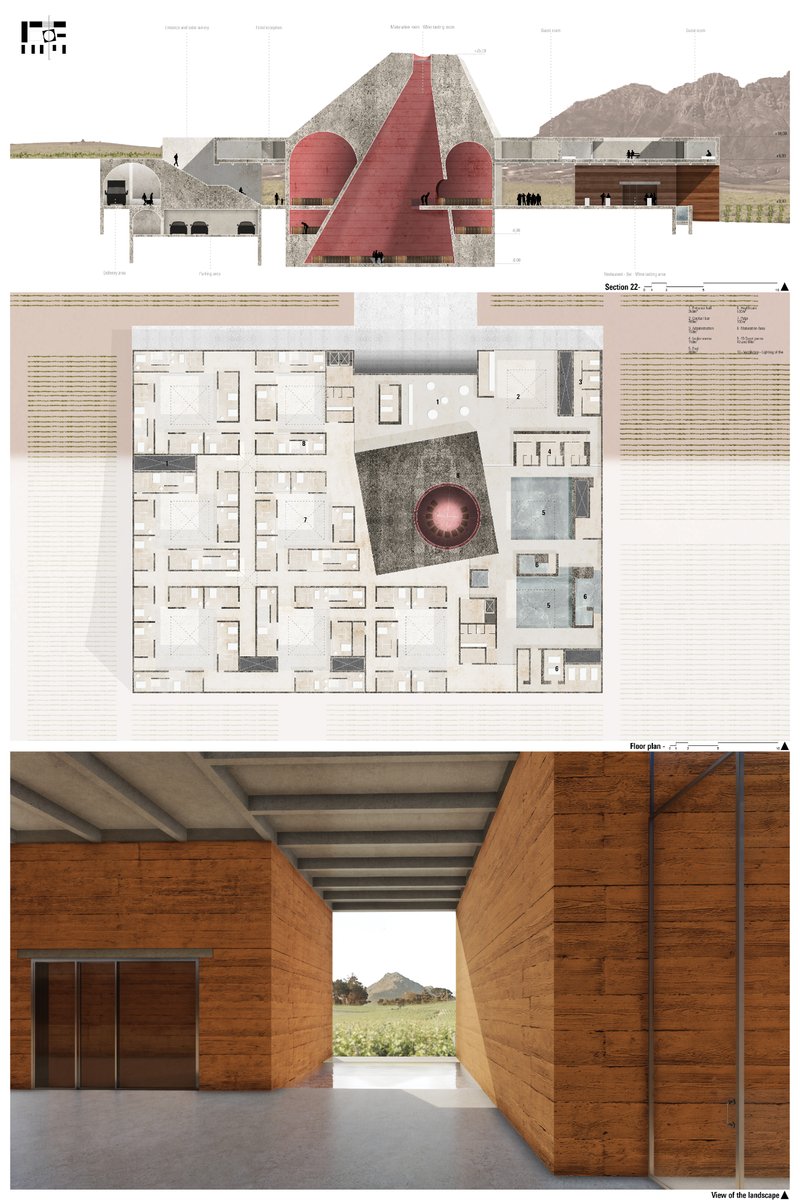
The Wine Temple's presentation board is a testament to the power of visual storytelling in architecture. It showcases:
- The Harmonious Blend: How architecture can harmoniously blend with its environment, rising naturally like a crest from the vine-covered earth.
- Sacralization of Space: The board subtly hints at the sacralization of space through light and materiality, engaging the viewer's imagination and inviting contemplation.
- Architectural Choreography: It choreographs the viewer's eye through the project's layers, with each image and diagram building upon the last, crafting a story that is as rich and layered as the wine it celebrates.
Integrating Context and Environment
In the realm of architectural design, the relationship between a project and its environment is pivotal. Presentation boards serve as a canvas for architects to express this symbiosis, highlighting how the built form responds to, and converses with, its natural and built surroundings.
Check out all the architectural presentation board from the project "NOMADHOUSE", Winning entry from the competition Footprints 2020
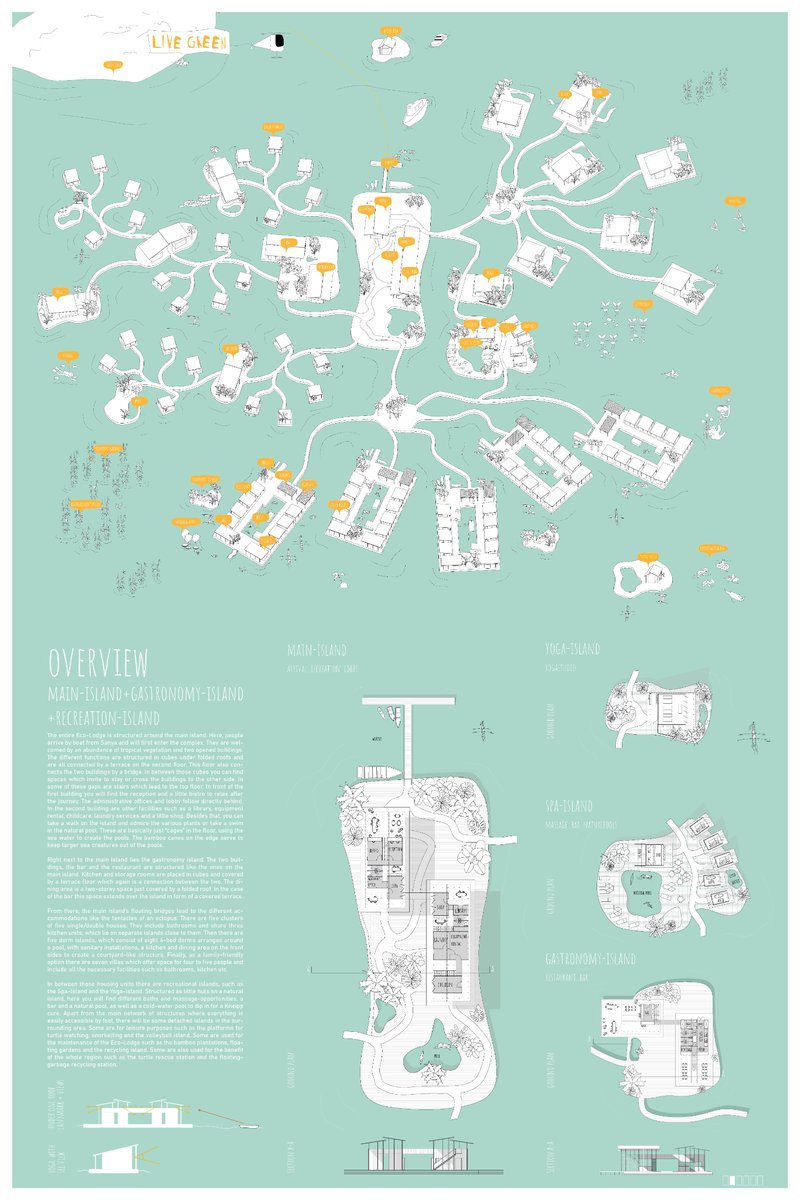
Here we have selected the Project "GAINING LAND" as a case study. By integrating detailed site analyses, ecological data, and a thorough explanation of the materials and methods used, the presentation board for GAINING LAND doesn't just outline a building — it narrates an ethos. It tells the story of a project inherently linked to its environment, designed not only to exist within a specific locale but to become an integral, living part of it. The board becomes an educational tool, informing viewers of the delicate balance between construction and conservation, and how architecture can be an active participant in the protection and enhancement of the environment.
- Site-Specific Design: The GAINING LAND eco-tourism project in China is a paragon of site-specific design, utilizing its presentation board to demonstrate a deep understanding of place.
- Eco-Tourism Principles: The board reflects the core principles of eco-tourism: sustainability, environmental stewardship, and cultural sensitivity.
- Contextual Harmony: It artfully depicts the project's alignment with the natural landscape, utilizing colors and textures that speak to the site's ecology.
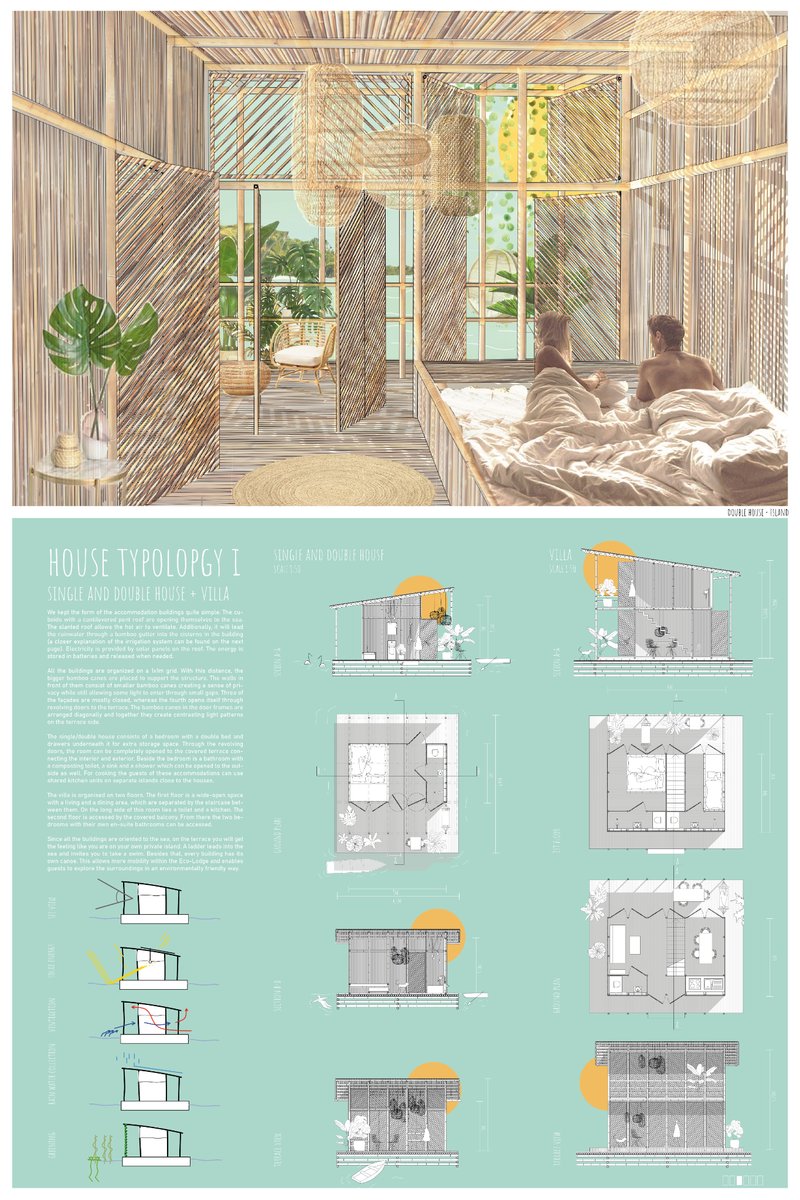
The GAINING LAND project's board is rich with details that anchor the project in its context:
- Landscape Integration: Diagrams and illustrations show the floating structures that adapt to rising sea levels, emphasizing resilience and adaptability.
- Sustainable Strategies: The board details the project's self-sufficient energy and water cycles, showcasing a closed-loop system that minimizes environmental impact.
- Cultural Connectivity: Through careful design narratives, the board illustrates how the project weaves local cultural elements into the visitor experience, fostering a deeper connection with the region's heritage.
- Text Visibility: We believe that this presentation board can be enhanced using the visibility of text and images by improving the contrast level. This helps specially in digital content where bots can read your content and help improve your content's presence online. To check the contrast of colors, one can use Webaim's Contrast Checker.
Materiality and Construction Details
The tactile experience of architecture is conveyed through the materiality expressed on presentation boards, which often details the 'what' and 'how' of building assembly. These boards provide insight into the chosen materials and their assembly, offering a glimpse into the construction process that will bring the design to life.
By presenting a detailed breakdown of materials and methods, the "CONSTRUCTION Blueprint + Details" board from the project "GAINING LAND_eco-tourism, China" becomes an educational tool that informs and inspires. It serves as a blueprint that guides the transformation of conceptual drawings into physical structures. Such detailed boards are pivotal for construction professionals to understand the architect's vision fully and for the clients to appreciate the thought process behind every design decision.
- Detailing of Materials: The "CONSTRUCTION Blueprint + Details" board provides a comprehensive look at the materials selected for the project, emphasizing their textures, colors, and finishes.
- Construction Techniques: It showcases the innovative construction methods to be employed, giving the audience a deeper understanding of the project's structural integrity and design quality.
- Connection Details: The board includes close-up views of joints and connections, illustrating the careful consideration of how each material interacts and comes together.
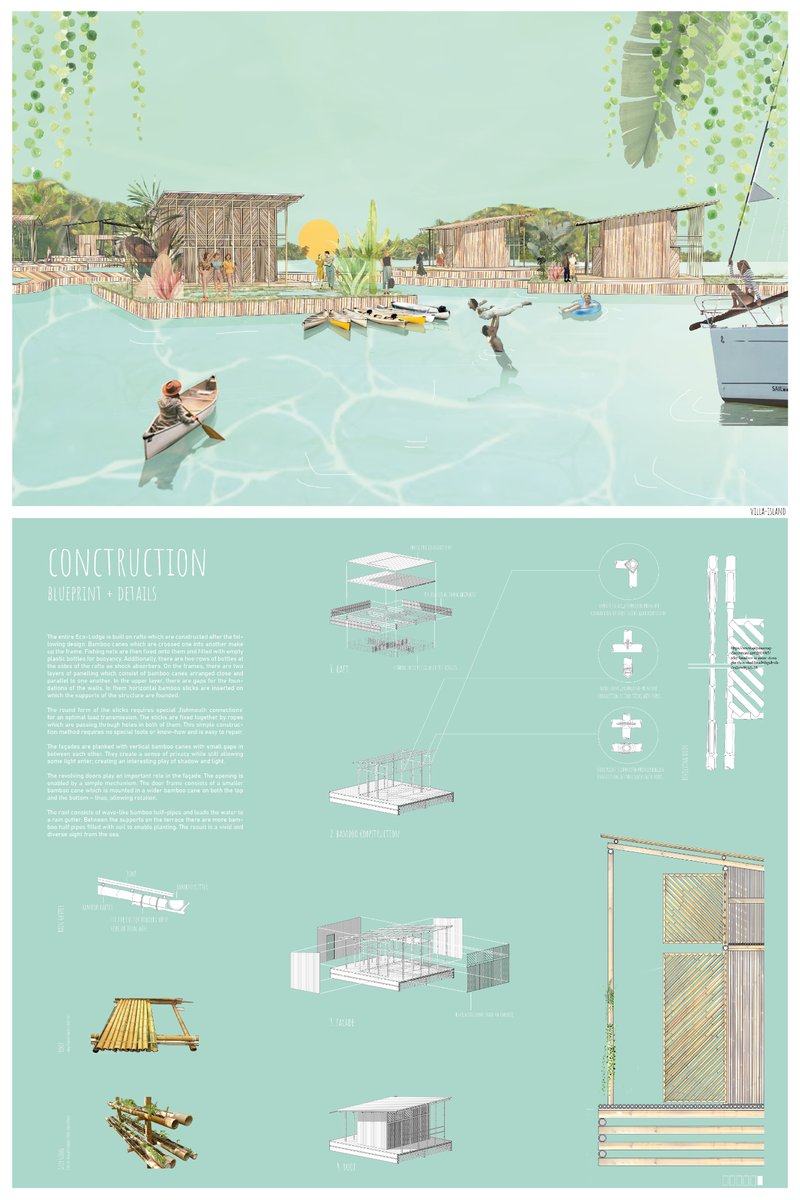
The "GAINING LAND_eco-tourism, China" project's presentation board exemplifies this focus through the following elements:
- Material Palette: The board presents a curated material palette that not only aligns with the aesthetic vision but also reflects the sustainability goals of the project.
- Innovative Fabrication: It highlights the use of advanced fabrication techniques and how they influence the final form and function of the building components.
- Technical Specifications: Detailed annotations accompany each material depiction, providing technical specifications that guide the construction process.
Zoning and Spatial Analysis
Zoning and spatial organization are fundamental aspects that presentation boards must communicate to convey the functional flow and distribution of spaces within a project. These elements are essential for understanding how a project will be experienced by its users.
Check out all the architectural presentation board from the project "THE ANCHOR", Shortlisted entry from the competition CityScraper 2020
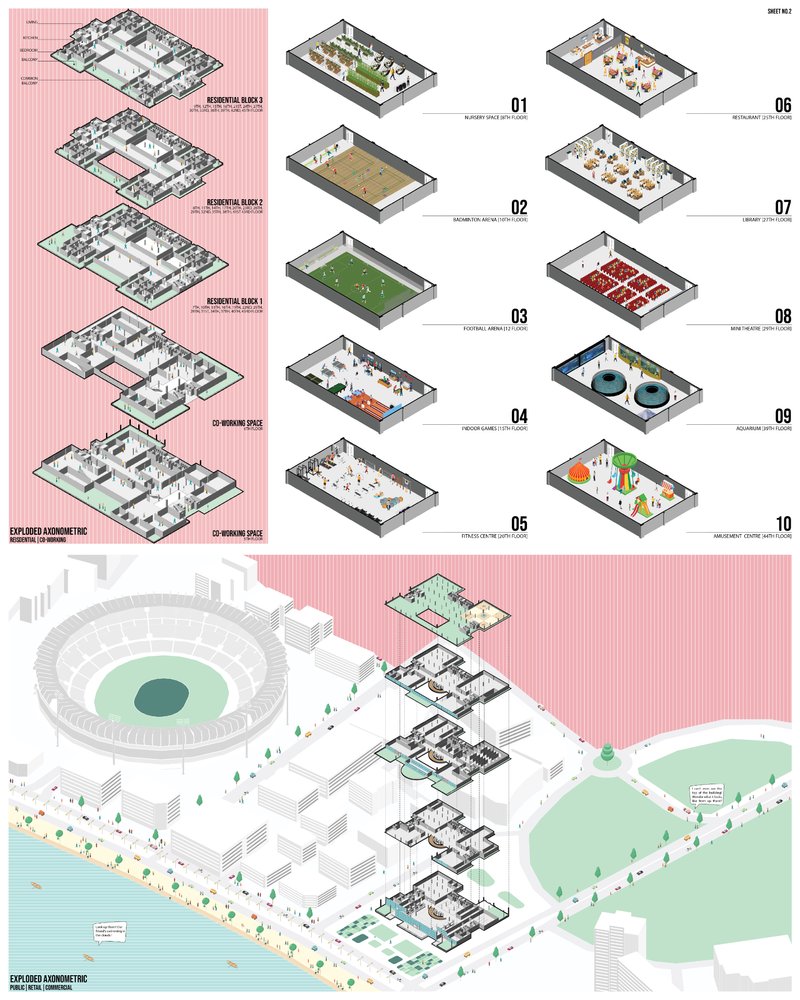
We have selected the boards for THE ANCHOR project which doesn't just present a static layout; it narrates the dynamic life of the building. It delves into the architectural intent behind the placement of different zones and how they relate to one another, ensuring that the design is not only aesthetically pleasing but also operationally sound. By dissecting the building into its constituent spatial components, the presentation board becomes a tool for illustrating the proposed life within the architectural form. It allows viewers to visualize the building in use, breathing life into the design long before construction begins.
- Spatial Hierarchy: The ANCHOR project presentation board efficiently demonstrates the hierarchy of spaces, from public to private zones, indicating how individuals move through and utilize the environment.
- Functional Layout: It uses detailed diagrams and plans to show the distribution of different functions within the building, providing clarity on the project's organizational logic.
- User Experience: Through its zoning analysis, the board gives insight into the user's journey, highlighting interaction points that are central to the project's operational success.
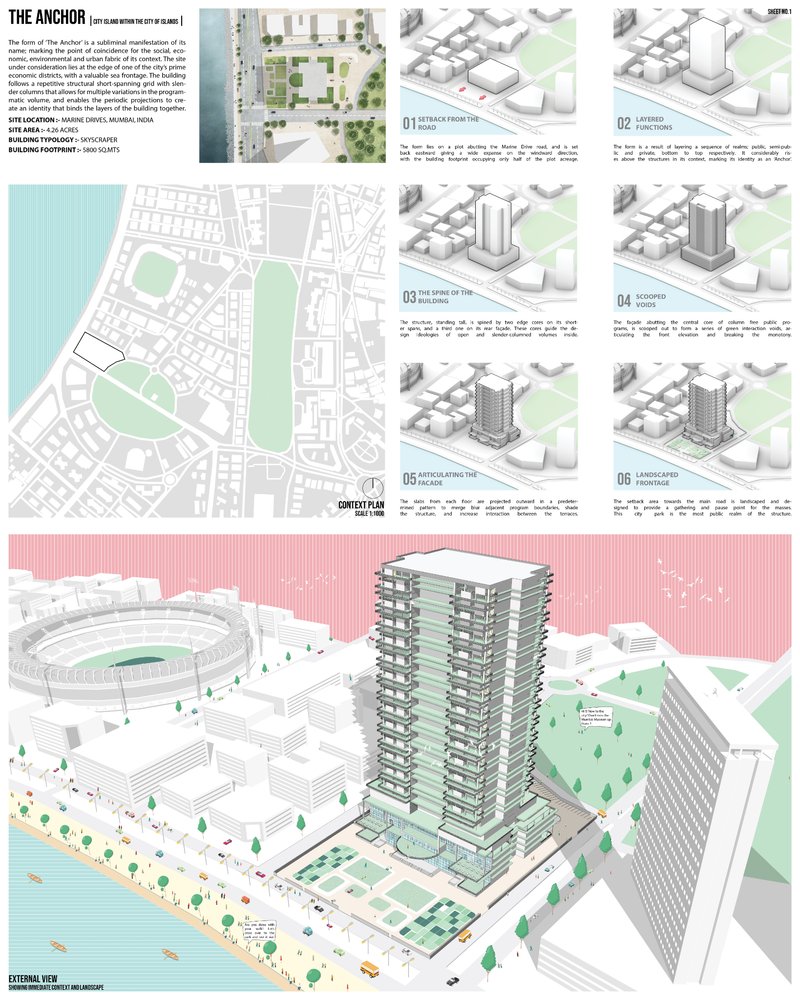
The ANCHOR project's presentation board exemplifies this through several key elements:
- Clear Zoning Diagrams: It features clear, color-coded diagrams that map out various zones, allowing viewers to understand the purpose and connectivity of each space at a glance.
- Flow of Movement: The board illustrates paths of circulation, showcasing how users will navigate the space, indicating entrances, exits, and transitions between different zones.
- Integration of Uses: It highlights how various spaces are integrated, such as how public gathering areas are connected to more private, functional spaces, ensuring a cohesive user experience.
Sustainable Design Narratives
Sustainability in architecture goes beyond a trend; it's a crucial framework for the future of design that considers environmental impacts, resource efficiency, and ecological balance. Presentation boards serve as a canvas to express these sustainable narratives, articulating a project's commitment to green design.
Check out all the architectural presentation board from the project "Perfect Blend", Shortlisted entry from the competition Pour 2020
The "Perfect Blend" presentation board is a testament to how architects can use visual storytelling to communicate a project's commitment to sustainability. It allows the viewer to see how the design responds to both the needs of its users and the environment. With sustainability at the forefront, such a board does not just present a building but advocates for a philosophy of design that harmonizes with the natural world, ensuring that the structures we inhabit today do not compromise the ability of future generations to meet their own needs.
- Sustainable Features Highlight: The "Perfect Blend" project integrates sustainable design strategies that are clearly highlighted on its presentation board, allowing the viewer to understand the eco-friendly attributes at the core of the design.
- Material Usage: It details the use of sustainable materials, showcasing how the architectural design minimizes environmental impact while maximizing functionality and aesthetic appeal.
- Energy Efficiency: The board visually communicates the energy-efficient systems incorporated into the design, such as solar panels, natural ventilation, and green roofs.
The "Perfect Blend" project's presentation board exemplifies sustainable design through the following:
- Green Infrastructure: The board features diagrams that represent the integration of green spaces, from gardens to vertical green walls, emphasizing the project's blend with nature.
- Water and Waste Management: It includes schematics of rainwater harvesting systems and waste recycling methods, underscoring the project's self-sufficiency and reduced ecological footprint.
- Innovative Techniques: The project employs innovative construction methods and materials that are showcased through detailed sections and elevations, highlighting the practical application of sustainable concepts.
Visual Communication Techniques
The effectiveness of an architectural presentation board lies in its ability to visually communicate the essence of the design through various techniques. These techniques are critical in engaging the viewer and conveying the architect's vision with clarity and impact.
Check out all the architectural presentation board from the project "NOMADHOUSE", Winning entry from the competition NomadHouse 2020
The presentation board for "NOMADHOUSE" serves as a masterclass in visual communication. It combines various techniques to tell a comprehensive story of the project – from broad concepts down to the finest detail. The board balances artistic expression with informational precision, ensuring that the narrative it unfolds is both compelling and instructive. Through its visual narrative, "NOMADHOUSE" not only showcases a building but invites viewers into a space that has been thoughtfully crafted for both function and form.
- Graphic Hierarchy: Strategic use of visual hierarchy guides the viewer's eye through the most important elements of the design first, establishing a clear narrative flow.
- Color and Contrast: Colors and contrast can emphasize different areas of the design, denote various materials, or indicate usage, contributing to the overall legibility of the board.
- Rendering and Perspectives: Photorealistic renderings and diverse perspectives offer viewers a lifelike experience of the proposed space, enhancing the immersive quality of the design presentation.
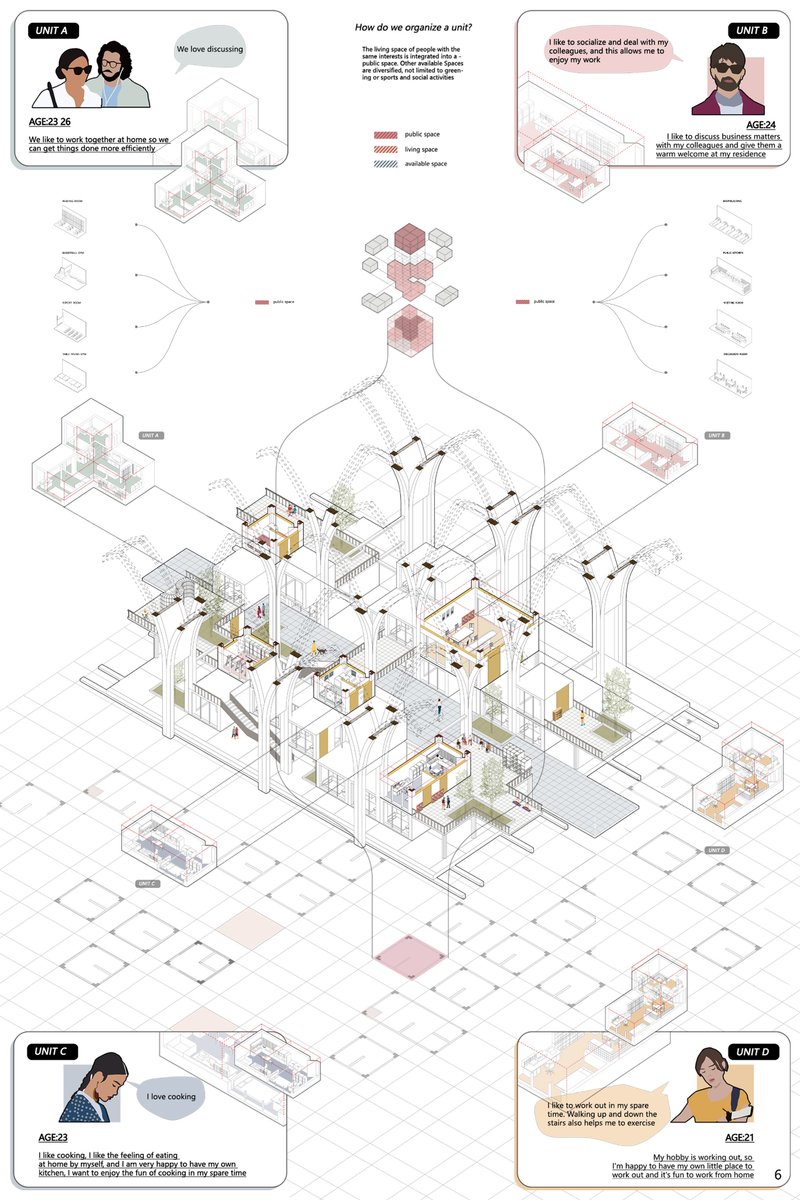
The "NOMADHOUSE" project's presentation board is an exemplary use of these techniques:
- Layered Information: It uses layers to convey the depth and complexity of spaces, allowing viewers to peel back each layer to discover more about the project.
- Scale Figures: By placing scale figures within the renderings, the board provides a relatable sense of scale, helping viewers imagine themselves within the space.
- Diagrammatic Clarity: Clear diagrams and icons summarize key concepts and processes, making complex information easily digestible.
The Power of Perspectival Views
Perspective drawings are a potent tool within architectural presentation boards, offering a window into the envisioned world of the architect. They provide a sense of depth, scale, and relation to the human experience within a proposed space.
Check out all the architectural presentation board from the project "VERANDAH EXTENDS", Honorable Mention entry from the competition Parasitic Architecture 2020
Here we have selected the project "Verandah Extends" whose board not only displays a building but uses perspectival views to unfold a story of revitalization, tradition, and modernity coalescing in a single architectural gesture. It exemplifies how perspectives can transcend mere representation, becoming a narrative device that conveys the spirit and ambition of a design.
- Immersive Experience: Perspectives allow viewers to immerse themselves in the environment, providing a first-person experience of the architectural journey.
- Contextual Relevance: They help situate the structure within its context, showing how it interacts with its surroundings, including the landscape, the urban fabric, and the human scale.
- Emotional Connection: Through careful composition, perspective views can evoke the intended atmosphere of the project, connecting emotionally with the audience.
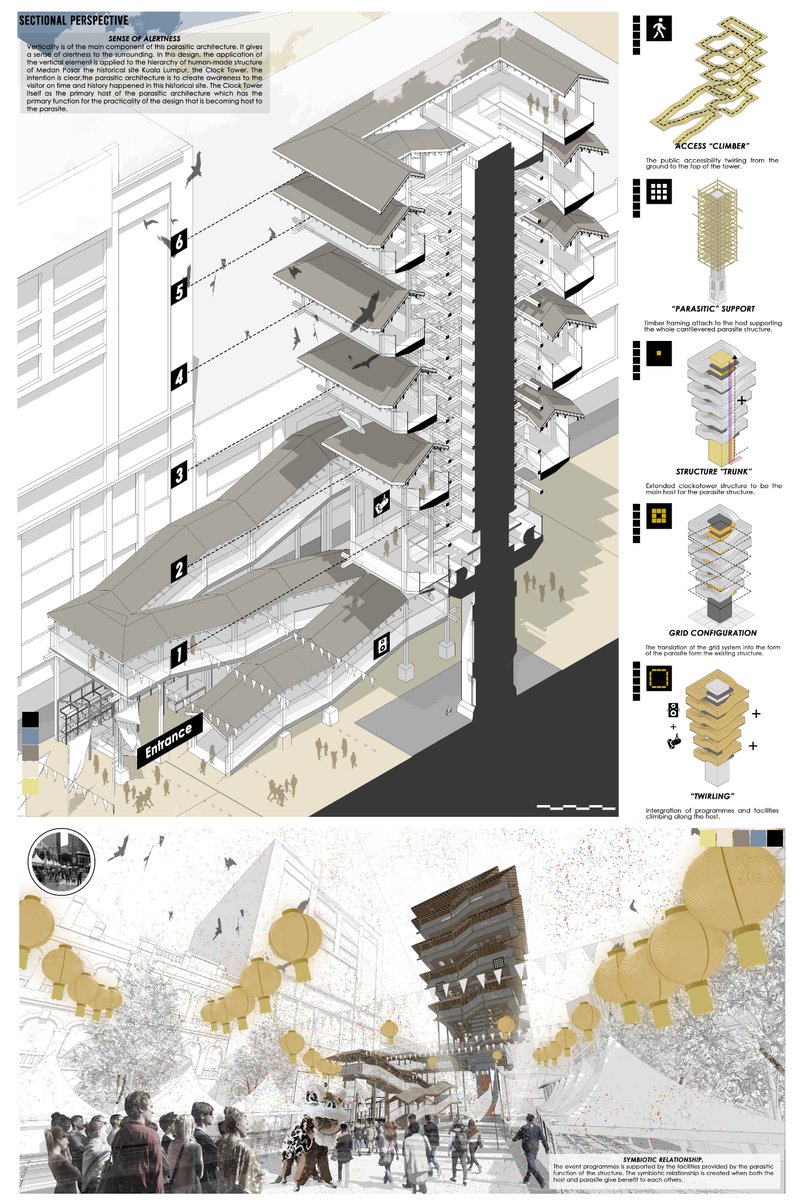
The presentation board for the "Verandah Extends" project leverages perspectival views to remarkable effect:
- Dynamic Interaction: The project's perspectives highlight the dynamic interaction between the new structure and the historical context of Medan Pasar, Kuala Lumpur.
- Visual Narrative: By depicting bustling street-level activities and the towering clock-tower integration, the board crafts a compelling visual narrative of community and connectivity.
- Design Intent: The perspectives are carefully curated to reveal the architect's intent, from the sweeping verandahs that invite public engagement to the intricate play of shadow and light that speaks to the structure's open design philosophy.
Incorporating Technology and Innovation
In the ever-evolving landscape of architectural design, technology plays a pivotal role, both as a tool for creation and as an integral component of the design itself. Modern presentation boards often reflect this technological integration, showcasing how innovative concepts and futuristic designs are becoming realities.
Check out all the architectural presentation board from the project "The Forge", Runner-Up entry from the competition Leap
For this we chose a futuristic Space Architecture project "THE FORGE," where technology is not merely a facilitator but a fundamental aspect of the architectural narrative. The project's presentation board serves as a window into a future where architecture and technology merge, creating new possibilities for human habitation and interaction in outer space. This approach to design and presentation not only captures the imagination but also pushes the boundaries of what is achievable in architecture, heralding a new era of design innovation
- Technological Advancements: The use of advanced software and techniques in design and visualization allows architects to explore new forms of expression and functionality.
- Futuristic Design Concepts: Incorporating futuristic elements and technology-centric solutions in architecture not only addresses contemporary challenges but also anticipates future needs.
- Interactive and Dynamic Presentations: Modern boards can include interactive elements or dynamic simulations, offering a more immersive experience to the audience.
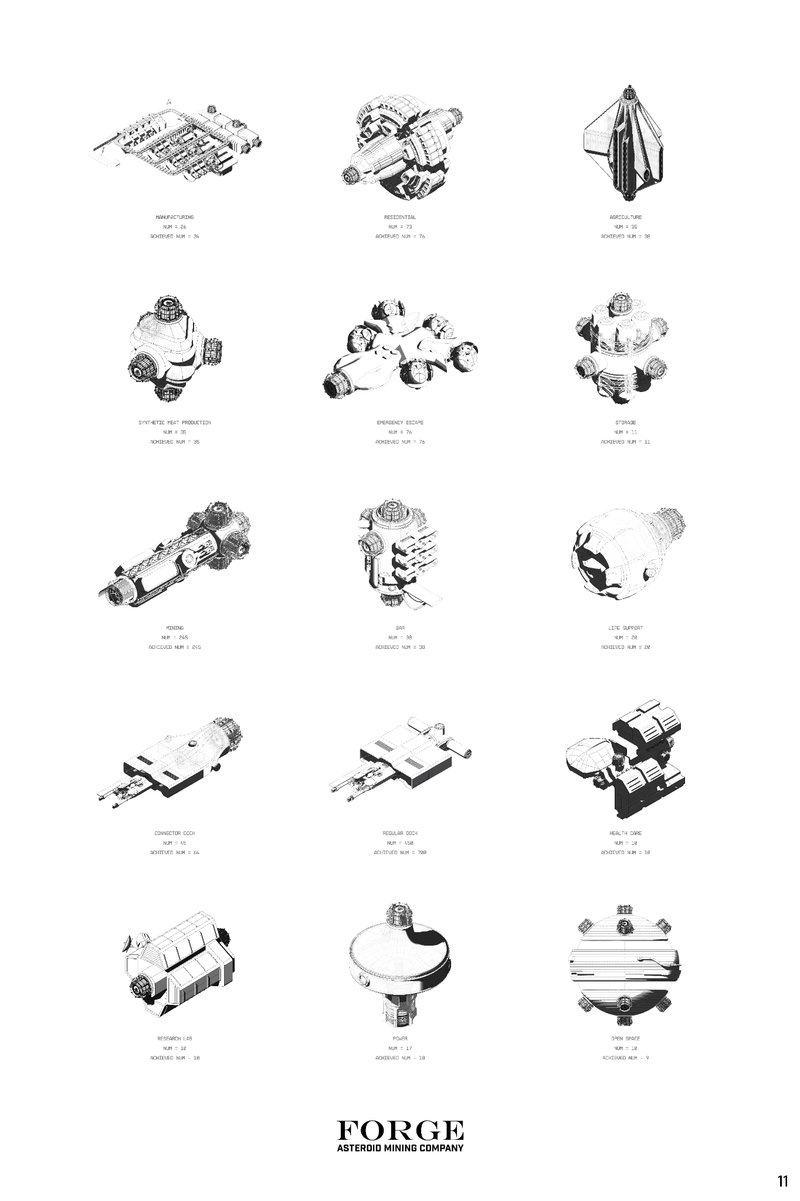
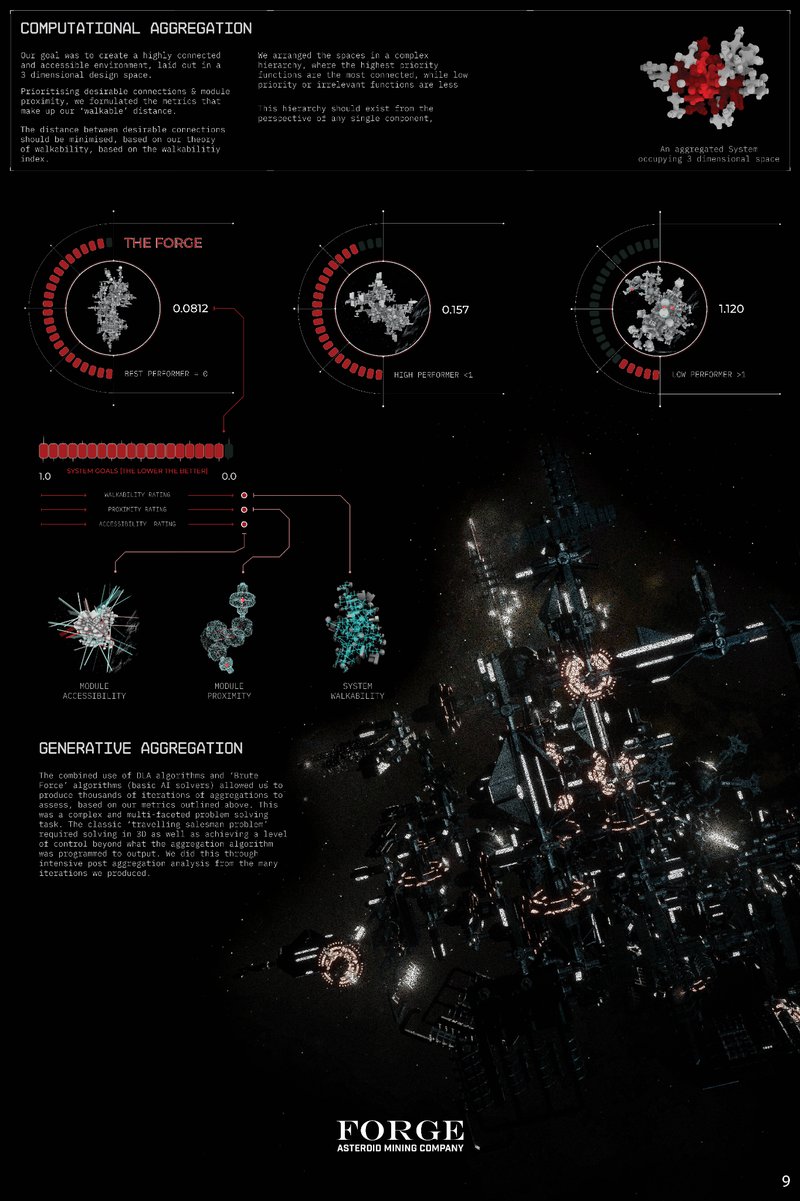
The presentation board for "THE FORGE" project exemplifies this integration:
- Space and Architecture: "THE FORGE" represents a bold vision of space colonization, where architecture transcends terrestrial boundaries to address the challenges and possibilities of extraterrestrial habitats.
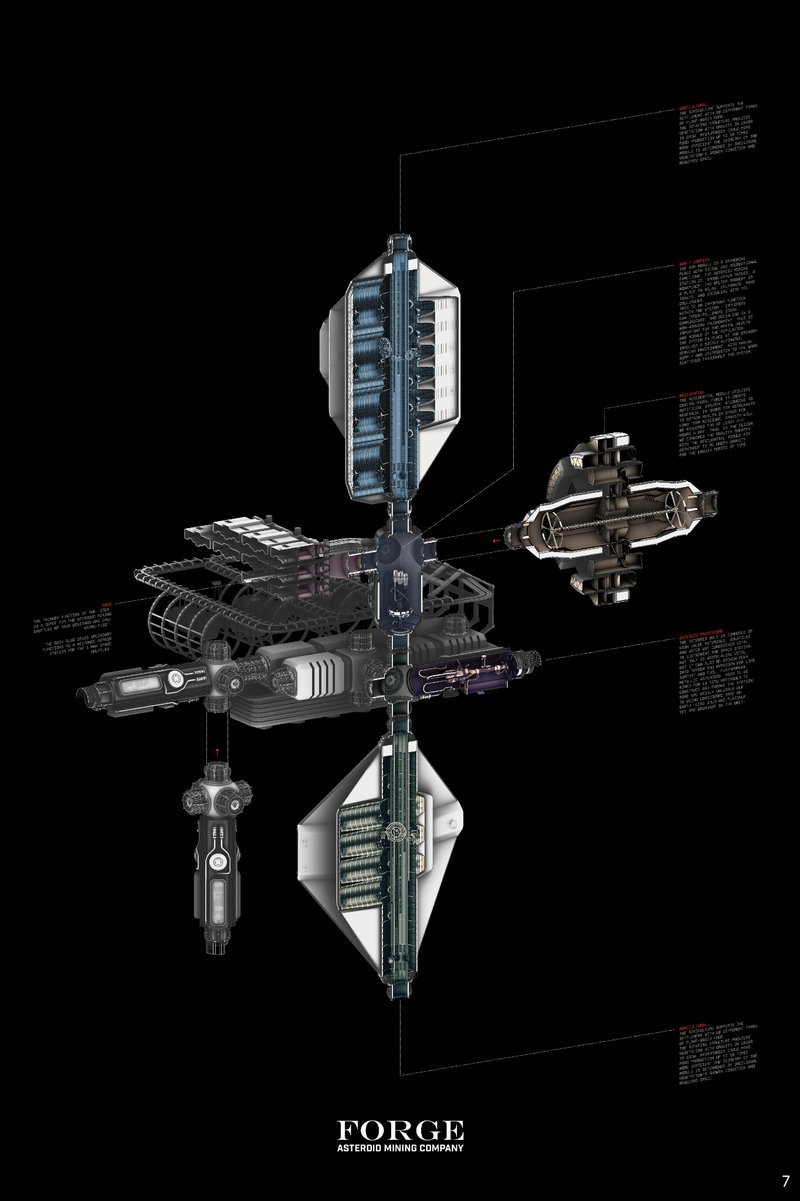
- Innovative Structural Designs: The board showcases advanced structural solutions designed for the unique conditions of space, integrating concepts from aerospace engineering and sustainable living.
- Visualization of Advanced Concepts: The project uses sophisticated renderings and diagrams to visualize complex systems and structures, making the futuristic concept understandable and engaging.
As we explore the evolving landscape of architectural presentation boards, it becomes evident that they are more than just tools for representation; they are a reflection of the changing paradigms in architectural thought and practice. The trends in presentation boards mirror the shifts in design priorities, technological advancements, and societal needs.
- Blending Tradition and Innovation: Modern presentation boards are finding a harmonious balance between traditional architectural drawing techniques and cutting-edge digital visualization methods.
- Storytelling and Narrative: There is an increasing emphasis on storytelling, where boards do not just present a design but narrate a story, engaging viewers on a deeper, more emotional level.
- Interactive and Immersive Experiences: With advancements in technology, we are witnessing a move towards more interactive and immersive presentation experiences, leveraging virtual and augmented reality to bring architectural concepts to life.
Check out all the architectural presentation board from the project "PAUSE in the Garden of water lilies", Winning entry from the competition Pause
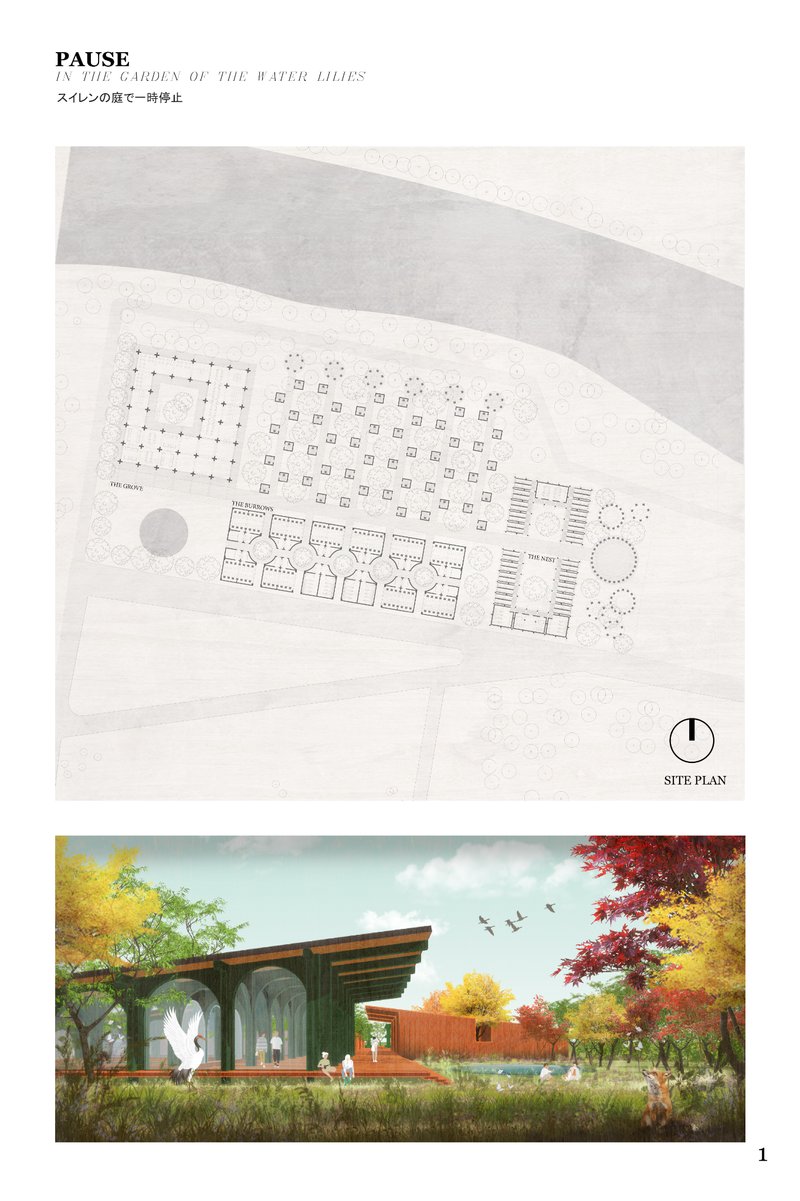
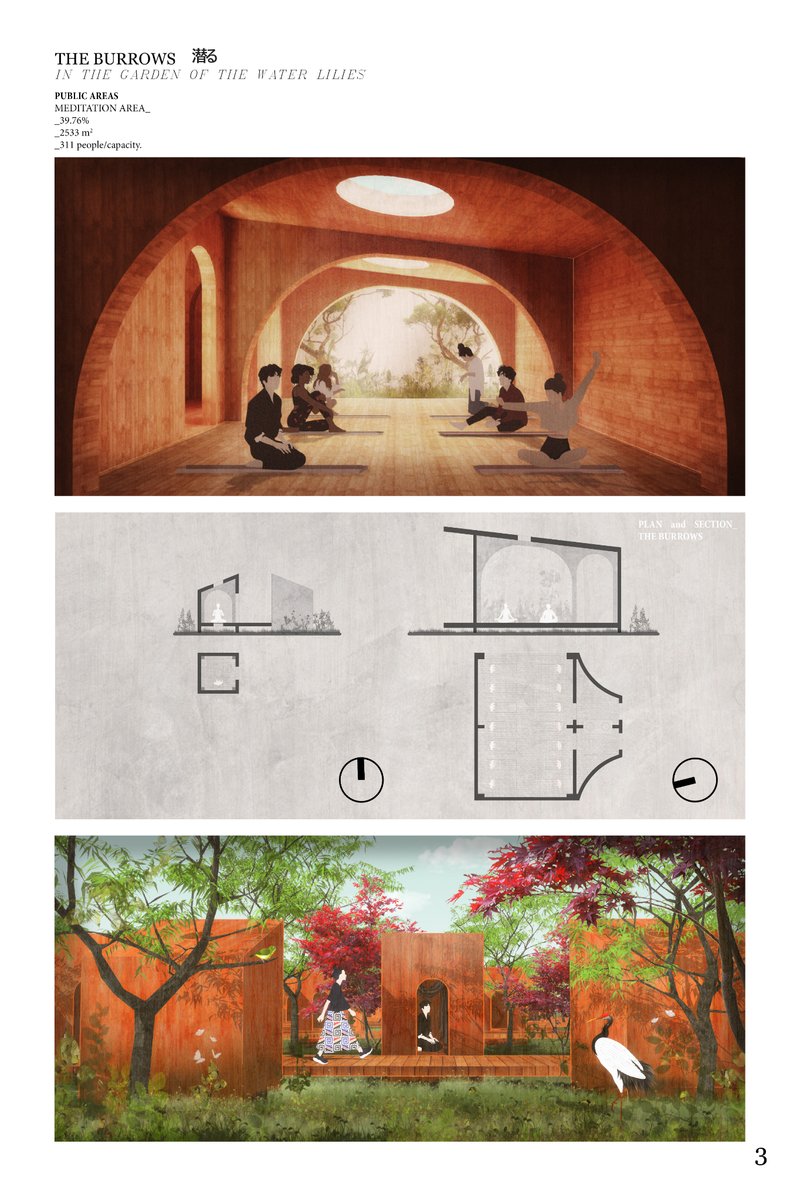
The "PAUSE in the Garden of Water Lilies" project encapsulates these emerging trends:
- Harmony with Nature: The project's board beautifully illustrates the concept of harmony with nature, using both artistic renderings and detailed diagrams to convey a design that is intimately connected with its natural surroundings.
- Sensory Engagement: The board invites viewers to experience the project not just visually but as a multisensory journey, emphasizing the integration of natural elements like water and greenery.
- Synthesis of Techniques: "PAUSE" combines hand-drawn sketches with digital renderings, showcasing a synthesis of traditional and modern techniques in architectural representation.
As we look to the future, architectural presentation boards will continue to evolve, embracing new technologies and methodologies while retaining the core principles of good design communication. They will not only serve as a bridge between the architect's vision and the final built form but will also become platforms for exploration, innovation, and storytelling, capturing the imagination of viewers and shaping the narrative of architecture in the years to come.