Bioclimatic Architecture Design: A Case Study of the Microbiological Chemical Laboratory by PENELAS ARCHITECTS
Exploring the Microbiological Chemical Laboratory's bioclimatic design by PENELAS ARCHITECTS, blending sustainability with postindustrial aesthetics.


Bioclimatic Architecture
Bioclimatic architecture represents a conscious design effort to harmonize architectural spaces with their natural surroundings, leveraging climatic conditions to improve comfort and minimize environmental impact. The Microbiological Chemical Laboratory, designed by PENELAS ARCHITECTS in Alcalá de Guadaíra, Spain, serves as a prime example of how modern buildings can embody the principles of bioclimatic design to achieve efficiency, functionality, and aesthetic value.
Project Overview: Embracing Postindustrial Aesthetics
The laboratory, covering an area of 2000 m², stands as a beacon of postindustrial aesthetics combined with cutting-edge functionality. It houses complex facilities for microbiological and chemical analysis, requiring a design that supports highly specialized activities while promoting a sustainable interaction with its environment.
Urban Reactivation through Design
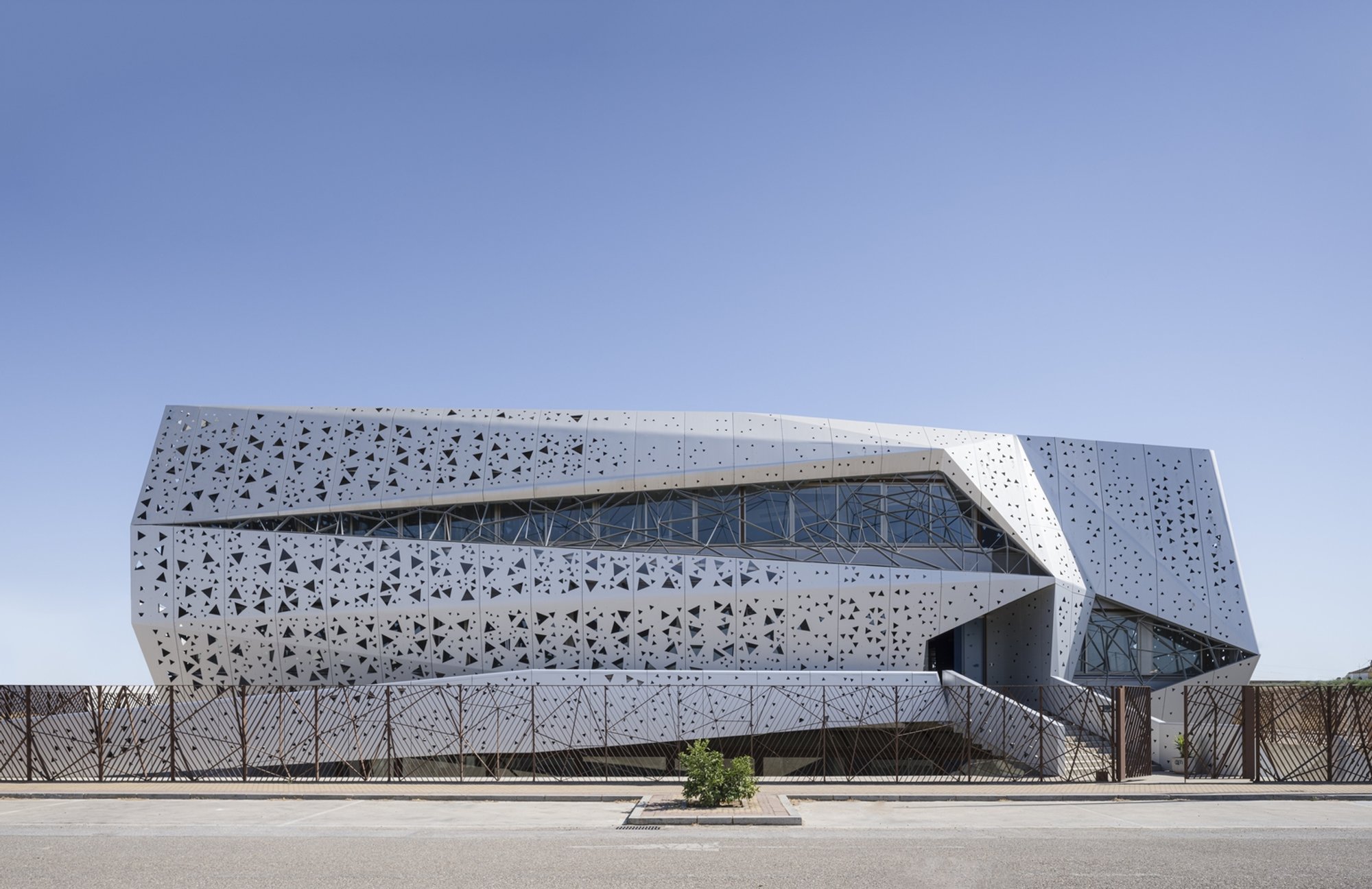
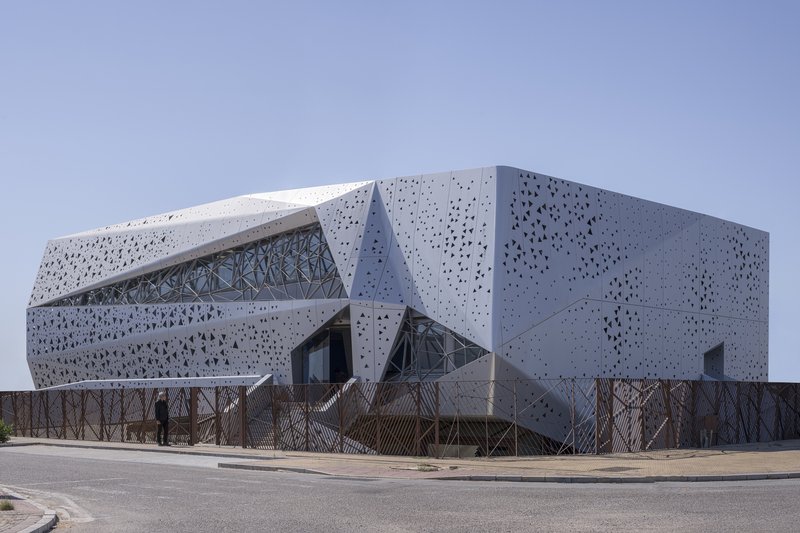
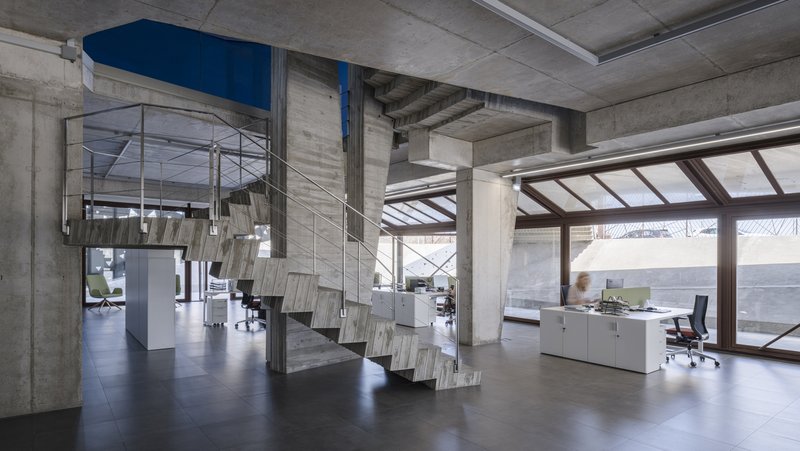
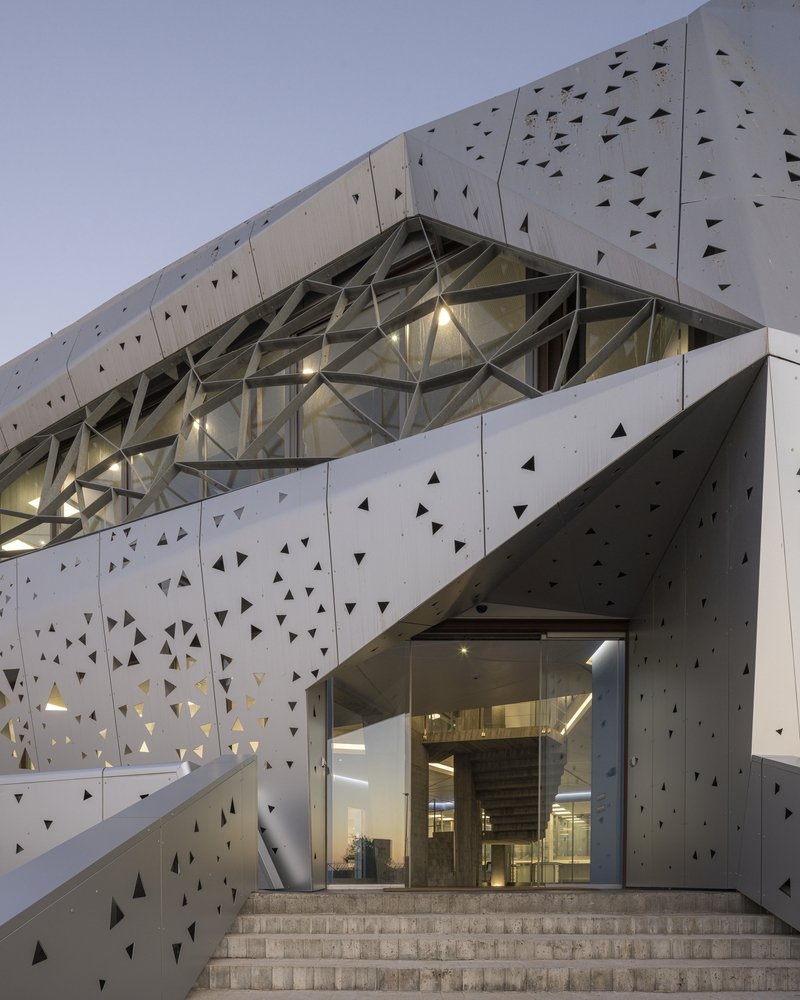
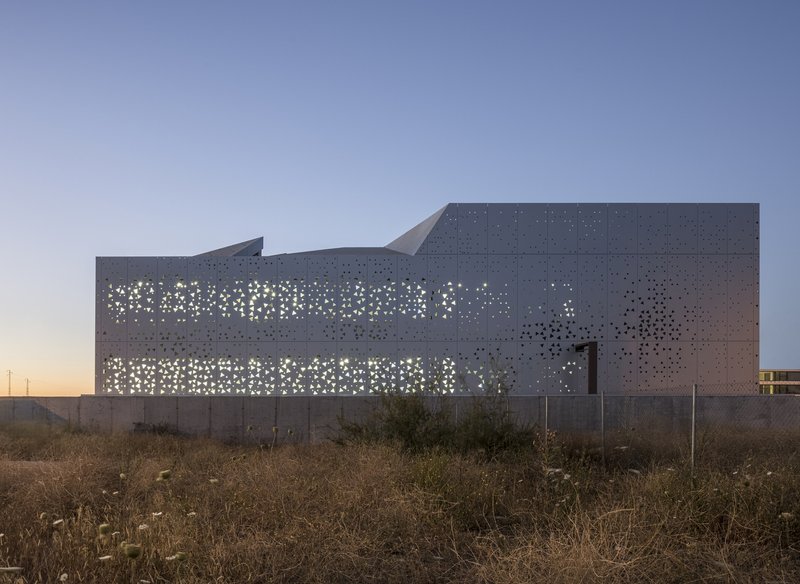
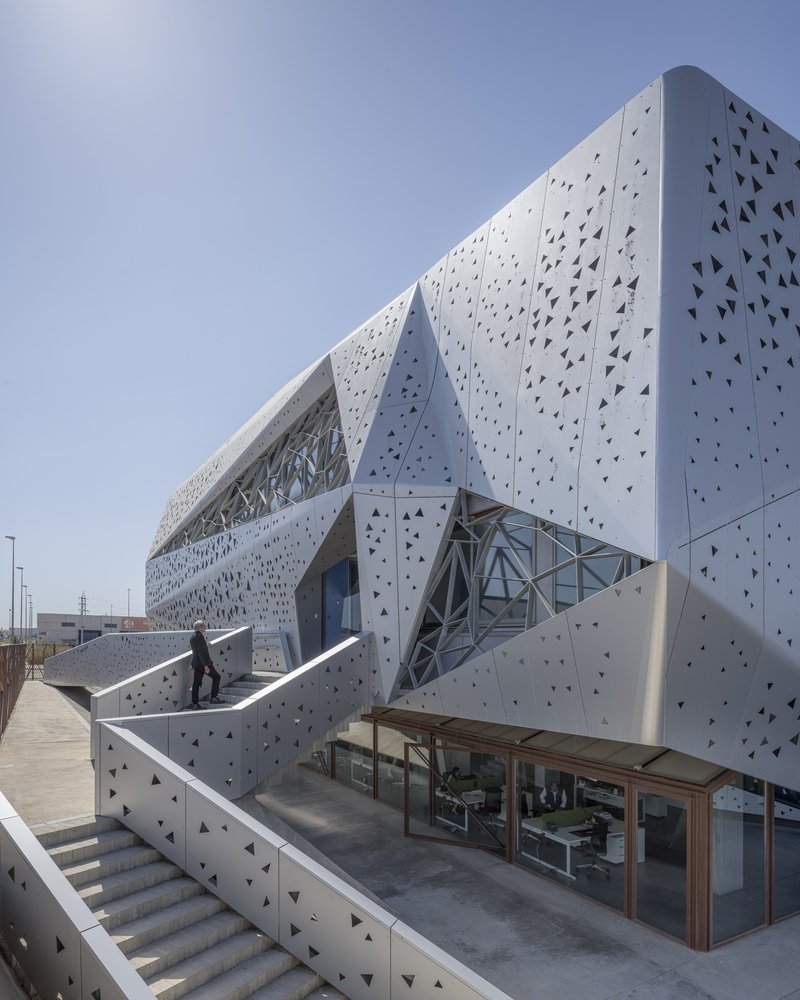
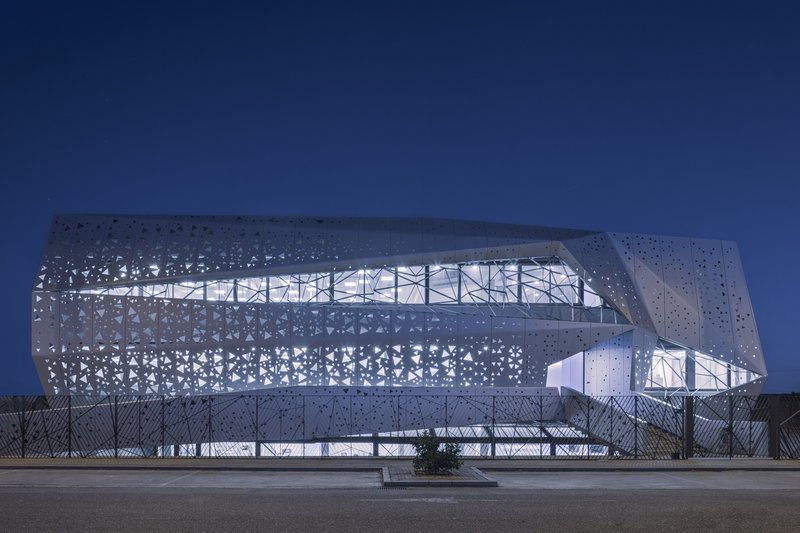
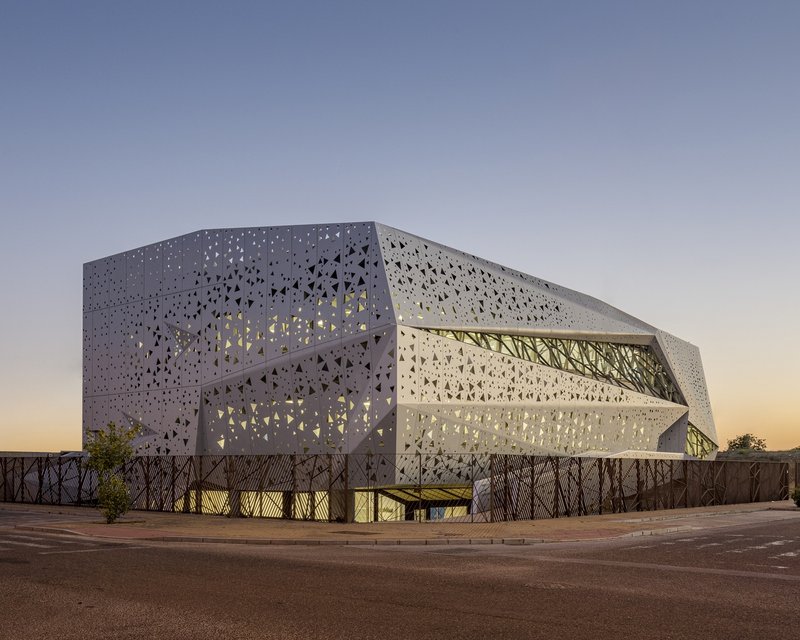
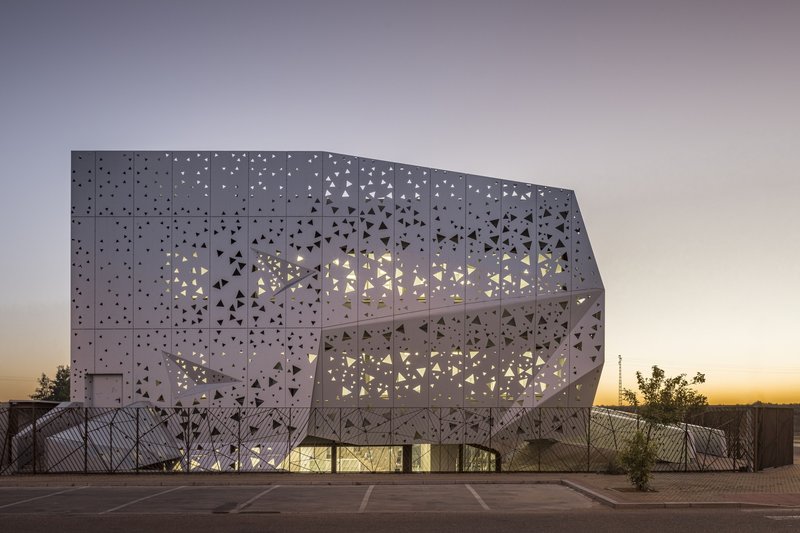
Situated in an industrial landscape, the building acts as an urban reactivator. Its perforated facades not only articulate a dialogue with its surroundings but also create a distinct interior landscape that filters environmental conditions, enhancing the workspace within.
Hypertechnological Facade Inspired by Tradition
Drawing inspiration from high-speed trains and the geometric patterns of historical Spanish architecture, the building's exterior is a testament to the fusion of technology and tradition. This design philosophy underscores the project's innovative approach, integrating advanced architectural techniques with historical references to create a meaningful spatial experience.
Bioclimatic Features and Sustainable Strategies
Active Skins for Natural Climate Control
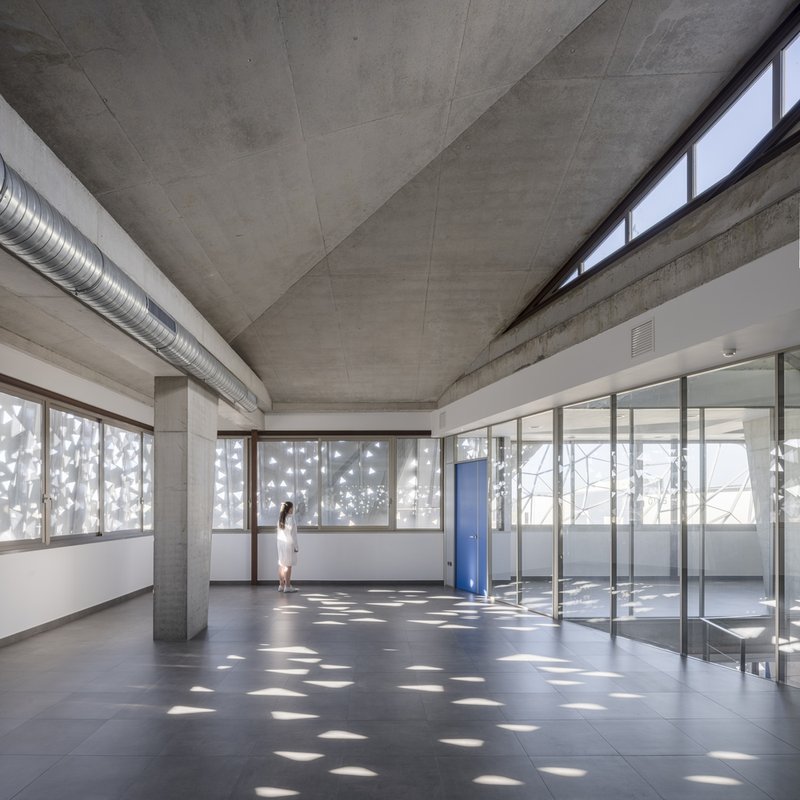
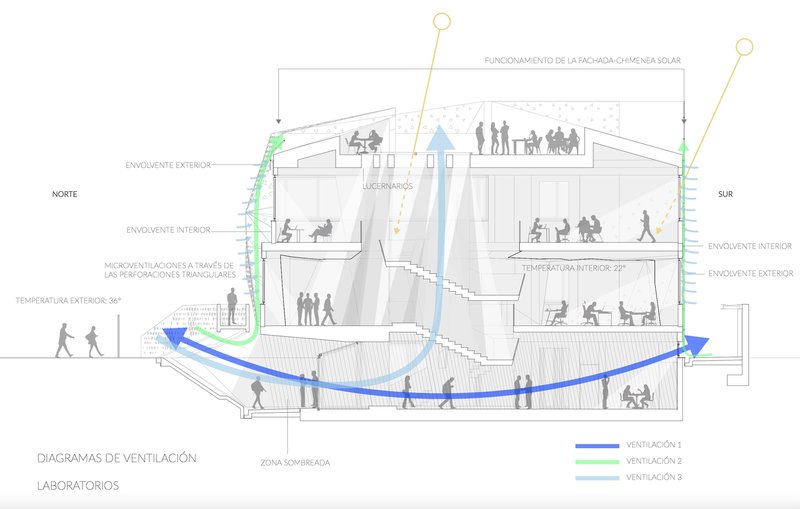
One of the laboratory's most notable features is its bioclimatic active skins, designed to adapt to varying solar orientations. This dynamic facade system comprises an interior glass envelope and an exterior super-perforated aluminum skin, creating a ventilated space that regulates temperature and light penetration. This ingenious solution not only reduces energy consumption but also enhances the comfort of its occupants.
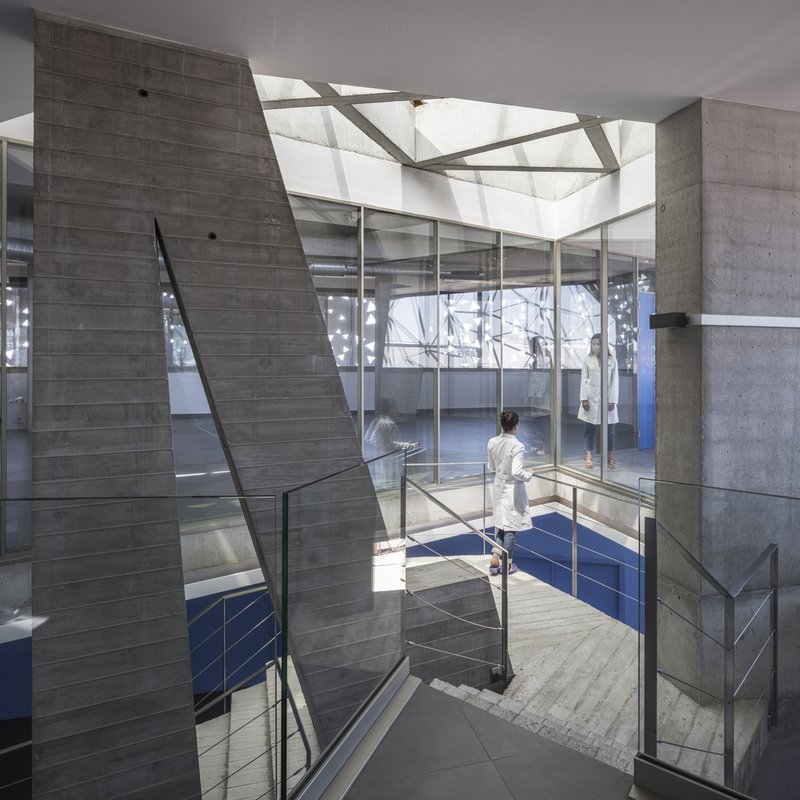
Interior Design: Functional Layers and Hypertransparency
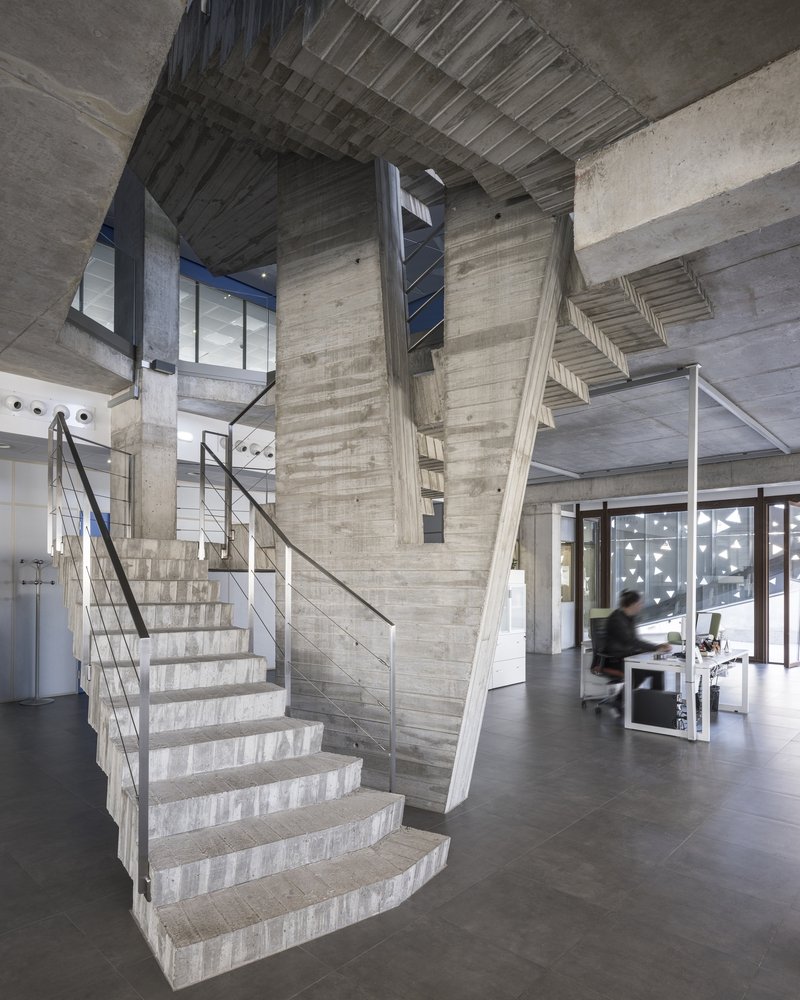
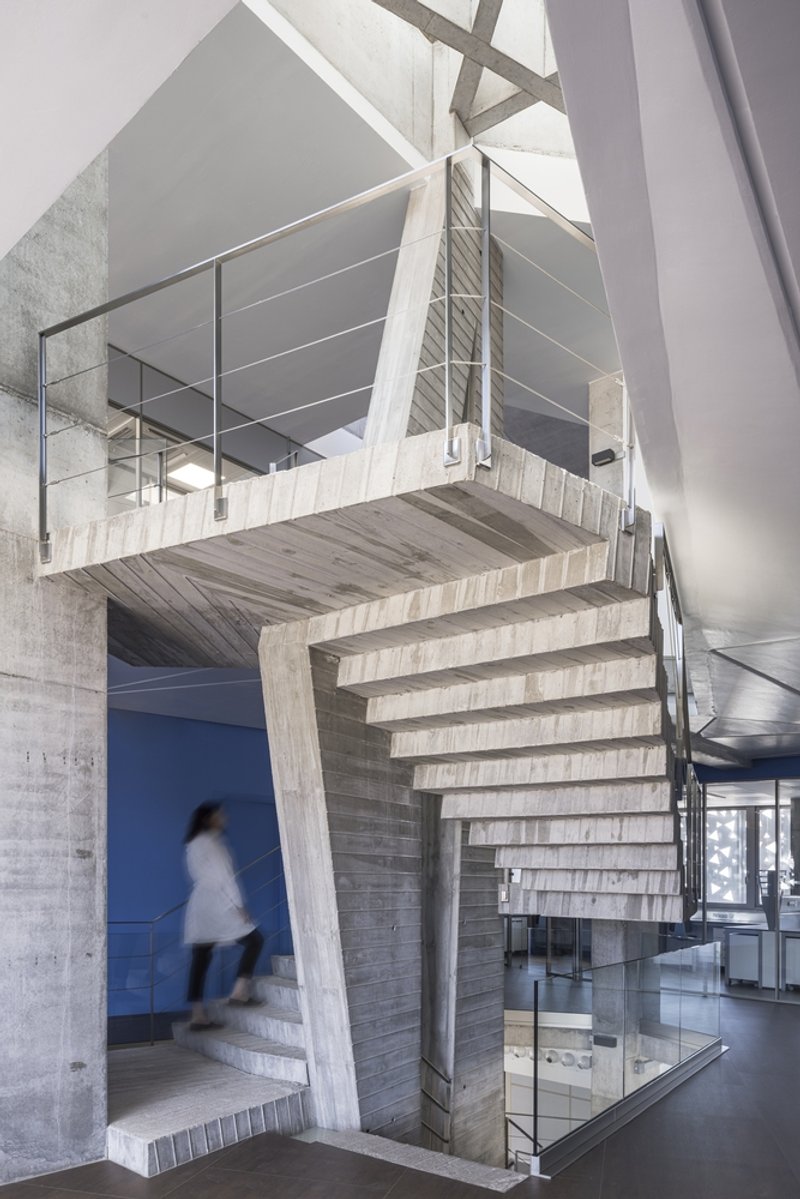
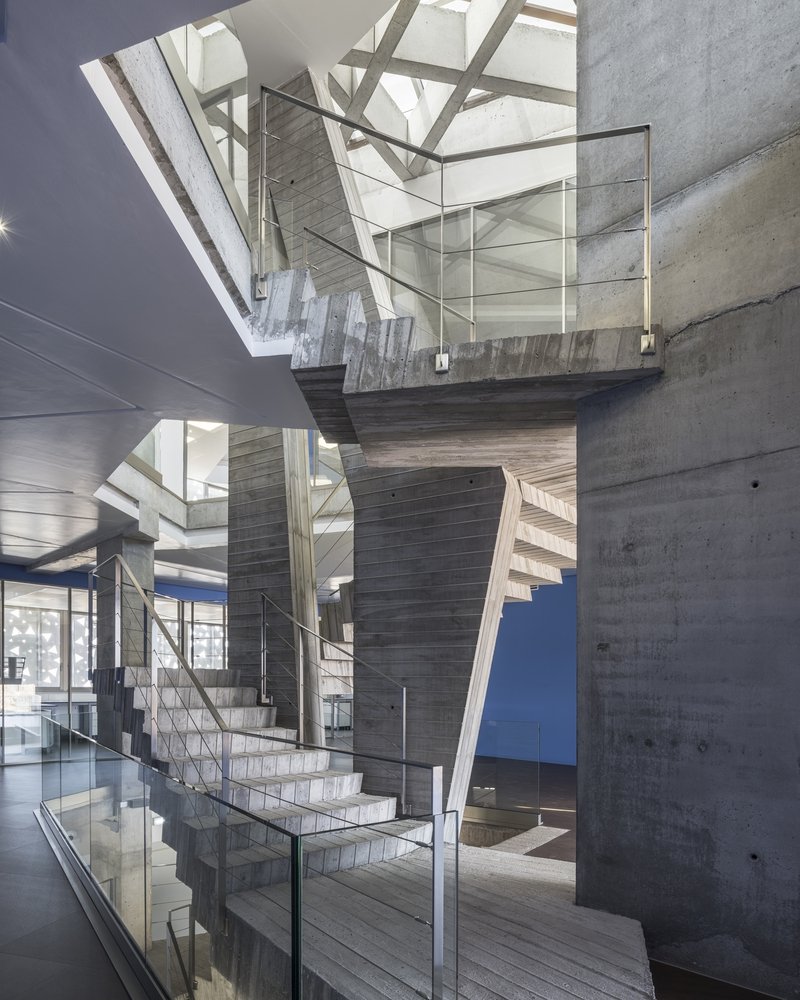
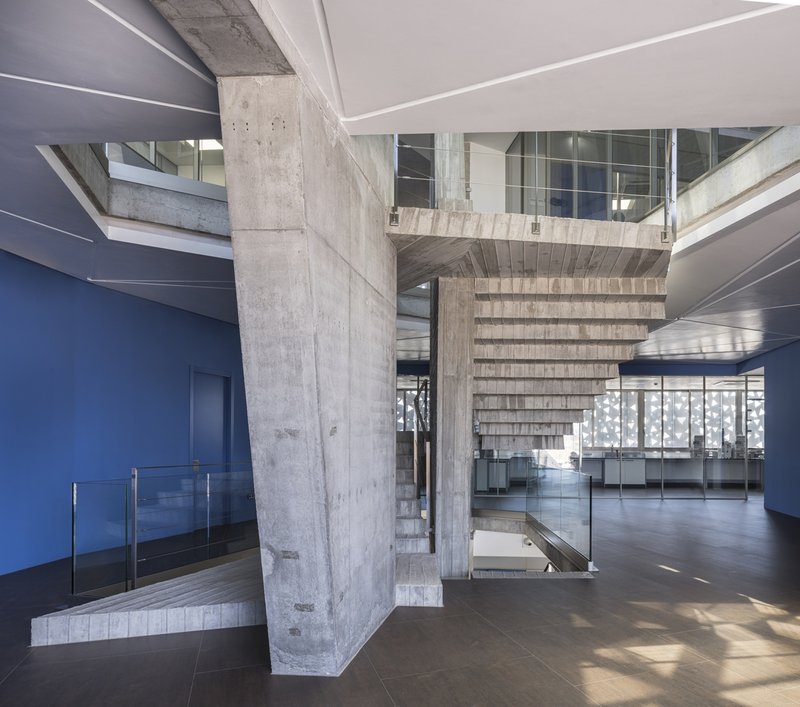
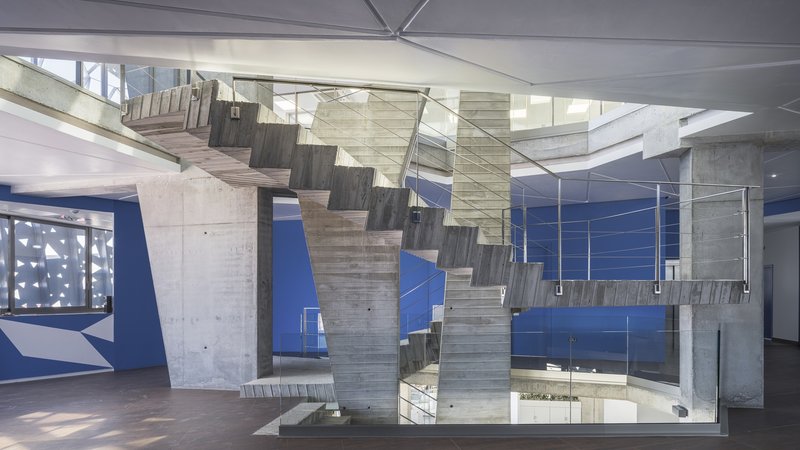
The interior design emphasizes spatial complexity and functional layering, with a central staircase-sculpture acting as the focal point for movement and light distribution. The use of hypertransparent materials and skylights ensures that natural light permeates the building, creating reflective and mysterious spaces ideal for both work and contemplation.
Sustainable Material Selection
Emphasizing sustainability, the construction materials—concrete, steel, glass, and aluminum—are chosen for their durability and recyclability. This not only supports the building's structural and aesthetic requirements but also aligns with the project's environmental ethos.
A Model for Future Architecture
The Microbiological Chemical Laboratory by PENELAS ARCHITECTS stands as a model for future architectural endeavors, demonstrating how bioclimatic design principles can be integrated into complex, functional spaces. This project exemplifies the potential of architecture to contribute to environmental sustainability while providing spaces that are visually compelling and highly functional.
As bioclimatic architecture continues to gain momentum, projects like this laboratory will serve as benchmarks for innovative, sustainable design that respects both our cultural heritage and our environmental responsibilities.
All photographs are work of Imagen Subliminal (Miguel de Guzmán + Rocío Romero)