

Blok Three Sisters House by Blok Modular + Vokes and Peters: A Masterpiece of Modular Beach House Design
An elegant exploration of modular beach house design blending memory, sustainability, and nature on Australia’s pristine coastline.


Introduction to the Blok Three Sisters House
Located on the pristine beachfront of Australia, the Blok Three Sisters House is a stunning example of modular beach house design, realized through the collaboration between Blok Modular and Vokes and Peters. Designed for three sisters who spent their teenage holidays at this cherished site, the project offers a contemporary architectural narrative rooted in memory, sustainability, and an effortless connection to nature.
A Design Rooted in Memory and Harmony
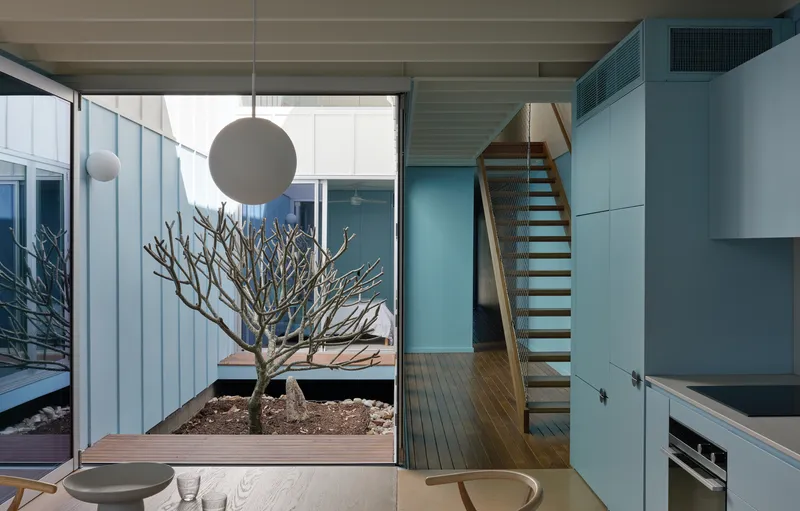
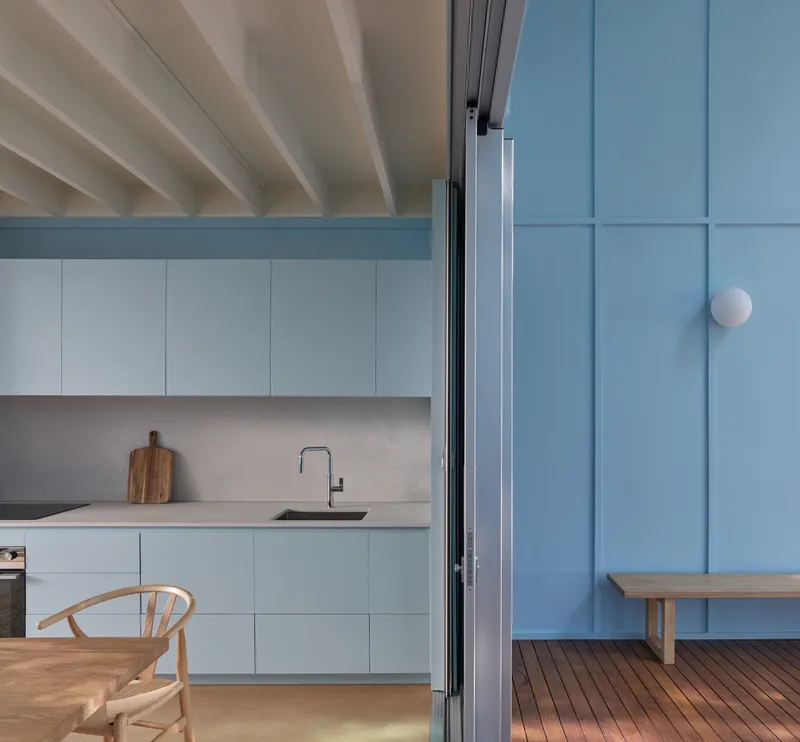
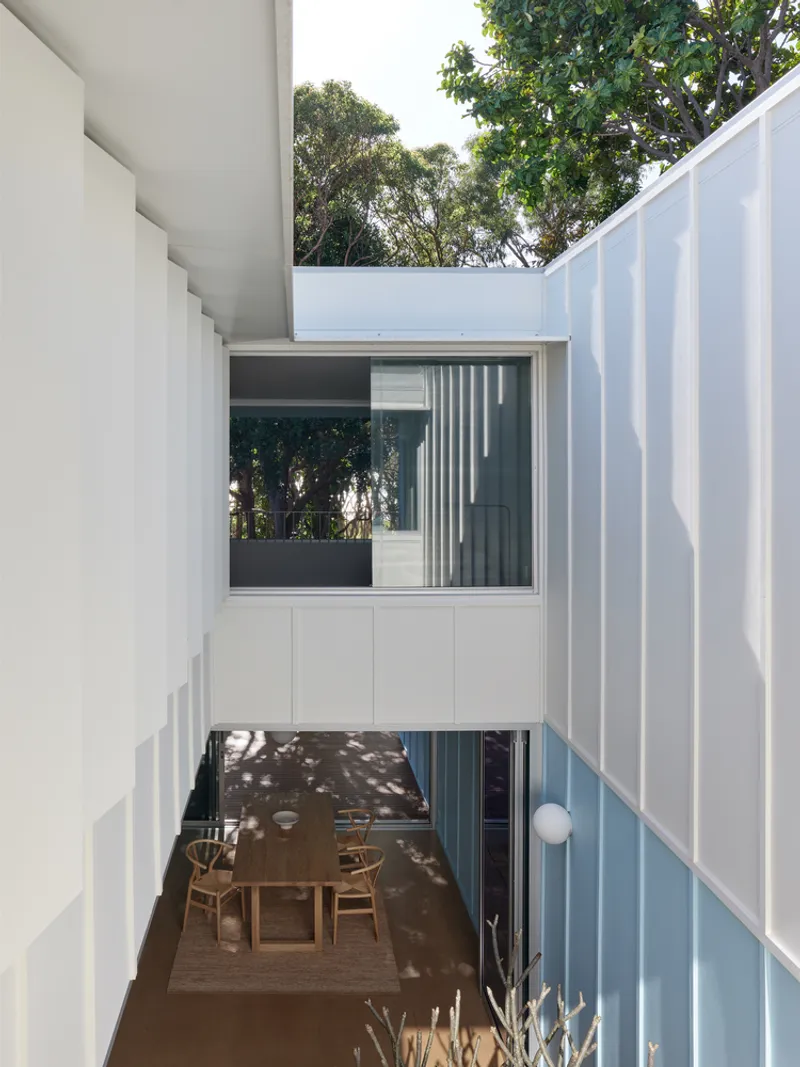
The architects approached the project with a deep understanding of place and personal history. The three modular houses are crafted with equal frontage, ensuring equity and harmony among the sisters. A central open-air garden infuses each narrow, elongated floor plan with natural light, air circulation, and greenery, creating an intimate yet airy environment.
Embracing the Language of the Modest Beach House
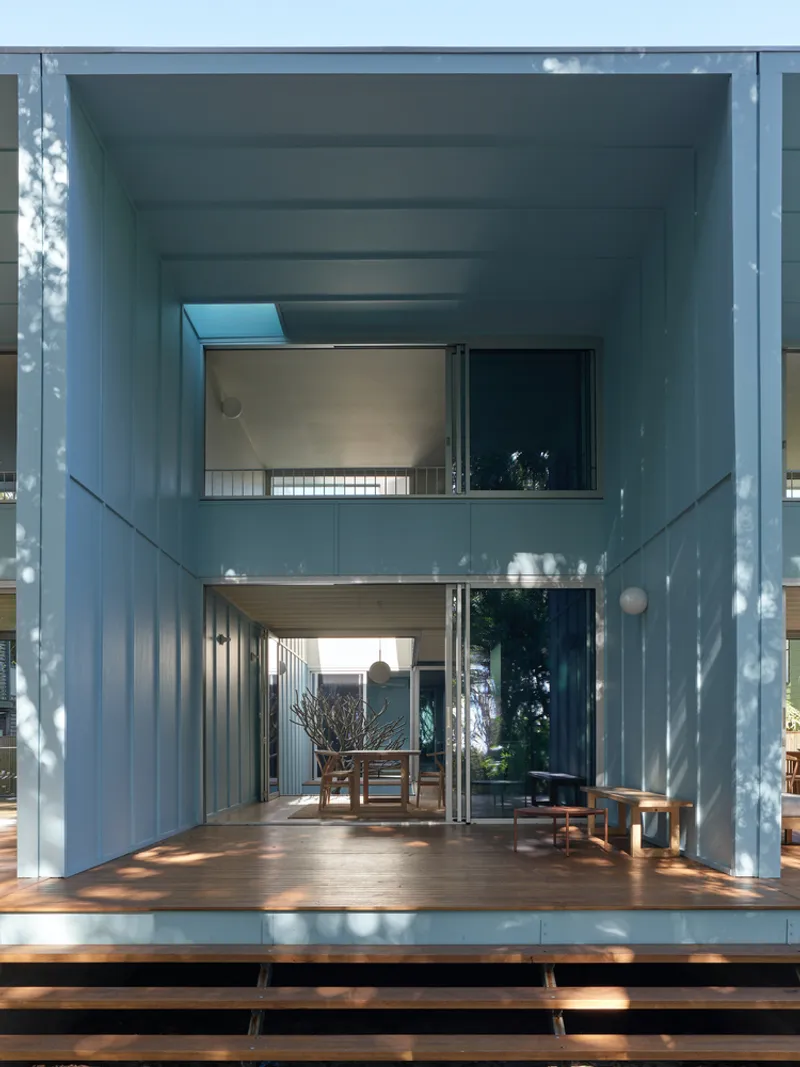
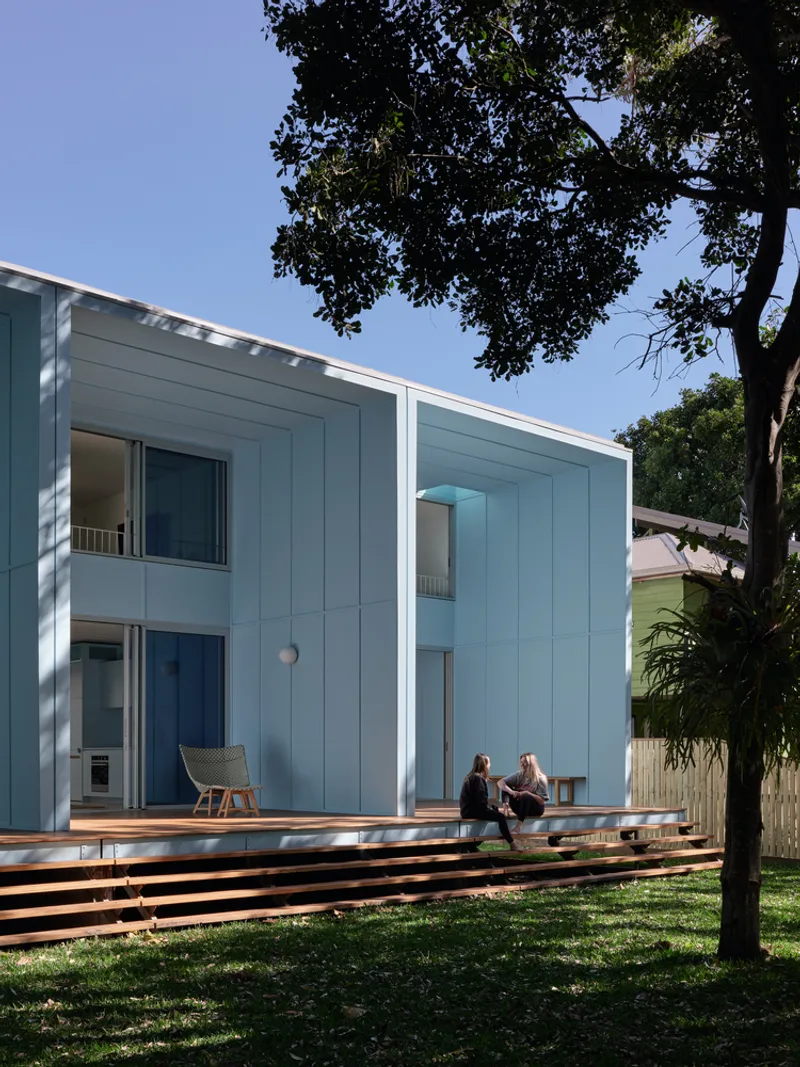
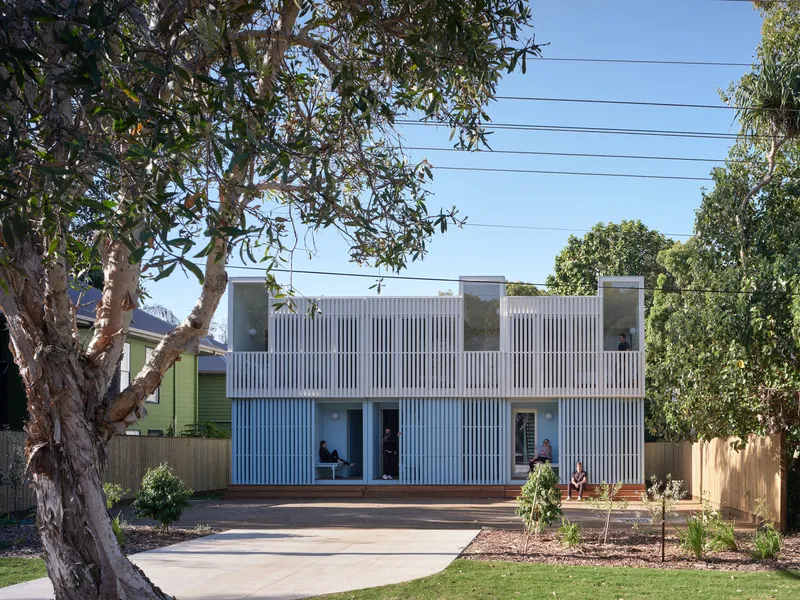
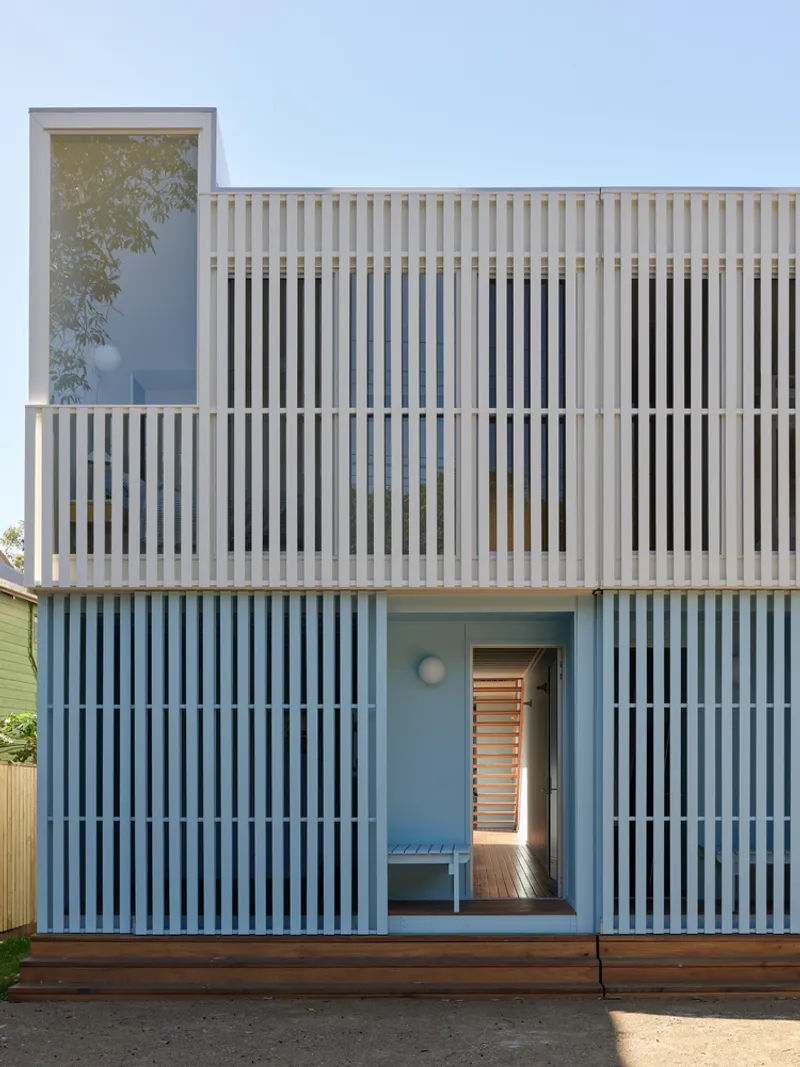
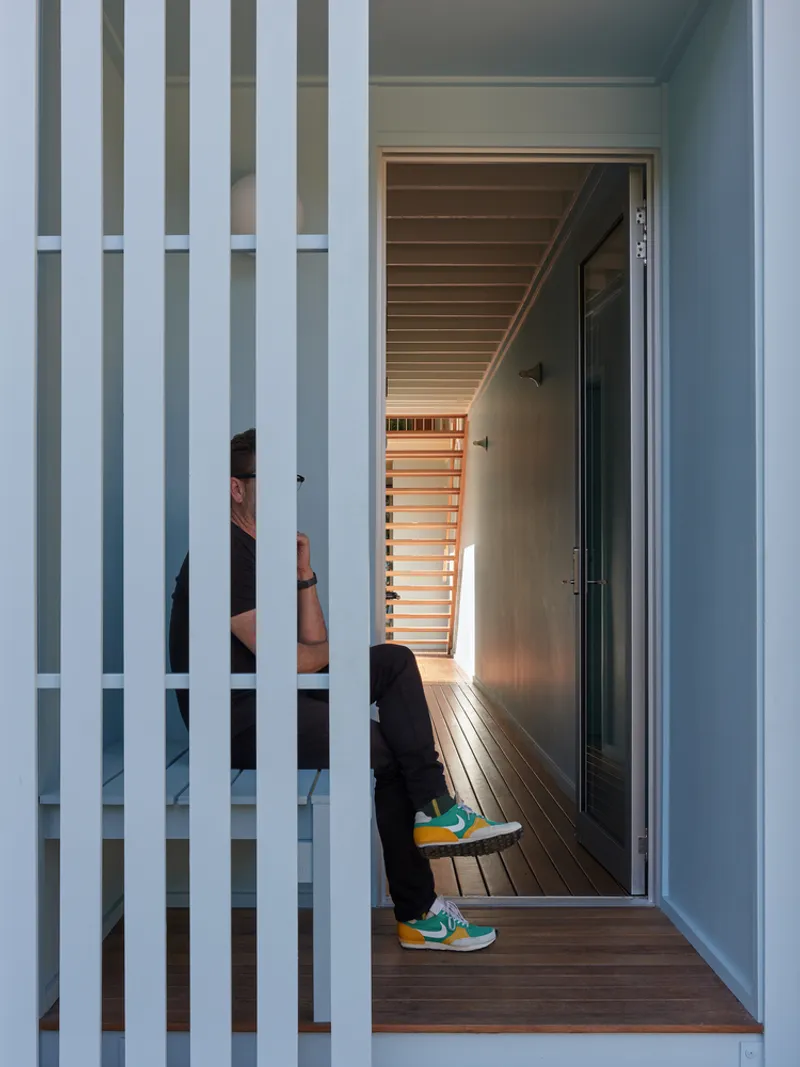
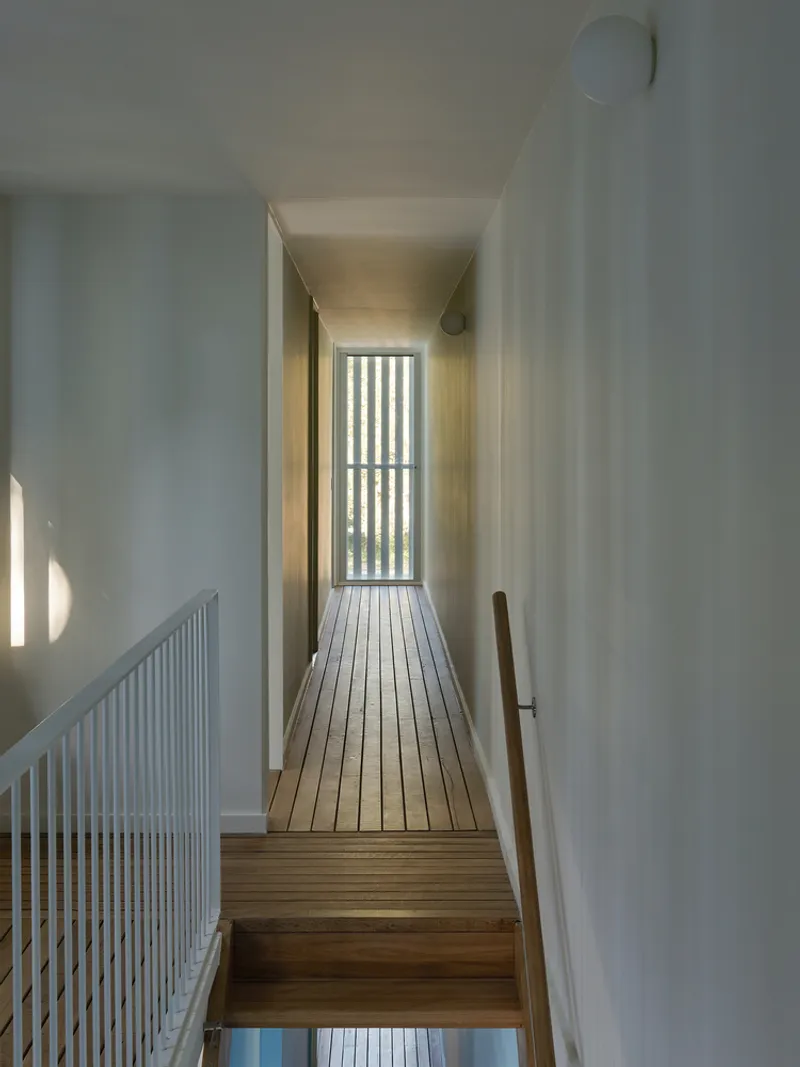
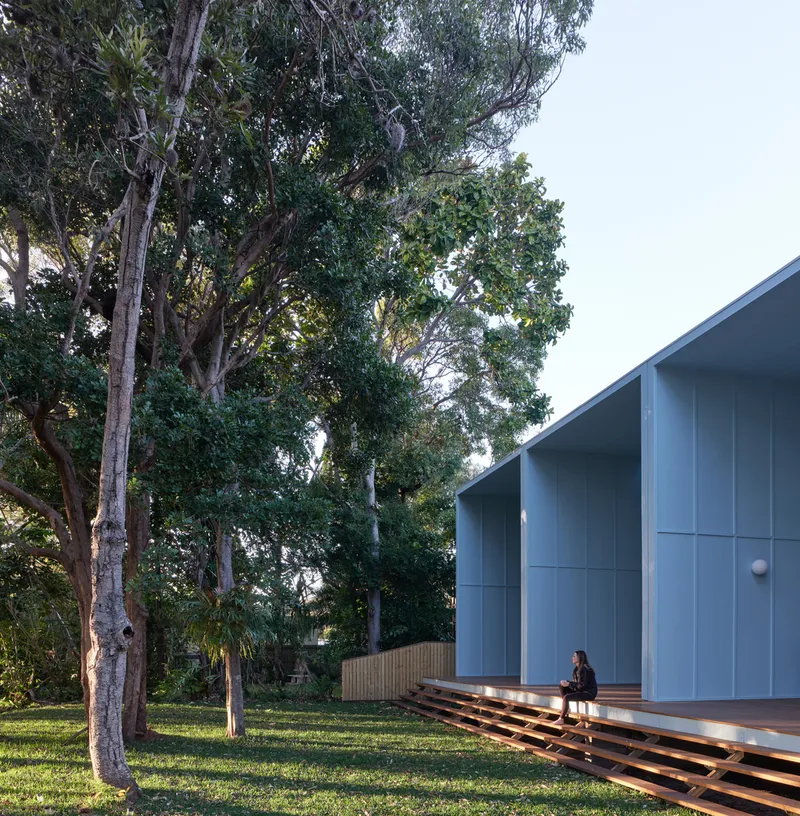
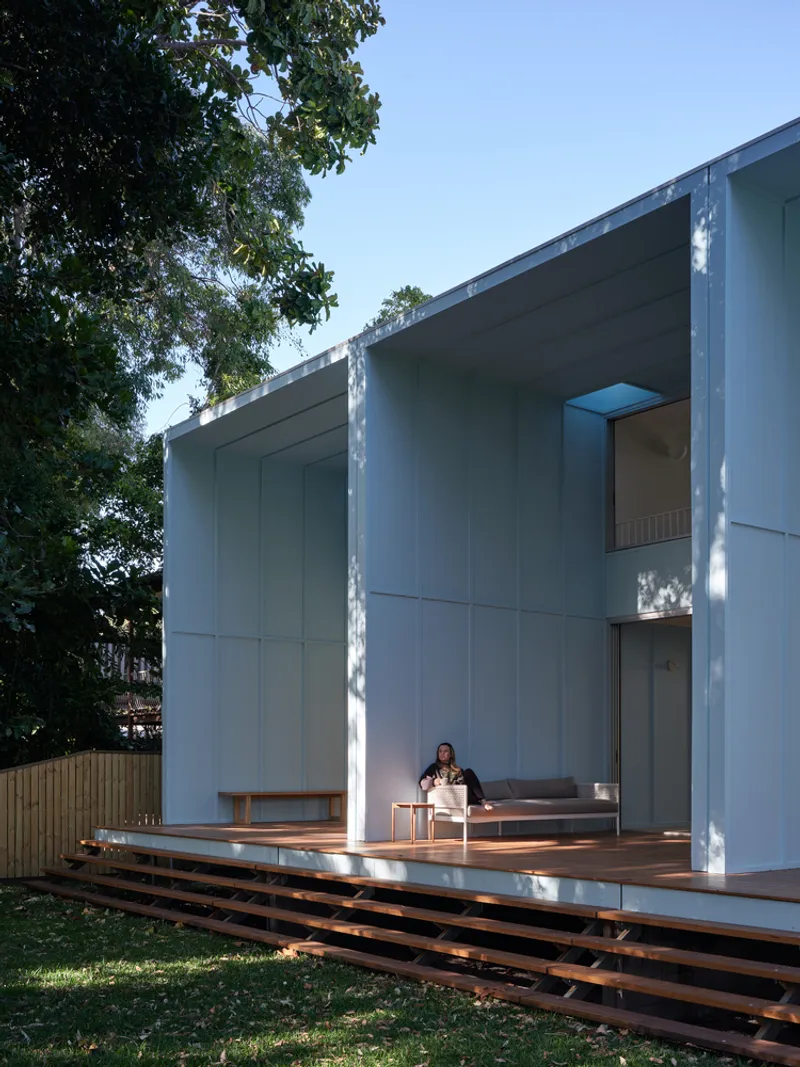
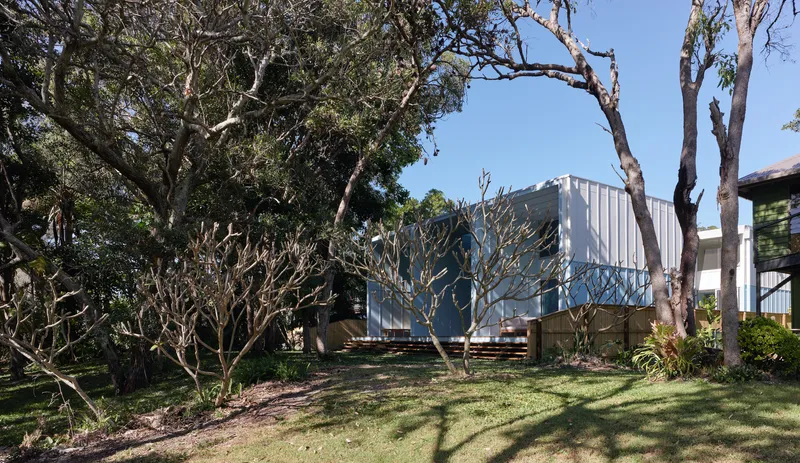
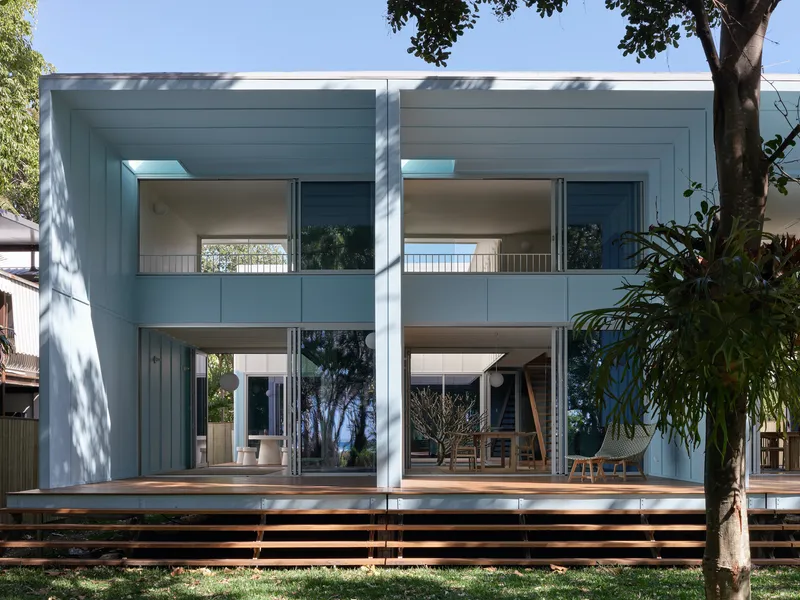
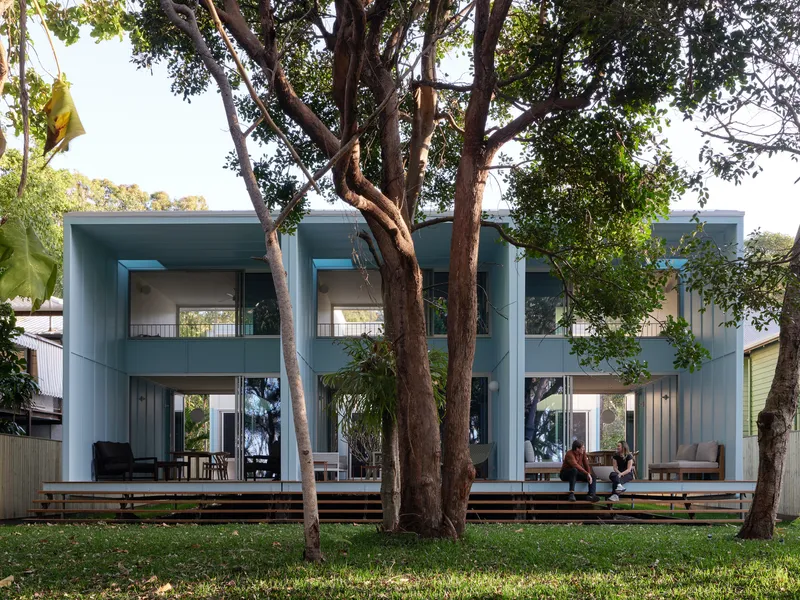
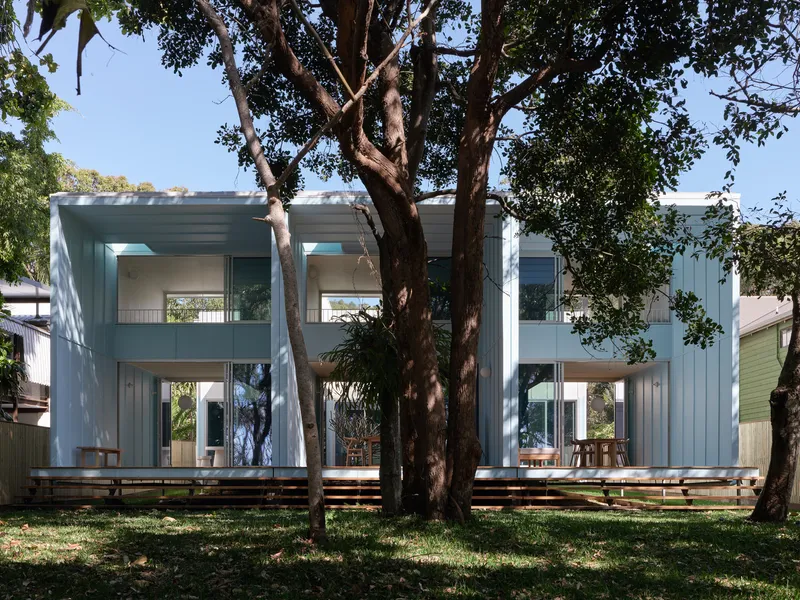
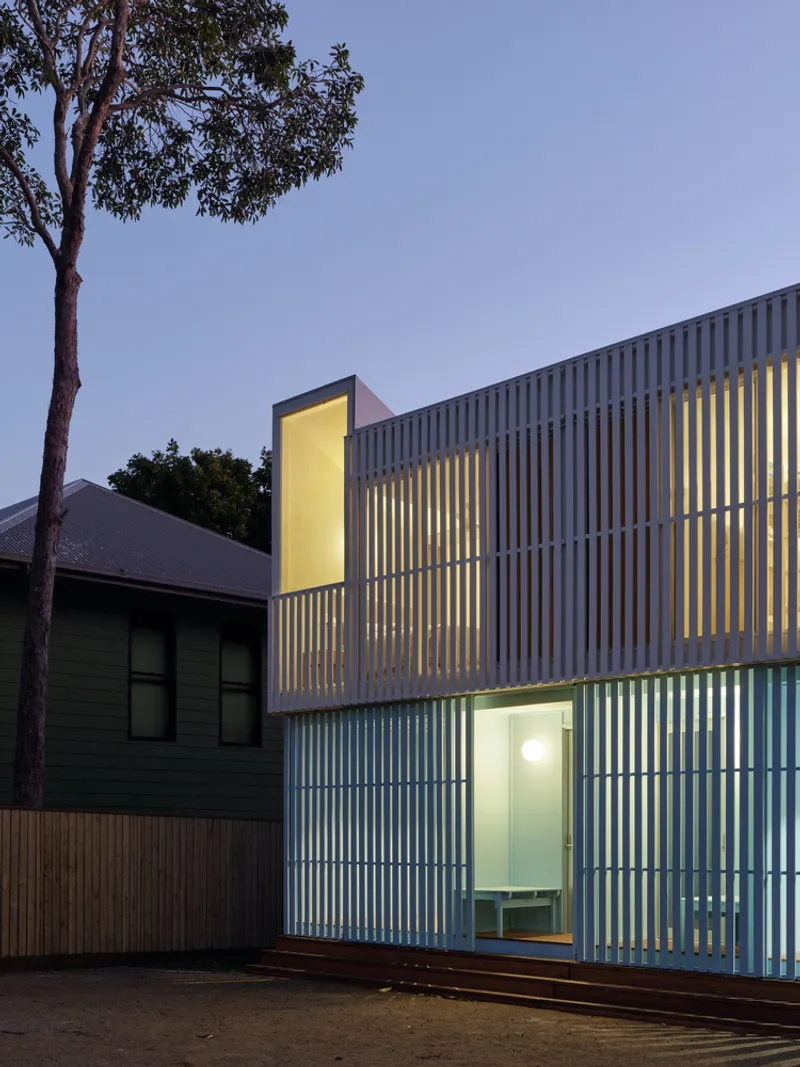
Blok and Vokes and Peters deliberately maintained the modest scale and lightweight character of traditional beach houses. Rather than reading as typical multi-storey units, the structure presents as a singular two-storey dwelling. This decision enhances the visual cohesion of the project and emphasizes its communal essence. Articulation is achieved through subtle design moves, such as color shifts and a recessed lower level on the street-facing façade. The elimination of solid front walls allows the depth and activity of interior spaces to be perceptible from the public realm, fostering a sense of transparency and openness.
Spatial Arrangement and the Dialogue with Nature
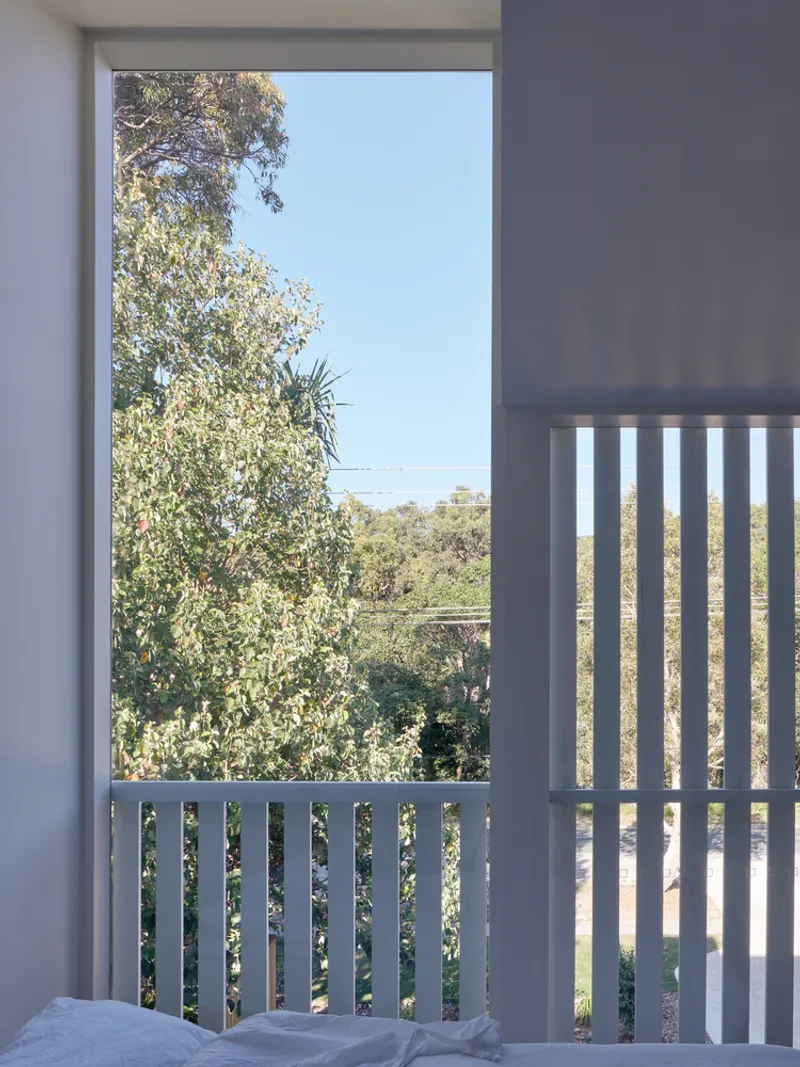
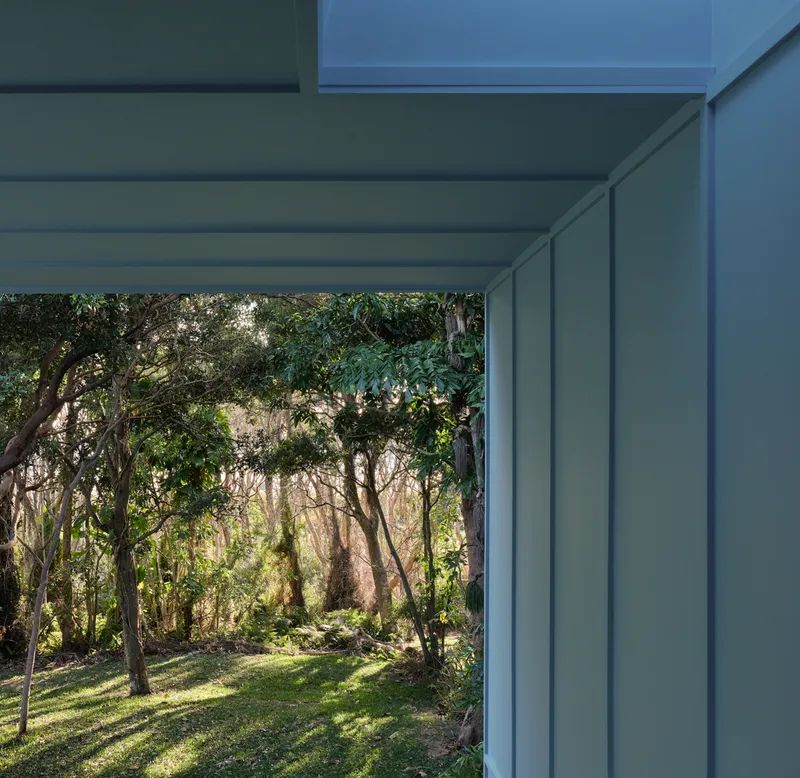
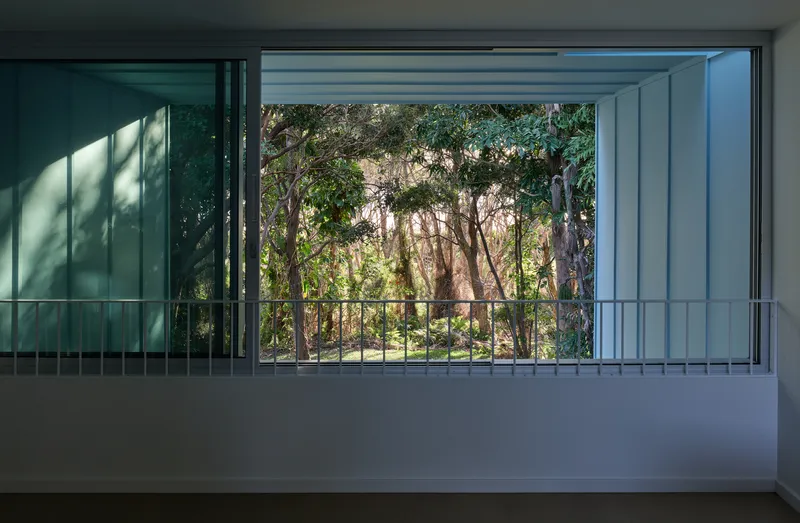
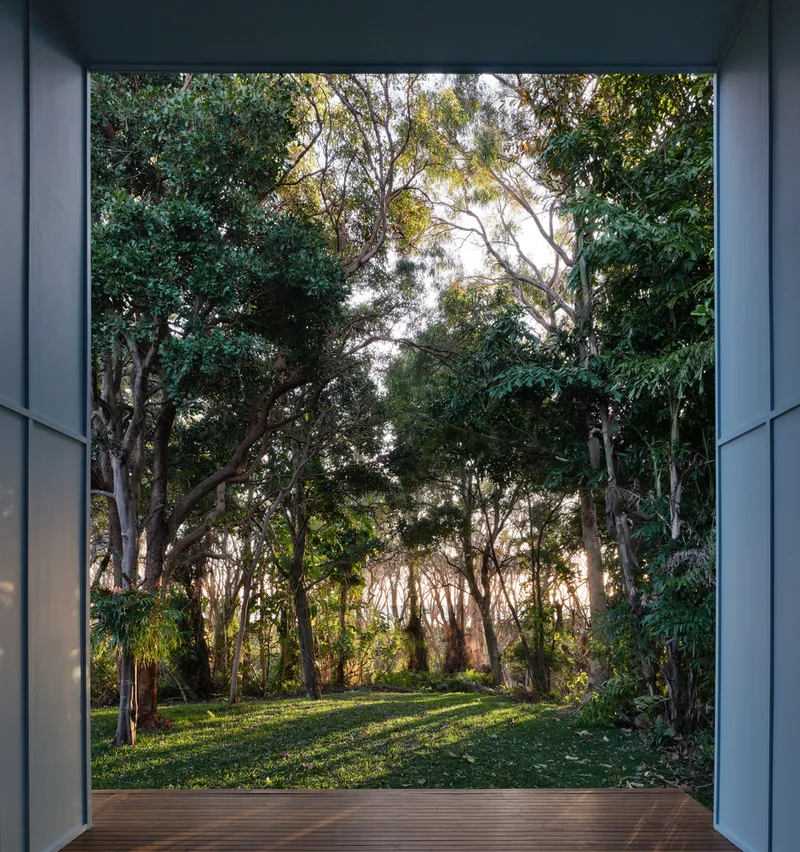
Each residence employs a unique spatial organization, layering a living room above the kitchen and connecting these spaces through a striking double-height verandah. This verandah opens toward the dunes, seamlessly blurring the lines between architecture and the natural coastal landscape. The design amplifies the experience of place, allowing residents to feel immersed in the surroundings while enjoying the comforts of home.
A Poetic and Contextual Color Palette
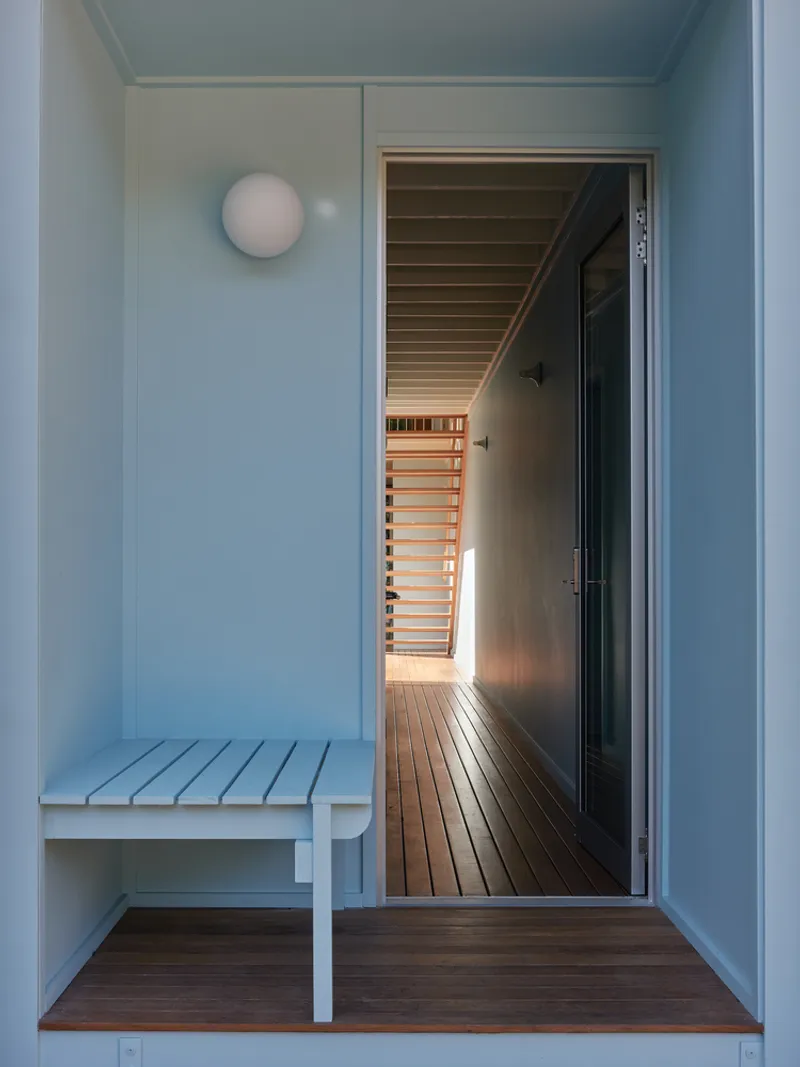
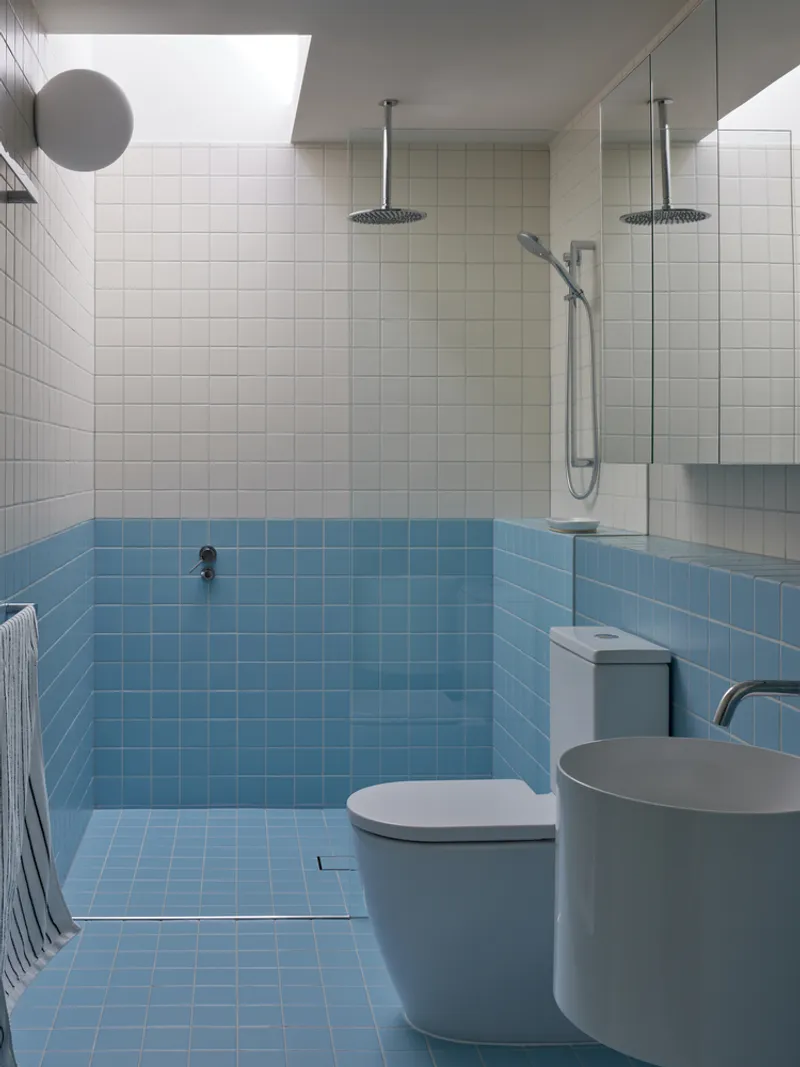
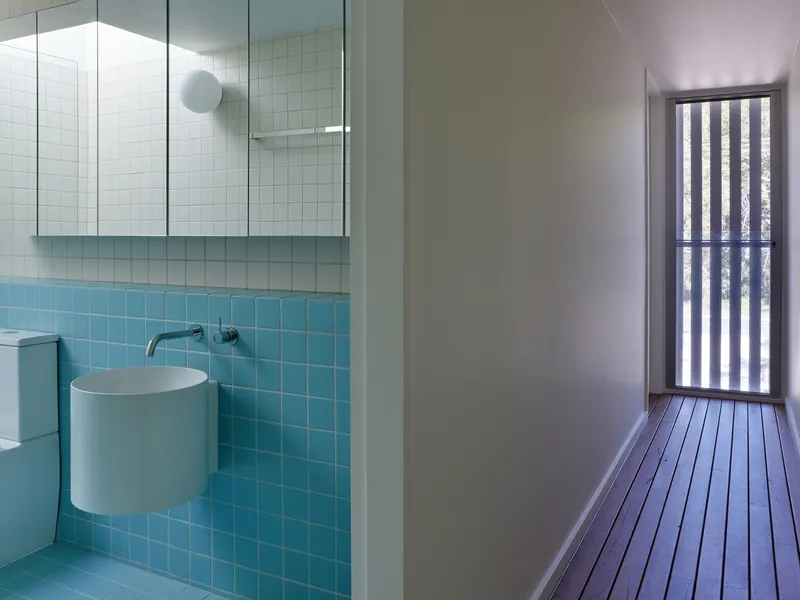
A distinctive feature of the Blok Three Sisters House is its poetic use of color. The lower modules are painted a powdery light blue, while the upper levels are white. This subtle transition references the weathered blue and white timber boats often seen along the coast and pays homage to the historic fibro beach shacks of the area. The colors echo the vast sky and turquoise waters, blending the building into its natural setting and evoking the fleeting glimpses of ocean and sky visible through trees on the approach to Point Lookout.
Rich Materiality and Street Presence
From the street, the houses present a rich and carefully curated palette of materials: clear-oiled hardwood decks, dual-tone paintwork, earthy exposed-aggregate driveways, anodised aluminium window frames, and vibrantly painted bedroom walls. This material diversity lends texture and visual interest without overwhelming the composition. Importantly, the architects intentionally avoided introducing a third color band to the façade, recognizing that it would disrupt the visual legibility of the two-storey design and introduce unnecessary complexity.
Modular Construction as Sustainable Innovation
At the heart of the project’s innovation is its modular construction method. Each house was composed of four prefabricated modules, meticulously crafted at the Blok factory in Brisbane. These modules were then transported to the island by chartered barge and craned into position over just two days. This efficient process not only minimized on-site disruption but also showcased the potential of modular architecture to achieve sustainable, high-quality residential design in sensitive natural settings.
Redefining Coastal Living Through Modular Design
The Blok Three Sisters House stands as a testament to the power of modular beach house design to honor personal histories, respect natural landscapes, and deliver sustainable, elegant architecture. Through thoughtful design choices, a delicate balance of communal and private spaces, and innovative prefabrication, Blok Modular and Vokes and Peters have crafted a timeless retreat that celebrates both memory and place.
All the photographs are works of Christopher Frederick Jones


Popular Articles
Popular articles from the community


David Macias Steps a Doorless Stone and Plaster House Down a Tropical Colombian Hillside
In the humid hills of Colombia, Threshold House replaces the front door with an open void and terraces its 850 m² down the slope instead of fighting it.

Tenter Studio Steps a Valle de Bravo Holiday House Down a Slope Around a Void Built for Pausing
In Valle de Bravo, Mexico, two dark brick volumes descend a steep plot and frame a deliberate gap, keeping the landscape quiet rather than staged.

Openfabric, caarpa and FM Ingegneria Recast the Grounds of the Reggia di Rivalta as a 25-Hectare Public Park
At the Reggia di Rivalta in Italy, a radiating plan of lawns, basins and steel pergolas turns historic palace grounds into an ecological commons.

Architekt Andreas Gruber Scatters 23 Dark Timber Chalets Across a South Tyrolean Forest Edge
In Molini di Tures, Amonti Chalets breaks a resort into a hamlet of gabled timber houses, with parking, storage and services pushed into the slope.

Similar Reads
You might also enjoy these articles

andblack design studio Wraps a Three-Generation Ahmedabad Home Around a Planted, Skylit Central Courtyard
In Ahmedabad, a 9,910 sq ft house uses exposed concrete, brick jali and a skylit green court to give three generations both distance and closeness.

Studio Maignan Architects Opens Up a 1930s Toronto Brick House and Crowns It with a Glass-Gabled Loft
In Toronto's Humewood Cedarvale, a compartmentalized 1930s brick house becomes an open, timber-lined family home that climbs toward its garden canopy.

Some Thoughts Clamps Felt and Metal Together to Build a Modular Eyewear Store in Wuhan
A 98 m² MOLSION eyewear shop in Wuhan builds its displays from stacked red and grey felt modules held by custom triangular metal fasteners.

Studio Carré Rebuilds a 70 m² Marais Apartment Around a Red Kitchen Corridor and a 360-Degree Sightline
In the Enfants Rouges quarter of Paris, a 70 m² third-floor flat trades walls for sightlines, terracotta, steel and one fearless coat of red.

Explore Architecture Competitions
Discover active competitions in this discipline

Challenge to reimagine the Iron Throne

Photograph architecture without architects

Illustrate the lost glory of Angkor Wat - Render Challenge

Design challenge to reuse E-waste
Comments (0)
Please login or sign up to add comments
No comments yet. Be the first to comment!