Candy Farm: A Harmonious Blend of Architecture and Nature
Candy Farm blends sustainable architecture with nature, featuring grass roofs, bamboo design, and wildflower landscapes in Omihachiman, Japan.


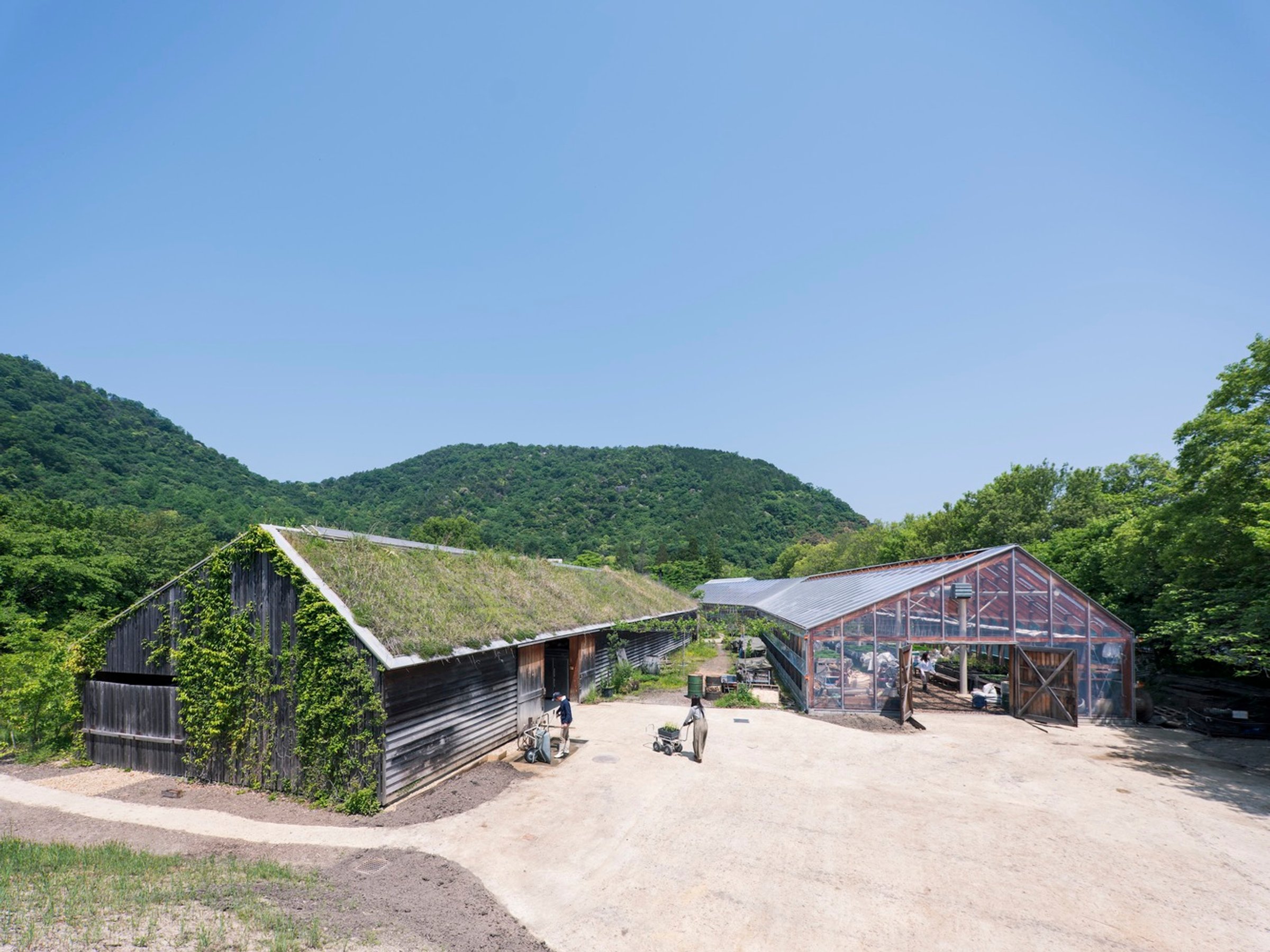
The Candy Farm project, designed in collaboration with Kyoto University Global Environmental Architecture and Akimura Flying C, is a pioneering architectural endeavor located in Omihachiman, Shiga Prefecture. Nestled at the base of Mt. Hachiman and near Lake Biwa, this innovative site forms part of the Taneya Group’s “La Collina Omihachiman” initiative, which seamlessly integrates architecture with the natural environment.
Architectural Vision
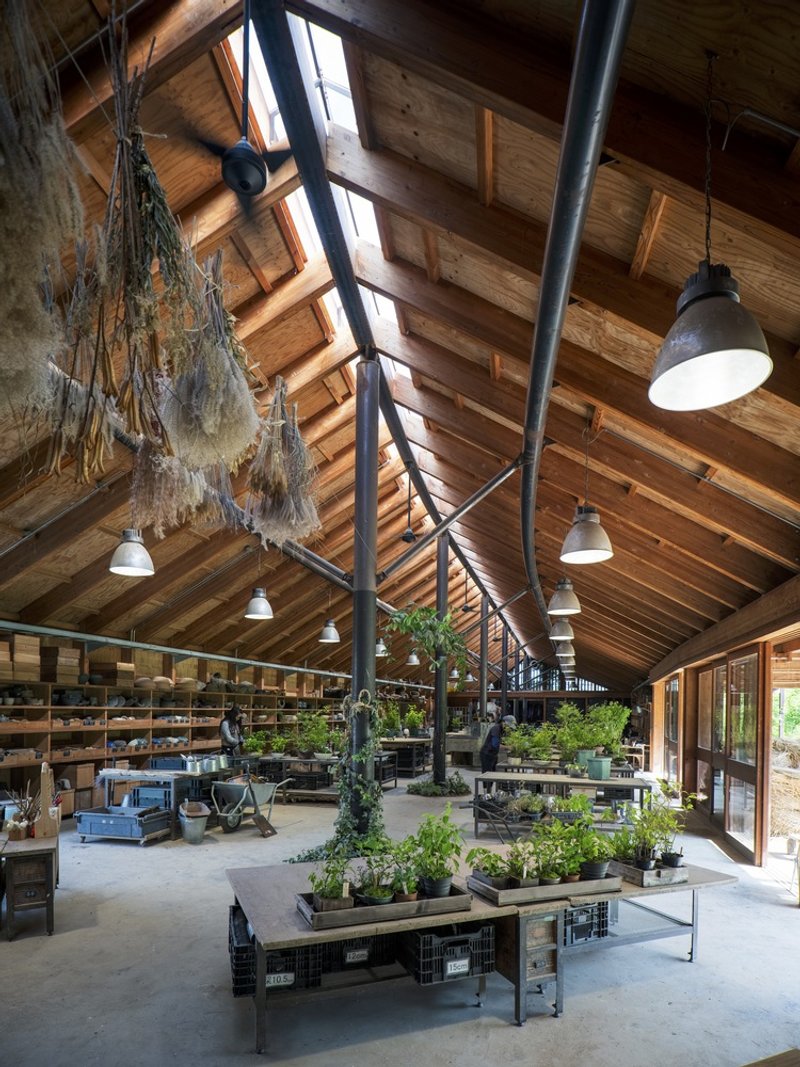
The Candy Farm serves as the headquarters for Taneya Agri-Culture—a facility dedicated to cultivating and arranging wildflowers for Taneya’s confectionery stores nationwide. The design reflects a deep respect for nature, blending materiality and form to evoke the delicate artistry of Japanese confectionery. Hiroshi Nakatani’s vision focuses on using natural materials to create structures that evolve alongside their surroundings.
The organic arc of the building aligns with the sloping terrain, providing a serene and unobtrusive presence amid the surrounding trees. Primary materials include a grass roof, wooden plank walls, and exposed iron elements. Over time, these materials naturally age and integrate into the environment, embodying a philosophy of sustainable design.
Functional and Aesthetic Harmony
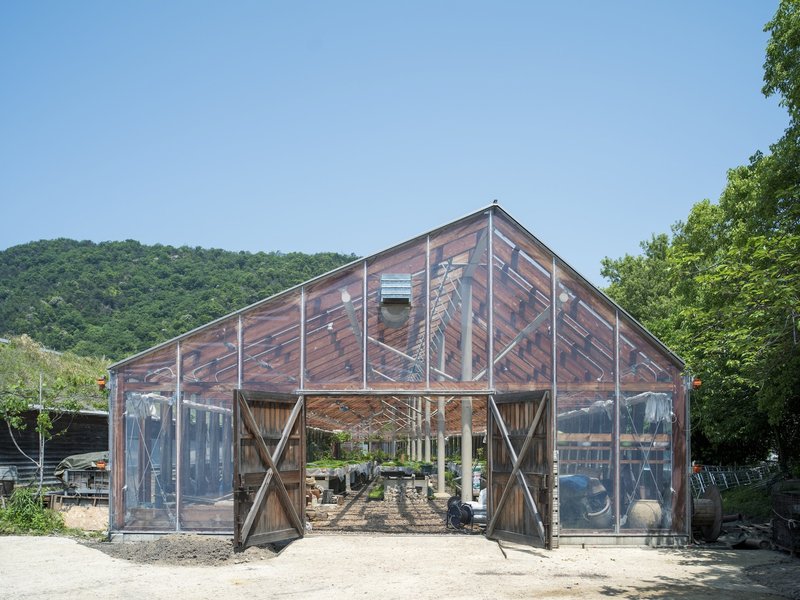
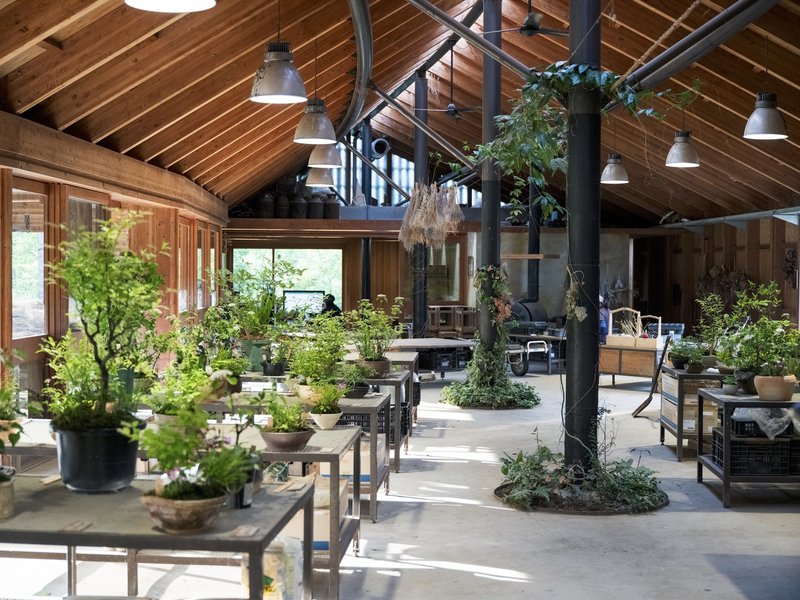
The facility consists of two main structures—the primary building for wildflower cultivation and display, and a neighboring nursery house. The juxtaposition of these buildings creates a dynamic interplay of light, texture, and spatial quality. The work shed aesthetic of the cultivation facility reflects its purpose while maintaining harmony with the natural landscape.
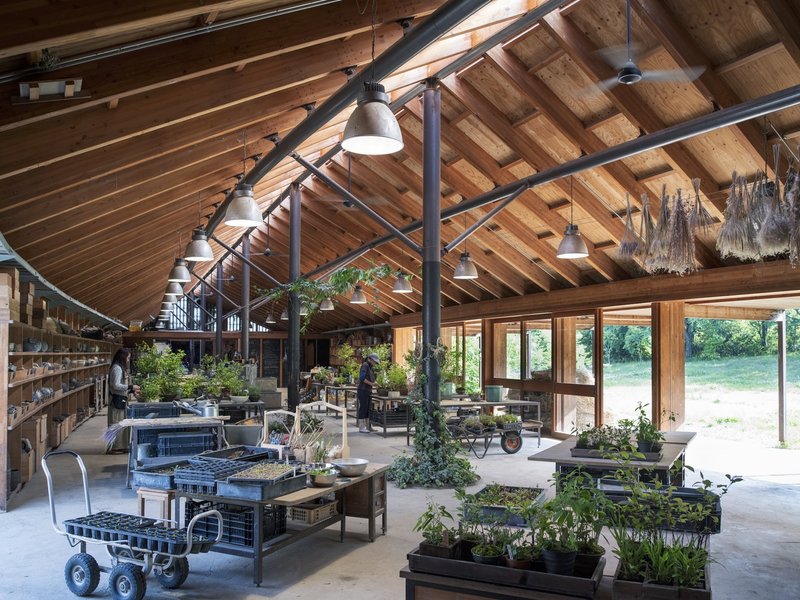
Key architectural highlights include:
- Grass Roofs: Designed as living ecosystems, these roofs host wildflowers and blend the building into the environment.
- Bamboo Integration: Discarded bamboo groves were repurposed for pathways, further connecting the site to its satoyama (village forest) roots.
- Sustainable Materials: Iron and wood were chosen for their ability to age gracefully and adapt to environmental changes.
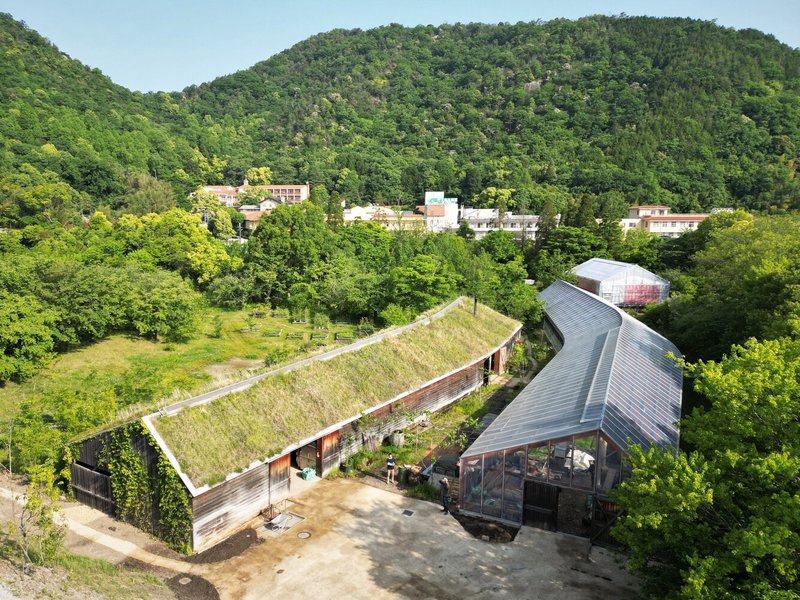
Landscape Integration
Landscape architect Kunihiko Shigeno played a pivotal role in connecting the buildings to their surroundings. By planting acorn seedlings and utilizing wildflowers, the landscape fosters biodiversity and mirrors the seasonal rhythms of nature. The bamboo chip pavement and grass roofs symbolize the seamless collaboration between human ingenuity and natural processes.
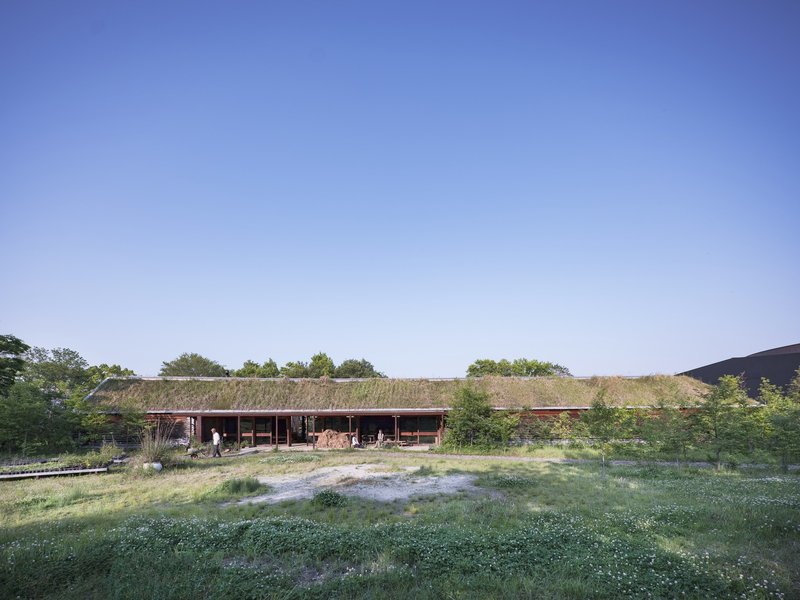
A Decade of Transformation
Since its completion nearly a decade ago, the Candy Farm has undergone a remarkable transformation. Bamboo chips have merged with the soil, and the vegetation on the grass roofs has flourished, embodying the project’s core vision of architectural symbiosis with nature. This evolution continues as the site seeks to redefine the relationship between built environments and ecological preservation.
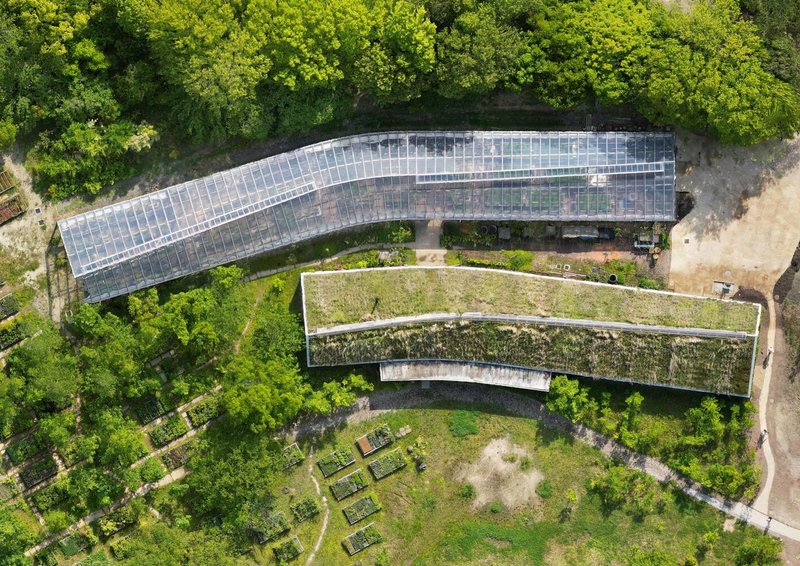
The Candy Farm exemplifies a harmonious balance of sustainability, functionality, and aesthetic appeal. As part of Taneya’s broader mission to honor the environment, this project stands as a testament to the enduring beauty of architectural collaboration with nature.
All photographs are works of Kiyoshi Nishioka