Center for Work and Technology by KUU Arhitektid – A Contemporary Workshop Facility Rooted in Functionalist Heritage
Contemporary workshop building blending timber structure and functionalist heritage, fostering hands-on education through adaptable, daylight-filled spaces in Rakvere, Estonia.


Located in Rakvere, Estonia, the Center for Work and Technology by KUU Arhitektid redefines how manual craftsmanship is integrated into modern education. Designed as a joint study facility for local middle schools, the building creates a meaningful link between traditional vocational training and contemporary spatial design. The 696 m² structure supports woodworking, metalwork, homemaking, and hands-on learning, reviving lost manual skills in an era dominated by digital tools.
Reconnecting Hands and Mind through Architecture
The project is grounded in a cultural critique: today’s overreliance on virtual devices has eroded essential manual skills once passed down through generations. The center challenges this shift by providing students and teachers with an environment where real tools solve real problems, fostering competence, responsibility, and tangible memory-making. The architecture reflects this ethos, offering flexible and legible spaces that encourage experimentation, collaboration, and adaptation over time.
Dialogue with Heritage
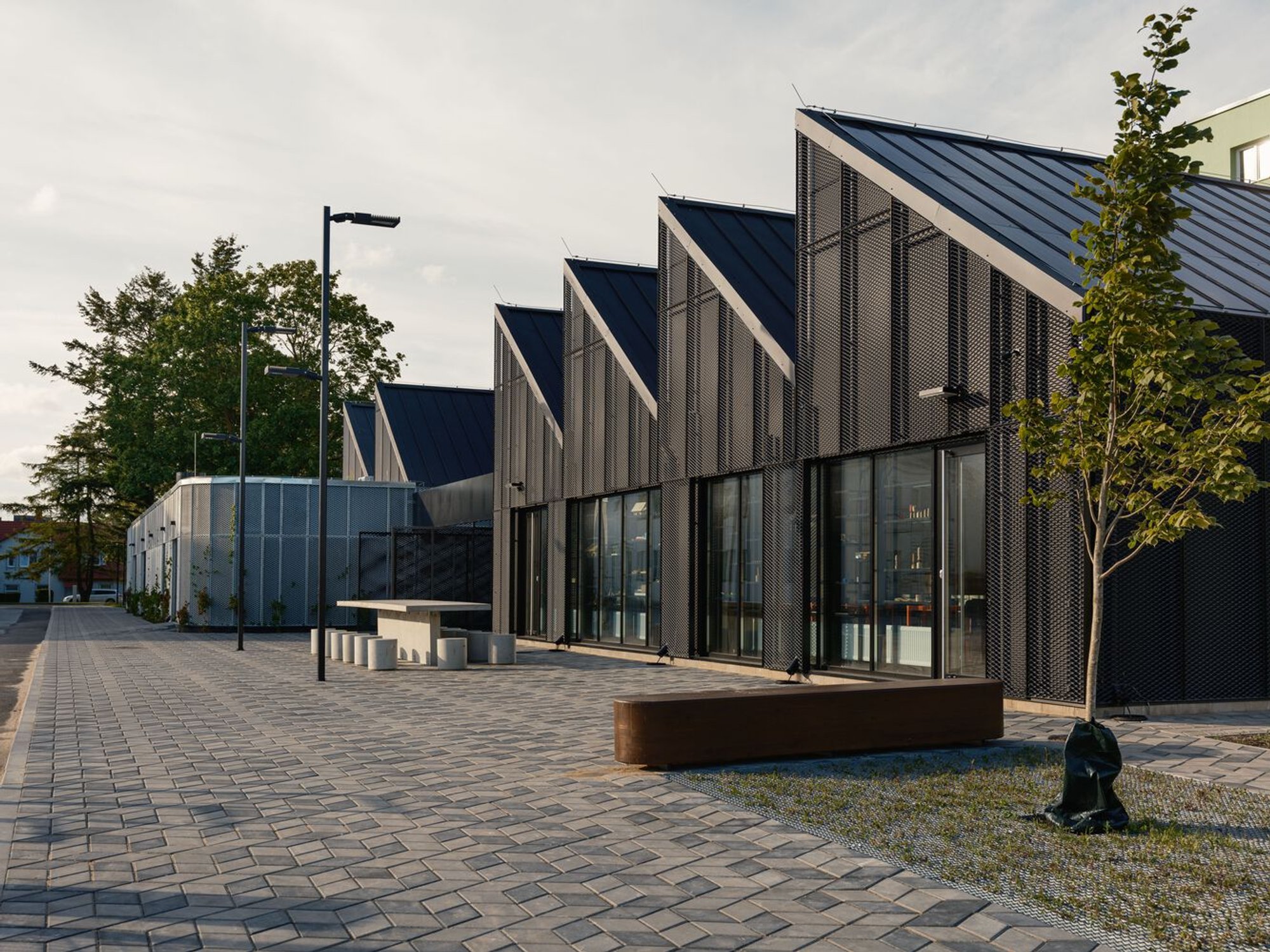
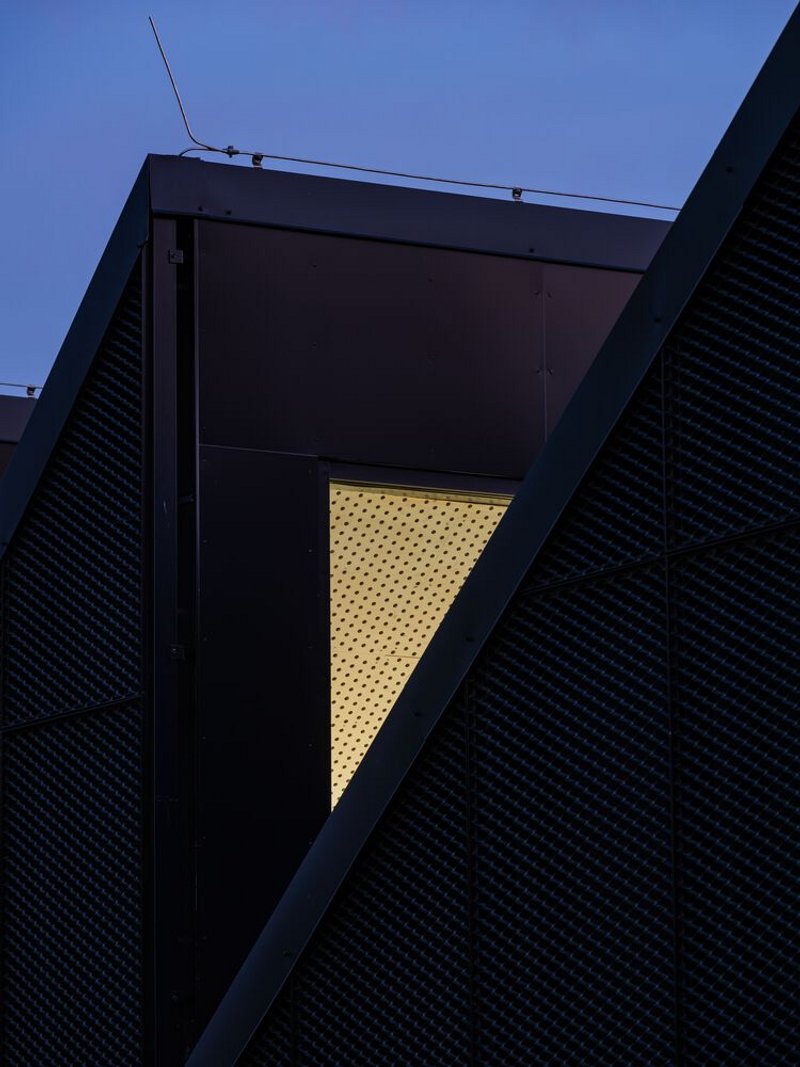
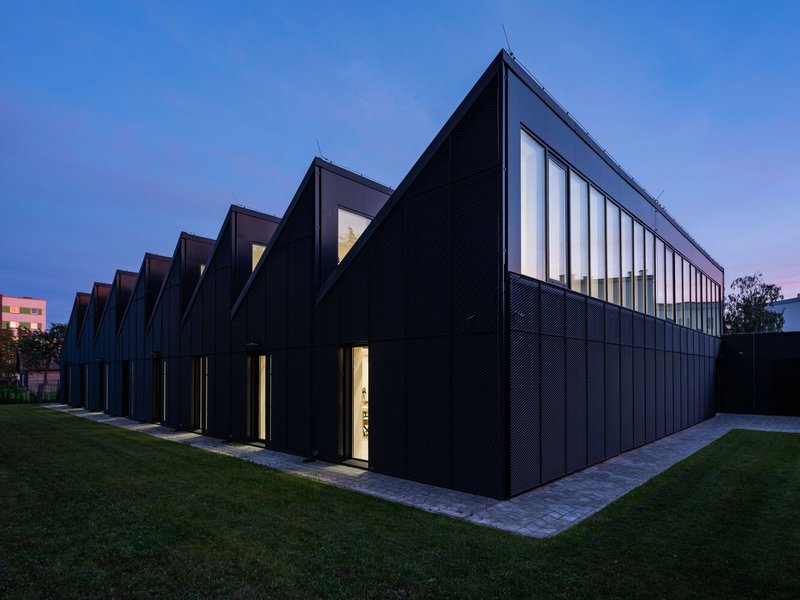
Built adjacent to the functionalism-era Rakvere Joint Middle School, designed by Alar Kotli, the new workshop building balances restraint and innovation. Its minimalist volume and calm architectural language ensure visual continuity with the historic structure. The most expressive façade, facing the original school building, features a sawtooth roofline and functional fenestration that supports northern light ingress, a nod to classic workshop typologies.
Site Strategy and Urban Integration
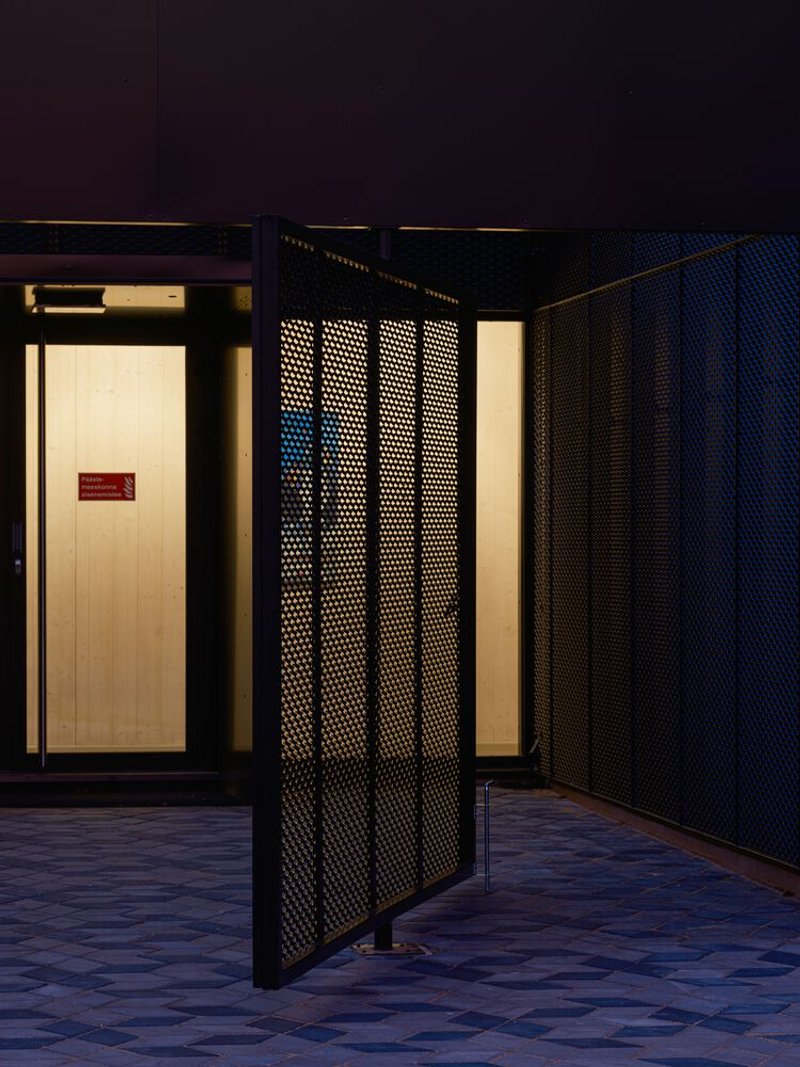
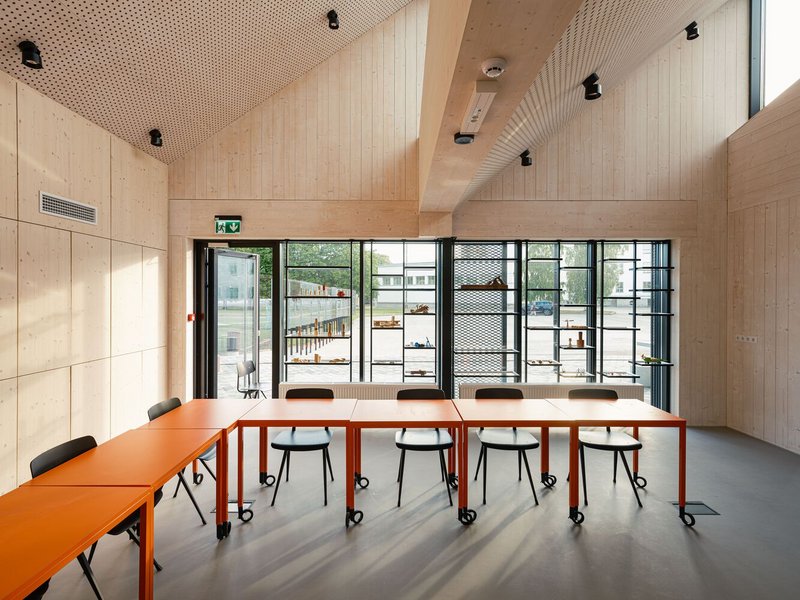
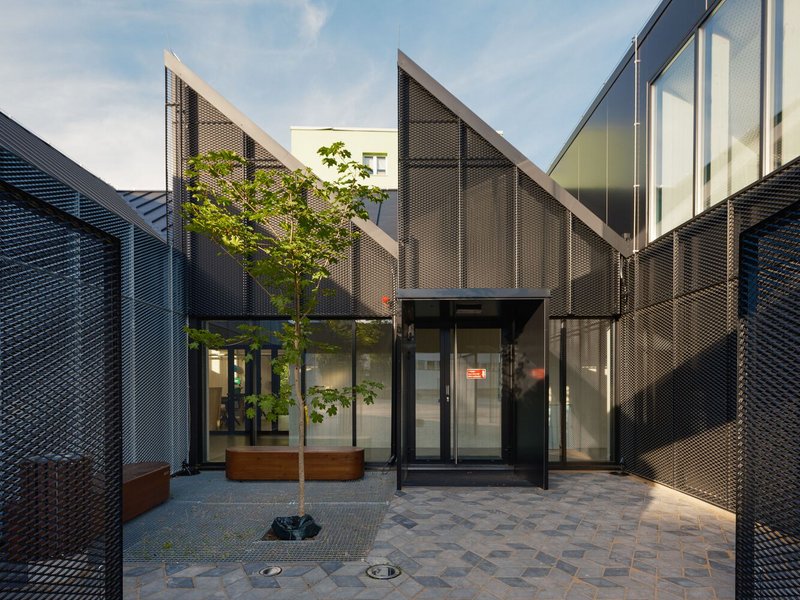
Situated at the back of the plot, the building enhances openness in the courtyard and integrates a recreational and light-traffic axis connecting Tuleviku and Lembitu Streets. This pathway transforms into a linear plaza, activating formerly unused spaces and encouraging outdoor interactions. Large display windows invite curiosity from passersby, bridging the threshold between the public and the educational interior.
Programmatic Flexibility and Spatial Clarity
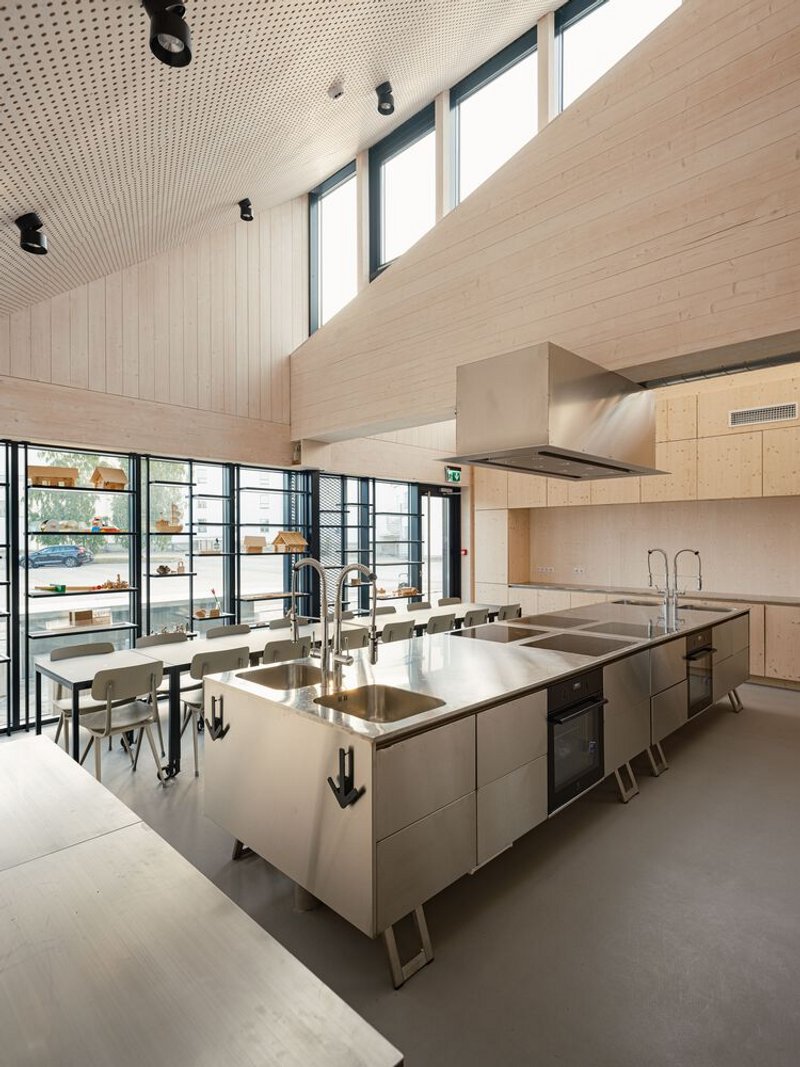
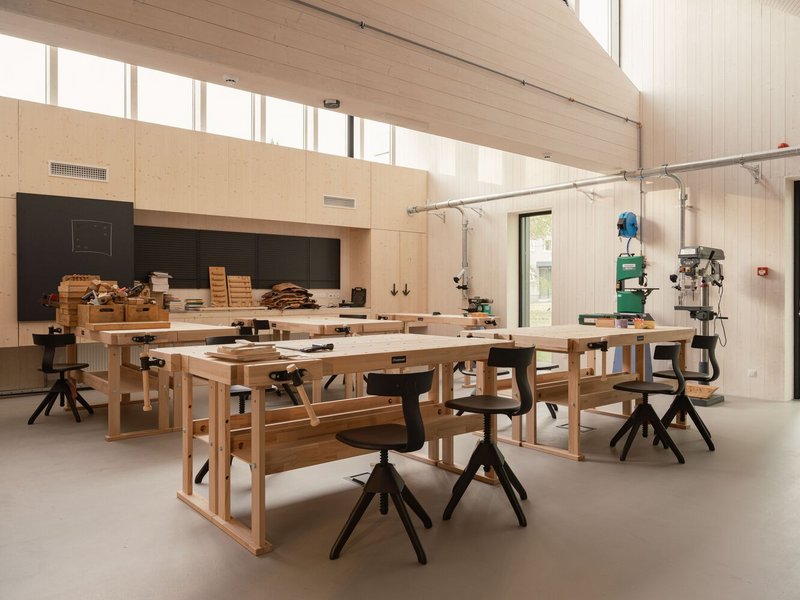
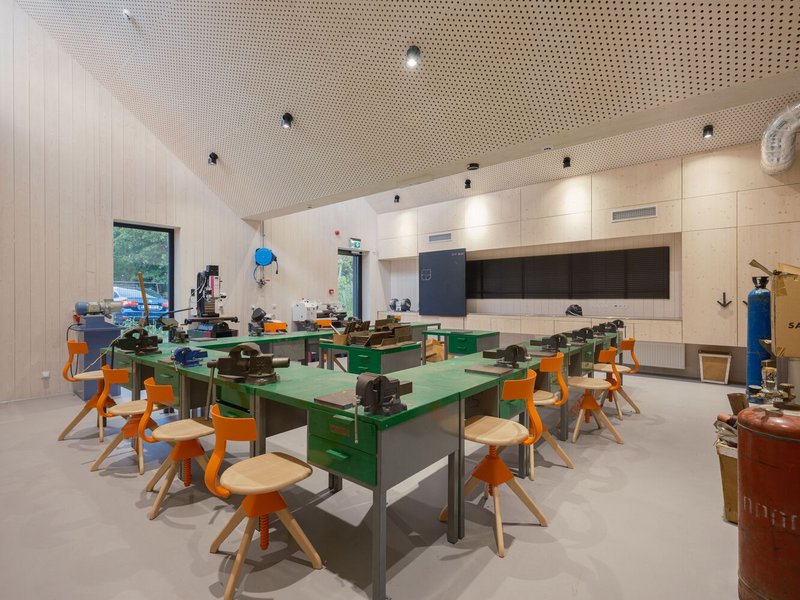
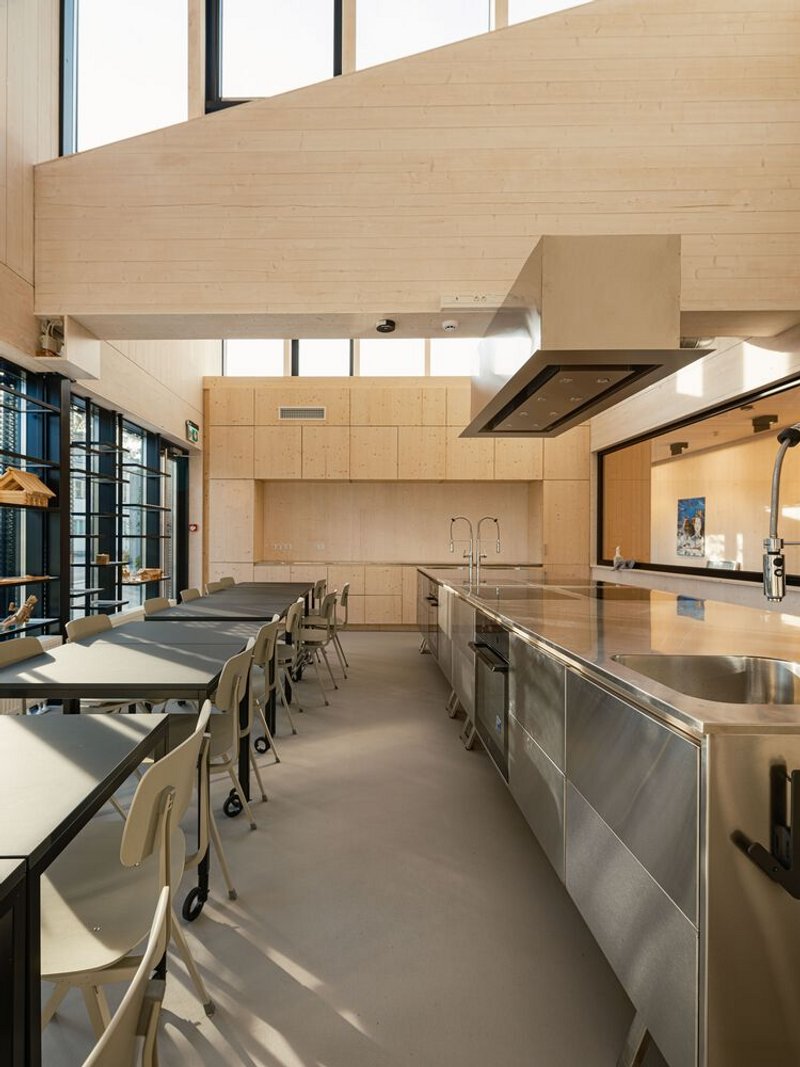
The building’s interior layout prioritizes adaptability. Core workshop spaces – the woodshop and metal shop – are aligned in the rear zone with movable partitions, allowing spatial reconfiguration. Adjacent to the courtyard are classrooms for homemaking and general education, which open directly to outdoor recreational zones. Support spaces like lavatories, a medical room, and technical areas are centrally located, ensuring efficiency and ease of circulation.
Material Expression and Environmental Performance
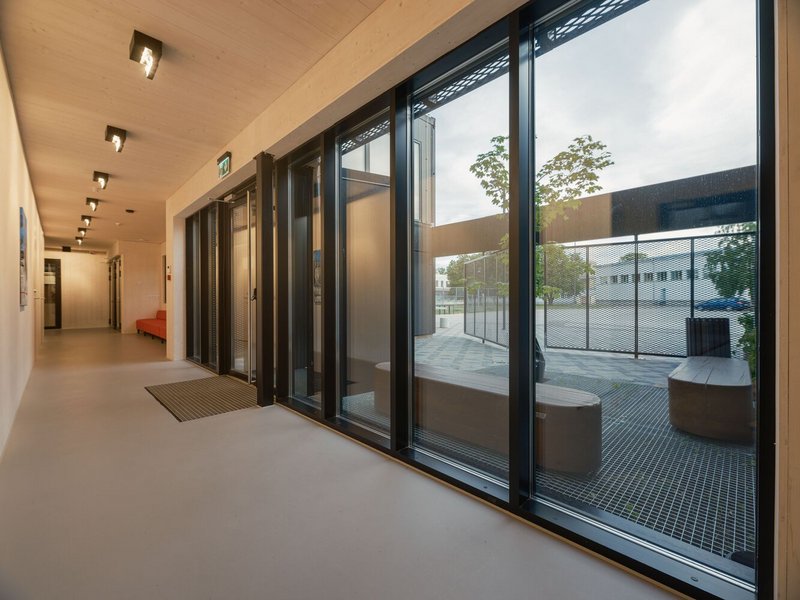
The building is constructed from cross-laminated timber (CLT) and clad in a steel mesh, visually referencing the materials taught within. The untreated timber interior exposes structural honesty while promoting a raw and tactile atmosphere suited to craft education. Zigzag rooflights illuminate the classrooms with diffuse northern light while minimizing wall openings to increase usable surfaces for shelving and equipment.
Sustainability is subtly embedded into the design. The south-facing roof is equipped with integrated photovoltaic solar panels, contributing to the building’s energy performance. The storage buildings on-site are covered in galvanized steel mesh, soon to be overgrown with wild vines, blending built and natural elements. Interior acoustic comfort is enhanced through perforated timber panels and acoustic wool ceilings, and the floors are finished in durable micro-concrete.
A Future-Oriented Craft Hub
More than just a workshop, the Center for Work and Technology is a pedagogical statement. It reconnects students with the physical world and fosters meaningful engagement with materials, making, and space. Through thoughtful urban integration, material clarity, and architectural restraint, KUU Arhitektid have created a building that honors the past while empowering future makers.
All Photographs are works of Tõnu Tunnel