

Clara House by M2.senos arquitectos: A Masterpiece of Vernacular Architecture Renovation
A beautifully crafted vernacular architecture renovation blending history, material authenticity, and contemporary living on Portugal’s Costa Nova coast.


Introduction to Clara House
Clara House by M2.senos arquitectos stands as a remarkable example of vernacular architecture renovation on the Portuguese coast in Costa Nova. Completed in 2024, this 176 m² residence gracefully blends the region’s rich architectural heritage with contemporary living, transforming a dilapidated ruin into a permanent home for a new generation.

Architectural Context and Historical Roots
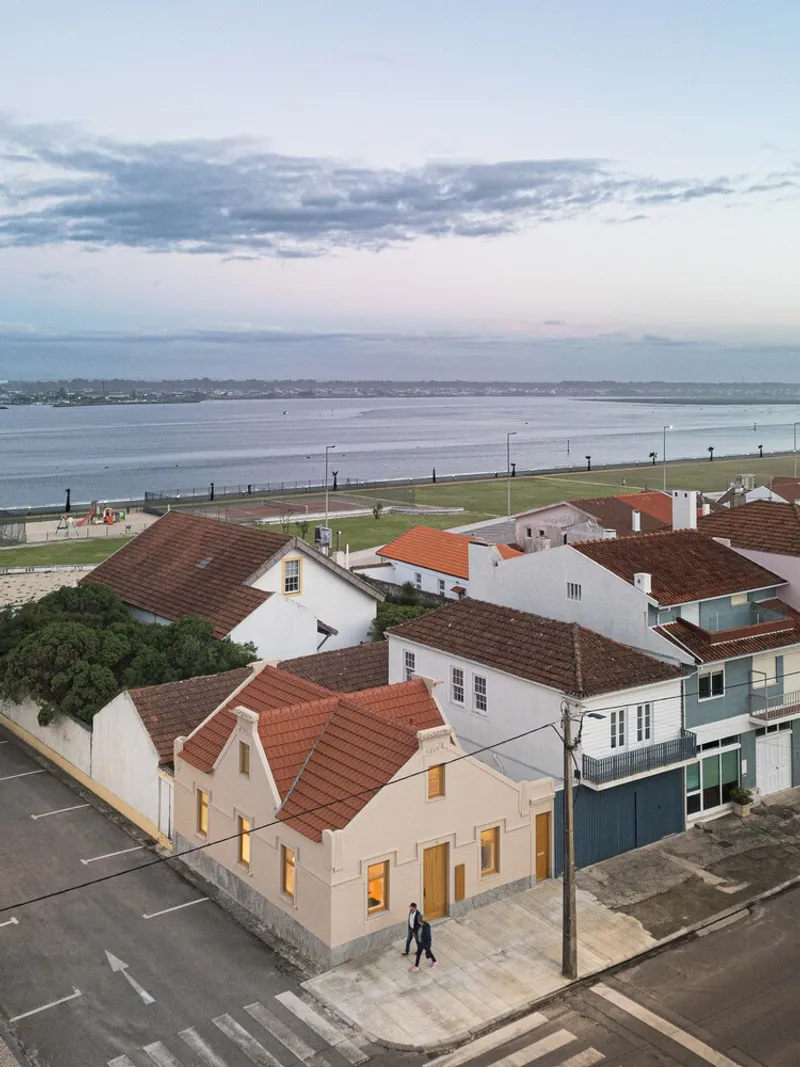
Costa Nova do Prado is widely known for its “palheiros,” traditional striped wooden houses that once served fishing communities but now attract beachgoers. However, nestled between these iconic buildings and rural gandaresan houses are lesser-known adobe homes that reflect vernacular architecture — modest yet meaningful structures characterized by “flush” facades, decorative detailing, and prominent roofs and eaves. Clara House belongs to this lineage, carrying forward the story of its place.

Site Conditions and Urban Integration
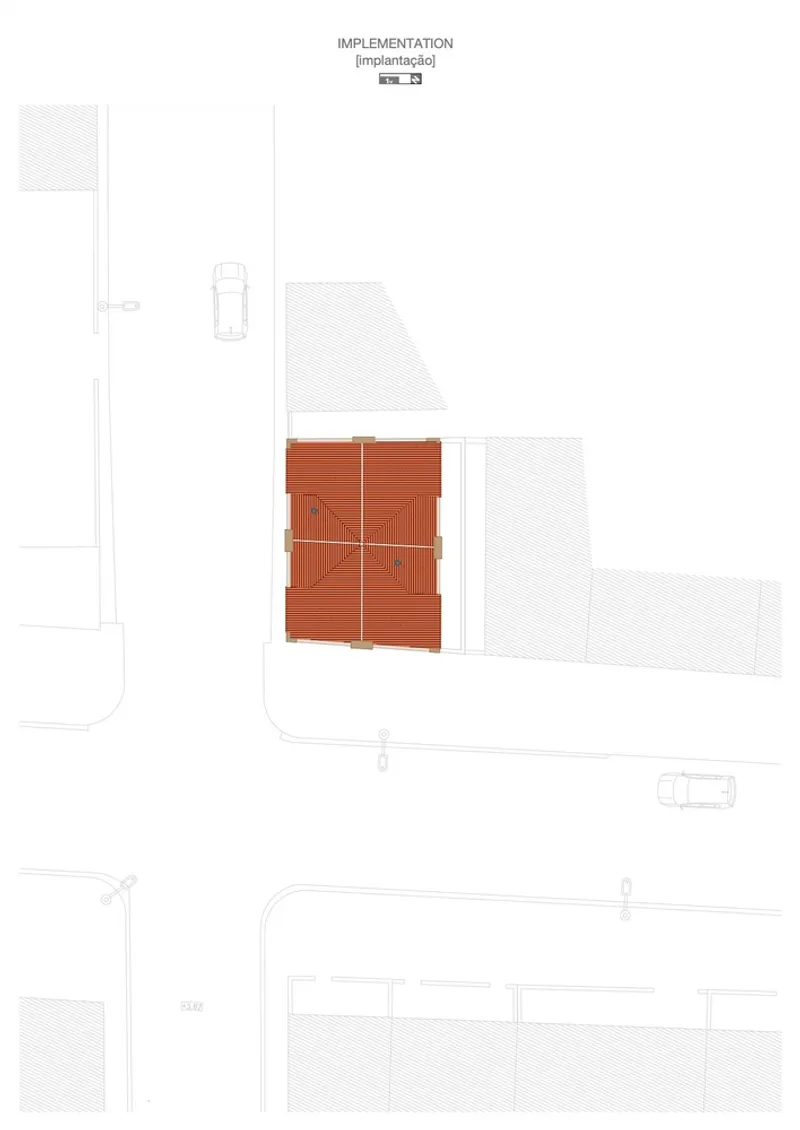
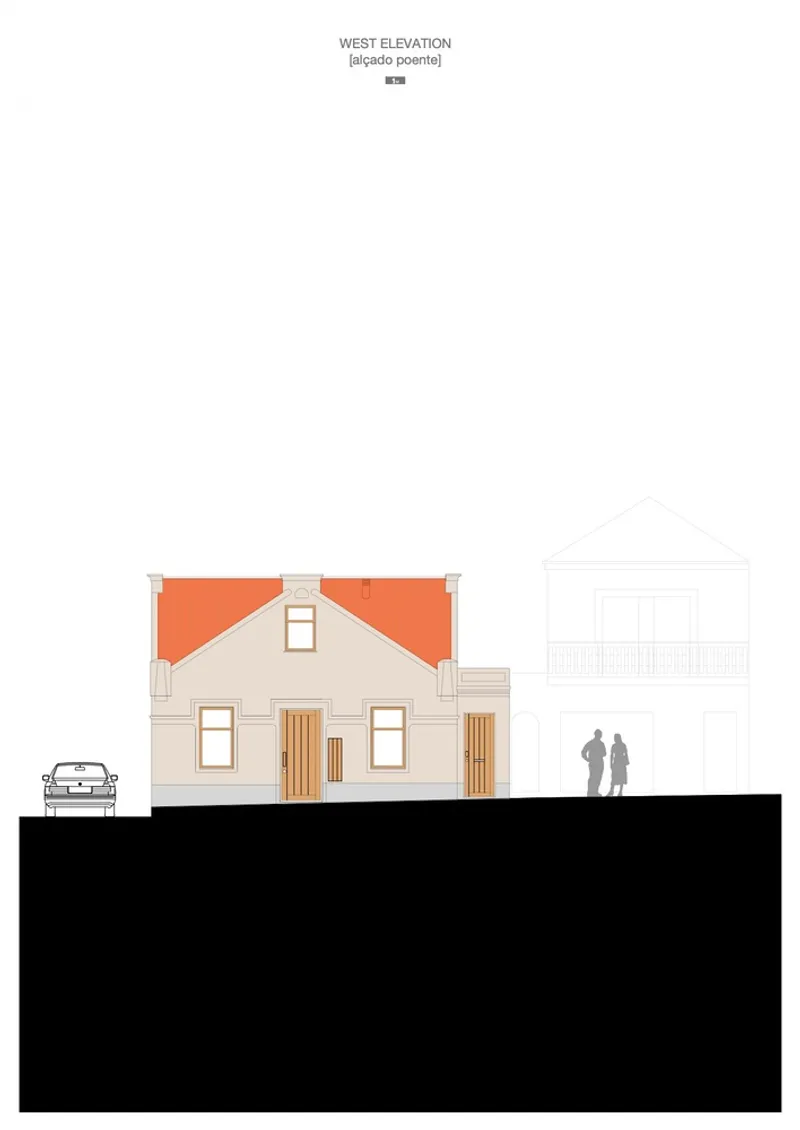
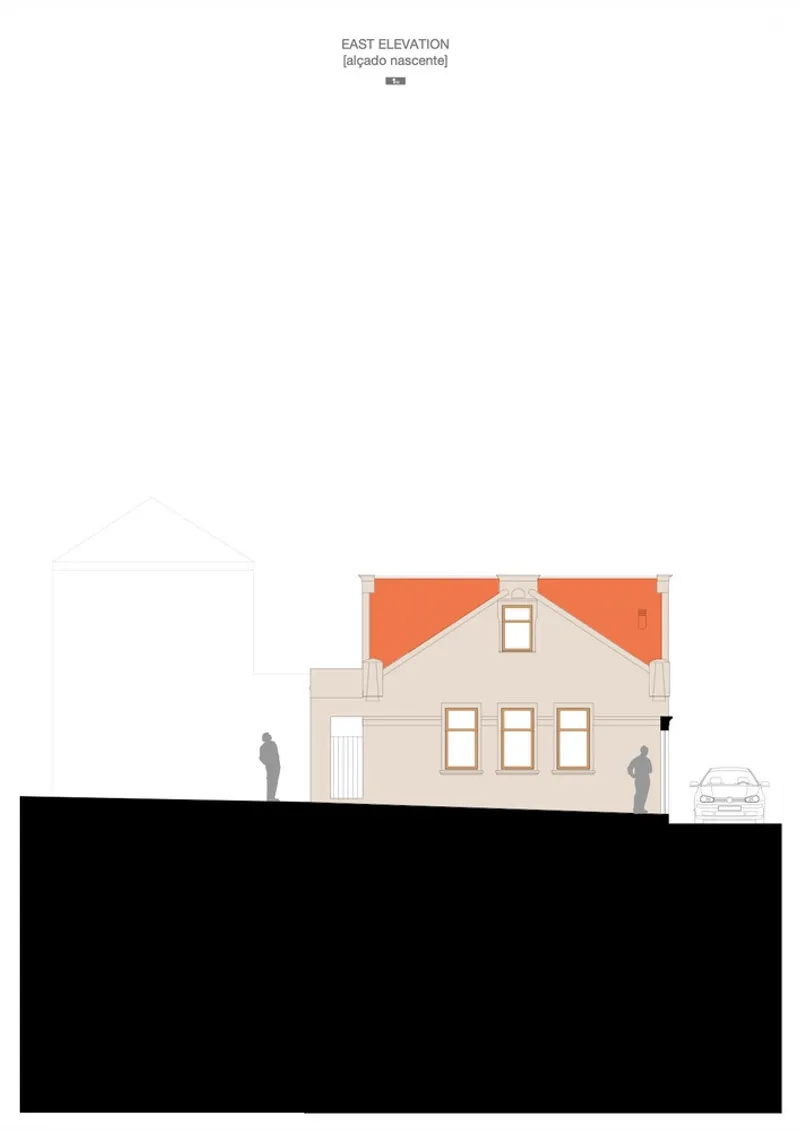
Located at the corner of Rua do Meio, Clara House occupies a site where the sea and lagoon are felt rather than seen. With four façades and a distinctive four-section roof punctuated by mansard windows, the home negotiates its public-facing west and north sides and more private east and south facades. A narrow 1.5-meter alley to the south forms the only private outdoor space, emphasizing the delicate balance between density and domesticity in this urban fabric.
Interior Spatial Organization
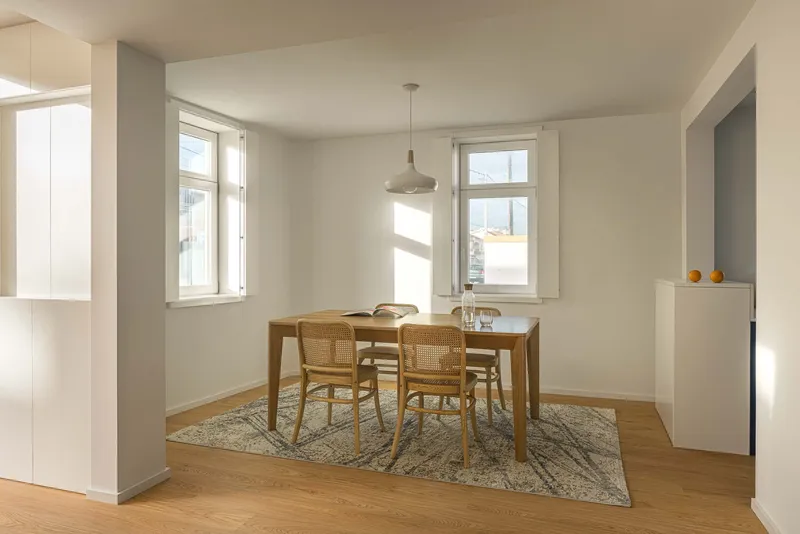
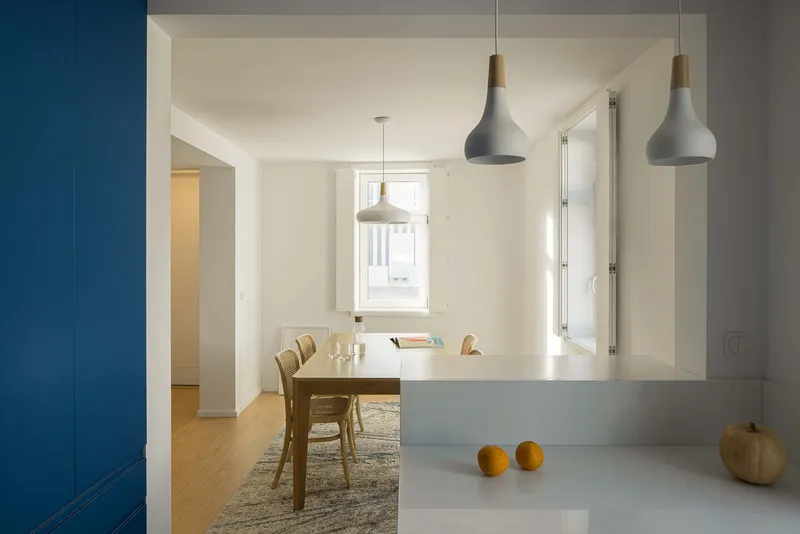
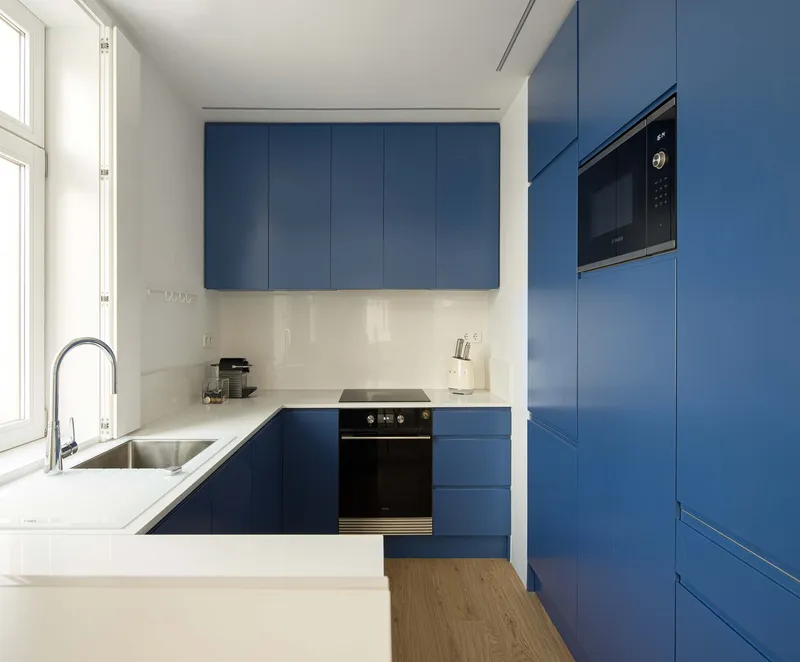
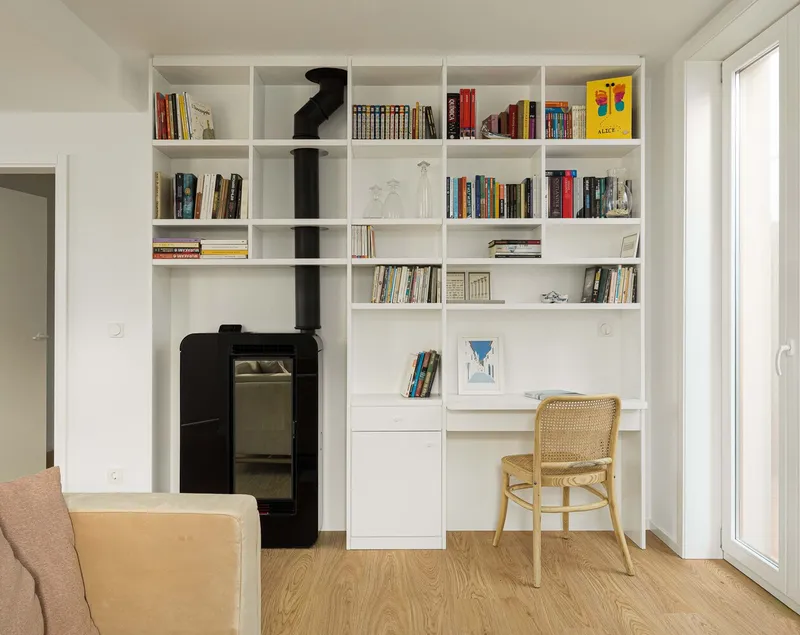
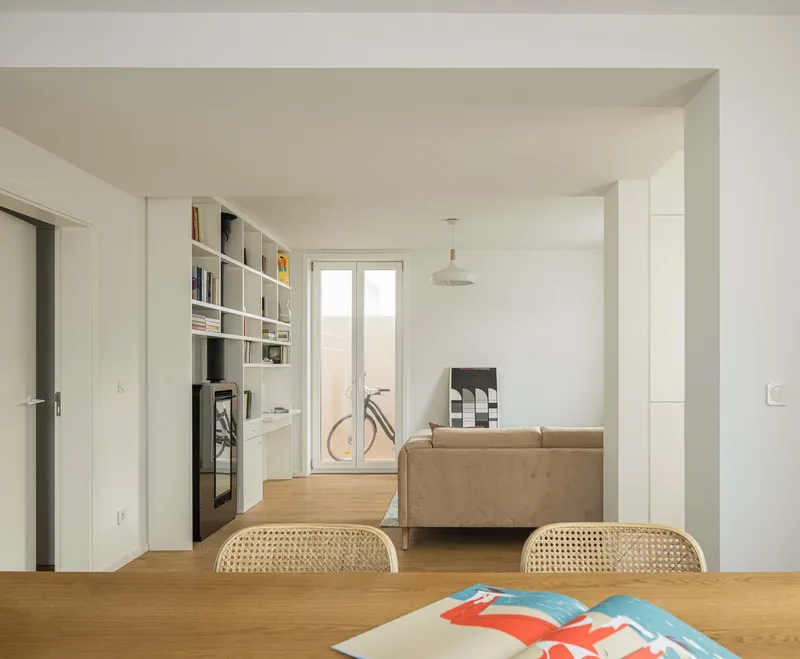
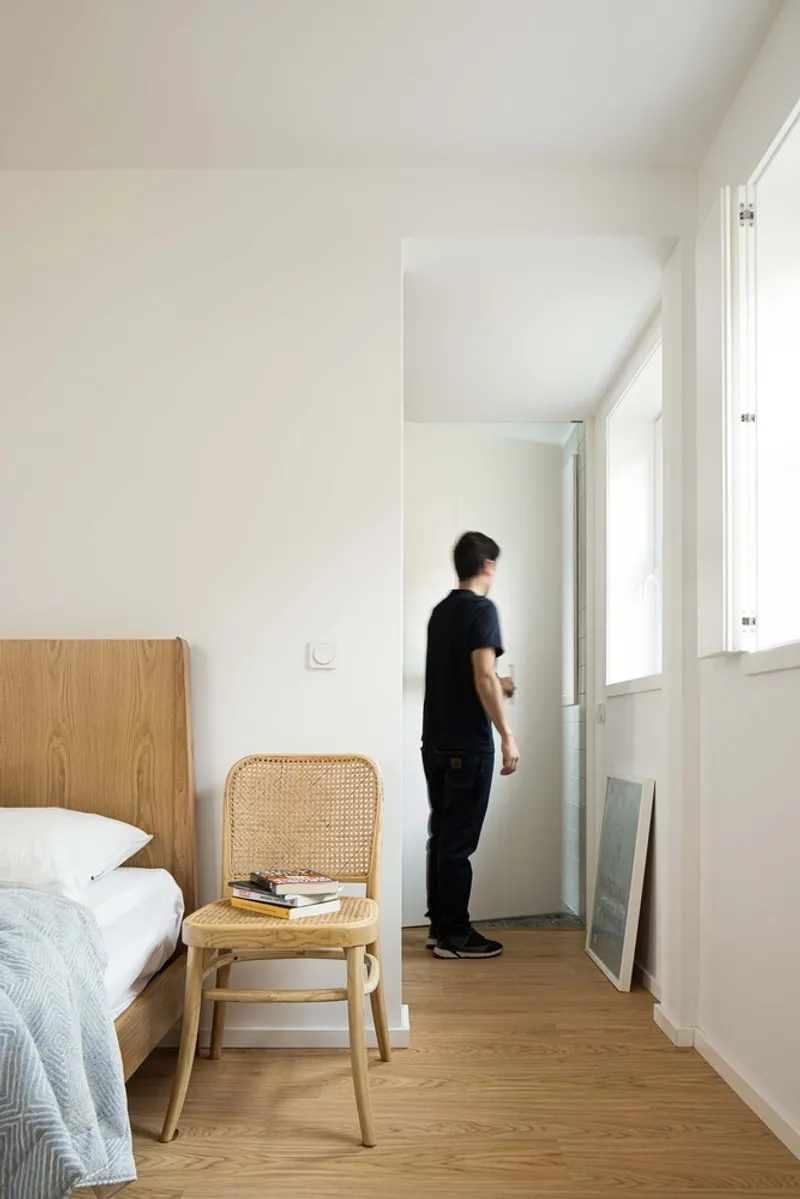
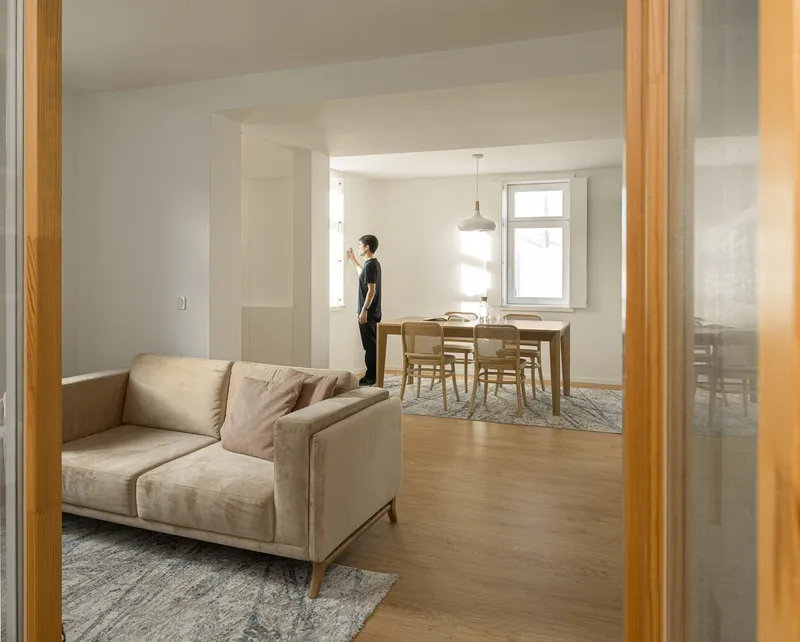
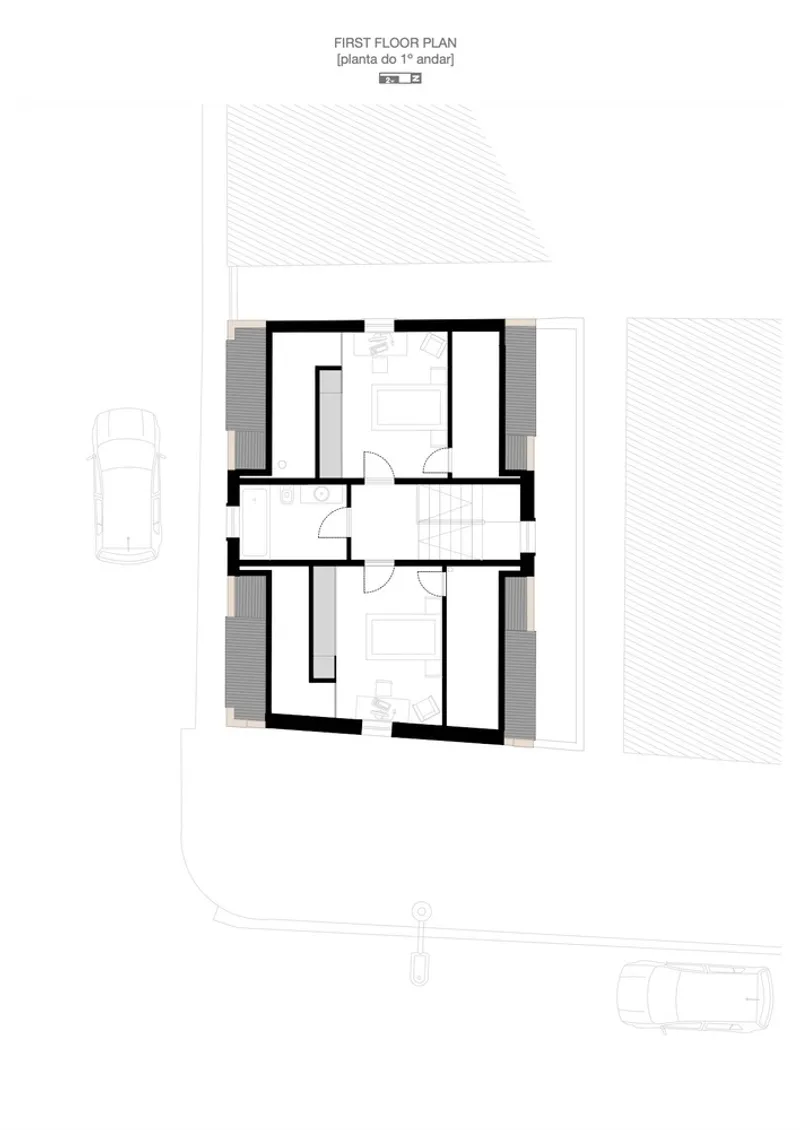
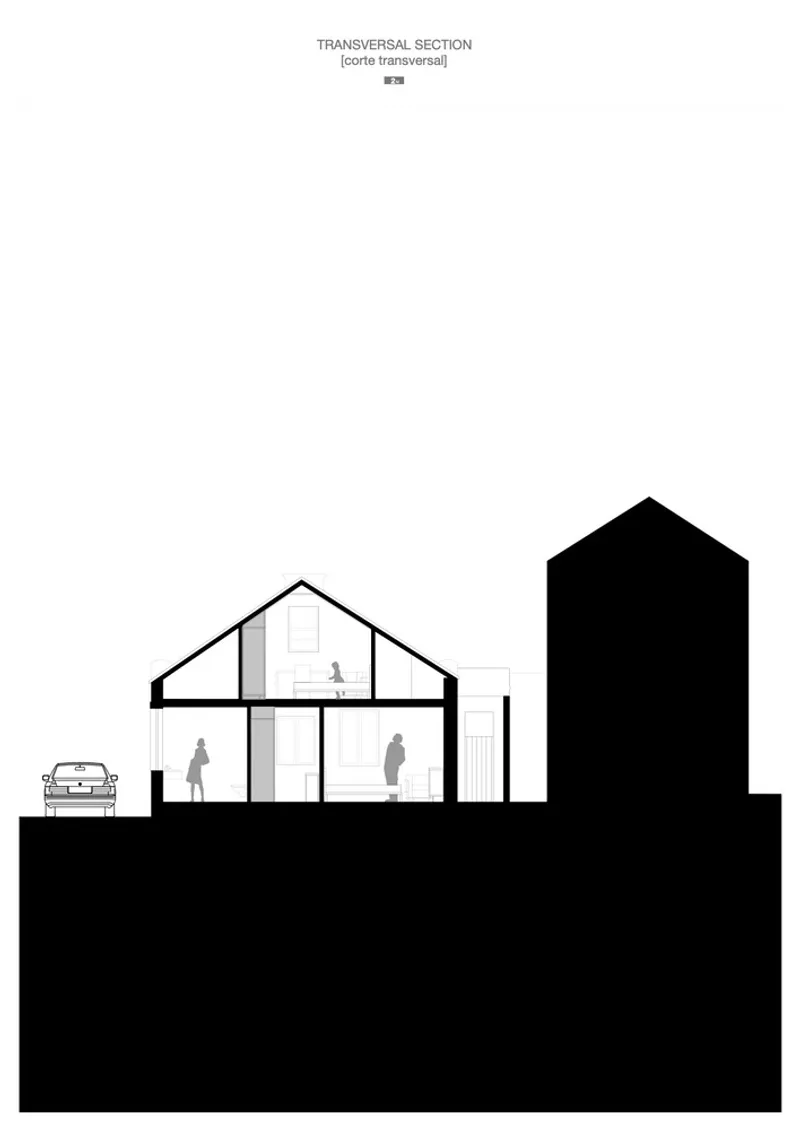
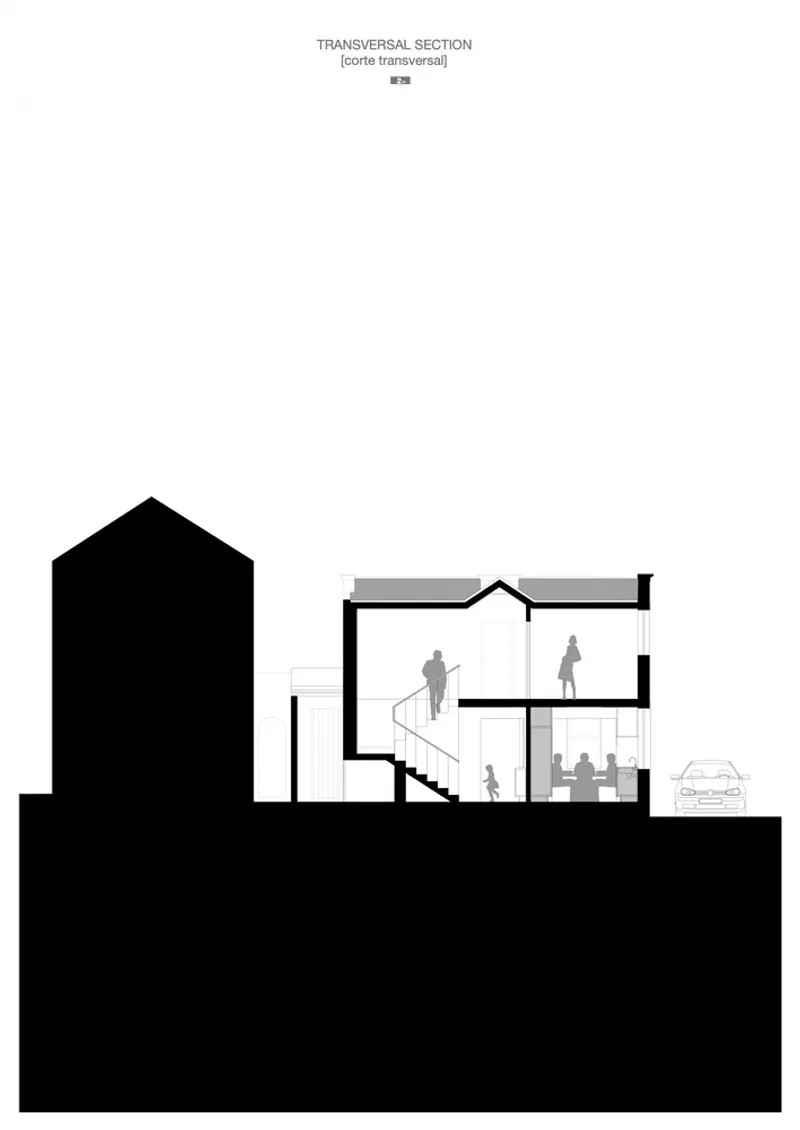
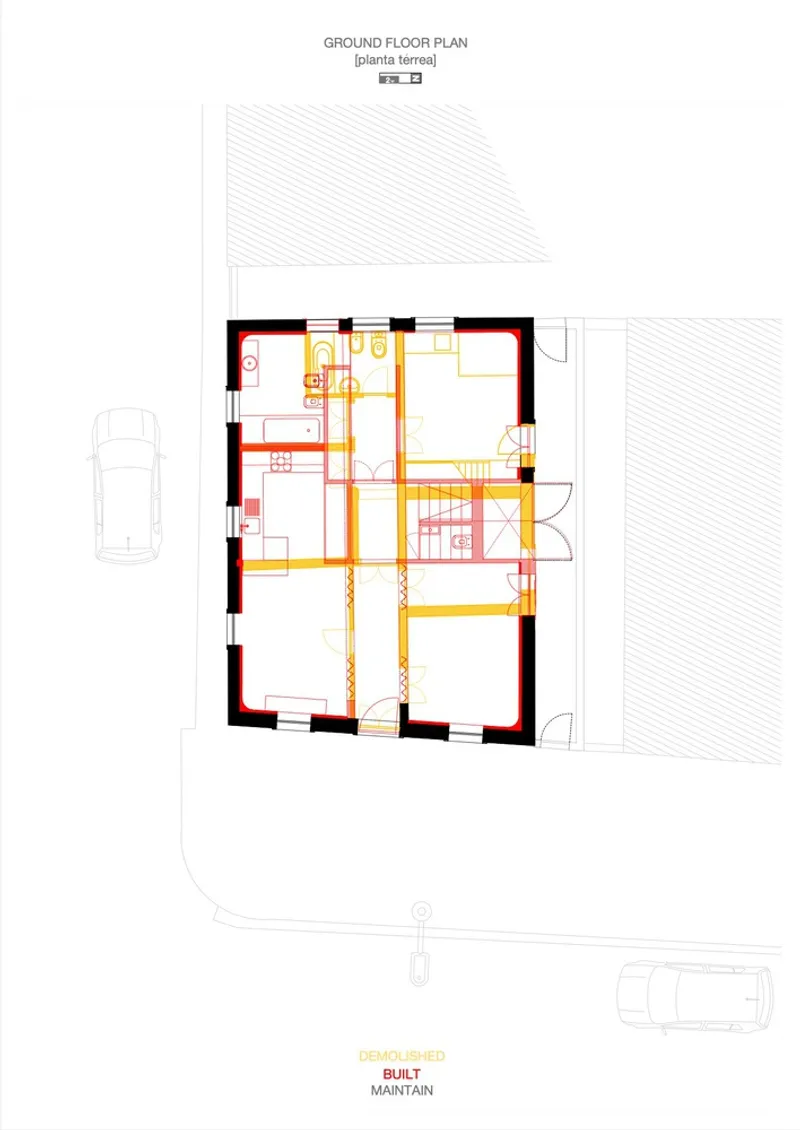
Entering Clara House, one steps directly off the street into a small hall that softens the transition to the living and dining spaces. The kitchen, with a clear connection to the street, flows seamlessly from these communal areas. A ground-floor suite spans the house’s width and opens onto the small exterior corridor. Carefully tucked under the staircase are a guest bathroom and a compact technical/laundry space, cleverly accessed from outside.
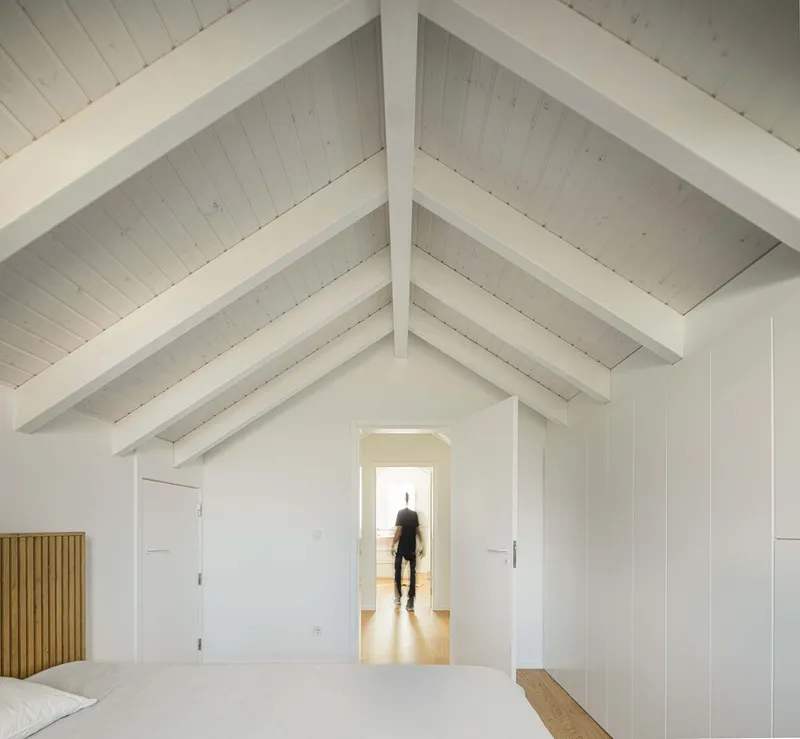
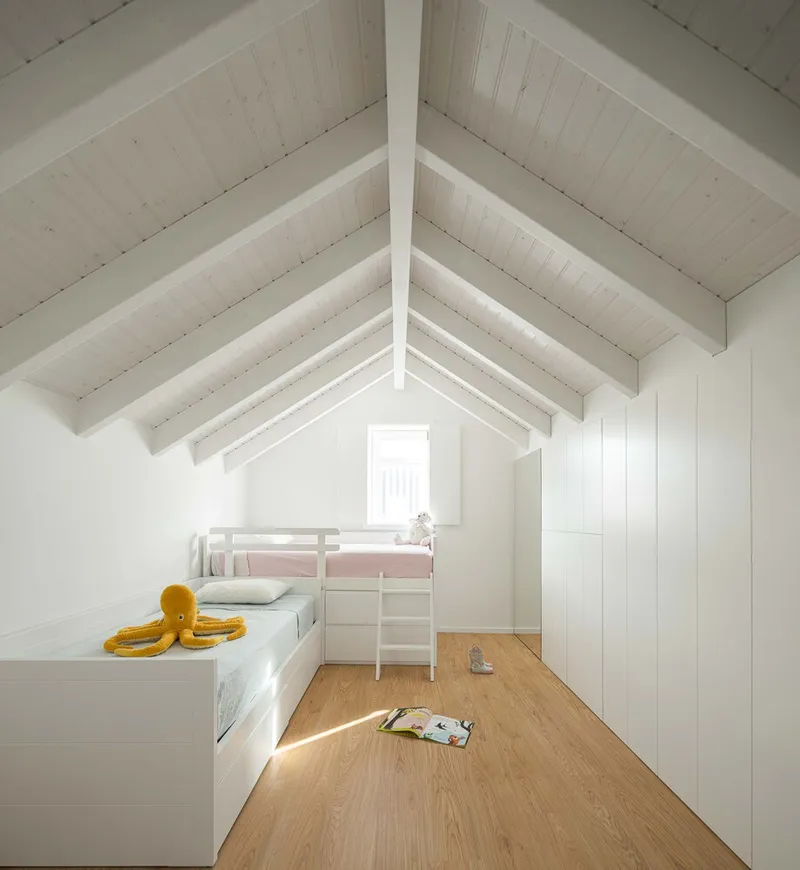
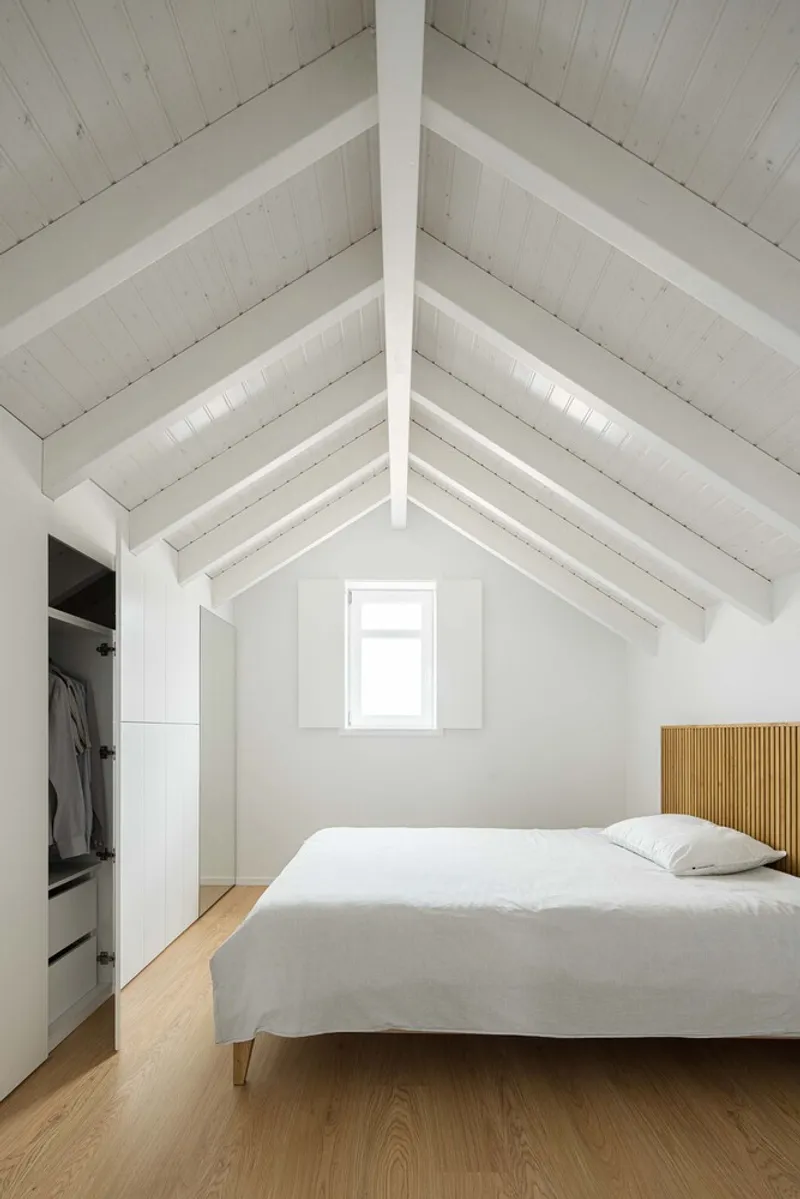
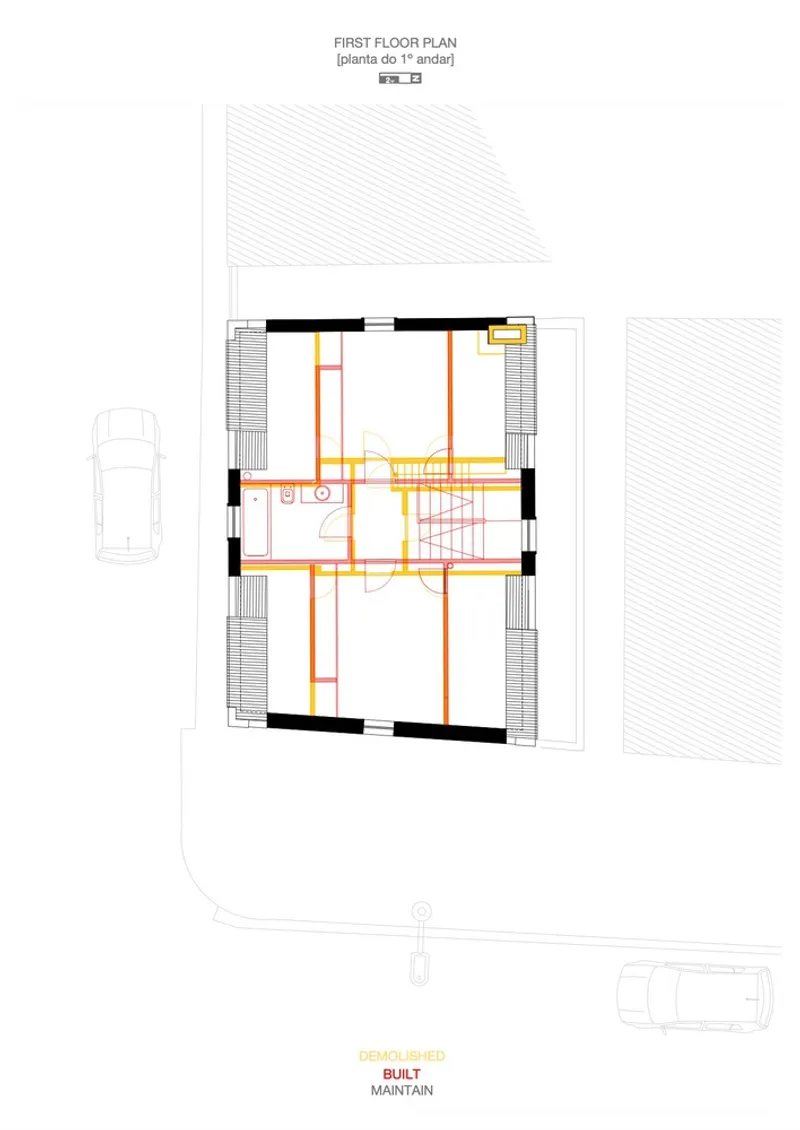
The upper loft reveals two bedrooms and a bathroom under the expressive roof, where exposed wooden beams animate the ceiling and accentuate the home’s character. Each room is bathed in natural light through a pilot window, ensuring that every quadrant of the house is visually connected to its surroundings.
Materiality and Design Approach
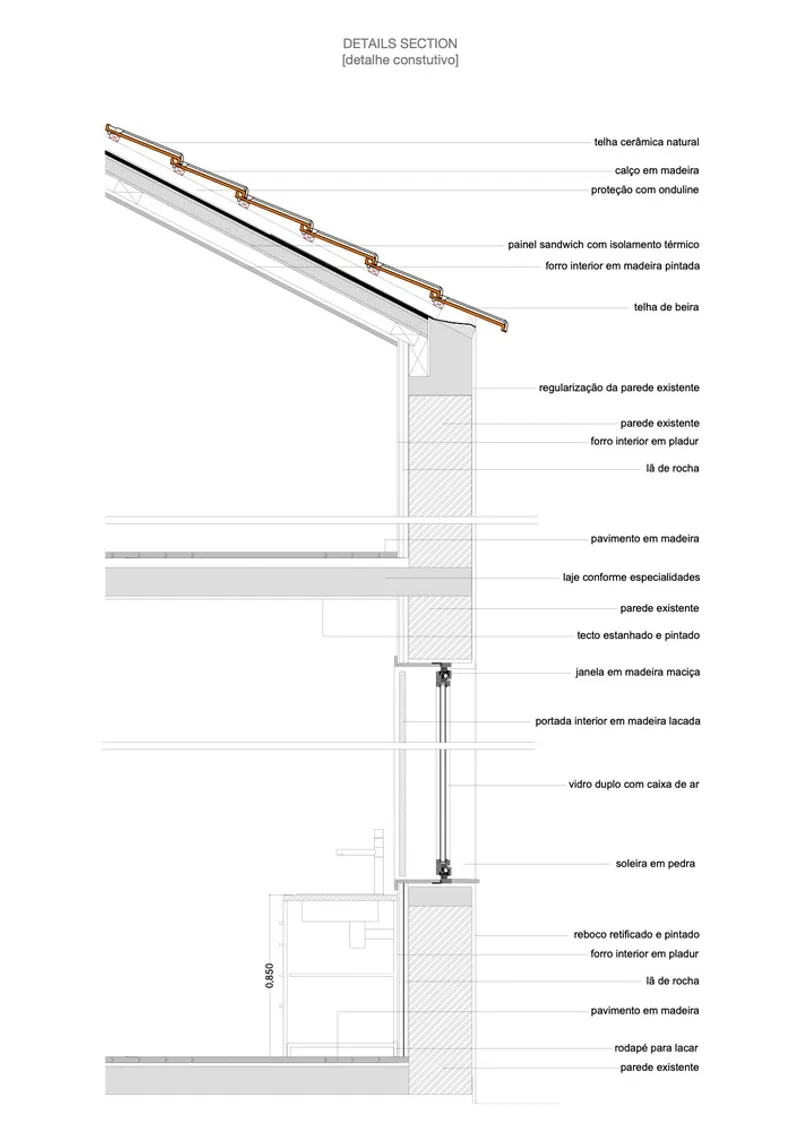
Although the original intent was to restore the adobe walls, wooden sash windows, tiled roof, and decorative details with faithful precision, the construction process revealed the expressive power of raw materials. The decision to leave the adobe and wood exposed transformed the renovation into a celebration of material authenticity. The earthy color palette, paired with preserved geometric ornamentation and green lacquered windows, crafts a house that feels both timeless and contemporary.
The Essence of Vernacular Architecture Renovation
Clara House embodies the principles of vernacular architecture renovation: respecting local typologies, preserving material honesty, and adapting old forms to new ways of living. By honoring the house’s history while introducing subtle interventions, M2.senos arquitectos created a home that resonates deeply with its place and time, offering a model of architectural continuity and renewal.
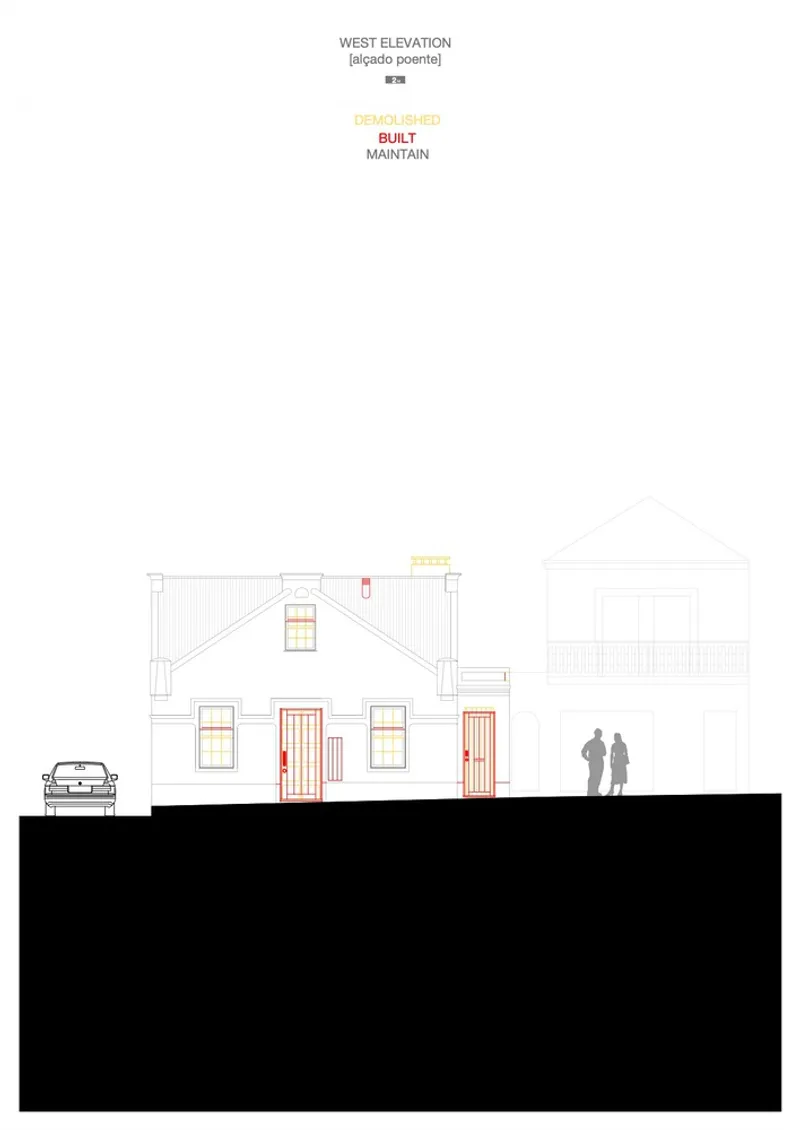
Clara House is more than just a restored building; it is a dialogue between past and present, architecture and memory, material and meaning. Through this sensitive vernacular architecture renovation, M2.senos arquitectos demonstrate how old structures can be reborn, enriching not only the lives of their inhabitants but also the cultural landscape of their communities.
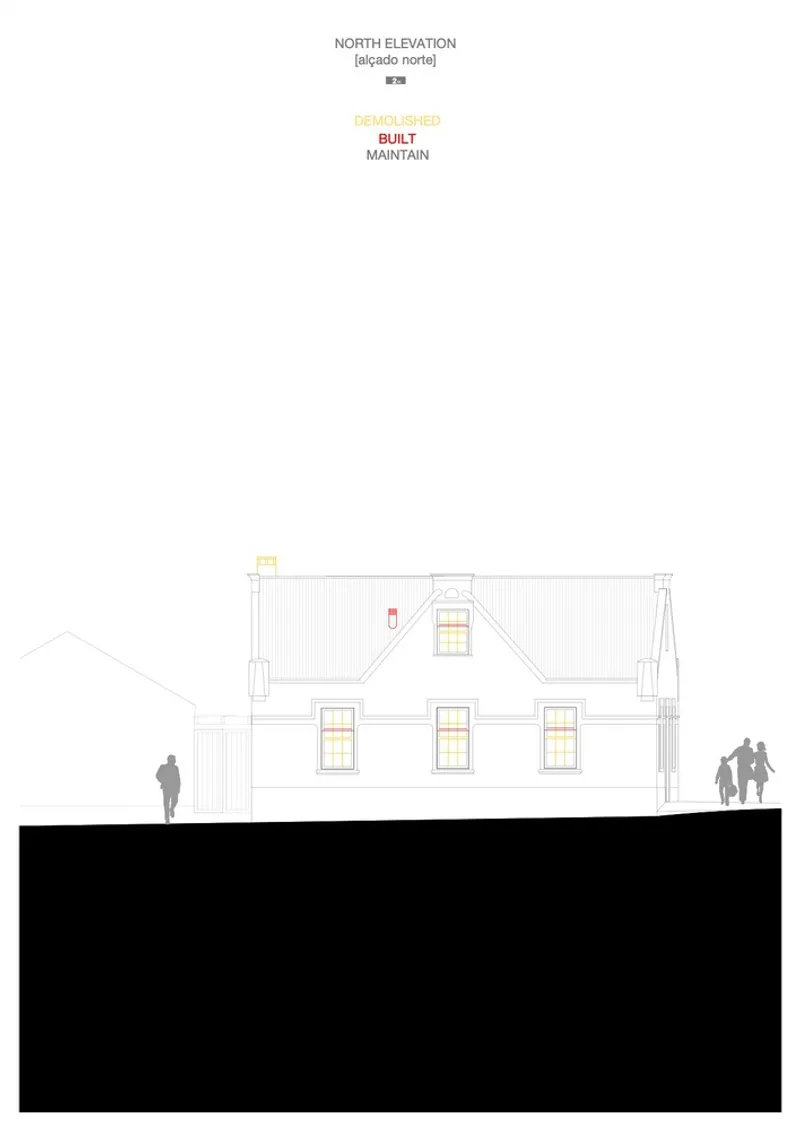




Popular Articles
Popular articles from the community


Riyadh For All: Intergenerational Urban Design for Active Aging in Rabat
Riyadh For All reimagines urban design in Rabat with intergenerational co-living, adaptive courtyards, and Moroccan cultural exchange today.

The Musturak Paradise: Senior Living Architecture for a Connected Future in Temara, Morocco
The Musturak Paradise reimagines senior living architecture in Temara via private homes, social spaces, culture, community, and shared care.

Co-Life: Senior Housing Design That Reconnects Older Adults With the City
Co-Life reimagines senior housing design through healing gardens, shared streets, workshops, and a sustainable community across generations.

Co-life: Sustainable Architecture for Age-Friendly Community Living
Co-life reimagines sustainable architecture for seniors through courtyards, rammed earth, shared gardens, and spaces designed for belonging.


Similar Reads
You might also enjoy these articles

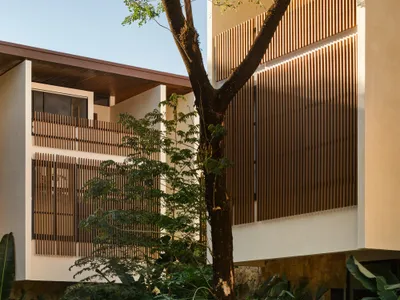
FAMM Arquitectura Organizes Ten Villas Around Courtyards and Jungle in Nosara, Costa Rica
El Molino pairs two elongated volumes with deep overhangs and timber louvers to build a compact coastal community five minutes from the beach.
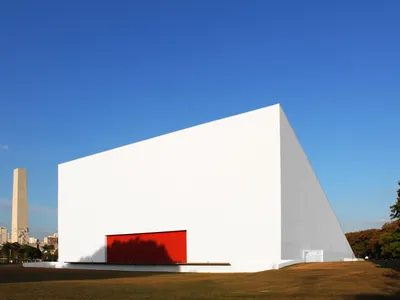
Oscar Niemeyer's Ibirapuera Park Pavilions Define São Paulo's Cultural Identity in Concrete and Curve
A constellation of modernist volumes set within São Paulo's most important urban park, conceived for the city's 400th anniversary in 1954.
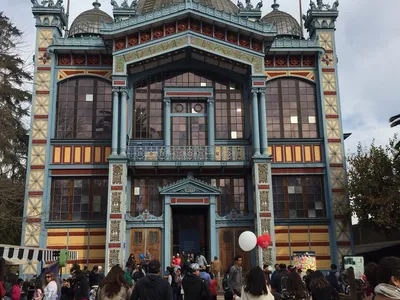
How Henri Picq's 1889 Paris Pavilion Traveled 11,000 Kilometers to Become Santiago's Artequín Museum
A prefabricated iron and glass pavilion built for the Paris Universal Exposition found a second life as a children's art museum in Chile.
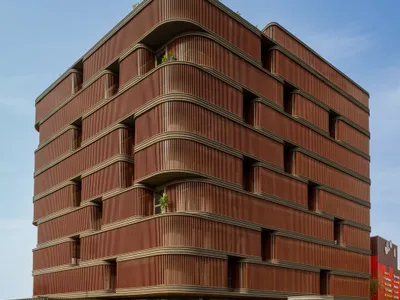
Sanjay Puri Architects Wraps a Jaipur Office Tower in Capsule-Shaped Green Buffers
A nine-level climate-responsive workplace near Jaipur Airport uses stacked planter terraces and aluminium screens to fight 40°C heat.


Explore Architecture Competitions
Discover active competitions in this discipline



Challenge to reimagine the Iron Throne


Photograph architecture without architects


Illustrate the lost glory of Angkor Wat - Render Challenge


Design challenge to reuse E-waste
Comments (0)
Please login or sign up to add comments
No comments yet. Be the first to comment!