Constructivism on travancore identity
DESIGN CONCEPT OF LEISURE HOME DESIGN IN ALAPUZHA


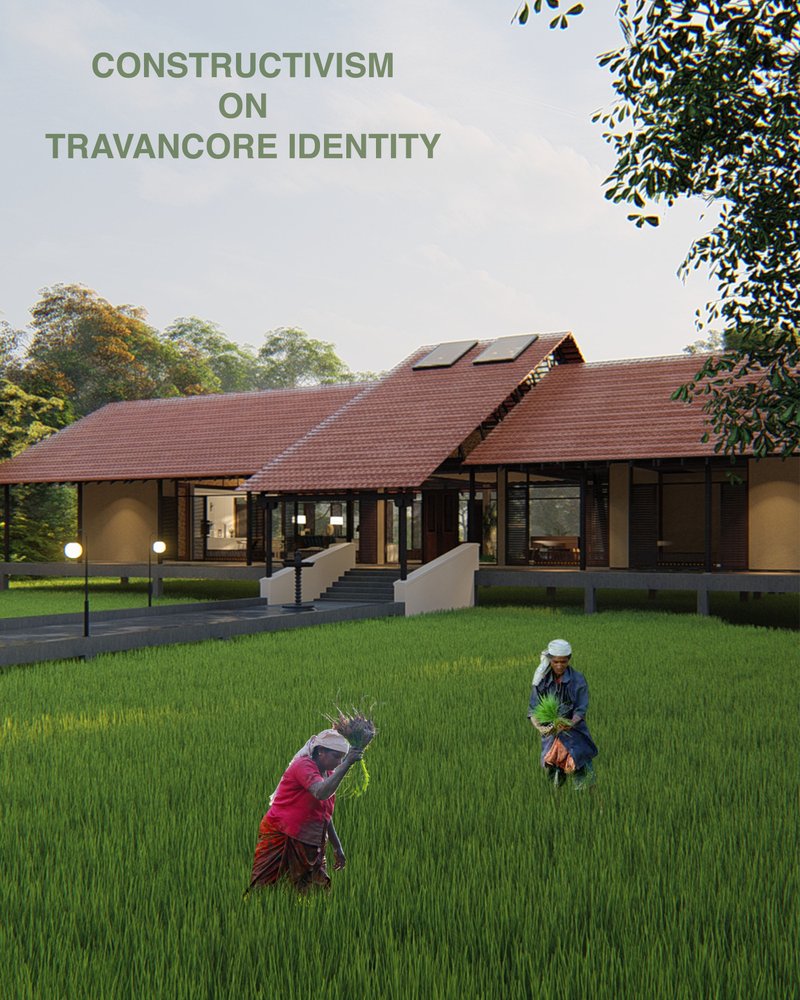
concept
Constructivism proposes that new knowledge is constructed from old. It holds the educational belief that as teachers, we must make connections between what new is being presented with students’ prior experiences.
With that sense, the building must be able to adapt the way the buildings is constructed using prior knowledge of the past to reinterpret the home as a leisure home.
Urban life has shown how stressful and hectic life has been and one has lost himself from the simplicity and joy to appreciate the beauty around him. Leisure is not idleness, it is not contempt for work, true leisure is the opposite of that, it is a search for finding meaning in work, in spare time, and in human existence. So it very important as a human being to let go of urban hurdles to live minimally and staying true to the purity of the material to which it belongs to.
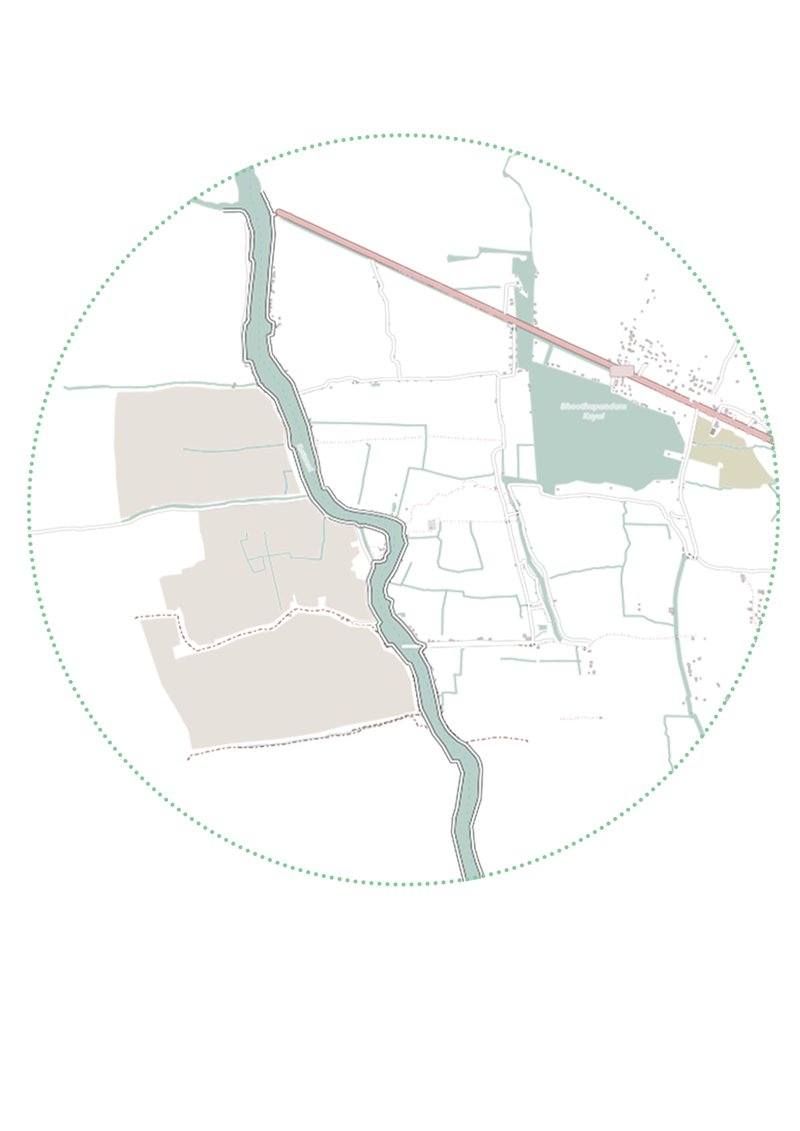
The backwater and paddy field of Alappuzha is the unique identity of the place. Backwater played a major role in the economy and transportation, irrigation of the place.
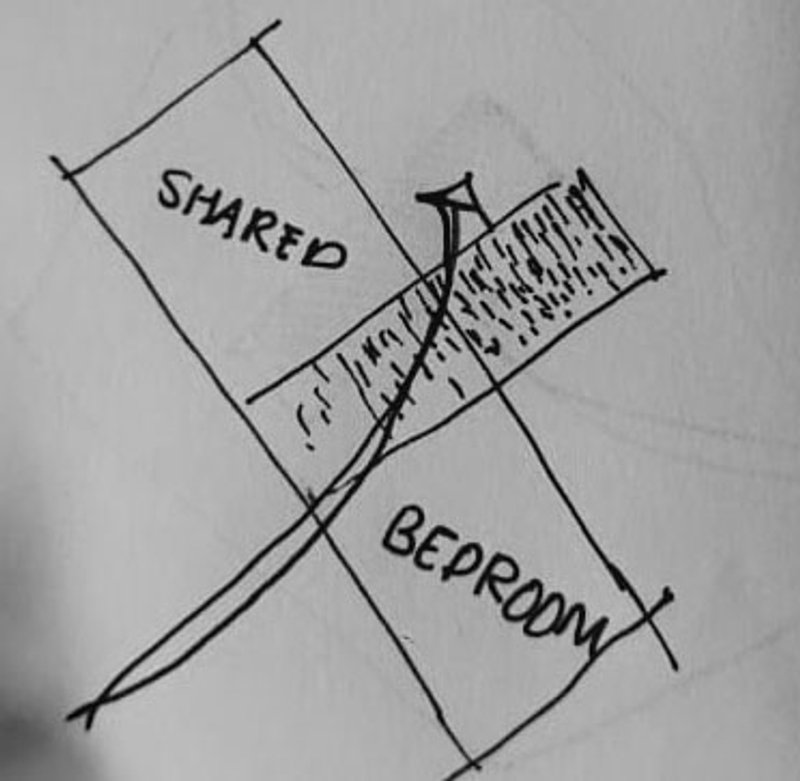
Water element divided the home into two zones private and semi-private.it also creates an internal macro climatic factor and helps to blend in with the environment
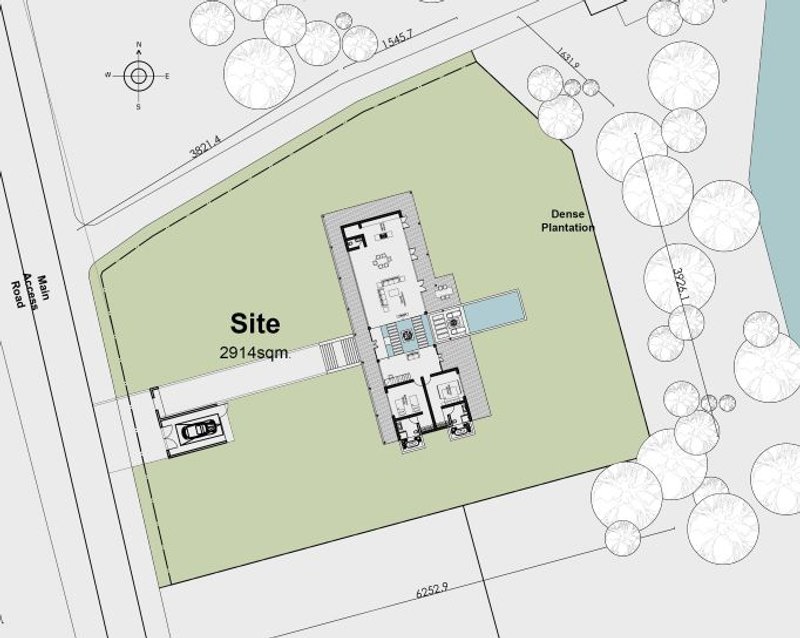
Orientation of the building is ins such a way that building aligned horizontally from north to south.
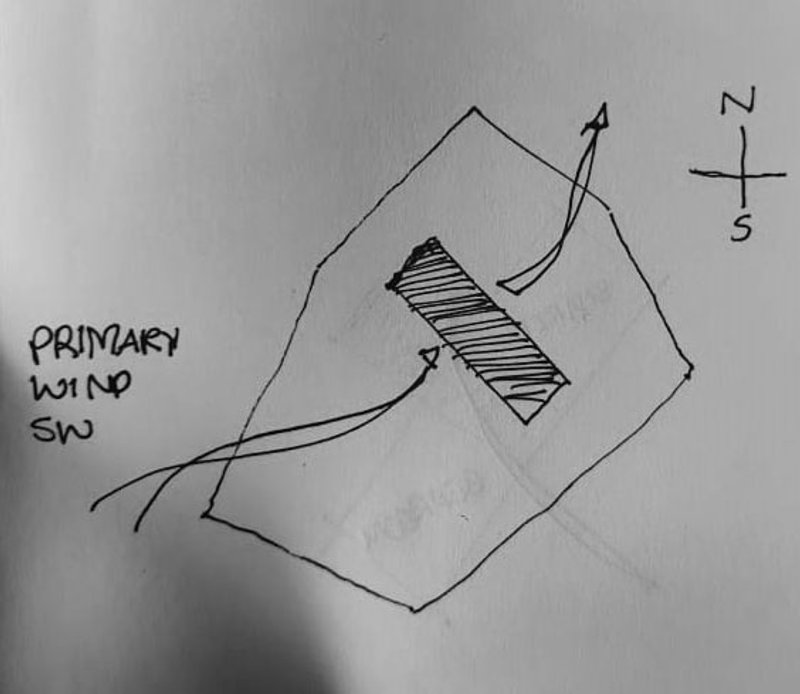
This allows maximum ventilation from the south-west and allows view toward west which has paddy field spread across the land and in east lush trees that provide shade to the house
So one must ask how to bring constructivism that meets the need for a new lifestyle and identity of Travancore/Alappuzha?
The answer is to plan and build spaces personal to the peoples need instead of following traditional Kerala planning norms/Vastu shastra.
At the same time preserving the character and property of the building using traditional building technique.
But how do bring this property and character?
solution led to four notions that need to be implemented. These are Adapting, Zoning, Identifying, vernacular
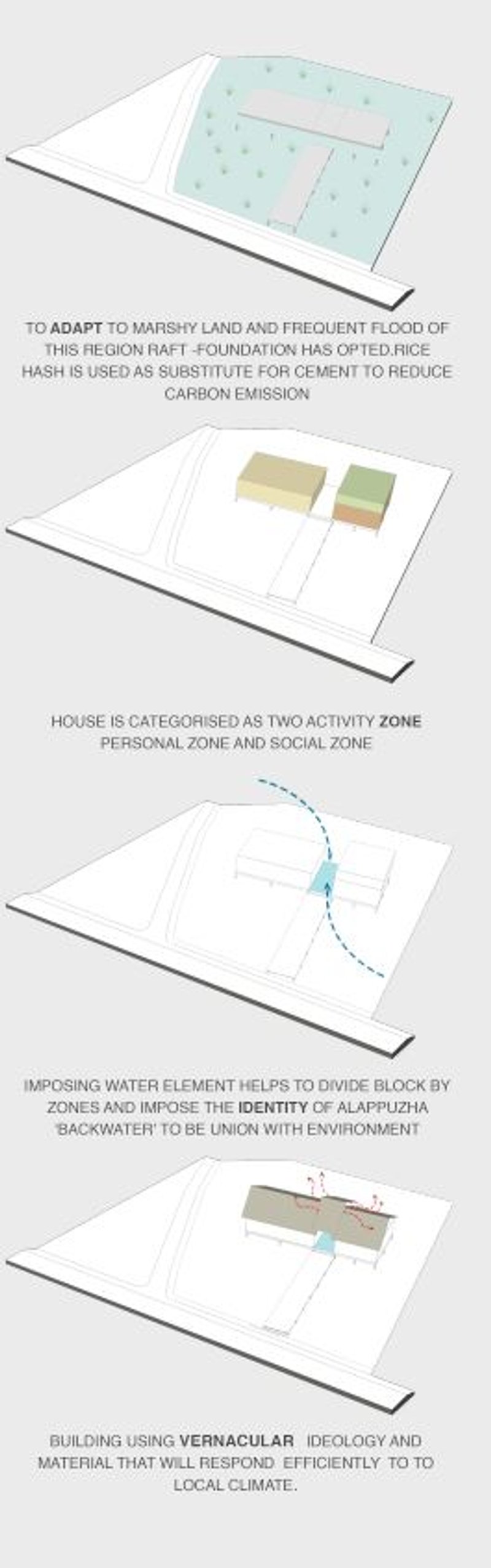
To adapt to marshy land and a frequent flood of this region raft -the foundation has opted. Rice hash is used as a substitute for cement to reduce carbon emission
House is categorised into two zones personal zone and social zone.
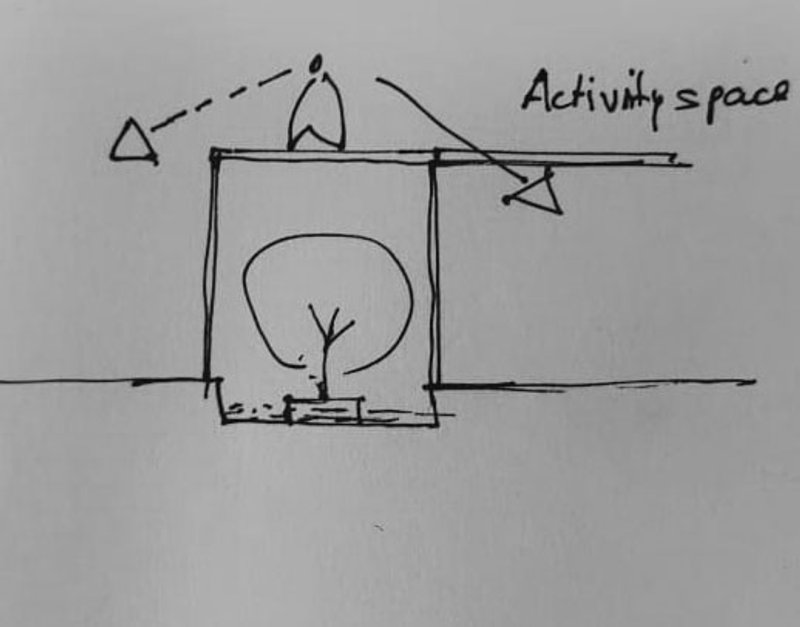
The mezzanine floor was used to host a personal recreation zone. this was given in such a way it has visual access to both sides
Imposing water element helps to divide the block into zones and impose the identity of Alappuzha ‘backwater’ to be union with the environment
Approaching building using traditional ideology and material that will respond efficiently to local climate
Leisure home design in Alappuzha/Travancore for a nuclear family of four by recognising the vernacular aspect of the region
what was the intent behind the organisation of elements on the various level?
space was based on client description made
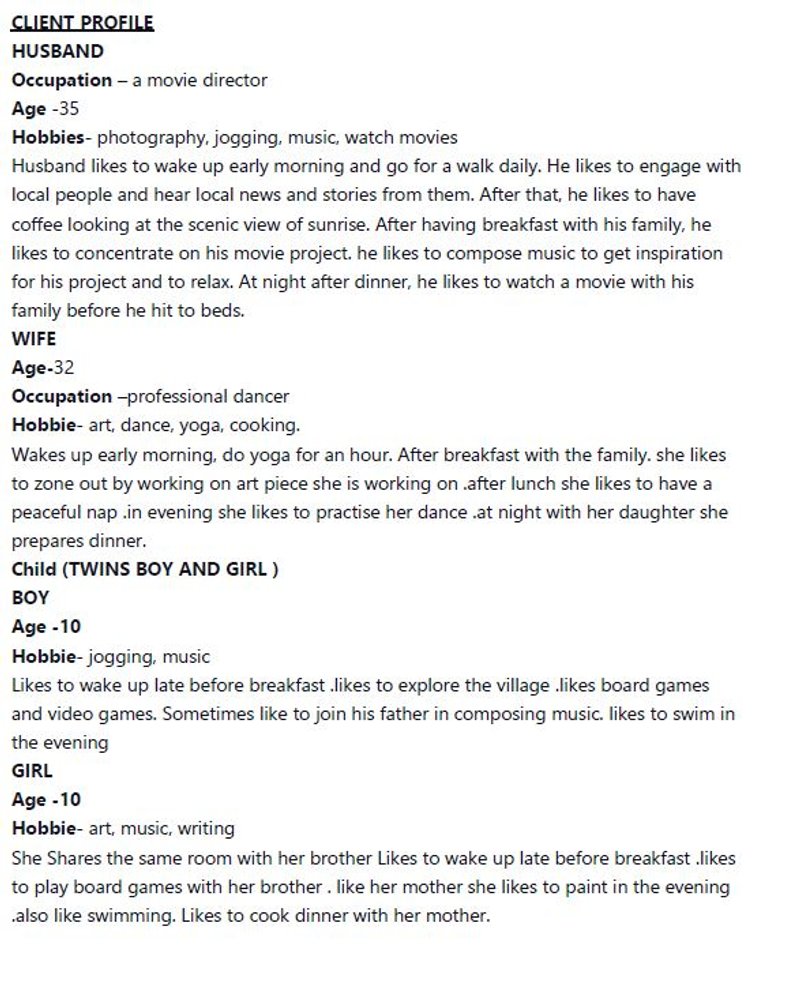
based on this description rooms were decided as
living room
dining
kitchen
two bedroom
yoga space/dance space
study room
activity /recreational room
living /dining/kitchen was given as common spaces
under yoga, space was given outdoor near to pool
since twins share the room, two-bedroom was given
near to study room activity room was situated.
idea was to bring about maximum interaction between family member during leisure vacation at the same time while they engage in their personal activity.
Design research method
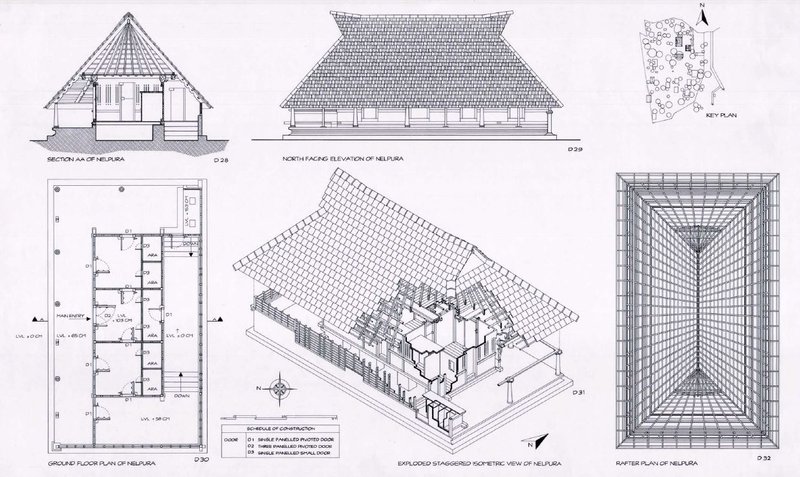
To understand the vernacular design, documented traditional building in Kerala 'alammoottil Tharavad' IN HARIPAD by The National Association of Students of Architecture was studied .clear understanding of construction was studied from this. Also, ideology, why this was constructed, was critically studied from these documents.
How was the design finalised?
By understanding that the site is on farmland. It was decided to place a building without disrupting the flow of water held in paddy field .hence rafter foundation was used to hold the building
courtyards very crucial in Kerala architecture as it helps to divide spaces around and helps in ventilation throughout the building. so water pond which represents the identity of Alappuzha helps cool down-home and helps in ventilated. spaces based on use were then organised around it.
what was the material chosen?
local traditional material was used in the project, as well new knowledge which less harmful to the environment were used.
foundation slab and pool concrete made from rice ash as a substitute for cement were used in order to heavy of the building to the ground without sinking into the marshy land
laterite, natural building block which gets harder when exposed to the sun were used as a wall with lime plastering
teak wood were used in rafters and joinery
sheet made from coconut weaving where used as lintel level wall cover.