

Diletto Pastas Barrio Chino: Contemporary Restaurant Interior Design in Buenos Aires by Cupla Arquitectura
Diletto Pastas Barrio Chino showcases innovative restaurant interior design in Buenos Aires, blending fresh pasta tradition with modern branded architecture.


The latest restaurant interior design in Buenos Aires comes to life through Diletto Pastas Barrio Chino, a project by Cupla Arquitectura led by Lucía Vallve and Tomás Mielnikowicz. Located in the bustling Belgrano neighborhood, this third gastronomic venue of the brand merges the authenticity of handmade pasta with the speed of modern dining, all wrapped in a space that reflects a powerful brand identity.
Concept and Brand Identity
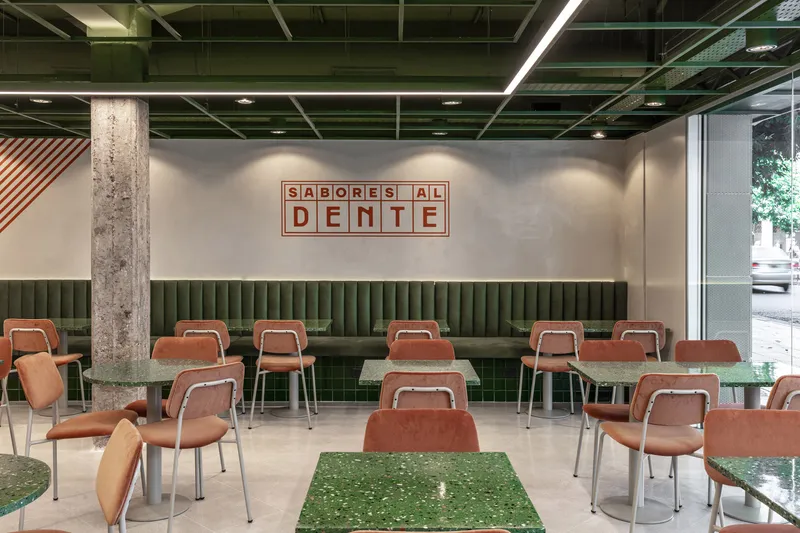
Diletto Pastas has faced a unique challenge since its inception: to bring the tradition of fresh pasta into the dynamic world of fast food. This new location builds on that vision, where the architecture becomes a living showcase. Designed for maximum visibility, the venue blurs the boundary between interior and exterior, engaging pedestrians and inviting them into the culinary experience.
Integration with the Urban Context
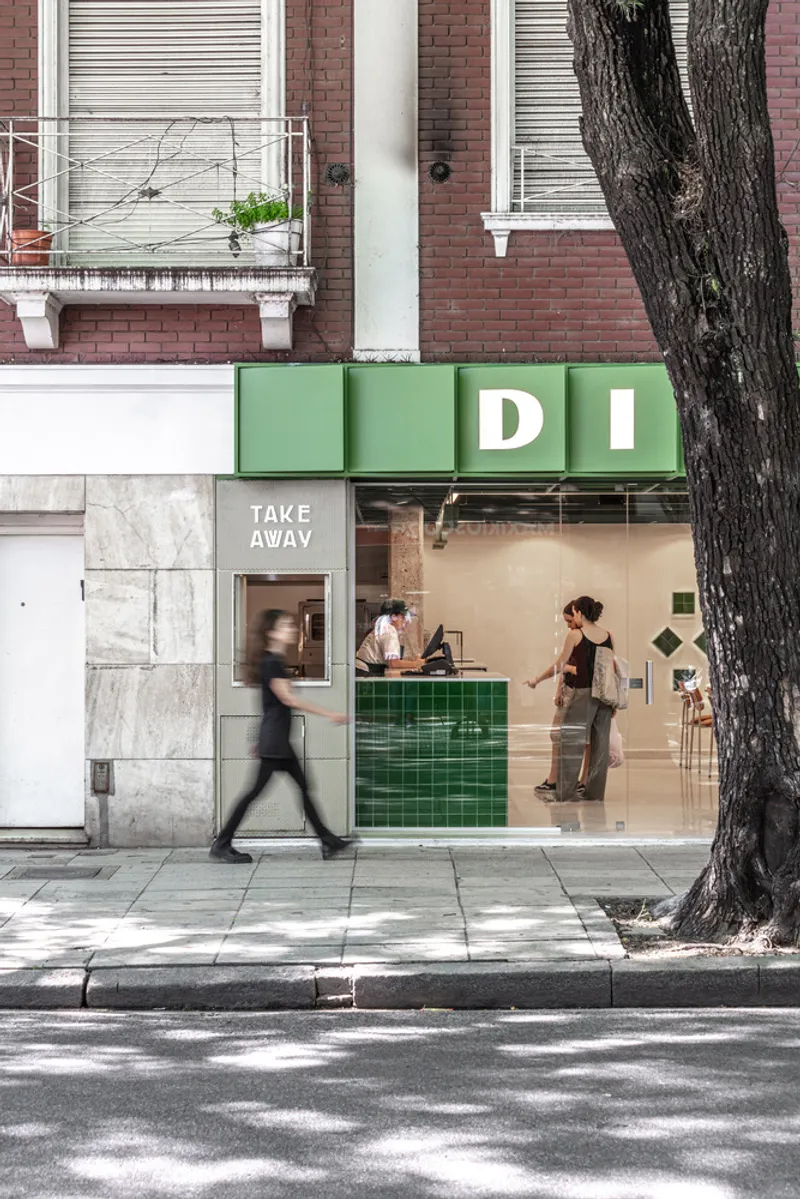
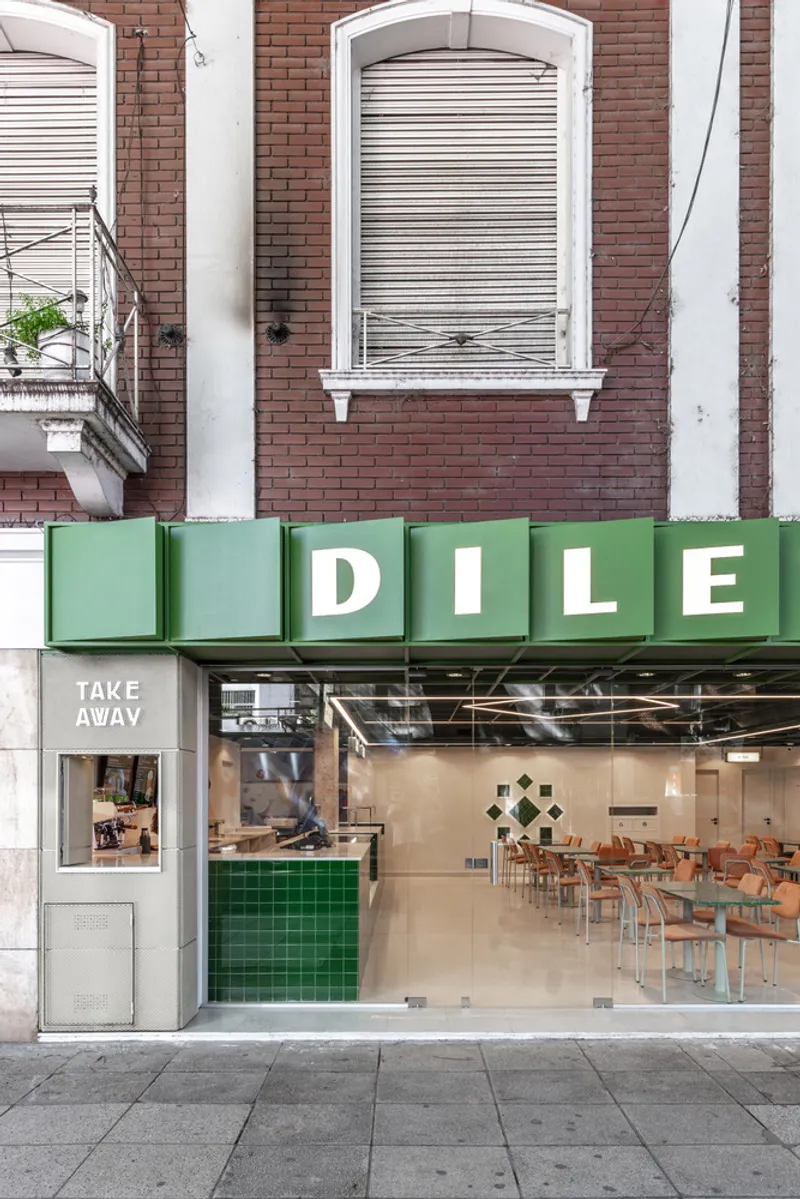
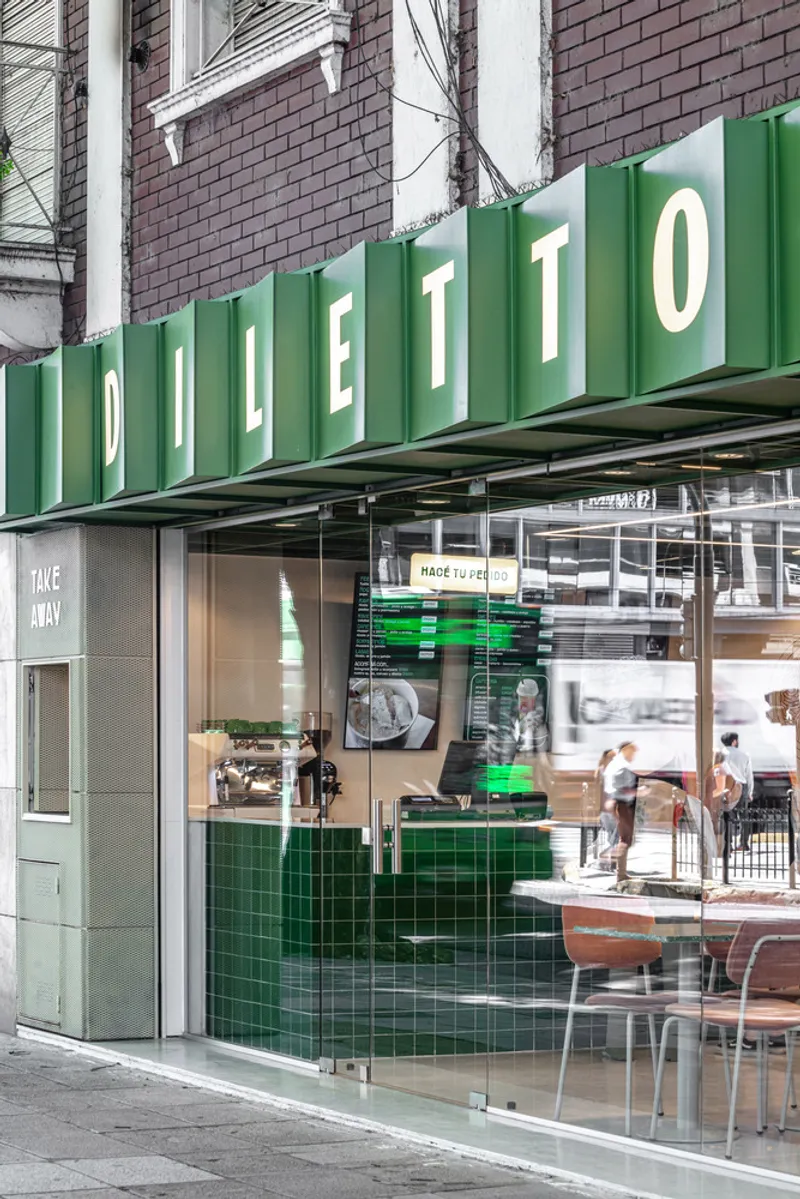
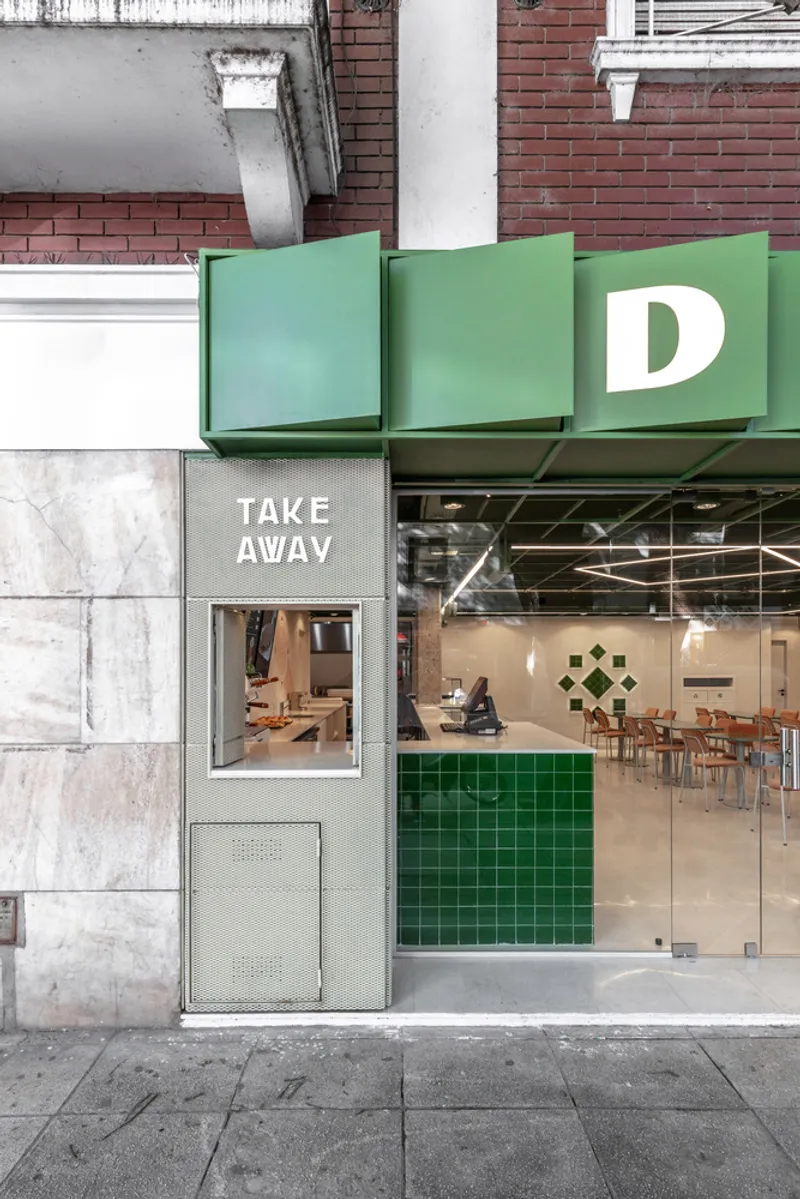
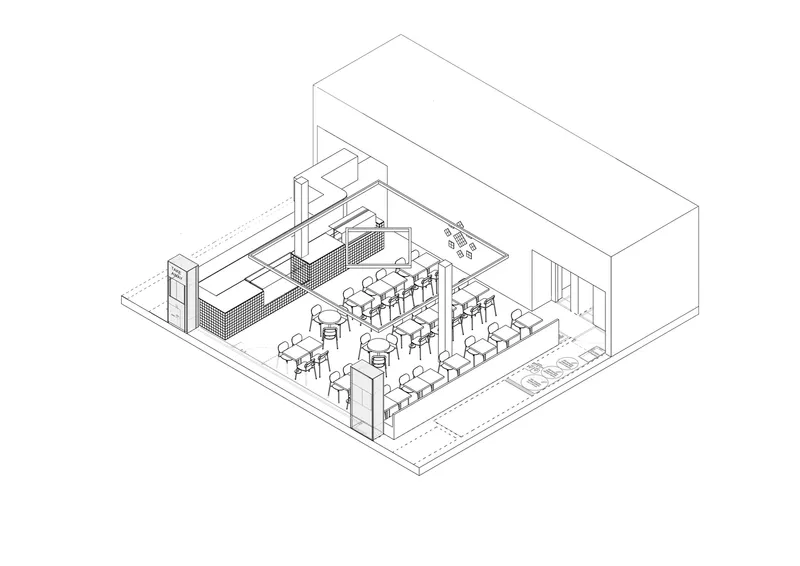
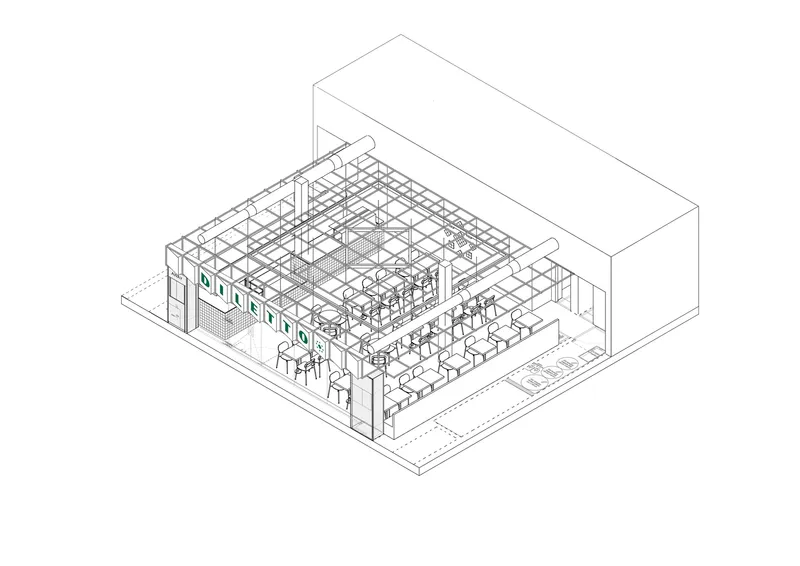
Situated in a high-traffic area, the restaurant’s design responds to its urban surroundings. The façade is both open and expressive, giving passersby a complete view of the interior. A suspended metal structure defines the space, extending seamlessly from the interior to the façade. Its square grid unifies the design language while organizing technical systems such as lighting, HVAC, and electrical installations.
Spatial Organization and Customer Experience
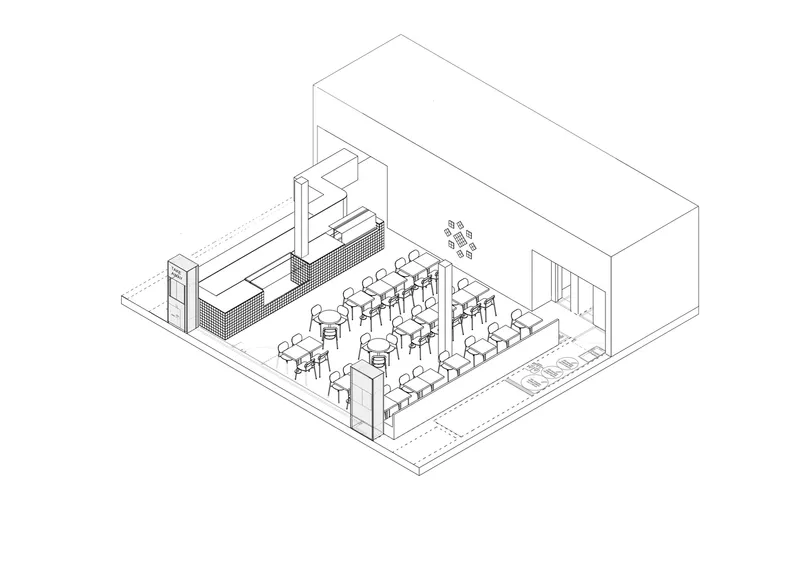
A linear bar runs along the side and extends toward the façade, creating a direct relationship with the sidewalk. This not only enhances the efficiency of take-away service but also allows customers to witness the pasta preparation process. The interaction between service and production reinforces the sense of transparency, authenticity, and connection with the brand.

Materials, Colors, and Atmosphere
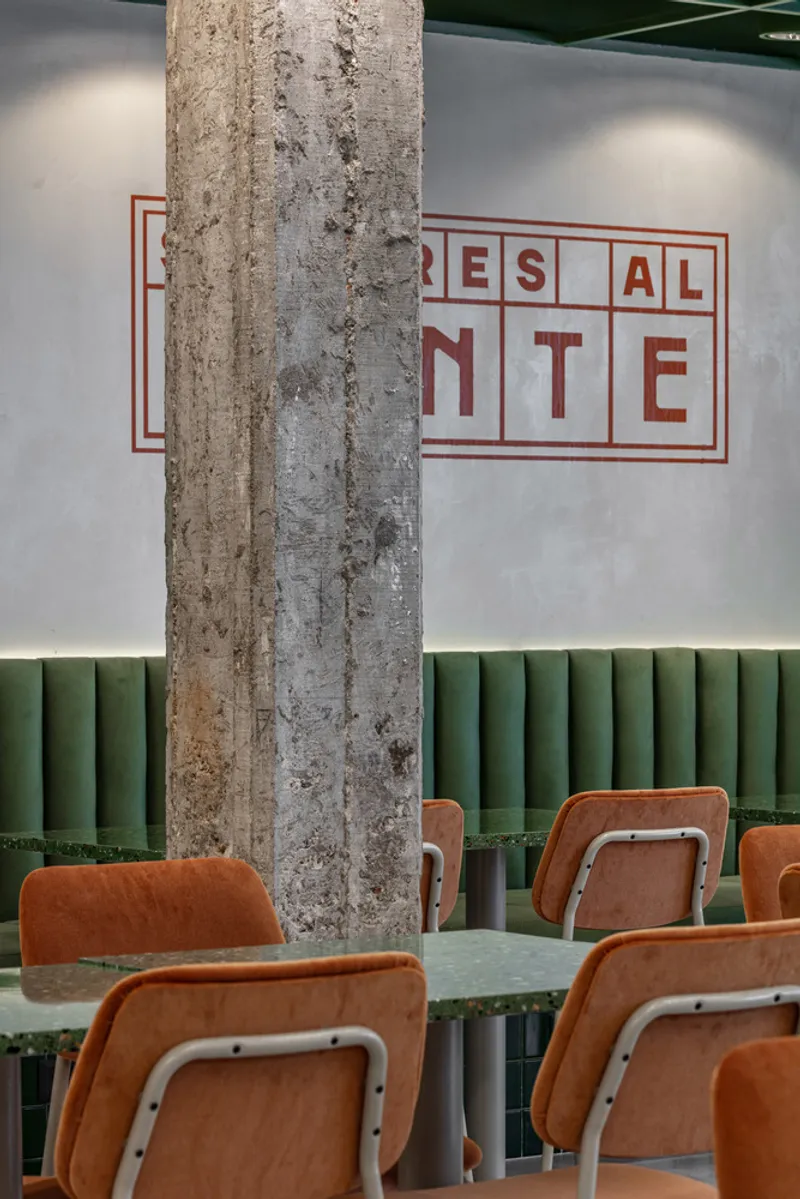
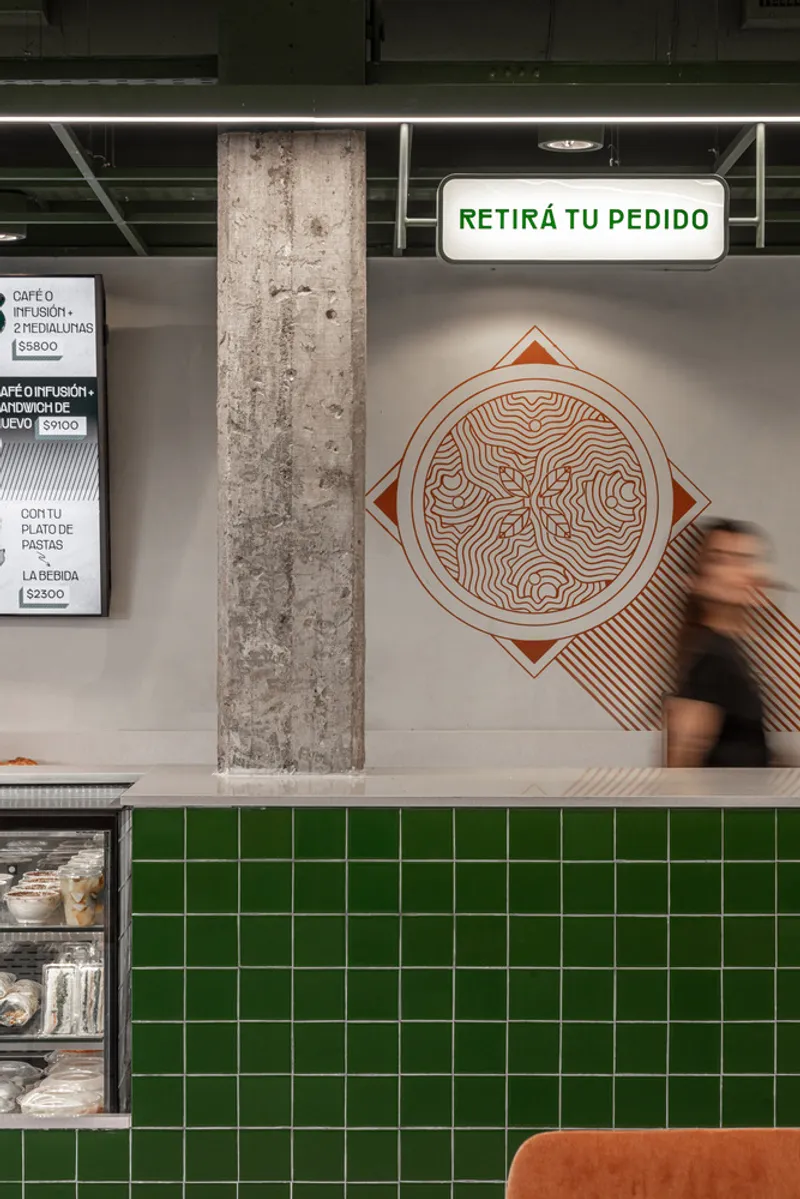
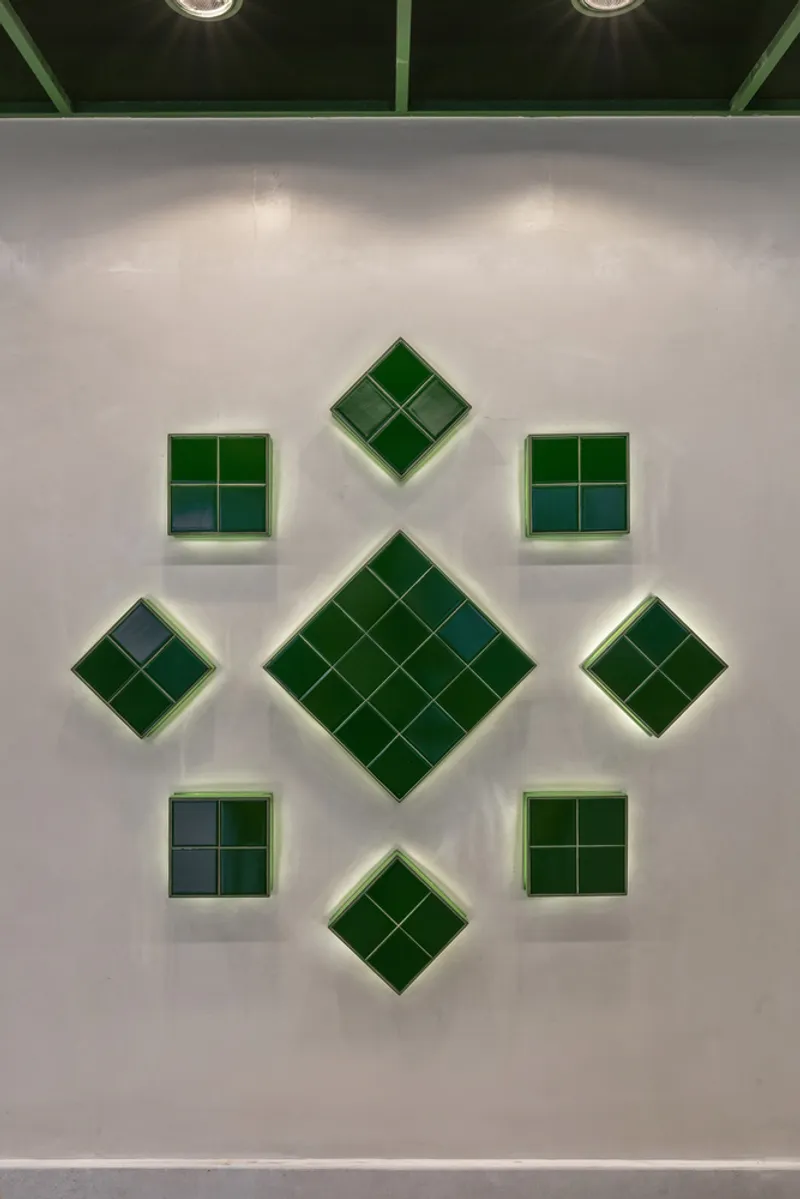
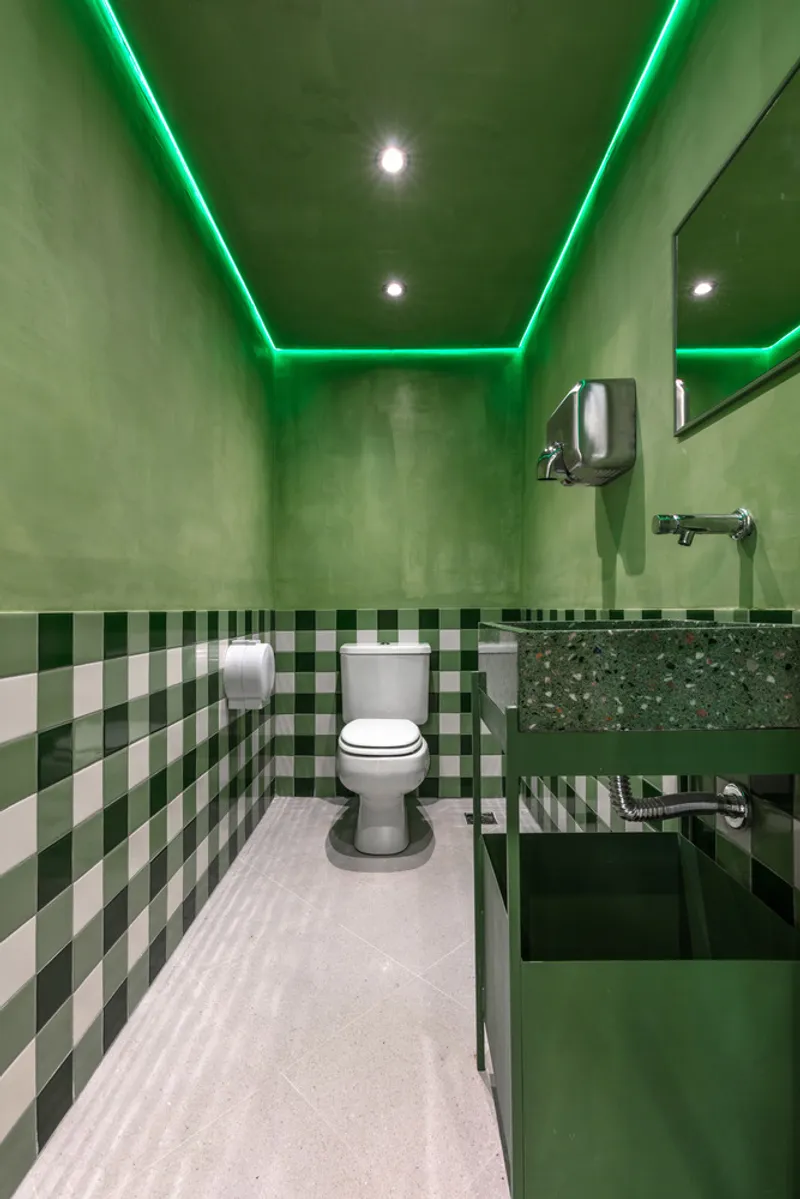
Green is the defining color of the space, appearing in the metal system and tiled bar, cementing a bold visual identity. Custom-designed furniture—benches, tables, and chairs—maintains uniform proportions across the venue, creating consistency and order. The suspended grid structure doubles as a framework for lighting, highlighting brand geometries such as squares and rhombuses, echoing the Diletto isotype.
Graphic and Visual Communication
The architectural design is complemented by graphic interventions: LED signage, light boxes, wayfinding elements, and wall graphics. Hanging signs above the bar guide customers through their journey, from choosing their dish to picking up their order. This integration of graphics and architecture creates a fully branded spatial experience.
A Holistic Dining Experience
Diletto Pastas Barrio Chino is more than just a place to eat. It represents a holistic approach to gastronomy where architecture, branding, and culinary tradition converge. The result is a space that feels both contemporary and rooted, balancing efficiency with authenticity. This project is a benchmark in restaurant interior design in Buenos Aires, demonstrating how thoughtful spatial strategies can elevate dining into a memorable cultural experience.
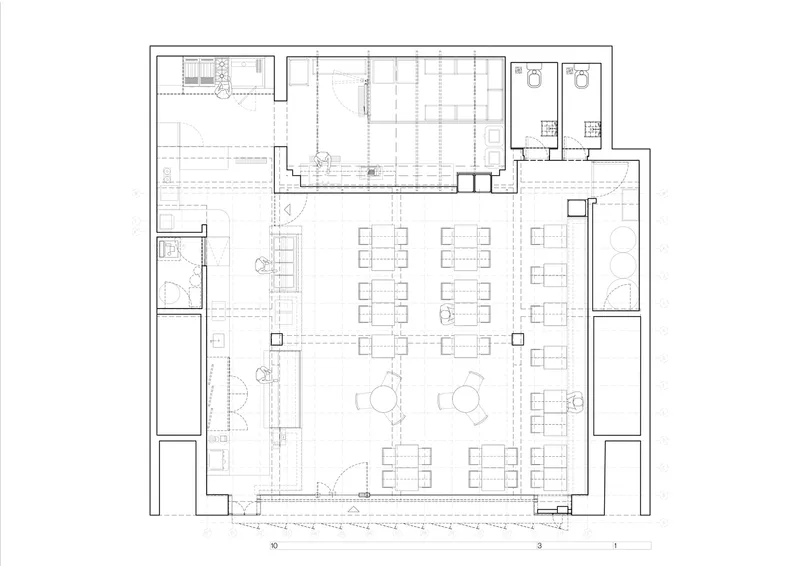
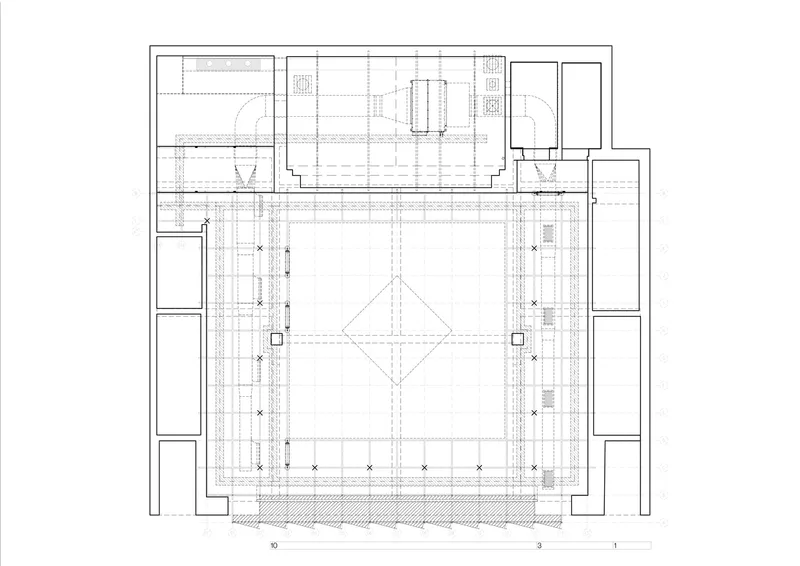
Cupla Arquitectura’s work on Diletto Pastas Barrio Chino captures the essence of modern dining in Argentina: fast yet authentic, branded yet human-centered. This venue exemplifies how architecture can define not only a restaurant’s atmosphere but also its identity in the urban landscape of Buenos Aires.
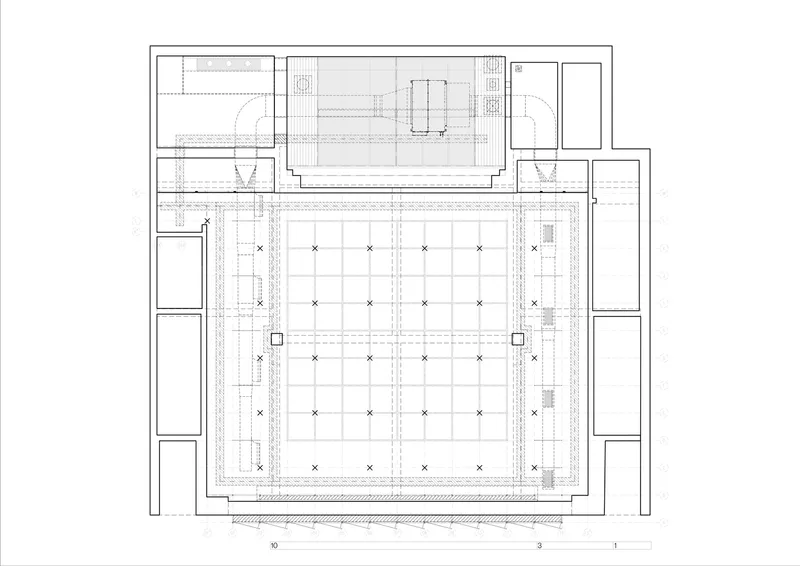
All Photographs are works of Federico Kulekdjian


Popular Articles
Popular articles from the community


Cloaked Colonization: A Mobile Underwater Habitat That Moves Like a Fish
Micah Abaya's shortlisted EHC Pacific entry reimagines ocean settlement as a dispersed network of self-sustaining architectural organisms.

Manzana Morphosis: Stretching Barcelona's Grid into a Living Landscape for 2050
A radical reworking of the Eixample manzana turns density into a tool for generous public space, vertical ecology, and environmental performance.

Singing Woman: Contemporary Architecture Inspired by Estonia’s Voice and the Sea
Singing Woman turns Estonia’s song culture into flowing opera house architecture, blending public life, landscape, sea, and national memory.

Tsunami Convergenics: Turning Catastrophic Ocean Forces into Underwater Housing Infrastructure
A speculative underwater settlement off the coast of Onagawa, Japan, treats tsunamis and typhoons as energy sources rather than threats.

Similar Reads
You might also enjoy these articles

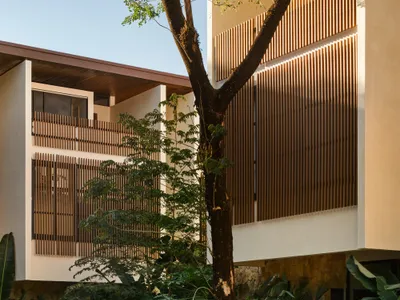
FAMM Arquitectura Organizes Ten Villas Around Courtyards and Jungle in Nosara, Costa Rica
El Molino pairs two elongated volumes with deep overhangs and timber louvers to build a compact coastal community five minutes from the beach.
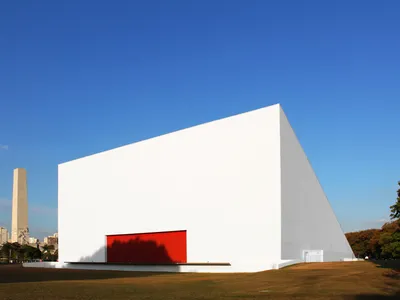
Oscar Niemeyer's Ibirapuera Park Pavilions Define São Paulo's Cultural Identity in Concrete and Curve
A constellation of modernist volumes set within São Paulo's most important urban park, conceived for the city's 400th anniversary in 1954.
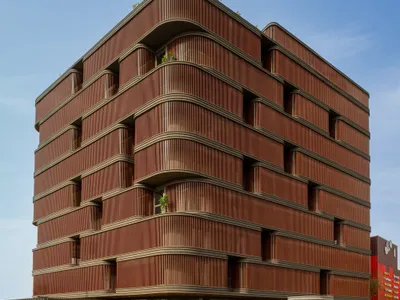
Sanjay Puri Architects Wraps a Jaipur Office Tower in Capsule-Shaped Green Buffers
A nine-level climate-responsive workplace near Jaipur Airport uses stacked planter terraces and aluminium screens to fight 40°C heat.
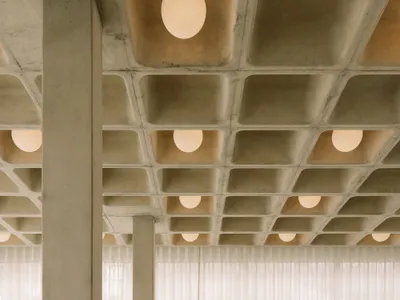
RHO Converts a Berlin Spree-Side Industrial Courtyard into Enkime's 1,000 m² Agency Headquarters
A social media agency's new home in Charlottenburg trades glossy branding for concrete waffle ceilings, glazed tile, and sheer curtains.

Explore Architecture Competitions
Discover active competitions in this discipline

Challenge to reimagine the Iron Throne

Photograph architecture without architects

Illustrate the lost glory of Angkor Wat - Render Challenge

Design challenge to reuse E-waste
Comments (0)
Please login or sign up to add comments
No comments yet. Be the first to comment!