
Earth House by Lara Fuster Prieto: A Sustainable Adobe Home in Rural Spain
Earth House blends traditional adobe construction with sustainable design, optimizing thermal comfort, energy efficiency, and cultural integration in rural Spain.


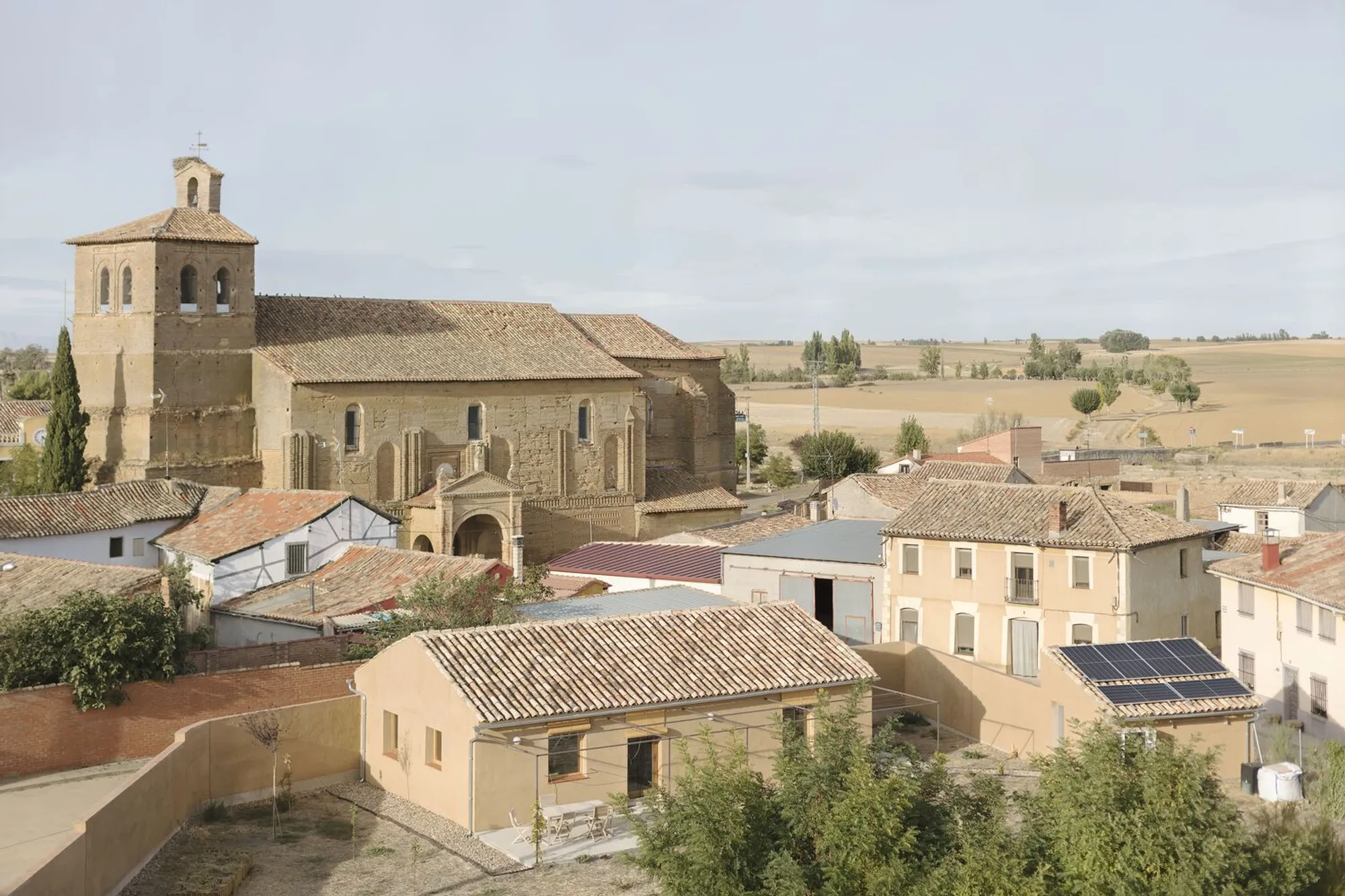
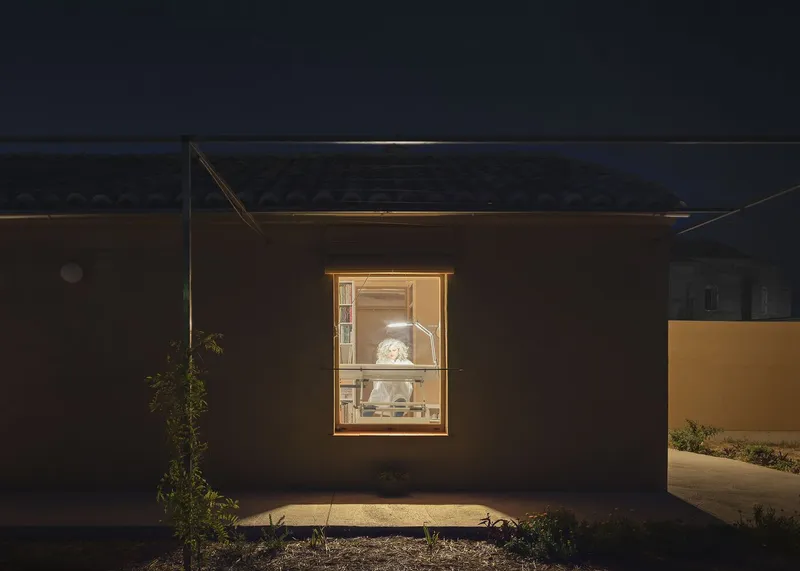
Located in the small municipality of Boadilla de Rioseco, Spain, Earth House by Lara Fuster Prieto is an architectural response to the depopulated landscapes of rural Spain. This eco-friendly home integrates traditional adobe construction, passive design principles, and contemporary living standards, all while minimizing its environmental impact.
Reviving Adobe Architecture for Modern Living
The house is built in Tierra de Campos, a vast treeless plain in the Castilian-Leonese plateau, known for its extreme and dry climate. Traditional vernacular architecture in the region relies on adobe bricks—a sustainable material made from earth and straw, abundant in the area. Adobe construction has minimal carbon footprint, as the material is locally sourced, requires no firing, and is fully biodegradable. The design of Earth House embraces these principles while adapting them to contemporary construction methods.
Sustainable Design and Passive Strategies
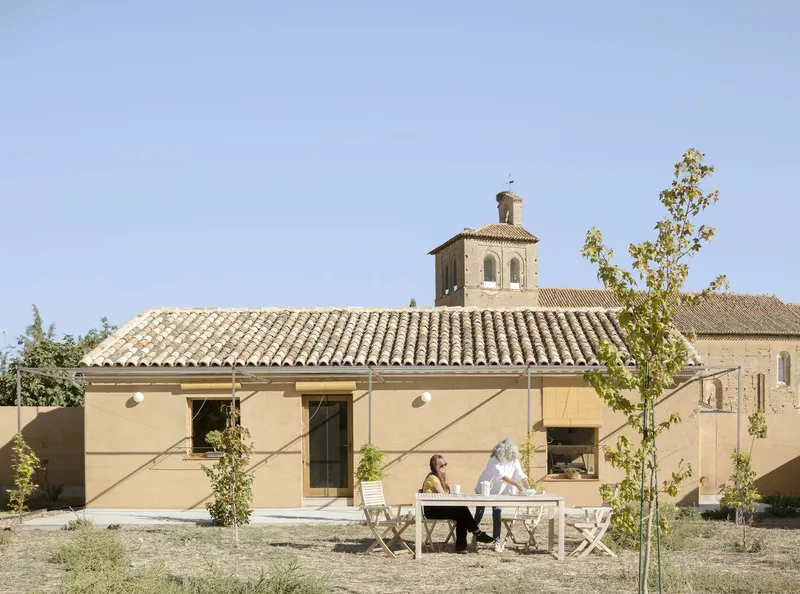
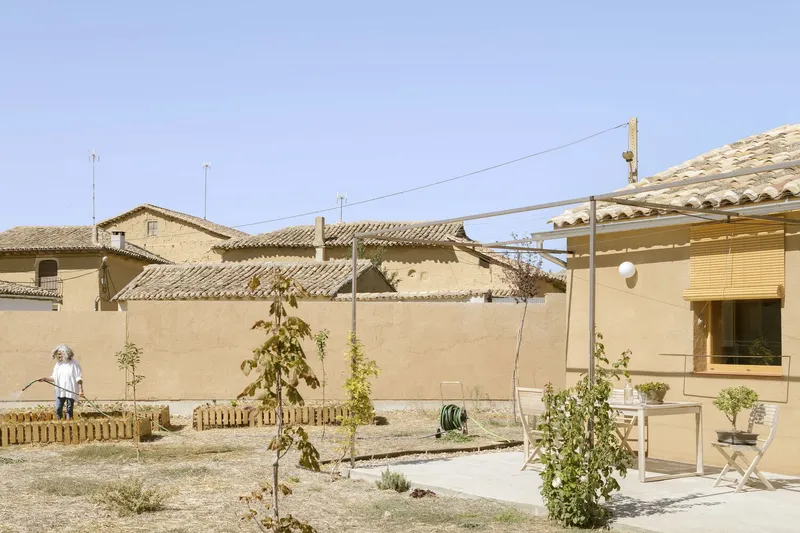
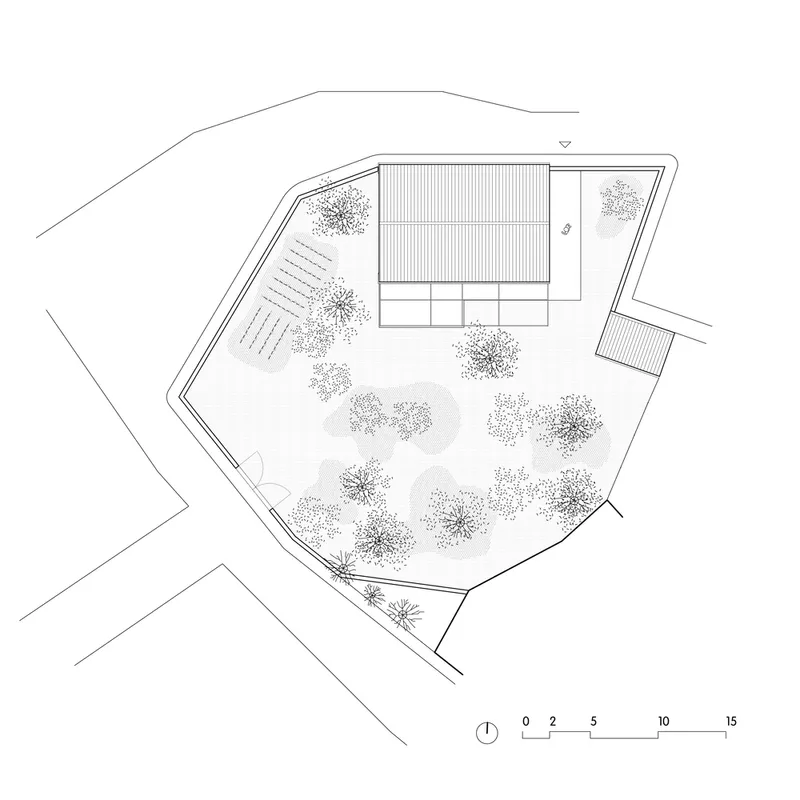
Designed as a permanently inhabited residence, Earth House prioritizes thermal comfort and energy efficiency. Its rectangular structure consists of four parallel bays oriented from east to west, optimizing sunlight exposure. The north façade, which faces the street, has smaller asymmetrical openings, reminiscent of traditional local houses, while the south façade features large windows to function as solar collectors in winter. During summer, wooden blinds and a pergola with deciduous vines provide natural shading, reducing overheating.
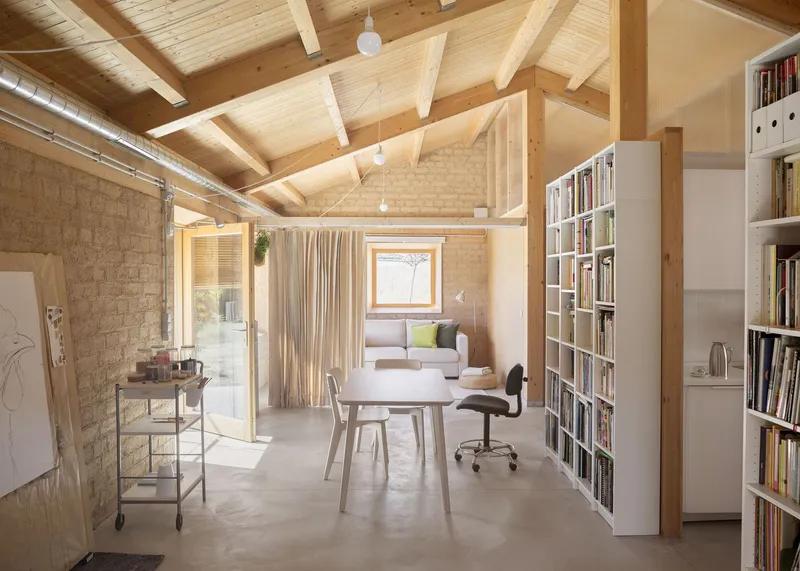
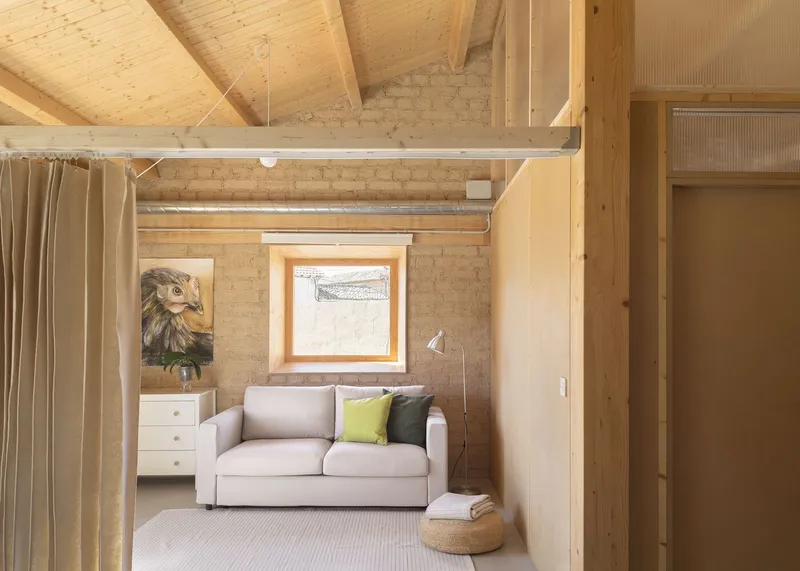
The load-bearing walls are constructed from 33x15x10 cm adobe bricks, produced within 40 km of the site. These walls are insulated externally using cork panels, creating an External Thermal Insulation Composite System (ETICS) that enhances energy efficiency. The gable roof consists of a wooden sandwich panel with cork insulation, topped with reused curved clay tiles, seamlessly blending into the local urban fabric.
Natural and Breathable Materials
Instead of conventional cement, the house uses lime mortar mixed with straw for plastering, a breathable and moisture-absorbing material that ensures durability and sustainability. Wooden doors and windows contribute to the home's low-carbon footprint, while roll-up shutters act as passive sun protectors.
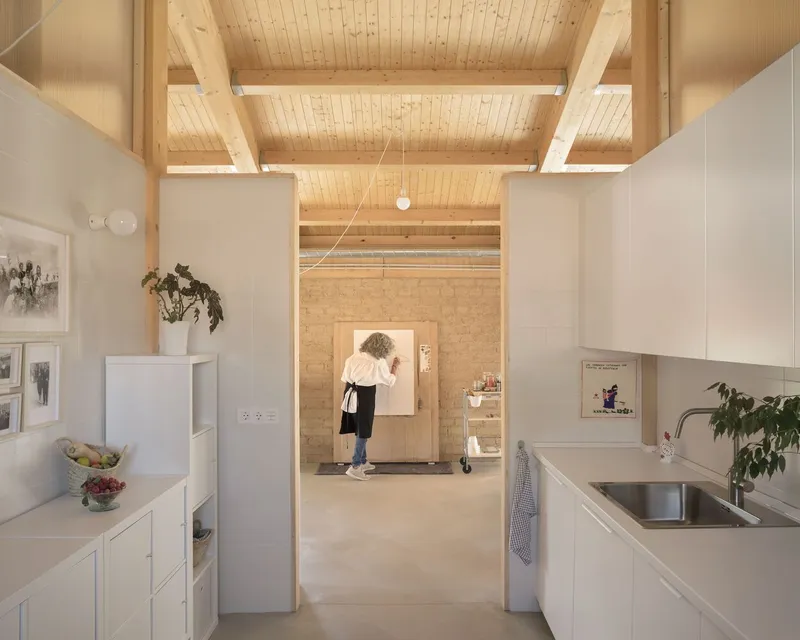
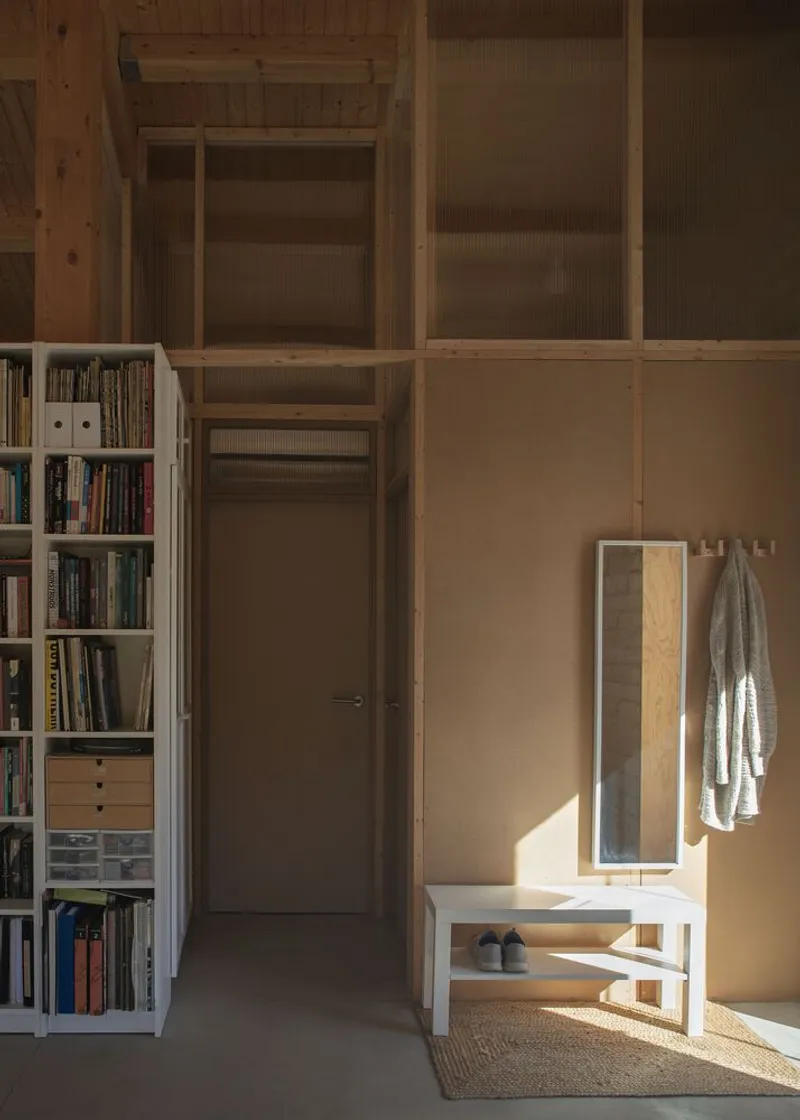
The interior partitions follow a lightweight construction system, featuring exposed wooden slats, recycled cotton insulation, and Medium Density (MD) wood boards. To maximize natural light, the upper sections of these partitions incorporate polycarbonate sheets, creating a sense of openness.

Energy Efficiency and Thermal Performance
By leveraging the thermal mass of adobe, the house maintains stable indoor temperatures between 22-24°C during peak summer, even as outdoor temperatures reach 40.5°C. The home achieves A-rated energy performance, requiring no active cooling systems.
During winter, the house employs underfloor heating, inspired by the glorias—a traditional underground heating system from the region. This design ensures that the home remains comfortable year-round while consuming minimal energy.
Blending Tradition with Sustainability
More than just a sustainable home, Earth House is a cultural and environmental statement. It bridges the gap between traditional Spanish adobe construction and modern sustainable architecture, proving that heritage materials can play a crucial role in low-impact contemporary design.
All Photographer are works of Milena Villalba



Popular Articles
Popular articles from the community


Conexión: Biophilic Design Reimagines High-Rise Living in Hong Kong
Conexión reimagines high-rise living in Hong Kong through biophilic design, green facades, shared spaces, daylight, water and nature within.

Play: Fragments of Their World
Familiar architecture becomes modular playground design, creating safe spaces where displaced children can learn, connect, imagine and play.

Hill & Cross Opera: Sculptural Opera House Architecture Shaped by Tallinn’s Landscape and Identity
Hill & Cross Opera reimagines opera house architecture in Tallinn through its sculptural hill, civic plaza, glass wave and a luminous cross.

The Earth Pod: 3D Printed Homes for Resilient Refugee Communities
The Earth Pod reimagines refugee housing through 3D printed homes made from clay, combining resilience, self-sufficiency, and rapid shelter.
Similar Reads
You might also enjoy these articles


Hodi-Mandai Geram
Project Function: Preservation and revitalization of the Intangible heritage and socio-spatial identity of the Hodi by Housing, Cultural Memory Center, Sacred Grove, landscape, local tourism economy


Olio Towers: A Mid-Rise for Performers That Fuses Housing, Rehearsal, and Stage
Located blocks from Houston's Theater District, this modular tower stacks living units around a central performance atrium.

Oasis: Modular Green Housing Carved into Dhaka's Urban Fabric
A shortlisted Plugin Housing entry reclaims unauthorized settlements in Dhaka with stepped concrete volumes, green roofs, and ventilation-driven design.

Black Hole: A Floating Megastructure for the Post-Physical Era
Emiliano Mazzarotto envisions a spherical, self-scaling arena where e-sports, digital hotels, and holographic stadiums replace traditional public space.

Explore Earth Architecture Competitions
Discover active competitions in this discipline



Challenge to reimagine the Iron Throne


Photograph architecture without architects


Illustrate the lost glory of Angkor Wat - Render Challenge


Design challenge to reuse E-waste
Comments (0)
Please login or sign up to add comments
No comments yet. Be the first to comment!