
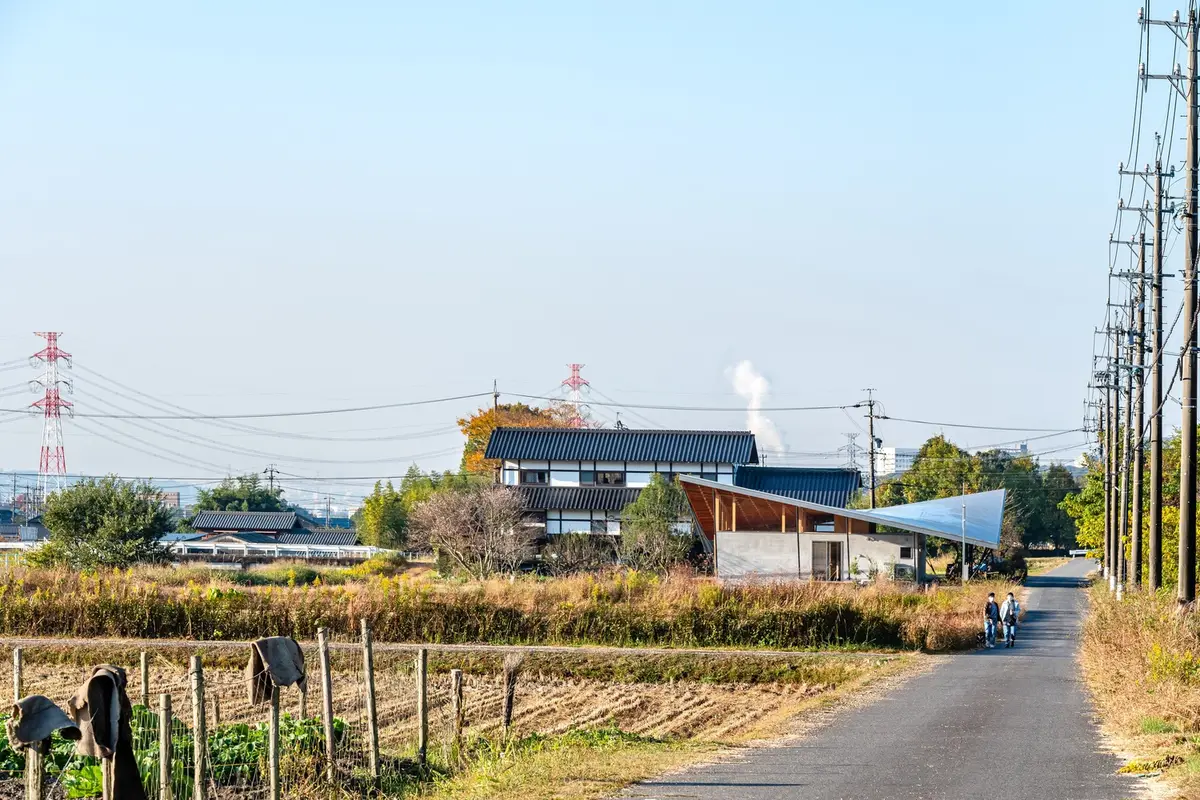
Embracing the Future: How Rural Architecture Design is Transforming Agricultural Landscapes
The article explores the Hazamacho House's role in transforming rural architecture by merging agricultural spaces with sustainable living designs.


In the heart of the countryside, where the rhythm of the seasons dictates the ebb and flow of life, a new paradigm is emerging in the field of architecture. This is not just about buildings; it's about integrating living and working spaces into the agricultural landscape in a way that respects nature, supports farming communities, and counters the encroaching tide of urbanization. The Hazamacho House by Tatsuya Kawamoto + Associates exemplifies this new wave of rural architecture design.
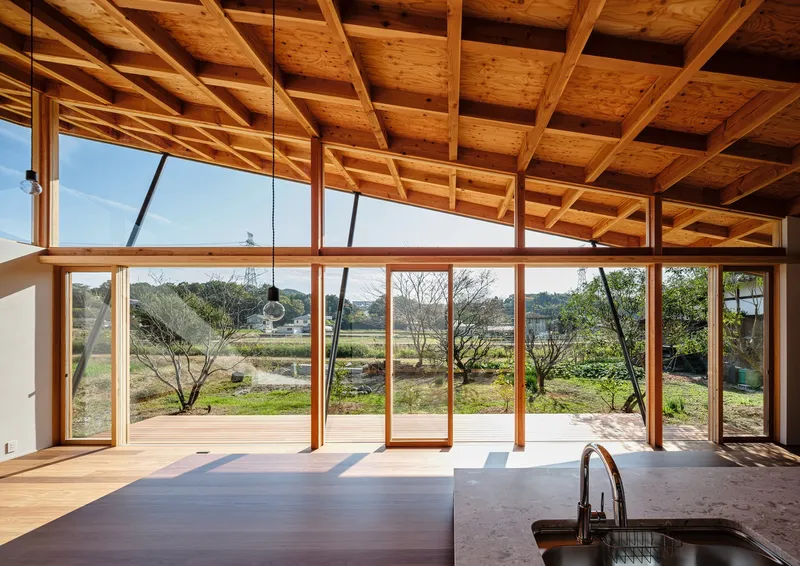

The Genesis of Hazamacho House: A Paradigm Shift in Rural Architecture
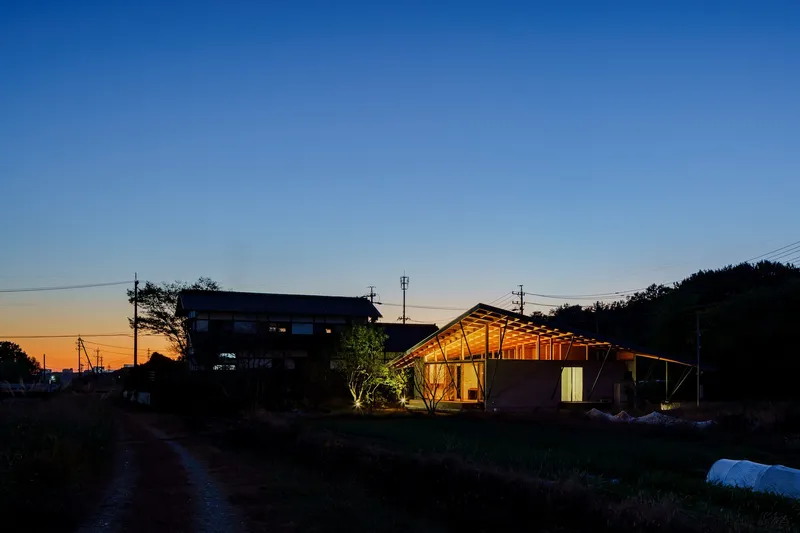
The Hazamacho House stands as a testament to the innovative approach in rural architecture design. Nestled amidst lush fields and framed by the picturesque mountains of Japan, this structure redefines the conventional boundaries between a residential space and an agricultural shed. It's more than a dwelling; it's a framework for agricultural life, designed to foster a symbiotic relationship between humans and the land.


Design Philosophy: Merging Functionality with Nature
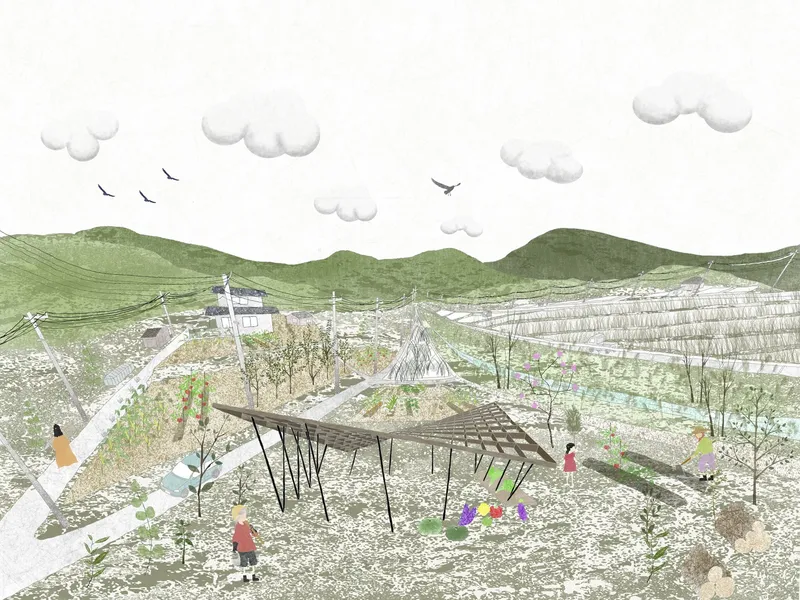
At the core of the Hazamacho House's design is the philosophy of merging functionality with the natural surroundings. The architects embarked on this project with a clear aim: to create a space that would not only serve as a home for local farmers but also integrate seamlessly into the agricultural landscape. The house was constructed with a profound respect for the area's natural beauty and agricultural heritage, ensuring that the building rate complied with local regulations while avoiding unnecessary urban sprawl.

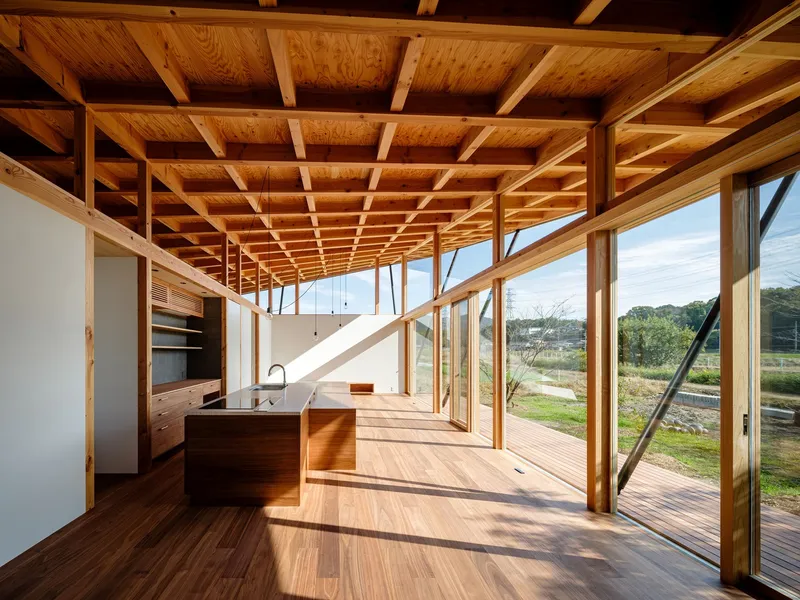

Architectural Innovation: A Roof that Dances with the Wind
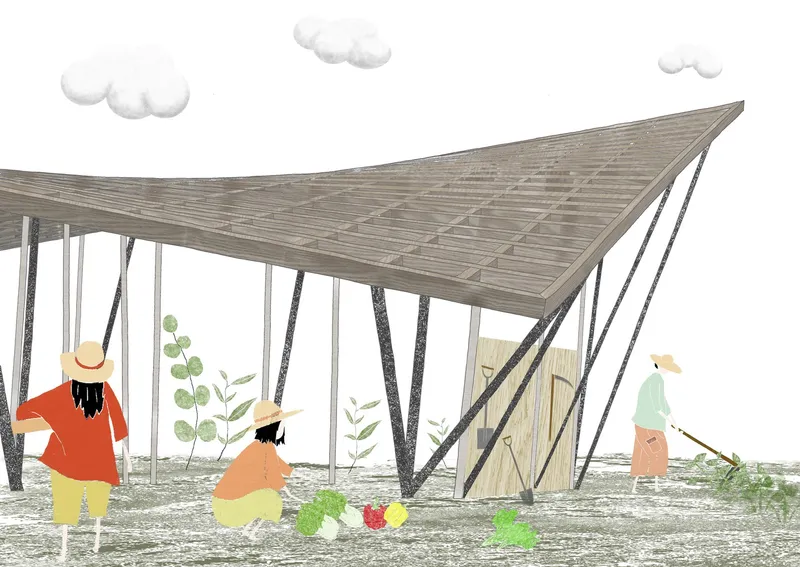
One of the standout features of the Hazamacho House is its expansive roof, which leaps outward in all directions, mimicking the undulating lines of the surrounding mountains. This is not just an aesthetic choice; the roof's design serves multiple functional purposes. It provides ample shade and protection from the elements for the living spaces below and extends over the outdoor areas, creating a transitional space where indoor living meets the agricultural outdoors.

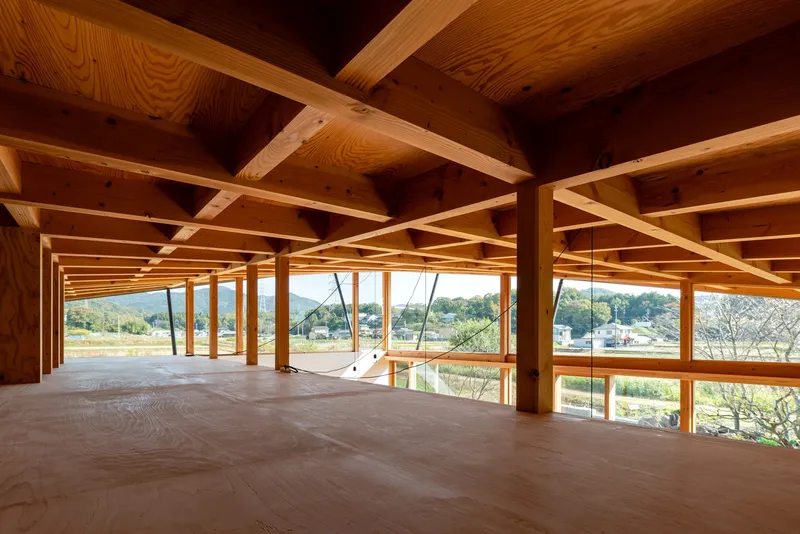
The Heart of the Home: A Living Space for Farmers
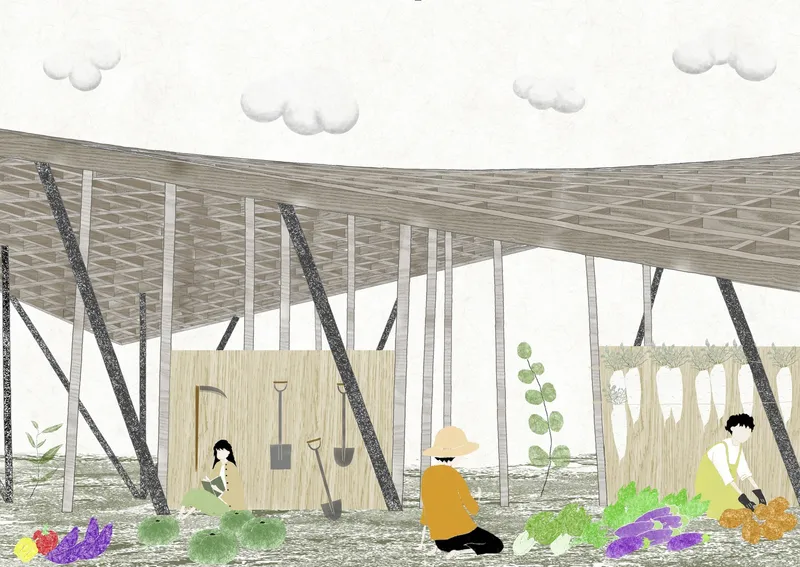
The interior of the Hazamacho House is a marvel of spatial efficiency and simplicity. The central area, compact and organized, houses the load-bearing walls and serves multiple purposes: from storage for crops and tools to a quiet space for reading and relaxation. This central zone acts as the heart of the home, around which the daily life of the farmers revolves.


Sustainable Living: A Blueprint for the Future
Sustainability is a key element of rural architecture design, and the Hazamacho House embodies this principle through and through. The materials, the structure's orientation, and the integration of the living spaces with the agricultural environment all reflect a commitment to eco-friendly living. By minimizing its ecological footprint, the house sets a precedent for future rural architecture projects.

A New Horizon for Rural Architecture
The Hazamacho House by Tatsuya Kawamoto + Associates is more than a building; it's a beacon of hope for the future of rural architecture design. It demonstrates how architecture can go beyond mere construction to become a catalyst for community building, sustainable living, and preservation of the agricultural landscape. As we move forward, the principles exemplified by the Hazamacho House will undoubtedly inspire new projects that respect and enhance the rural environment.
The fusion of traditional values with innovative design in rural architecture not only protects precious farmland but also provides a sustainable blueprint for the future. It's a reminder that in the heart of the countryside, where life is governed by the land, architecture can bridge the gap between the past and the future, creating spaces that are both functional and harmonious with nature.
All photographs are work of Takashi Uemura


Popular Articles
Popular articles from the community


The Musturak Paradise: Senior Living Architecture for a Connected Future in Temara, Morocco
The Musturak Paradise reimagines senior living architecture in Temara via private homes, social spaces, culture, community, and shared care.

Conexión: Biophilic Design Reimagines High-Rise Living in Hong Kong
Conexión reimagines high-rise living in Hong Kong through biophilic design, green facades, shared spaces, daylight, water and nature within.

Lunar Spiral: Space Architecture Shaped by the Mathematics of the Universe
Lunar Spiral reimagines space architecture through Fibonacci geometry, lunar regolith, levitating habitats, and self-sustaining Moon living.

ALGAL REALM: A Bio-Integrated Lunar Habitat Design for Life Beyond Earth
ALGAL REALM reimagines lunar habitat design with algae-powered life support, 3D-printed regolith, and vertical living for a lunar future.

Similar Reads
You might also enjoy these articles


FAMM Arquitectura Organizes Ten Villas Around Courtyards and Jungle in Nosara, Costa Rica
El Molino pairs two elongated volumes with deep overhangs and timber louvers to build a compact coastal community five minutes from the beach.

Oscar Niemeyer's Ibirapuera Park Pavilions Define São Paulo's Cultural Identity in Concrete and Curve
A constellation of modernist volumes set within São Paulo's most important urban park, conceived for the city's 400th anniversary in 1954.

Sanjay Puri Architects Wraps a Jaipur Office Tower in Capsule-Shaped Green Buffers
A nine-level climate-responsive workplace near Jaipur Airport uses stacked planter terraces and aluminium screens to fight 40°C heat.
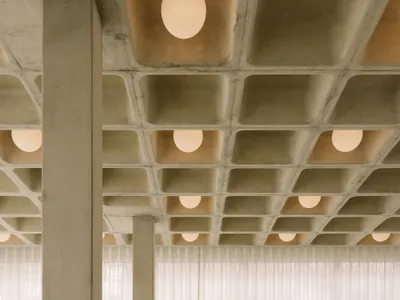
RHO Converts a Berlin Spree-Side Industrial Courtyard into Enkime's 1,000 m² Agency Headquarters
A social media agency's new home in Charlottenburg trades glossy branding for concrete waffle ceilings, glazed tile, and sheer curtains.

Explore Japanese Architecture Competitions
Discover active competitions in this discipline

Challenge to reimagine the Iron Throne

Photograph architecture without architects

Illustrate the lost glory of Angkor Wat - Render Challenge

Design challenge to reuse E-waste
Comments (0)
Please login or sign up to add comments
No comments yet. Be the first to comment!