
Fire and Rescue Center Trzin by Arhitekti Počivašek Petranovič: Redefining Modern Fire Station Architecture in Slovenia
A robust yet refined civic building redefining modern fire station architecture with concrete expression and thoughtful urban integration in Slovenia.


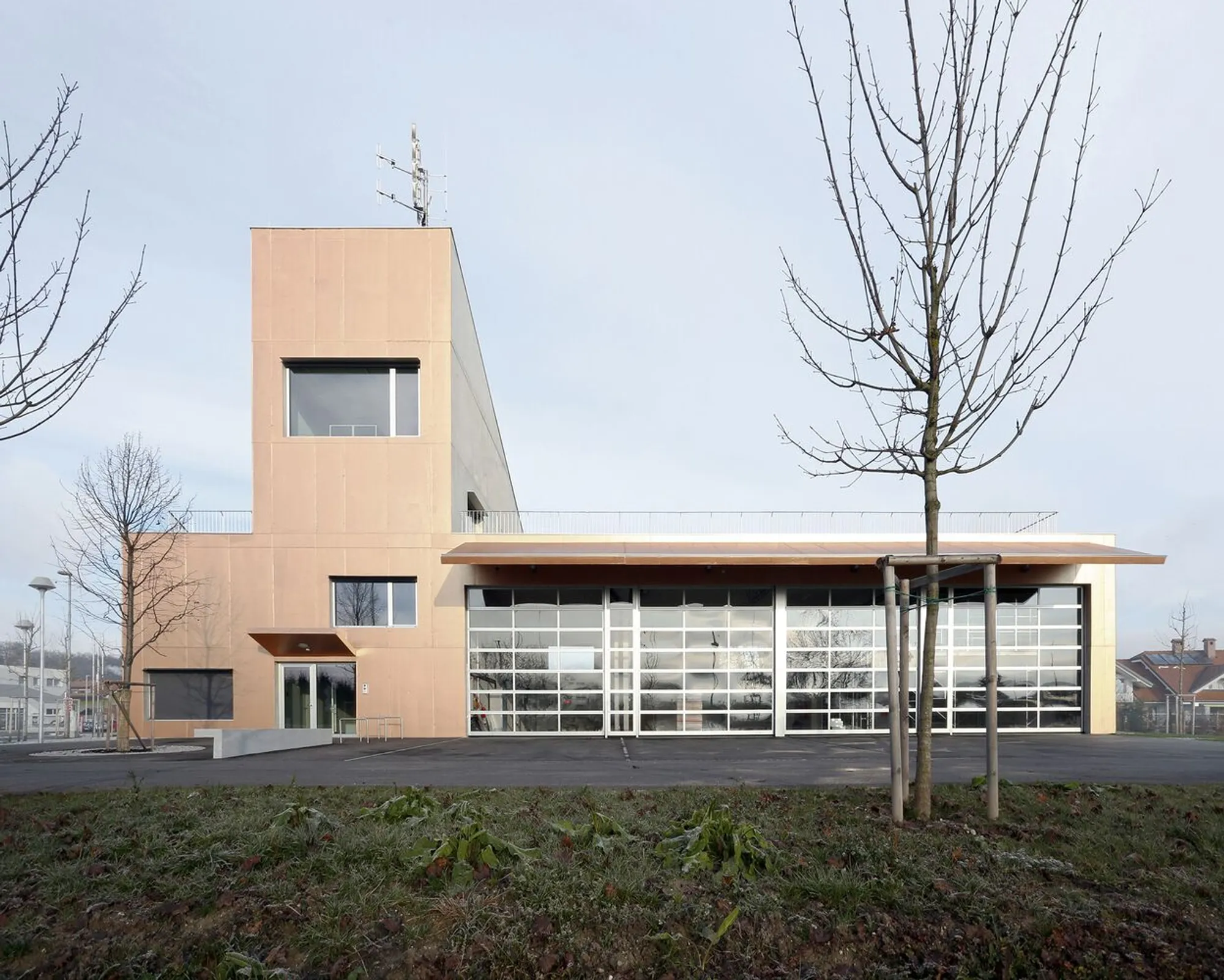
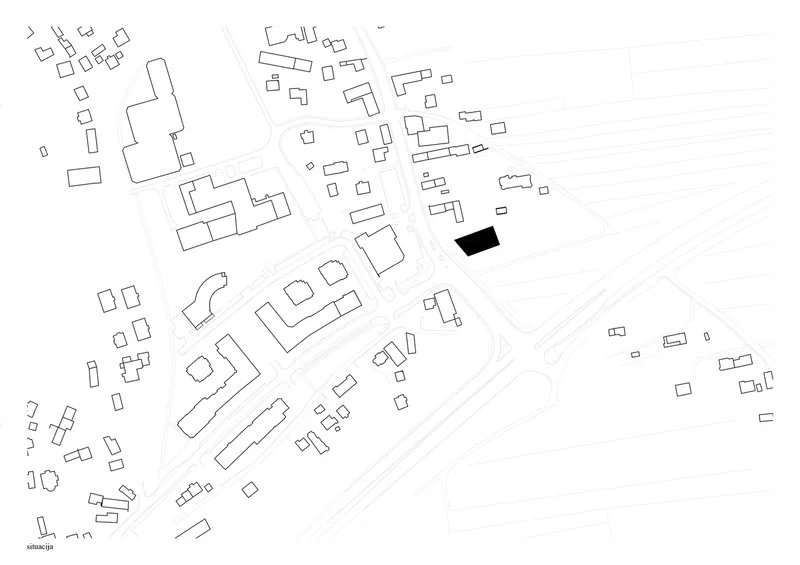
The Fire and Rescue Center Trzin, designed by Arhitekti Počivašek Petranovič, stands as a refined and context-sensitive example of modern fire station architecture. Located at the threshold of Trzin’s historic municipality in Slovenia, the 1430 m² facility combines utilitarian strength with architectural expression, fulfilling its civic role while contributing a new spatial landmark to the townscape.


A Contemporary Interpretation of the Traditional Fire Station
Rooted in a typology that includes the recognizable vertical tower for hose drying, the building reinterprets traditional firehouse forms within a minimalist, monolithic volume. The tower becomes a new urban marker, signaling arrival and grounding the building within the municipality’s visual identity. The compact and efficient design results in a clear spatial logic while offering visual presence through material honesty and massing.


Dual Functionality Within a Unified Volume
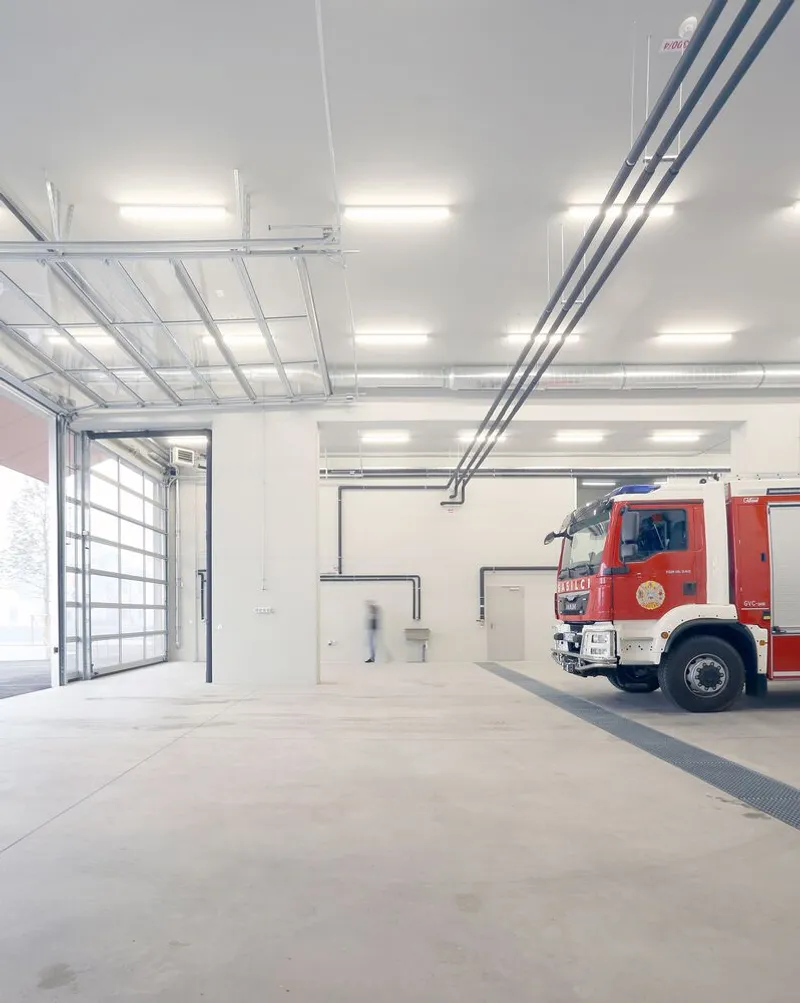
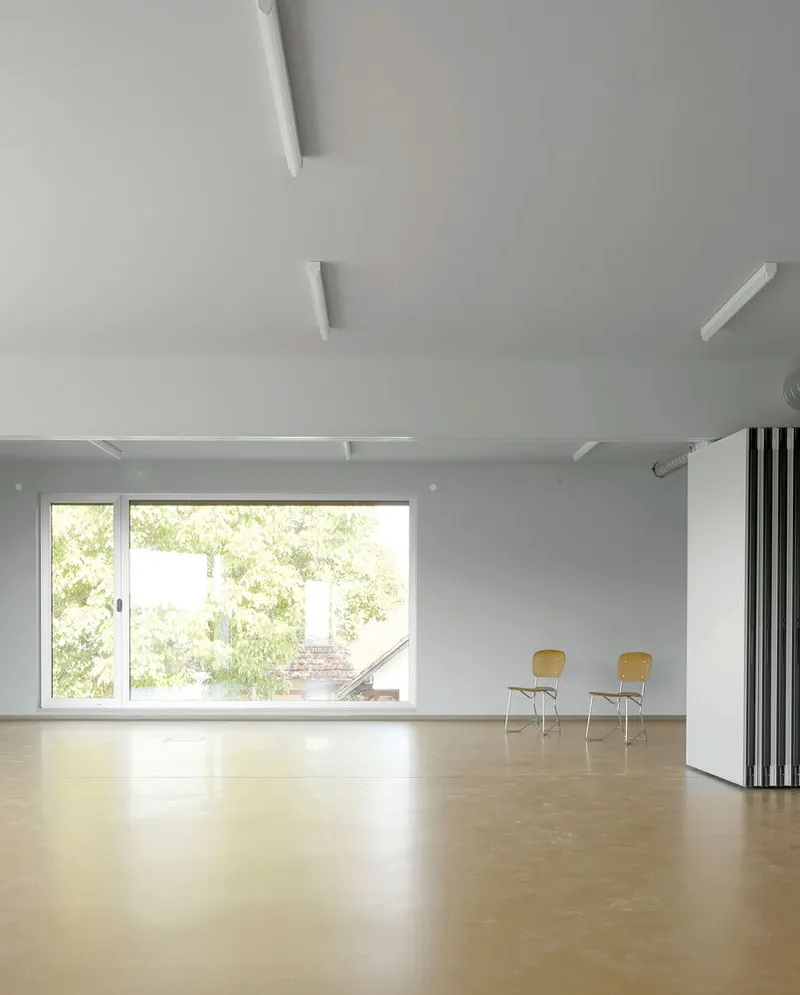
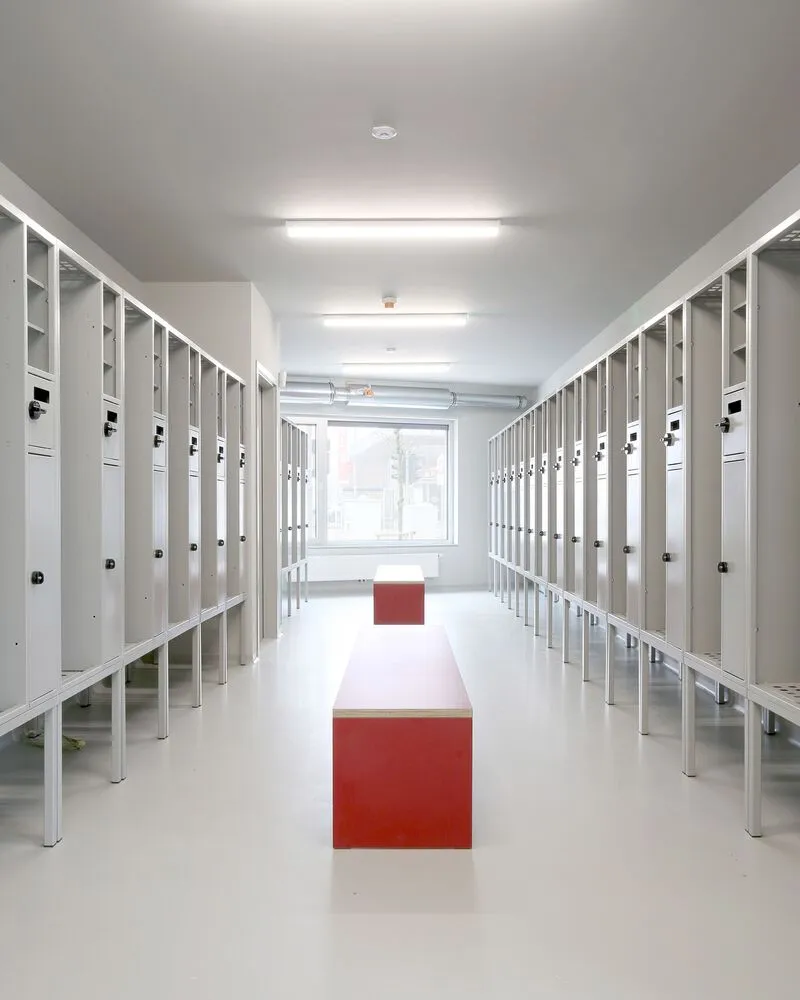
The Fire and Rescue Center is divided into two programmatic components seamlessly integrated into one cohesive form. The front roadside section contains community and civic functions such as firefighter meeting rooms, club spaces, and a multi-purpose hall. The rear section serves as a two-level garage for fire trucks and emergency vehicles. This zoning allows for both public engagement and operational functionality without compromise.


Robust Materiality and Thoughtful Detailing
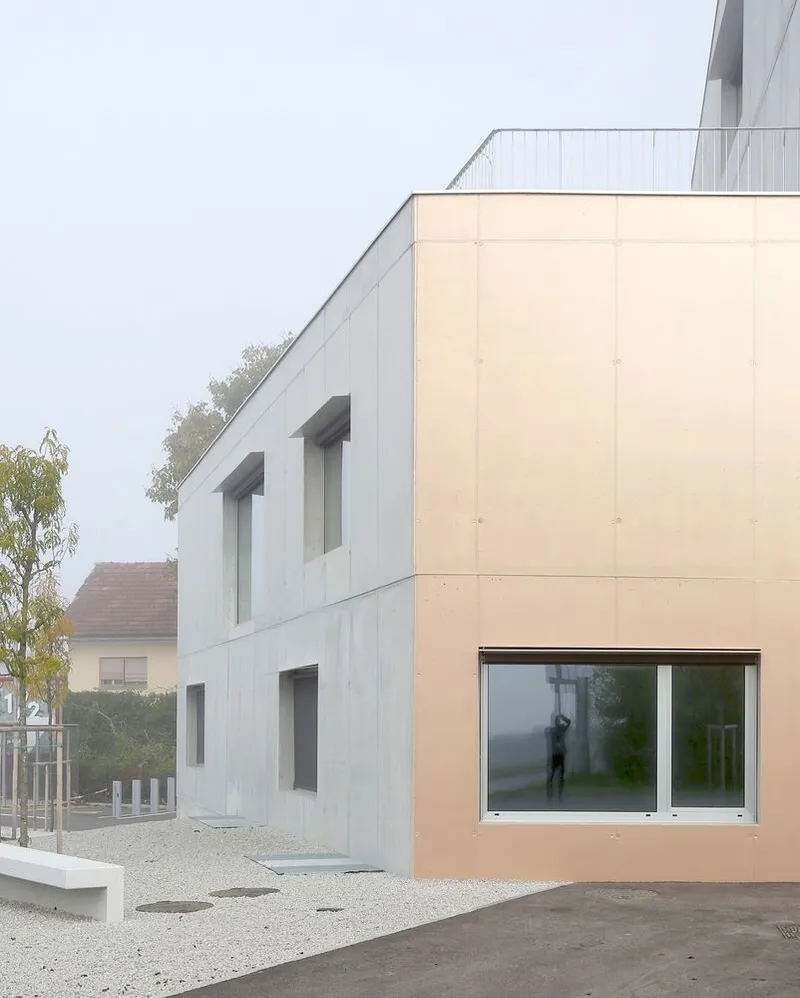
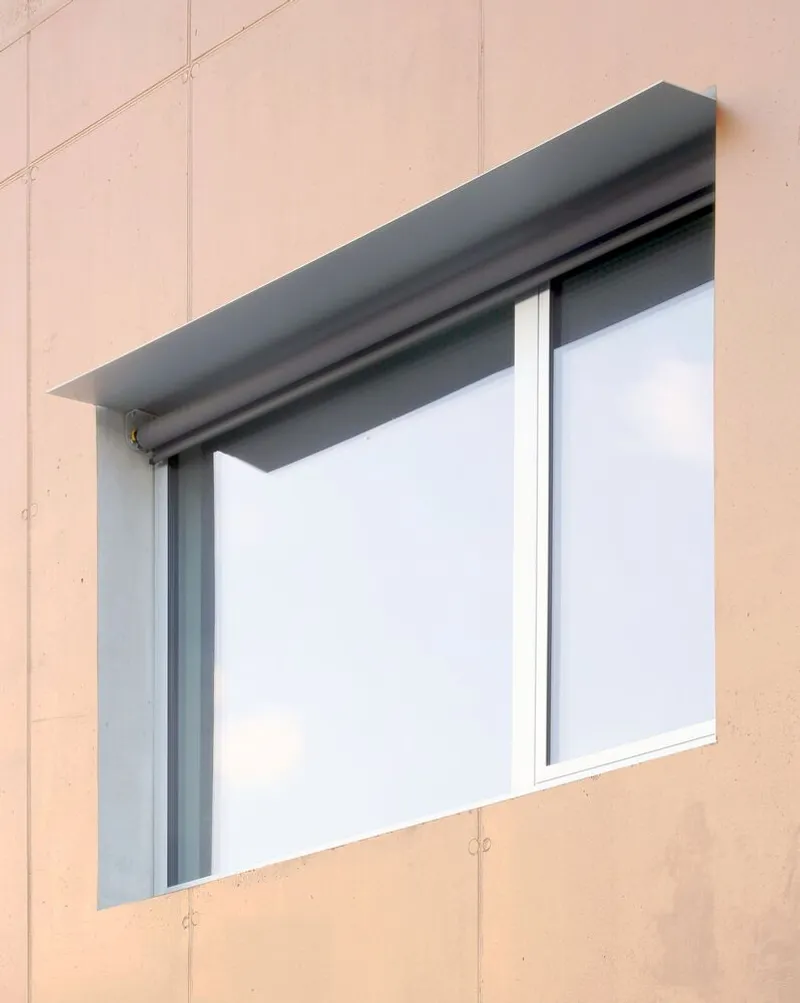
Material choice is central to the architectural narrative, expressing durability and purpose. The building’s façade is made of exposed concrete, serving both as structural system and architectural skin. Aluminum-framed windows with protective overhangs and hot-dip galvanized steel railings reinforce the building’s industrial aesthetic, while ensuring resilience against weather and wear. The concrete overhangs above entrances not only provide shelter but visually anchor the openings in the structure.


Strategic Orientation and Community Integration
Designed with connection to its environment in mind, the building opens up toward the surrounding neighborhood. Generous windows frame views of the landscape, while large glazed entrances welcome light into interior communal spaces. The southern entrance façade, accentuated by color, becomes a welcoming gesture, contrasting subtly with the concrete envelope.
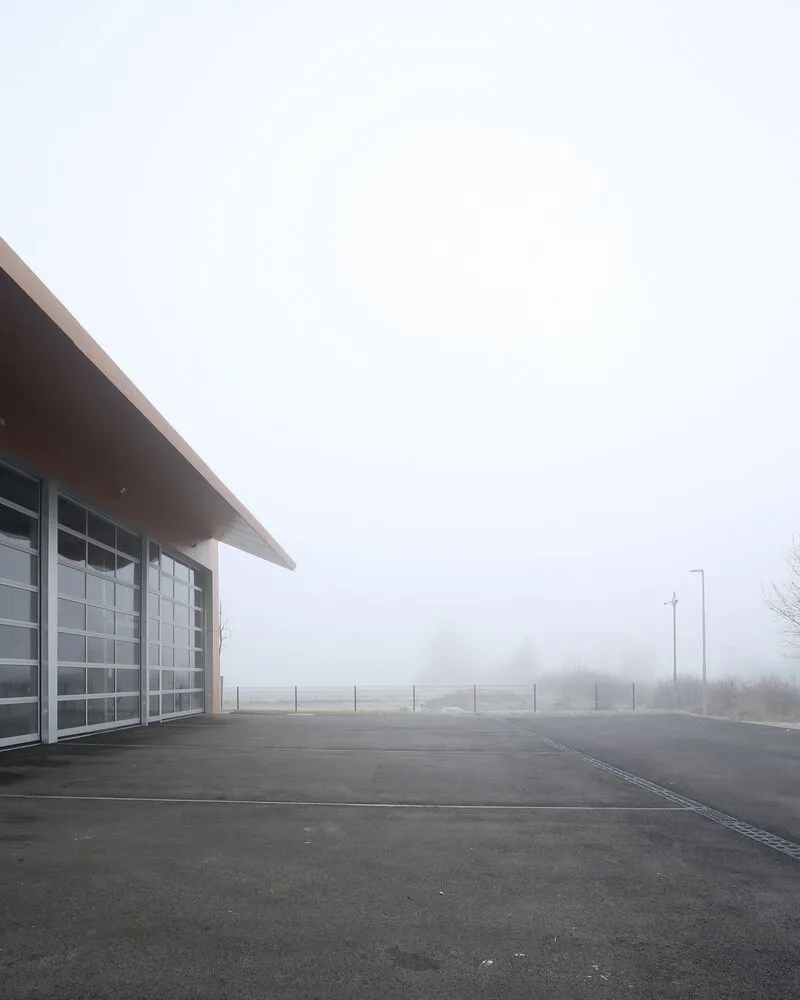

Outside, the expansive forecourt is thoughtfully divided into two distinct zones. The operational courtyard accommodates fire engines, ensuring swift access during emergencies. Meanwhile, the public entrance square, featuring a linden tree and a bench, offers a calm gathering place that softens the civic infrastructure with human-scale landscaping.

Interior Warmth Within a Rational Envelope
While the exterior emphasizes robustness and clarity, the interiors are designed with warmth and light. The inclusion of wood elements and natural lighting fosters a calm, welcoming atmosphere within the administrative and communal areas. The contrast between concrete and wood provides textural depth, while reinforcing the building’s dual character: disciplined and functional, yet open and community-oriented.
Civic Infrastructure as Architectural Landmark
By combining pragmatic layout, bold materials, and local responsiveness, the Fire and Rescue Center Trzin reflects the evolving role of civic architecture. It not only supports essential emergency functions but acts as a social node within the urban fabric. This modern fire station architecture project is a benchmark for integrating public infrastructure within a town’s architectural identity, setting a precedent for future civic facilities in Slovenia and beyond.

All Photographs are works of Urban Petranovič




Popular Articles
Popular articles from the community


The Musturak Paradise: Senior Living Architecture for a Connected Future in Temara, Morocco
The Musturak Paradise reimagines senior living architecture in Temara via private homes, social spaces, culture, community, and shared care.

Co-life: Sustainable Architecture for Age-Friendly Community Living
Co-life reimagines sustainable architecture for seniors through courtyards, rammed earth, shared gardens, and spaces designed for belonging.

Riyadh For All: Intergenerational Urban Design for Active Aging in Rabat
Riyadh For All reimagines urban design in Rabat with intergenerational co-living, adaptive courtyards, and Moroccan cultural exchange today.
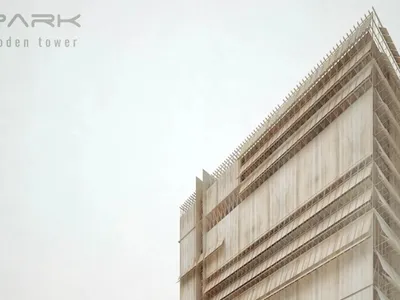
EW PARK: Sustainable Architecture Reimagines the Future of Urban Parking
EW PARK reimagines city parking as a modular wooden tower combining automation, solar energy, electric mobility, and adaptable urban design.


Similar Reads
You might also enjoy these articles

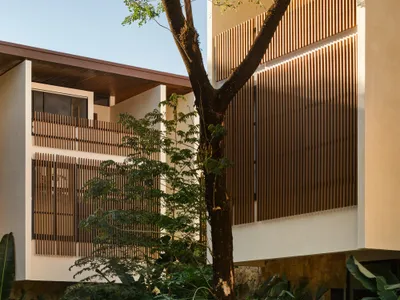
FAMM Arquitectura Organizes Ten Villas Around Courtyards and Jungle in Nosara, Costa Rica
El Molino pairs two elongated volumes with deep overhangs and timber louvers to build a compact coastal community five minutes from the beach.
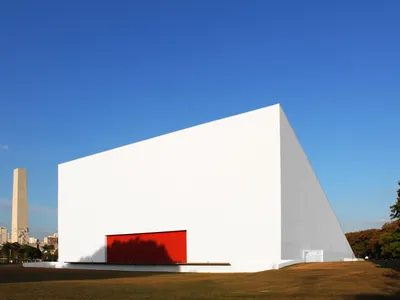
Oscar Niemeyer's Ibirapuera Park Pavilions Define São Paulo's Cultural Identity in Concrete and Curve
A constellation of modernist volumes set within São Paulo's most important urban park, conceived for the city's 400th anniversary in 1954.
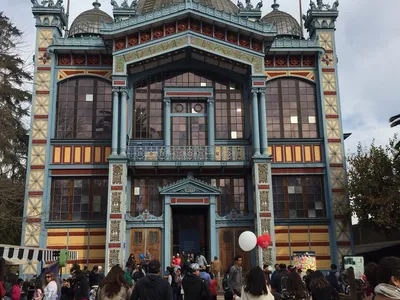
How Henri Picq's 1889 Paris Pavilion Traveled 11,000 Kilometers to Become Santiago's Artequín Museum
A prefabricated iron and glass pavilion built for the Paris Universal Exposition found a second life as a children's art museum in Chile.
Sanjay Puri Architects Wraps a Jaipur Office Tower in Capsule-Shaped Green Buffers
A nine-level climate-responsive workplace near Jaipur Airport uses stacked planter terraces and aluminium screens to fight 40°C heat.


Explore Architecture Competitions
Discover active competitions in this discipline



Challenge to reimagine the Iron Throne


Photograph architecture without architects


Illustrate the lost glory of Angkor Wat - Render Challenge


Design challenge to reuse E-waste
Comments (0)
Please login or sign up to add comments
No comments yet. Be the first to comment!