
Solar Steam: A Climate-Responsive Architecture That Redefines the Monument
A climate-responsive memorial architecture that transforms heat, decay, and time into a living system reflecting humanity’s ecological impact.

In an era defined by environmental instability and accelerated climate change, architecture is increasingly positioned not just as a static artifact, but as a responsive system. Solar Steam, an Editor’s Choice entry of the Hourglass competition by Sean Kim and Ge Zhou, challenges the conventional understanding of monuments by proposing a climate-responsive architecture that evolves, deteriorates, and adapts over time.
Rather than preserving permanence, the project embraces entropy. It reframes the monument as a dynamic ecological participant, one that actively engages with climate forces, human behavior, and environmental transformation.
From Static Object to Dynamic System
Historically, monuments have symbolized permanence, stability, and cultural continuity. They are designed to resist time. Solar Steam critiques this paradigm by proposing a structure that is intentionally vulnerable, interactive, and temporally active.
At its core, the project introduces a radical shift: monuments are no longer inert symbols but living systems embedded within climate processes. The architecture evolves through heat, moisture, and material decay, transforming from a rigid form into a porous ecological framework.
This shift from static to dynamic aligns with broader discourses in climate-responsive architecture, where buildings are no longer isolated objects but integrated components of environmental systems.
Conceptual Framework: Solar Steam as Environmental Mechanism
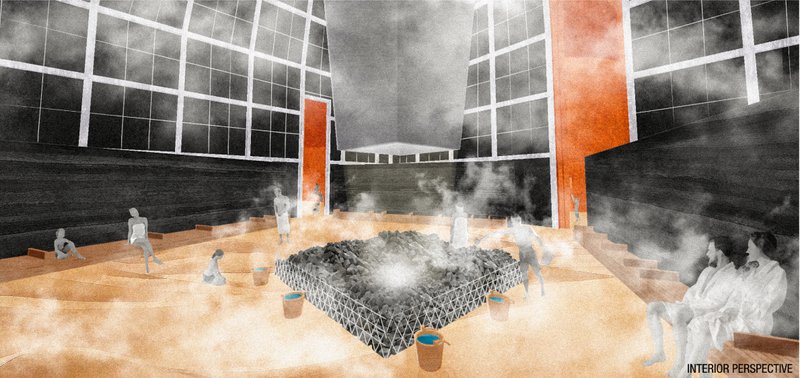
The central concept of Solar Steam is deceptively simple yet conceptually rigorous. The project leverages solar radiation to generate heat, which in turn produces steam through controlled water interaction. This process mimics sauna environments, drawing from historical practices while recontextualizing them within a climate discourse.
However, this is not merely a spatial or experiential strategy. It is a cause-and-effect system:
- Solar radiation heats the structure
- Heat generates steam through water interaction
- Steam alters microclimatic conditions
- Moisture accelerates material deterioration
- Deterioration reshapes the architectural form
Through this feedback loop, the building becomes a performative system that visualizes climate processes in real time.
Site Strategy: Contextual Integration in a Fragile Landscape
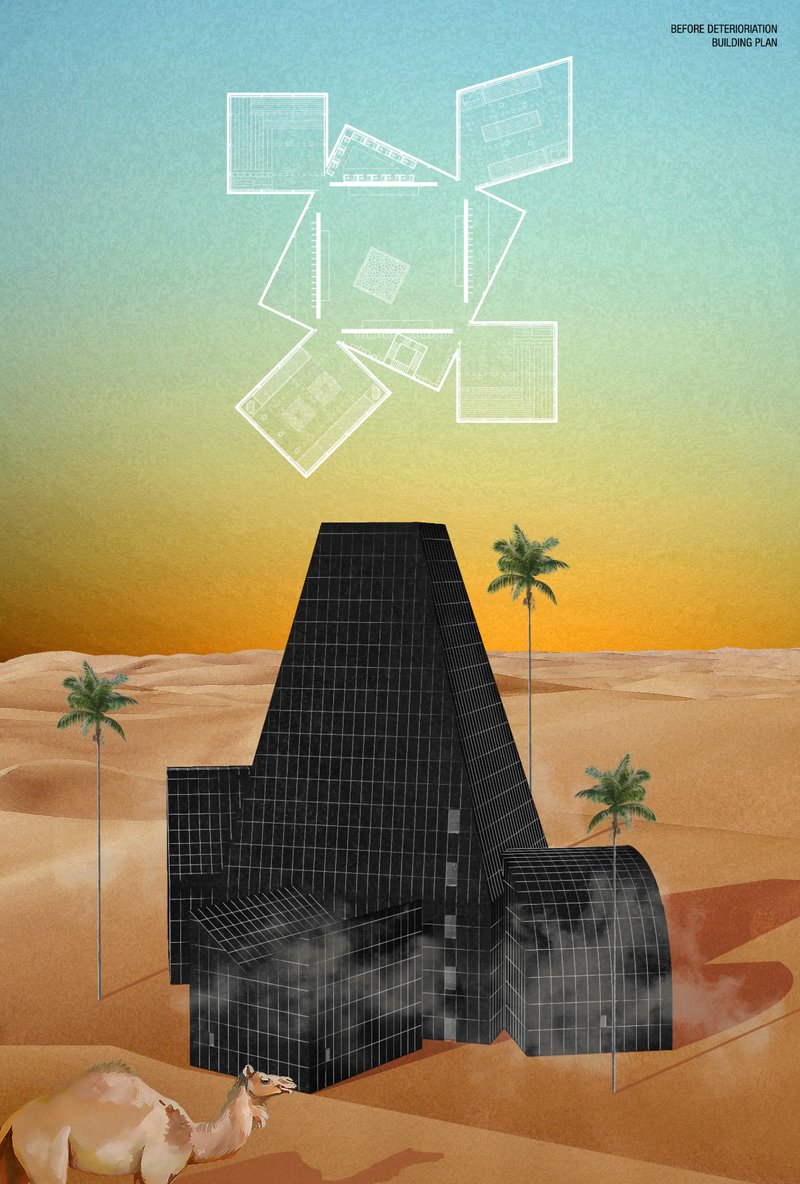
Located within a desert-like terrain, the project situates itself near existing infrastructures and cultural landmarks. The site plan reveals a careful positioning that allows the structure to operate as both an isolated monument and a connected environmental node.
The harsh climatic conditions are not resisted but harnessed. Solar intensity becomes a design driver, while the surrounding geology, particularly limestone, becomes a material participant in the process of transformation.
This contextual approach reinforces the project’s identity as climate-responsive architecture, where environmental forces are not external constraints but primary design inputs.
Material Intelligence and Controlled Deterioration
A defining feature of Solar Steam is its deliberate embrace of material decay. Limestone, a material historically associated with durability and monumentality, is reinterpreted as a transient medium.
The project introduces a controlled deterioration process driven by:
- Heat-induced expansion
- Moisture penetration from steam
- Chemical and physical weathering
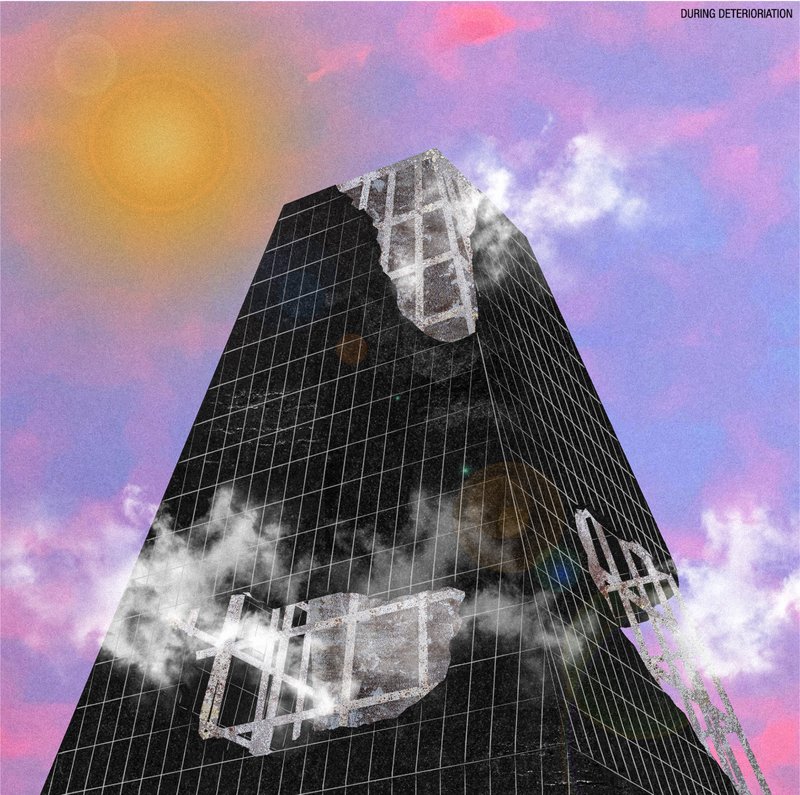
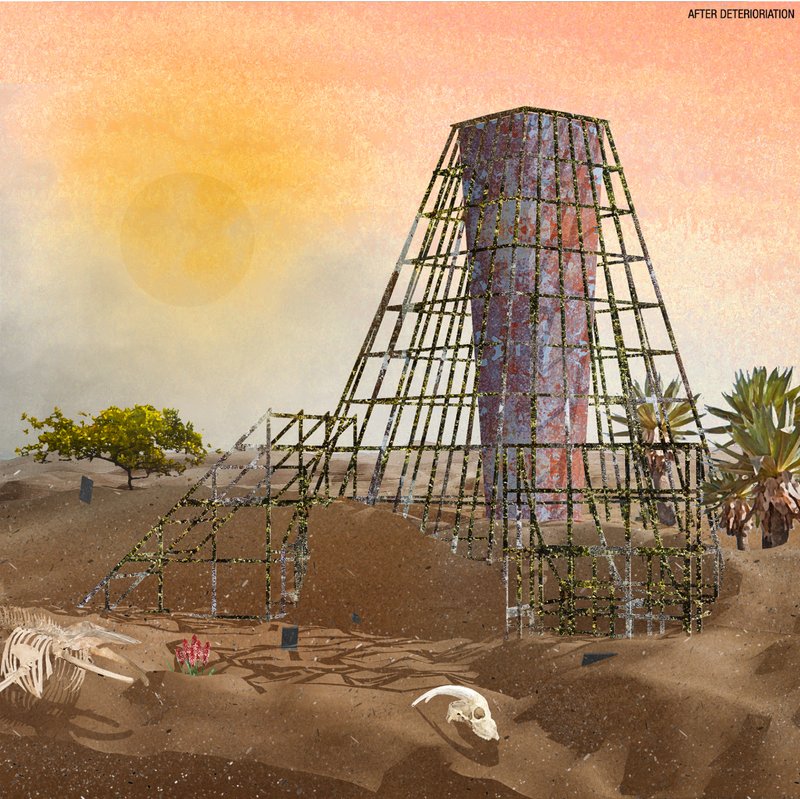
Over time, the structure erodes, fragments, and eventually reintegrates into the surrounding landscape as sand and sediment.
This strategy positions deterioration not as failure, but as an essential design outcome. It aligns with emerging architectural narratives that prioritize lifecycle thinking, circular material flows, and ecological reintegration.
Temporal Architecture: Designing Across Decades
One of the most compelling aspects of the project is its temporal dimension. The design is not fixed at completion but unfolds over decades, even centuries.
Visual timelines embedded within the proposal illustrate:
- Progressive material decay over 0–90 years
- Shifting ground conditions and topography
- Changing access levels and spatial hierarchies
As the structure deteriorates, new entry points emerge, and the spatial experience evolves. The building transitions from a solid mass to a skeletal framework, and eventually to a landscape condition.
This long-term perspective situates Solar Steam within the discourse of time-based architecture, where design extends beyond construction into transformation.
Ecological Integration: Architecture as Habitat Generator
As the building deteriorates, it catalyzes ecological processes. Moisture generated from steam fosters vegetation growth in an otherwise arid environment.
The project anticipates:
- Migration of plant species from southern regions
- Formation of micro-habitats within eroded cavities
- Gradual increase in biodiversity around the site
This ecological dimension transforms the monument into a living oasis. It challenges the anthropocentric focus of traditional monuments by prioritizing non-human life and ecological systems.
In this sense, the architecture becomes a mediator between climate, material, and biology.
Human Interaction: Making Climate Change Tangible
Solar Steam positions human activity as a central catalyst within its system. The act of using the sauna becomes an architectural trigger that accelerates environmental processes.
This interaction serves a critical purpose: it makes climate change experiential. Rather than abstract data or distant phenomena, users directly engage with the consequences of heat, moisture, and environmental imbalance.
The project reframes leisure as a site of ecological reflection, highlighting how everyday actions contribute to larger climate systems.
Cultural Reflection: Expanding the Meaning of Climate Change
The project challenges conventional narratives of climate change, which often focus on catastrophic events such as rising sea levels or wildfires. Instead, Solar Steam foregrounds subtle, everyday practices and their cumulative impact.
By integrating sauna culture, the project bridges historical traditions with contemporary environmental concerns. It reveals hidden processes, such as heat generation and moisture accumulation, and amplifies their consequences.
This approach expands the definition of climate change, positioning it as a continuous, systemic condition shaped by human behavior.
Monument as Ecosystem: A Paradigm Shift
Ultimately, Solar Steam proposes a new definition of monumentality. The monument is no longer a singular object but an ecological system in flux.
Key shifts include:
- From permanence to transformation
- From object to process
- From human-centered to ecosystem-centered design
The project suggests that the true monument is not the structure itself, but the network of interactions it generates between climate, material, and life.
Solar Steam stands as a compelling exploration of climate-responsive architecture. It challenges deeply ingrained assumptions about durability, preservation, and the role of architecture in society.
By embracing decay, temporality, and ecological integration, the project offers a forward-looking model for architectural practice in the age of climate crisis.
It is not merely a building. It is a system, a process, and a reflection of our collective impact on the planet.
In redefining the monument, Solar Steam ultimately asks a critical question: what if architecture did not resist time and climate, but instead revealed them?



Popular Articles
Popular articles from the community

LABarq Builds an Entire House in Querétaro from a Single Custom Concrete Block
Casa Capuchinas uses one sand-colored block as structure, finish, and sunscreen across 477 square meters of suburban Mexico.

20 Most Popular Office Building Projects of 2025
From biophilic workspaces in India to net-positive energy offices in New Delhi, 20 office building projects that defined architecture in 2025.
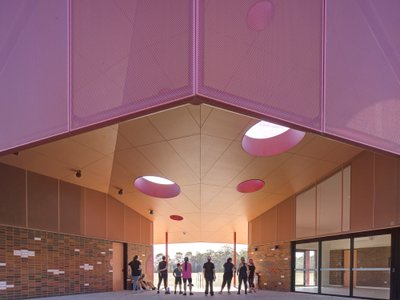
Sam Crawford Architects Anchors a Sports Pavilion in 10,000 Years of Indigenous History
A V-shaped brick and steel pavilion in southwest Sydney translates ancient clay ovens and gathering traditions into civic architecture.
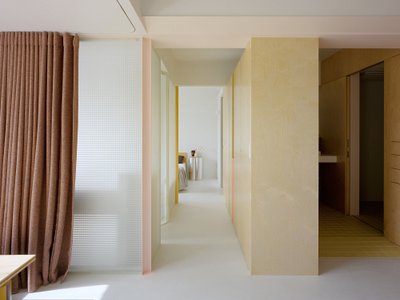
OUJ Rewires a 72-Square-Meter Taipei Apartment for Multigenerational Living After the Pandemic
Inside a 40-year-old public housing block, plywood volumes and translucent screens turn three cramped bedrooms into a flexible family home.


Similar Reads
You might also enjoy these articles

Urban Forest: A Vertical Ecosystem for 5,000 Workers in Singapore's Changi Business Park
Radially stacked pods and layered green decks turn a 7-acre plot into 47 acres of ecological workspace projected for 2040.
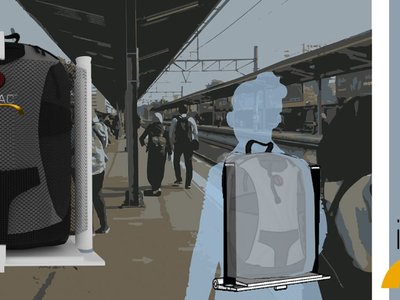
interACT: A Wearable Transit Object That Turns Commuting Into Social Infrastructure
A backpack-mounted foldable device transforms walking, waiting, and riding into moments of shared comfort across Jakarta's transit network.

Lean On Barrier System: Where Traffic Safety Meets Chai Culture in Ahmedabad
A modular steel barrier doubles as informal seating and lean-on furniture at one of Ahmedabad's busiest intersections, keeping vendors in place.

The Black Bagh: A Living Monument Built from Water, Light, and Memory
On the banks of the Yamuna, two designers replace the myth of a marble mausoleum with a regenerative landscape of reflection and ritual.






Comments (0)
Please login or sign up to add comments
No comments yet. Be the first to comment!