

Flexible Collective Housing Design: Volumes Capables by A6A in Bordeaux
An innovative flexible collective housing design in Bordeaux by A6A, offering scalable apartments that evolve with family needs and urban life.


A New Paradigm for Collective Living
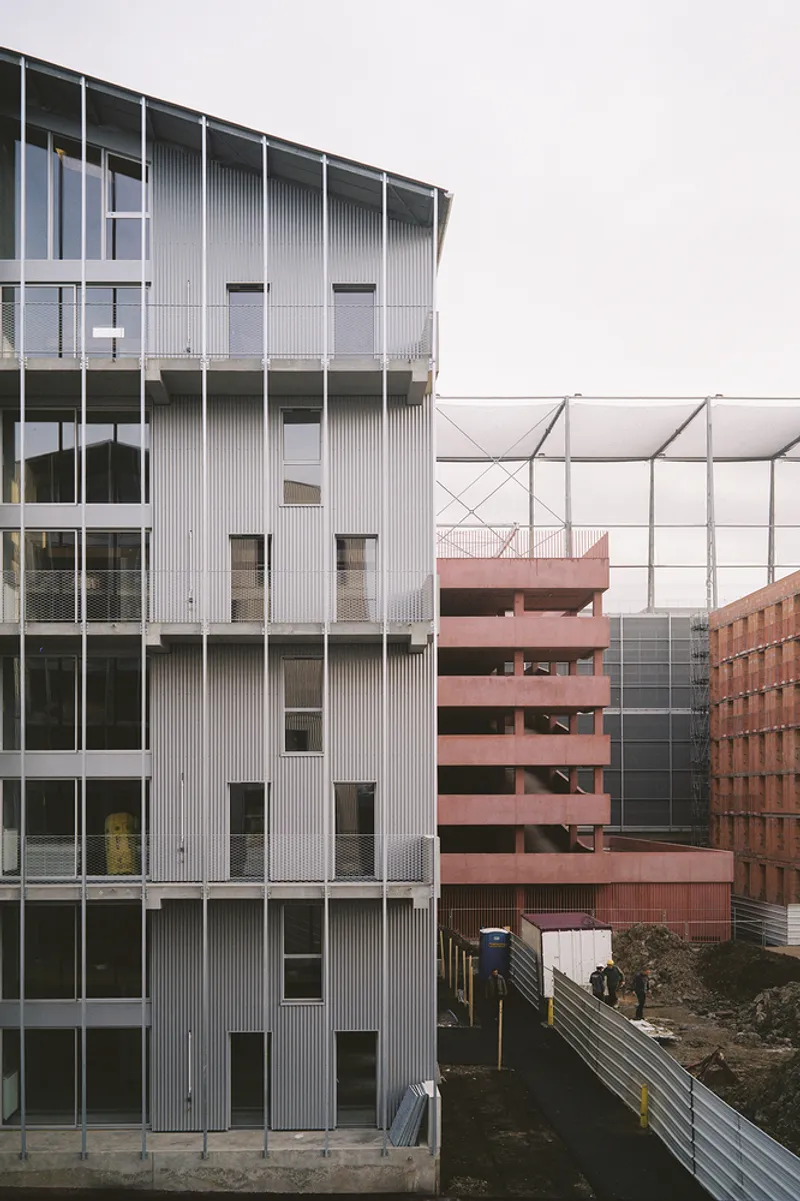
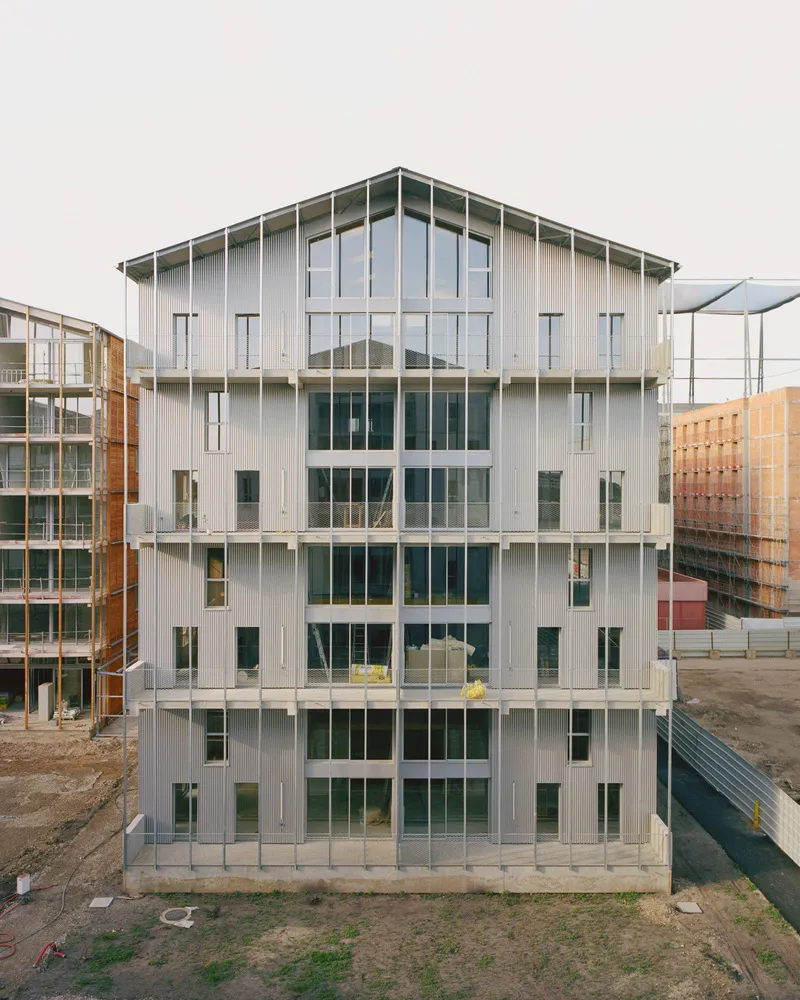
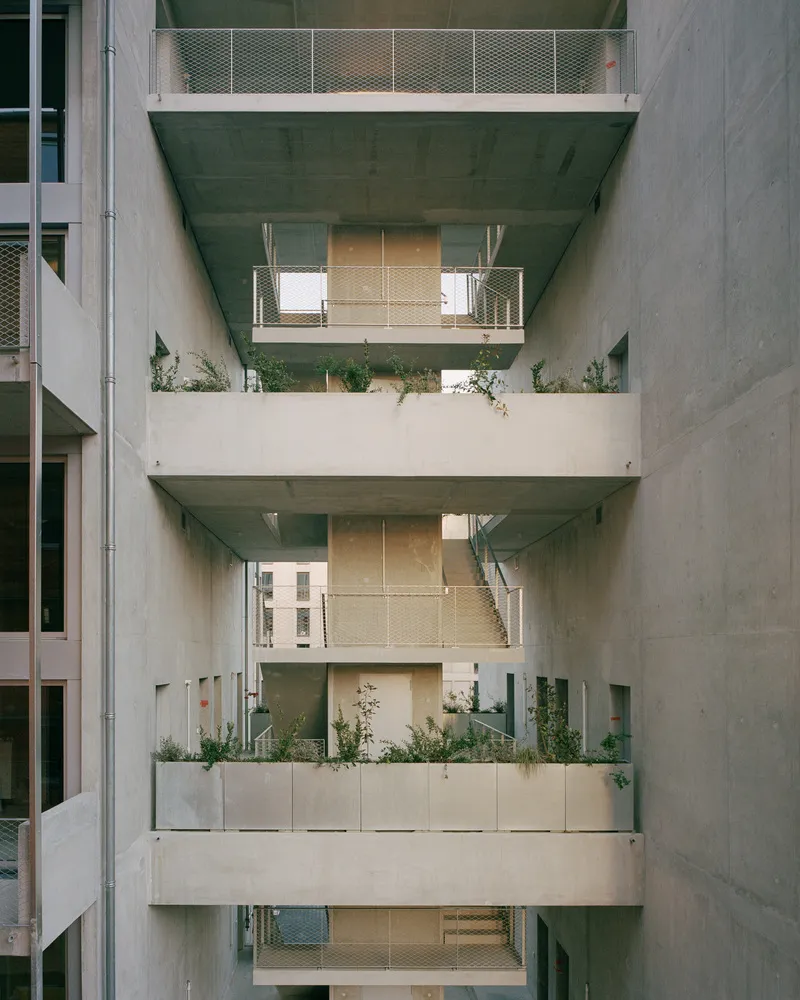
In Bordeaux's emerging Brazza district, Volumes Capables, designed by A6A, redefines the future of flexible collective housing design. The project responds to rising urban density, affordability constraints, and the need to prevent suburban sprawl by proposing a radical housing concept: scalable, adaptable spaces that evolve with family needs. This innovation challenges conventional real estate models by prioritizing user autonomy, affordability, and long-term adaptability.
Context: Urban Density and Affordability Challenges
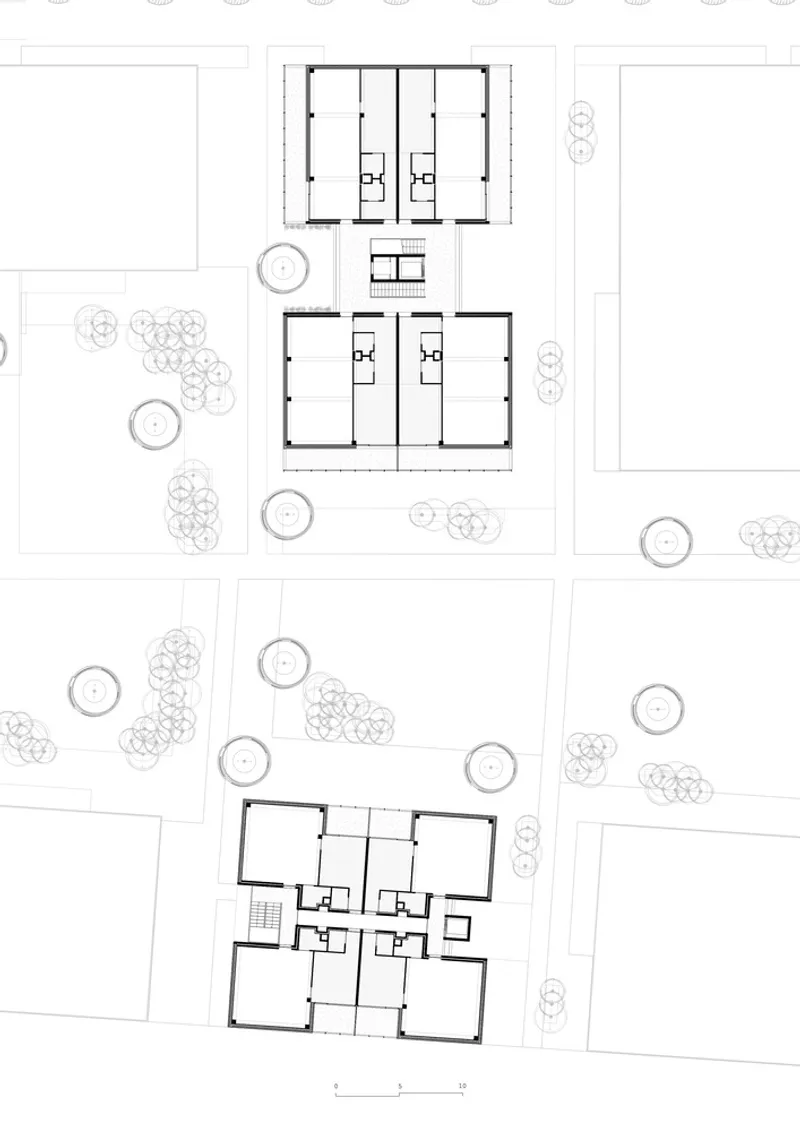
The project is part of the Brazza district's master plan coordinated by architect Youssef Tohmé and initiated by the City of Bordeaux. To discourage families from relocating to distant suburbs, the city called for innovative housing strategies that provide spacious, affordable living options within the urban core. Selected in 2014 by Studio Brazza, A6A collaborated with developer Eden Promotion to deliver a housing model that offers generous living conditions at controlled costs, despite complex site constraints such as polluted soils and specialized foundation requirements.
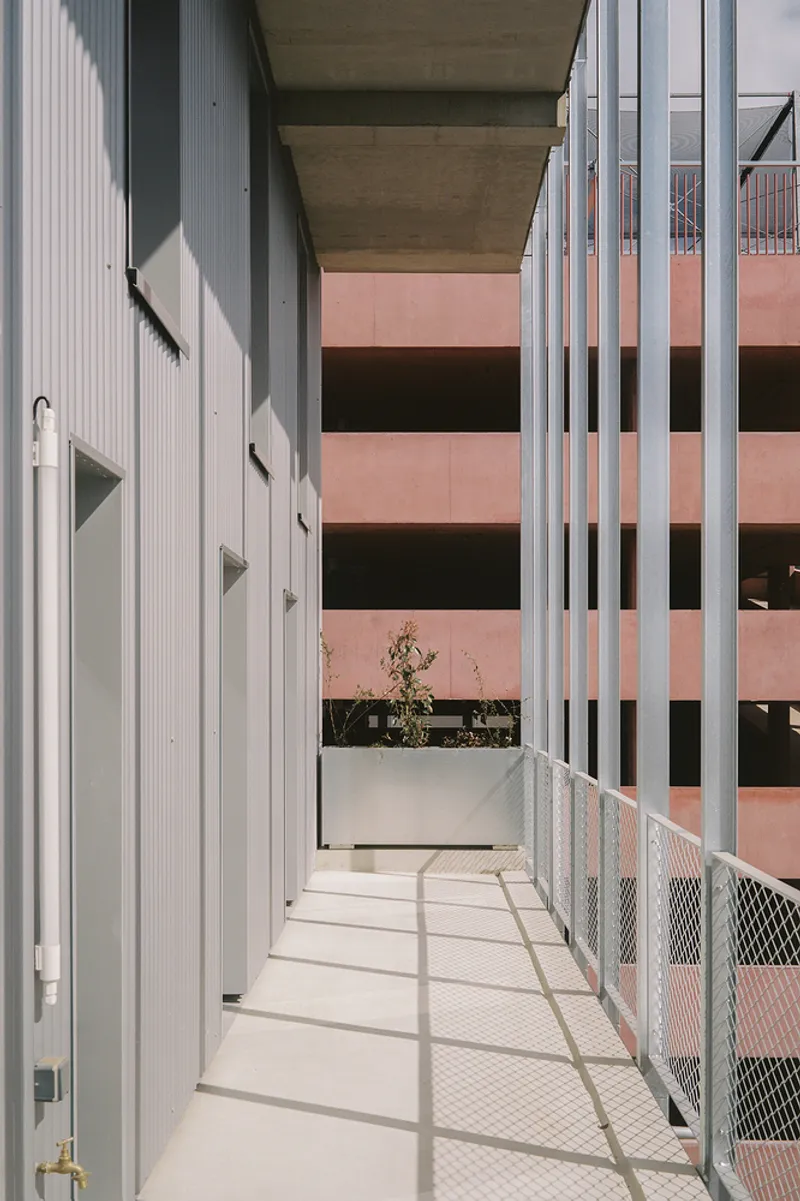
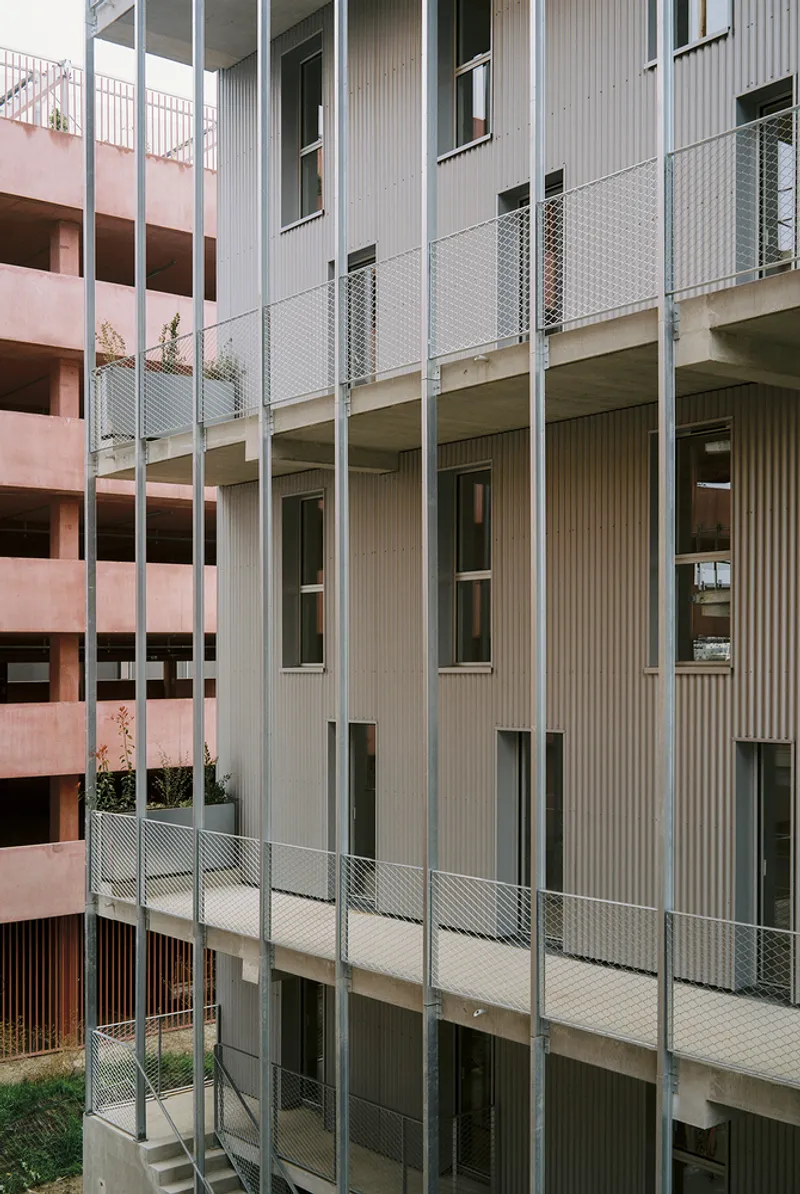
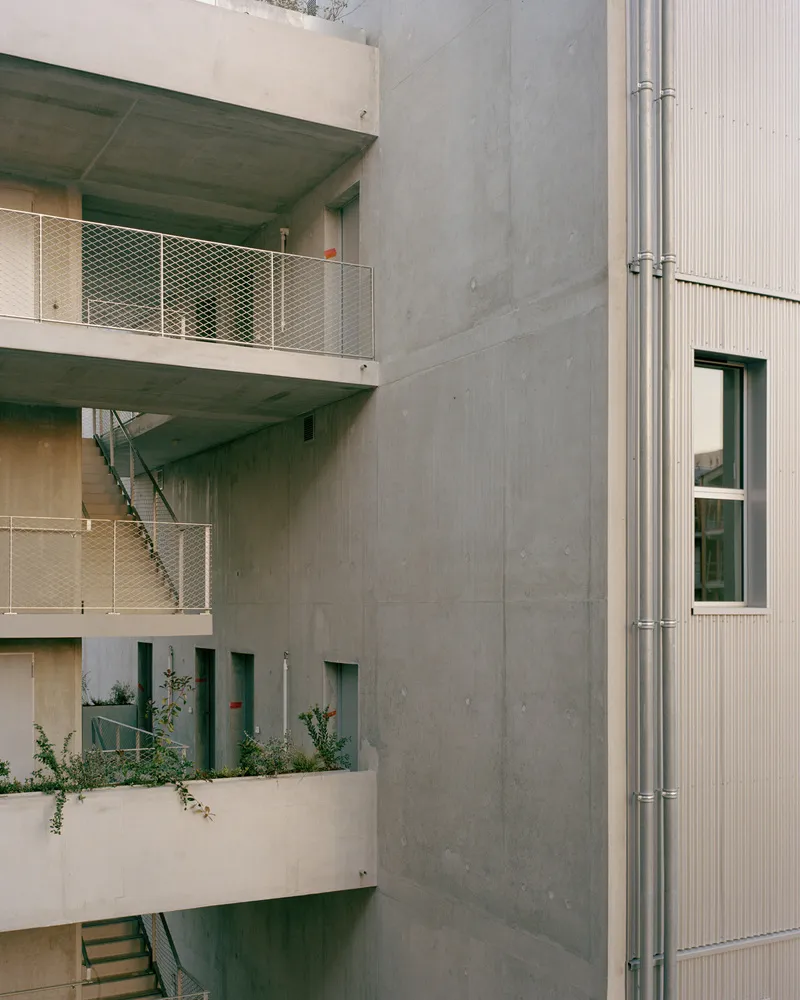
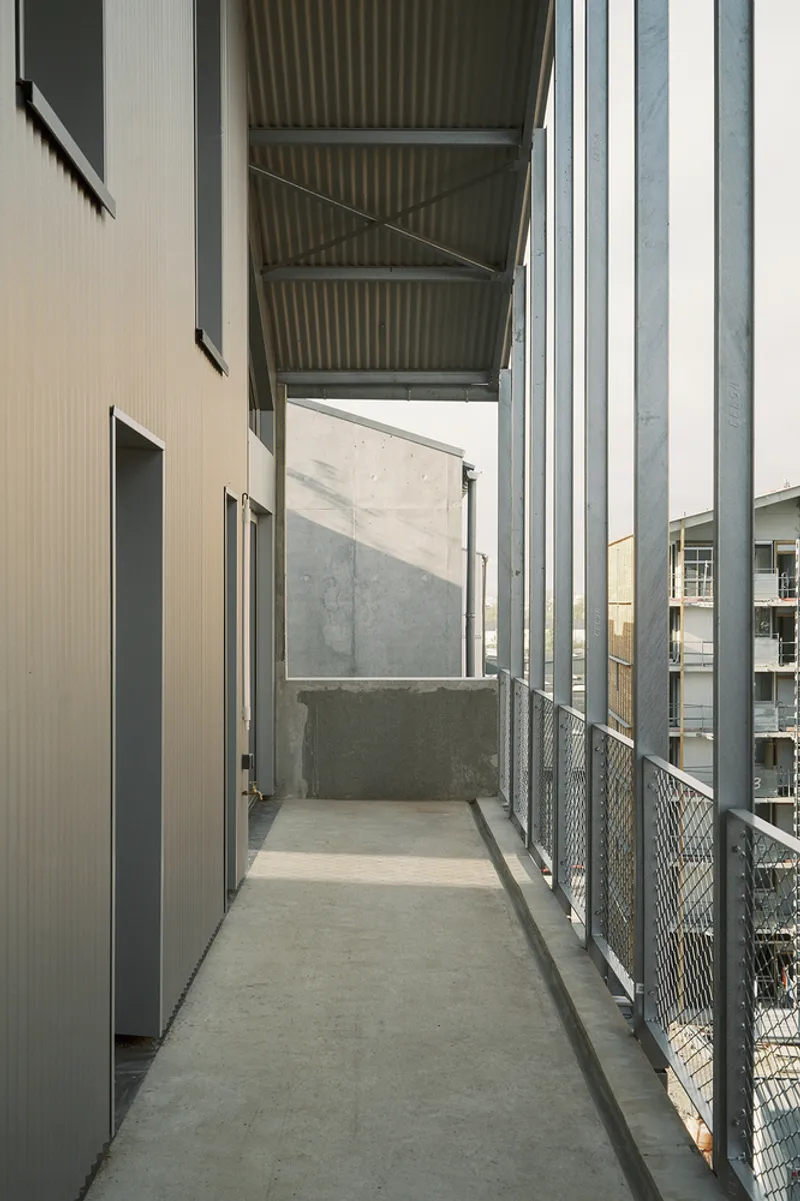
Concept: The Idea of Capable Volumes
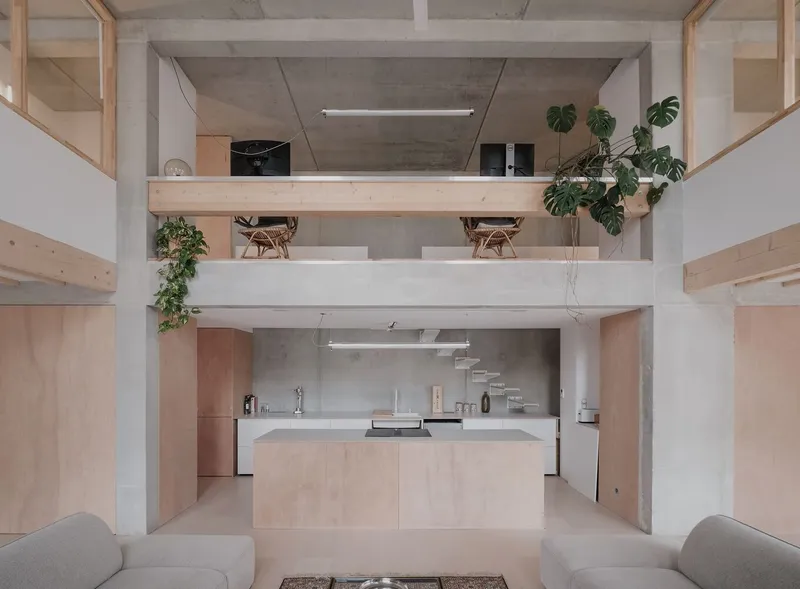
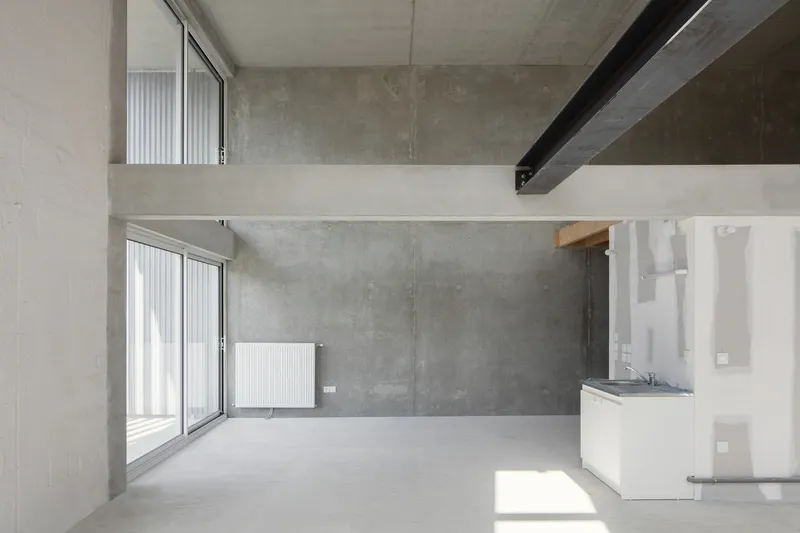
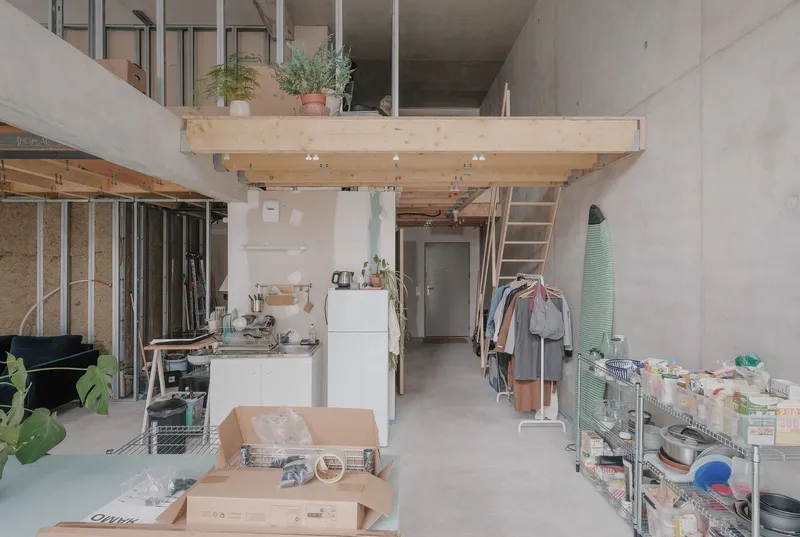
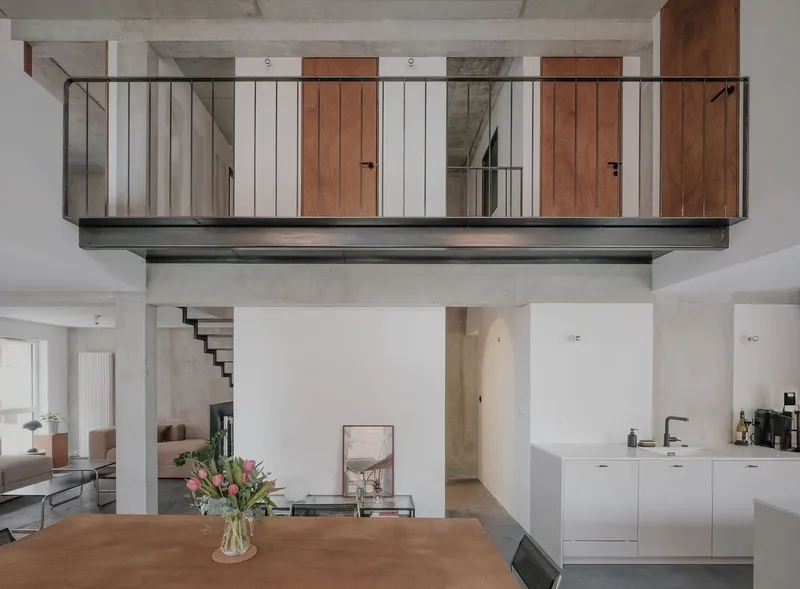
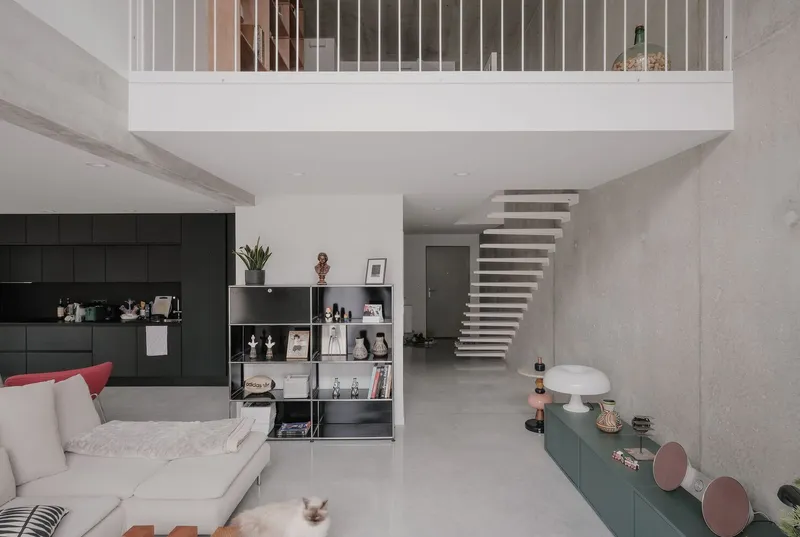
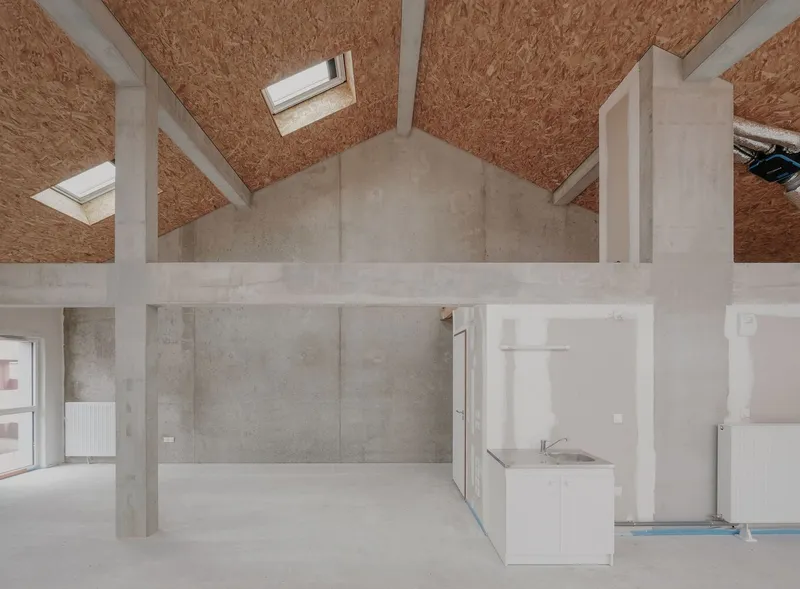
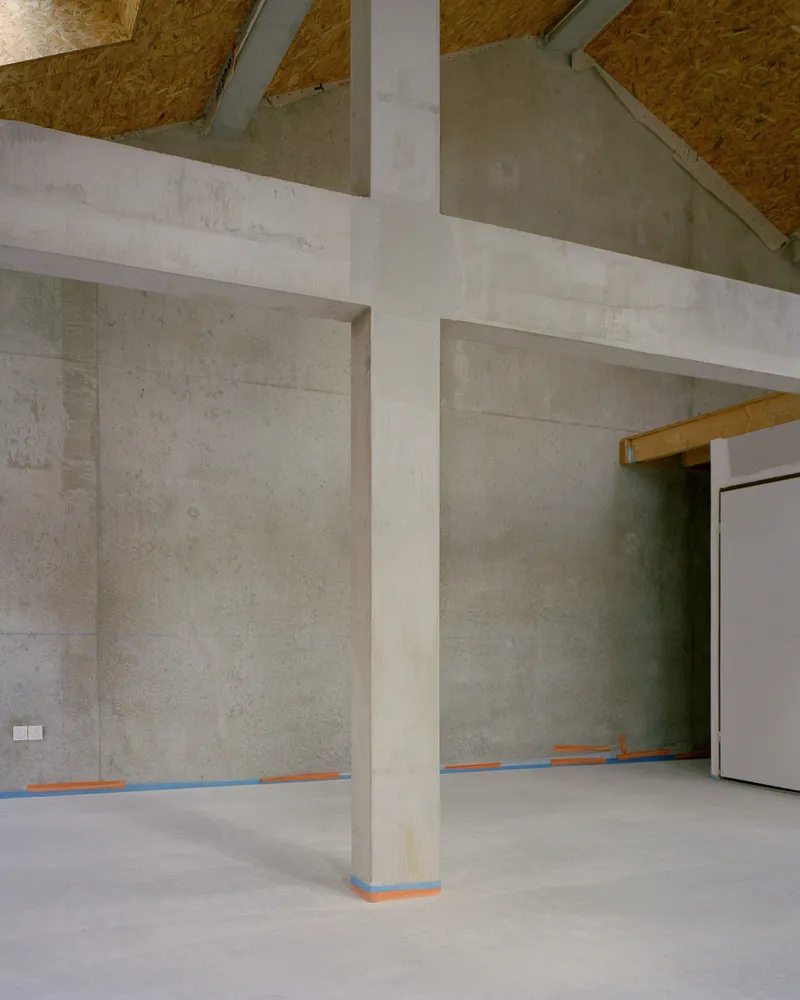
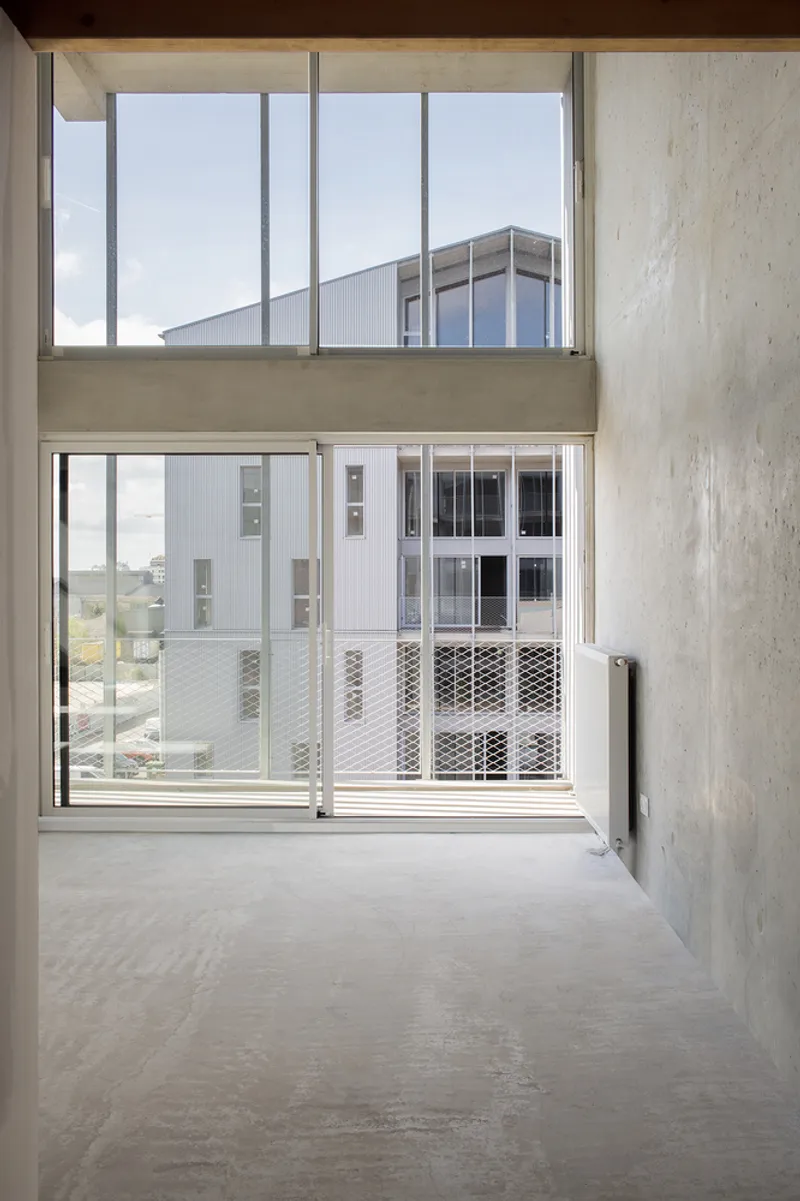
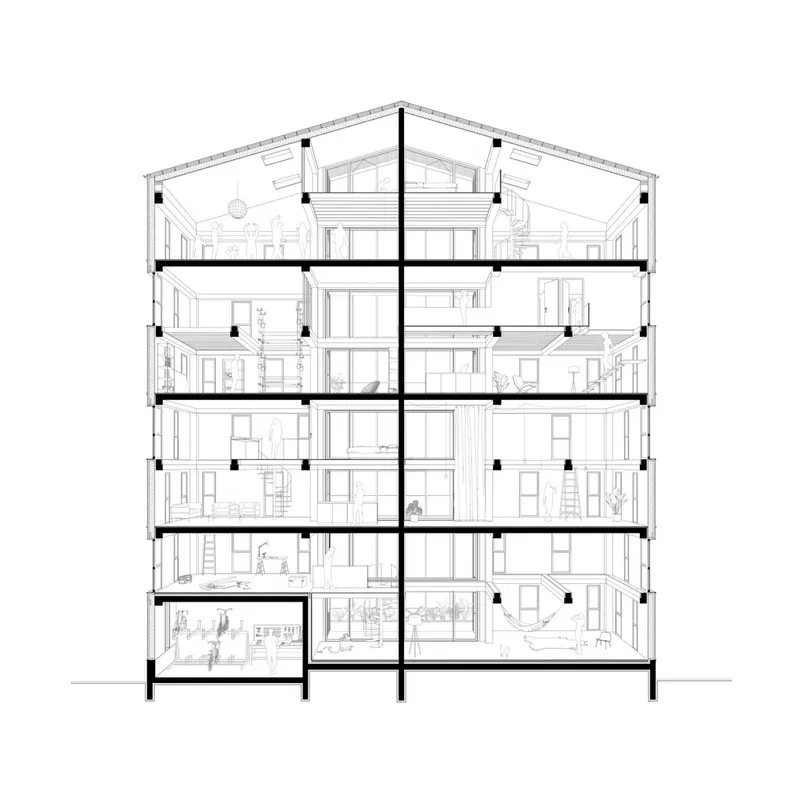
At the heart of the design lies a groundbreaking concept: Capable Volumes. Instead of prescribing fixed layouts, each apartment begins as a basic living unit of 18 m², fully compliant with building regulations and immediately occupiable. Beyond this lies a spatial reserve—unoccupied yet structurally ready for transformation. Residents can progressively expand and customize their home over time, constructing mezzanines, adding rooms, and adapting layouts as needs change. Small typologies can grow to 90 m², while the largest can reach up to 150 m², offering unparalleled flexibility in collective housing.
Design Features: From Minimal Shell to Personalized Habitat
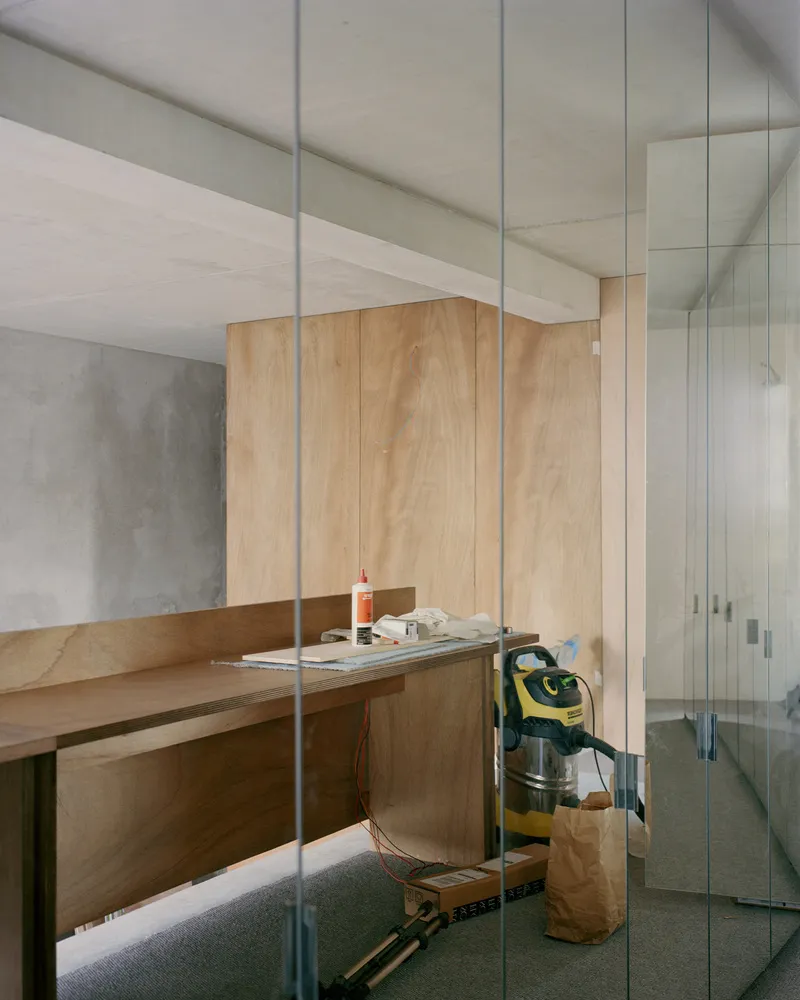
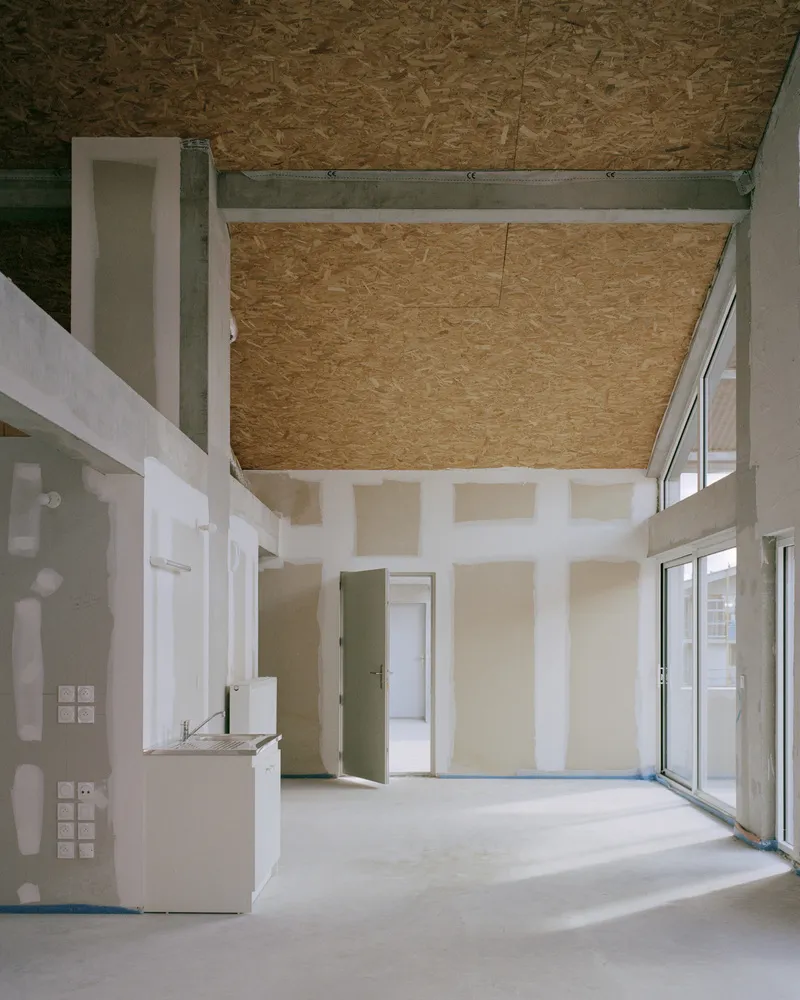
Each dwelling is structured as two interconnected spaces separated by a removable partition. The base unit is a turnkey solution, while the adjacent volume provides the potential for future growth. High ceilings convert square meters into cubic meters, creating double-height spaces filled with natural light. This vertical generosity enables residents to incorporate mezzanines and redefine their living experience without leaving the city or purchasing additional property.
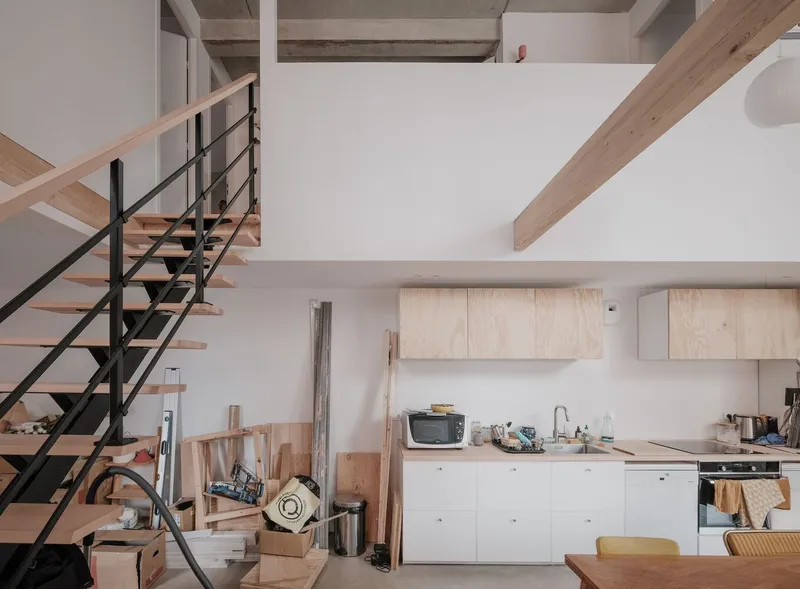
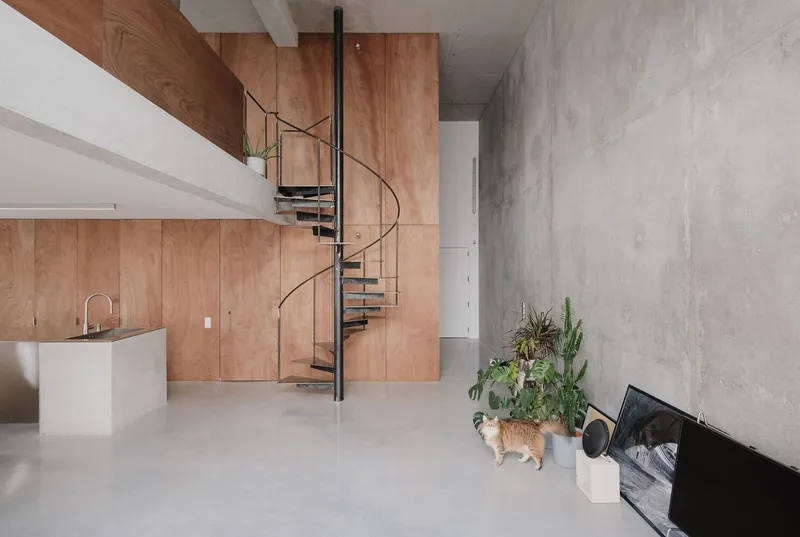
To support this evolution, the architects integrated technical infrastructure-in-waiting: a single vertical shaft for plumbing and drainage, pre-installed HVAC systems, and modular layouts. These systems allow residents to build bathrooms, kitchens, or new rooms without invasive construction, ensuring low cost and minimal disruption.
Social and Environmental Sustainability
Flexible collective housing design addresses two urgent urban issues: affordability and sustainability. By providing expandable homes, A6A reduces the need for relocation as family structures evolve, significantly limiting suburban expansion and its ecological impact. The construction method favors simplicity and clean processes, minimizing waste and facilitating community participation in phased interior works. Future residents are envisioned as co-creators, transforming collective housing from a top-down product into a collaborative habitat.

Community-Centric Living
The Capable Volumes concept fosters a unique social dynamic. Shared building resources, cooperative construction opportunities, and adaptable layouts encourage neighborly exchange and solidarity. This system not only produces housing but also envisions a community capable of mutual support, creating a living ecosystem that aligns with 21st-century urban ideals.
Toward a New Model of Urban Housing
Volumes Capables by A6A sets a benchmark for flexible collective housing design in Europe. It demonstrates how architectural intelligence can merge affordability, adaptability, and sustainability within the constraints of urban real estate. By empowering residents to shape their homes over time, this project proposes an alternative to static housing models—one that keeps families in the city, supports diverse lifestyles, and redefines collective living for future generations.
All the photographs are works of Agnès Clotis, Rory Gardiner


Popular Articles
Popular articles from the community


Extended Shell: Retrofitting Kolkata's Balconies as Living Urban Thresholds
A modular retrofit system recovers the social and environmental intelligence of Kolkata's historic verandas for contemporary Park Street residents.

The Amber Palace Opera: A Geological Fiction Surfaces on Tallinn's Baltic Waterfront
Pierre Brillard reimagines a Baltic legend as a public landscape, opera house, and waterfront promenade rooted in Tallinn's coastal identity.
Faces of the Soviet Avant-Garde: Turning Moscow's Street Names into an Open-Air Museum
A network of sculptural installations across a Moscow residential district transforms forgotten architect names into spatial encounters with cultural memor

Manzana Morphosis: Stretching Barcelona's Grid into a Living Landscape for 2050
A radical reworking of the Eixample manzana turns density into a tool for generous public space, vertical ecology, and environmental performance.

Similar Reads
You might also enjoy these articles

FAMM Arquitectura Organizes Ten Villas Around Courtyards and Jungle in Nosara, Costa Rica
El Molino pairs two elongated volumes with deep overhangs and timber louvers to build a compact coastal community five minutes from the beach.
Oscar Niemeyer's Ibirapuera Park Pavilions Define São Paulo's Cultural Identity in Concrete and Curve
A constellation of modernist volumes set within São Paulo's most important urban park, conceived for the city's 400th anniversary in 1954.
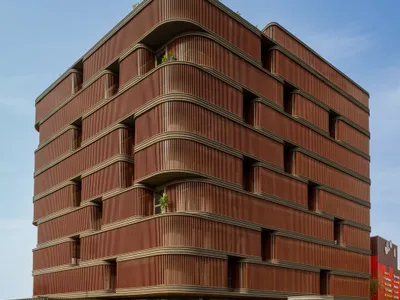
Sanjay Puri Architects Wraps a Jaipur Office Tower in Capsule-Shaped Green Buffers
A nine-level climate-responsive workplace near Jaipur Airport uses stacked planter terraces and aluminium screens to fight 40°C heat.
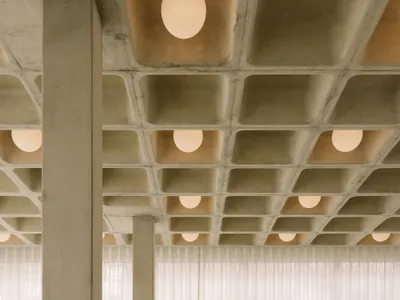
RHO Converts a Berlin Spree-Side Industrial Courtyard into Enkime's 1,000 m² Agency Headquarters
A social media agency's new home in Charlottenburg trades glossy branding for concrete waffle ceilings, glazed tile, and sheer curtains.

Explore Flexible Spaces Competitions
Discover active competitions in this discipline

Challenge to reimagine the Iron Throne

Photograph architecture without architects

Illustrate the lost glory of Angkor Wat - Render Challenge

Design challenge to reuse E-waste
Comments (0)
Please login or sign up to add comments
No comments yet. Be the first to comment!