

Geological Architecture Design at Sanqingshan Geological Museum
Explore the Sanqingshan Geological Museum's unique integration of natural geological features with innovative architectural design in Shangrao, China.


Nestled in the tranquil valleys of Shangrao, China, the Sanqingshan Geological Museum stands as a testament to the innovative integration of natural geological features with modern architectural design. Known for its unique approach, this museum exemplifies the concept of "geological architecture design," a field that explores the intersection of geology and architecture.
The Architectural Vision of Sanqingshan Geological Museum
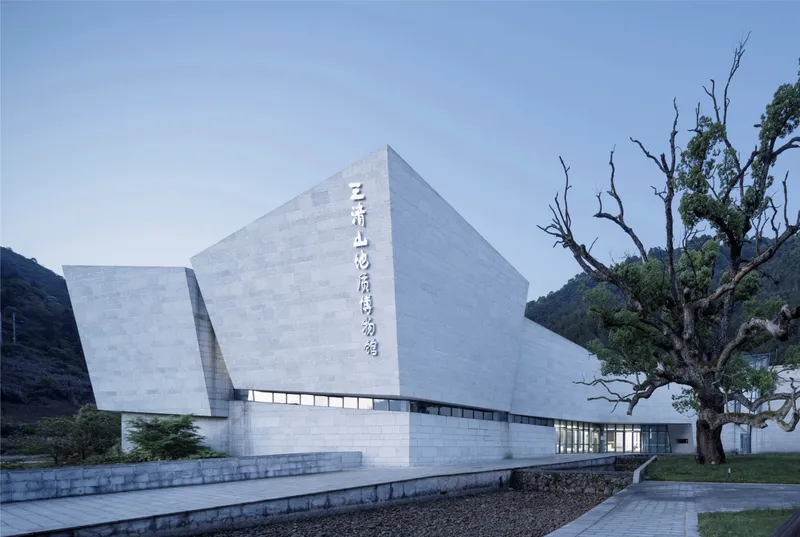
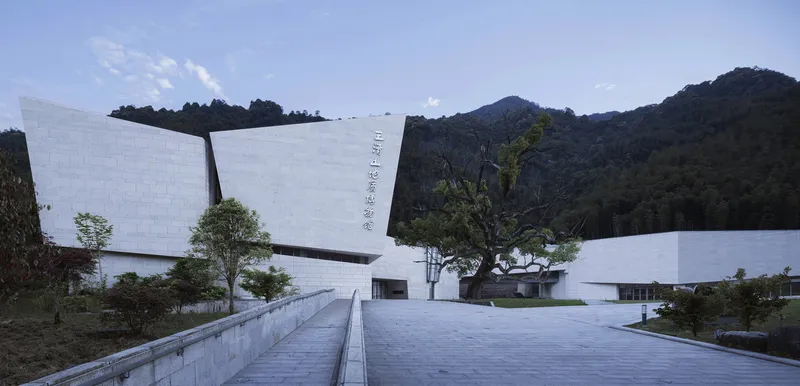
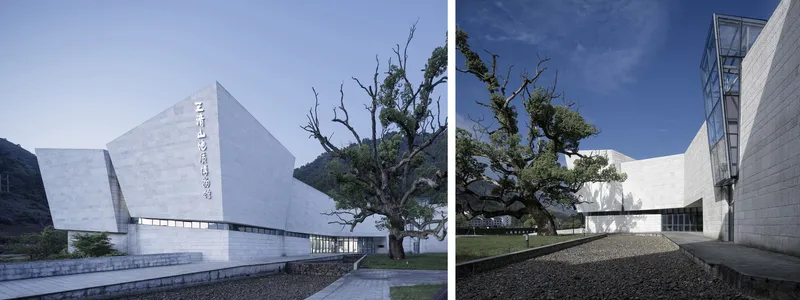
Designed by the renowned firm UAD, the Sanqingshan Geological Museum covers an area of 6425 square meters and was completed in 2019. The design process began with a deep appreciation of the site's natural landscape, characterized by lush green mountains and a rich tapestry of rice fields and ancient camphor trees. This connection to the earth is palpable in every aspect of the museum’s design, from the choice of materials to the structure's overall form.


Geological Inspiration in Design
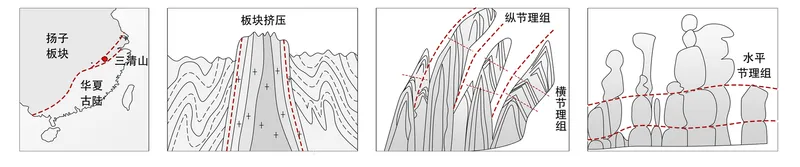
The design of the Sanqingshan Geological Museum was primarily inspired by the geological history of Sanqing Mountain, which has witnessed over 1.4 billion years of Earth's transformations. These transformations include significant geological events like plate collisions, which are vividly represented in the museum's architecture. The building itself mimics these geological forces with its bi-directional compression, longitudinal fissures, and a layout that follows the natural contours of the land.


Integration with the Natural Landscape
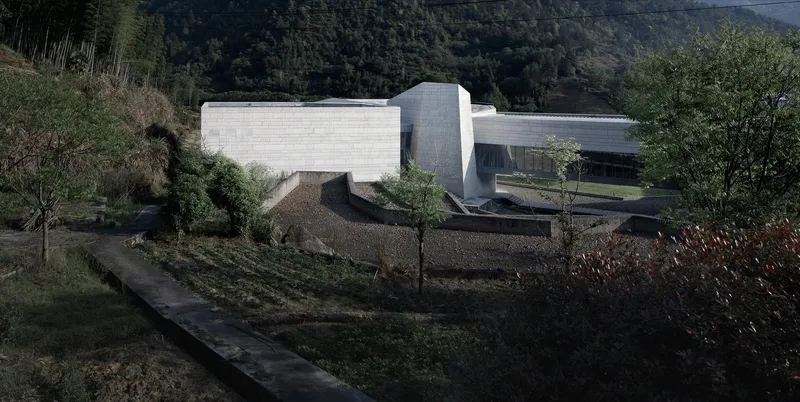
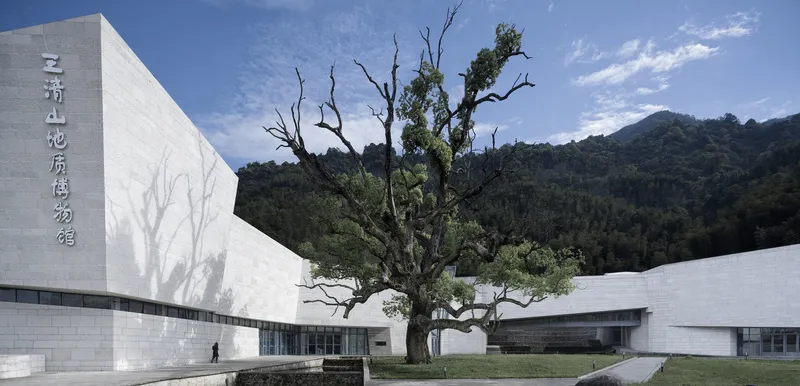
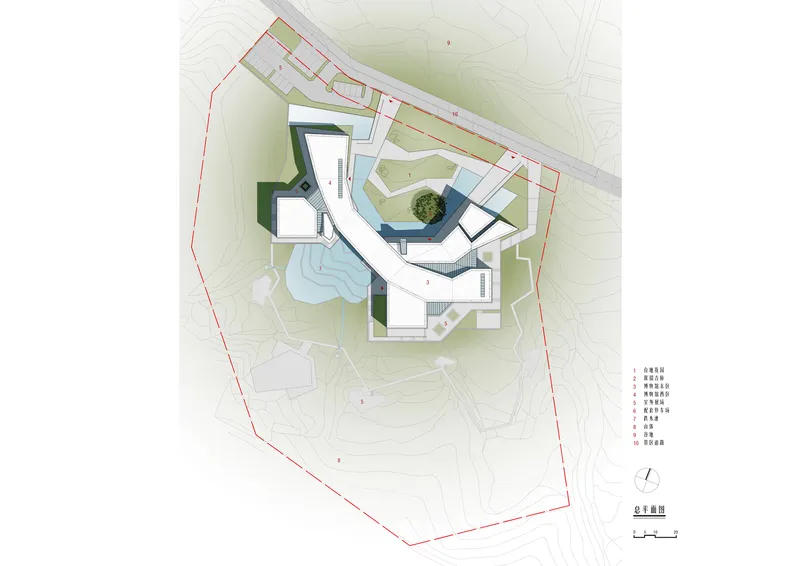
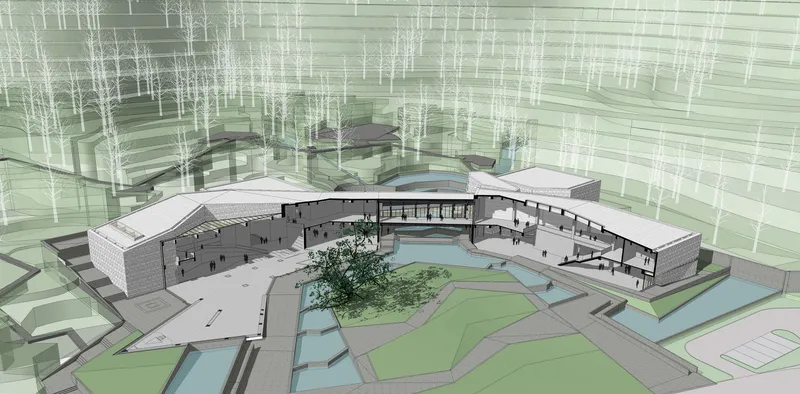
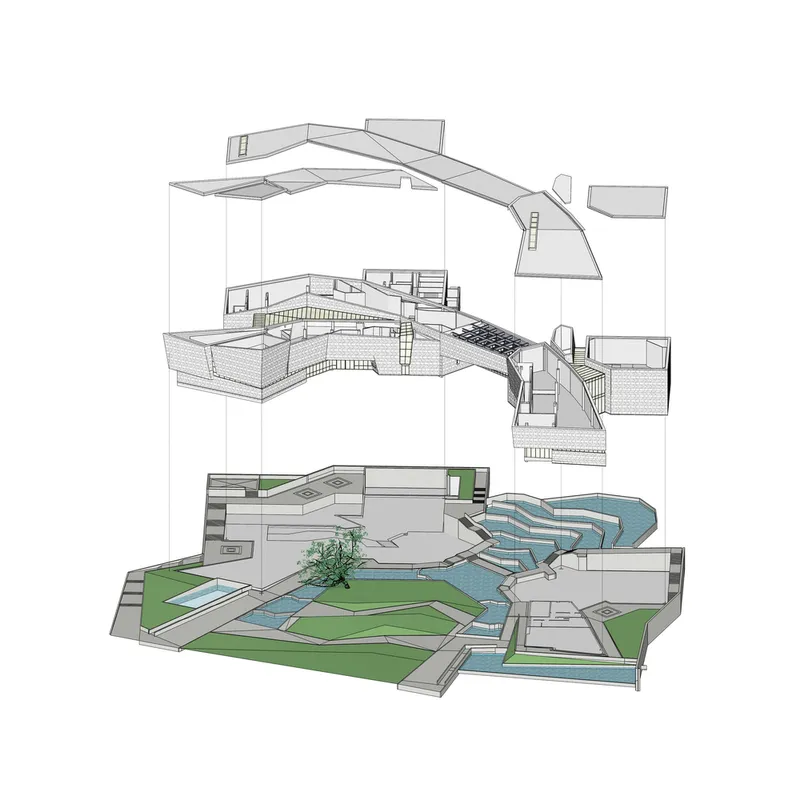
The museum not only adapts to the existing topography but enhances it. The architects designed the structure to bend and twist according to the south-north slope of the site, forming a half-enclosure around a century-old camphor tree, which lies at the heart of the design. This thoughtful placement respects and highlights the natural features of the site, embedding the building within its environment seamlessly.

Interior Design: A Geological Journey
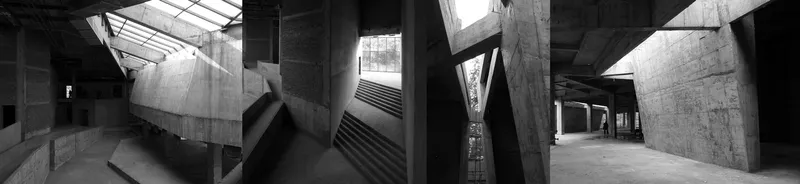
The interior of the Sanqingshan Geological Museum is a continuation of its exterior narrative. Visitors are taken on a geological journey, starting from the gentle slopes at the northeast entrance and moving through spaces that simulate walking through geological formations. The interior design uses variations in height and light to create experiences that mimic geological processes such as extrusion and erosion.
Exhibition Layout
The museum is divided into thematic areas that focus on geology, landforms, biodiversity, and mountain landscape ecology. This zoning allows for a coherent flow that educates visitors on the geological significance of Sanqing Mountain while providing spaces for temporary exhibitions and research.
External Landscape and Sustainable Practices
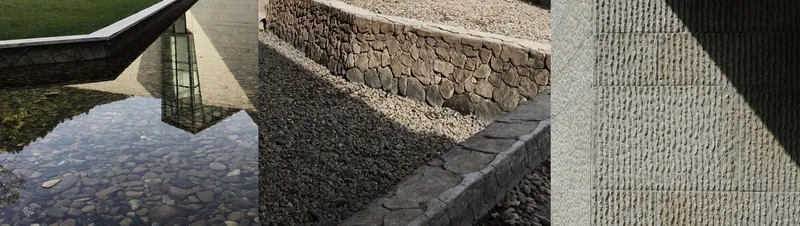
The external landscape design of the Sanqingshan Geological Museum further emphasizes geological themes. The use of local stones and the recreation of terraced fields reflect the natural geological processes of the area. Additionally, the design incorporates water management strategies that are both functional and thematic, showcasing the geological interplay of land and water.


The Impact of Geological Architecture Design
The Sanqingshan Geological Museum is a prime example of how geological architecture design can create spaces that are both educational and in harmony with their natural surroundings. It stands as a beacon of sustainable architecture and design innovation, offering insights into the past and inspiration for the future of architectural design.
All photographs are work of Qiang Zhao, Ke Yang


Popular Articles
Popular articles from the community


Tsunami Convergenics: Turning Catastrophic Ocean Forces into Underwater Housing Infrastructure
A speculative underwater settlement off the coast of Onagawa, Japan, treats tsunamis and typhoons as energy sources rather than threats.

Cloaked Colonization: A Mobile Underwater Habitat That Moves Like a Fish
Micah Abaya's shortlisted EHC Pacific entry reimagines ocean settlement as a dispersed network of self-sustaining architectural organisms.
Opera by the Sea Estonia: Three Shells Dissolving Architecture into Tallinn's Coastline
A winning opera house proposal replaces monumental form with interconnected shells that blur the boundary between building, park and Baltic Sea.

The Amber Palace Opera: A Geological Fiction Surfaces on Tallinn's Baltic Waterfront
Pierre Brillard reimagines a Baltic legend as a public landscape, opera house, and waterfront promenade rooted in Tallinn's coastal identity.

Similar Reads
You might also enjoy these articles

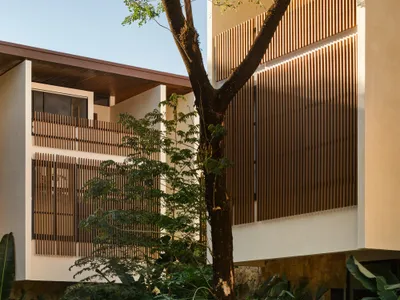
FAMM Arquitectura Organizes Ten Villas Around Courtyards and Jungle in Nosara, Costa Rica
El Molino pairs two elongated volumes with deep overhangs and timber louvers to build a compact coastal community five minutes from the beach.
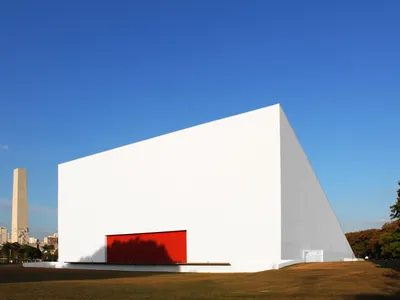
Oscar Niemeyer's Ibirapuera Park Pavilions Define São Paulo's Cultural Identity in Concrete and Curve
A constellation of modernist volumes set within São Paulo's most important urban park, conceived for the city's 400th anniversary in 1954.
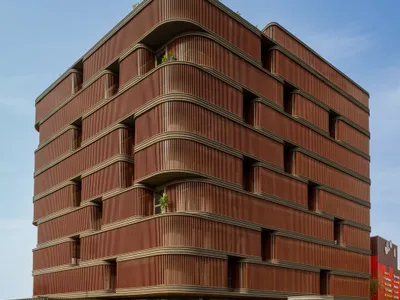
Sanjay Puri Architects Wraps a Jaipur Office Tower in Capsule-Shaped Green Buffers
A nine-level climate-responsive workplace near Jaipur Airport uses stacked planter terraces and aluminium screens to fight 40°C heat.
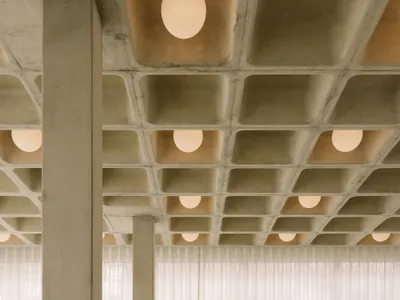
RHO Converts a Berlin Spree-Side Industrial Courtyard into Enkime's 1,000 m² Agency Headquarters
A social media agency's new home in Charlottenburg trades glossy branding for concrete waffle ceilings, glazed tile, and sheer curtains.

Explore Chinese Small Scale Architecture Competitions
Discover active competitions in this discipline

Challenge to reimagine the Iron Throne

Photograph architecture without architects

Illustrate the lost glory of Angkor Wat - Render Challenge

Design challenge to reuse E-waste
Comments (0)
Please login or sign up to add comments
No comments yet. Be the first to comment!