
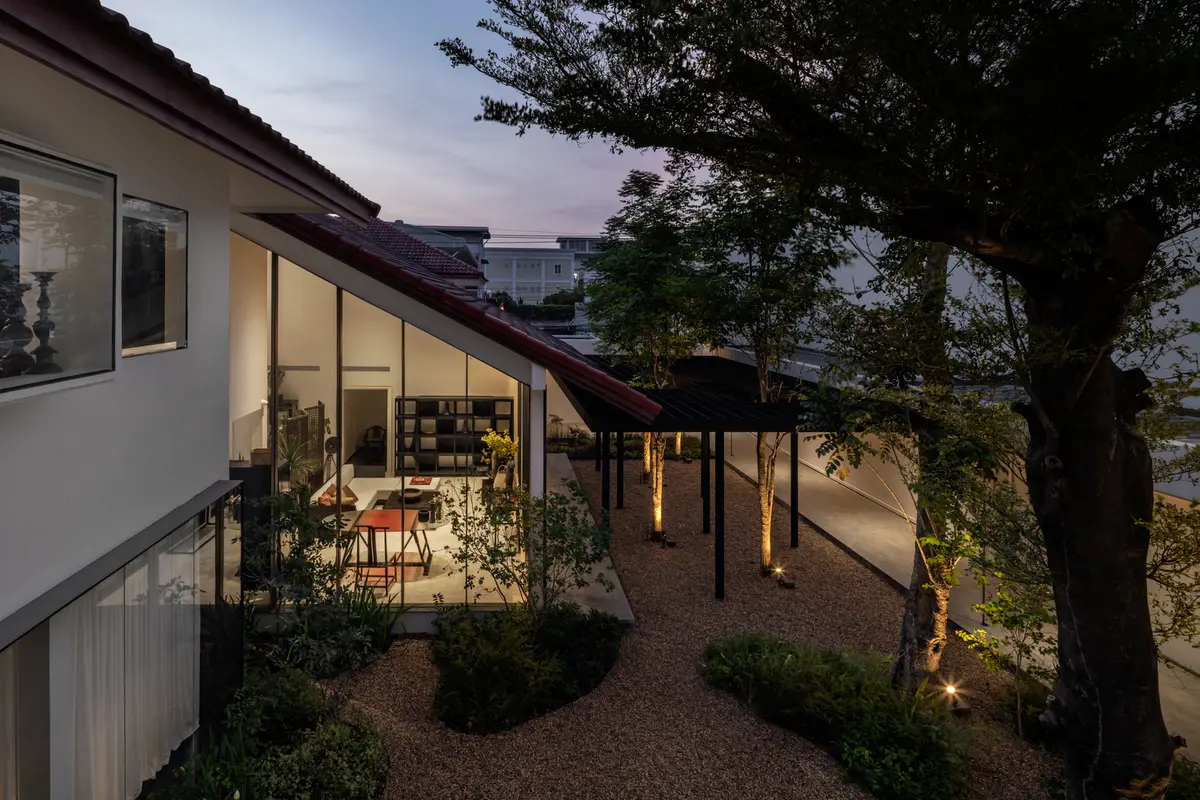
Heritage Building Renovation: AGAL Gallery’s Transformation into a Fusion of Tradition and Modernity
AGAL Gallery showcases heritage building renovation by blending traditional Thai-Chinese aesthetics with modern design, preserving history while enhancing functionality.


Heritage building renovation is an architectural approach that preserves historical structures while infusing them with contemporary functionality and design. The AGAL Gallery in Thailand, designed by IF (Integrated Field), is a remarkable example of how traditional Thai-Chinese aesthetics can be seamlessly blended with modern spatial concepts. Originally a well-preserved two-story home built over 30 years ago, this renovation project respects the integrity of the past while redefining its purpose for the future.
Revitalizing a Historic Space with a Contemporary Vision
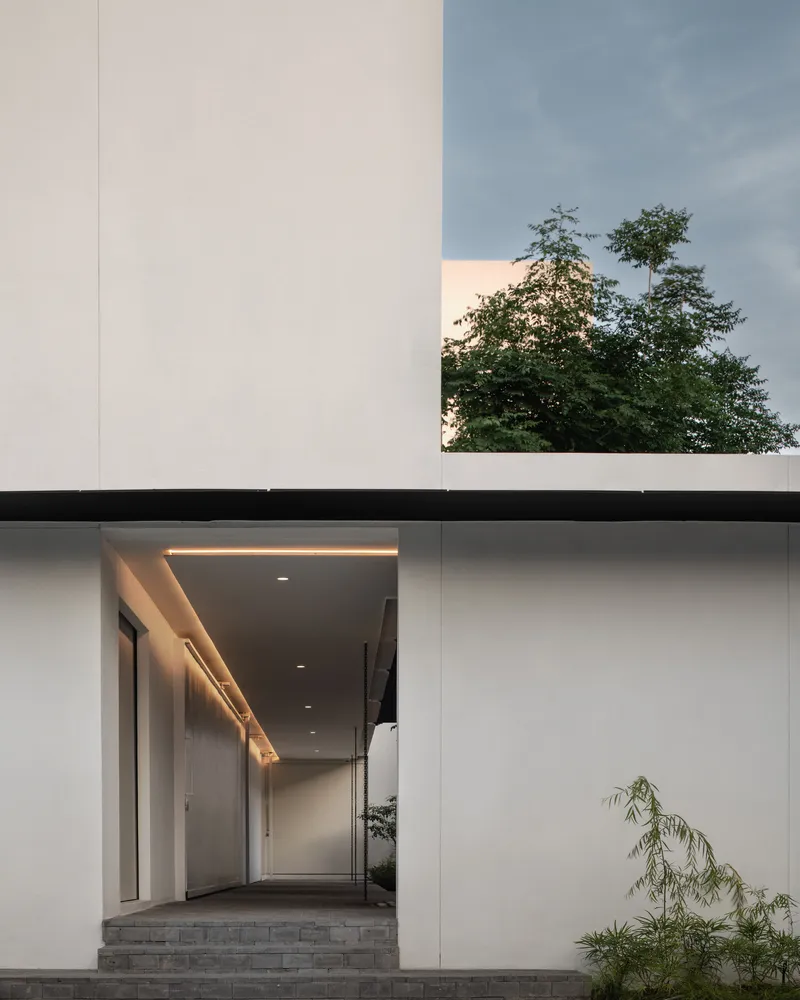
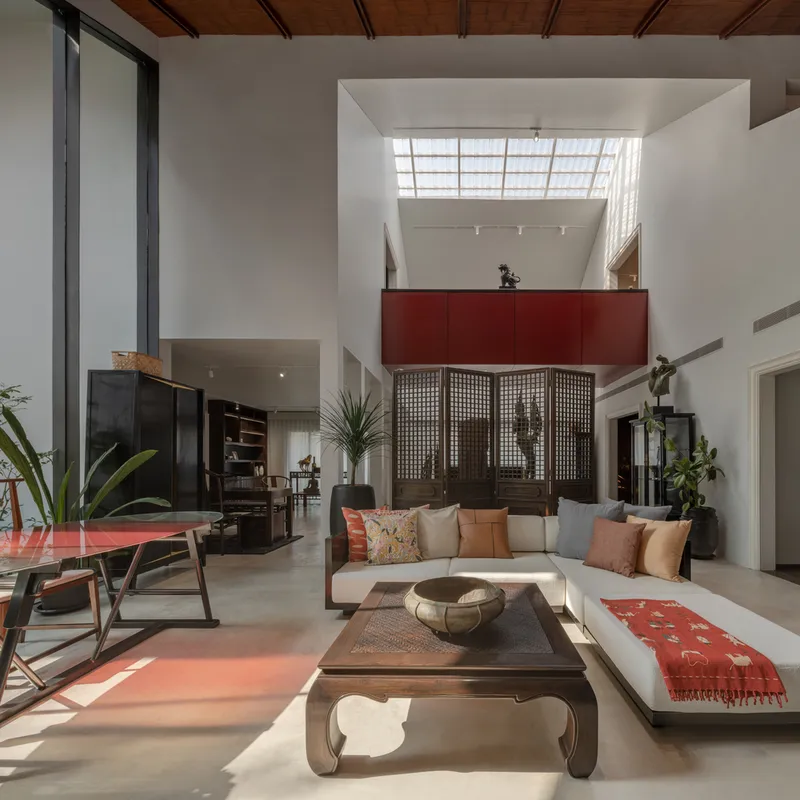
The AGAL Gallery's transformation was centered on maintaining the essence of the original architecture while incorporating elements that reflect AGAL’s identity—an elegant synthesis of Thai and Chinese influences. The house's existing long and narrow structure naturally lent itself to a showroom layout. Rather than altering the fundamental structure, the designers introduced a central hallway that fluidly connects each room, creating an intuitive flow throughout the gallery.

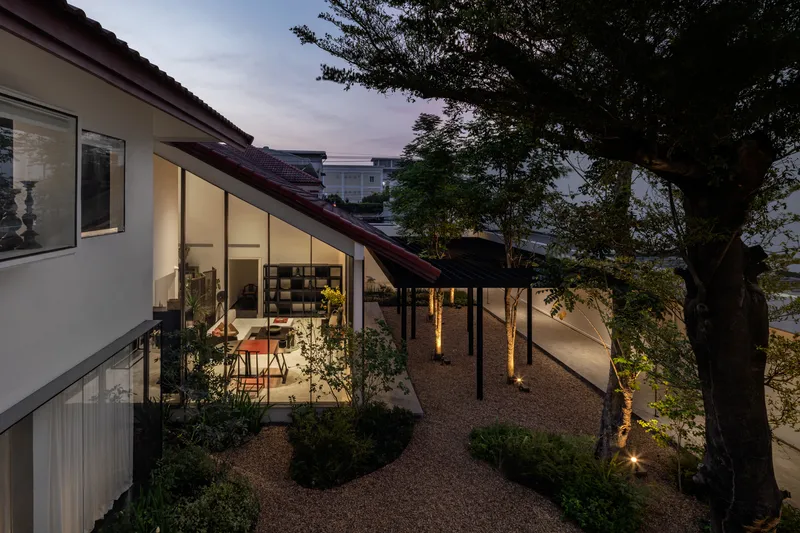
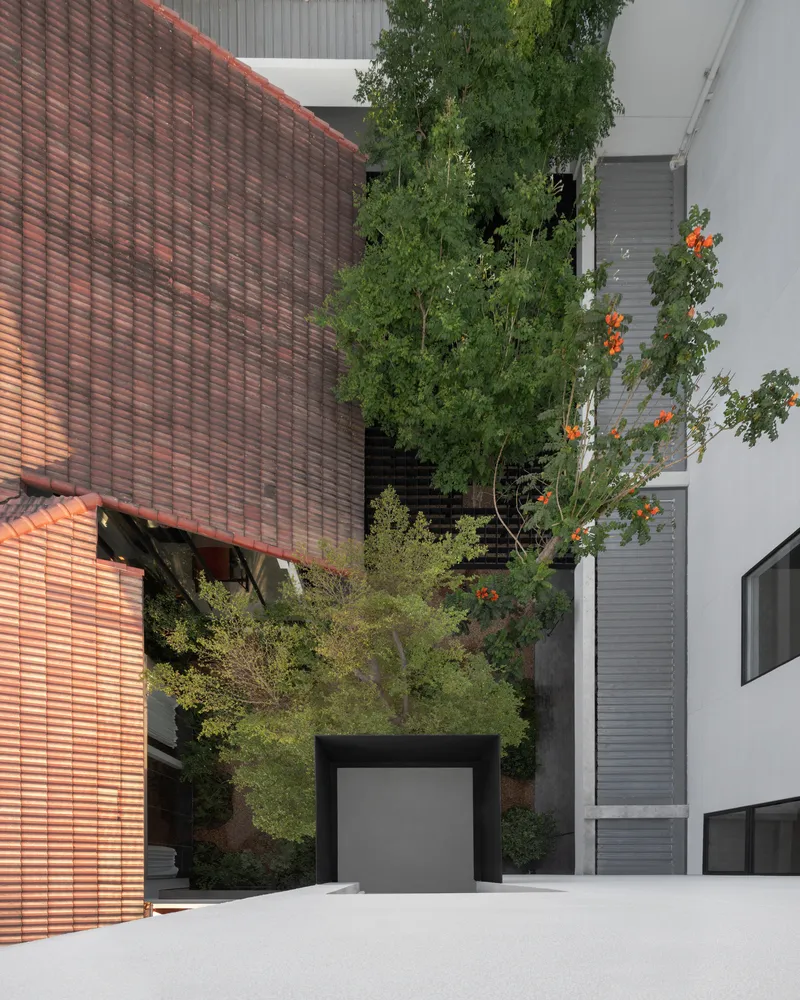
This balance between preservation and reinvention is at the core of heritage building renovation. By respecting the original architectural framework and layering in handcrafted details—such as AGAL’s signature brass casting and gold leaf techniques—the design ensures that the space remains both historically resonant and functionally relevant.
The Role of Light, Shadow, and Materiality in the Redesign
A key aspect of the renovation was the interplay of light and shadow, reinforcing AGAL’s artistic philosophy. The design strategically uses contrasting elements to enhance each display room, with variations in lighting defining distinct furniture arrangements and craftsmanship techniques. This artistic use of illumination transforms the space into an immersive brand experience, allowing visitors to engage deeply with the materials and textures on display.
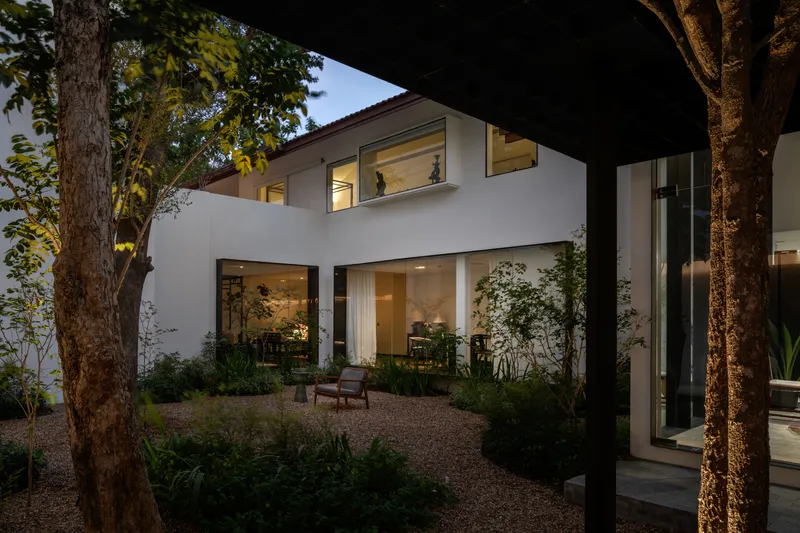
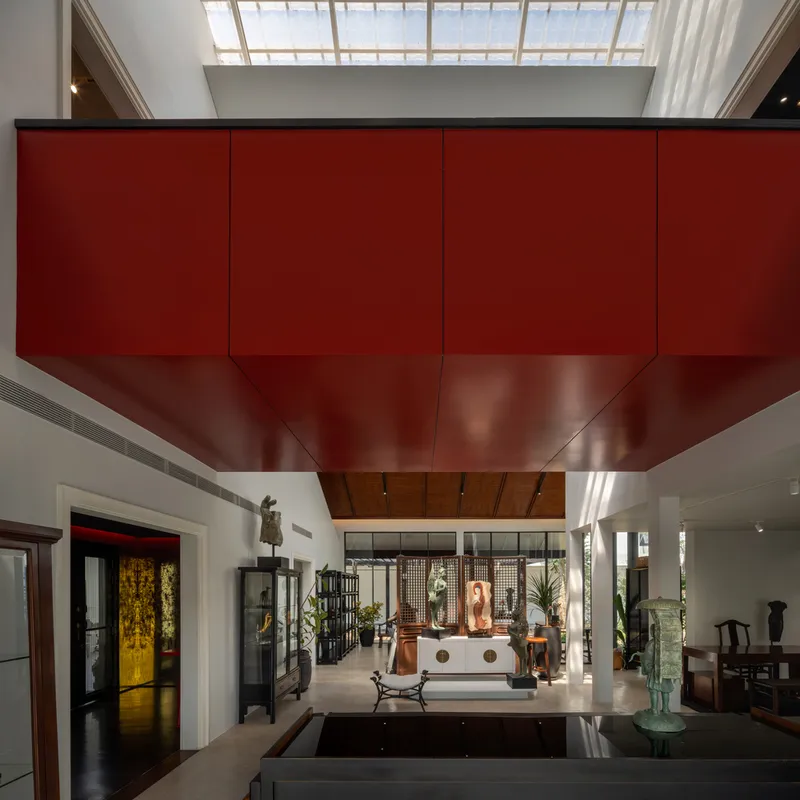
A striking red walkway acts as the unifying thread, guiding visitors through chamber-like spaces that showcase different furniture collections. This vivid architectural feature not only defines the gallery’s visual identity but also serves as a metaphor for AGAL’s bold artistic vision.
Integrating Modernity: The Addition of a Photography Studio
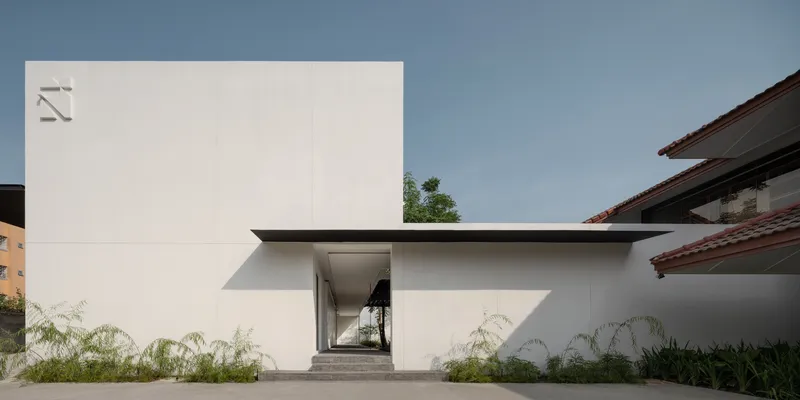
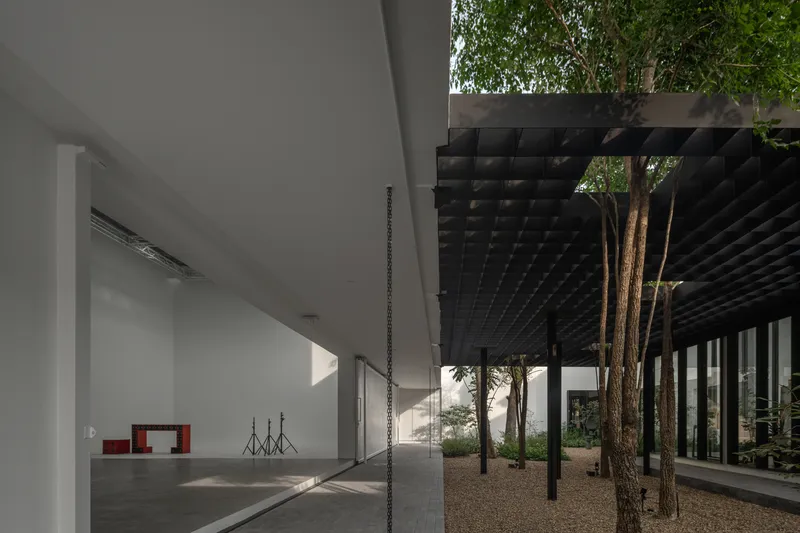
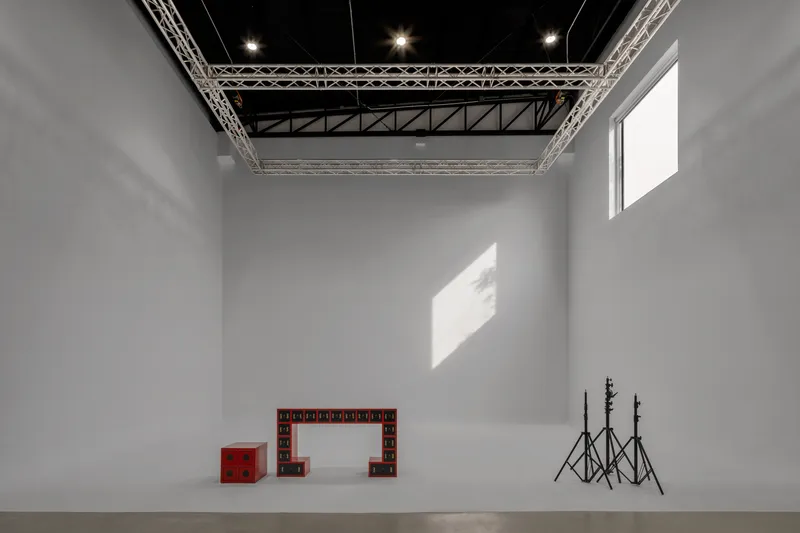
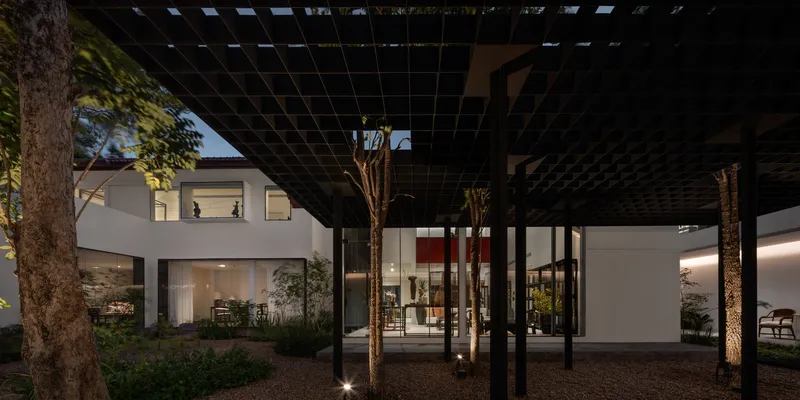
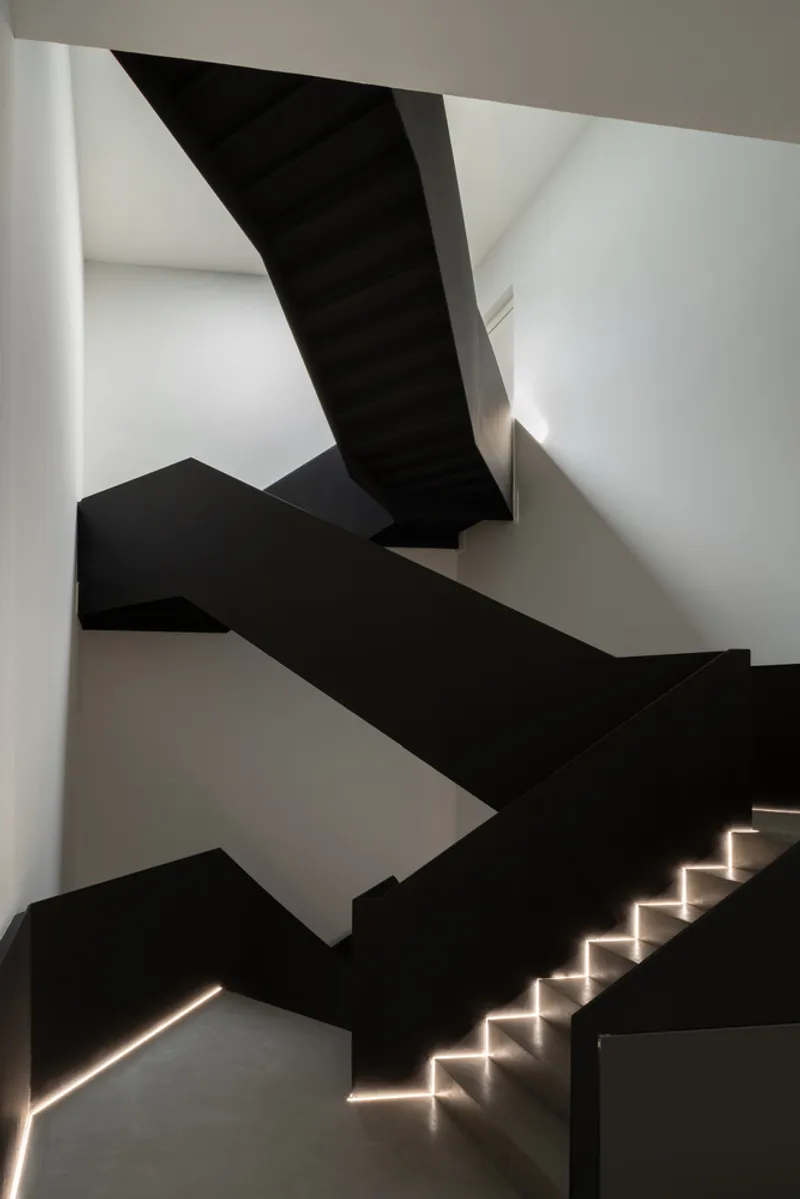
In addition to the gallery renovation, a new photography studio named "Saeng Ngao Sathan" (Place of Light and Shadow) was introduced adjacent to the space. Unlike the ornate details of the AGAL Gallery, the studio embraces a minimalist aesthetic, focusing on clean lines and open spaces.
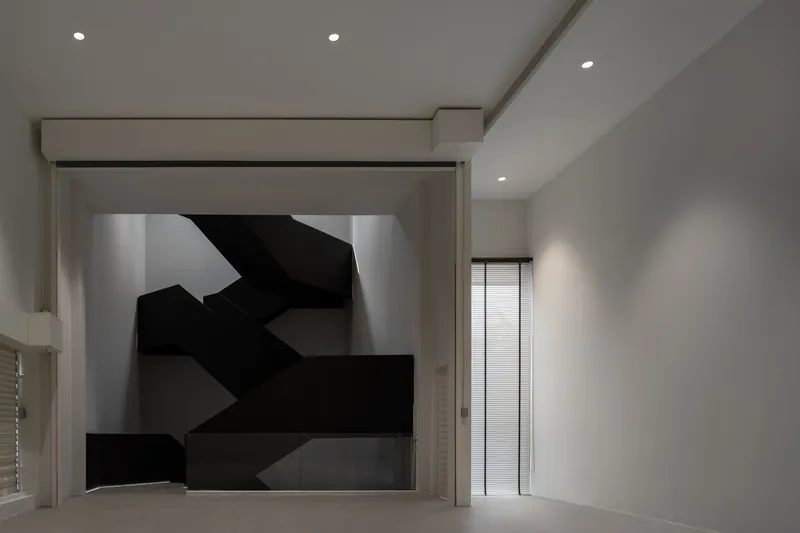
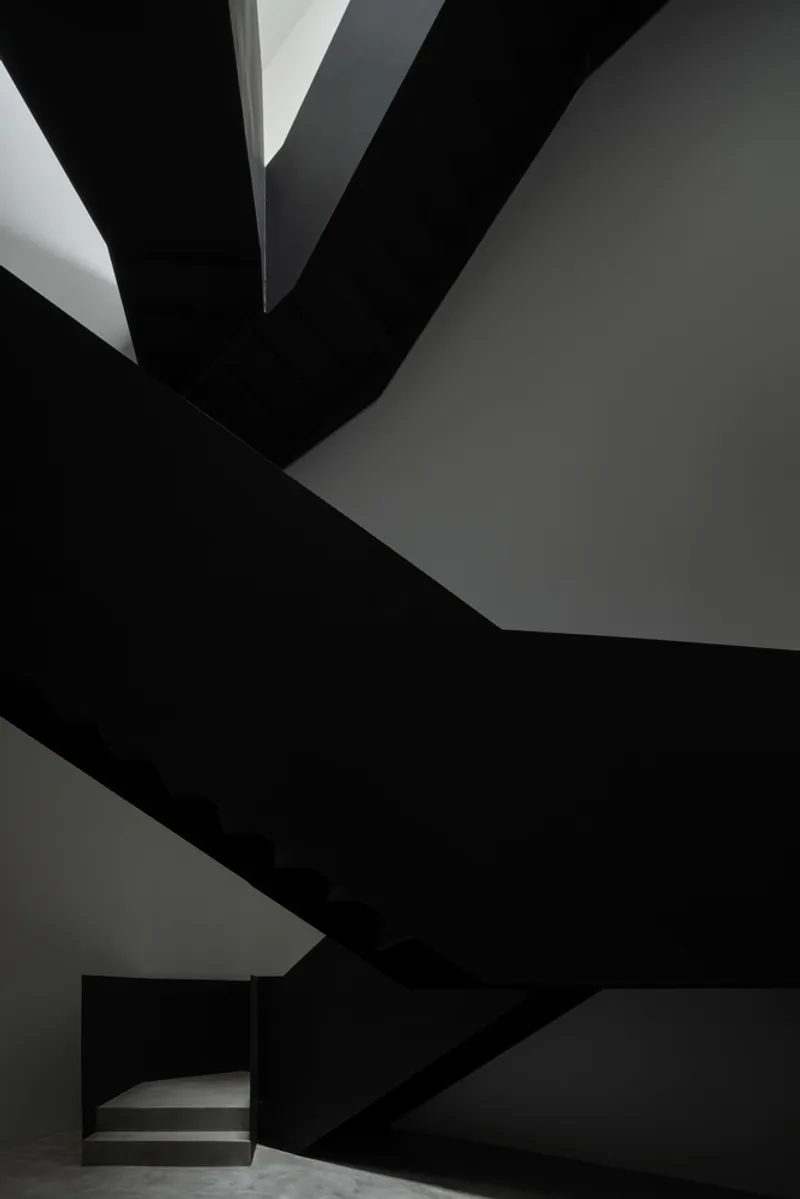
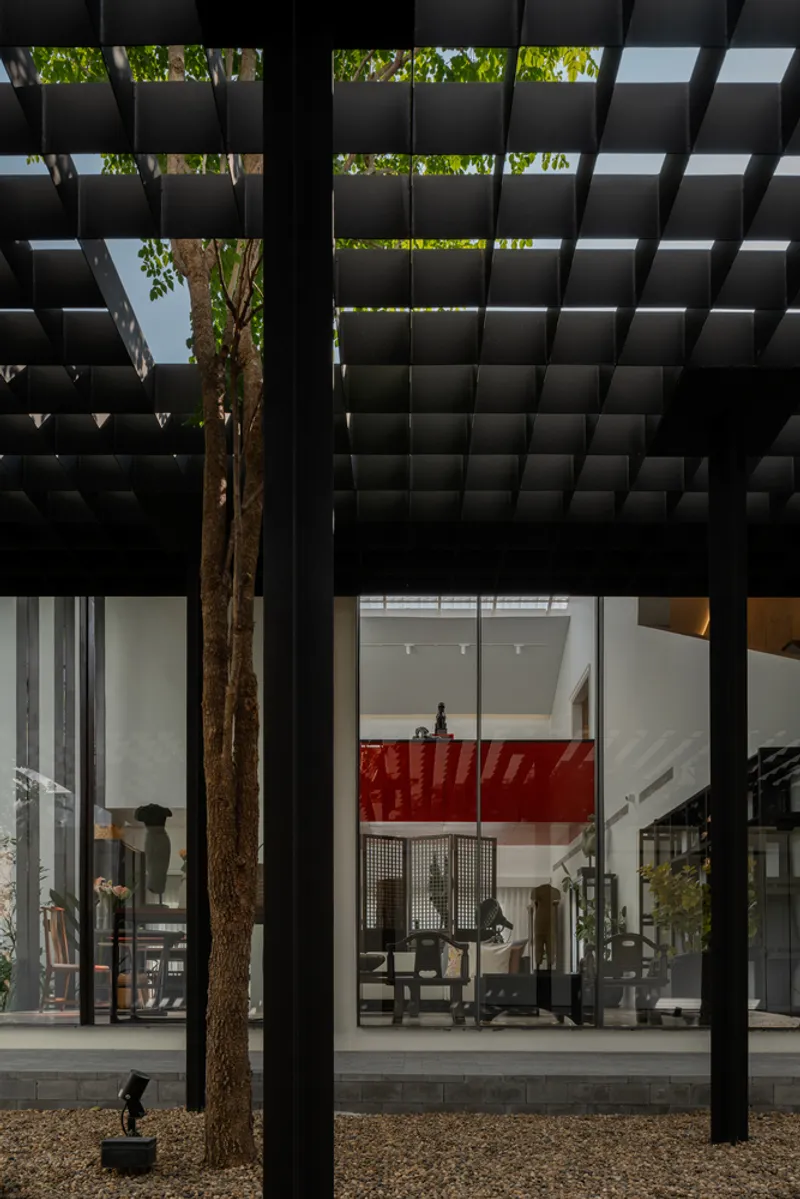
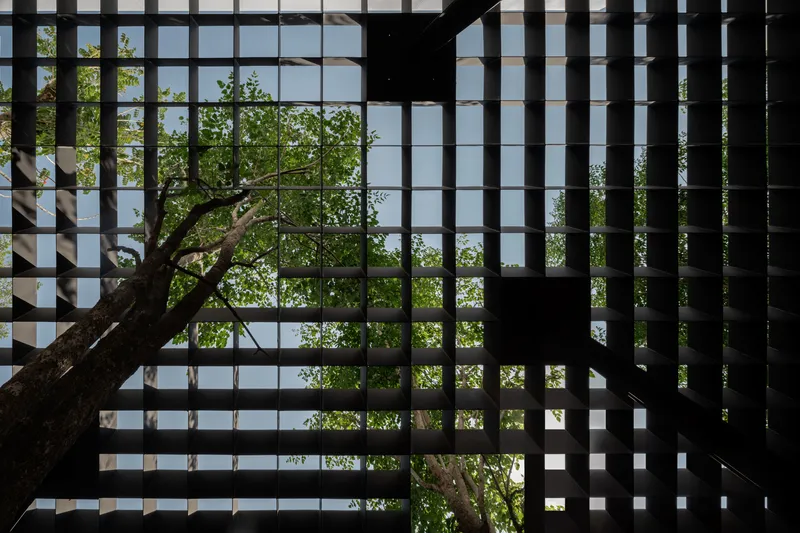
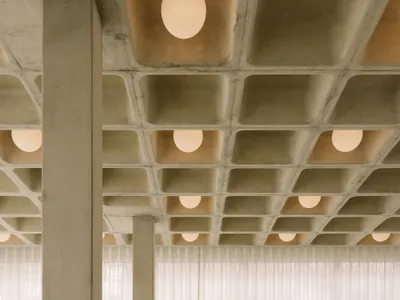
While contrasting in style, the two structures are harmonized through a shared gathering space beneath a distinctive waffle roof. This architectural intervention bridges the old and new, demonstrating how heritage building renovation can extend beyond preservation to create a dynamic architectural dialogue between different eras.
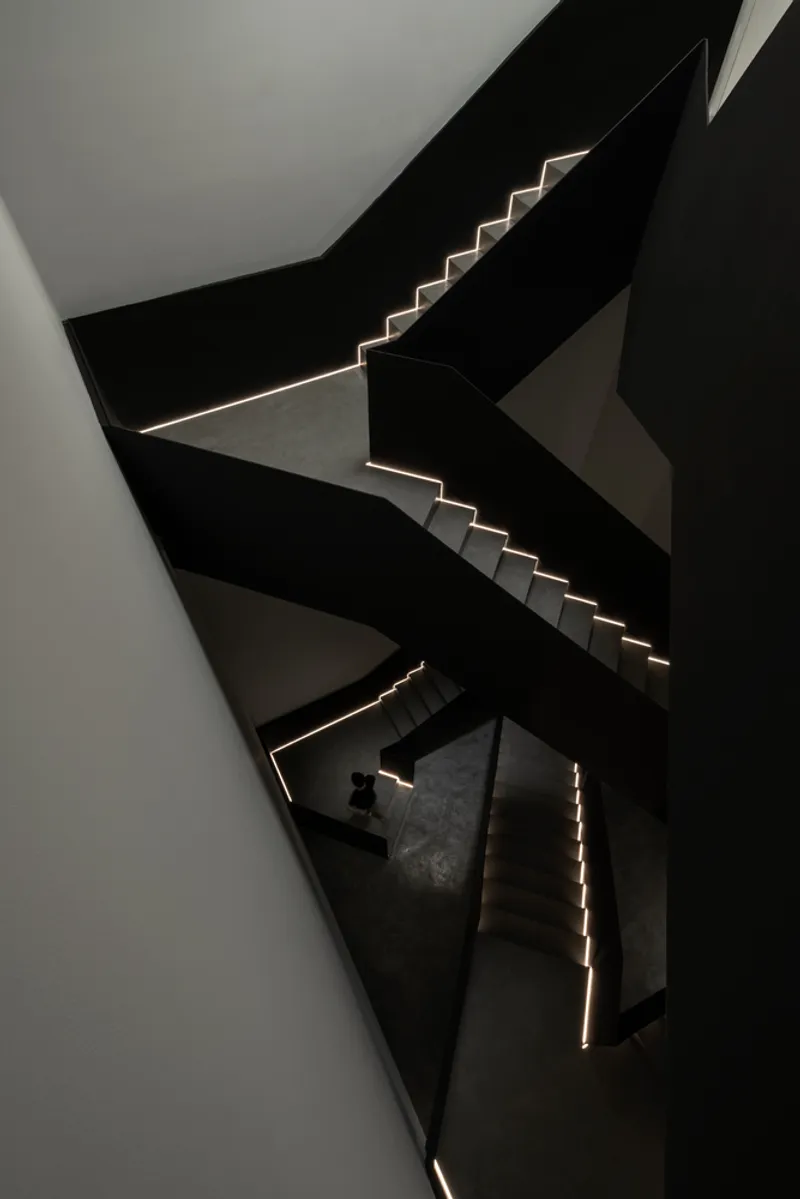
The Future of Heritage Building Renovation
AGAL Gallery exemplifies how heritage buildings can be adapted to serve modern functions without compromising their historical integrity. By integrating contemporary design principles with traditional craftsmanship, this renovation not only revitalizes a historic structure but also reinforces its cultural significance.
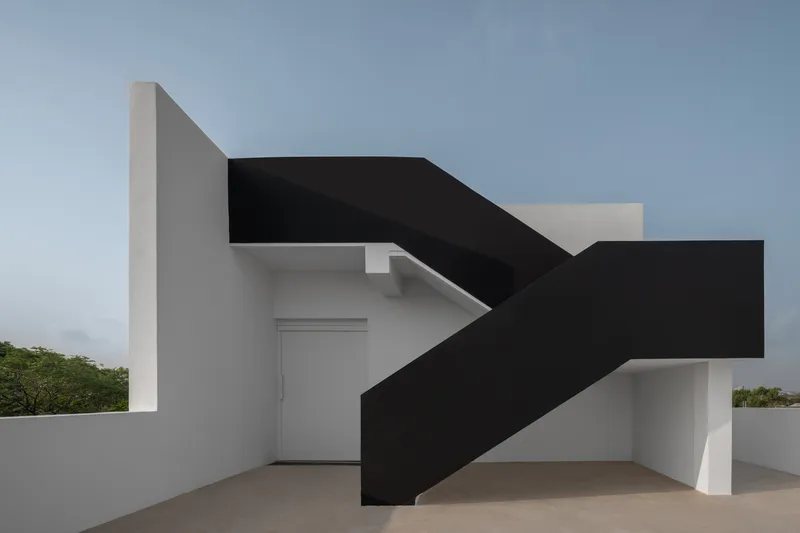
This project stands as a model for future heritage building renovations, proving that historical spaces can evolve while still retaining their authenticity. As cities grow and evolve, preserving architectural heritage through thoughtful design interventions will become an increasingly vital part of sustainable urban development.

All Photographs are works of W Workspace


Popular Articles
Popular articles from the community


Conexión: Biophilic Design Reimagines High-Rise Living in Hong Kong
Conexión reimagines high-rise living in Hong Kong through biophilic design, green facades, shared spaces, daylight, water and nature within.

Co-life: Sustainable Architecture for Age-Friendly Community Living
Co-life reimagines sustainable architecture for seniors through courtyards, rammed earth, shared gardens, and spaces designed for belonging.

Lunar Spiral: Space Architecture Shaped by the Mathematics of the Universe
Lunar Spiral reimagines space architecture through Fibonacci geometry, lunar regolith, levitating habitats, and self-sustaining Moon living.

ALGAL REALM: A Bio-Integrated Lunar Habitat Design for Life Beyond Earth
ALGAL REALM reimagines lunar habitat design with algae-powered life support, 3D-printed regolith, and vertical living for a lunar future.

Similar Reads
You might also enjoy these articles


FAMM Arquitectura Organizes Ten Villas Around Courtyards and Jungle in Nosara, Costa Rica
El Molino pairs two elongated volumes with deep overhangs and timber louvers to build a compact coastal community five minutes from the beach.
Oscar Niemeyer's Ibirapuera Park Pavilions Define São Paulo's Cultural Identity in Concrete and Curve
A constellation of modernist volumes set within São Paulo's most important urban park, conceived for the city's 400th anniversary in 1954.
Sanjay Puri Architects Wraps a Jaipur Office Tower in Capsule-Shaped Green Buffers
A nine-level climate-responsive workplace near Jaipur Airport uses stacked planter terraces and aluminium screens to fight 40°C heat.
RHO Converts a Berlin Spree-Side Industrial Courtyard into Enkime's 1,000 m² Agency Headquarters
A social media agency's new home in Charlottenburg trades glossy branding for concrete waffle ceilings, glazed tile, and sheer curtains.

Explore Contemporary Gallery Competitions
Discover active competitions in this discipline

Challenge to reimagine the Iron Throne

Photograph architecture without architects

Illustrate the lost glory of Angkor Wat - Render Challenge

Design challenge to reuse E-waste
Comments (0)
Please login or sign up to add comments
No comments yet. Be the first to comment!