House Factory: A Revolution in Sustainable Architecture
Revolutionizing urban living with sustainable architecture—modular, eco-friendly, and community-driven design for a better future


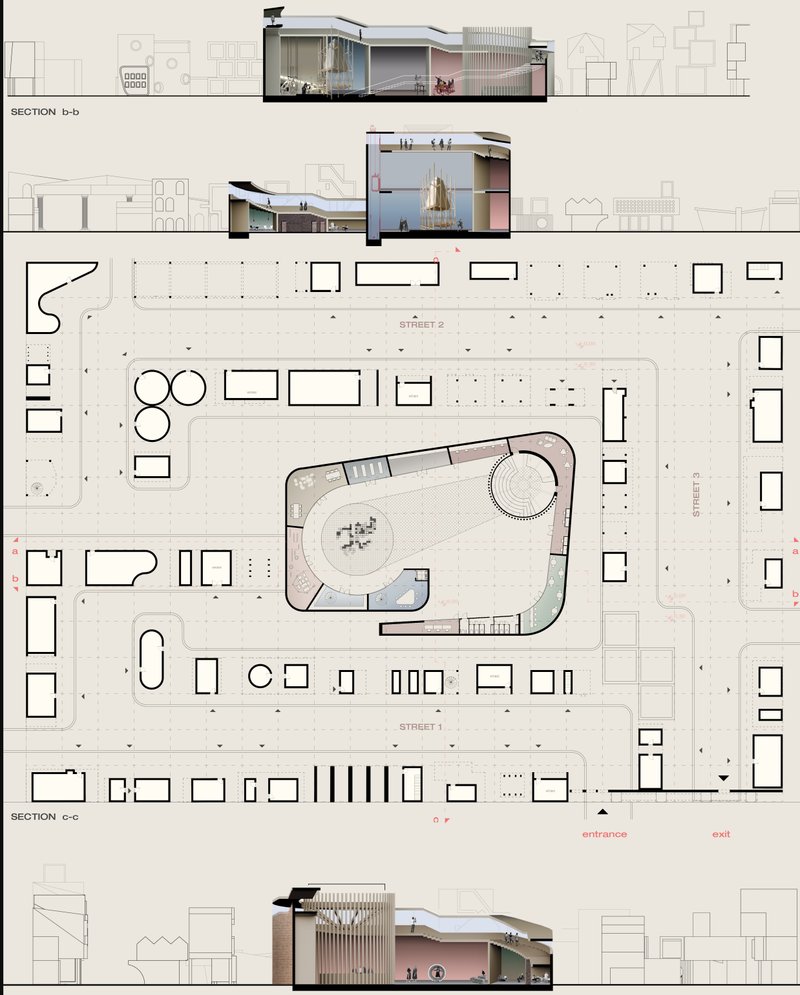
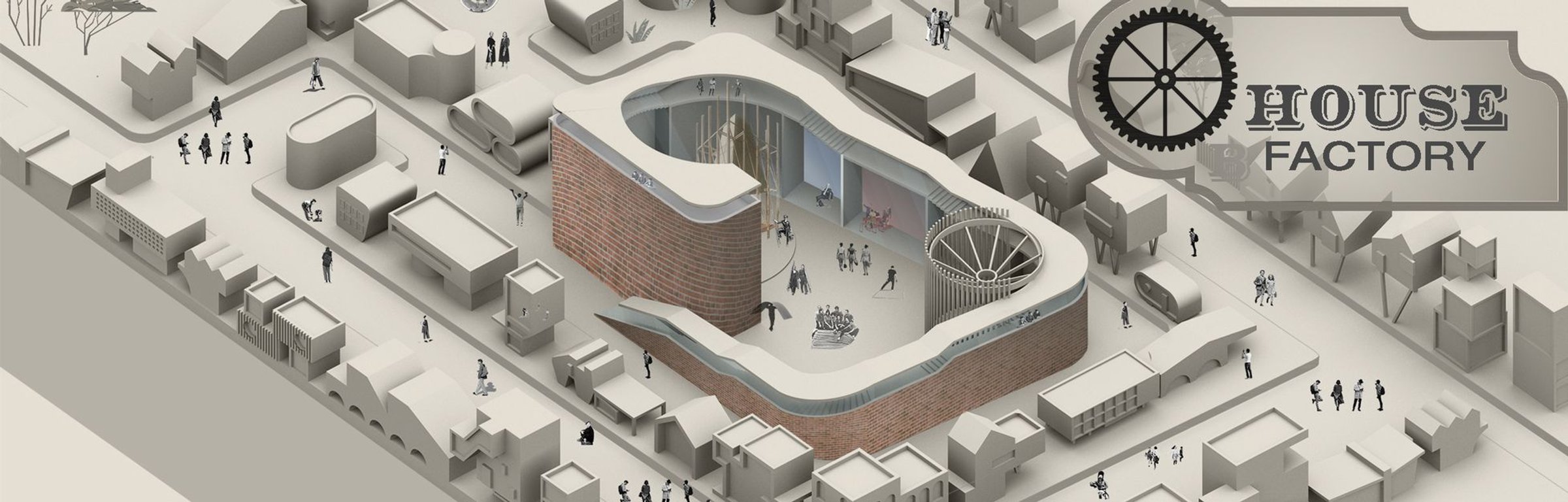
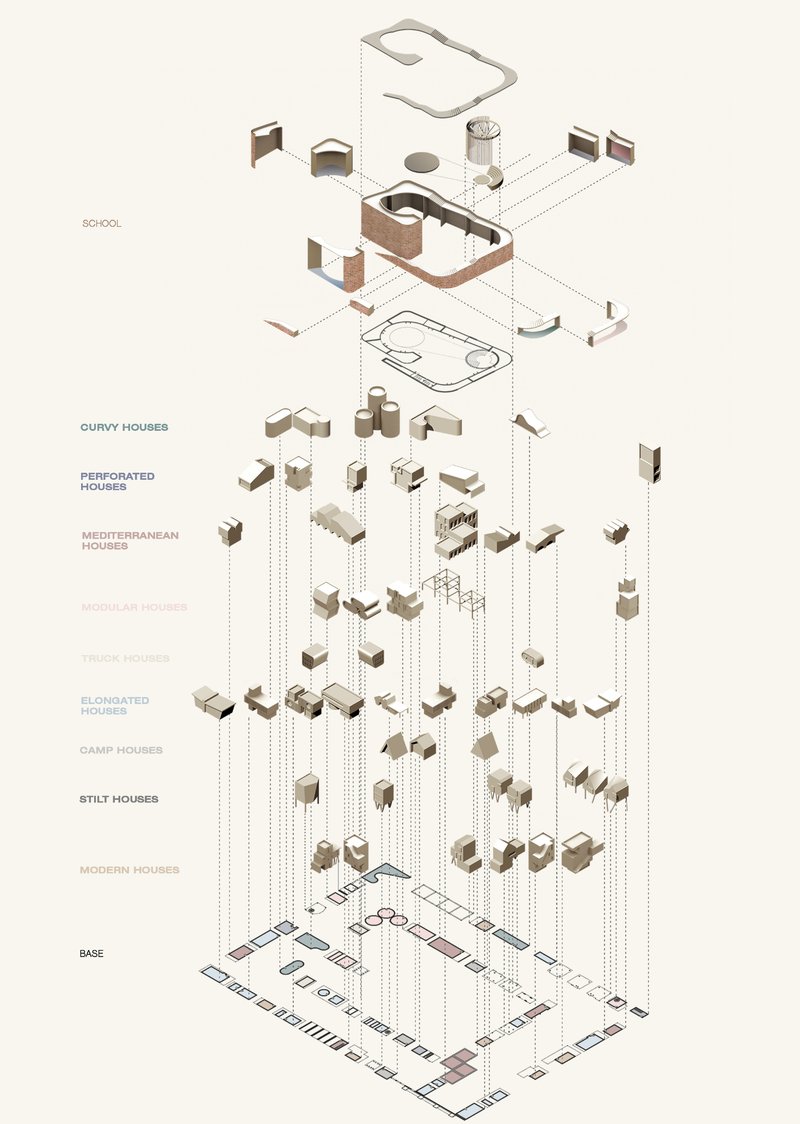
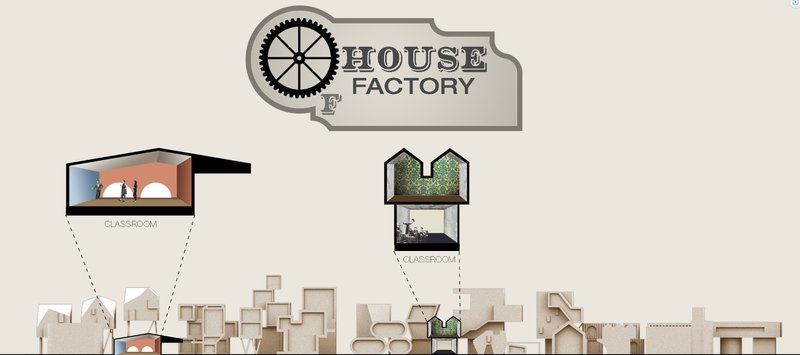
House Factory Inspired by Bauhaus principles, House Factory challenges conventional architecture by introducing sustainable architecture solutions that are accessible, adaptable, and inclusive. This project reimagines urban housing by producing house prototypes for mass availability, allowing individuals from diverse backgrounds to contribute to the creative process.
Sustainable and Informal Architecture
The project explores non-predetermined architecture, breaking away from the rigid structures of commercial design. The aim is to create flexible spaces that integrate seamlessly with natural surroundings, climate, and urban topography. By focusing on resource-efficient and environmentally conscious designs, House Factory fosters innovation in sustainable urban development.
Bauhaus Inspiration & Architectural Philosophy
Bauhaus revolutionized design through mass production without compromising creativity. House Factory embraces this ideology, emphasizing modular housing solutions, participatory architecture, and informal urbanism. It bridges the gap between traditional and modern approaches, offering affordable, eco-friendly housing solutions.
The Role of Community in Architecture
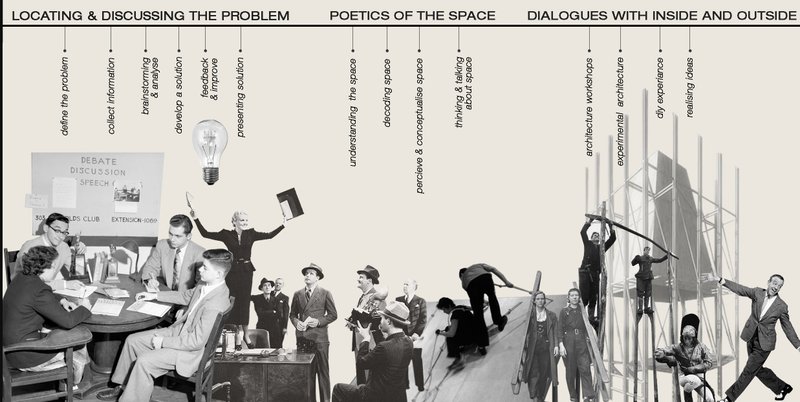
One of the core values of House Factory is community engagement. The project empowers young designers, architects, and urban planners to co-create spaces that cater to real urban needs. Even those without prior architectural knowledge can participate in workshops, gaining hands-on experience in designing climate-responsive and energy-efficient structures.
Case Study: Informal Urbanism in Belgrade
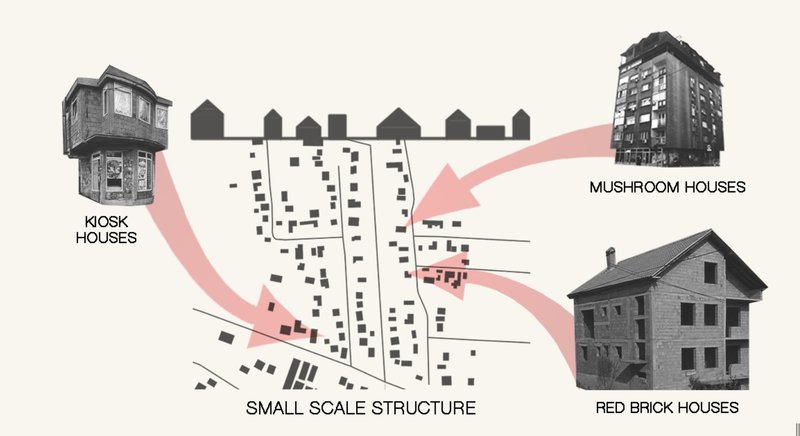
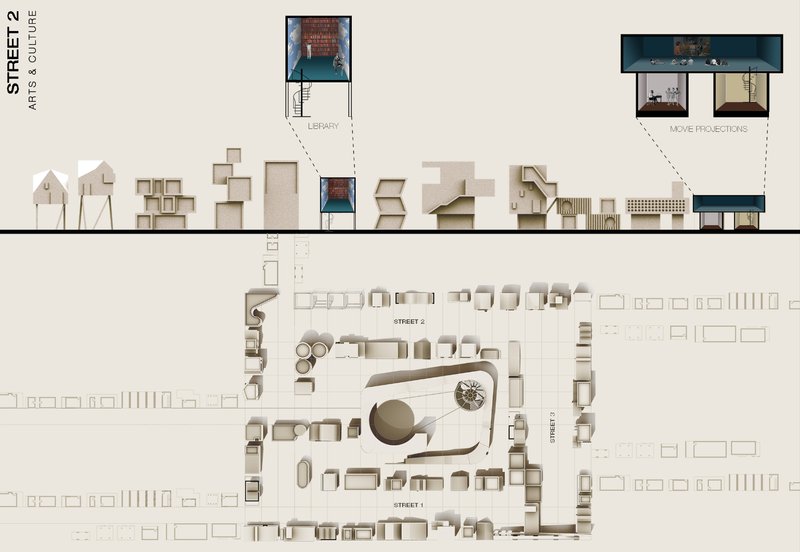
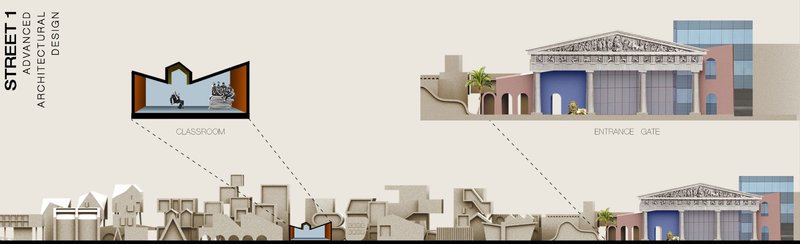
A key example of sustainable and informal architecture is found in Belgrade, where adaptive urban settlements have emerged as a response to housing crises. The integration of red brick houses, kiosk homes, and small-scale structures showcases how self-built settlements can drive sustainable urban expansion.
Site Studies & Future Development
The project investigates site adaptability, infrastructure potential, and modular expansion to create a scalable architectural model. By analyzing movement patterns, material sustainability, and negative space utilization, House Factory proposes an innovative, net-zero carbon approach to urban planning.
Recognized Innovation: Jana Starcevic’s Shortlisted Entry in Bauhaus Neue
Architect Jana Starcevic’s work on House Factory gained international recognition as a shortlisted entry in the Bauhaus Neue competition, reinforcing its significance in the global architectural discourse.
House Factory is more than a project—it’s a movement. By merging sustainable architecture, modular design, and community-driven solutions, it paves the way for the future of urban living. It poses an essential question: Can informal, sustainable architecture shape the cities of tomorrow?