
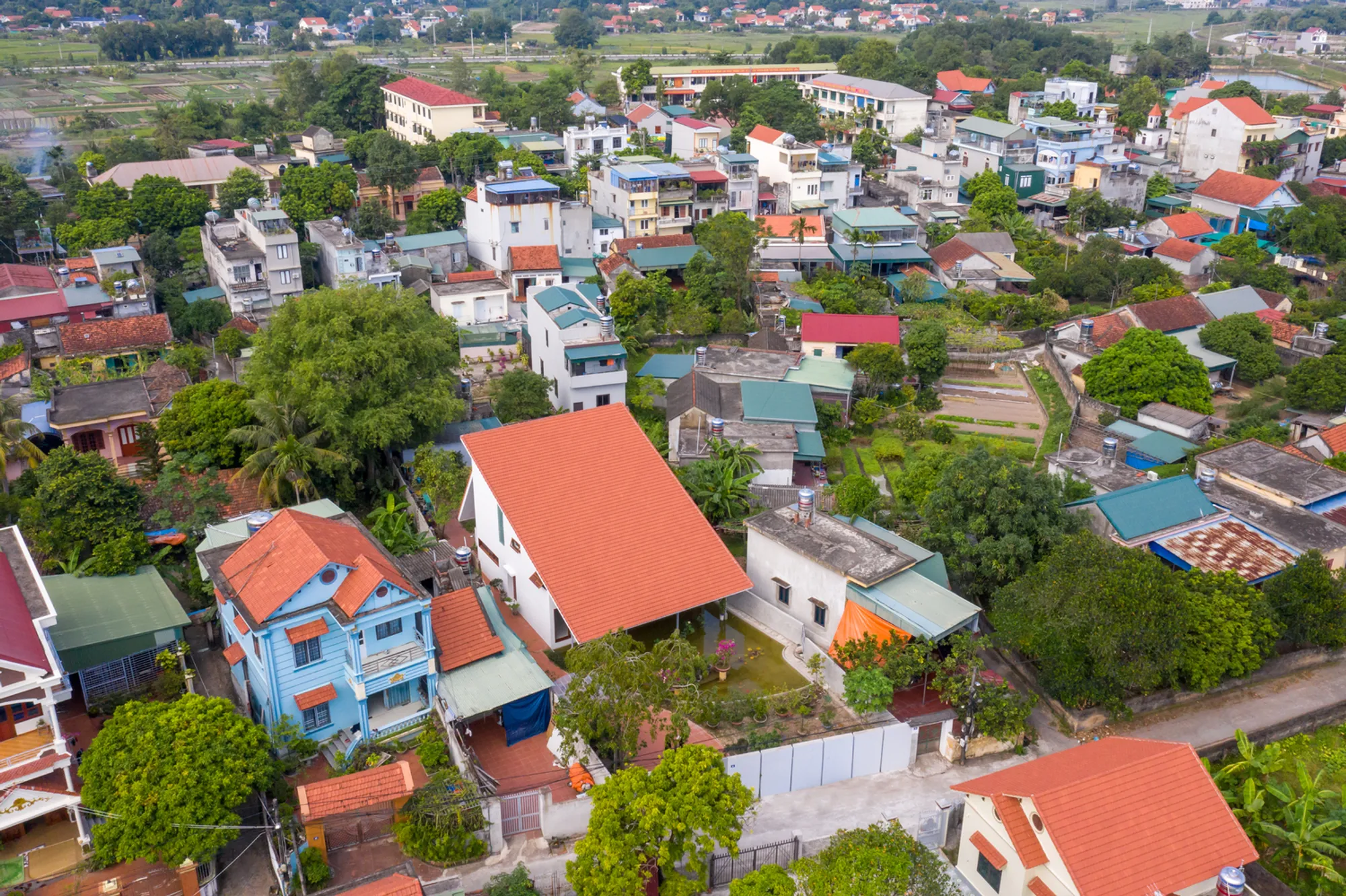
House in Quang Yen: A Sustainable Garden House Rooted in Vietnamese Heritage
A sustainable Vietnamese garden house blending heritage, flexible living, and climate-responsive design through courtyards, water elements, and spatial continuity.


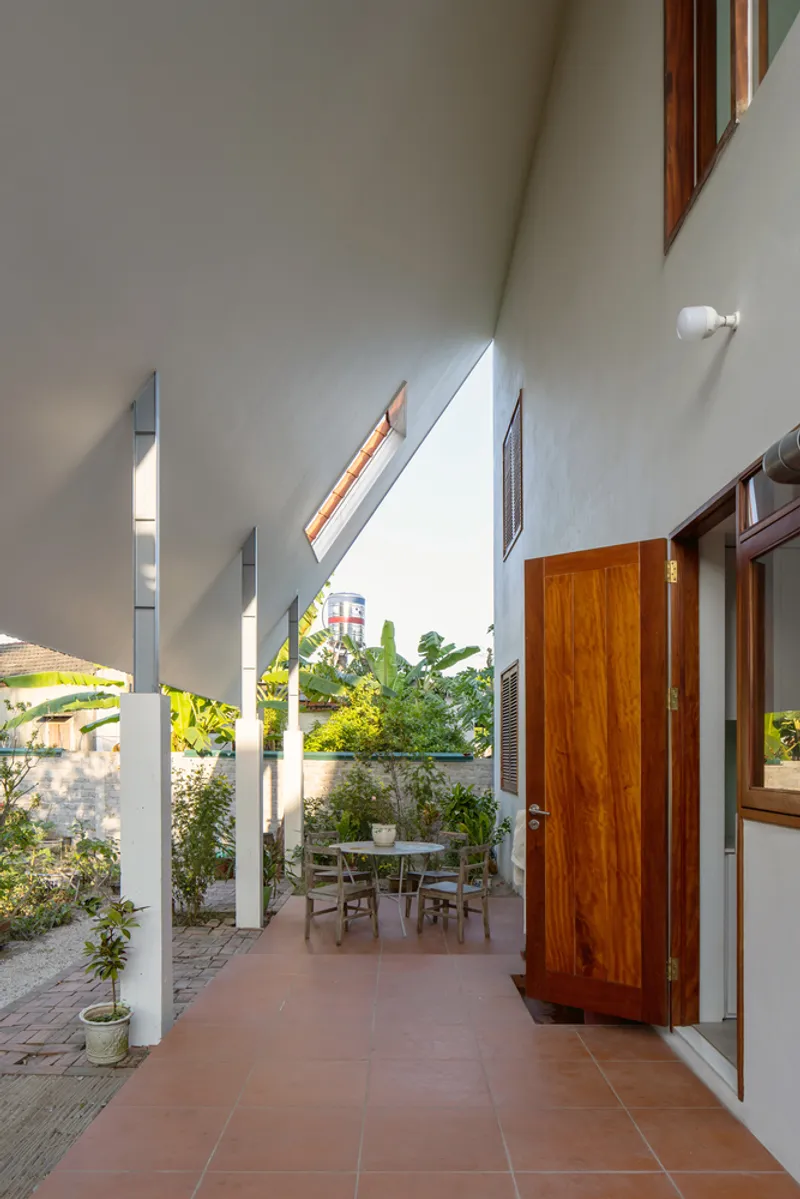
The House in Quang Yen by ngo + pasierbinski + ra.atelier is a remarkable example of sustainable residential architecture in Vietnam, where tradition, landscape, and modern living converge. Designed in 2022 with a modest footprint of 121 m², this project reflects a deep sensitivity to multi-generational living, environmental responsiveness, and cultural continuity.
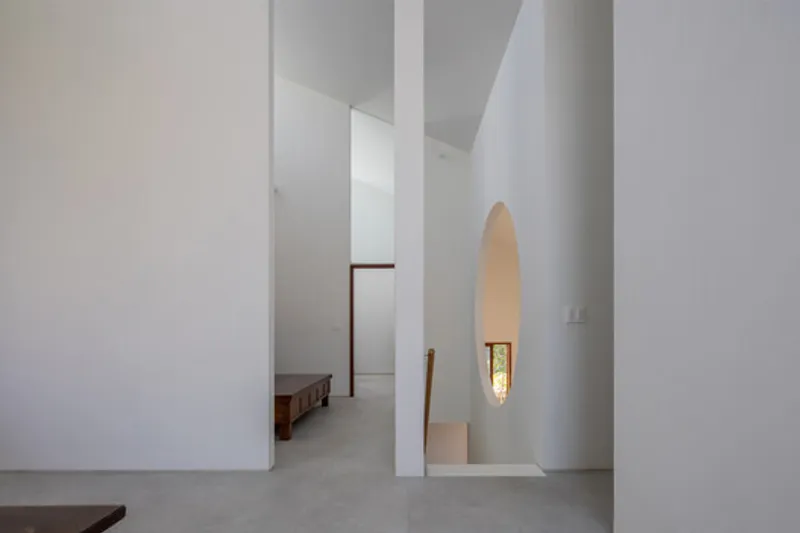
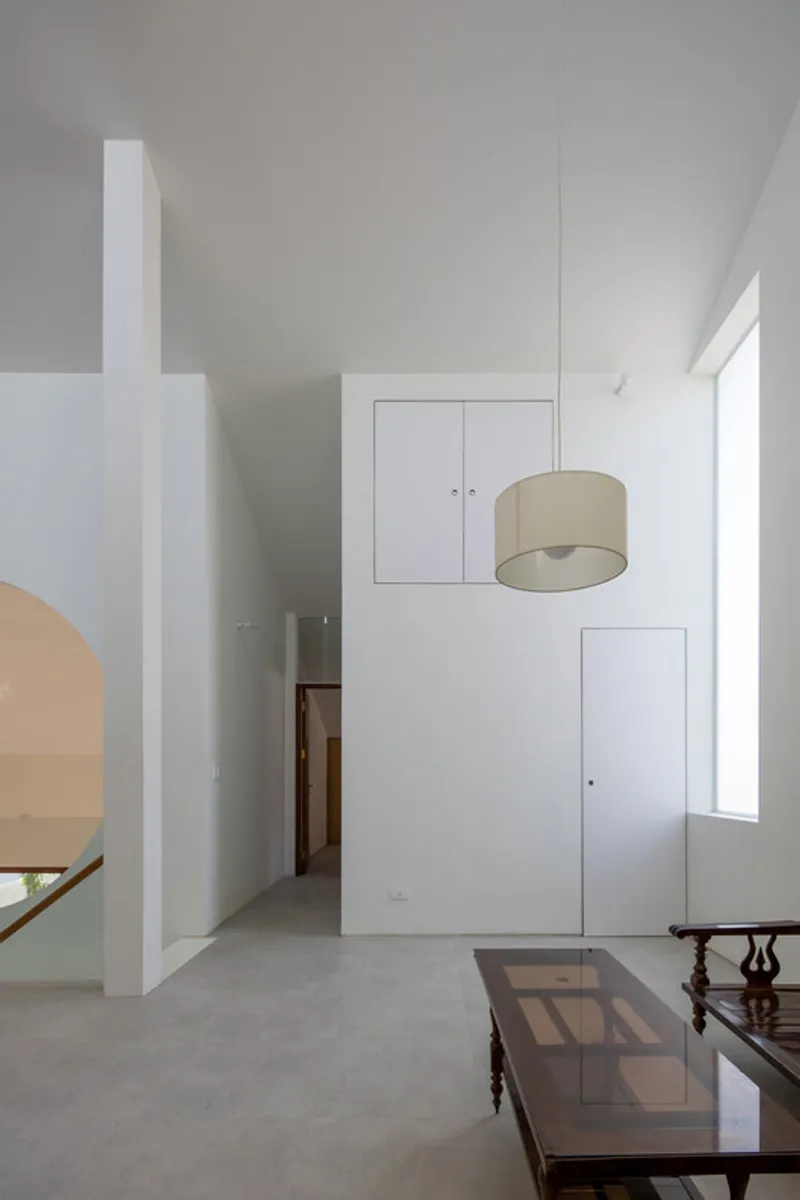
Located within an inherited garden, the house reinterprets the essence of rural Vietnamese dwellings while embracing contemporary architectural strategies. It stands as a poetic extension of both the natural landscape and family legacy, offering flexible and adaptive living spaces.
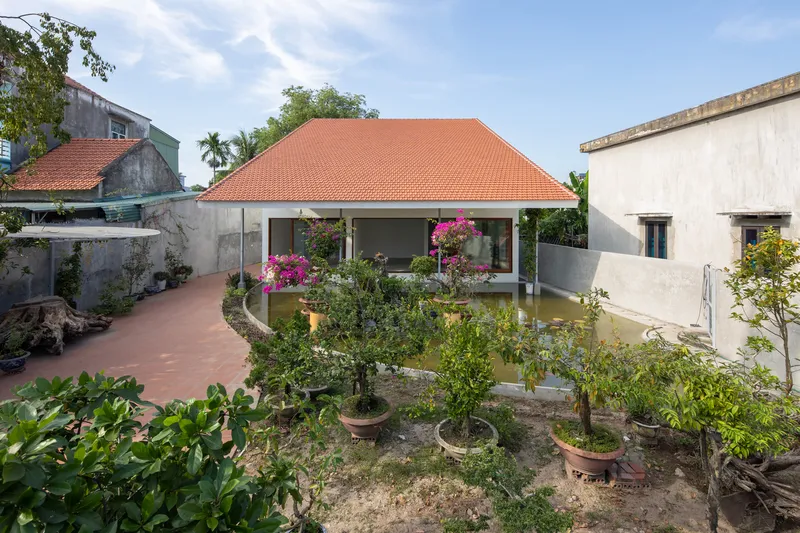
Concept: A House Rooted in Memory and Landscape
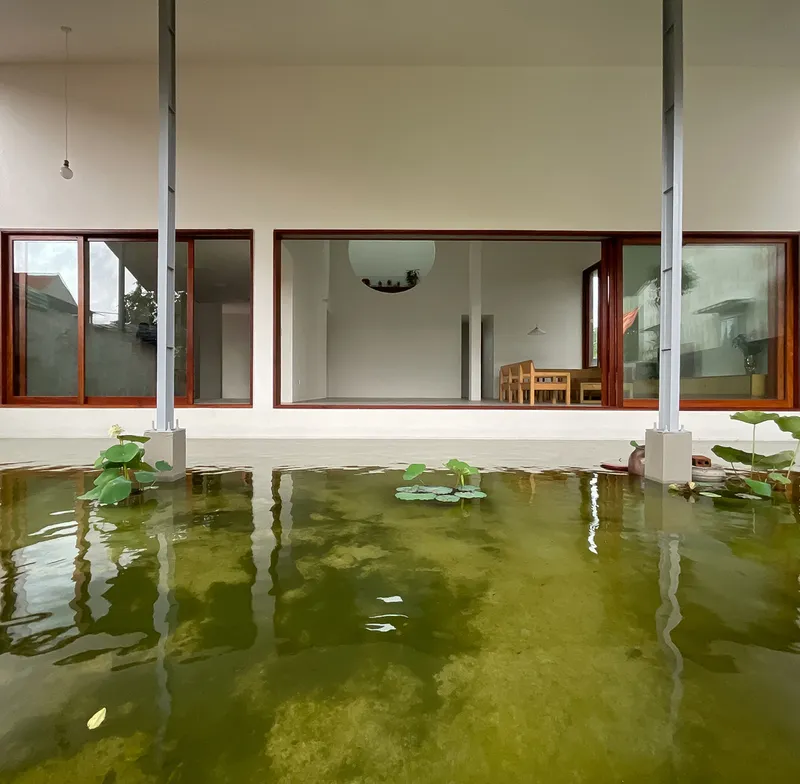
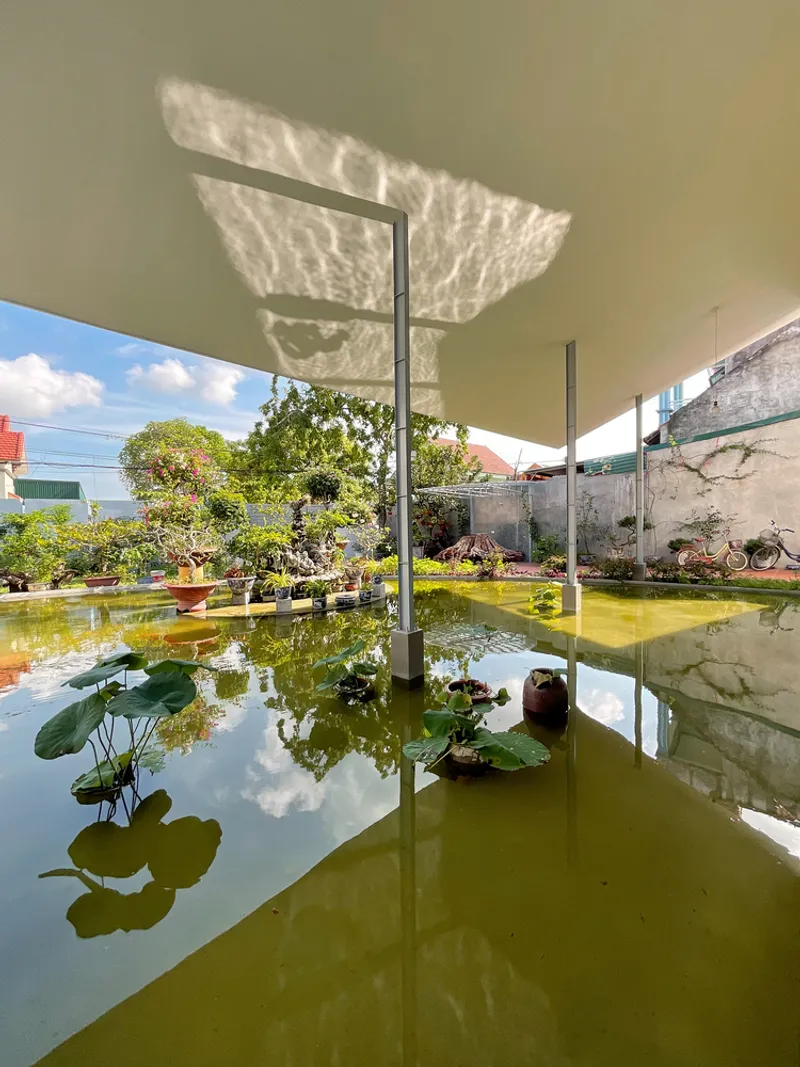
The design originates from an existing garden filled with meaningful elements: bonsai collections, a half-moon pond, flower beds, and a vegetable garden cultivated across generations. Rather than erasing this heritage, the architects transformed it into the core design driver.
Two intersecting half-moon geometries define the new landscape strategy, creating a square footprint for the house at the center. This geometric intervention blends organic forms with architectural clarity, reinforcing the connection between built and natural environments.
The result is a garden-centered house design where architecture grows from the land, preserving memory while introducing new spatial experiences.
Spatial Planning: Fluidity, Flexibility, and Family Living
The house is designed to accommodate a retired couple, their extended family, and visiting members, emphasizing flexible living spaces for multi-generational families.
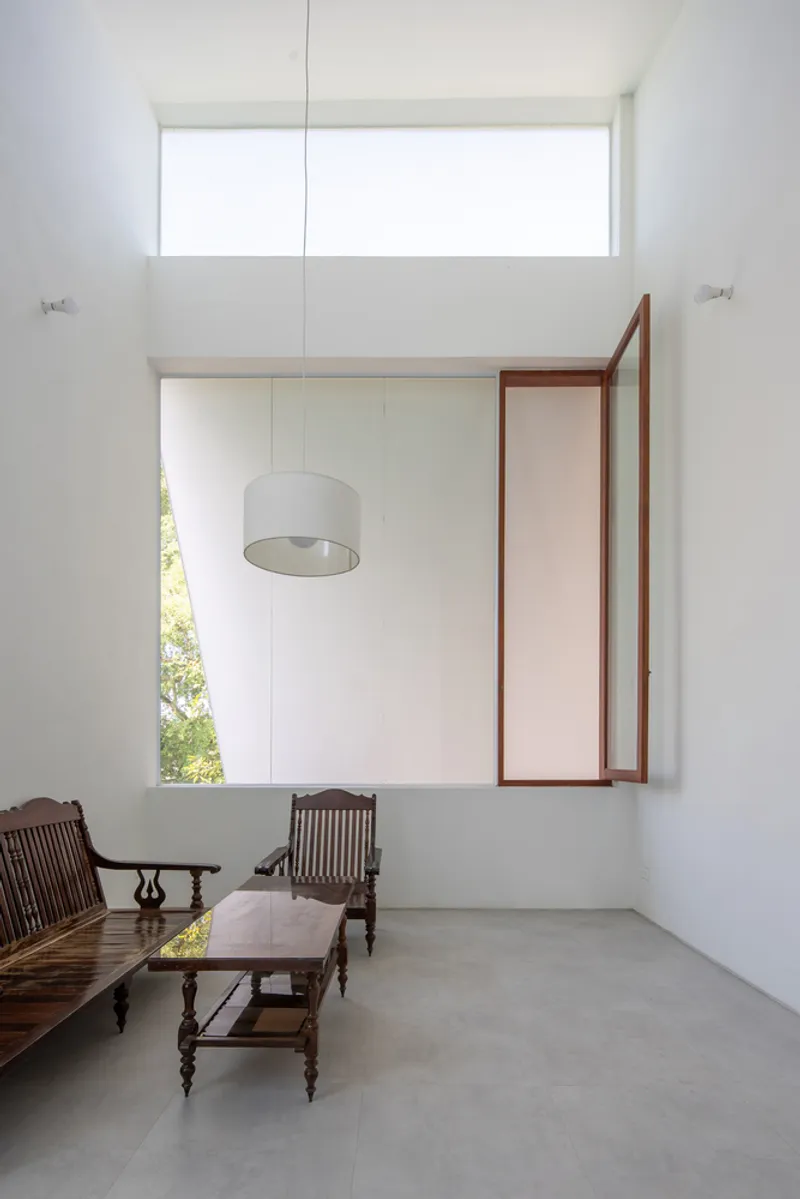
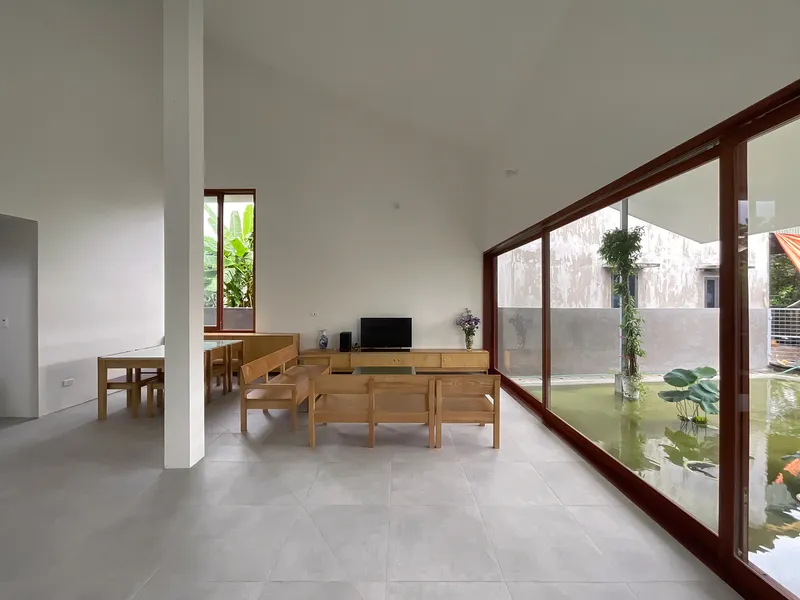
The ground floor is intentionally open-ended, allowing it to function as one large space or be divided into multiple rooms as needed. This adaptability supports evolving family dynamics and social gatherings.
On the upper floor, the layout integrates a staircase, a communal living area, and a traditional worship space. A circular opening connects both levels, creating a vertical spatial dialogue and reinforcing the sense of unity within the home.
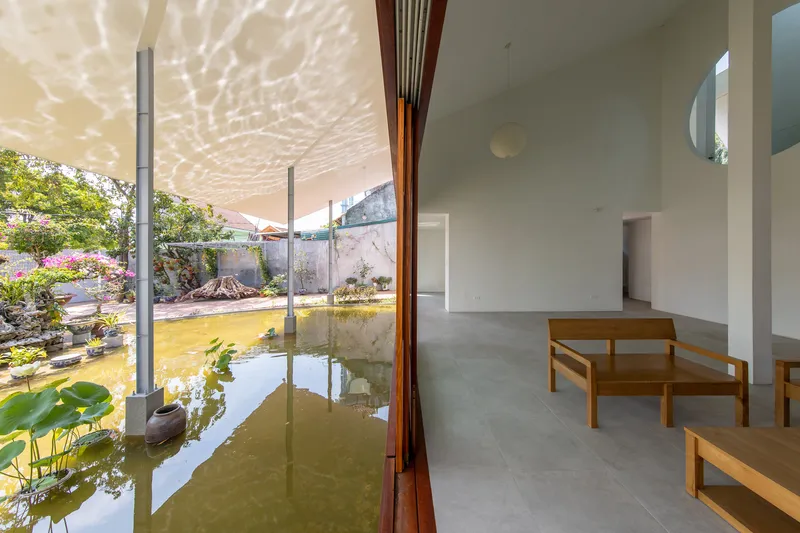
This circular void becomes the spatial heart of the house, visually and functionally linking different zones while allowing light and air to circulate freely.
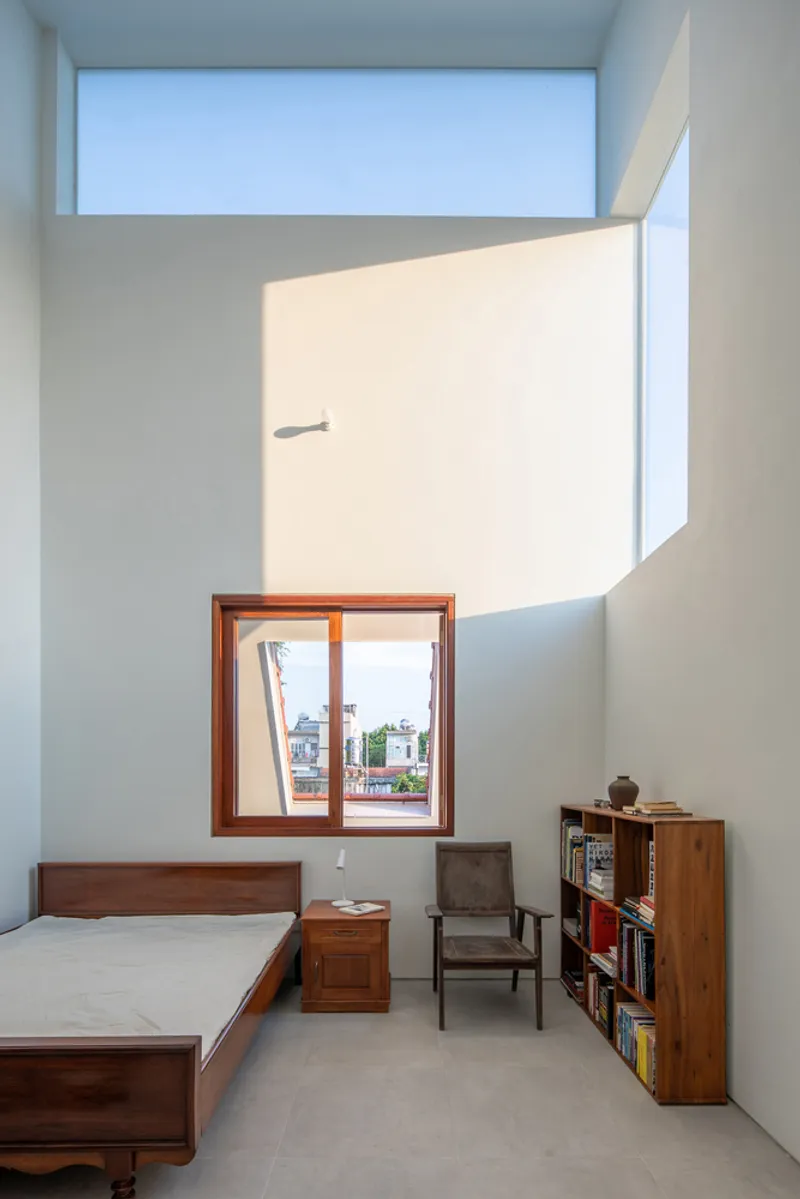
Indoor-Outdoor Integration: Blurring Boundaries
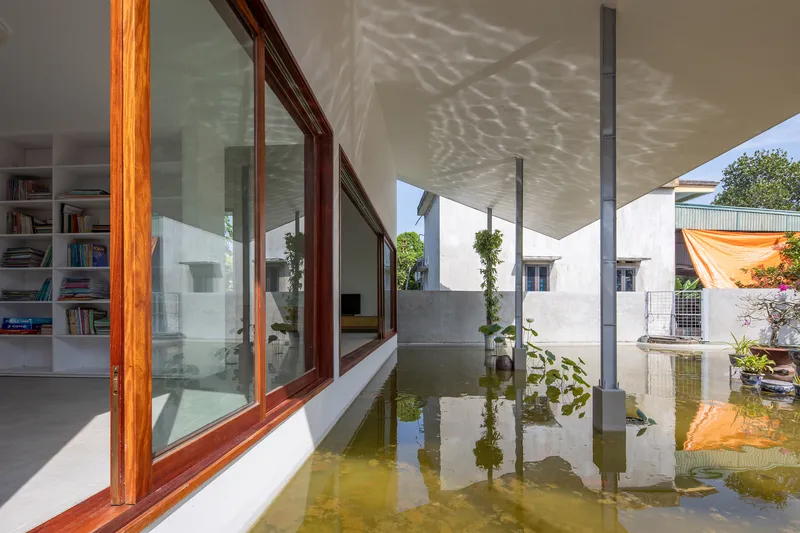
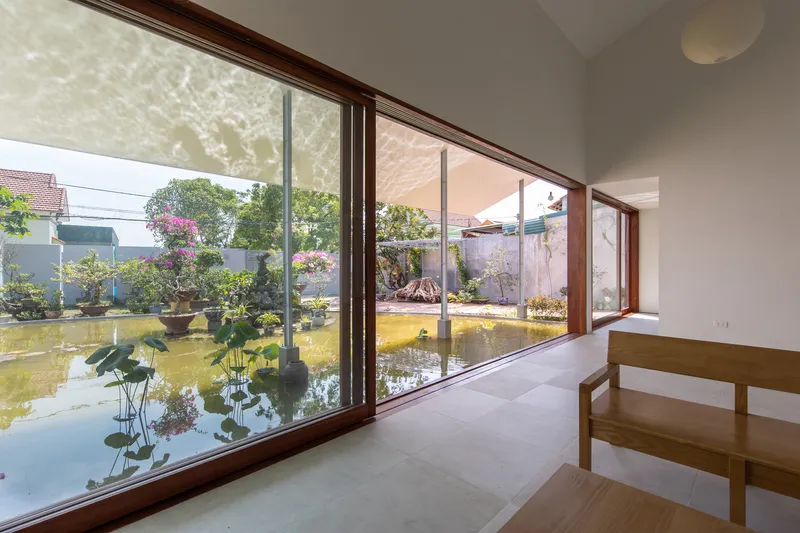
A defining feature of the House in Quang Yen is its seamless integration with the surrounding landscape. The southern half-moon curve forms a pond that acts as both a visual focal point and a passive cooling system, channeling breezes into the house.
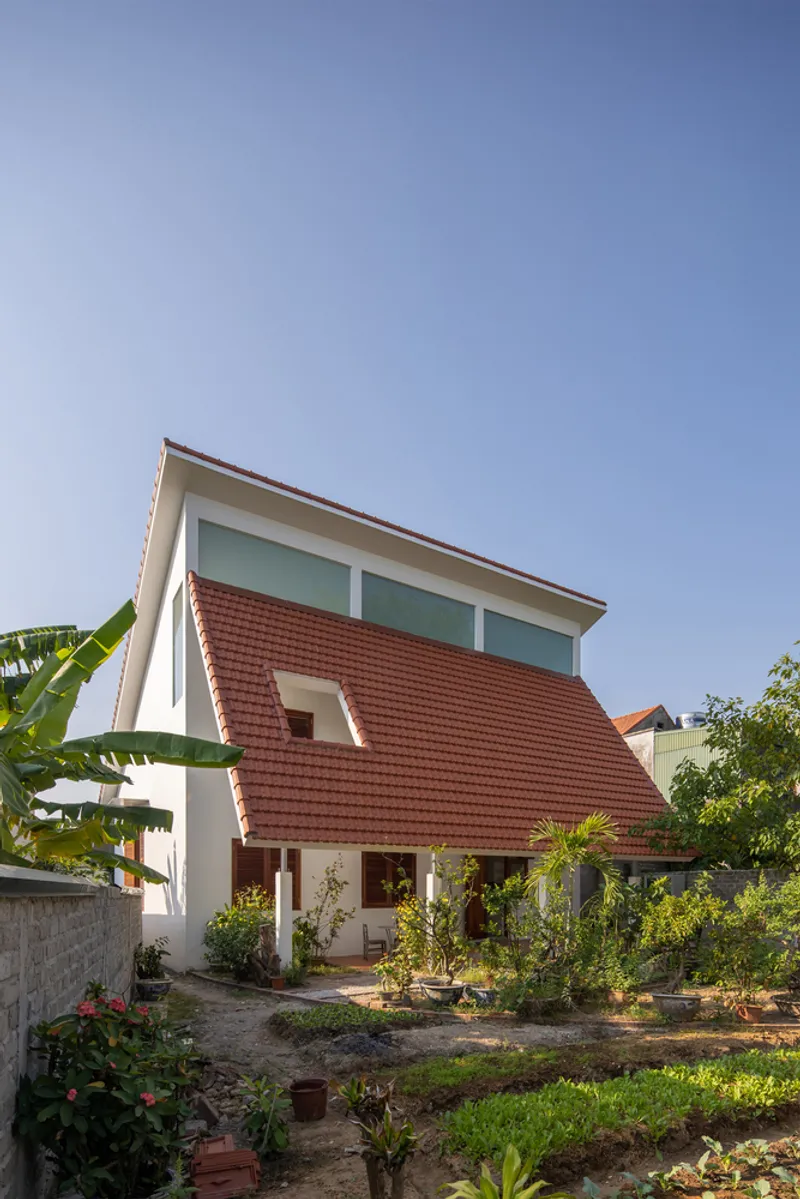
At the rear, an inner courtyard connects directly to the kitchen and vegetable garden, encouraging everyday interaction with nature. The transition between indoor and outdoor spaces is fluid, reinforcing the concept of biophilic design in residential architecture.
The house is not merely placed within a garden, it becomes an extension of it, dissolving conventional boundaries between architecture and landscape.
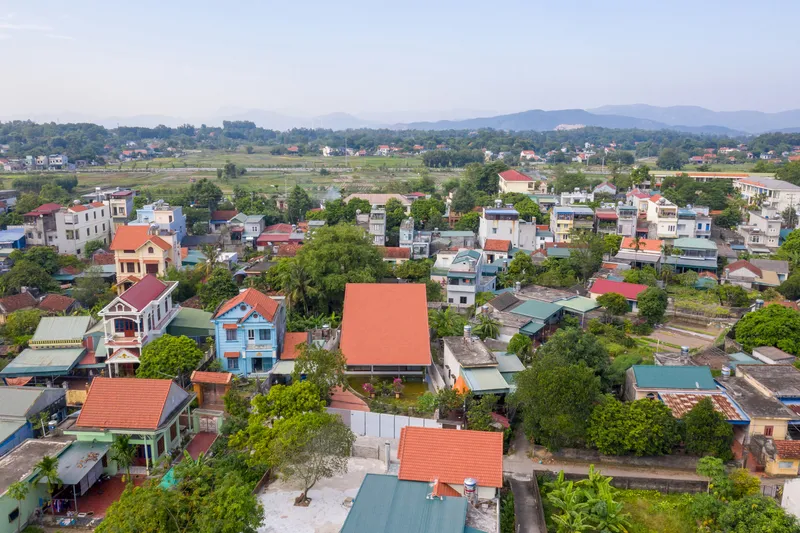
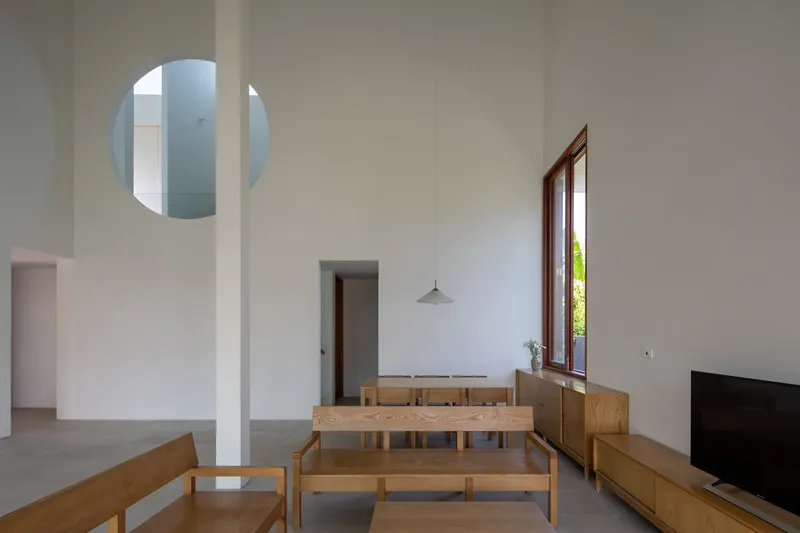
Climate-Responsive Design and Sustainability
The project demonstrates a strong commitment to passive design strategies and environmental sustainability. The large water body to the south helps regulate temperature, keeping interiors cool during summer and warmer in winter.
A layered tile roof combined with insulation enhances thermal performance, while carefully proportioned openings control daylight and ventilation. This ensures that interior spaces can shift between brightness and intimacy, offering both comfort and privacy.
The skylight positioned to the north introduces soft ambient light into the central axis, reducing reliance on artificial lighting and enhancing spatial quality.
These strategies position the house as a model for climate-responsive architecture in tropical regions.
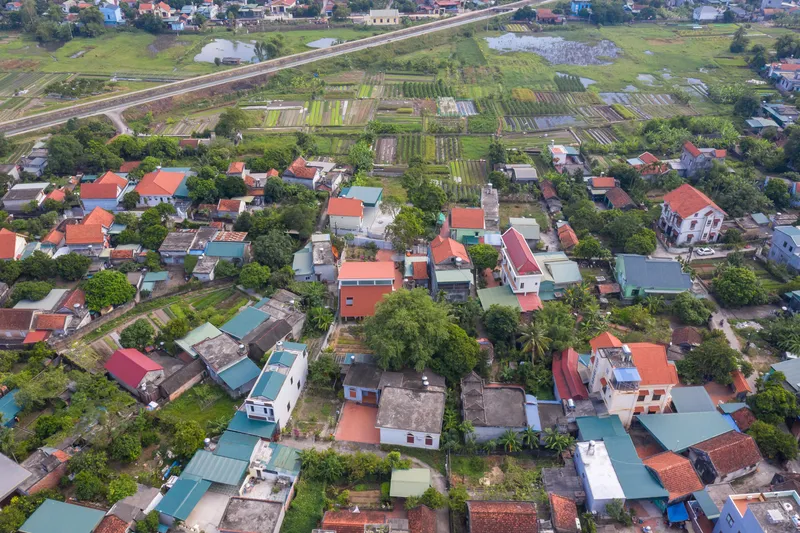
Architectural Elements: Symbolism and Material Expression
Each primary space within the house is anchored by a central column, subtly referencing the trees of the original garden. This symbolic gesture reinforces the idea of living “under the canopy,” where architecture mimics the natural environment.
The use of simple materials, combined with thoughtful detailing, creates a calm and grounded atmosphere. The interplay of light, shadow, and structure enhances the spatial experience while maintaining a strong connection to the outdoors.
The circular opening, central axis, and L-shaped arrangement of private spaces contribute to a balanced composition that merges functionality with poetic expression.
A Contemporary Interpretation of Vietnamese Garden Living
The House in Quang Yen is more than a residential project: it is a narrative of continuity, adaptation, and coexistence with nature. By preserving the spirit of the original garden and integrating sustainable design principles, the architects have created a home that is both timeless and forward-thinking.
This project exemplifies how modern Vietnamese architecture can embrace cultural heritage, environmental sensitivity, and spatial innovation to create meaningful living environments.
All photographs are works of
Hoang Le, Duc Ngo



Popular Articles
Popular articles from the community


The Earth Pod: 3D Printed Homes for Resilient Refugee Communities
The Earth Pod reimagines refugee housing through 3D printed homes made from clay, combining resilience, self-sufficiency, and rapid shelter.

Hill & Cross Opera: Sculptural Opera House Architecture Shaped by Tallinn’s Landscape and Identity
Hill & Cross Opera reimagines opera house architecture in Tallinn through its sculptural hill, civic plaza, glass wave and a luminous cross.

The Musturak Paradise: Senior Living Architecture for a Connected Future in Temara, Morocco
The Musturak Paradise reimagines senior living architecture in Temara via private homes, social spaces, culture, community, and shared care.

Play: Fragments of Their World
Familiar architecture becomes modular playground design, creating safe spaces where displaced children can learn, connect, imagine and play.

Similar Reads
You might also enjoy these articles

FAMM Arquitectura Organizes Ten Villas Around Courtyards and Jungle in Nosara, Costa Rica
El Molino pairs two elongated volumes with deep overhangs and timber louvers to build a compact coastal community five minutes from the beach.
Oscar Niemeyer's Ibirapuera Park Pavilions Define São Paulo's Cultural Identity in Concrete and Curve
A constellation of modernist volumes set within São Paulo's most important urban park, conceived for the city's 400th anniversary in 1954.
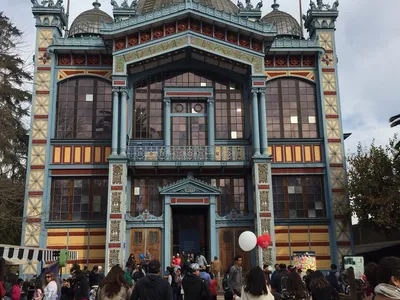
How Henri Picq's 1889 Paris Pavilion Traveled 11,000 Kilometers to Become Santiago's Artequín Museum
A prefabricated iron and glass pavilion built for the Paris Universal Exposition found a second life as a children's art museum in Chile.
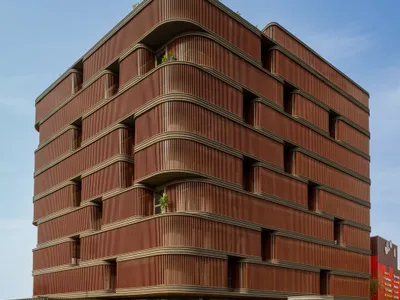
Sanjay Puri Architects Wraps a Jaipur Office Tower in Capsule-Shaped Green Buffers
A nine-level climate-responsive workplace near Jaipur Airport uses stacked planter terraces and aluminium screens to fight 40°C heat.


Explore Architecture Competitions
Discover active competitions in this discipline



Challenge to reimagine the Iron Throne


Photograph architecture without architects


Illustrate the lost glory of Angkor Wat - Render Challenge


Design challenge to reuse E-waste
Comments (0)
Please login or sign up to add comments
No comments yet. Be the first to comment!