
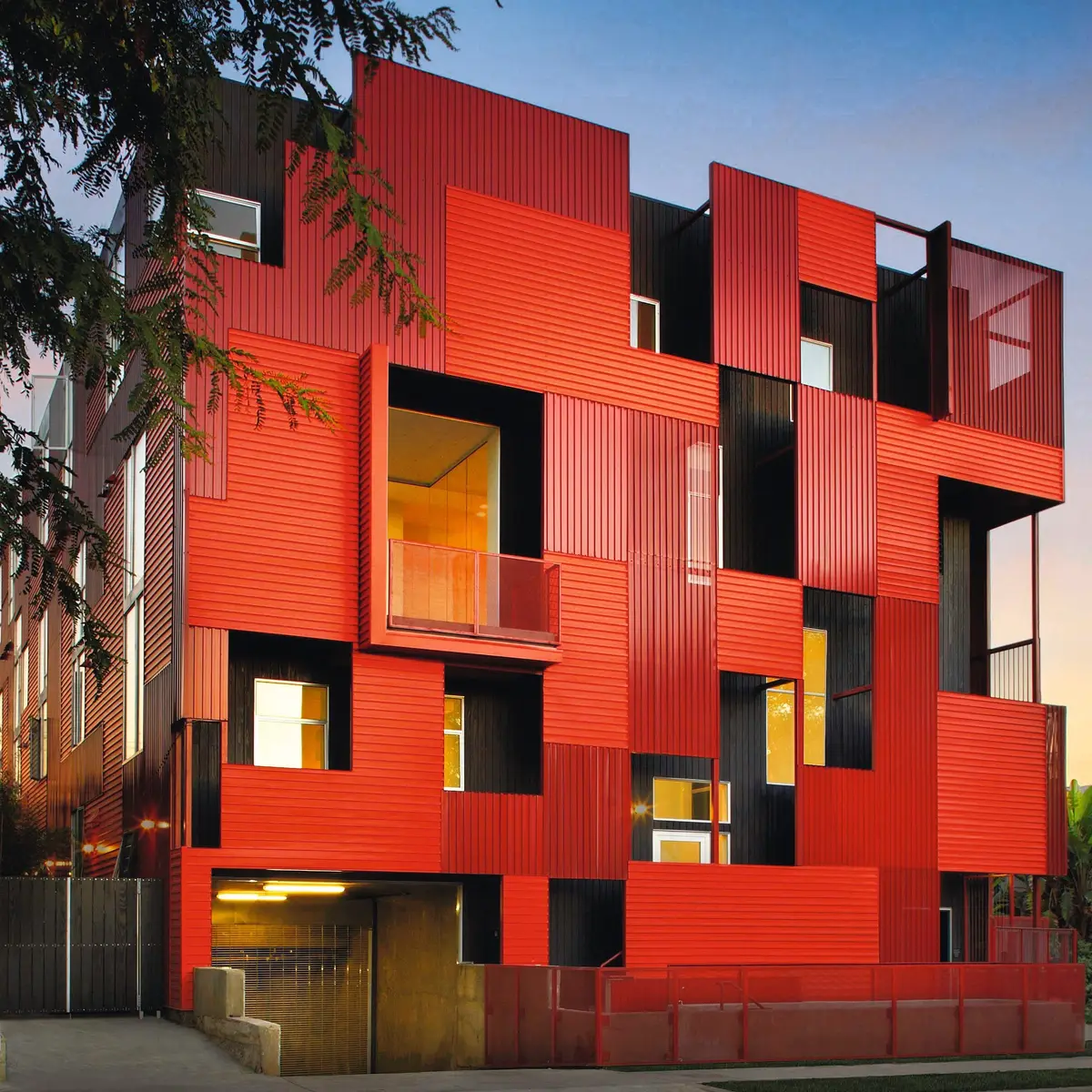
Housing Problems & Objectives
From analyzing the survey data & settlement patterns, the research findings can be sorted into defining specific problems and design objectives.

Problems:
Frequent Need for Expansion: The Harijan people live in extended families. Sometimes
there are three generations living in a small room using partitions. Scenarios like this, which
create inconvenience and lack of privacy, make social structure crumble. But most of the
time another family lives next to them, using a shared wall, and so there's no space to make
room for another living unit even though it's a much-needed necessity.
Limited Access to Amenities: Unlike normal people, the Harijans face stigma due to
their profession as well as the fact that their mere existence in society is stigmatized. They
don't have any land rights or access to amenities. They can't buy necessities from the local
stores due to social exclusion. So, the land government is providing to them in this thesis
is crucial to them.
Lack of Breathing Space: Most of the clusters lack breathing spaces at the household
and neighborhood scale. There is little to no green space for vegetation.
Linear Connections: The clusters are mostly connected in a linear connection by a
veranda. This leaves no space to support day-to-day activities.
Residential Segregation: Residents of the surrounding community do not interact with
the Harijan people. The Harijans are not allowed in their community. They are excluded
from every social or cultural event. The narrow alleys and dense clusters make the outlook
of the community more stagnant.
Lack of Ventilation: There's no scope for ventilation as clusters are developed in an
unplanned manner, one behind another, sharing walls and leaving no scope for ventilation.
The rooms often have no access to sunlight and are stagnant and narrow.
Objectives:
Community Sensitive Planning: The community lacks planned infrastructure
development according to the people's needs and requirements. The design approach has
to respect their settlement pattern and come up with a community-sensitive design
approach.
Participatory Design: The community should be able to adapt and personalize the design
solution as their own. It has to be a cost-effective solution.
Communal integration: The community planning should promote communal
integration and social cohesion to reduce social exclusion of the Harijans.
Adaptability: The design has to have a flexible solution to their frequent need for
expansion. The approach should be sustainable and adapt with time and must ensure cross
ventilation for built forms.


Popular Articles
Popular articles from the community


The Ocean Hive: Sustainable Architecture for a Self-Sufficient Civilization at Sea
The Ocean Hive imagines sustainable architecture at sea, where modular habitats, algae, wave power and ocean waste sustain a growing colony.

The Musturak Paradise: Senior Living Architecture for a Connected Future in Temara, Morocco
The Musturak Paradise reimagines senior living architecture in Temara via private homes, social spaces, culture, community, and shared care.

Lunar Spiral: Space Architecture Shaped by the Mathematics of the Universe
Lunar Spiral reimagines space architecture through Fibonacci geometry, lunar regolith, levitating habitats, and self-sustaining Moon living.

Hill & Cross Opera: Sculptural Opera House Architecture Shaped by Tallinn’s Landscape and Identity
Hill & Cross Opera reimagines opera house architecture in Tallinn through its sculptural hill, civic plaza, glass wave and a luminous cross.

Similar Reads
You might also enjoy these articles
Sustainable Architecture Design: Embracing Nature and Modernity at Villa Solsidan
The article explores Villa Solsidan by AndrénFogelström, showcasing its sustainable architecture design and integration with the natural surroundings in Saltsjöbaden, Sweden.

Maya Harvest: A Cacao Resort Village Rooted in Mayan Tradition and Local Craft
Situated within a Tabasco cacao plantation, this shortlisted resort proposal merges vernacular materials with hands-on cultural immersion.
Harmonia: A River-Shaped Community That Grows Over Decades in Boa Vista
Curved pathways and modular grid structures along the Branco River create a phased settlement designed to evolve from 2030 to 2050.
The Architecture of Bathing: A Mughal Hammam Reimagined Across the Yamuna
Charlotte May's honorable mention entry for The Black Taj reinterprets Agra's bathing rituals through red sandstone, water, and framed views of the Taj Mah

Explore Housing Competitions
Discover active competitions in this discipline


Challenge to reimagine the Iron Throne

Photograph architecture without architects

Illustrate the lost glory of Angkor Wat - Render Challenge

Design challenge to reuse E-waste
Comments (0)
Please login or sign up to add comments
No comments yet. Be the first to comment!