

Îlot Saint-Germain: Transforming Historic Parisian Offices into Vibrant Social Housing
Îlot Saint-Germain transforms historic Parisian offices into 254 bright, flexible social housing units, with gardens, terraces, and restored architectural heritage.


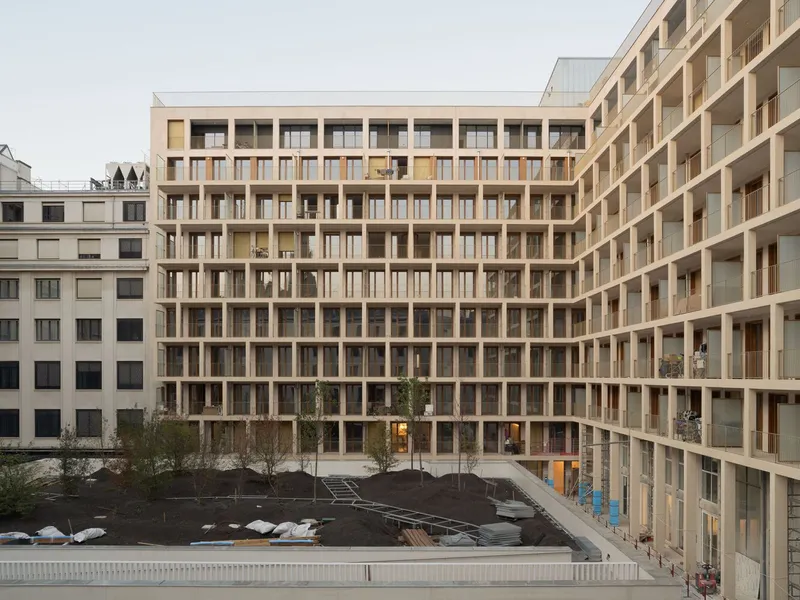
Located in the heart of Paris’ prestigious 7th arrondissement, the Îlot Saint-Germain building is a striking example of contemporary urban renovation. Designed collaboratively by François Brugel Architectes Associés, h2o architectes, Antoine Regnault Architecture, and Elise et Martin Hennebicque Paysagistes, this project has successfully transformed former offices of the Ministry of the Armed Forces into a multifunctional mixed-use complex. Completed in 2023, the building now houses 254 high-quality social housing units, a childcare center, a gymnasium, and a thoughtfully landscaped garden.
Adaptive Reuse of Historic Structures
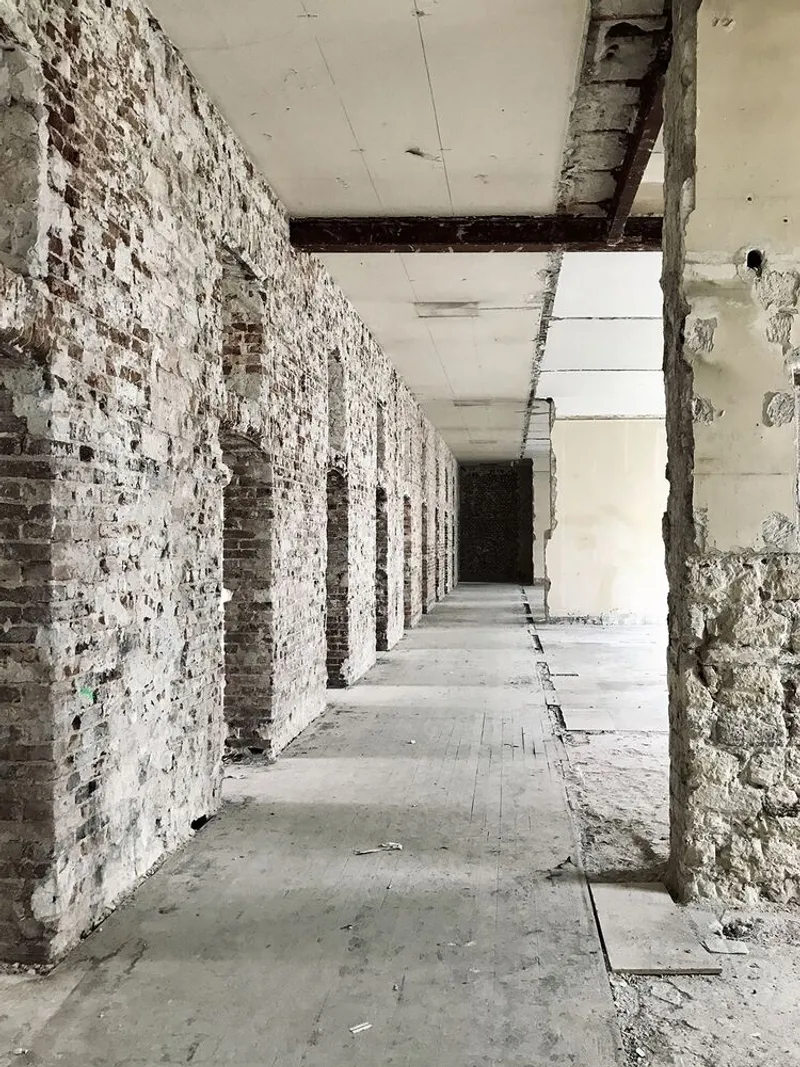
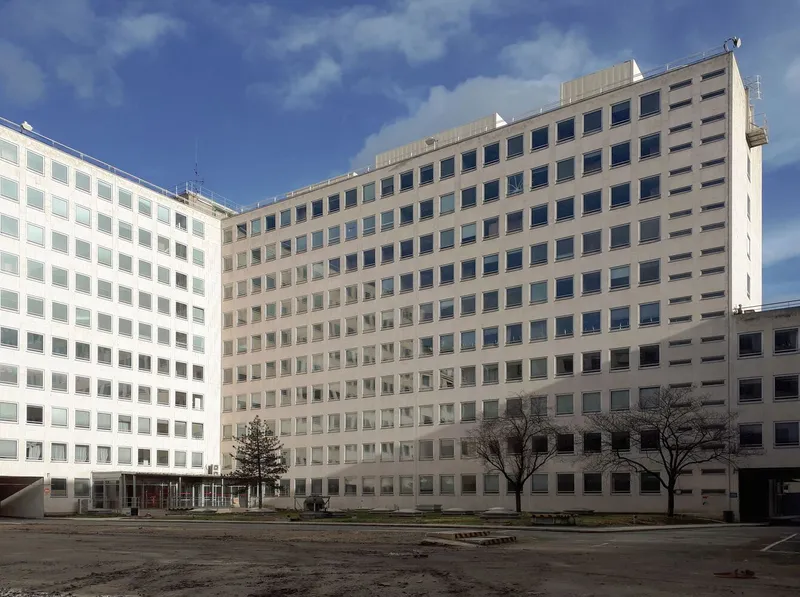
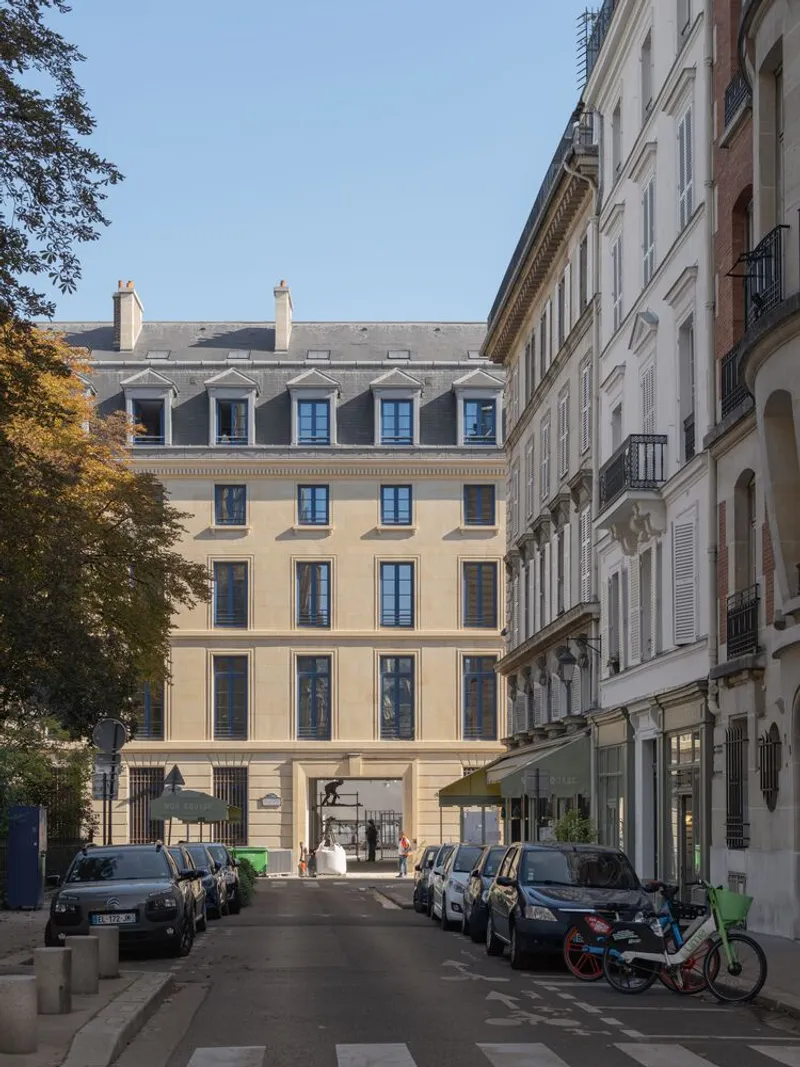
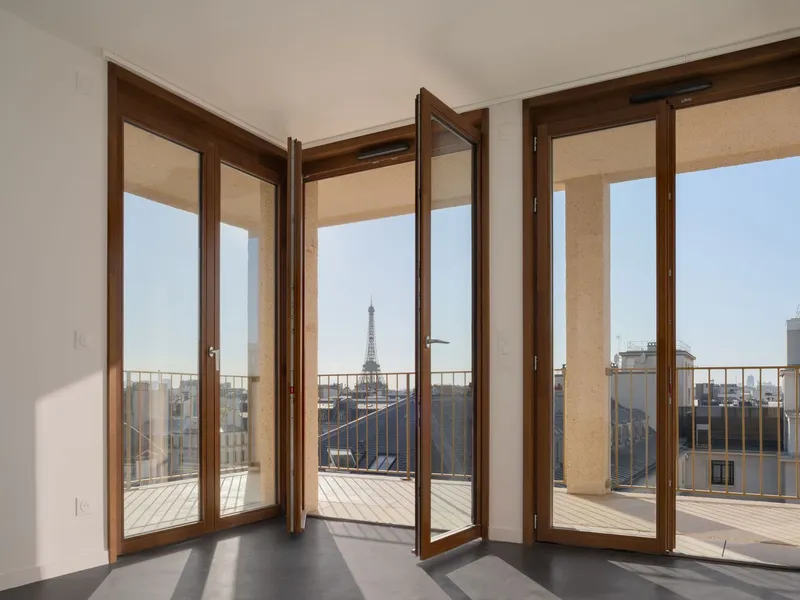
The site combines two contrasting structures: an 18th-century Parisian building facing the street (n° 10 and 100) and a 1960s office block at the heart of the plot (n° 200). The adaptive reuse approach respects both historic preservation and modern functionality. Decorative elements and interior proportions of the historic buildings were carefully restored, enhancing architectural quality and creating bright, flexible, and comfortable apartments. Even traditionally less-desirable areas, such as attics and first floors, were upgraded to provide improved living conditions.
Innovative Transformation of the 1960s Office Block
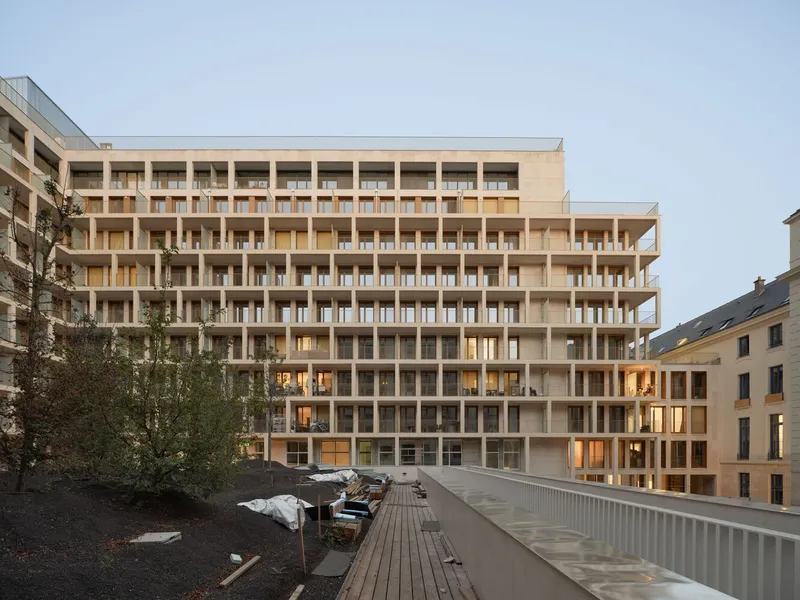
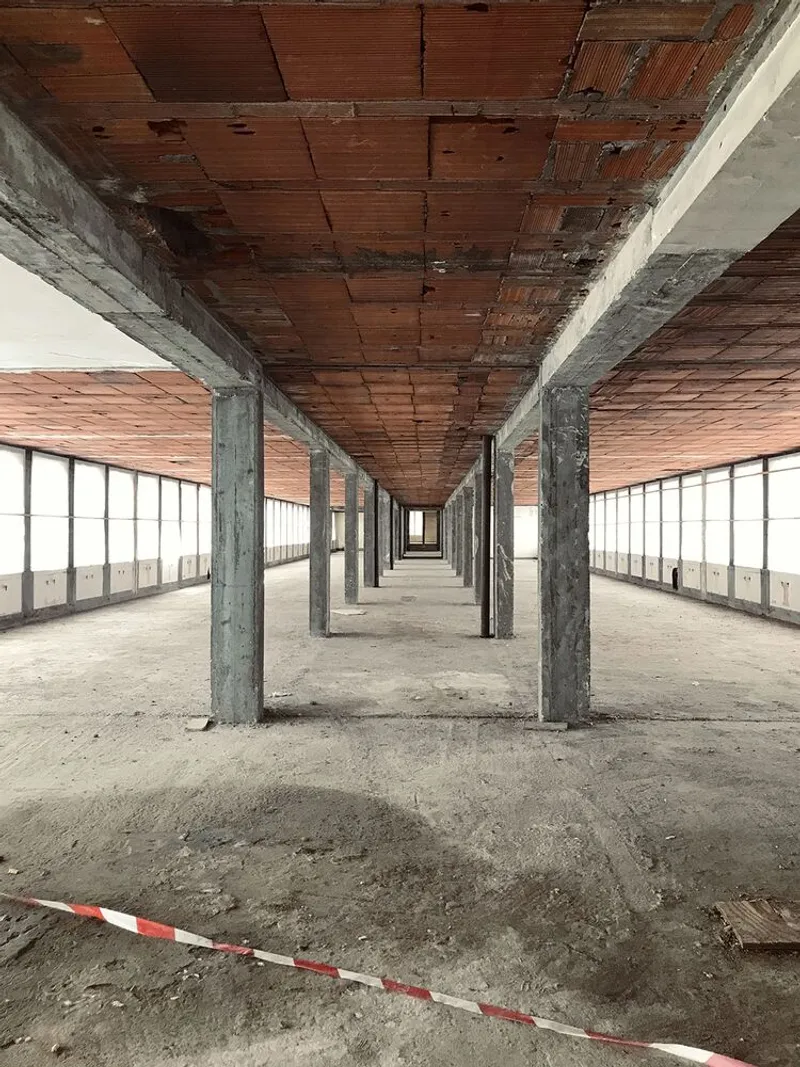
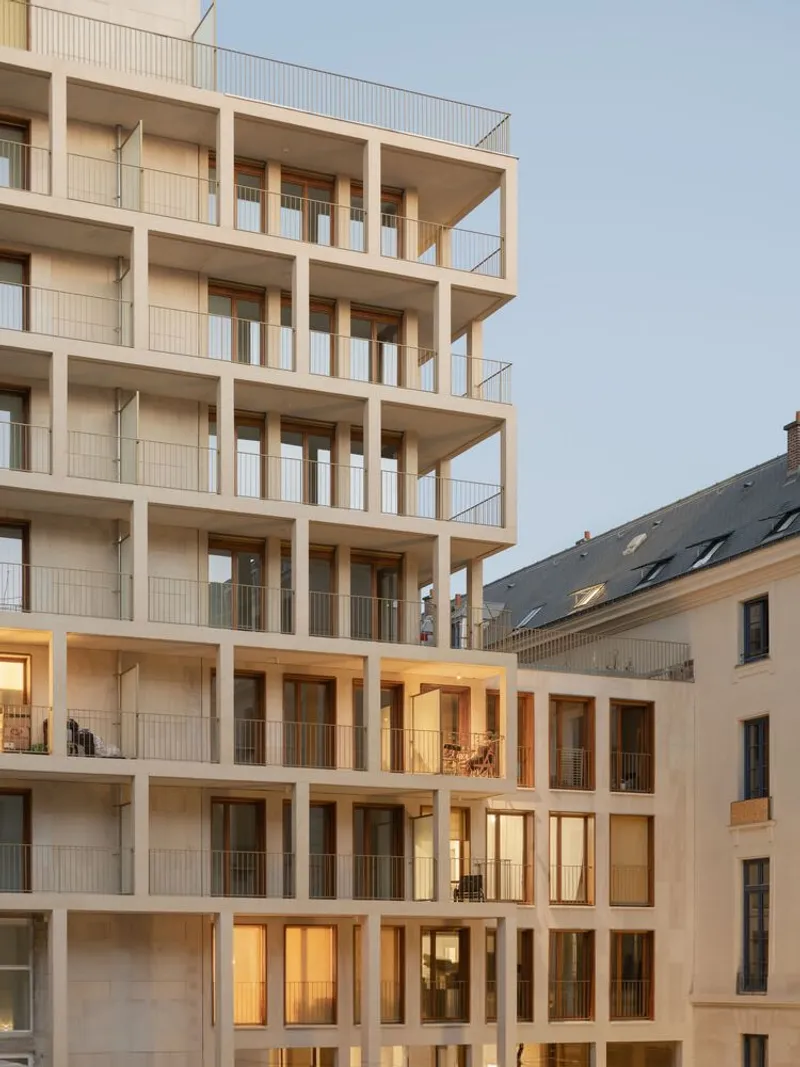
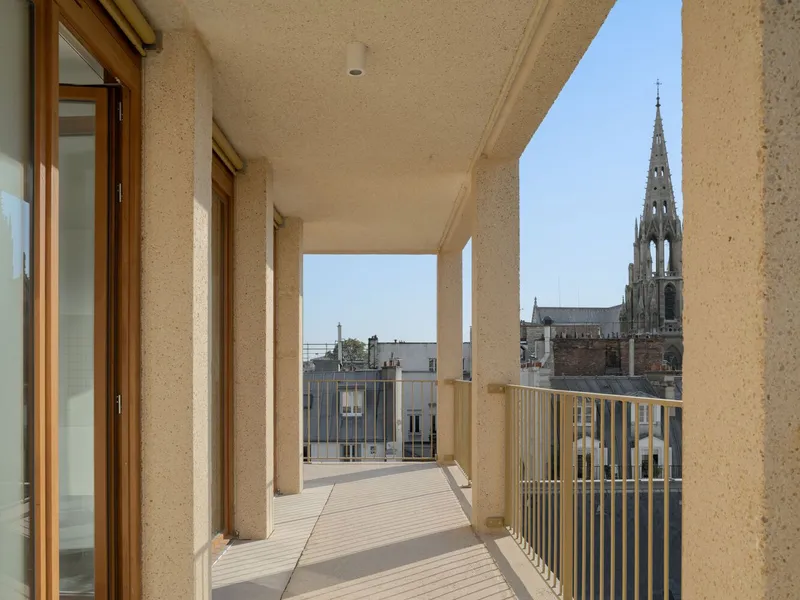
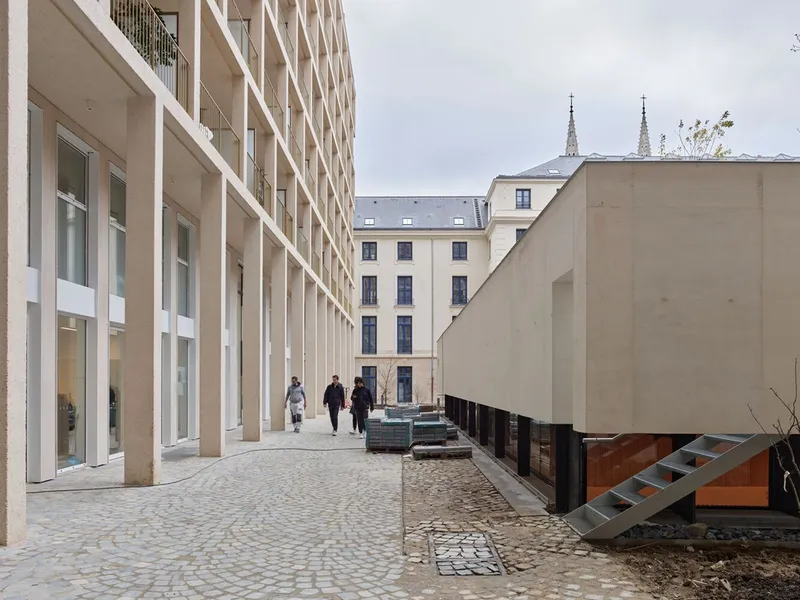
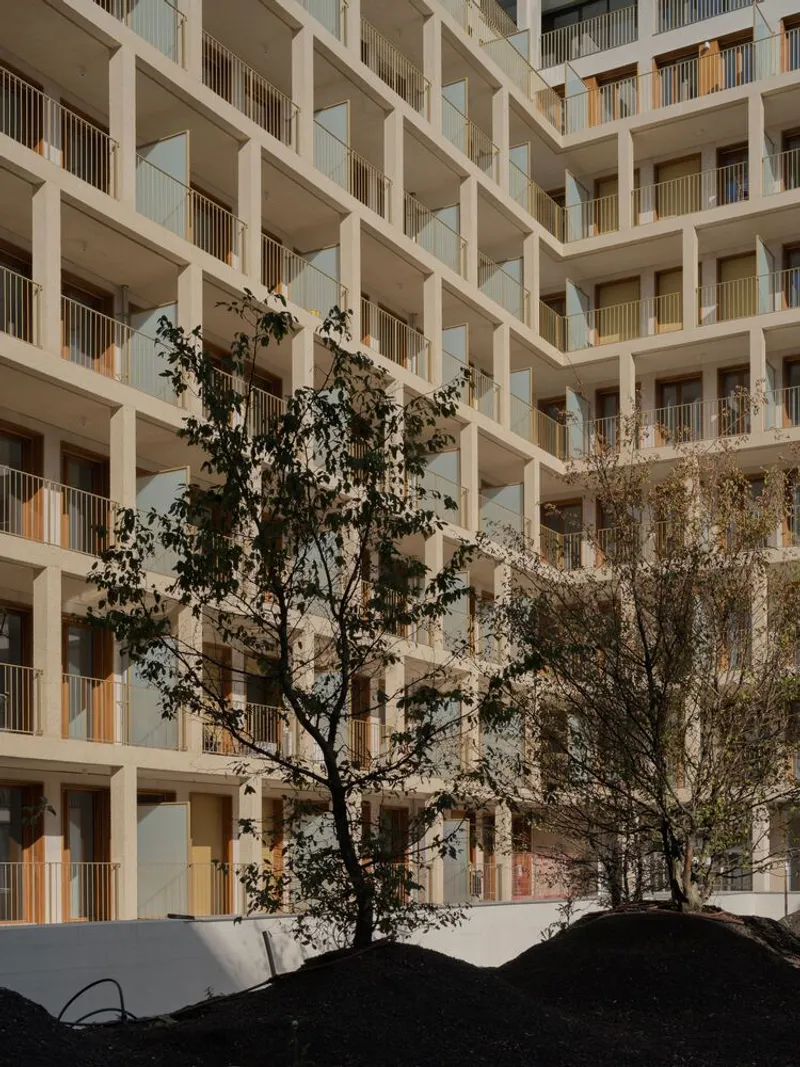
The 1960 office building presented a unique challenge. Through the addition of a concrete double-skin façade on the south and west sides, the architects redefined the office spaces into high-quality residential units with exterior balconies, loggias, and terraces. This strategy transformed the former workplace into an inviting housing block with outdoor rooms, bridging the private interiors with the landscaped environment and enhancing residents’ daily experience.
Sustainable and Durable Design
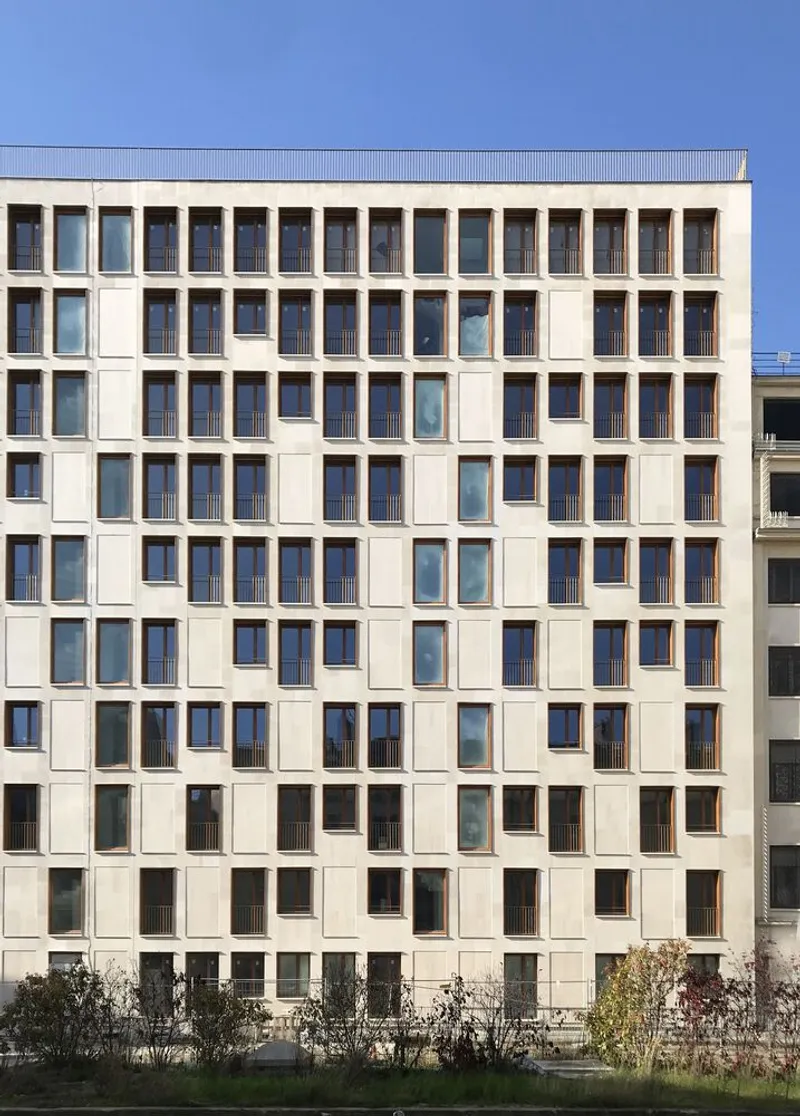
Preserving the existing structures was a core priority. In the historic buildings, loadbearing stone masonry façades were repaired, and wooden floors reinforced, ensuring durability and authenticity. The post-beam concrete structure of Building 200 was maintained, while joist-hollow block floors were renovated for contemporary standards. Stone façades were carefully cleaned, consolidated, or replaced where necessary, maintaining the materiality, color, and historic character of the complex.
Cohabitation and Urban Integration
One of the main design challenges was ensuring balanced cohabitation between the new residential units (13,015 m²) and the surrounding urban context. By integrating green spaces, terraces, and functional public amenities, the project promotes social interaction while maintaining privacy and comfort. This careful attention to context exemplifies Parisian urban renewal at its finest.
A Model for Modern Social Housing
The Îlot Saint-Germain project illustrates how historic preservation, adaptive reuse, and urban social housing can coexist harmoniously. By blending technical innovation with thoughtful architectural design, the project offers contemporary Parisian residents bright, flexible, and efficient living spaces, enriching the urban fabric of the 7th arrondissement.
All photographs are works of
Jared Chulski, Stéphane Chalmeau, FBAA


Popular Articles
Popular articles from the community


Jaramillo Van Sluys Arquitectura and Urbanismo Turn a Demolished Registry Lot in Quito into an Orchard Plaza
In Quito's Centro Histórico, a 2,800 m² plaza exposes the San Agustín convent wall and redraws its lost Augustinian orchard in volcanic stone.

David Ortega Stacks a Two-Story Mexico City Penthouse Around a Steel Stair and a Pergola-Shaded Roof Terrace
In Colonia Roma, a 300 m² penthouse uses oak joinery, a planted steel stair and a slatted roof pergola to make a new-build apartment feel like a house.

David Macias Steps a Doorless Stone and Plaster House Down a Tropical Colombian Hillside
In the humid hills of Colombia, Threshold House replaces the front door with an open void and terraces its 850 m² down the slope instead of fighting it.

longwave studio Reorganizes a 112 m² Tainan Apartment Around the Daily Routines of a Family and Two Cats
In Tainan, Taiwan, birch plywood, rust-red furniture and a freestanding plaster wall link arrival, storage, work and family life in one apartment.

Similar Reads
You might also enjoy these articles

Gil Mello Arquitetura Tilts a Single Roof Toward the Waterfalls on a Plateau Above Aiuruoca, Brazil
In Aiuruoca, Minas Gerais, a 200 m² house of local labor and reclaimed poles pairs a low valley veranda with a tall mountain one.

U.GA Architects Wraps an Oval Rooftop Pool in Curved Board-Formed Concrete on Busan's Jeollidan-gil
In Busan's Jeonpo-dong, a 454 m² mixed-use block stacks a neighborhood facility, guest rooms and an oval rooftop pool inside spiraling concrete walls.

Felipe Hess Arquitetos Turns a Blind Stone Wall to the Street and Opens a Brazilian House onto a Courtyard and Canal
A canal-front house in Brazil hides behind painted stone and planting, then opens to an olive-tree courtyard, a reed-ceilinged porch and a curving pool.
David Macias Steps a Doorless Stone and Plaster House Down a Tropical Colombian Hillside
In the humid hills of Colombia, Threshold House replaces the front door with an open void and terraces its 850 m² down the slope instead of fighting it.

Explore Residential Building Competitions
Discover active competitions in this discipline

Challenge to design mud housing for contemporary communities

Challenge to reimagine the Iron Throne

Photograph architecture without architects

Illustrate the lost glory of Angkor Wat - Render Challenge
Comments (0)
Please login or sign up to add comments
No comments yet. Be the first to comment!