Inclusive Wood Architecture in Villejuif: Lozaits-Seguin ESAT by DREAM
Timber-clad ESAT in Villejuif creates luminous, flexible workshops prioritizing wellbeing, acoustics, inclusion, and community within a renewed urban landscape.


Architects: DREAM
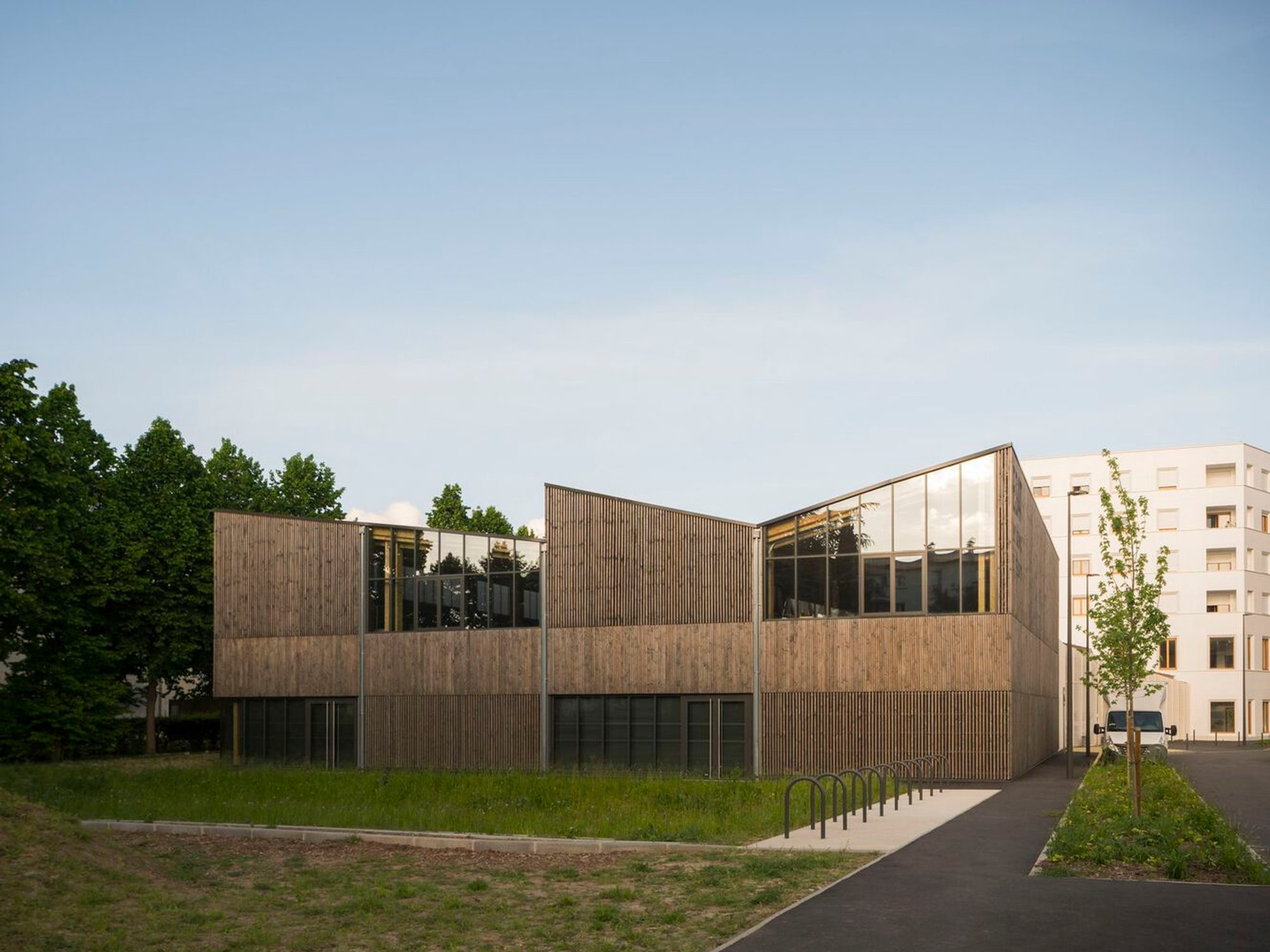
Located in Villejuif, within the Grand Paris metropolitan area, the Lozaits-Seguin Work Assistance Establishment and Services (ESAT) represents a thoughtful and socially driven example of contemporary healthcare and community architecture. Completed in 2023 and inaugurated in January 2024, this 3,570-square-meter facility was designed to welcome more than 150 people with disabilities in an environment that prioritizes dignity, comfort, and mental well-being through architecture.
A Social and Urban Regeneration Project
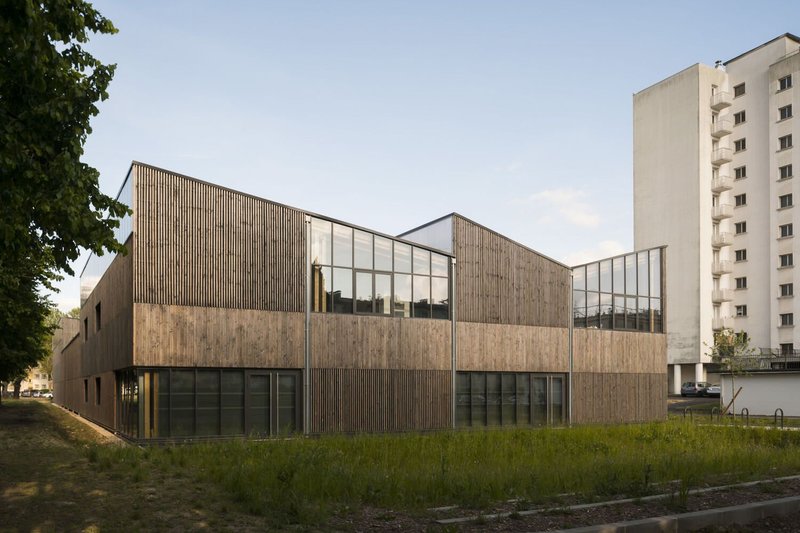
The ESAT Lozaits-Seguin is part of the New Urban Renewal Program (NPNRU), led by the Grand Orly Seine Bièvre territorial public establishment in collaboration with the City of Villejuif. Situated within a priority urban policy district, the project plays a key role in the regeneration of the northern Lozaits neighborhood. Rather than acting as an isolated institutional building, the ESAT is conceived as a civic anchor that contributes to social inclusion and neighborhood revitalization.
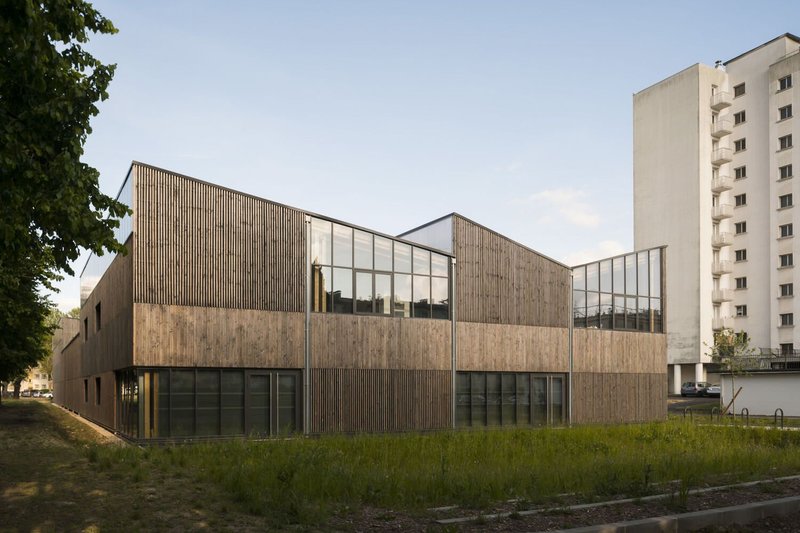
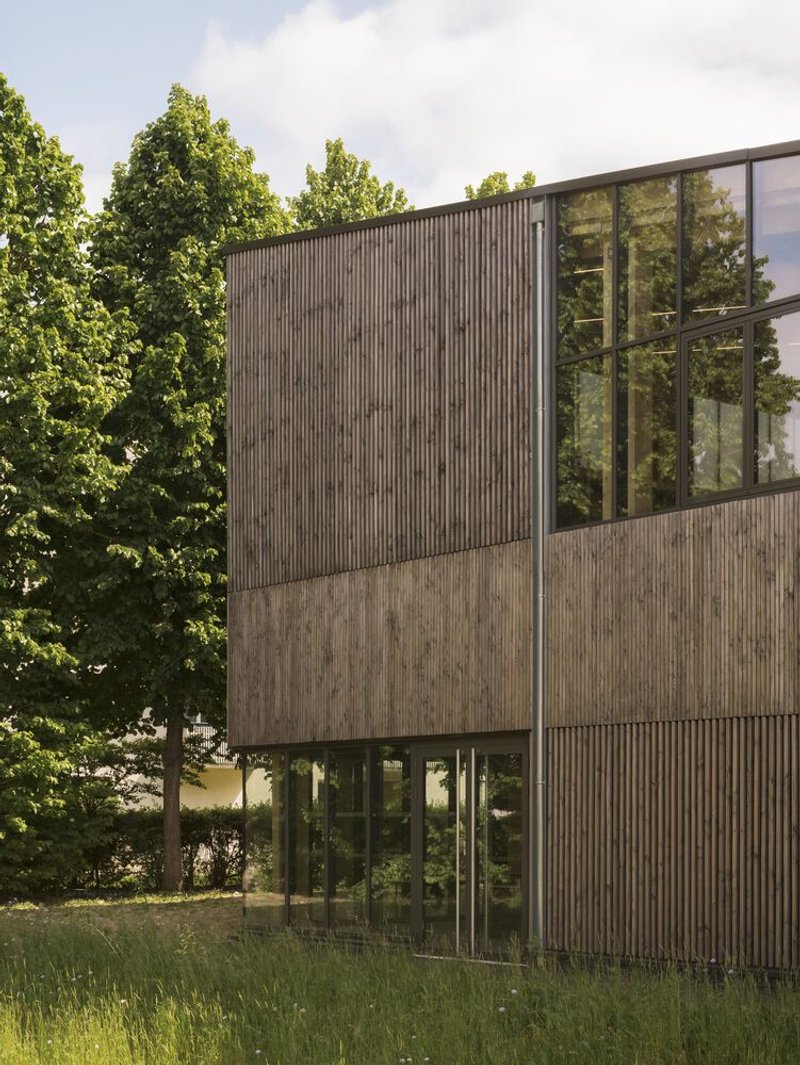
Set within a landscaped park of local plant species, the project carefully preserves century-old trees, allowing the architecture to weave itself into the existing natural environment. This integration softens the urban scale of the facility while reinforcing a sense of calm and continuity between nature, work, and daily life.
Wood Architecture as a Tool for Inclusion
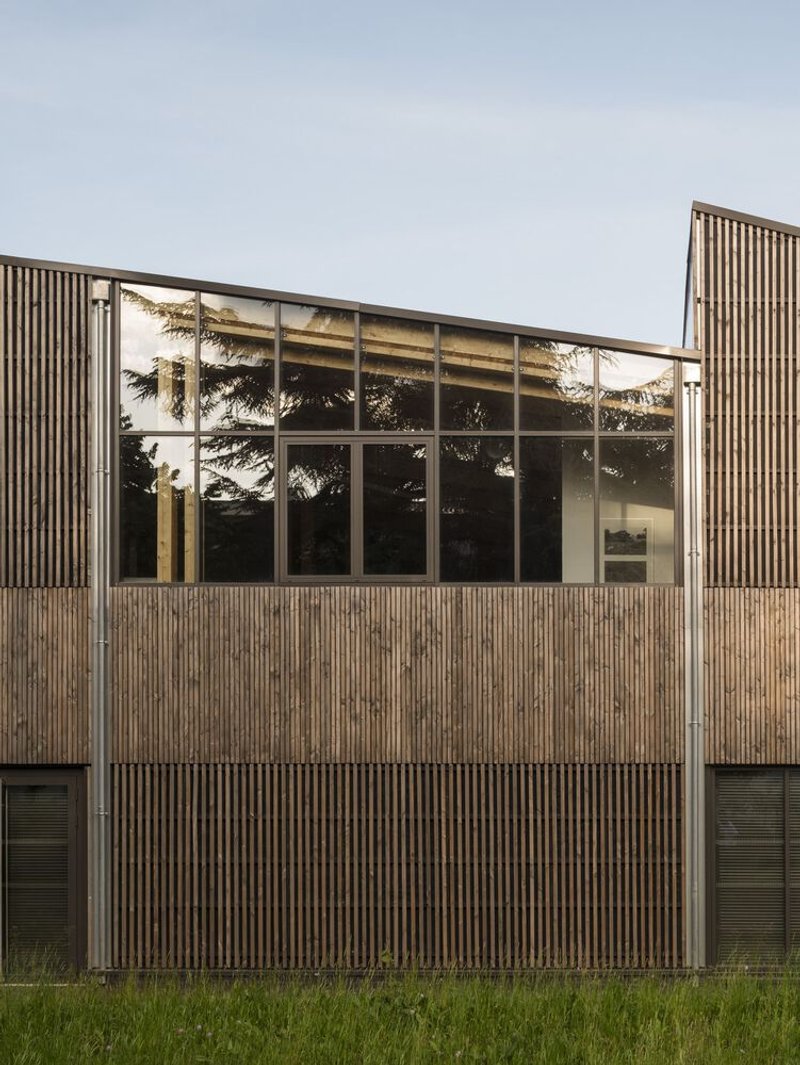
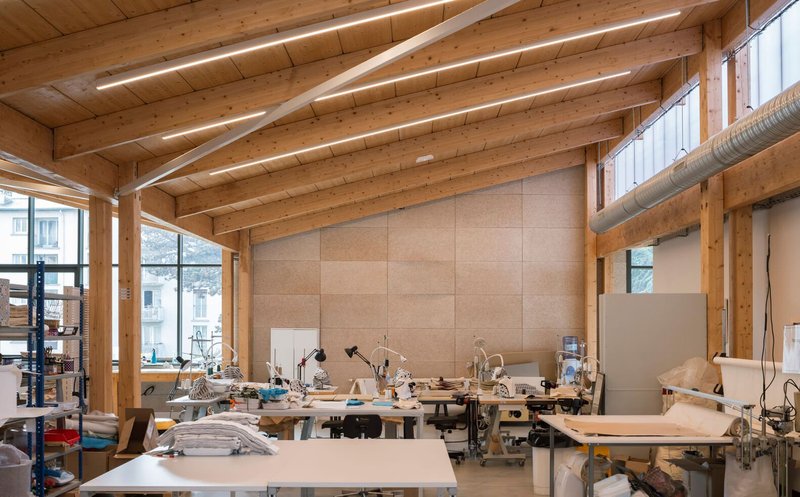
A defining characteristic of the project is DREAM’s deliberate use of wood as both a structural and expressive material. In a context often dominated by concrete construction, the extensive presence of exposed timber establishes a warmer, more humane architectural language. This choice aligns with the agency’s broader approach to designing in popular neighborhoods, where materiality becomes a powerful tool for restoring identity, pride, and comfort.
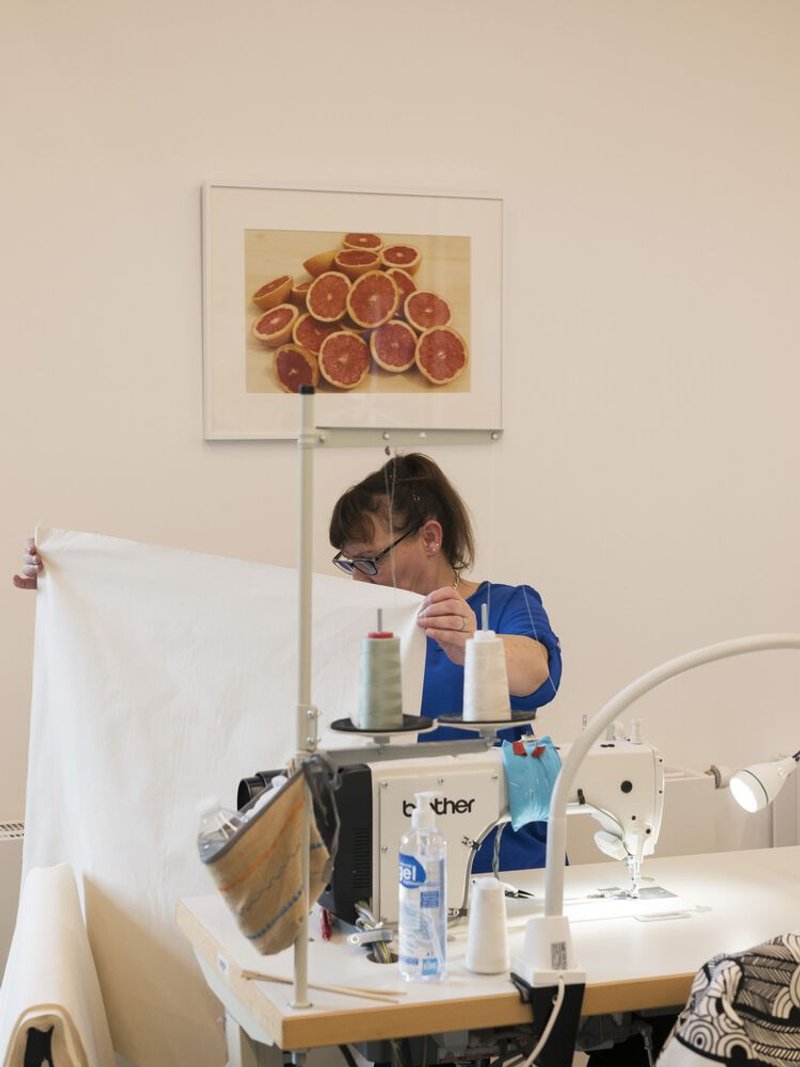
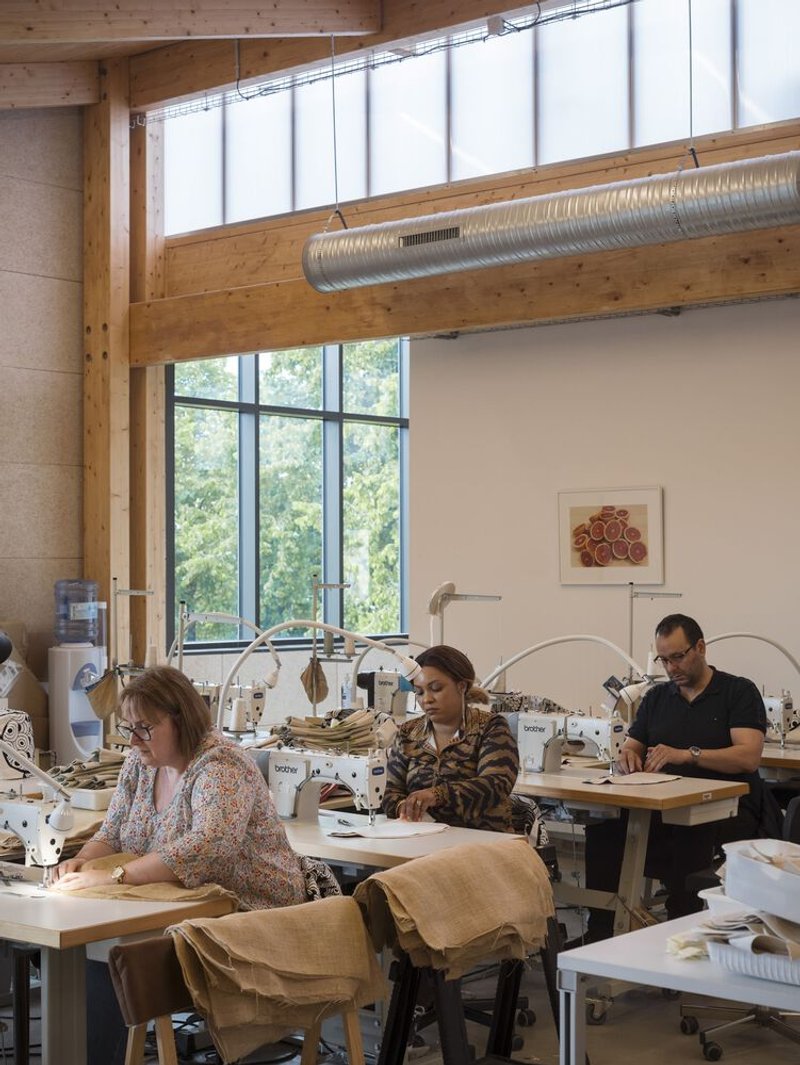
The building houses a range of creative and production workshops, administrative offices, logistics areas, and a cafeteria. At its heart lies the production hub, conceived as the symbolic and functional core of the ESAT. Its distinct silhouette and natural materials make it immediately identifiable within the neighborhood, reinforcing its role as a place of activity, learning, and community.
Ergonomics, Light, and Mental Well-Being
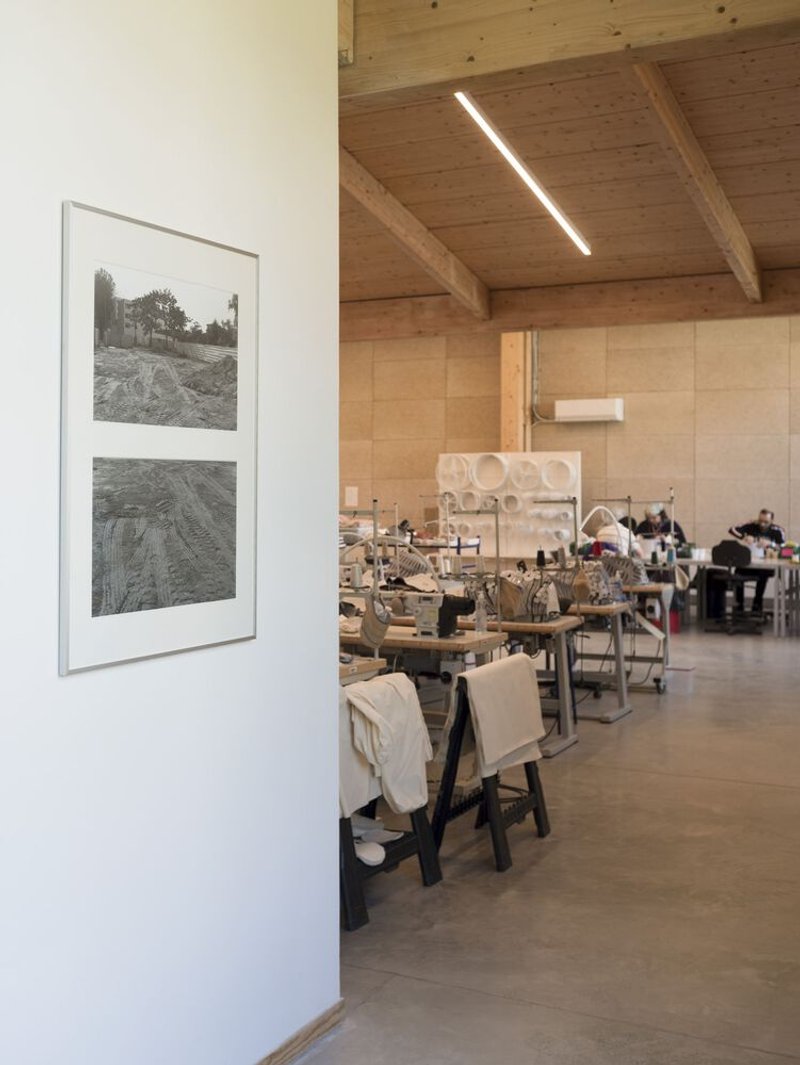
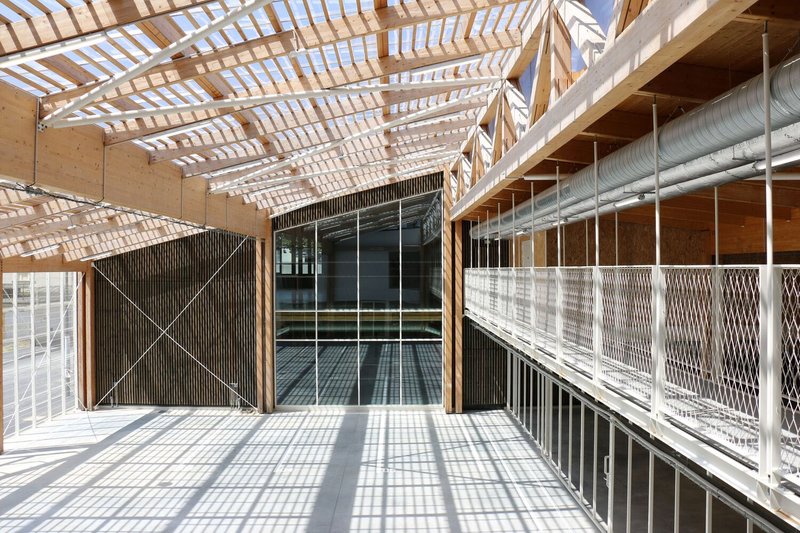
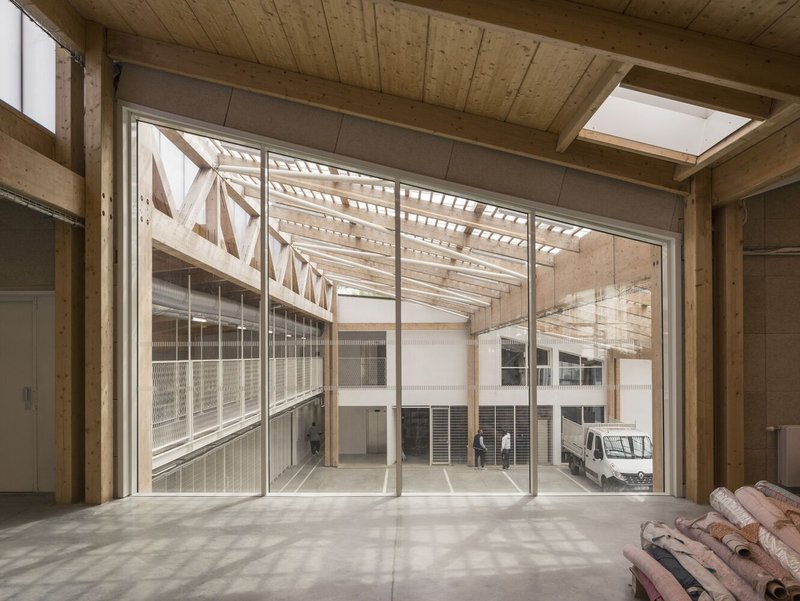
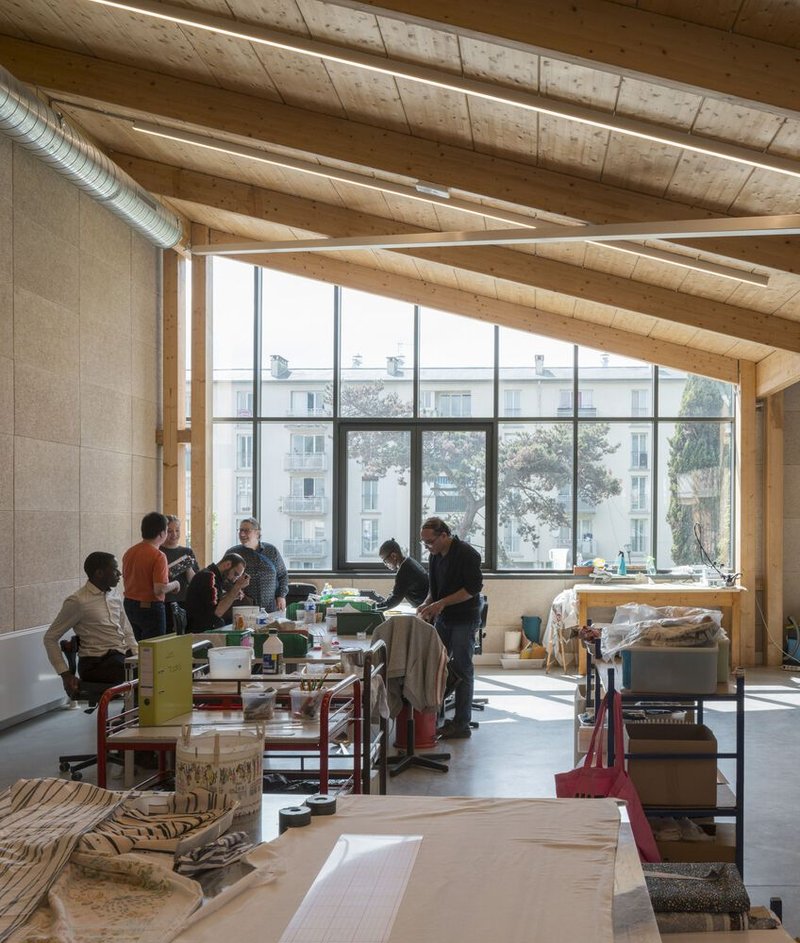
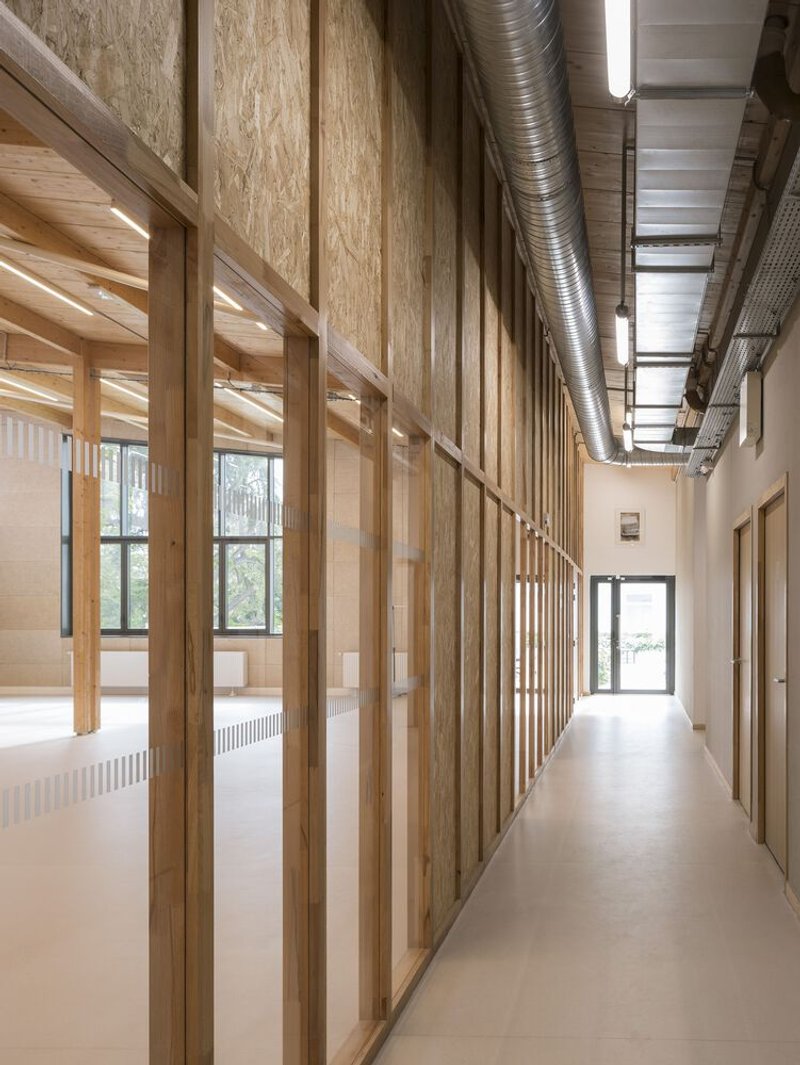
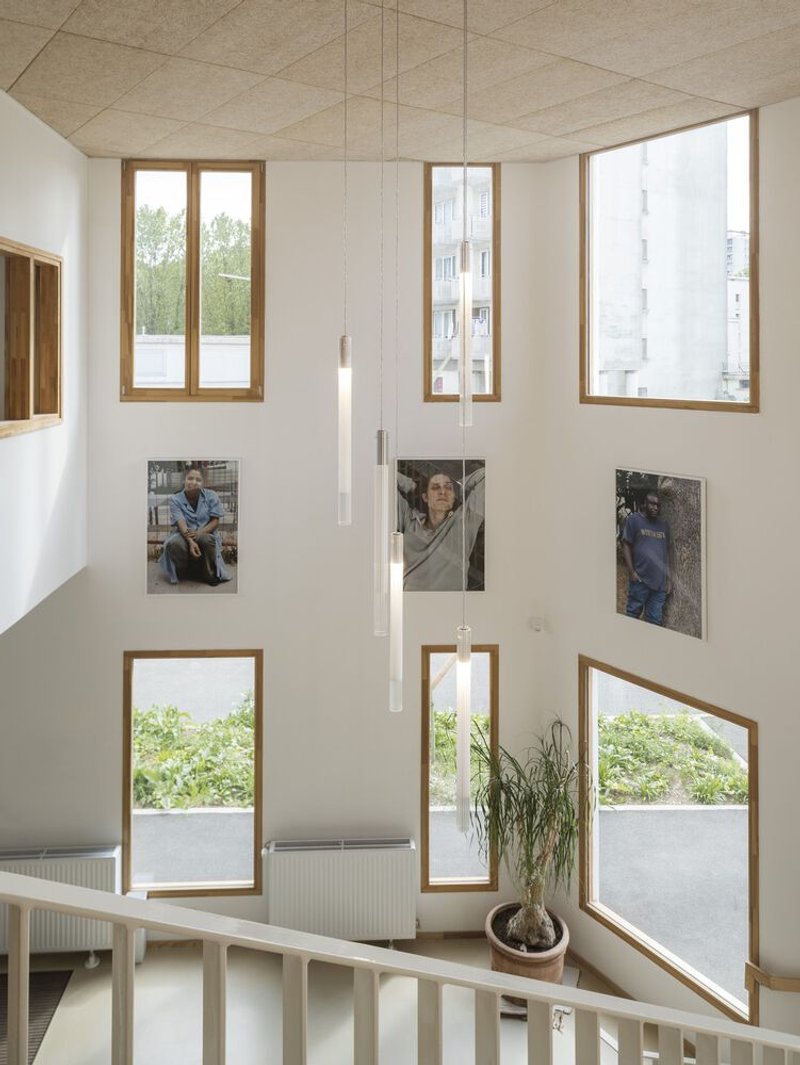
Responding to the needs of a sensitive user group, the architectural design places strong emphasis on spatial ergonomics and sensory comfort. Workshops are organized without traditional corridors, allowing fluid circulation, visual continuity, and generous penetration of natural light. Transparency between spaces fosters orientation, reduces anxiety, and supports autonomy.
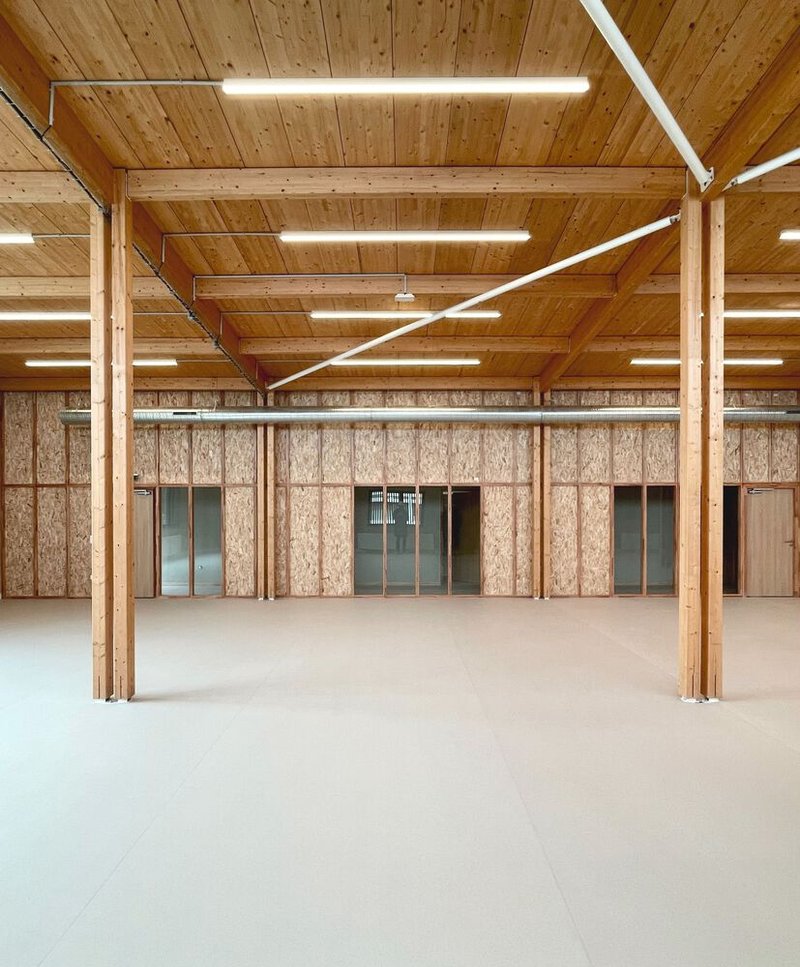
The workshops themselves are designed as flexible, multi-purpose environments. Adaptable ceiling heights enable future transformations and evolving uses, ensuring the building can respond to changing needs over time. North-facing shed roofs introduce soft, controlled daylight into each workspace, creating bright interiors while avoiding glare and summer overheating.
Acoustic Comfort and Psychosomatic Benefits
Beyond visual and spatial qualities, particular attention was paid to acoustic performance—an often underestimated factor in healthcare and social architecture. Interior finishes incorporate wood fiber acoustic panels that provide thermal, visual, and sound comfort simultaneously. This layered approach helps reduce noise stress, supporting concentration and emotional balance.
User feedback has consistently highlighted the positive psychosomatic effects of exposed wood. The material’s tactile warmth and natural texture contribute to improved well-being, reinforcing a sense of calm, focus, and reassurance throughout the workday.
Architecture Serving Care, Work, and Community
The Lozaits-Seguin ESAT demonstrates how architecture can actively support inclusion, productivity, and mental health. Through its integration into the urban renewal strategy, its strong connection to landscape, and its careful attention to materiality and sensory comfort, the project offers a humane and forward-looking model for work assistance and healthcare facilities.
By combining social ambition with environmental sensitivity and architectural clarity, DREAM delivers a building that is not only functional, but deeply attuned to the people it serves and the neighborhood it inhabits.
All photographs are works of
Cyrille Weiner, DREAM