
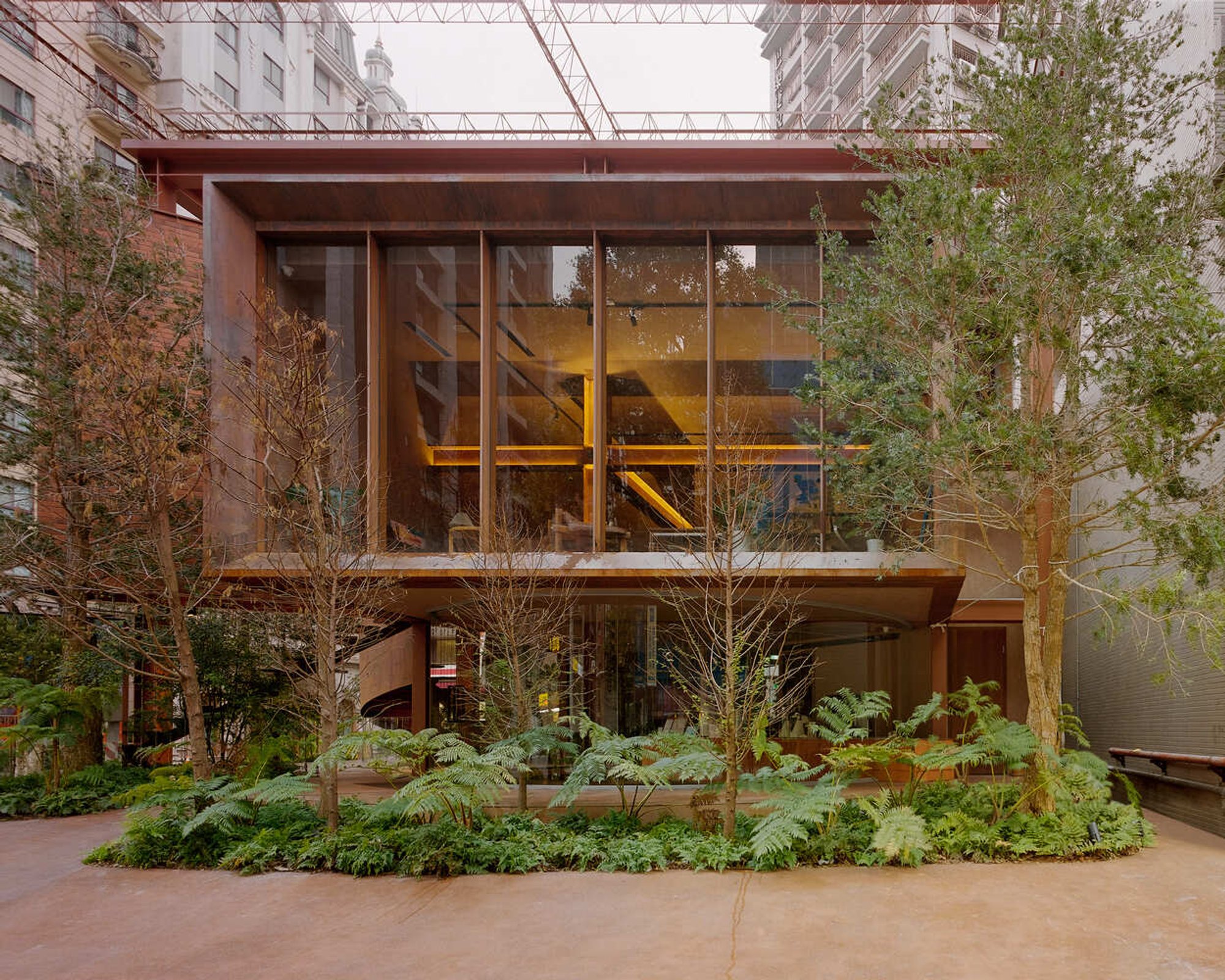
Industrial-Inspired Office Architecture Redefines Urban Identity in Taiwan
A reimagined industrial-inspired office integrating factory aesthetics, public space, and forest elements into Taiwan’s contemporary urban fabric.

Apricity Development Headquarters by Soar Design Studio and Ray Architects
In the heart of New Taipei City, the Apricity Development Brand Headquarters by Soar Design Studio and Ray Architects redefines industrial-inspired office architecture through a bold fusion of factory aesthetics, forest atmospheres, and urban openness. Spanning 728 square meters, this 2024 project is not only a corporate building—it’s a manifesto for a new kind of architecture that blurs boundaries between city, community, and nature.
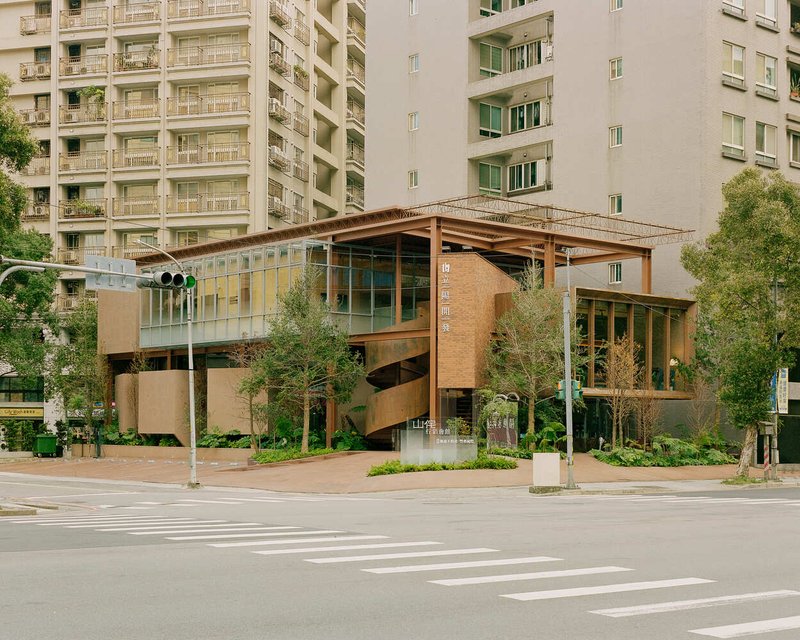
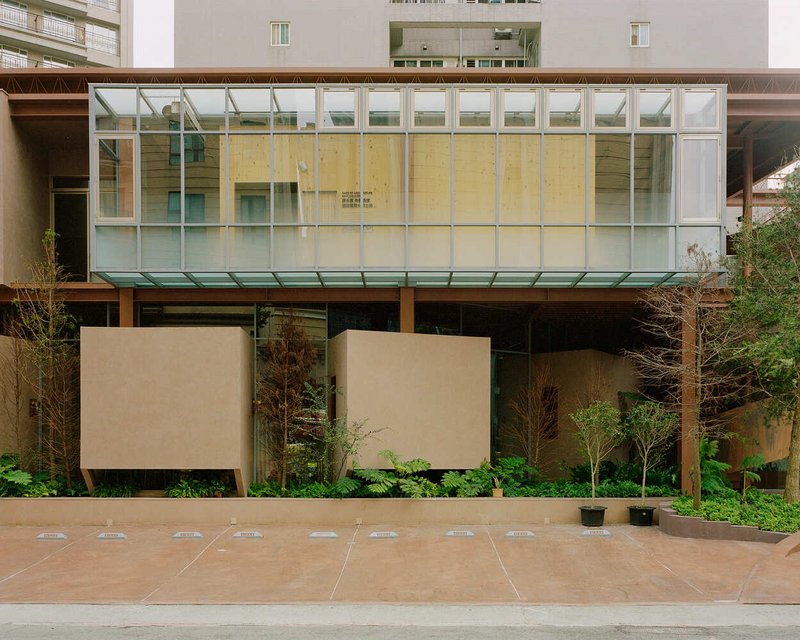
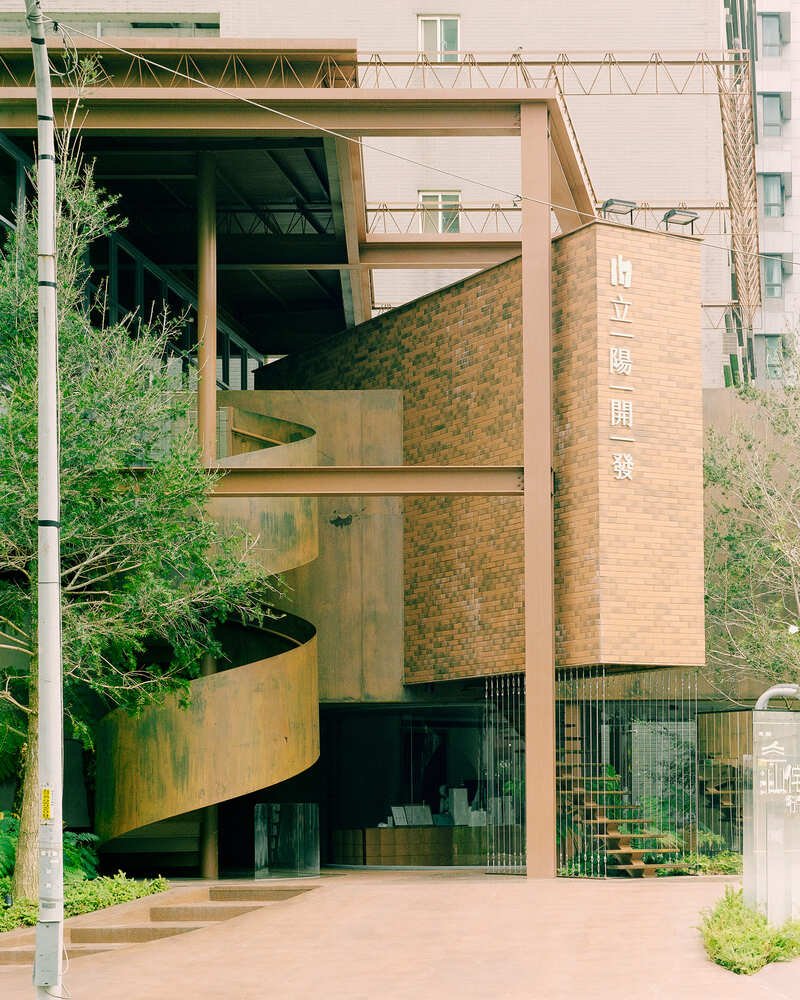
Architectural Origins in Factory Form and Cultural Memory
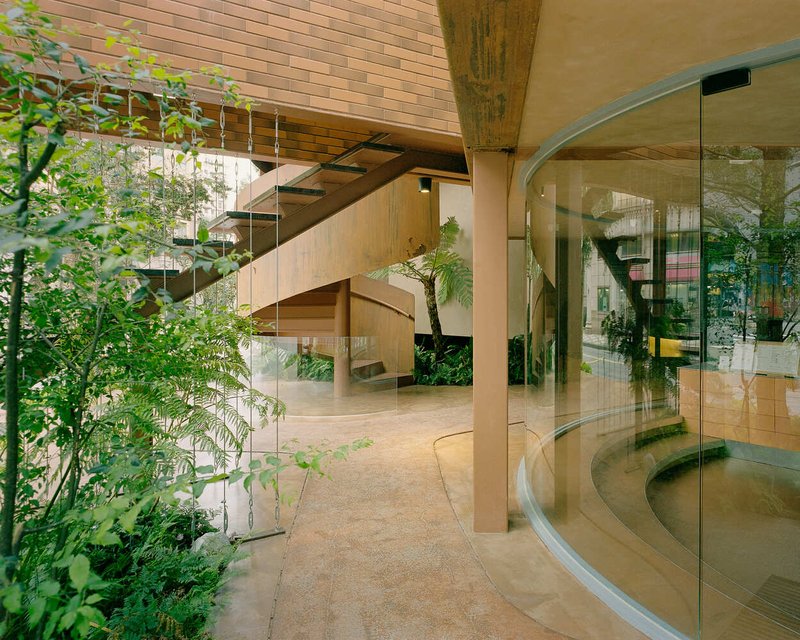
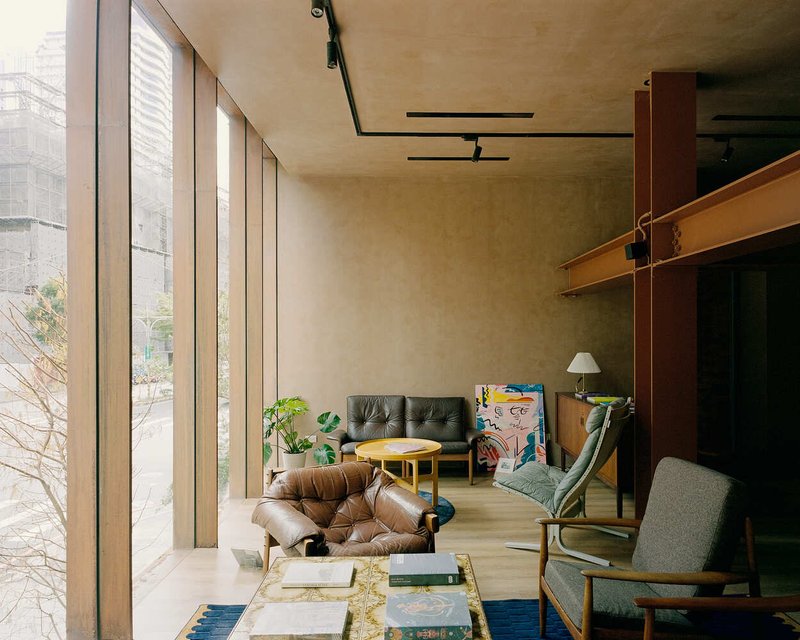
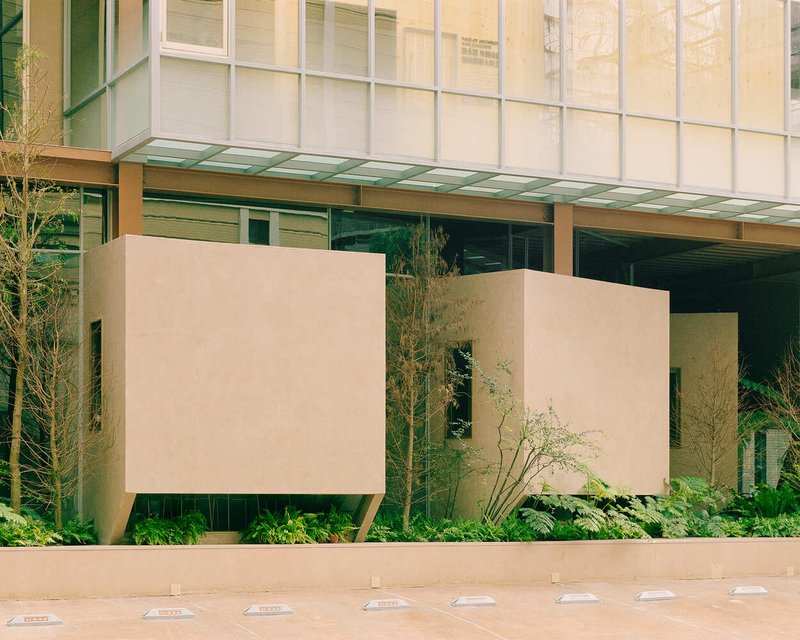
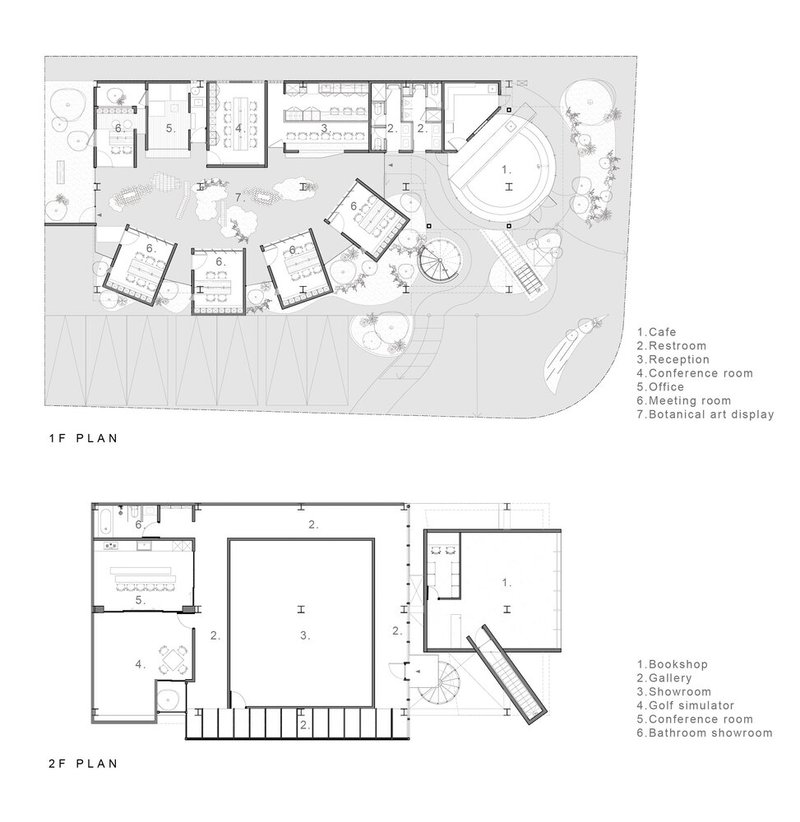
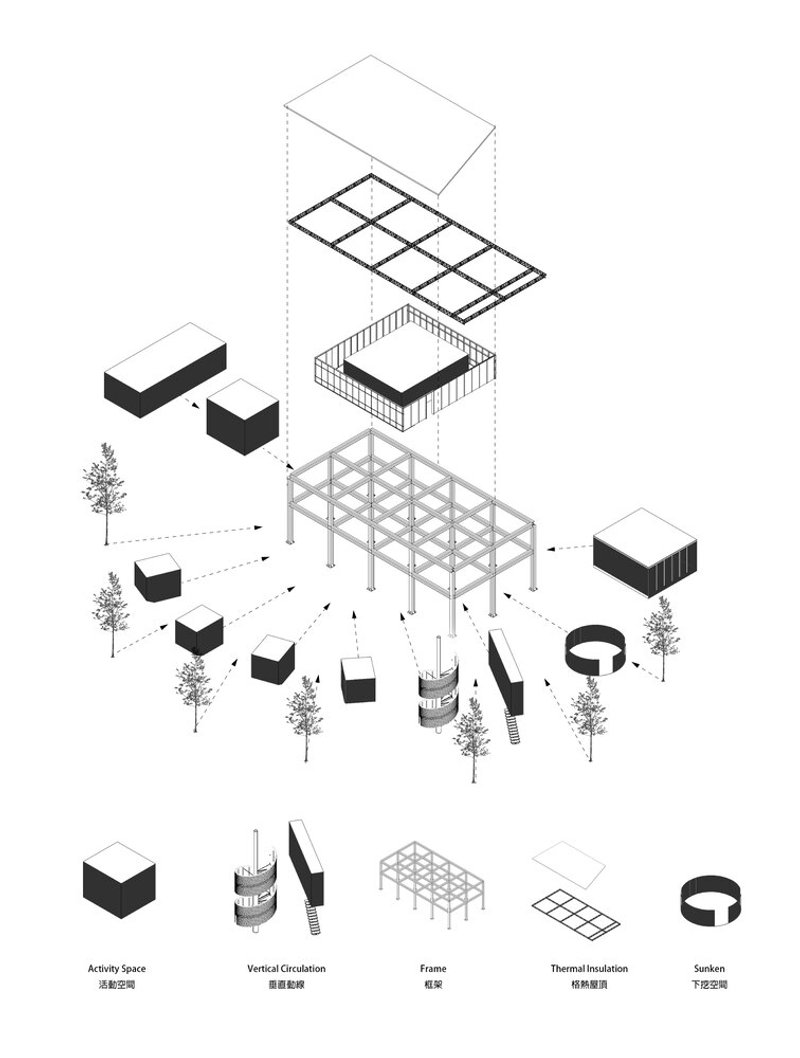
The architectural language of the building takes its roots from the steel framework of traditional Taiwanese factories and the brick kilns that shaped the developer’s origin. Rather than hiding this industrial lineage, the design amplifies it, using the raw, structural vocabulary of factories as a medium for contemporary reinterpretation. Volumes are inserted sequentially, emulating the additive logic of factory expansions where utility defines form. This approach allows the building to develop organically, adapting to its surroundings with asymmetrical balance.
Public Space as Corporate Identity
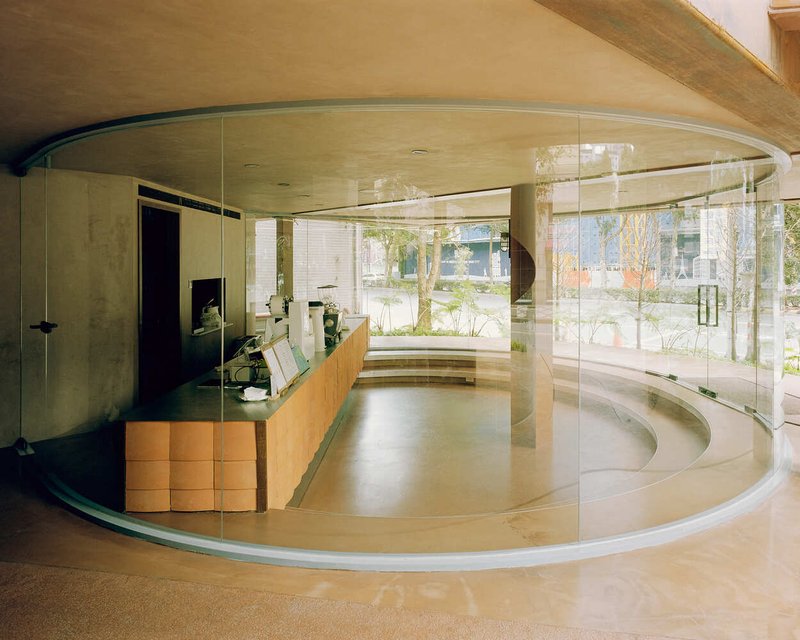
Rejecting the conventional corporate silo, the headquarters invites the public into its fold. Retail and communal areas are integrated into the structure, enabling a hybrid program that encourages pedestrian movement and social interaction. This openness is not merely physical; it’s conceptual—a statement that brands can contribute to civic life without imposing barriers.
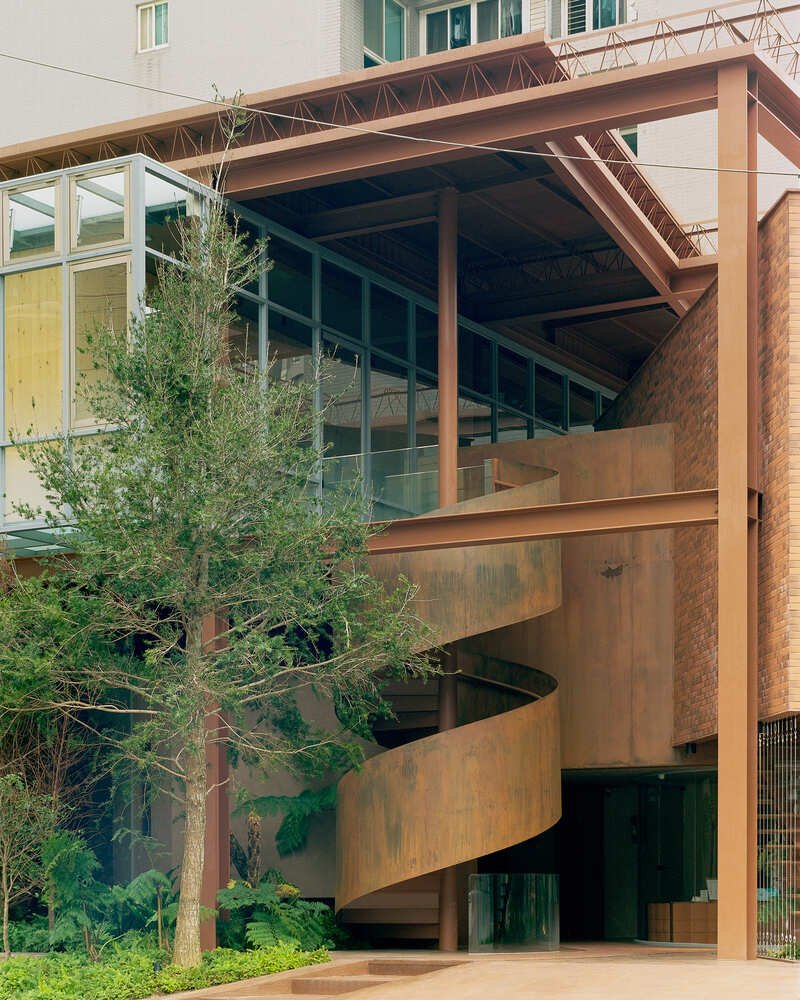
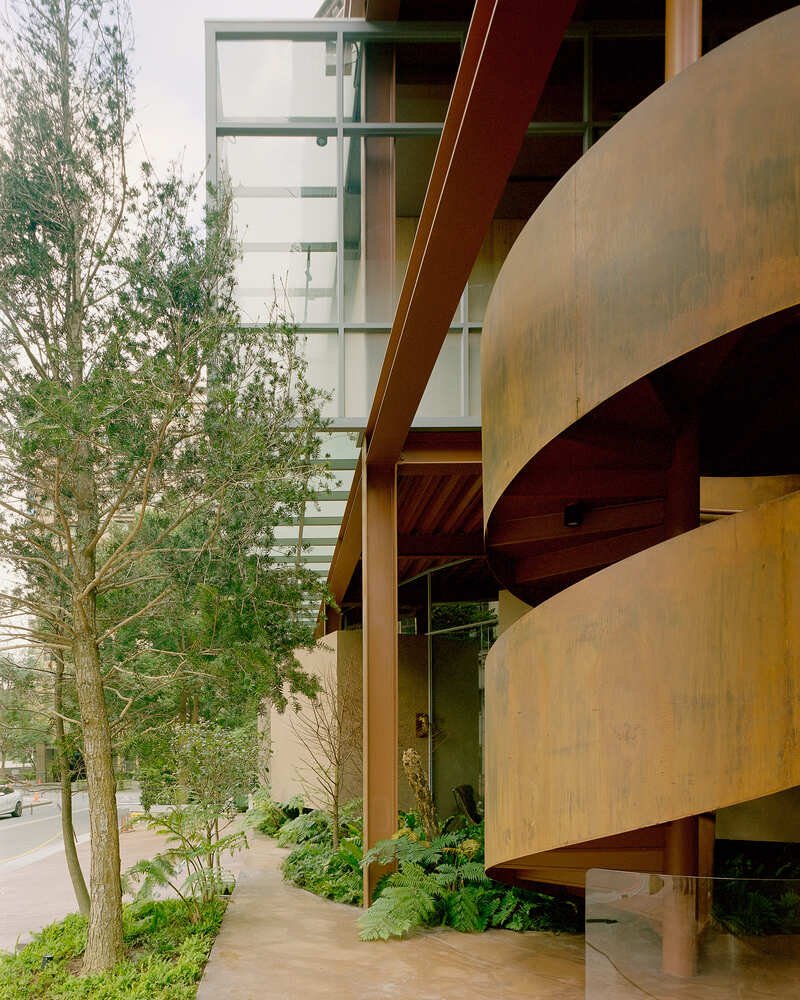
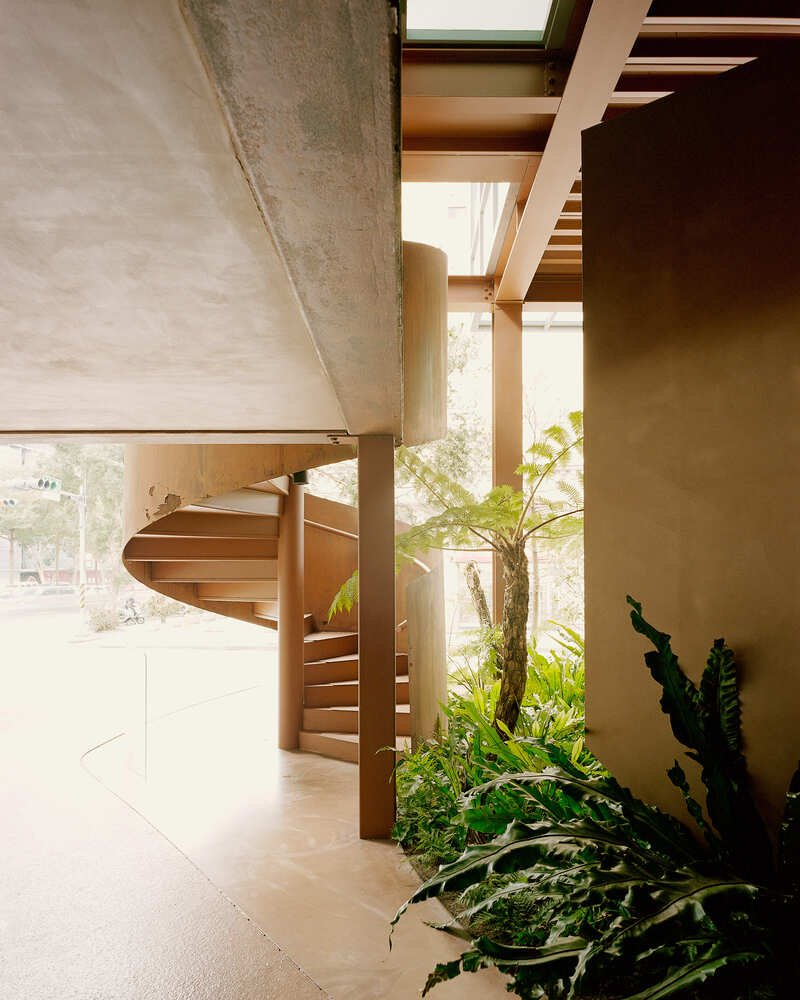
Architects Ray Chang and the Soar Design team envisioned the building as an active urban participant. By weaving in accessible corridors and meandering spatial paths, they eliminate rigid separations. The building flows like a collage of city fragments, offering a meandering experience that reflects the disordered yet poetic nature of Taiwanese urbanism.
A Forest, A Factory, A City
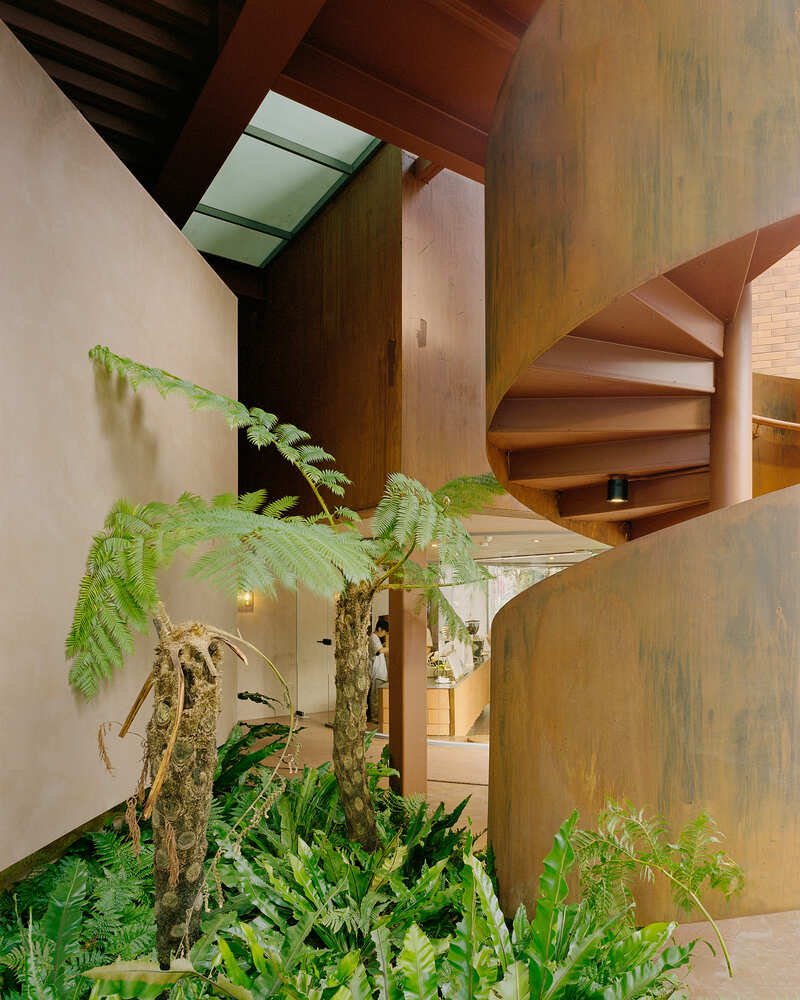
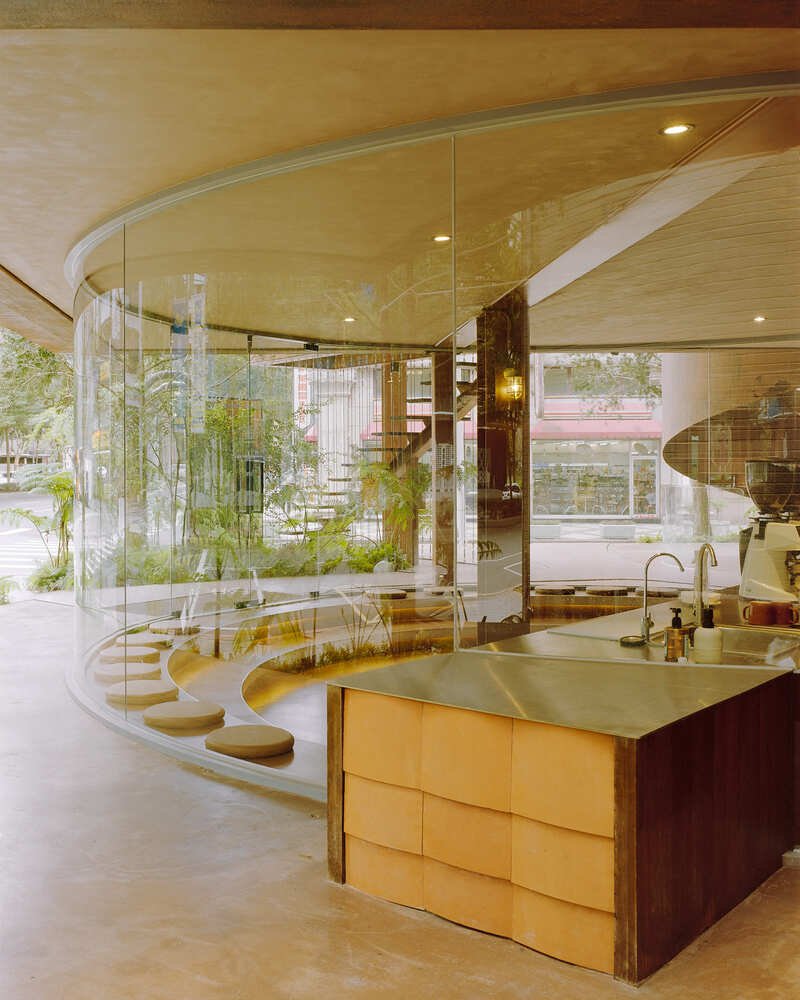
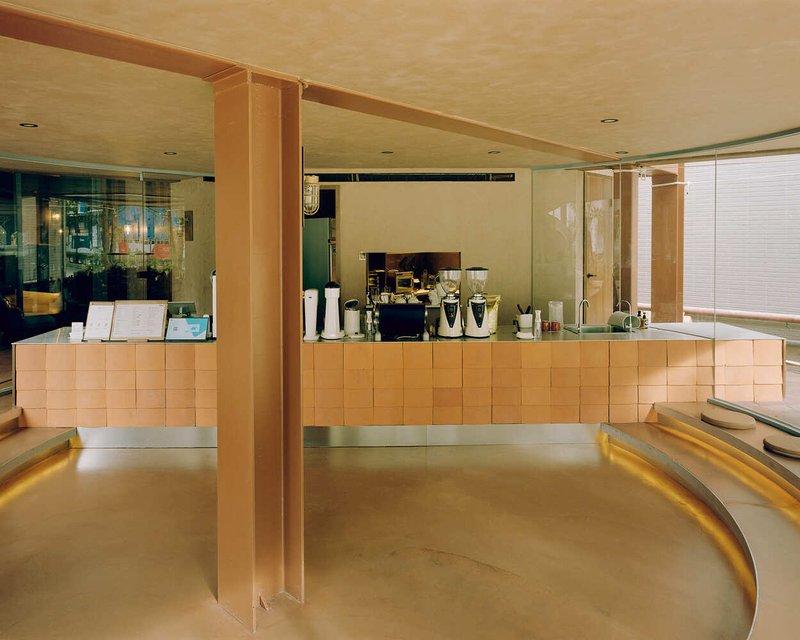
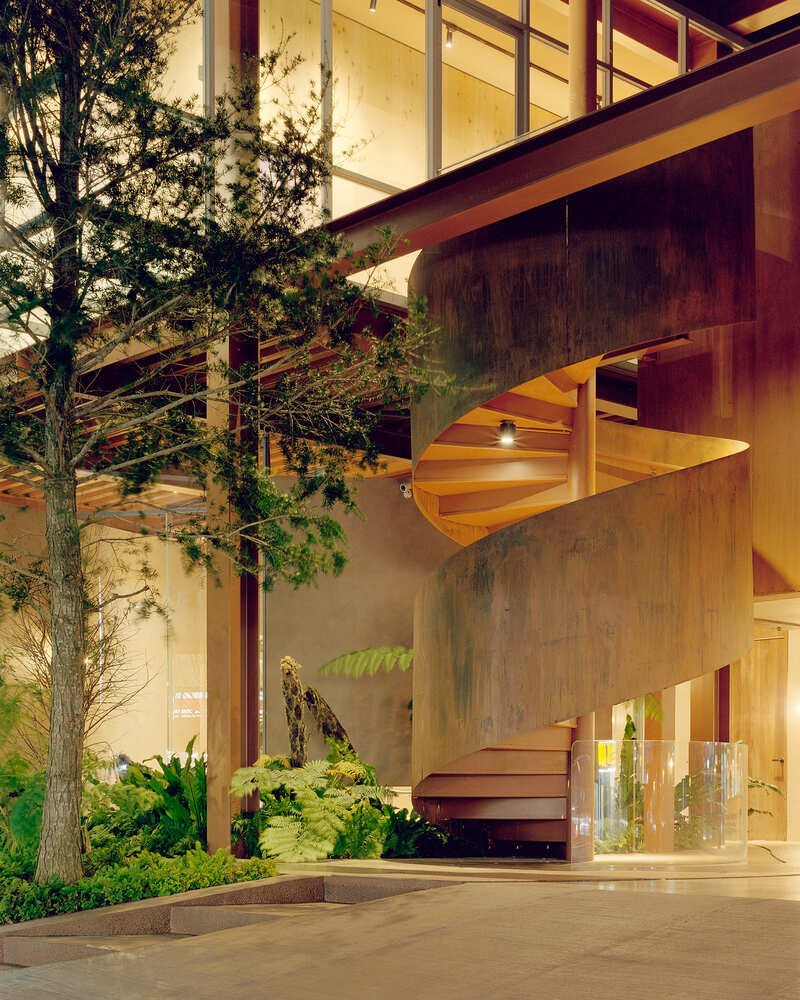
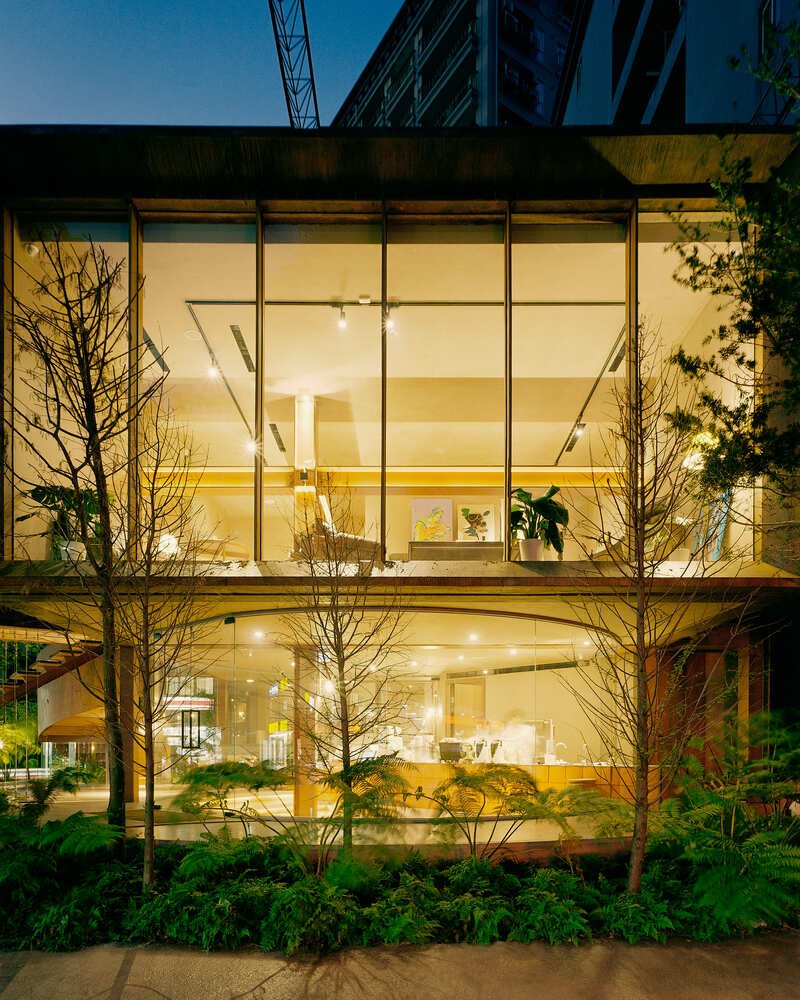
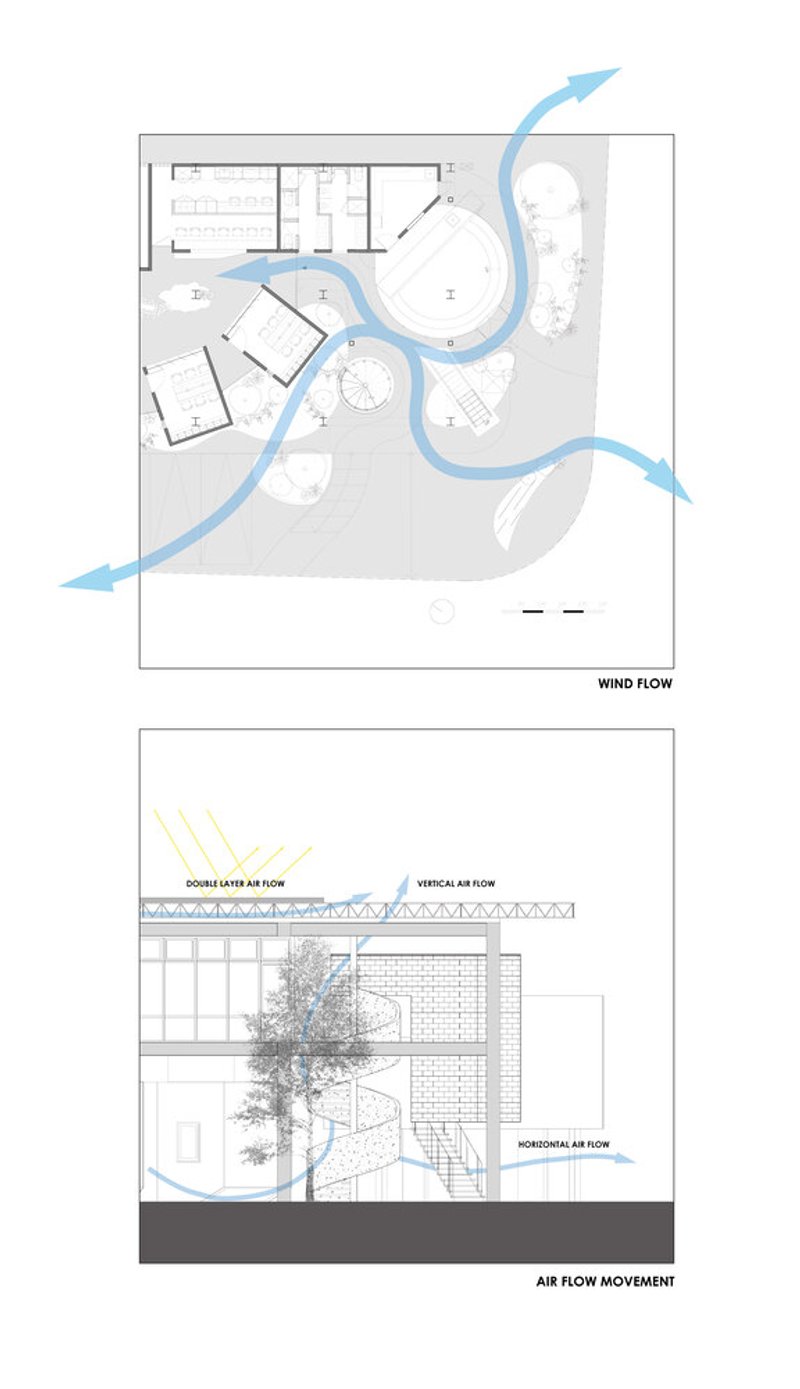
Three dominant themes emerge throughout the project: the forest, the city, and the factory. These elements are not represented through imitation but through translation. The forest is echoed in natural light, shadow play, and the spatial rhythm of green courtyards. The factory appears through material honesty—bare concrete, raw steel, utilitarian staircases. The city emerges in the building’s layered composition and fragmented volumes, reflecting the density and complexity of Taiwan’s built environment.
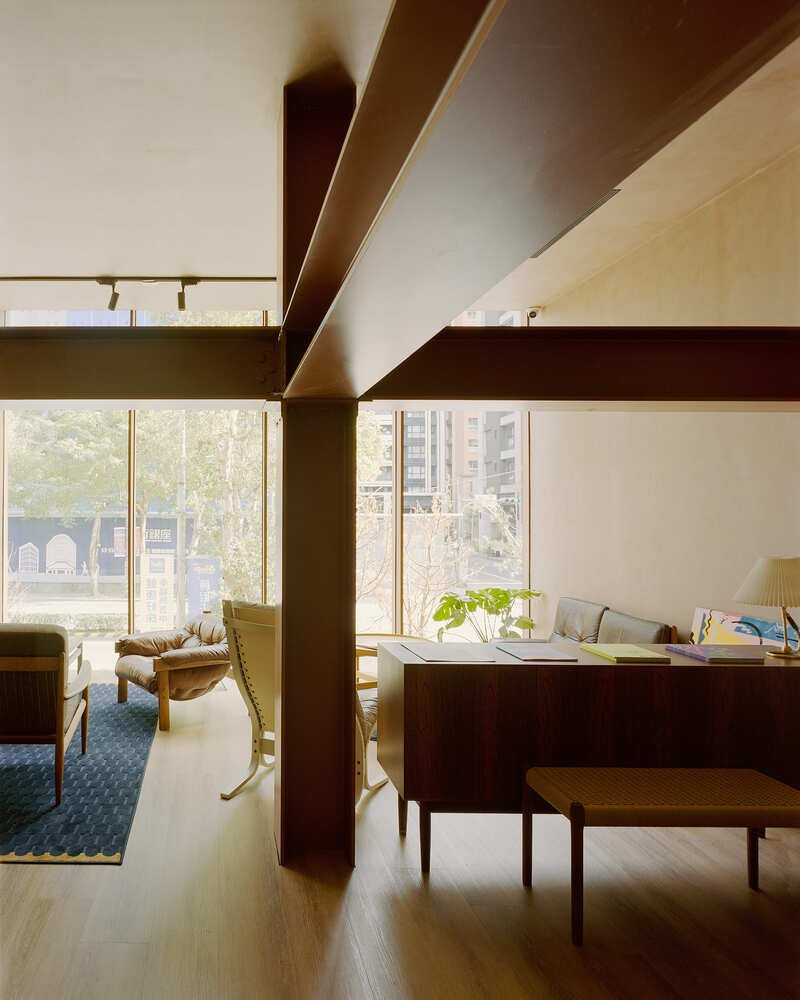
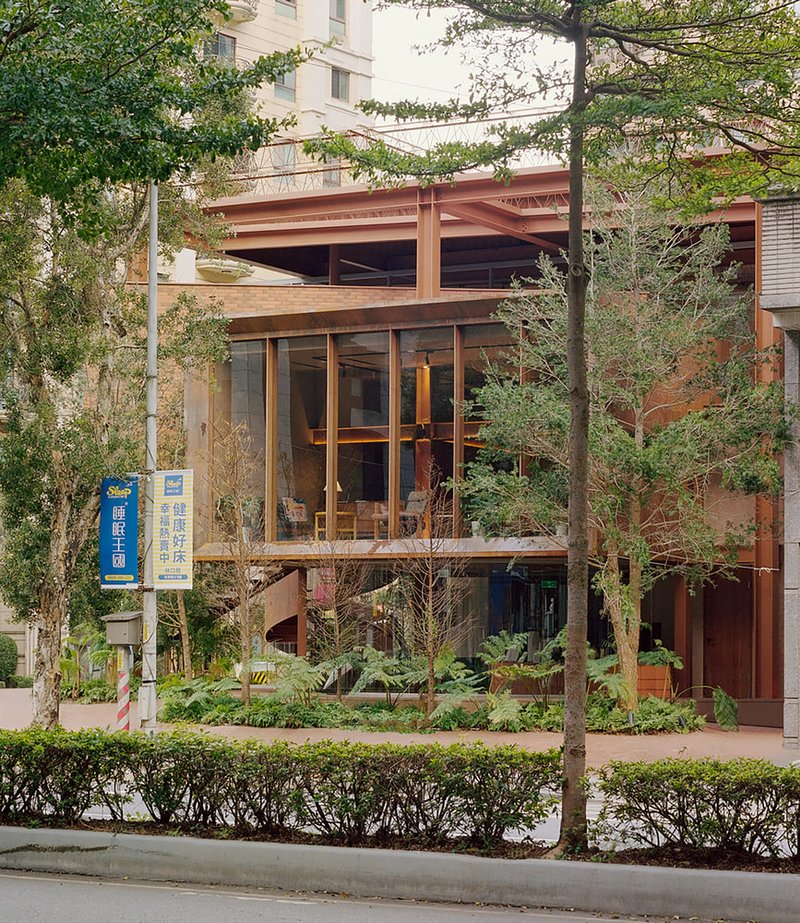
Each form within the steel grid is rotated to align with the site’s contour, producing a fan-shaped massing that animates light and breaks visual monotony. The external staircase, deliberately segmented and slightly misaligned, mimics the improvisational character of old industrial buildings.
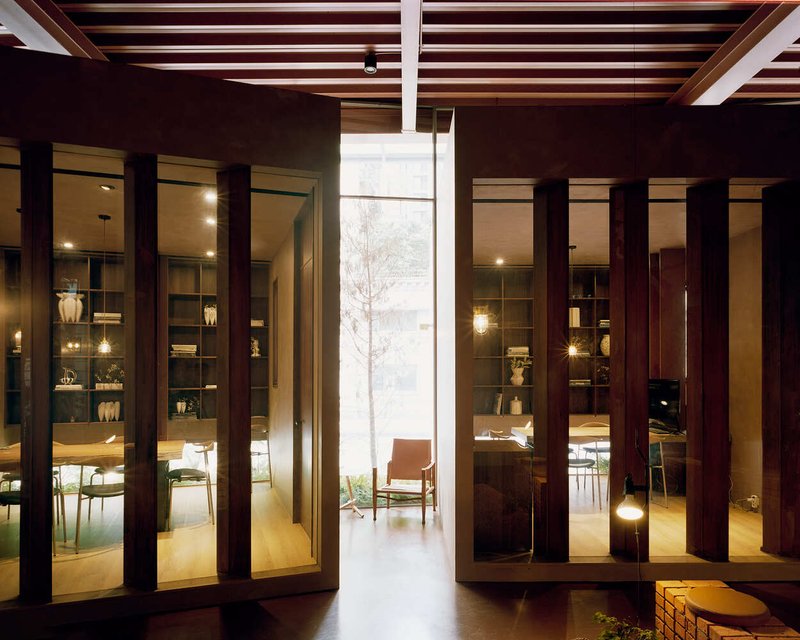
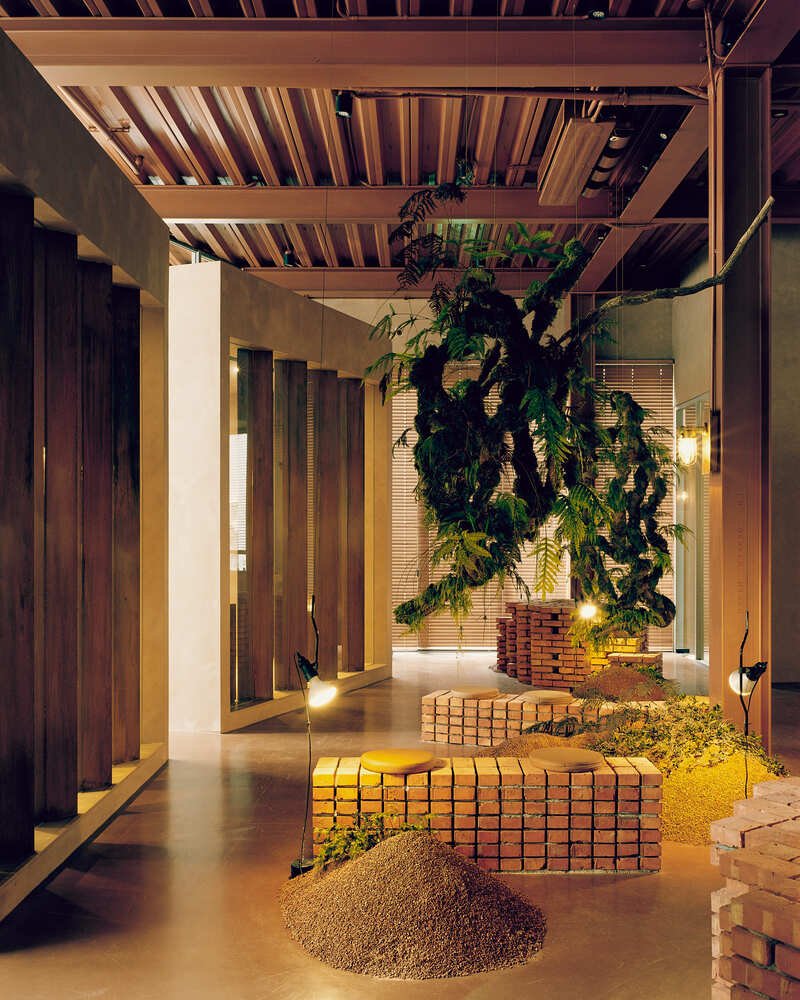
Urban Fabric as Architectural Inspiration
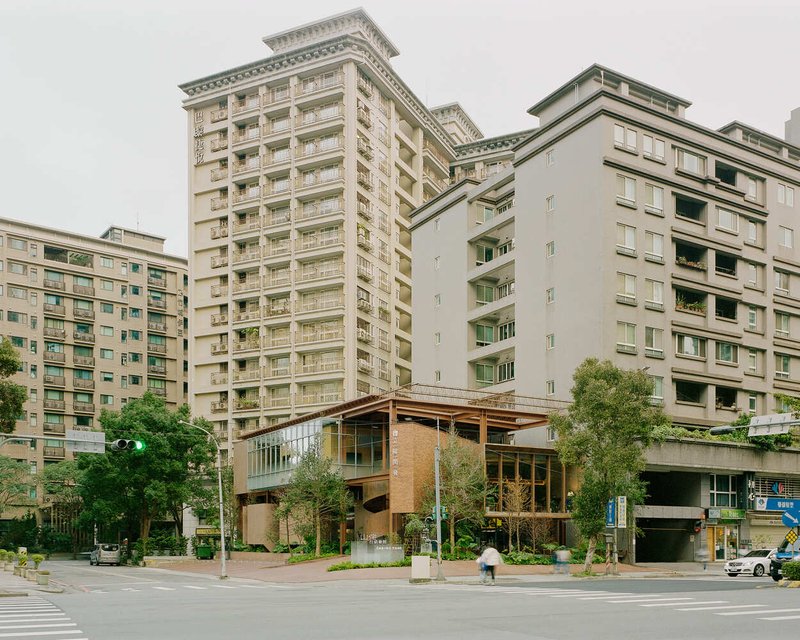
Apricity’s headquarters challenges the notion of what a corporate building should be. It doesn’t dominate its site—it becomes part of the urban weave. Its architecture interprets the fragmented yet vital nature of Taiwanese cityscapes, suggesting that modern buildings don’t have to erase history or nature to feel innovative. Instead, they can serve as platforms where the past, present, and future merge.
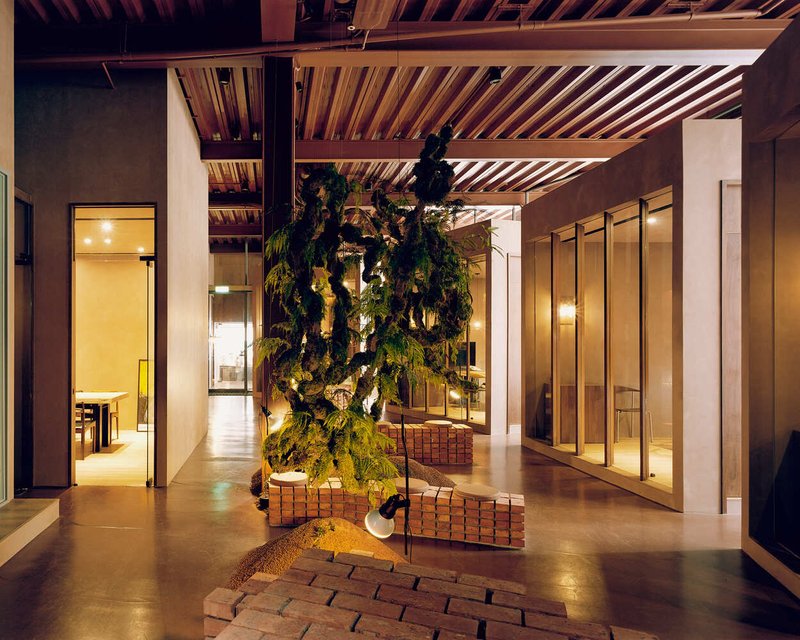
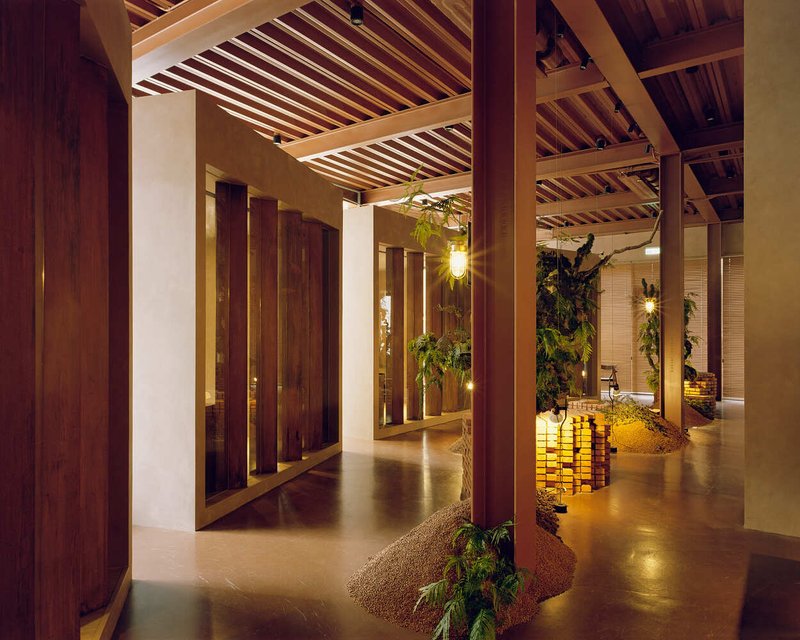
Through the lens of industrial-inspired office architecture, the project demonstrates how thoughtful design can turn complexity into clarity, roughness into beauty, and buildings into cultural landmarks.
A New Urban Prototype
This is more than an office—it’s a prototype for future city-making. Its industrial origins are not constraints but catalysts for a richer architectural expression. The headquarters doesn’t impose a new identity on the neighborhood; it reveals one that was already there, layered in the textures of Taiwan’s forests, factories, and vibrant city life.
All Photographs are works of Studio Millspace



Popular Articles
Popular articles from the community


The Ken Roberts Memorial Delineation Competition (Krob)
As the most senior architectural drawing competition currently in operation anywhere in the world, it draws hundreds of entries each year, awarding the very best submissions in a series of medium-based categories.


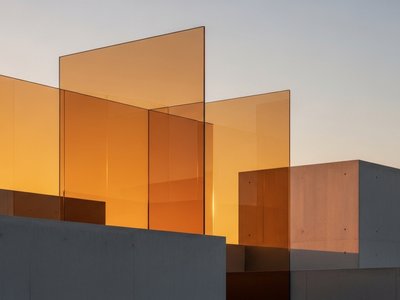
Free Architecture Competitions You Can Enter Right Now
No entry fees, real prizes. Here are the best free architecture competitions open for submissions in 2026.

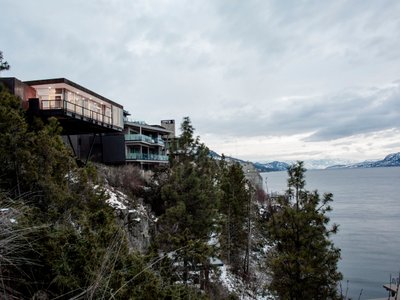
Alton Cliff House: A Harmonious Retreat by f2a Architecture in Lake Country, Canada
Alton Cliff House blends corten steel, prefabrication, and sustainable design, creating a luxurious, energy-efficient retreat perched on Canadian cliffs.

Similar Reads
You might also enjoy these articles
Free Architecture Competitions You Can Enter Right Now
No entry fees, real prizes. Here are the best free architecture competitions open for submissions in 2026.
Top 15 Architecture Competitions to Enter in 2026
From student-friendly idea competitions to prestigious international awards, here are the best architecture competitions open for entries in 2026. Updated regularly.

DIY & Engineering in Computational Design : Enter the BeeGraphy Design Awards
Showcase Your Creativity with Computational Design and Open Source Projects
Innovative Design Solutions: Award-Winning Projects from Recent Architecture Competitions
Exploring award-winning architectural projects shaping the future of design, sustainability, and community.

Explore Architecture Competitions
Discover active competitions in this discipline




The International Standard for Design Portfolios


The Global Benchmark for Architecture Dissertation Awards


The Global Benchmark for Graduation Excellence


Challenge to reimagine the Iron Throne
Comments (0)
Please login or sign up to add comments
No comments yet. Be the first to comment!