

Industry Meets Design: Steel Pivot Doors Transform a Modern Production Hall in Austria
Steel pivot doors enhance a modern Austrian production hall, blending industrial efficiency, architectural design, and seamless movement for large specialized vehicles.


Located in the scenic alpine village of Kaltenbach, the headquarters of EMPL Fahrzeugwerk represents a compelling blend of industrial functionality and contemporary architectural design. Known for manufacturing specialized vehicles such as fire-fighting trucks, off-road rescue units, and mobile medical facilities, the company operates in a highly technical environment where precision and innovation are essential. Yet beyond engineering excellence, the facility also reflects a thoughtful architectural vision, especially in its distinctive handover hall.
This modern production and presentation space demonstrates how industrial architecture can incorporate refined design elements. One of the most striking features of the building is its integration of advanced steel pivot doors powered by the pivot hinge systems developed by FritsJurgens. The installation highlights how contemporary architectural hardware can transform large-scale industrial environments into sophisticated and flexible spaces.
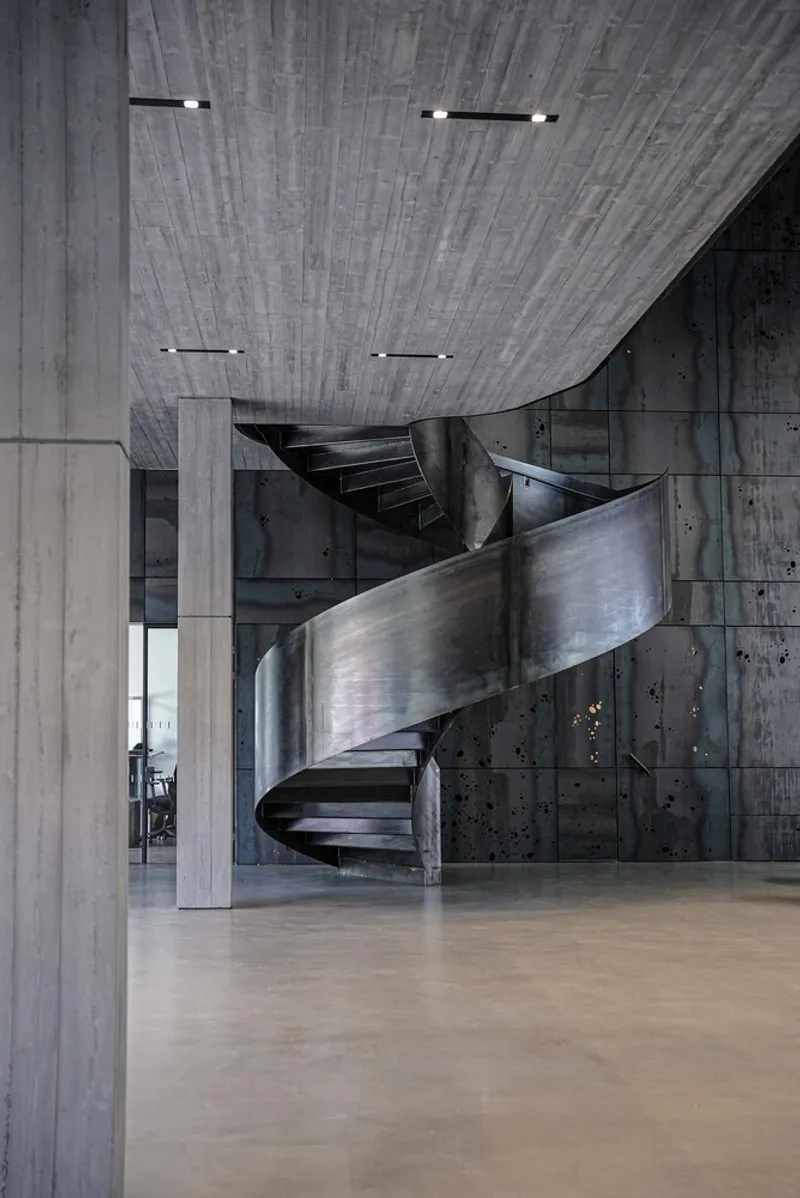
Industrial Architecture in an Alpine Setting
Nestled among the dramatic landscapes of the Austrian Alps, the headquarters building reflects the region’s balance between rugged functionality and design sensitivity. The production facility must accommodate large vehicles, complex logistics, and demanding operational workflows. At the same time, the architecture is designed to create an impressive environment for clients who visit the site to receive their completed vehicles.
EMPL specializes in producing highly customized vehicles, each designed for a specific purpose. Their portfolio includes emergency response vehicles, military logistics trucks, temperature-controlled transport units, and other large specialized machines. Because every vehicle is tailored to a client’s requirements, the final handover becomes an important moment in the production process.
To support this ceremonial and functional event, the company developed a dedicated handover hall, an elegant production environment where vehicles are formally presented to customers.
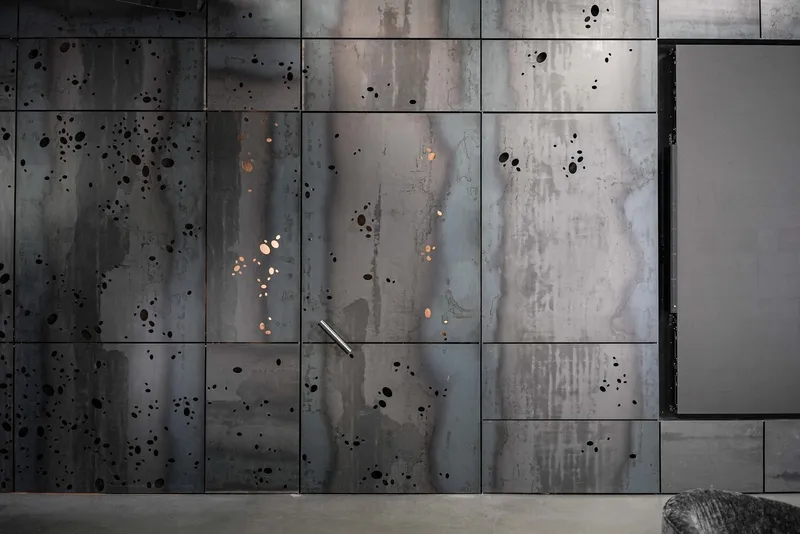
The Architectural Role of the Handover Hall
The handover hall serves as both a logistical hub and a symbolic stage. Large vehicles move through the space for inspection and presentation, while clients experience the culmination of months of engineering and craftsmanship.
Architecturally, the hall balances industrial scale with visual clarity. Clean lines, spacious interiors, and carefully controlled lighting ensure that the vehicles remain the focal point. At the same time, the design integrates architectural elements that elevate the environment beyond a typical factory setting.
A defining feature of the hall is the installation of five large steel pivot doors. These doors play a critical role in managing circulation and spatial flexibility while also contributing to the hall’s striking visual identity.
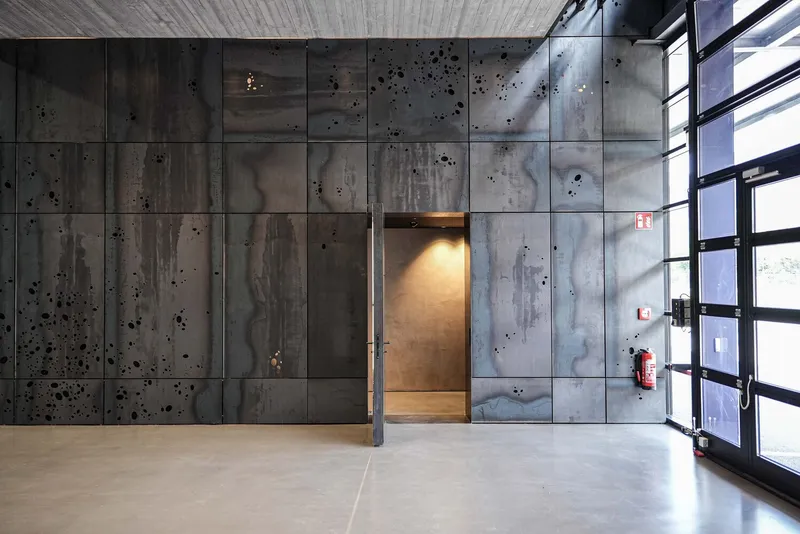
Steel Pivot Doors as Architectural Elements
Pivot doors have become an increasingly popular architectural solution in both residential and commercial design. Unlike traditional hinged doors, pivot systems rotate on a vertical axis positioned within the door panel itself rather than along its edge. This mechanism allows for larger and heavier doors while maintaining smooth, controlled movement.
In the EMPL production hall, the steel pivot doors create dramatic entry points capable of accommodating the scale of the vehicles produced inside. Their minimal design complements the industrial setting while emphasizing precision engineering.
One particular pivot door stands out as a centerpiece of the building. Its large dimensions and elegant movement demonstrate how industrial architecture can incorporate high-performance hardware without sacrificing aesthetic quality.
The pivot hinge systems developed by FritsJurgens are concealed within the door and floor structure, allowing the doors to operate seamlessly without visible mechanical components. This hidden engineering enhances the clean architectural expression of the space while ensuring durability and reliability in a high-traffic industrial environment.
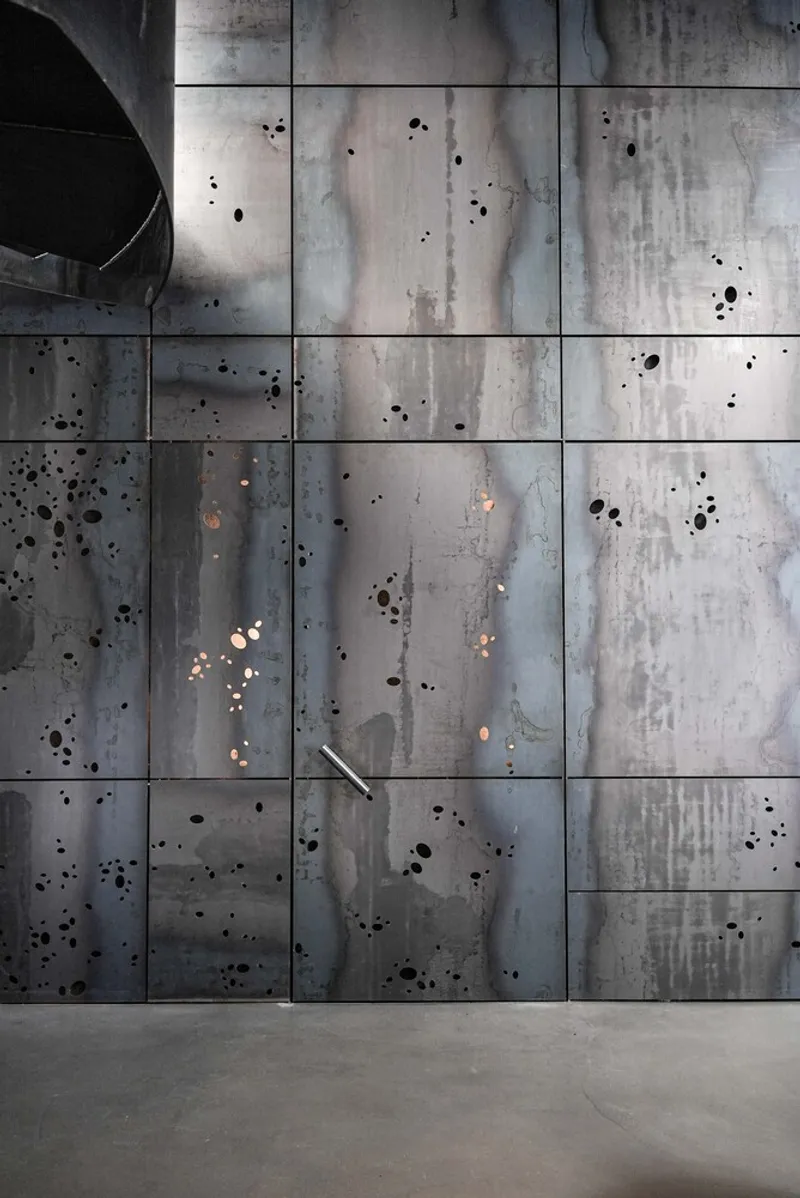
Precision Engineering Meets Architectural Design
The collaboration between industrial manufacturing and architectural hardware illustrates how engineering and design can intersect. EMPL’s vehicles require meticulous craftsmanship, and the building that houses their production reflects the same level of attention to detail.
The pivot doors serve multiple purposes within the facility. Functionally, they enable efficient movement of vehicles and equipment while maintaining environmental control within the building. Spatially, they allow sections of the hall to open or close depending on operational needs.
Visually, the doors create powerful architectural moments, large steel surfaces that pivot effortlessly to reveal or conceal the expansive production environment behind them.
Opening Up: A Story of Innovation in Architecture
This project is featured in the video series Opening Up, created by FritsJurgens to showcase innovative architectural applications of pivot door systems. The series explores how architects and designers integrate pivot technology into diverse environments, from residential spaces to large industrial buildings.
The EMPL production hall represents a particularly compelling example because it demonstrates how architectural hardware can enhance industrial architecture without compromising functionality.
Through this project, the concept of “opening up” becomes both literal and symbolic: the doors physically open large spaces while also revealing the craftsmanship and engineering behind EMPL’s specialized vehicles.
Architecture, Industry, and Spatial Experience
Industrial facilities are often designed purely for efficiency, but projects like the EMPL headquarters illustrate how thoughtful architecture can elevate even highly technical environments. By integrating architectural elements such as steel pivot doors, the building creates a memorable spatial experience for visitors while supporting the demanding workflow of vehicle production.
The result is a production hall that operates with the precision of a factory yet communicates the sophistication of contemporary architecture. It demonstrates how innovative hardware, structural clarity, and spatial flexibility can work together to redefine industrial design.
Conclusion
The production hall at EMPL’s headquarters in Kaltenbach showcases how modern industrial architecture can merge technical performance with architectural elegance. Through the integration of steel pivot doors powered by advanced hinge systems from FritsJurgens, the building achieves both operational efficiency and striking visual identity.
By transforming a functional production environment into an architectural showcase, the project highlights the growing role of design innovation within industrial facilities. It also demonstrates how small technological components, such as pivot hinge systems, can have a profound impact on spatial experience and architectural expression.


Popular Articles
Popular articles from the community


Manzana Morphosis: Stretching Barcelona's Grid into a Living Landscape for 2050
A radical reworking of the Eixample manzana turns density into a tool for generous public space, vertical ecology, and environmental performance.
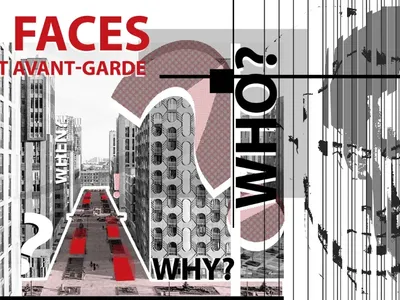
Faces of the Soviet Avant-Garde: Turning Moscow's Street Names into an Open-Air Museum
A network of sculptural installations across a Moscow residential district transforms forgotten architect names into spatial encounters with cultural memor
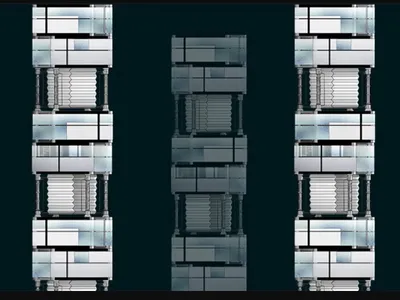
Tsunami Convergenics: Turning Catastrophic Ocean Forces into Underwater Housing Infrastructure
A speculative underwater settlement off the coast of Onagawa, Japan, treats tsunamis and typhoons as energy sources rather than threats.

Cloaked Colonization: A Mobile Underwater Habitat That Moves Like a Fish
Micah Abaya's shortlisted EHC Pacific entry reimagines ocean settlement as a dispersed network of self-sustaining architectural organisms.

Similar Reads
You might also enjoy these articles


FAMM Arquitectura Organizes Ten Villas Around Courtyards and Jungle in Nosara, Costa Rica
El Molino pairs two elongated volumes with deep overhangs and timber louvers to build a compact coastal community five minutes from the beach.
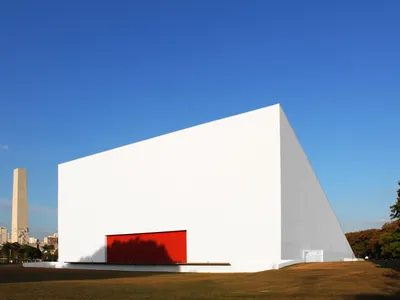
Oscar Niemeyer's Ibirapuera Park Pavilions Define São Paulo's Cultural Identity in Concrete and Curve
A constellation of modernist volumes set within São Paulo's most important urban park, conceived for the city's 400th anniversary in 1954.
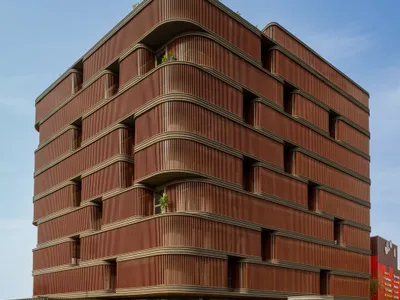
Sanjay Puri Architects Wraps a Jaipur Office Tower in Capsule-Shaped Green Buffers
A nine-level climate-responsive workplace near Jaipur Airport uses stacked planter terraces and aluminium screens to fight 40°C heat.
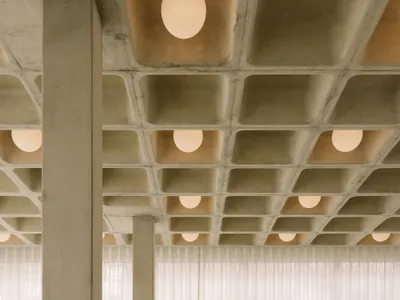
RHO Converts a Berlin Spree-Side Industrial Courtyard into Enkime's 1,000 m² Agency Headquarters
A social media agency's new home in Charlottenburg trades glossy branding for concrete waffle ceilings, glazed tile, and sheer curtains.

Explore Automobile Design Competitions
Discover active competitions in this discipline

Challenge to reimagine the Iron Throne

Photograph architecture without architects

Illustrate the lost glory of Angkor Wat - Render Challenge

Design challenge to reuse E-waste
Comments (0)
Please login or sign up to add comments
No comments yet. Be the first to comment!