Innovative Architectural Solutions for Community Empowerment and Sustainability
This article highlights an innovative architectural project in Colombia that integrates sustainable design with food recycling and refugee support.


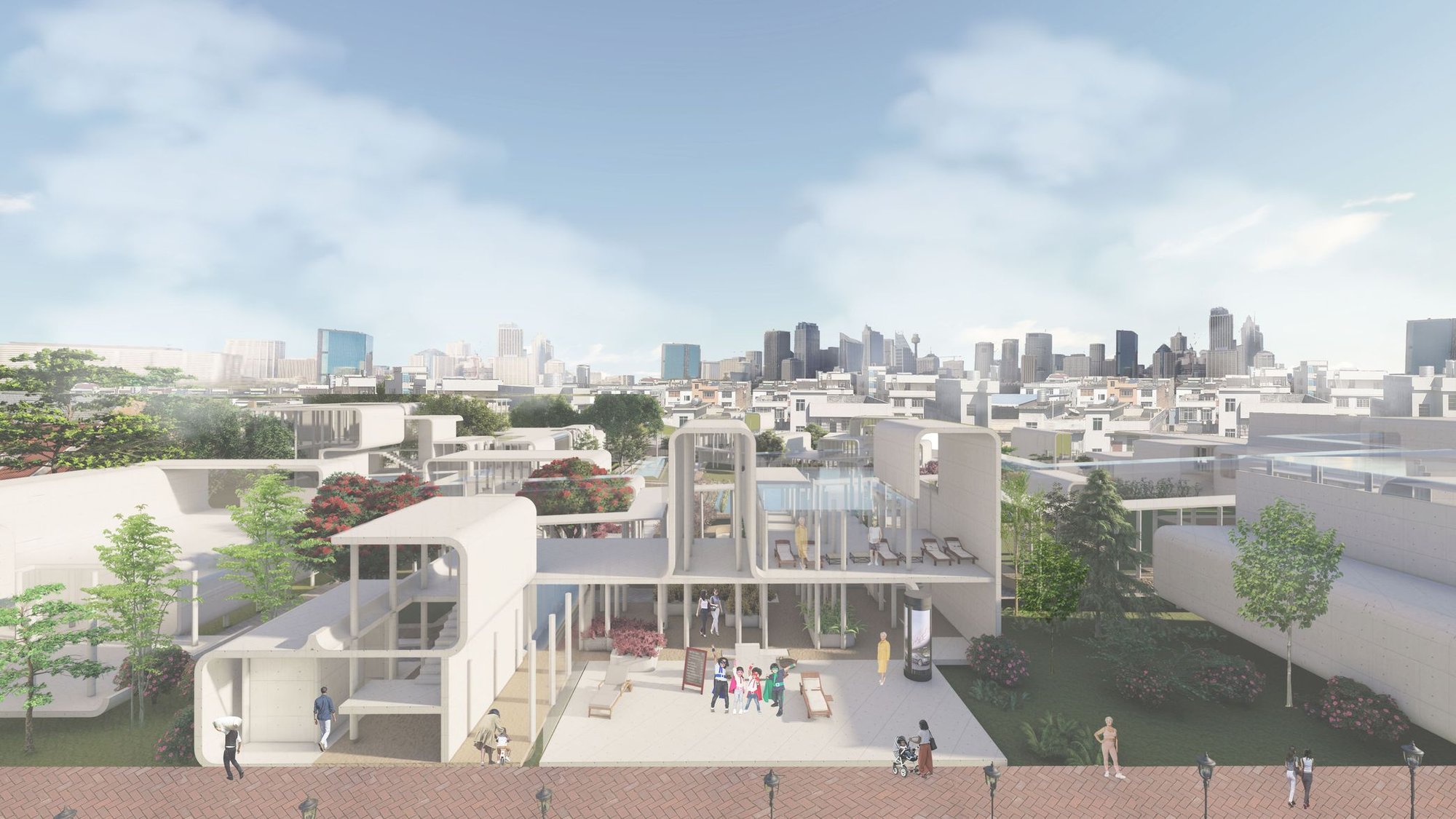
The concept of sustainable architectural design has been evolving, with an increasing number of architects turning their attention to creating structures that not only meet the immediate needs of their inhabitants but also contribute to the larger goals of environmental sustainability and social responsibility. A compelling example of this innovative approach can be seen in the Therefore project led by designer Zihao Huang, a Runner-Up entry in the Food Vault Competition. This project, set in the community of Colombia, aims to tackle significant issues such as food distribution inefficiencies and refugee integration through a well-thought-out architectural framework.
The Core Design Philosophy
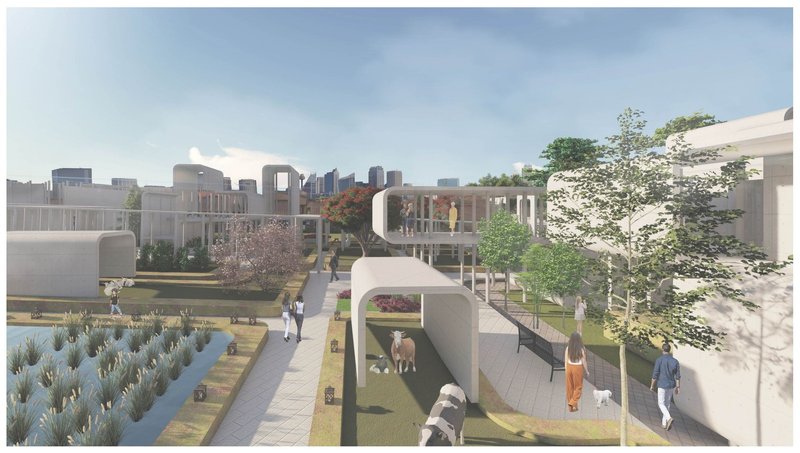
At the heart of Huang’s project is a dual focus on food waste and the empowerment of refugees—two pressing issues that are often seen in isolation but are here integrated into a single systemic solution. Huang believes that a vast amount of wasted food can be a resource rather than refuse, and that refugees can become self-reliant if provided with the right skills and opportunities. This philosophy is encapsulated in the design of a complex that functions both as a food distribution and recycling center, and as an emergency center capable of self-protection during crises.
Architectural Design and Functionality
The design of the complex is visually and functionally a "puzzle of blocks." These blocks are based on origami principles, where simple folds create multiple forms and uses. This modular design allows for the easy adaptation and reconfiguration of spaces according to the needs of the community and operational demands. The origami-inspired blocks serve various functions, from raw material warehouses and recycling centers to community centers and emergency response hubs.
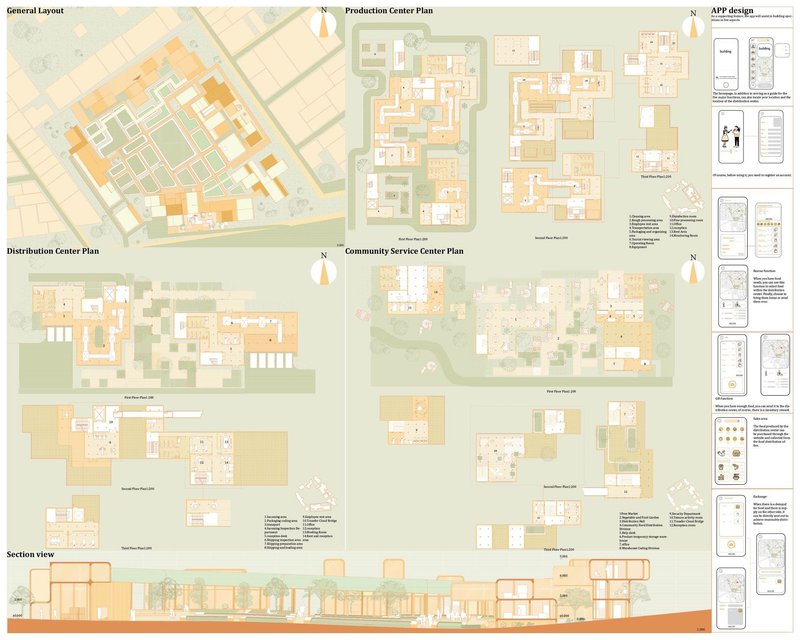
The practical application of these designs is seen in the various plans of the complex. For instance, the general layout shows a thoughtful distribution of these blocks to facilitate efficient food distribution and waste processing. Key components include:
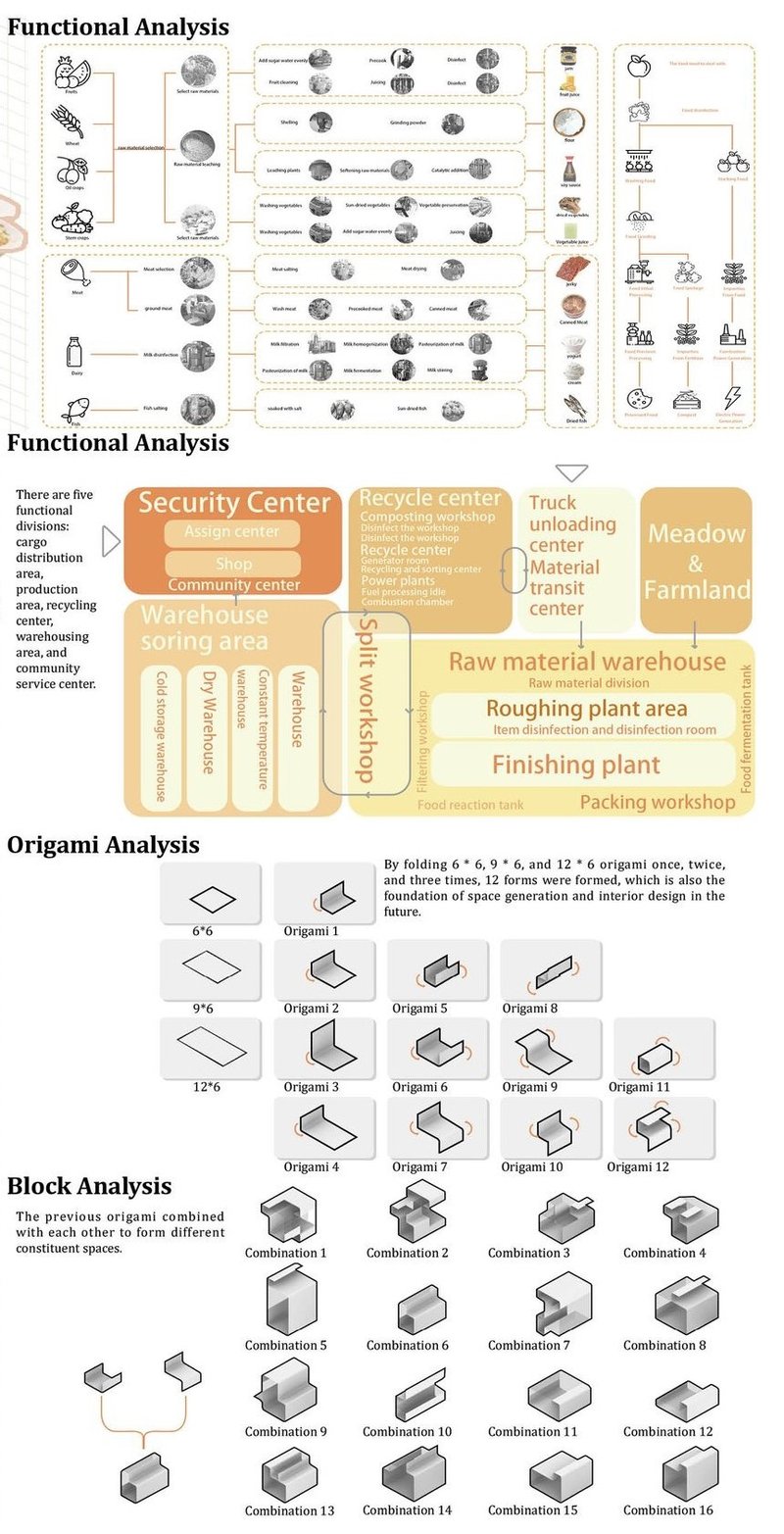
Food Fermentation Tanks: These are crucial for converting food waste into usable products, thus reducing overall waste.
Production and Packing Workshops: Located strategically to optimize workflow from raw material processing to finished goods.
Community and Security Centers: These are designed to be accessible and robust, ensuring they serve as safe havens during emergencies.
Sustainable Practices and Community Impact
The project excels in integrating sustainable practices within its architectural design. The production workshops, for example, adopt an "industrial upstairs" concept where industrial activities are carried out with minimal land footprint, utilizing vertical space efficiently. A glass roof enhances natural lighting, reducing energy consumption significantly.
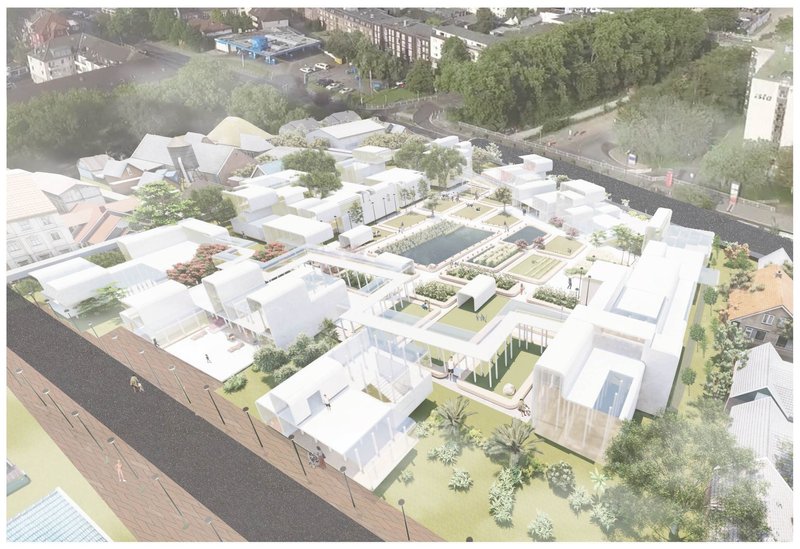
Moreover, the elevated design of the first floor transforms it into a public activity area, fostering community engagement and inclusivity. This design not only maximizes the use of space but also promotes social interactions among community members, including refugees, who can use these areas for skill development and social enterprises.
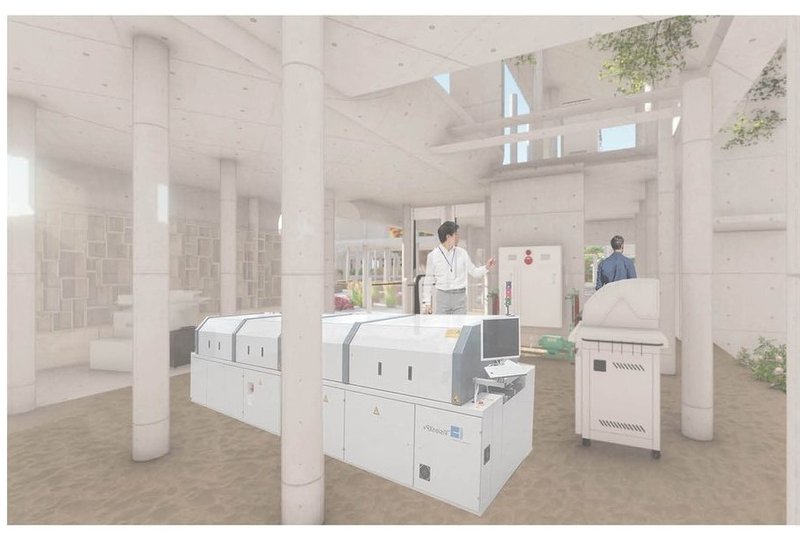
Zihao Huang's design is a testament to how architecture can transcend its traditional role and become a catalyst for social change and sustainability. Through the innovative use of space, attention to sustainability, and focus on community empowerment, the project offers a model for future developments in sustainable architectural design. As communities around the world face similar challenges of integration and sustainability, projects like these inspire a new direction in architectural thought—one that is deeply intertwined with the ecological and social fabric of its surroundings.
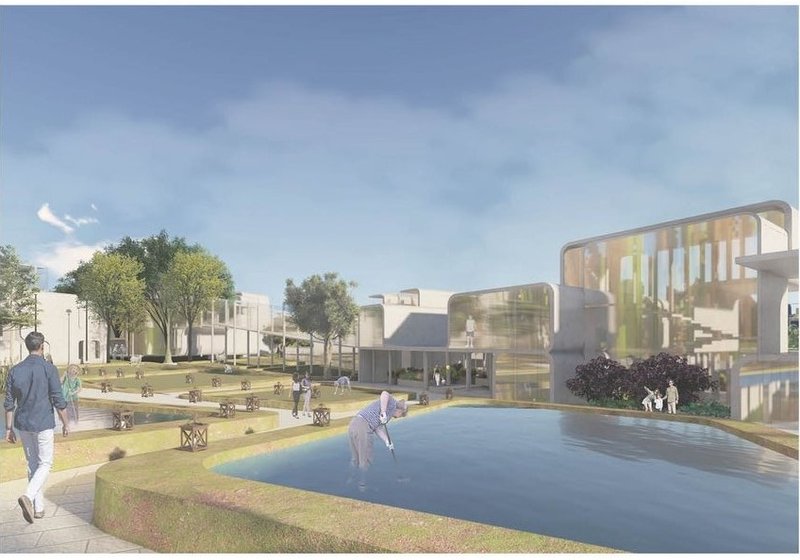
This project not only addresses immediate local issues but also sets a precedent for global urban design challenges, making "Sustainable Architectural Design" a crucial keyword in today’s architectural discourse. By focusing on designs that are as socially responsible as they are environmentally sustainable, architects can play a crucial role in shaping the future of our cities.