
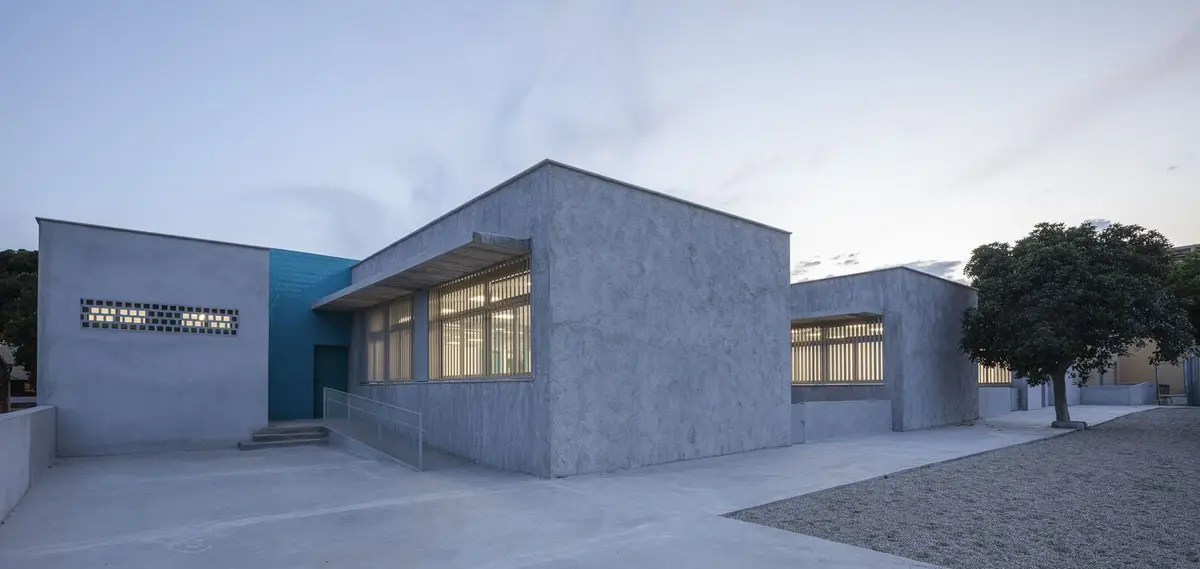
Innovative School Architecture in Spain: A Case Study of Europa School by PALENZVELA. Taller de Arquitectura
Exploring the innovative design of Europa School by PALENZVELA in Almería, Spain, emphasizing sustainability and functionality.


In the heart of Almería, Spain, the Europa School stands as a beacon of innovative design and educational excellence. Designed by the renowned architectural firm PALENZVELA. Taller de Arquitectura, this educational institution has redefined the landscape of school architecture. With a keen emphasis on functional design, environmental sensitivity, and aesthetic appeal, the Europa School exemplifies how architecture can enhance learning environments. This article delves into the design philosophy, unique features, and architectural significance of the Europa School, offering insights into the future of school architecture in Spain and beyond.
Design Philosophy and Objectives
The Architectural Vision
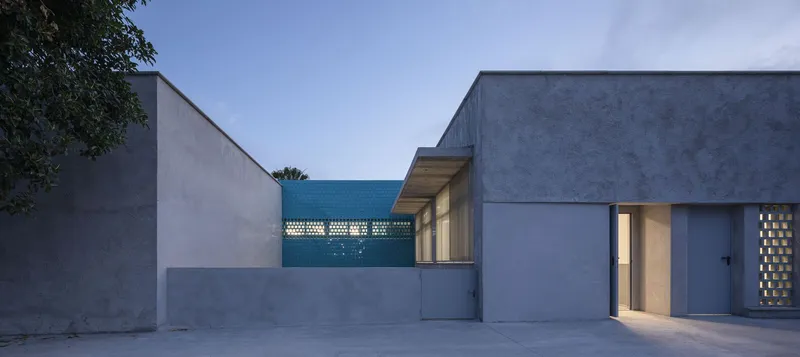
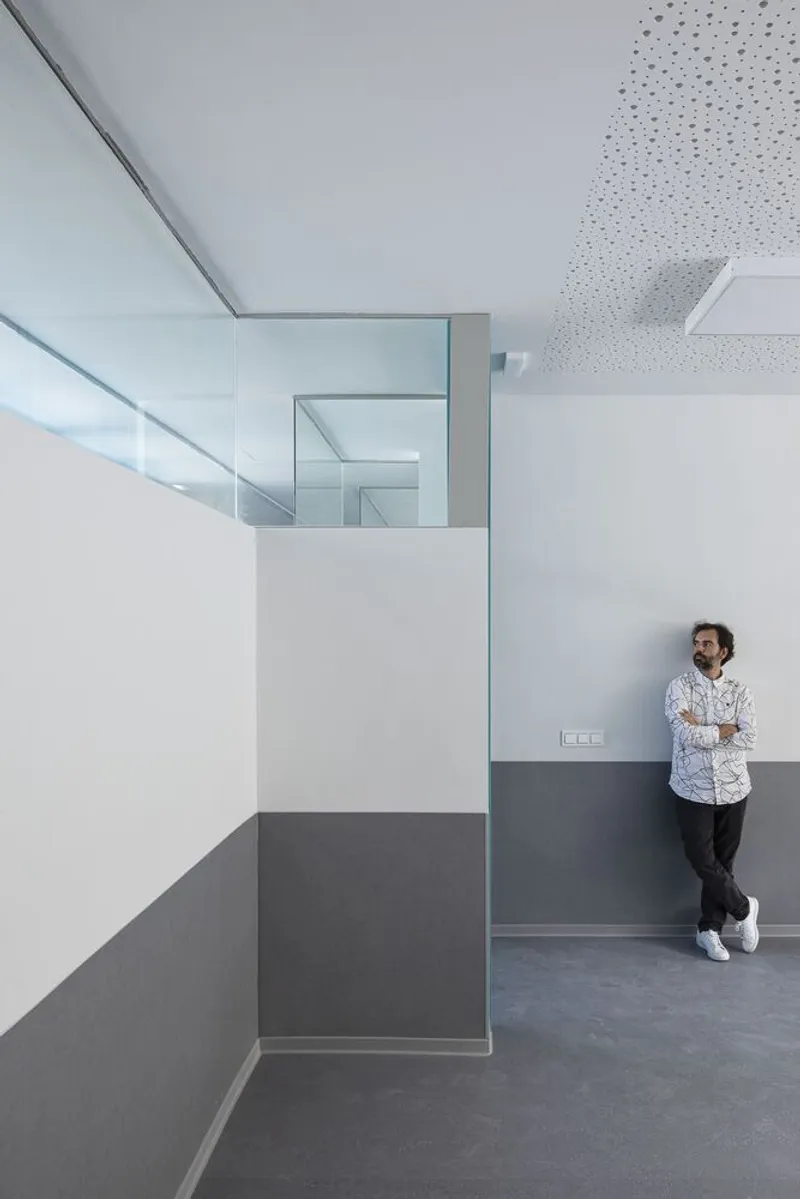
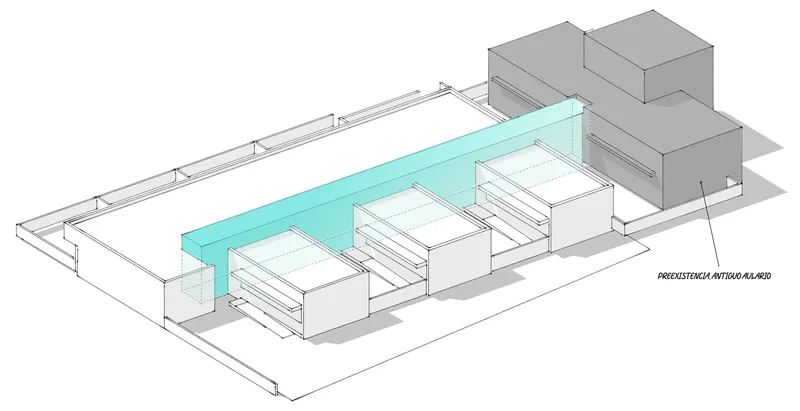
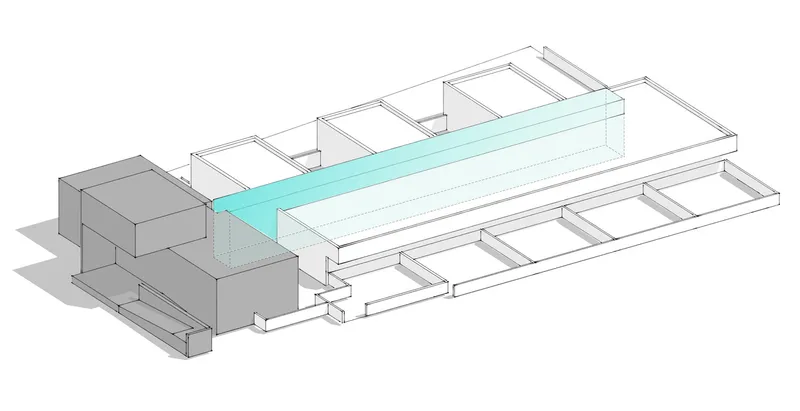
At the core of the Europa School's design is a vision that marries functionality with aesthetic beauty. PALENZVELA. Taller de Arquitectura embarked on this project with the intent to expand the prestigious existing educational facility, creating a distinct space for infant education while preserving the integrity of the original structure. The design reflects a deep understanding of the educational needs and the importance of creating spaces that are conducive to learning and development.
Environmental Integration and Sustainability
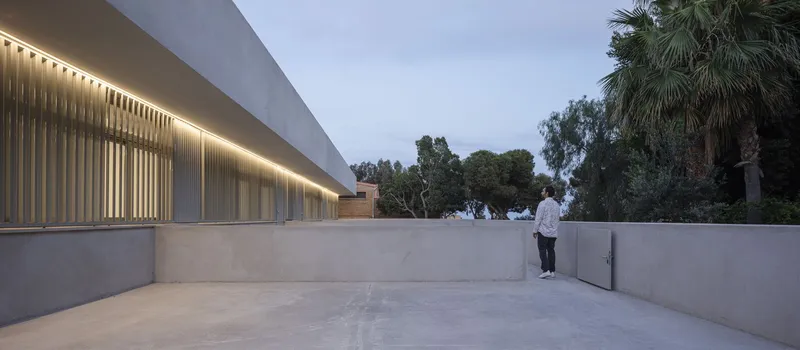
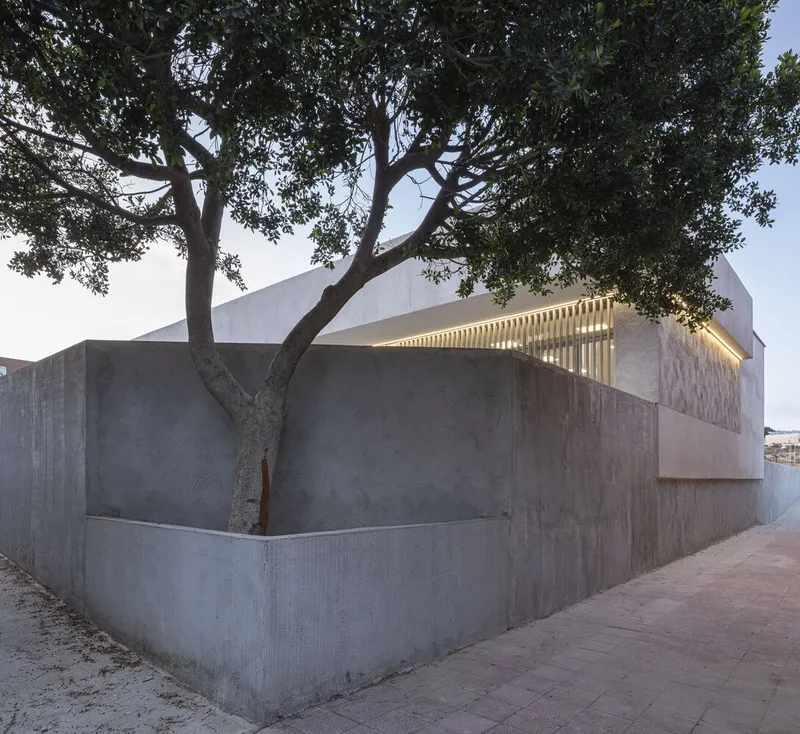
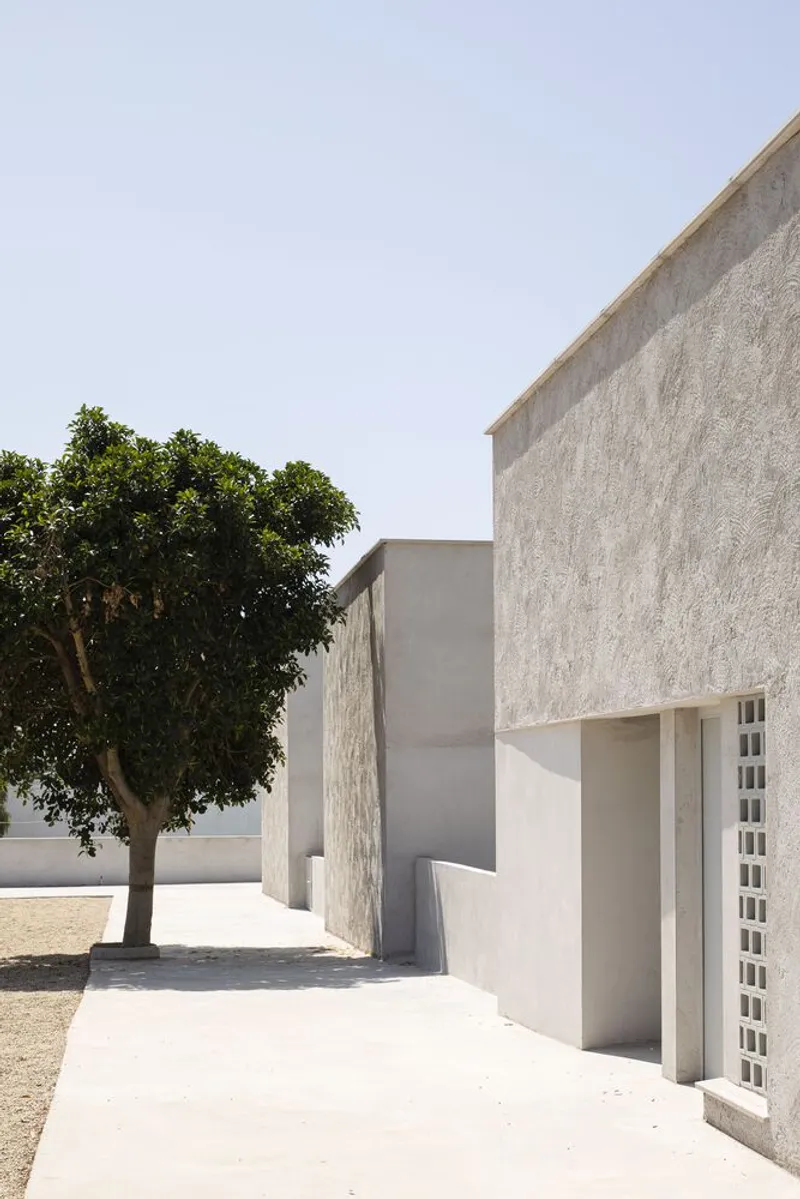
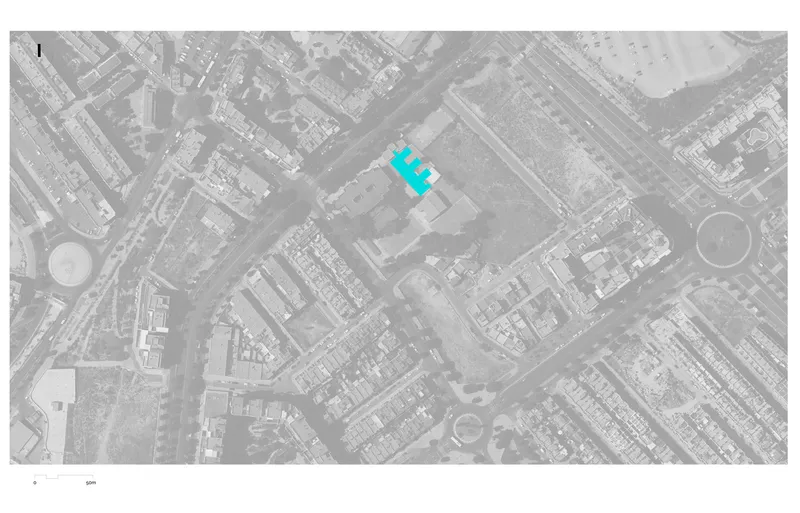
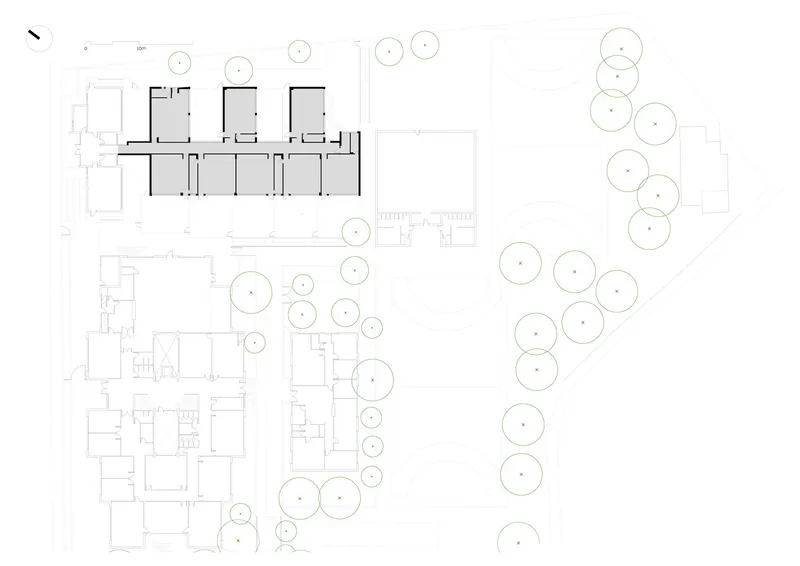
A hallmark of the Europa School's design is its seamless integration with the environment. The architectural team meticulously planned the new construction within the existing recreational spaces, ensuring that the preserved trees were incorporated into the overall design. This approach not only highlights the importance of nature in educational spaces but also emphasizes the commitment to sustainability and environmental stewardship.
Unique Architectural Features
Innovative Use of Space and Light
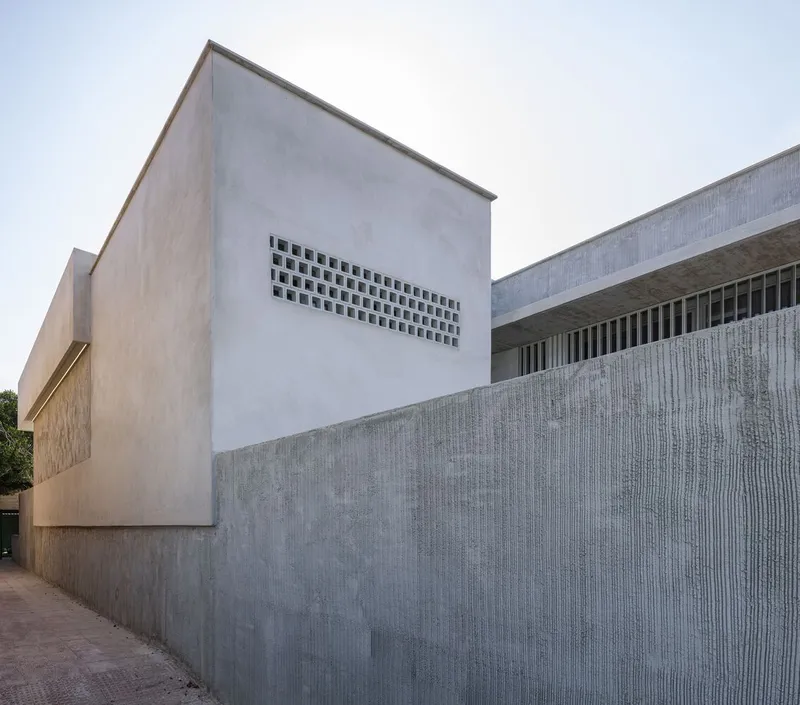
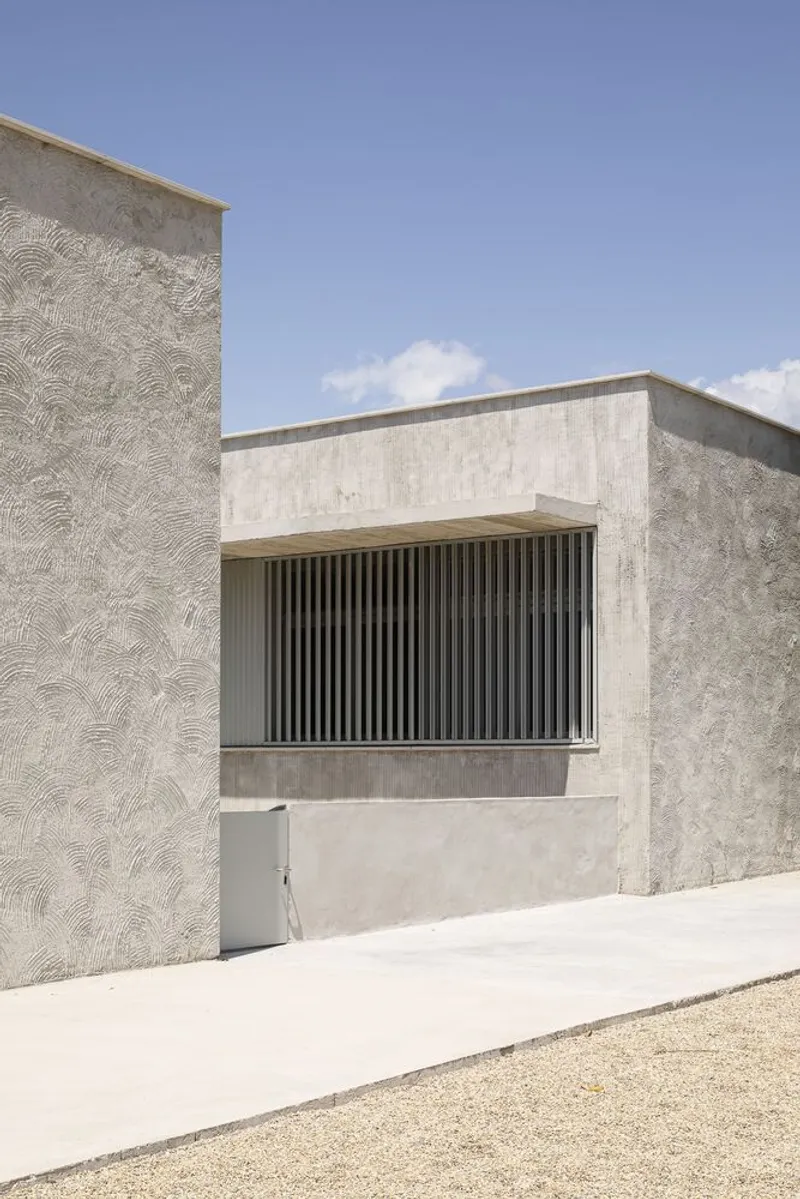
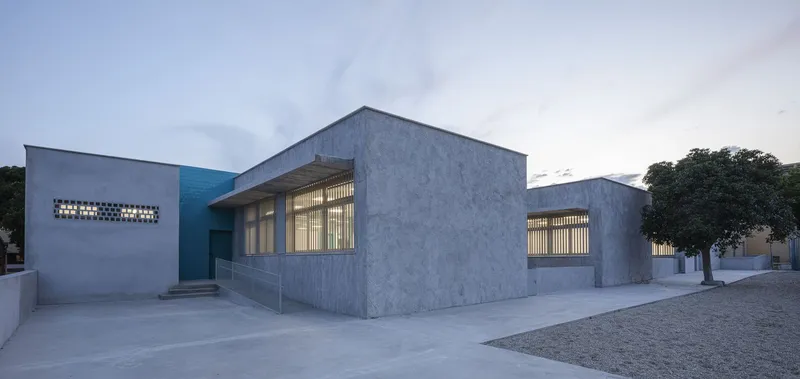
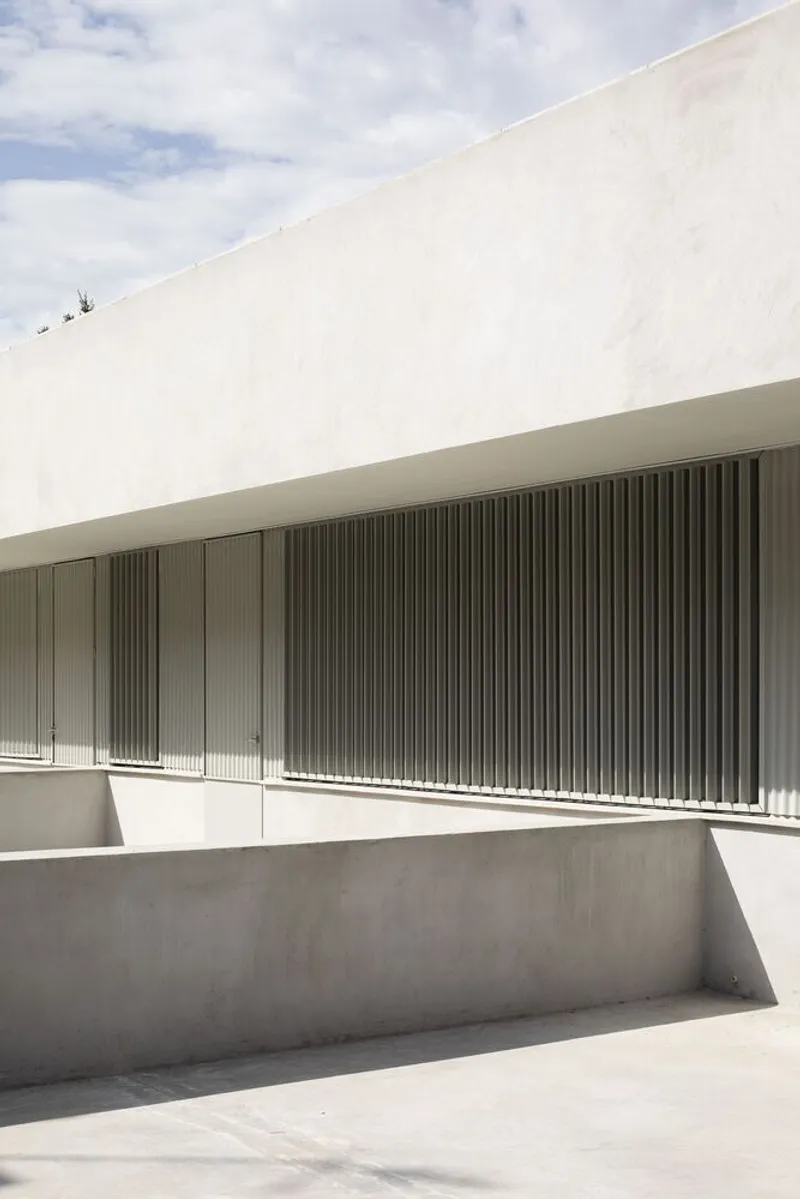
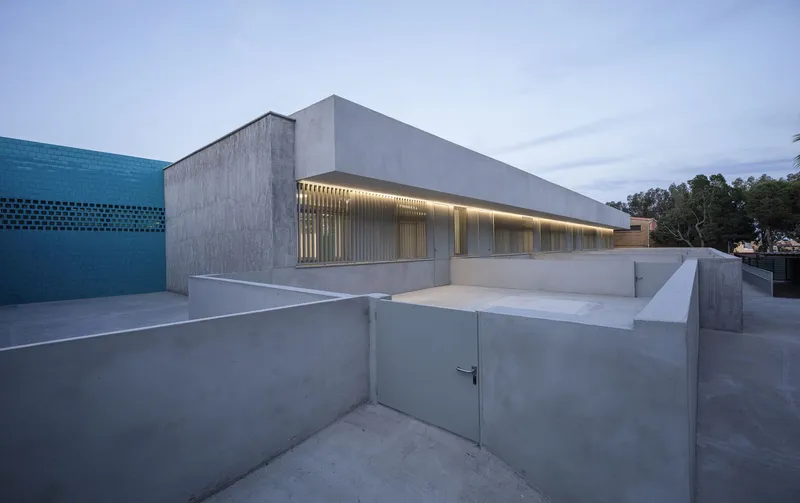
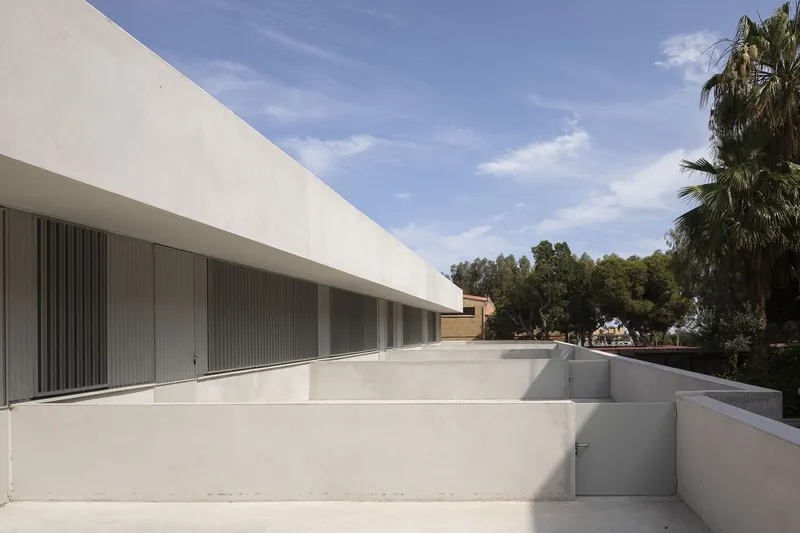
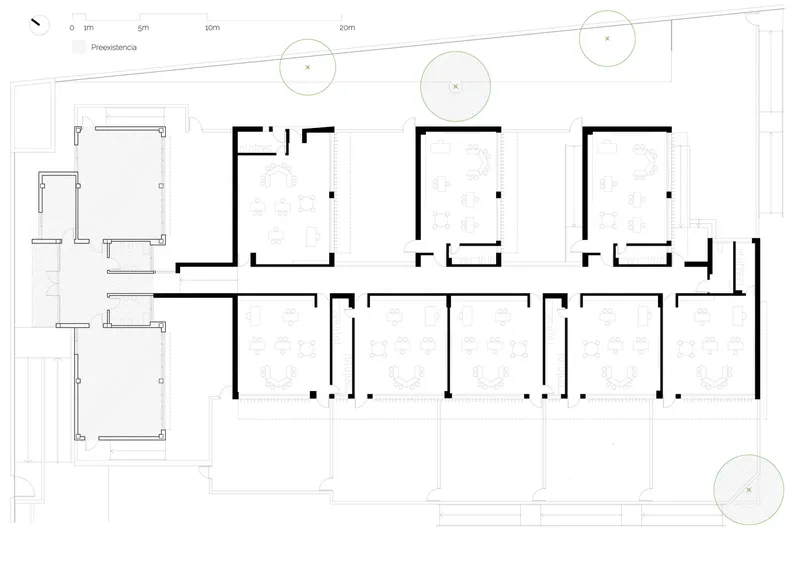
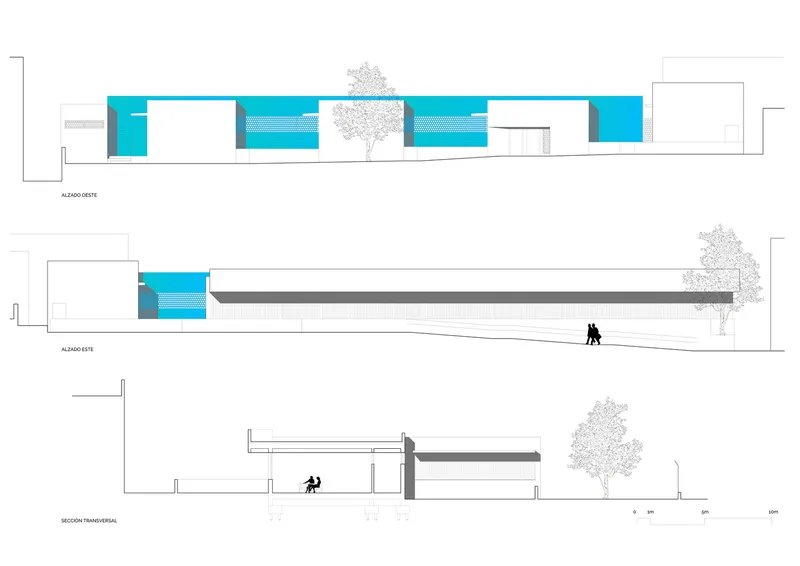
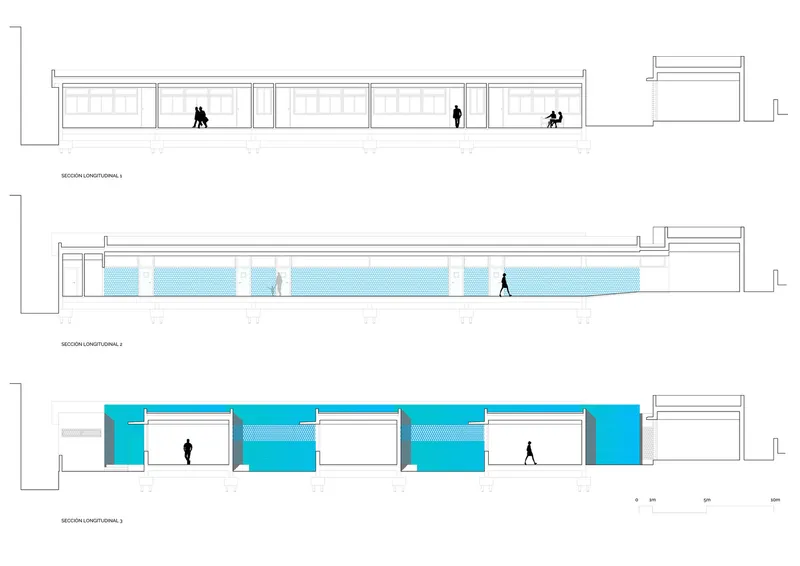
The Europa School's layout is organized around a central axis, serving as a spine that connects classrooms in two opposing orientations. This design allows for optimal use of space and natural light, creating an inviting atmosphere for students and staff. The southwest-facing classrooms feature a large lintel for sun protection, while the northeast orientation presents a comb-like structure that facilitates south-facing preschool courtyards.
Materiality and Aesthetic Choices
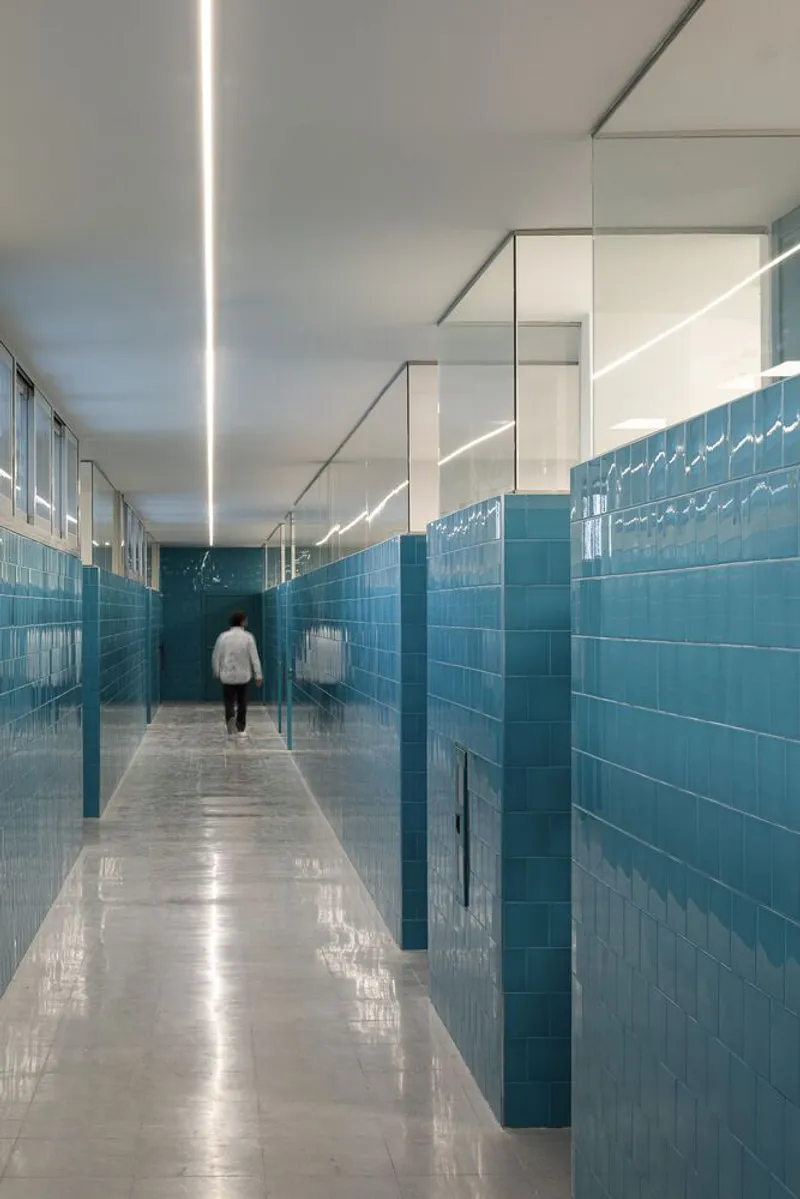
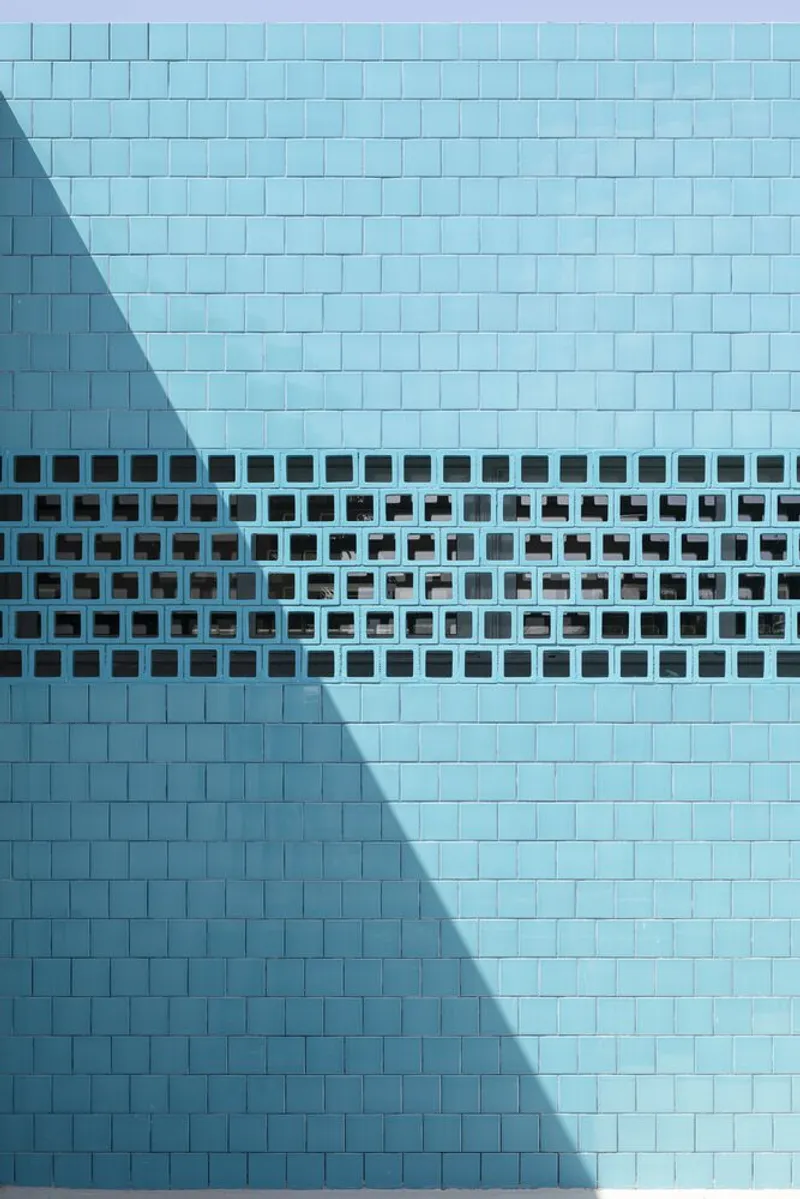
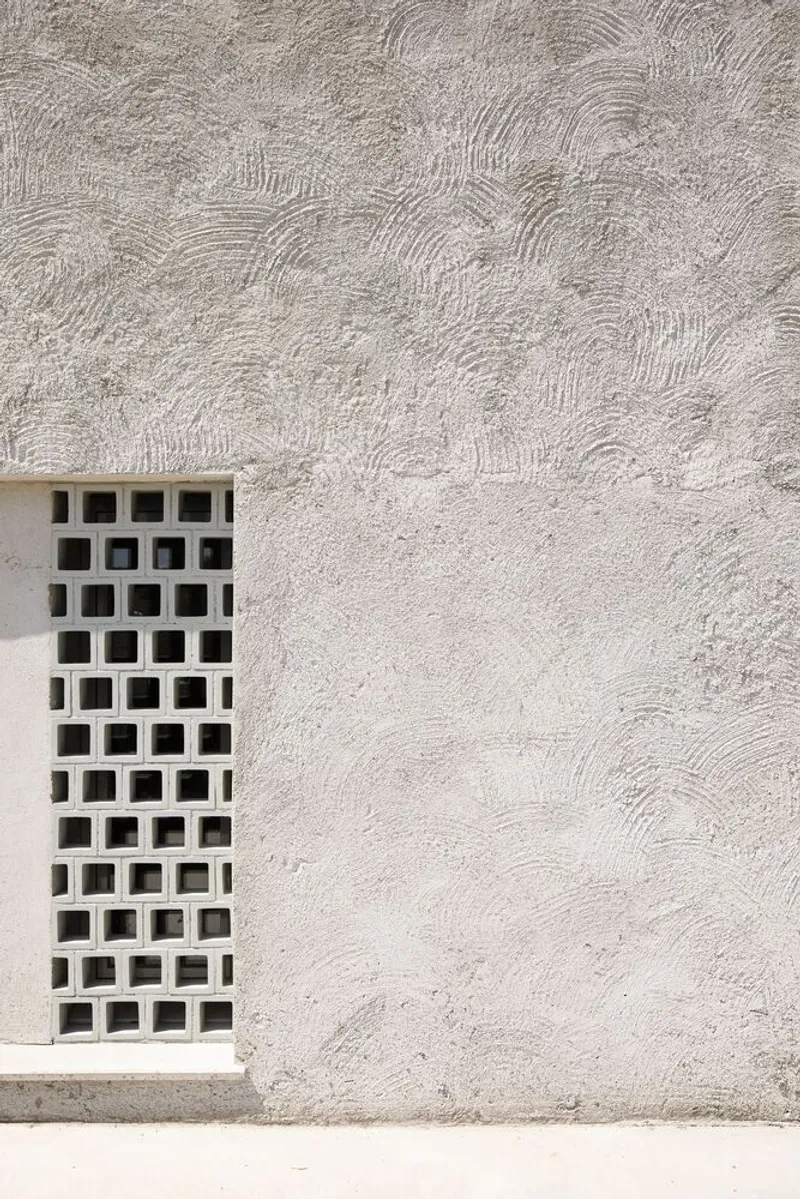
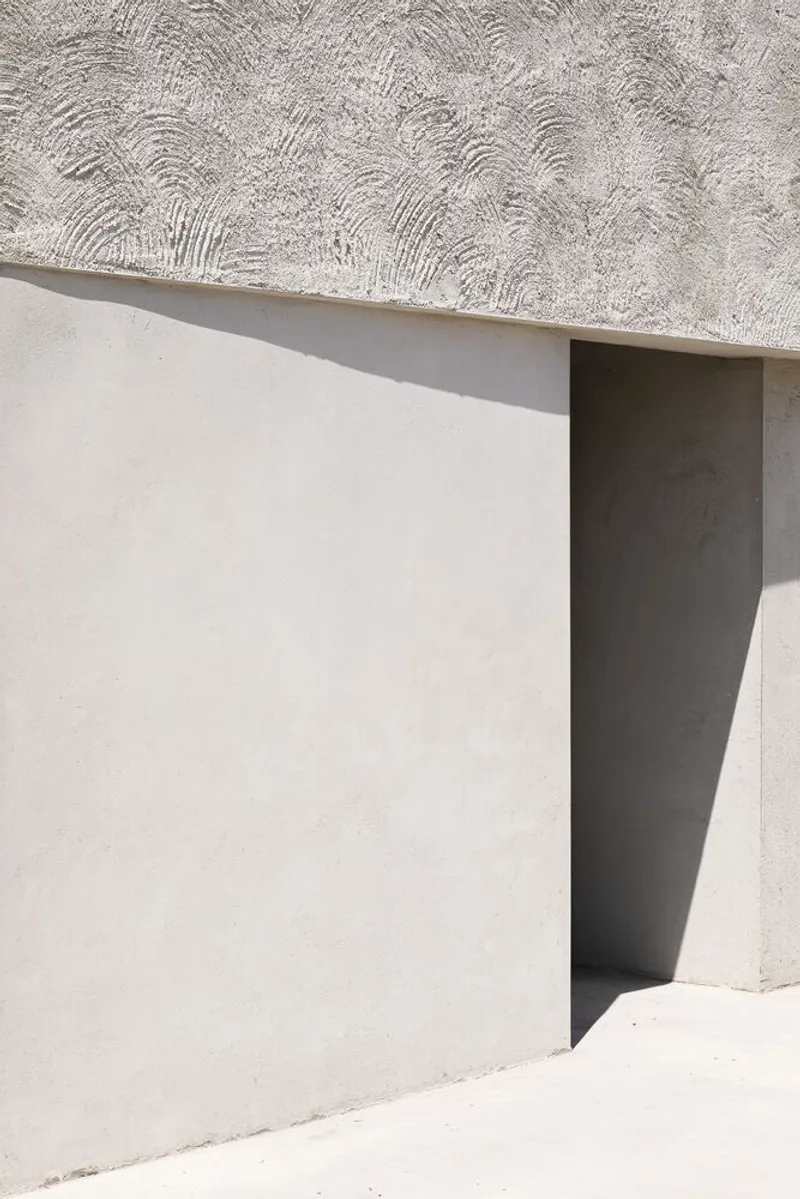
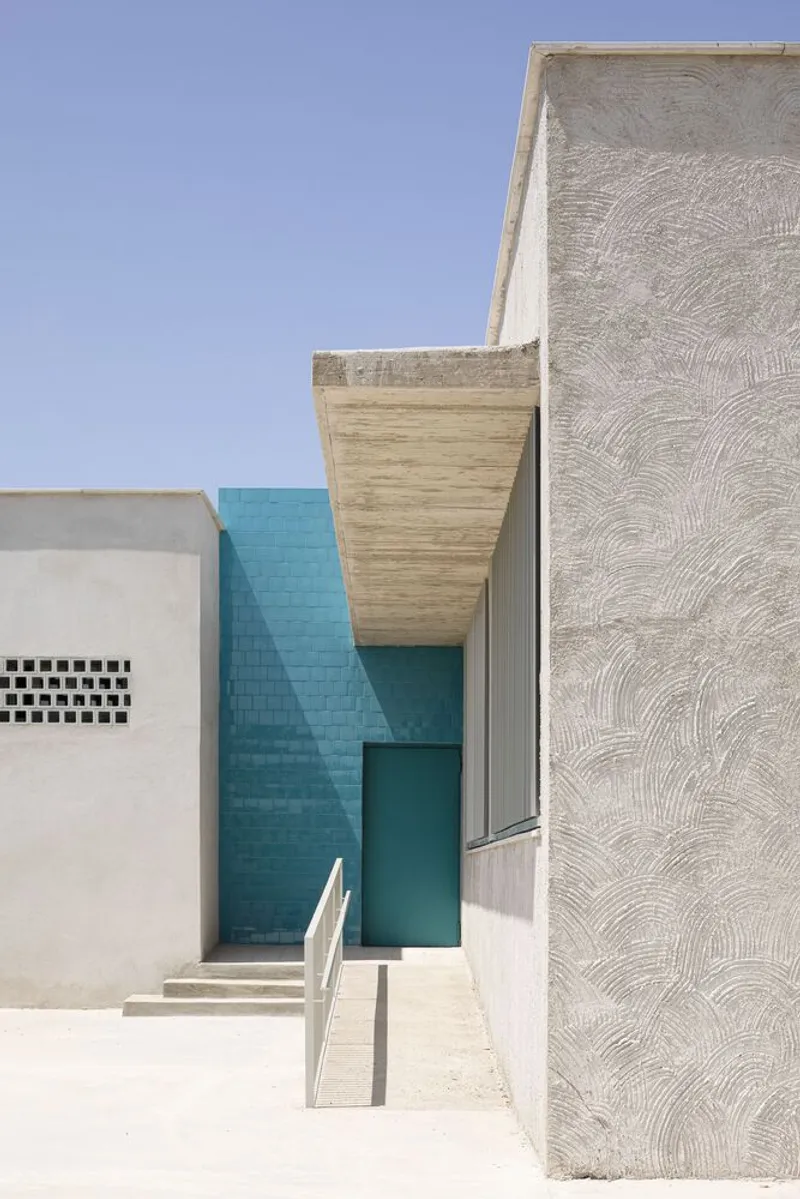
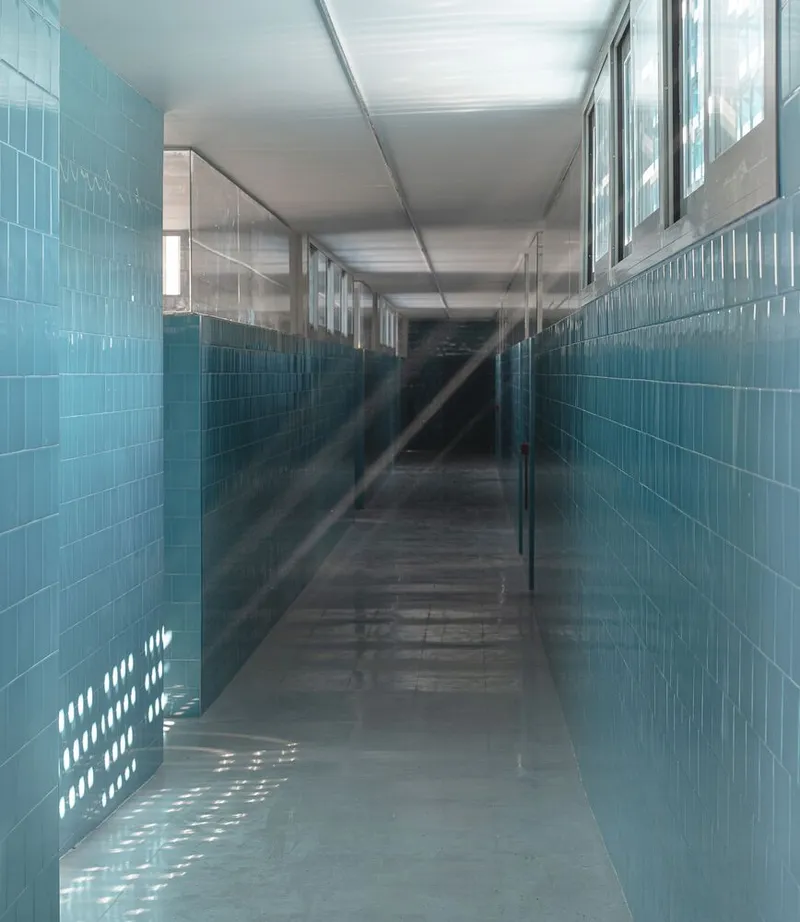
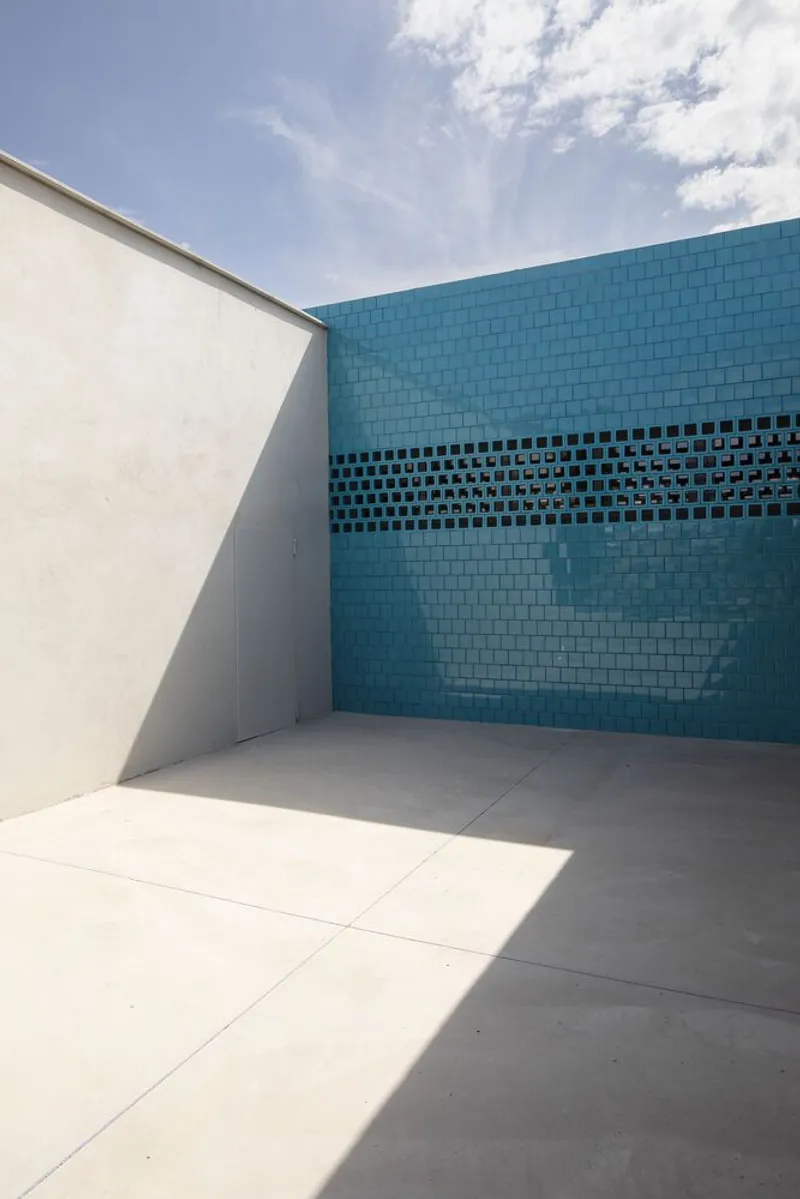
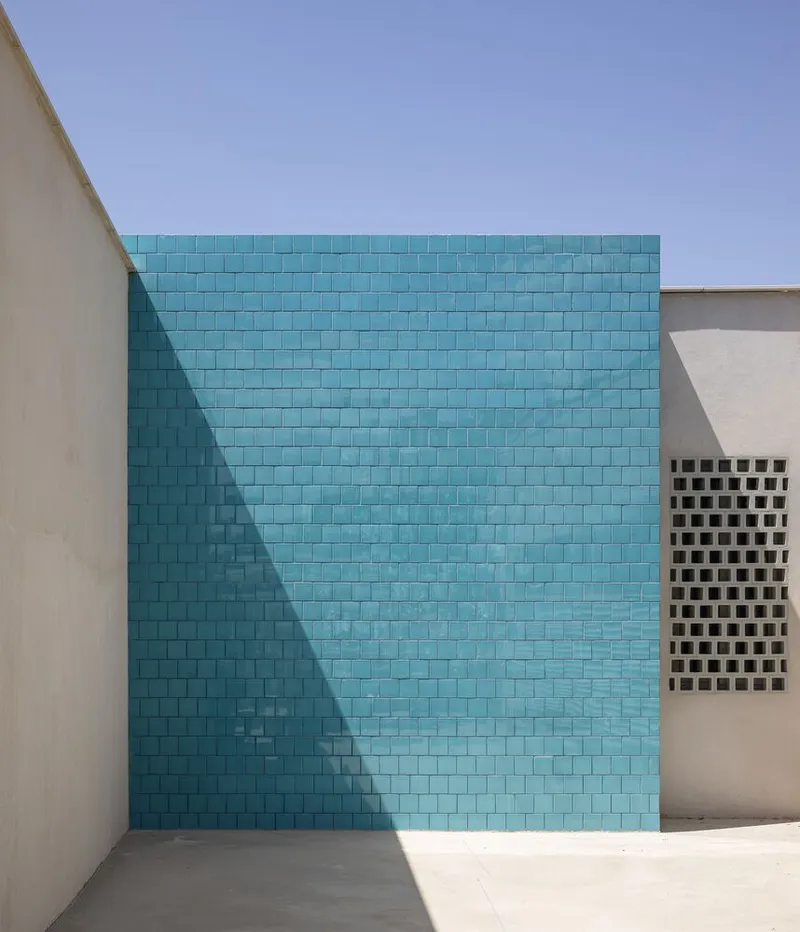
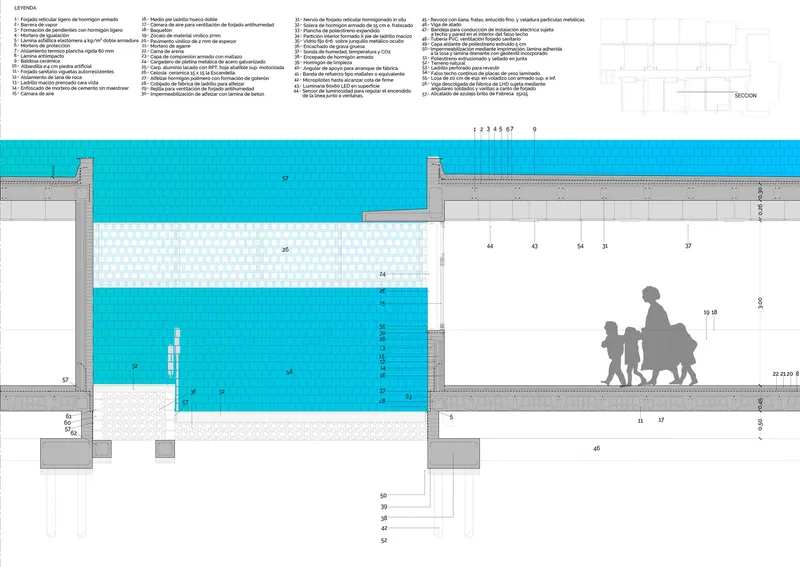
The architects employed a palette of materials and colors that reflect the maritime character of Almería. The central spine of the building is adorned with glazed tiles in turquoise tones, offering a vibrant contrast to the earthy and stone textures of the exterior walls. This choice of materials not only serves functional purposes, such as solar protection, but also adds a layer of aesthetic depth to the building's design.
The Future of School Architecture
The Europa School by PALENZVELA. Taller de Arquitectura stands as a testament to the potential of architecture to transform educational environments. Through innovative use of space, thoughtful environmental integration, and a commitment to aesthetic excellence, this project offers valuable lessons for future school architecture projects. As we look to the future, the Europa School serves as a shining example of how thoughtful design can create spaces that inspire learning and growth.
In a world where education is ever-evolving, the role of architecture in creating spaces that adapt to changing needs and promote sustainability is more important than ever. The Europa School in Almería, Spain, is a beacon of innovation in this field, setting a benchmark for future projects around the globe.
All Photographs are the work of Fernando Alda


Popular Articles
Popular articles from the community


U.GA Architects Wraps an Oval Rooftop Pool in Curved Board-Formed Concrete on Busan's Jeollidan-gil
In Busan's Jeonpo-dong, a 454 m² mixed-use block stacks a neighborhood facility, guest rooms and an oval rooftop pool inside spiraling concrete walls.

GROUP A Strips a 1969 Rotterdam Harbor Headquarters to Its Frame and Wraps It in Timber Louvers
In Rotterdam's M4H harbor district, Ferro Offices reuses a 1969 frame, adds one timber storey and reaches BREEAM-NL Outstanding.

David Macias Steps a Doorless Stone and Plaster House Down a Tropical Colombian Hillside
In the humid hills of Colombia, Threshold House replaces the front door with an open void and terraces its 850 m² down the slope instead of fighting it.

David Ortega Stacks a Two-Story Mexico City Penthouse Around a Steel Stair and a Pergola-Shaded Roof Terrace
In Colonia Roma, a 300 m² penthouse uses oak joinery, a planted steel stair and a slatted roof pergola to make a new-build apartment feel like a house.

Similar Reads
You might also enjoy these articles

Gil Mello Arquitetura Tilts a Single Roof Toward the Waterfalls on a Plateau Above Aiuruoca, Brazil
In Aiuruoca, Minas Gerais, a 200 m² house of local labor and reclaimed poles pairs a low valley veranda with a tall mountain one.
U.GA Architects Wraps an Oval Rooftop Pool in Curved Board-Formed Concrete on Busan's Jeollidan-gil
In Busan's Jeonpo-dong, a 454 m² mixed-use block stacks a neighborhood facility, guest rooms and an oval rooftop pool inside spiraling concrete walls.

Felipe Hess Arquitetos Turns a Blind Stone Wall to the Street and Opens a Brazilian House onto a Courtyard and Canal
A canal-front house in Brazil hides behind painted stone and planting, then opens to an olive-tree courtyard, a reed-ceilinged porch and a curving pool.
David Macias Steps a Doorless Stone and Plaster House Down a Tropical Colombian Hillside
In the humid hills of Colombia, Threshold House replaces the front door with an open void and terraces its 850 m² down the slope instead of fighting it.

Explore Architecture Competitions
Discover active competitions in this discipline

Challenge to reimagine the Iron Throne

Photograph architecture without architects

Illustrate the lost glory of Angkor Wat - Render Challenge

Design challenge to reuse E-waste
Comments (0)
Please login or sign up to add comments
No comments yet. Be the first to comment!