
Interactive Public Art Installations: Revitalizing Urban Spaces
Exploring the "JUMP Urban Generator," an interactive public art installation that revitalizes urban spaces through engagement


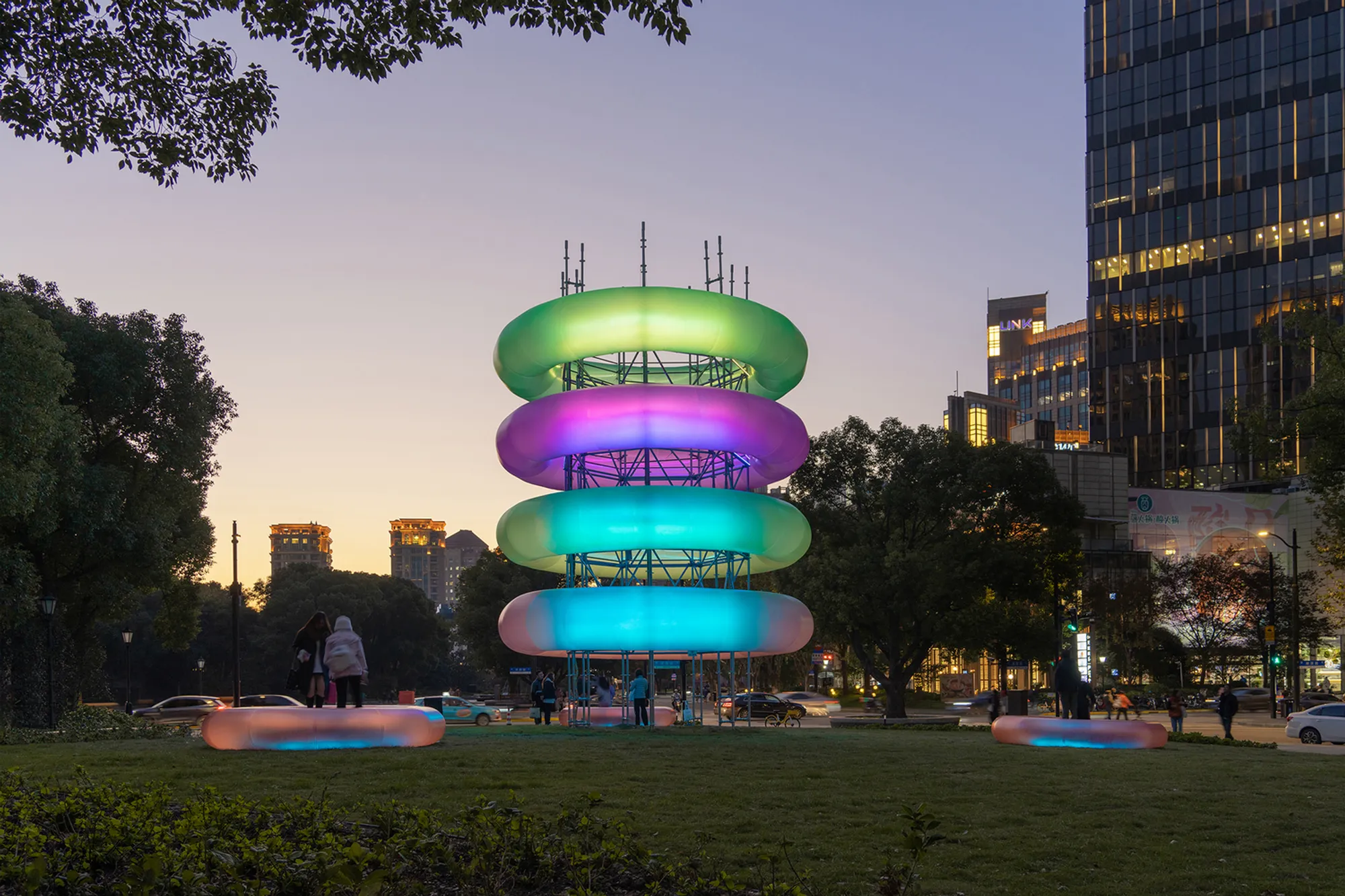
Interactive public art installations have emerged as dynamic catalysts for urban revitalization, transforming mundane cityscapes into vibrant hubs of creativity, engagement, and community interaction. Among the forefront of these innovative ventures is the "JUMP Urban Generator" project by Daxing Jizi Design, a testament to the power of art in activating public spaces and fostering a deeper connection between the city and its inhabitants.

The Essence of Interactive Public Art Installations
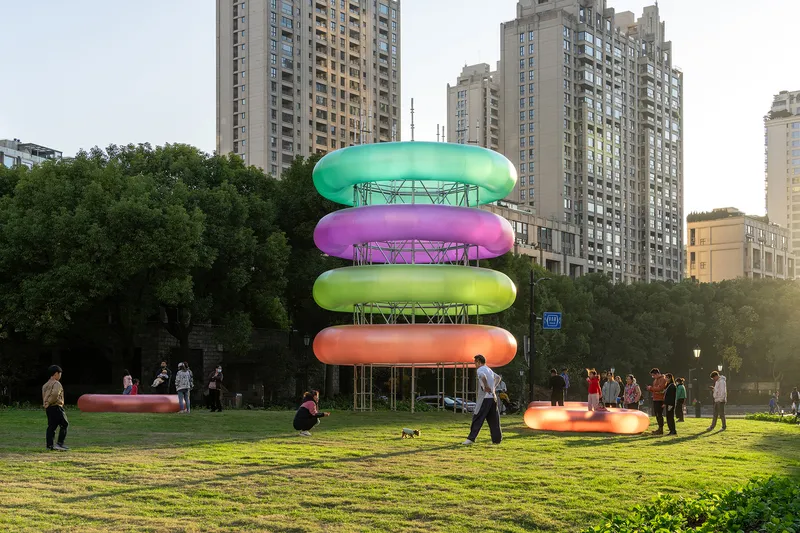
Interactive public art installations are not merely visual spectacles; they are experiences that invite participation, provoke thought, and encourage a sense of playfulness and discovery. Unlike traditional static art pieces, these installations offer a tactile and immersive journey, allowing individuals to become part of the artwork itself. This involvement enhances the personal connection to the piece and, by extension, to the surrounding urban environment.

Impact on Urban Spaces
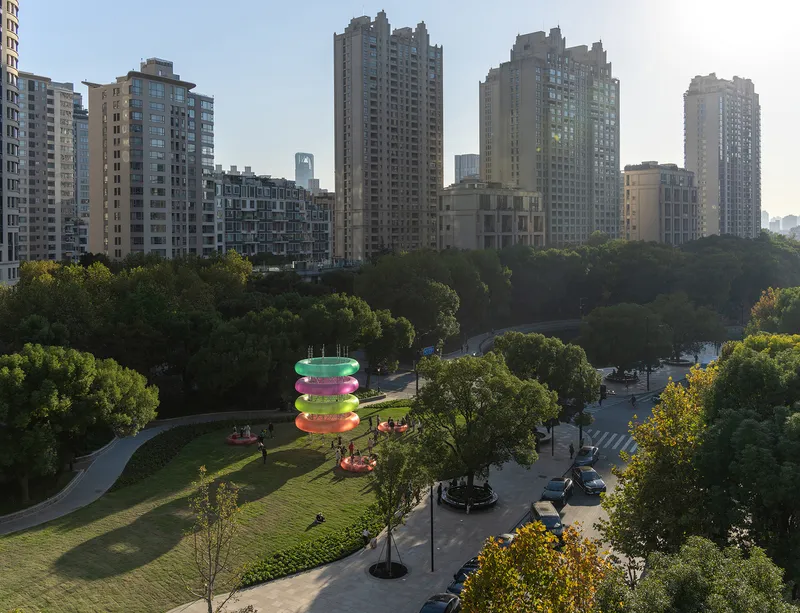
The transformative effect of interactive installations on urban spaces is profound. By integrating art into public areas, cities become more than just places of transit; they evolve into cultural landscapes that reflect creativity, innovation, and community values. Such installations serve as landmarks, gathering spots, and conversation starters, enriching the urban experience for residents and visitors alike.

Overview of the Project
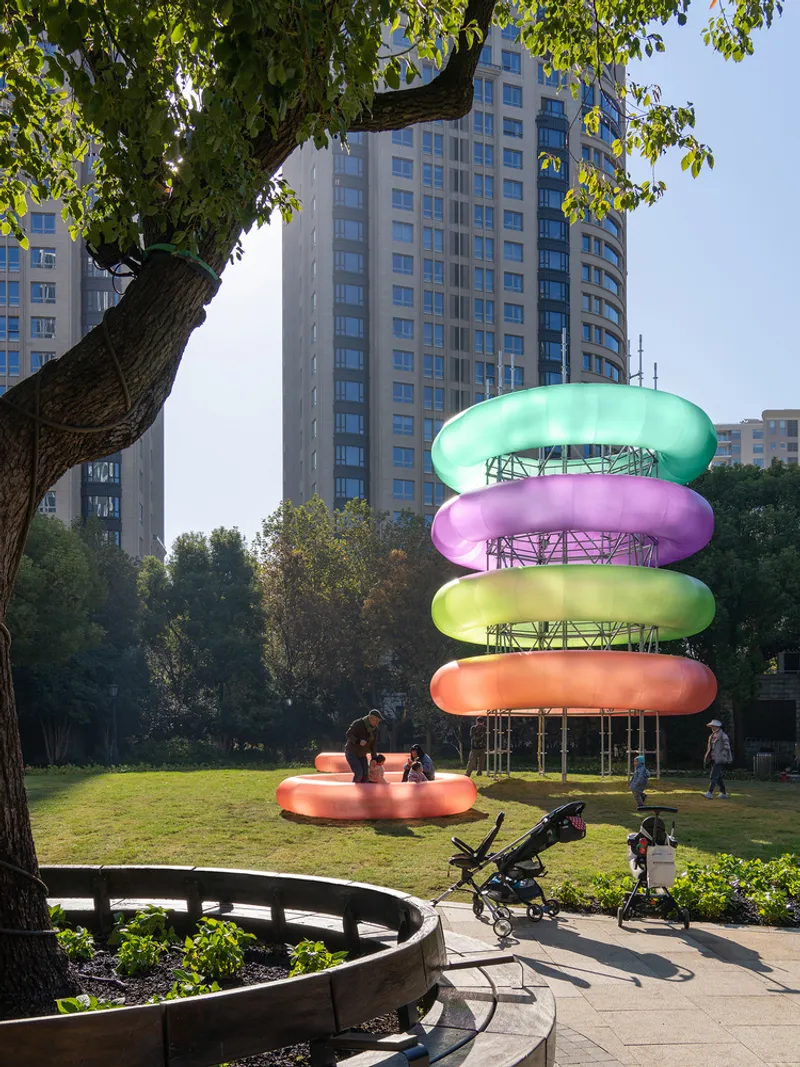
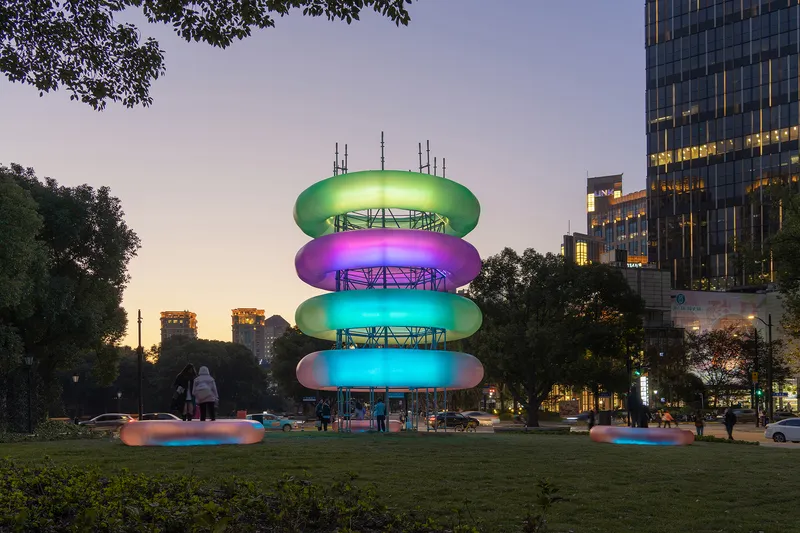
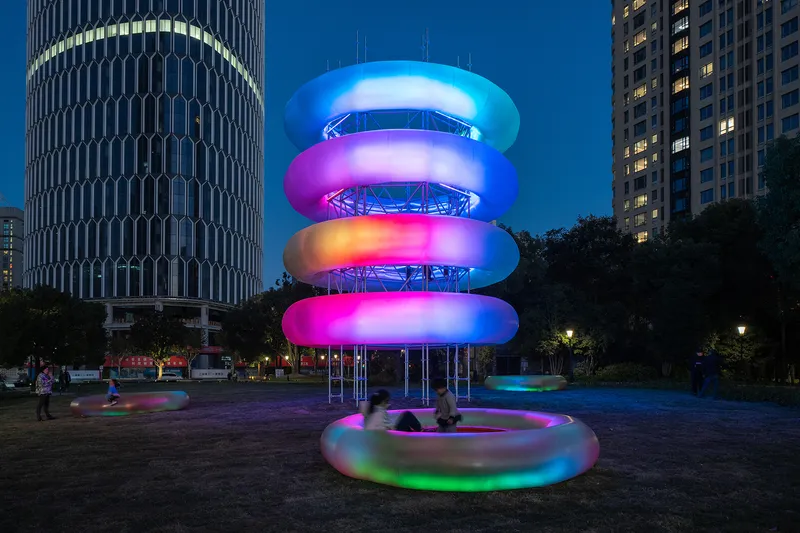
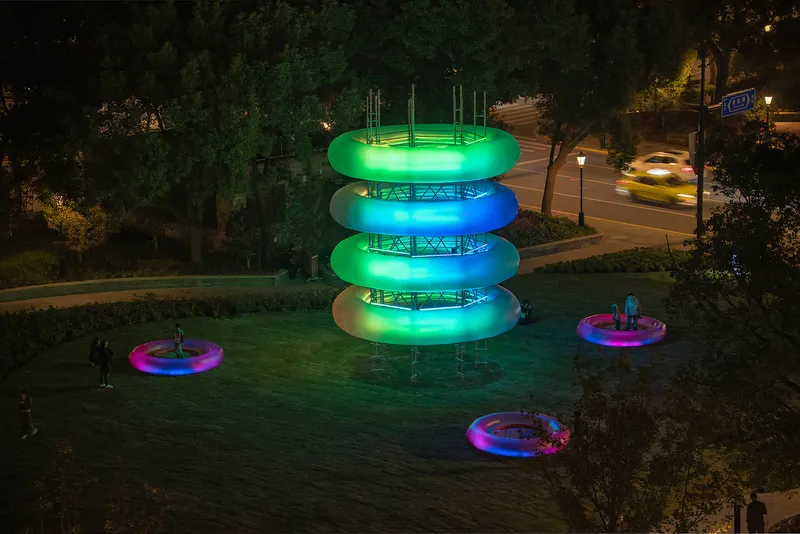
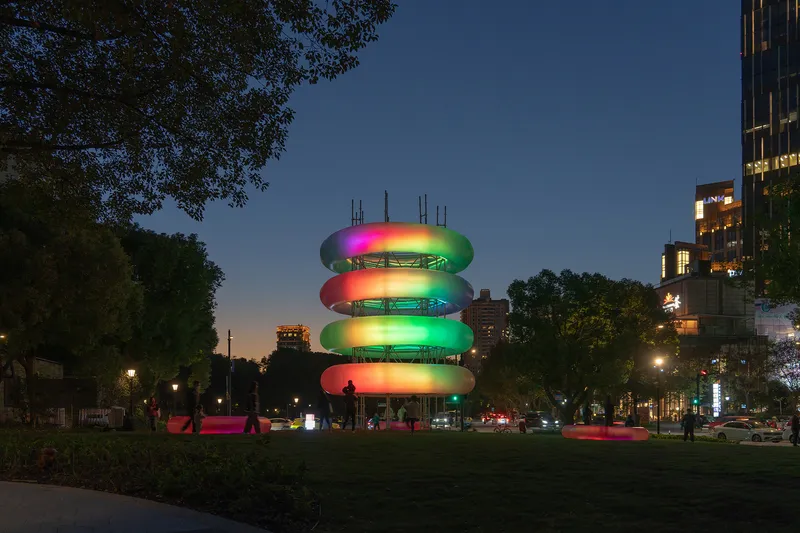
The JUMP Urban Generator project, situated in the heart of Shanghai's Greater Xintiandi area, is a prime example of how interactive public art can energize and enhance urban spaces. Crafted by the visionary team at Daxing Jizi Design, this installation was part of the "RanRan" Art Season, aiming to intertwine art, city life, and the personal experiences of the people.
Design and Features
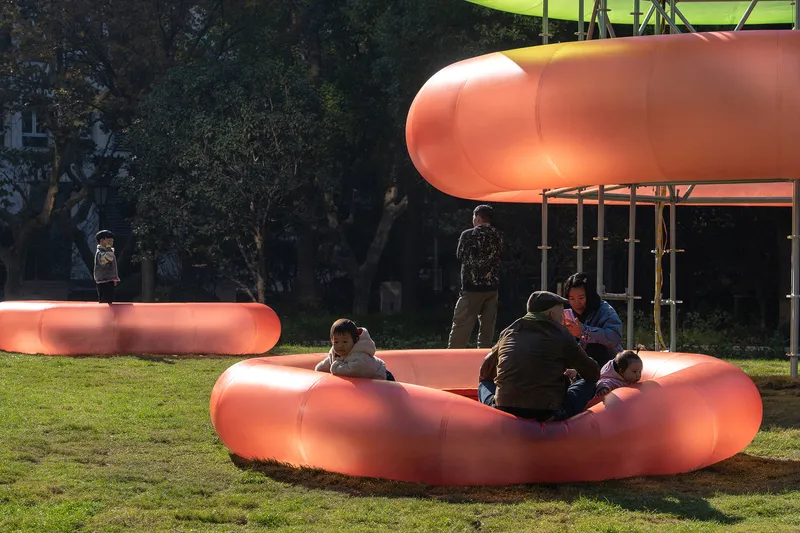
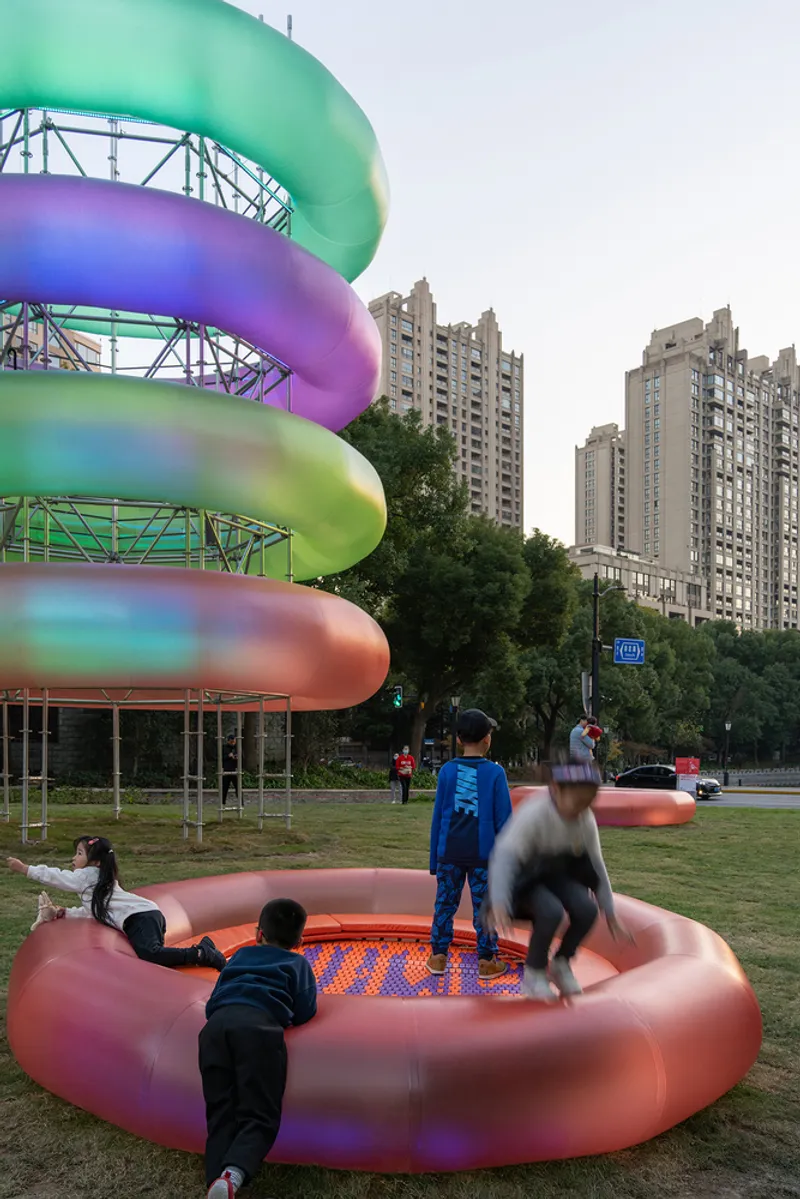
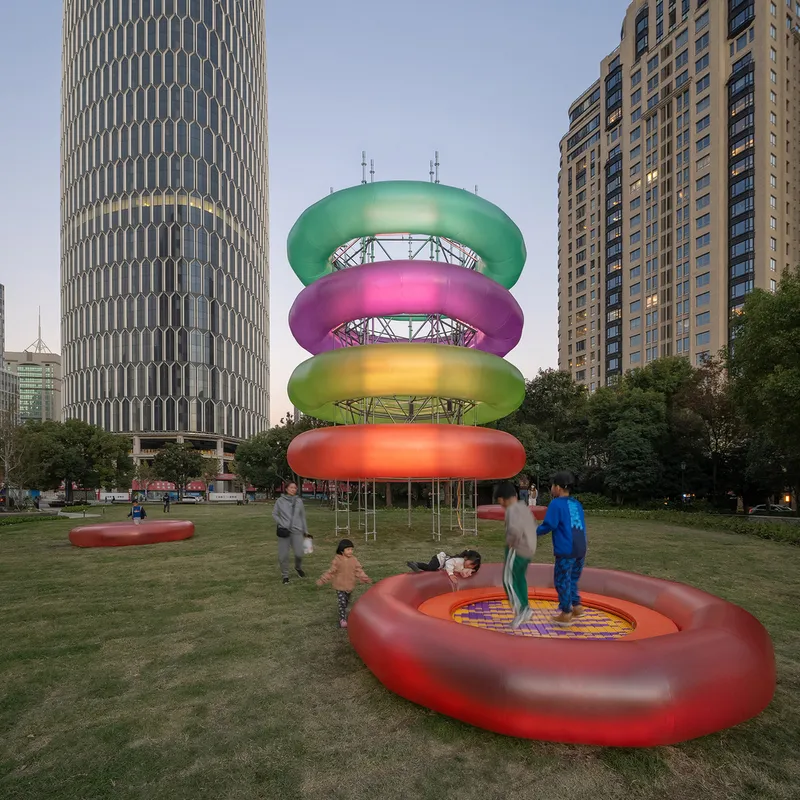
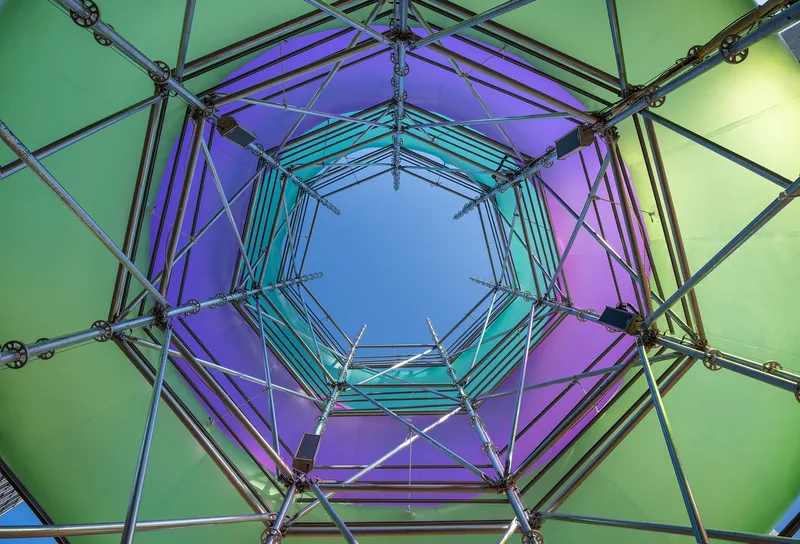
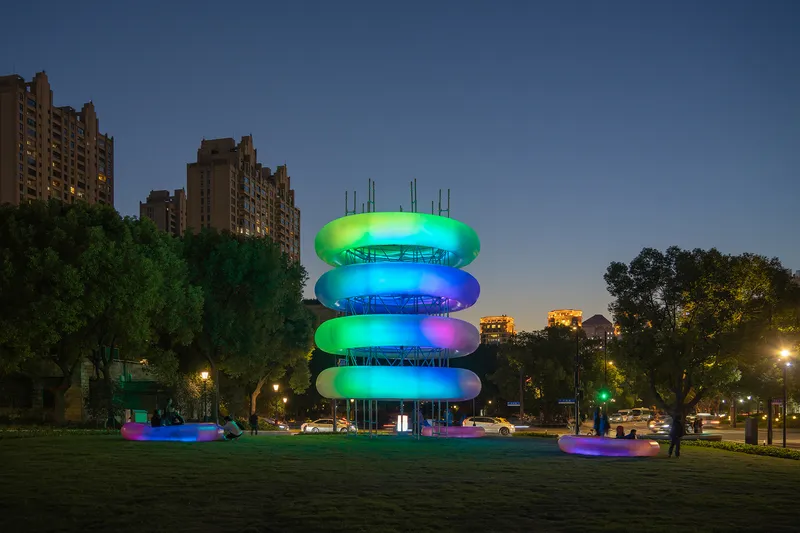
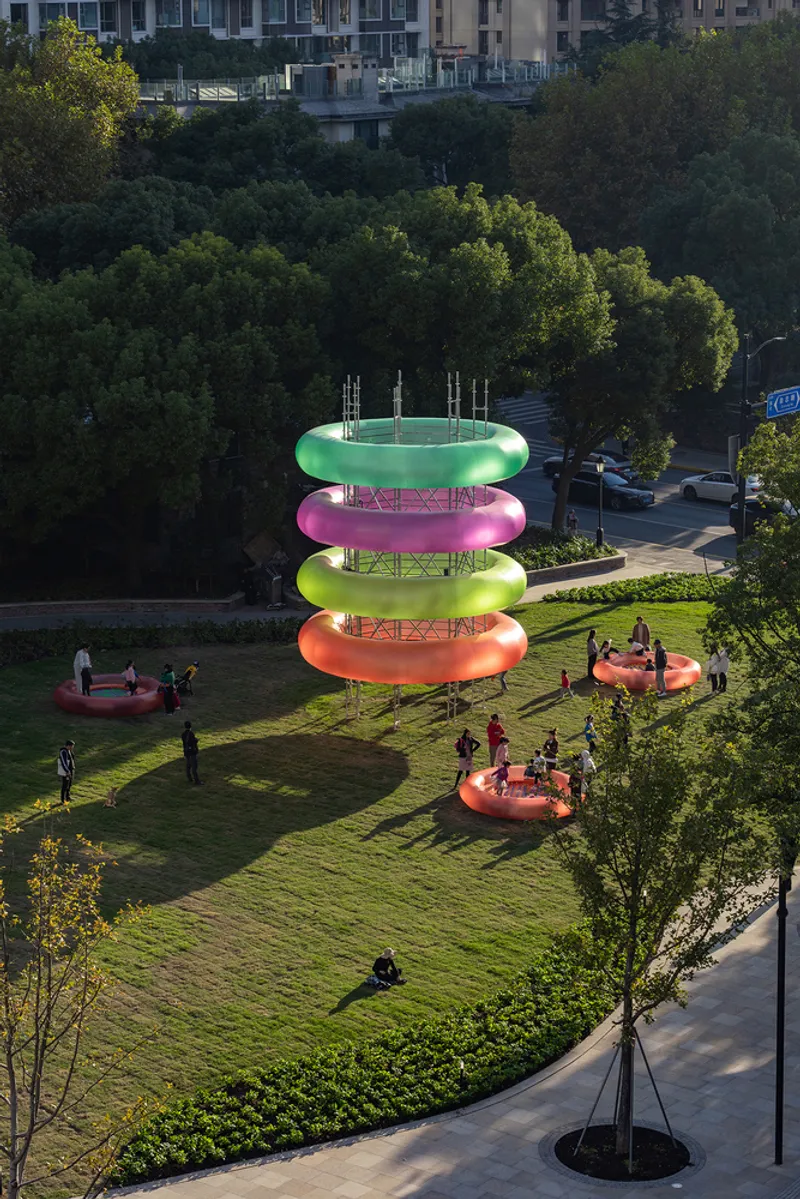
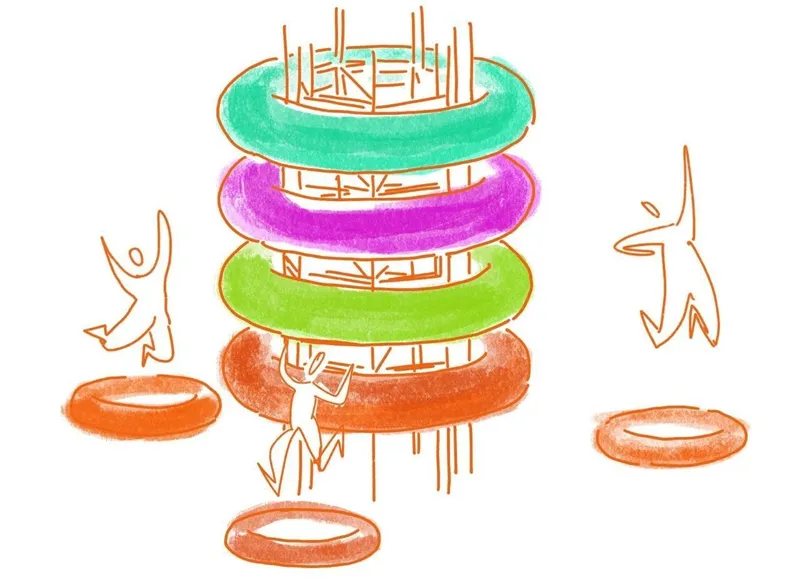
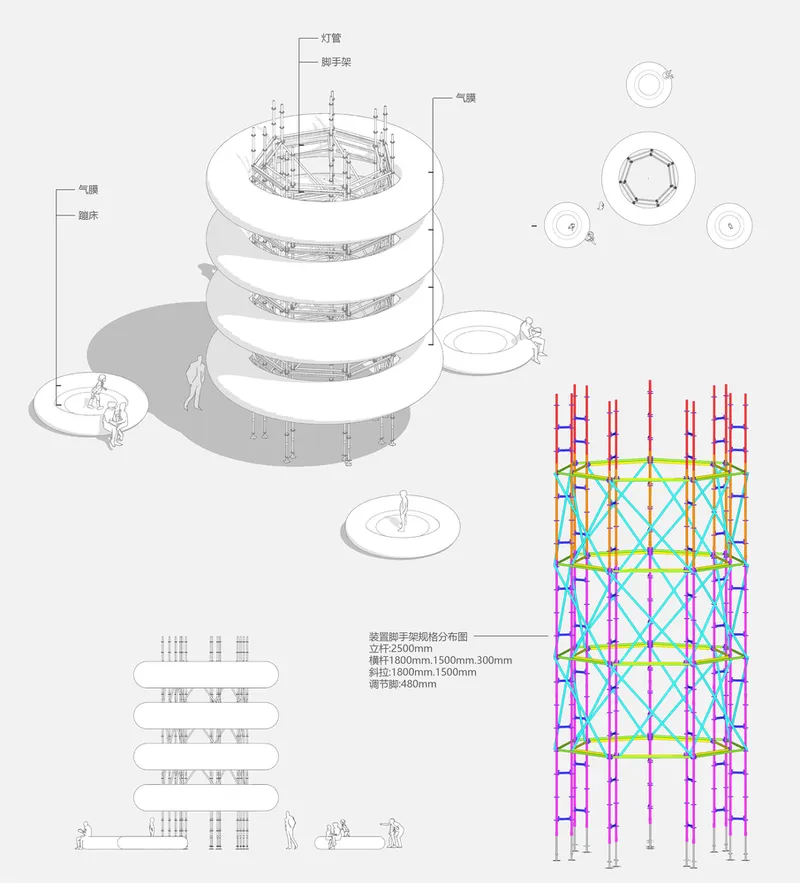
At the core of the JUMP Urban Generator is a towering structure surrounded by interactive trampolines, designed to encourage physical engagement and generate a sense of joy and vitality often overlooked in urban settings. The installation's design draws inspiration from the Cockcroft-Walton generator, blending historical reference with contemporary aesthetic and technological innovation.

Engaging the Community
Beyond its visual appeal, the JUMP Urban Generator serves as a communal energy source, inviting participation through playful interaction. The installation not only activates the physical space but also energizes the social and emotional landscape, fostering a sense of community among participants.
Bridging Art and Architecture
Interactive public art installations blur the lines between art and architecture, highlighting the role of architectural design in creating engaging, functional, and aesthetically pleasing public spaces. Architects and designers play a crucial role in realizing these installations, ensuring they are safe, accessible, and harmoniously integrated into the urban fabric.

Enhancing Spatial Perception
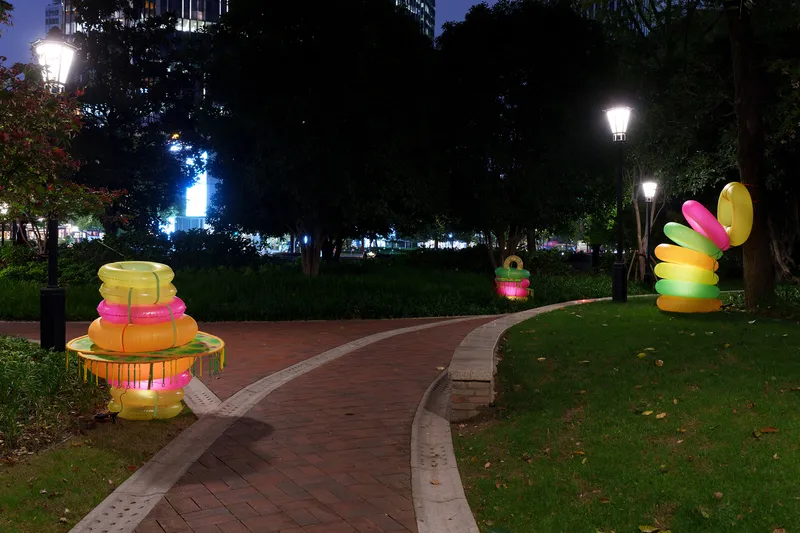
Through the lens of interactive installations like the JUMP Urban Generator, architecture transcends its traditional boundaries, becoming an active participant in the art experience. These projects offer new ways to perceive and interact with space, encouraging a reimagining of urban environments as places of possibility and creativity.
Interactive public art installations represent a powerful intersection of art, architecture, and community engagement. Projects like the JUMP Urban Generator by Daxing Jizi Design illustrate the potential of these installations to transform urban spaces into lively, engaging, and meaningful environments. As cities continue to evolve, the integration of art and architecture through interactive installations will play a pivotal role in shaping vibrant, inclusive, and dynamic urban landscapes.

By embracing the philosophy of interactive public art, cities can foster a sense of belonging, creativity, and shared joy, ensuring that urban spaces remain not just places of passage, but destinations of discovery and connection.
All Photographs are the work of Chao Zhang, UCCA



Popular Articles
Popular articles from the community


Hill & Cross Opera: Sculptural Opera House Architecture Shaped by Tallinn’s Landscape and Identity
Hill & Cross Opera reimagines opera house architecture in Tallinn through its sculptural hill, civic plaza, glass wave and a luminous cross.

Lunar Spiral: Space Architecture Shaped by the Mathematics of the Universe
Lunar Spiral reimagines space architecture through Fibonacci geometry, lunar regolith, levitating habitats, and self-sustaining Moon living.

The Musturak Paradise: Senior Living Architecture for a Connected Future in Temara, Morocco
The Musturak Paradise reimagines senior living architecture in Temara via private homes, social spaces, culture, community, and shared care.

The Earth Pod: 3D Printed Homes for Resilient Refugee Communities
The Earth Pod reimagines refugee housing through 3D printed homes made from clay, combining resilience, self-sufficiency, and rapid shelter.

Similar Reads
You might also enjoy these articles


Hodi-Mandai Geram
Project Function: Preservation and revitalization of the Intangible heritage and socio-spatial identity of the Hodi by Housing, Cultural Memory Center, Sacred Grove, landscape, local tourism economy


Olio Towers: A Mid-Rise for Performers That Fuses Housing, Rehearsal, and Stage
Located blocks from Houston's Theater District, this modular tower stacks living units around a central performance atrium.

Oasis: Modular Green Housing Carved into Dhaka's Urban Fabric
A shortlisted Plugin Housing entry reclaims unauthorized settlements in Dhaka with stepped concrete volumes, green roofs, and ventilation-driven design.

Black Hole: A Floating Megastructure for the Post-Physical Era
Emiliano Mazzarotto envisions a spherical, self-scaling arena where e-sports, digital hotels, and holographic stadiums replace traditional public space.

Explore Interactive Art Competitions
Discover active competitions in this discipline



Challenge to reimagine the Iron Throne


Photograph architecture without architects


Illustrate the lost glory of Angkor Wat - Render Challenge


Design challenge to reuse E-waste
Comments (0)
Please login or sign up to add comments
No comments yet. Be the first to comment!