Introduction to Modular School Building Design: A Case Study in Lindweiler
This article explores the modular timber construction of Cologne-Lindweiler primary school, designed by Sehw Architektur, emphasizing sustainability and functionality.


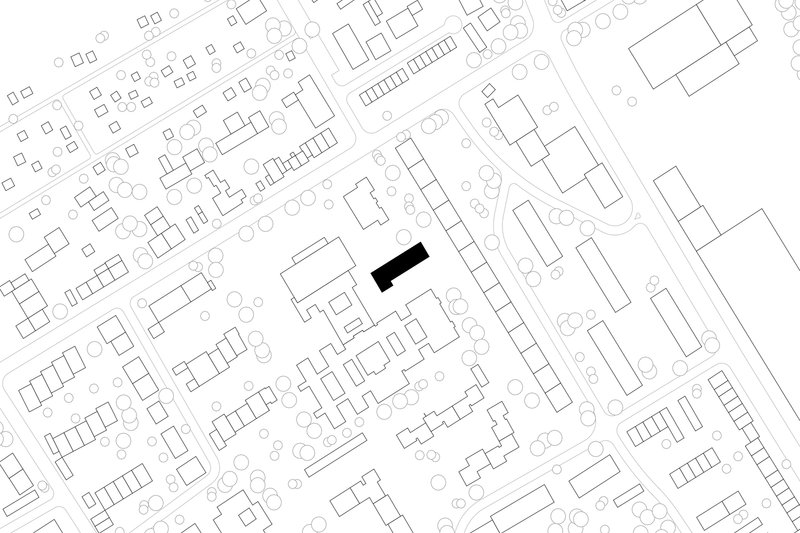
Modular construction is revolutionizing the design and build of educational facilities around the world. One notable example of this innovative approach is the extension of the Cologne-Lindweiler primary school in Essen, Germany, designed by Sehw Architektur. This project showcases how modular building designs can be integrated seamlessly into existing educational structures, enhancing both functionality and aesthetic appeal.v
Project Details and Architectural Insights
Architectural Firm and Construction Details
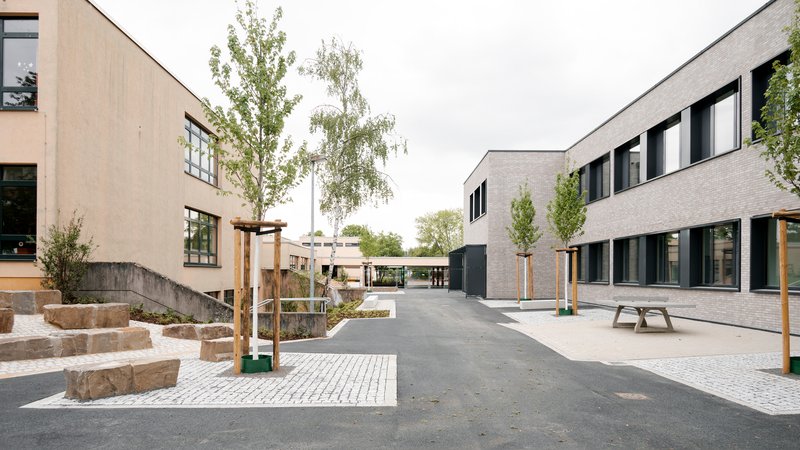
Designed by the esteemed Sehw Architektur, the extension project was completed in 2022, covering an area of 985 square meters. The construction took just nine months, a testament to the efficiency of modular building techniques. The architects employed a modular timber construction method, which not only sped up the construction process but also emphasized sustainability and environmental friendliness.
Design Aesthetics and Functional Features
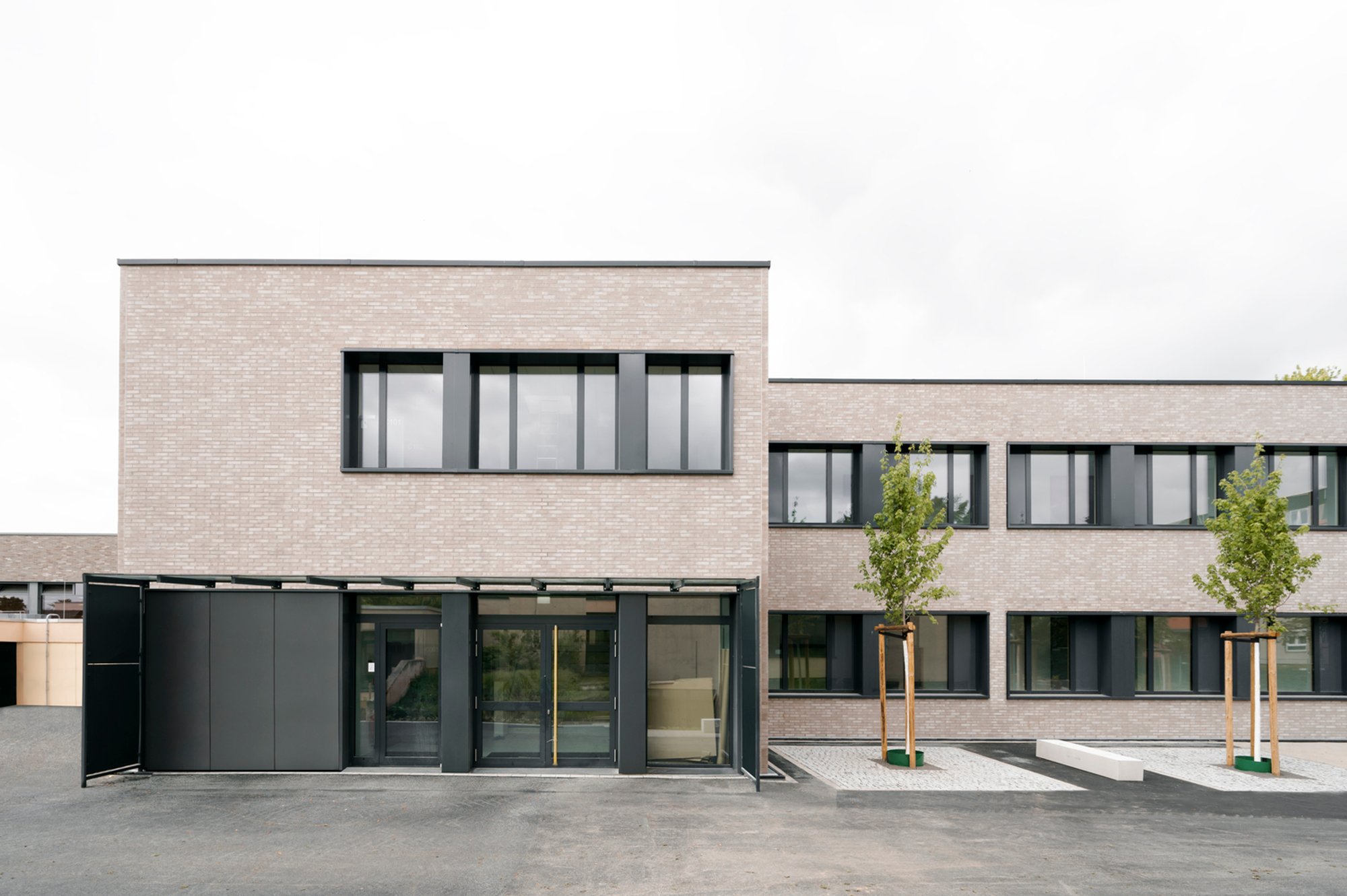
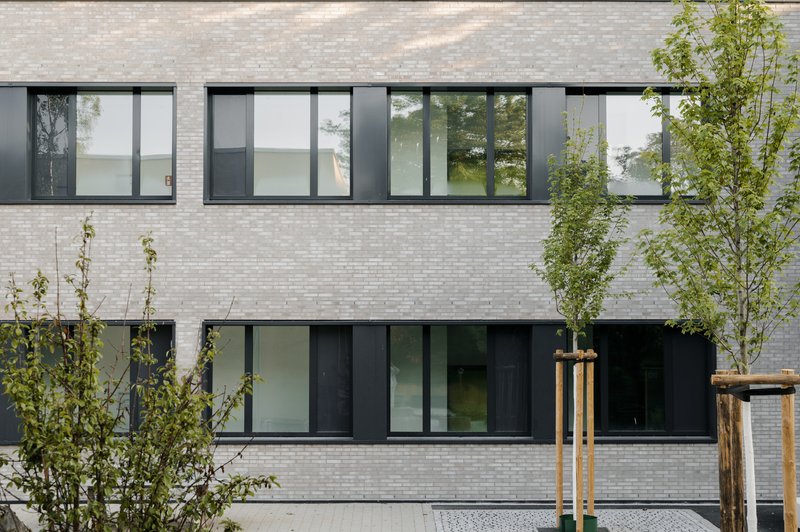
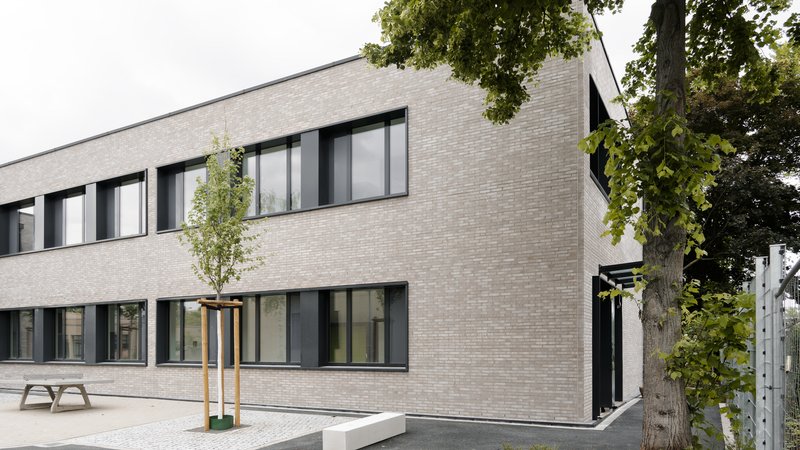
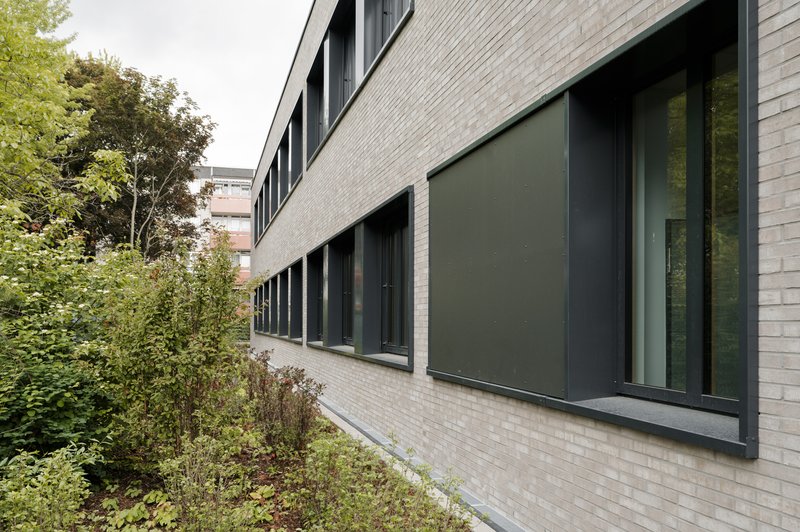
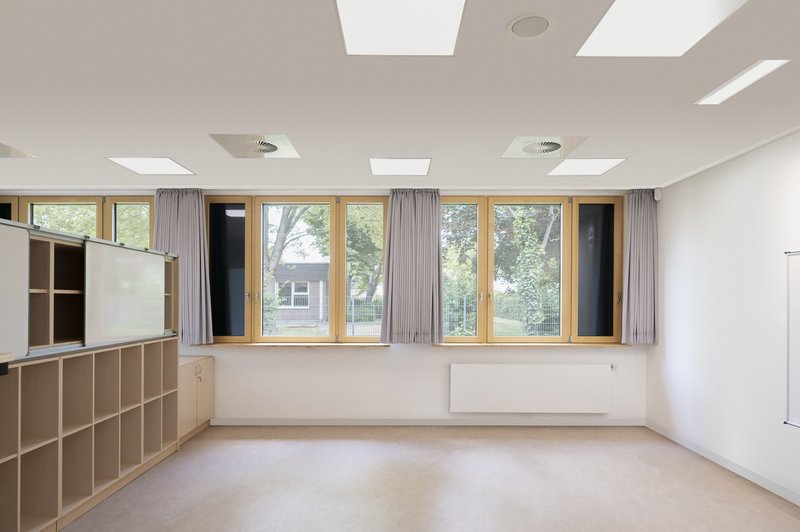
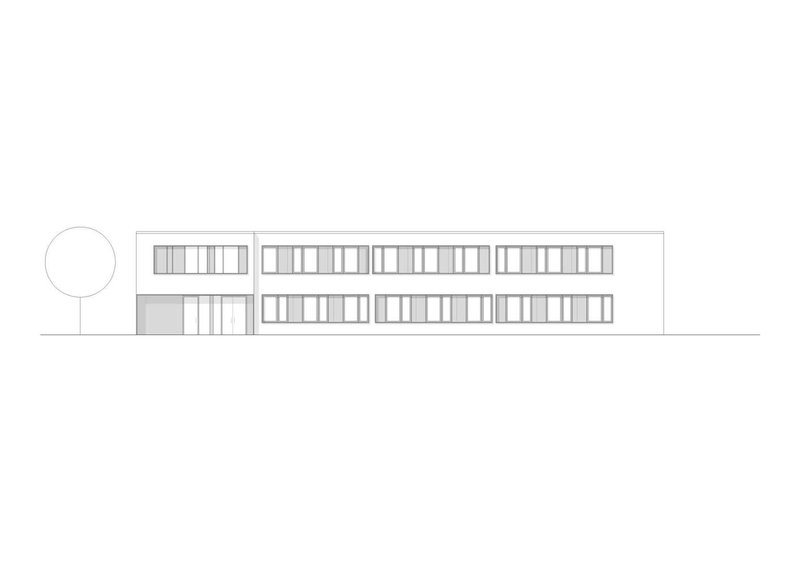
The two-story structure is characterized by its light-colored facing brick façade and elongated wood-aluminum window elements. These features align with the calm and clear geometry of the existing school building, demonstrating how modular designs can complement traditional architecture. The façade's clear horizontal lines and ribbon windows enhance the lightness of the structure and facilitate a balance of transparency and opacity, optimizing daylight use and energy efficiency.
Interior Design and Spatial Configuration
Innovative Use of Space
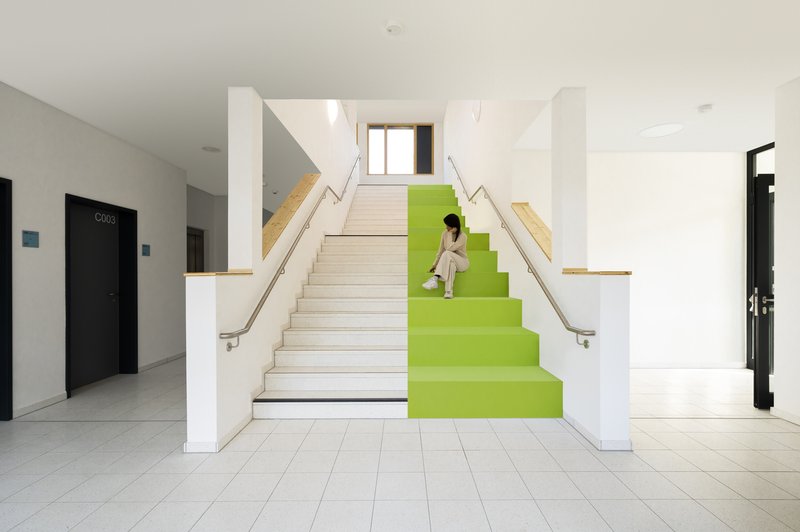
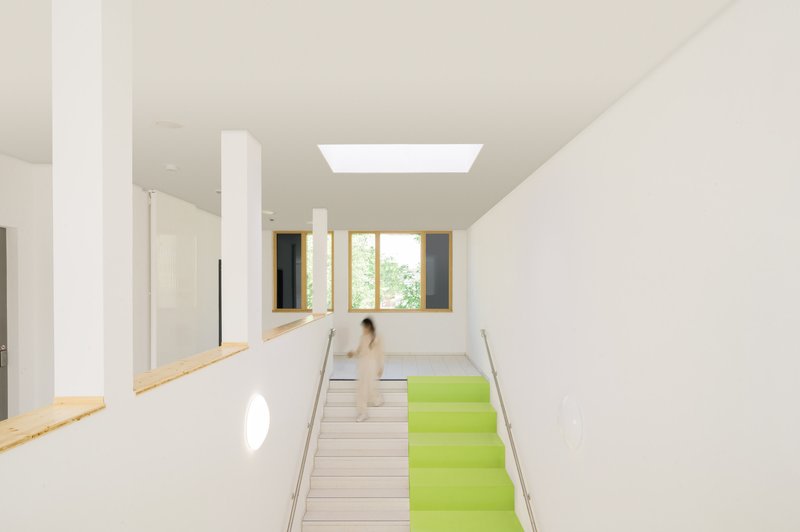
Upon entering the glazed foyer, visitors are greeted by an open, two-story school hall which doubles as a prestigious forum for school events. The hall features a spacious staircase with dual functions; it serves as both a vertical circulation space and an educational area, with green seating steps adding a vibrant touch to the environment.
Functional and Aesthetic Considerations
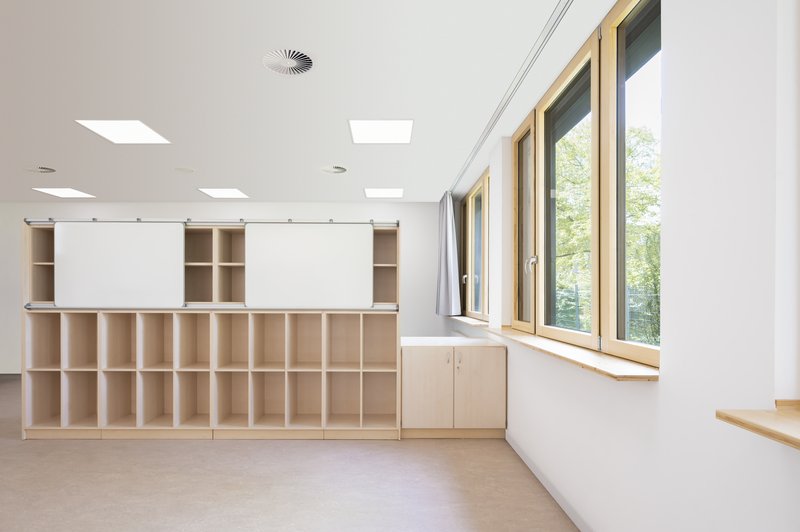
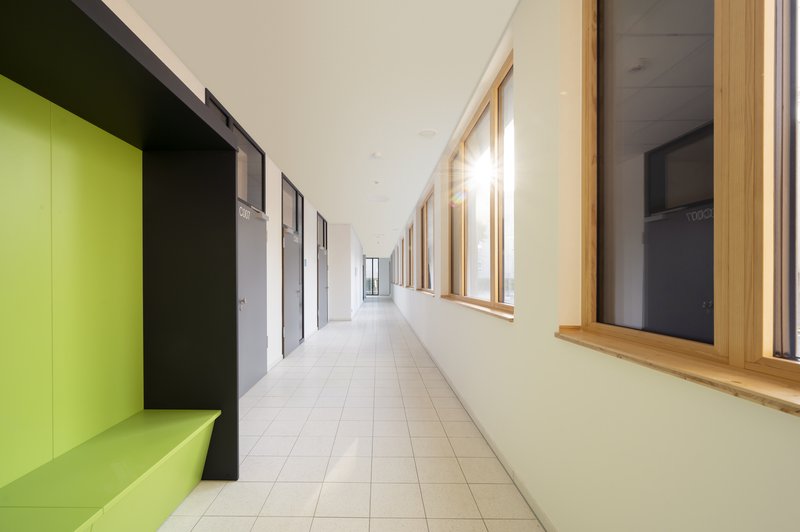
The design strategically avoids long, monotonous corridors by incorporating widened recesses near differentiation rooms. These areas are enhanced with daylight and seating niches in the same fresh green color as the main staircase, creating pleasant communication areas and informal learning spaces outside the classrooms.
Modular School Building Design as a Future Standard
The "Learning in Lindweiler" project by Sehw Architektur exemplifies the potential of modular school building design to serve as a third pedagogue, supporting the educational process through thoughtful architectural solutions. With its emphasis on sustainable construction, efficient use of space, and aesthetic harmony, this project stands as a beacon for future developments in school architecture.
By embracing modular construction, educational institutions can achieve faster build times, reduced costs, and greater flexibility in design while providing inspiring and functional learning environments for future generations.
All photographs are work of Helin Bereket