
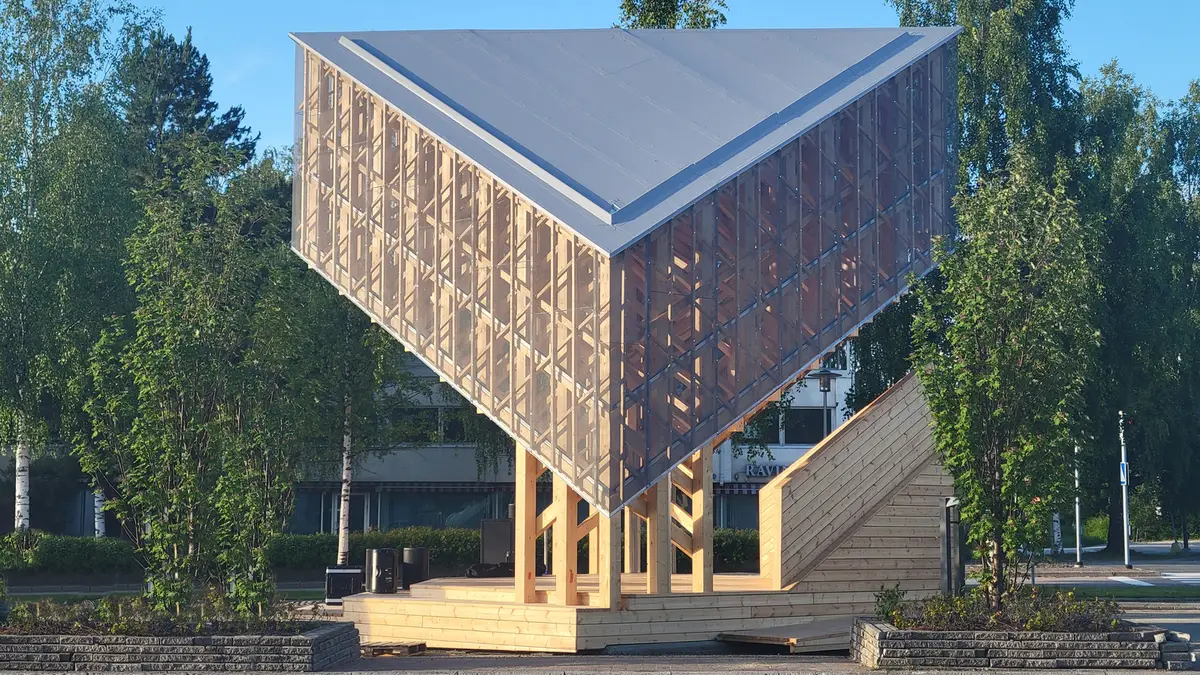
KIDE Outdoor Stage: A Striking Expression of Wooden Outdoor Stage Architecture in Kuhmo, Finland
Aalto University’s KIDE stage redefines wooden outdoor stage architecture, blending sustainable design, local materials, and community impact.


A 30-Year Celebration of Timber Innovation at Aalto University
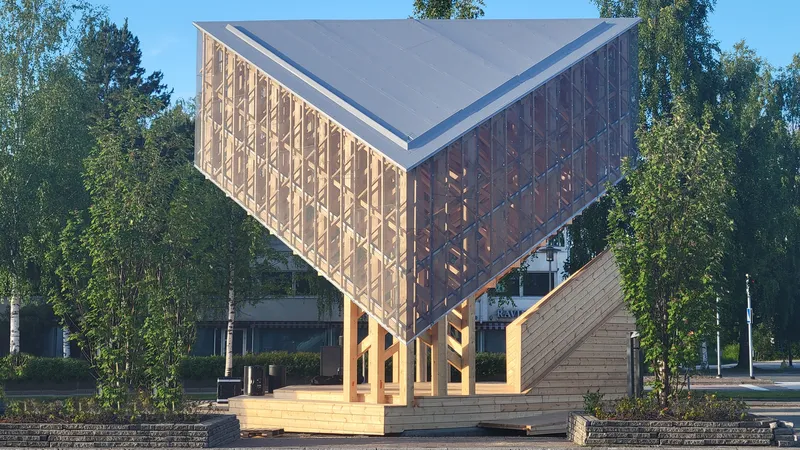
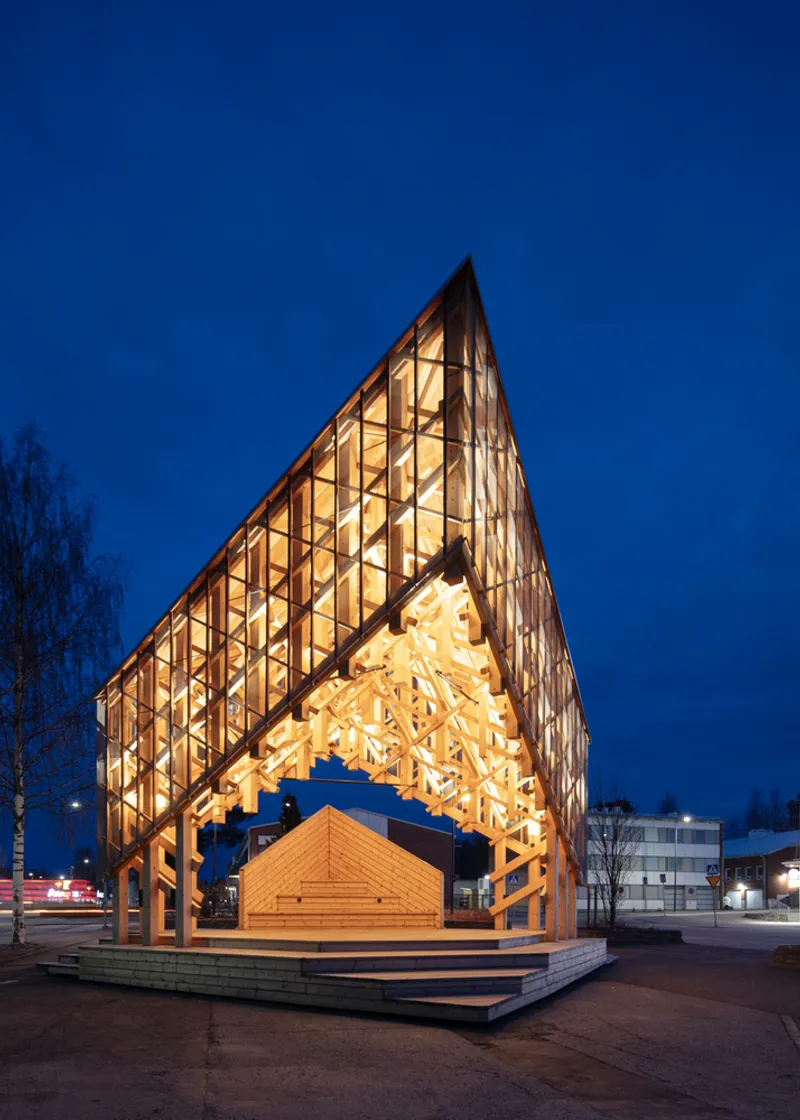
“KIDE,” meaning “ice crystal” in Finnish, is a masterful timber construction project celebrating the 30th anniversary of the Aalto University Wood Program. Situated in Kuhmo, a Finnish town steeped in forest traditions and a rich timber industry, this architecturally significant outdoor stage redefines public performance spaces through an innovative and sustainable wooden design. With a total area of 74 m², this outdoor stage is more than a structure—it is a symbol of cultural vitality and architectural ingenuity.
Reimagining Public Space Through Wooden Outdoor Stage Architecture
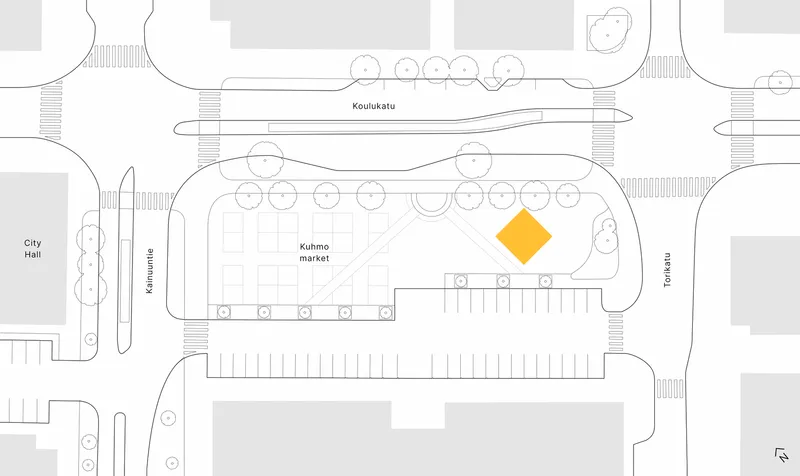
Set in the heart of Kuhmo, a town known for its vibrant annual music festivals and natural surroundings, the KIDE outdoor stage fulfills a growing need for a versatile public event space. Designed and built by students and faculty of Aalto University, the project bridges academic craftsmanship with community engagement. Its presence revitalizes Kuhmo’s central square, inviting both performance and everyday interaction.
A Design Rooted in Nature and Geometry
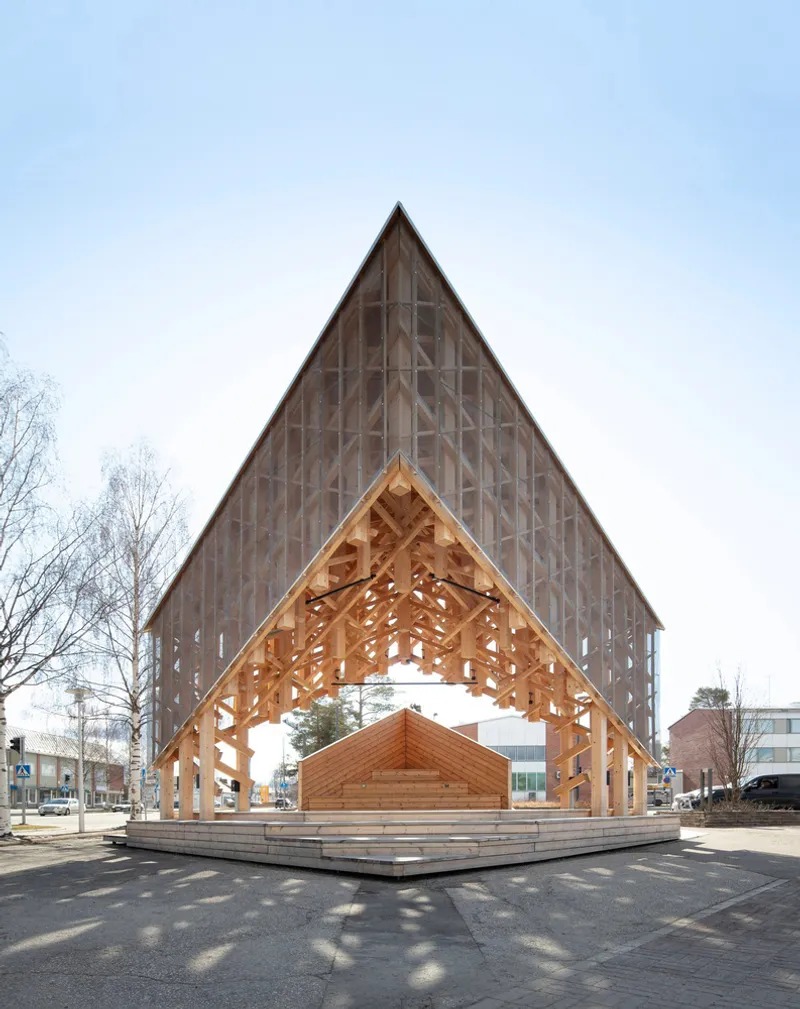
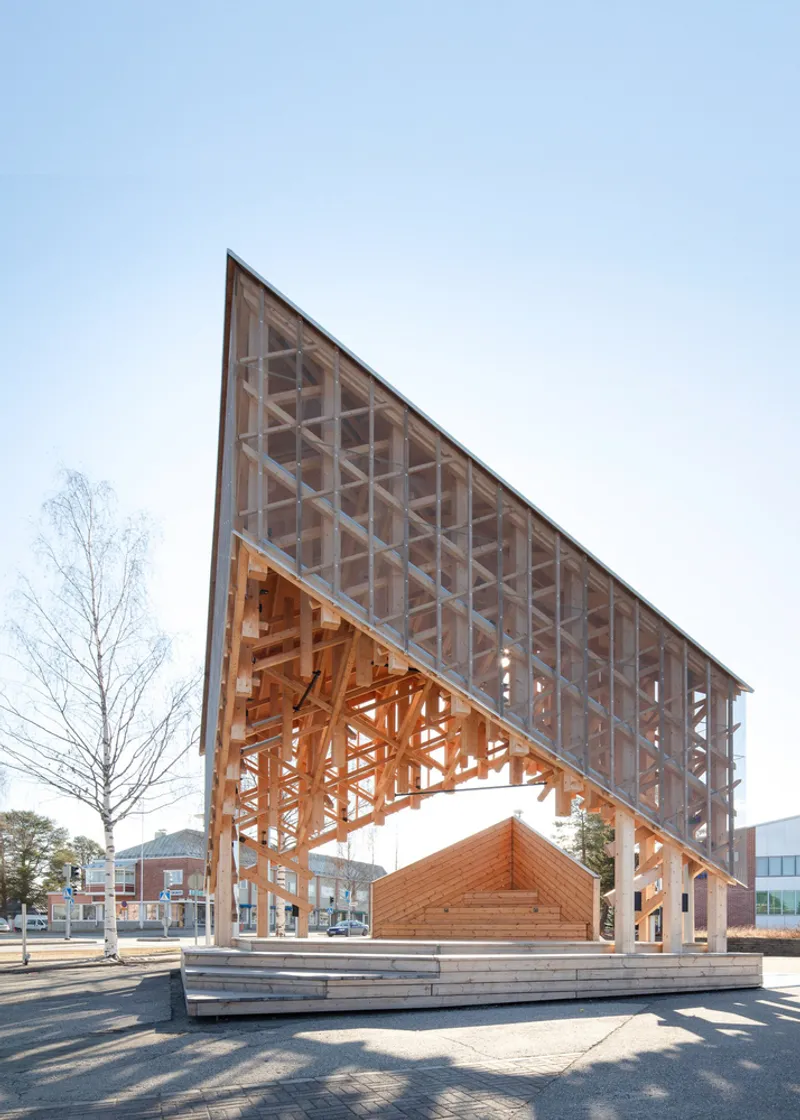
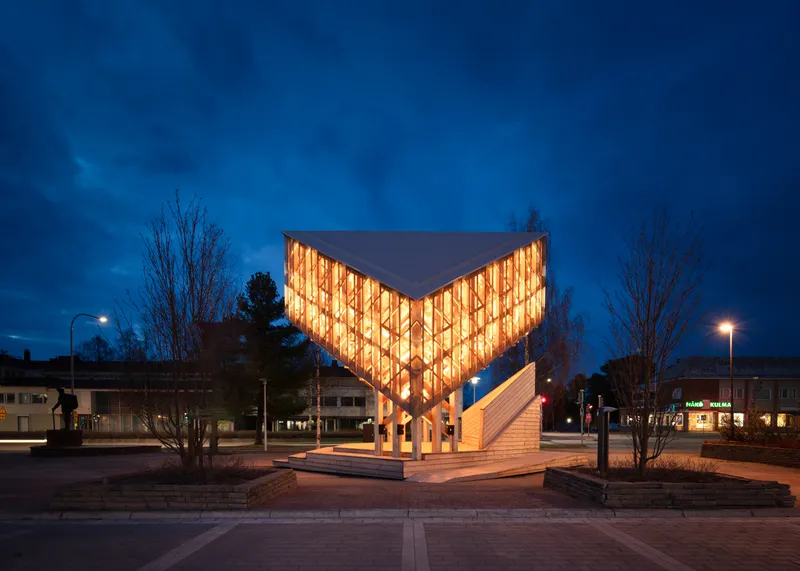
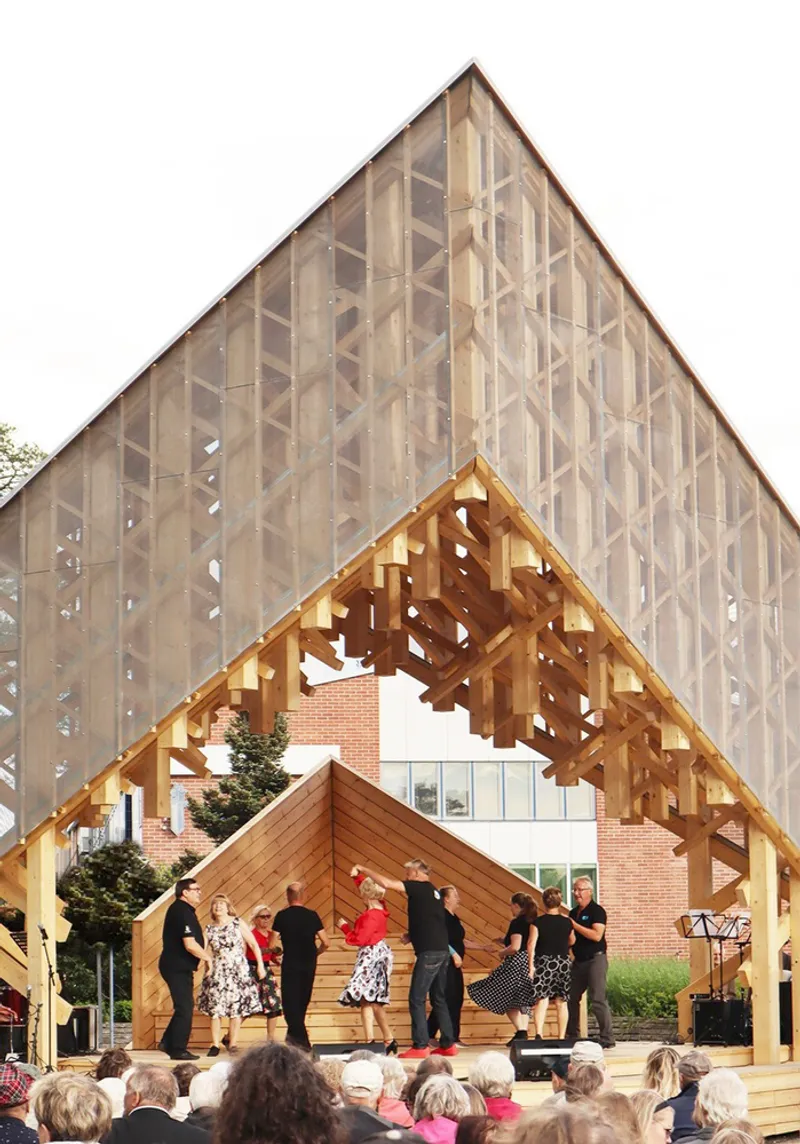
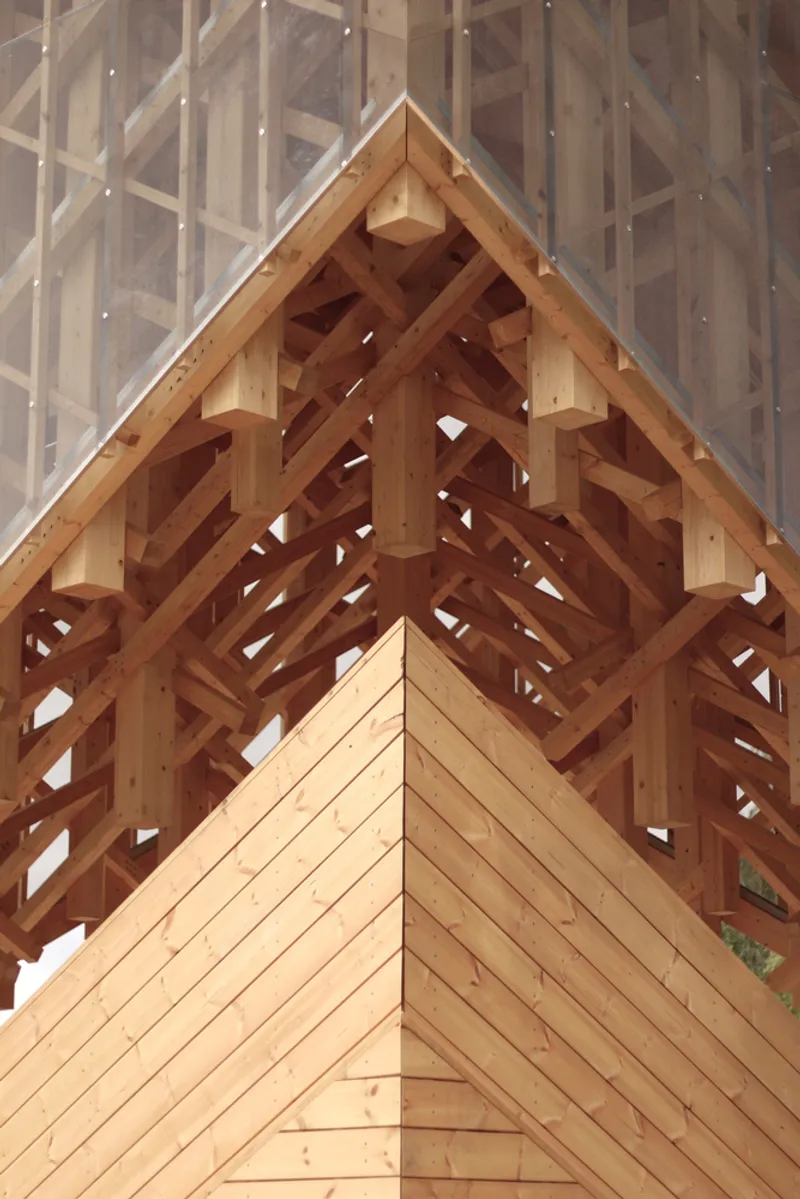
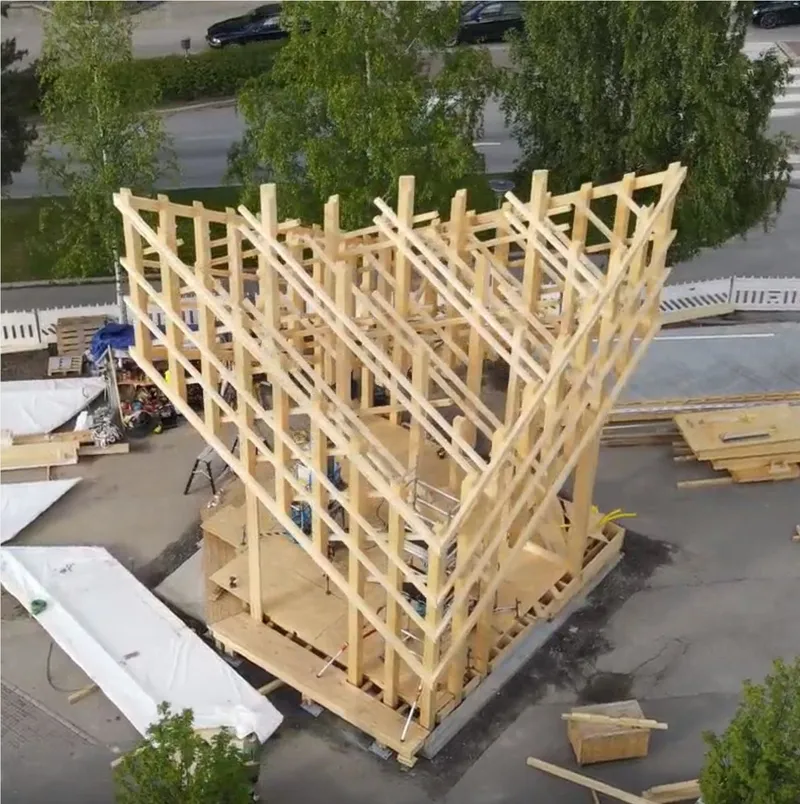
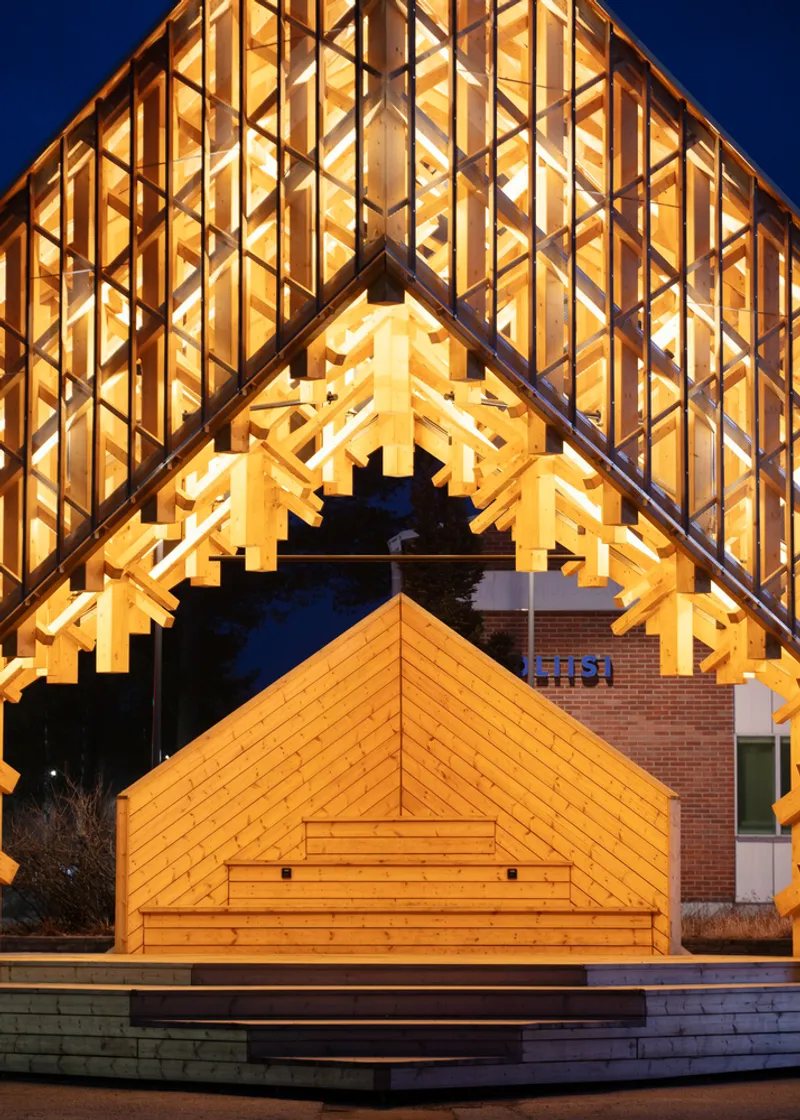
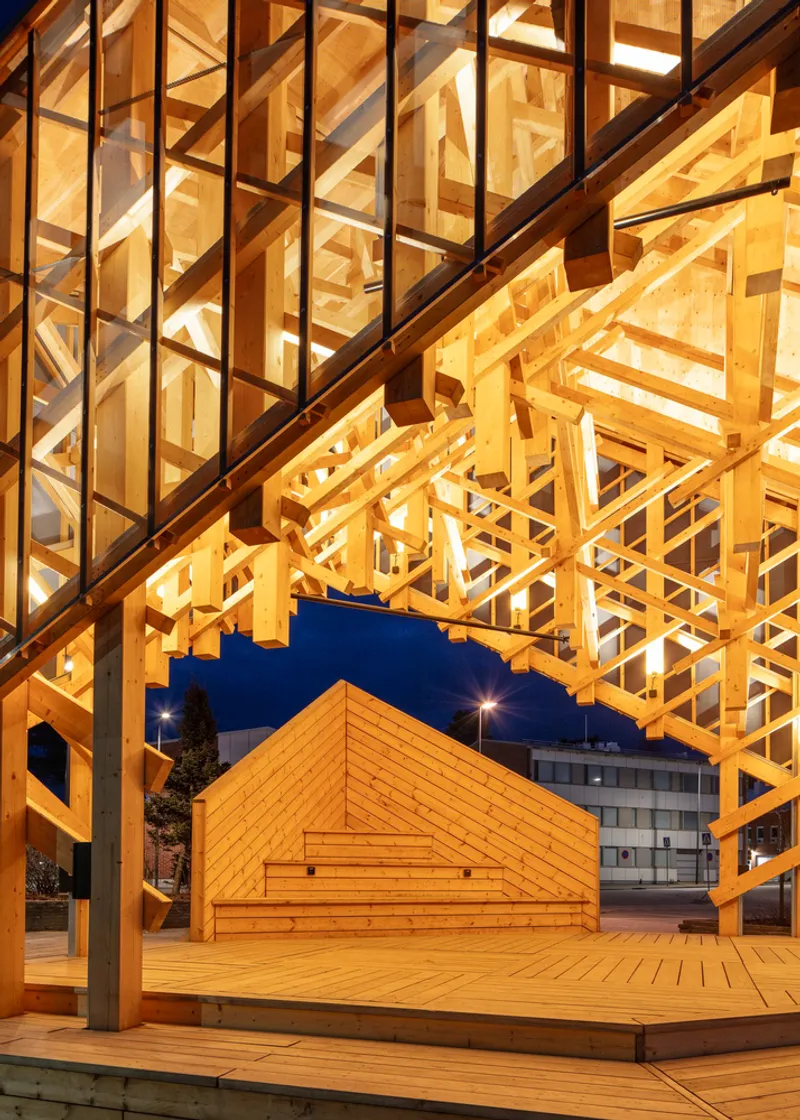
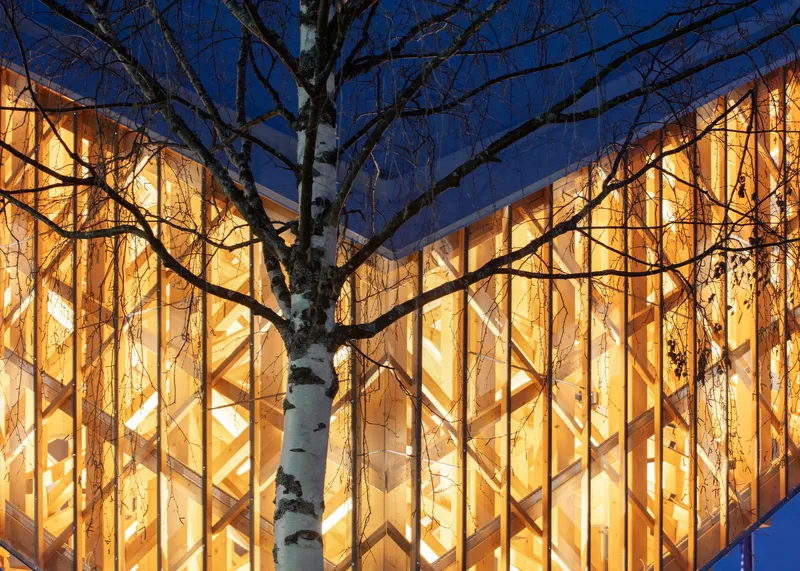
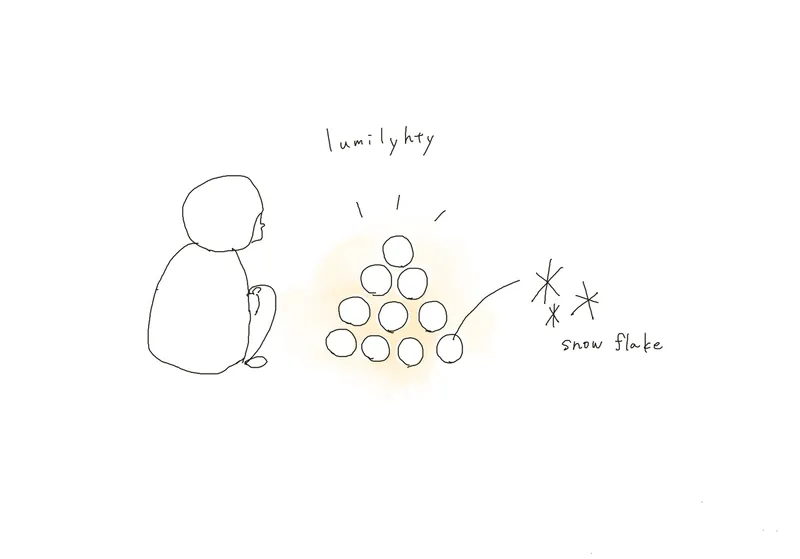
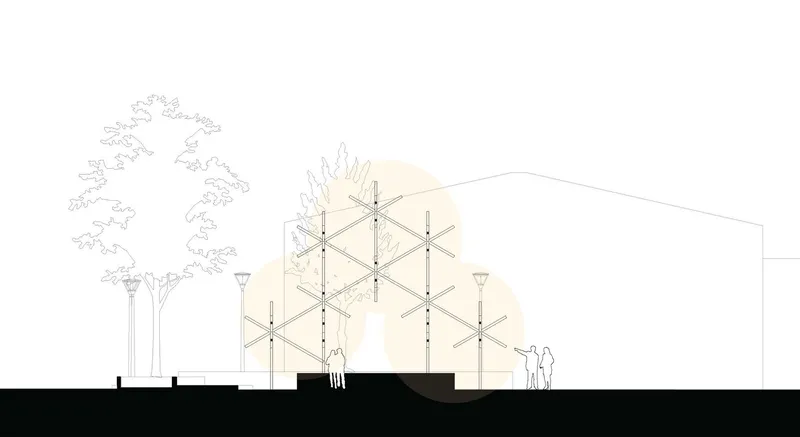
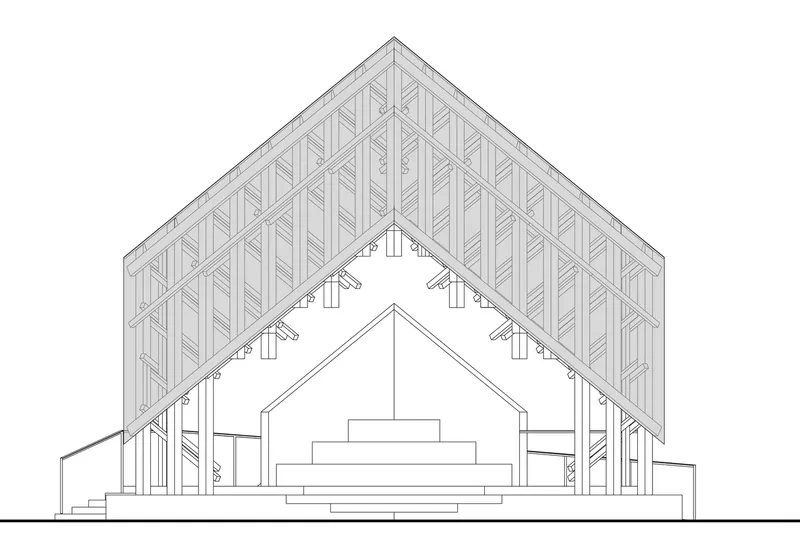
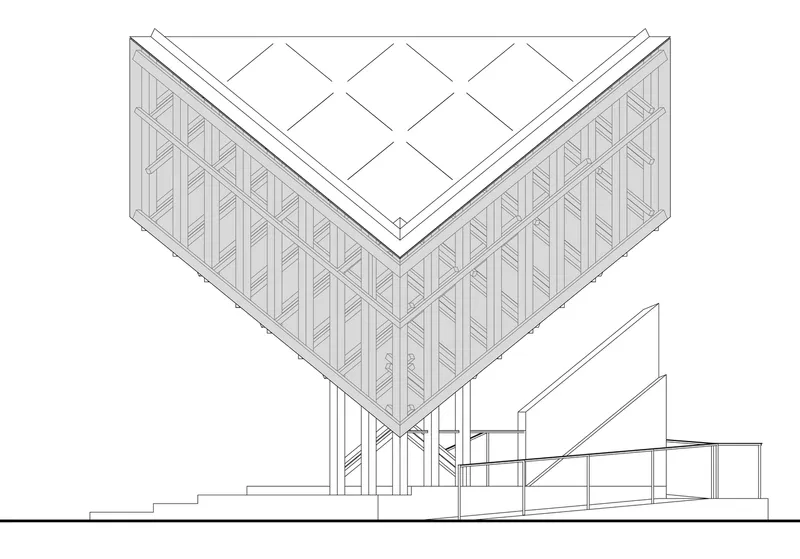
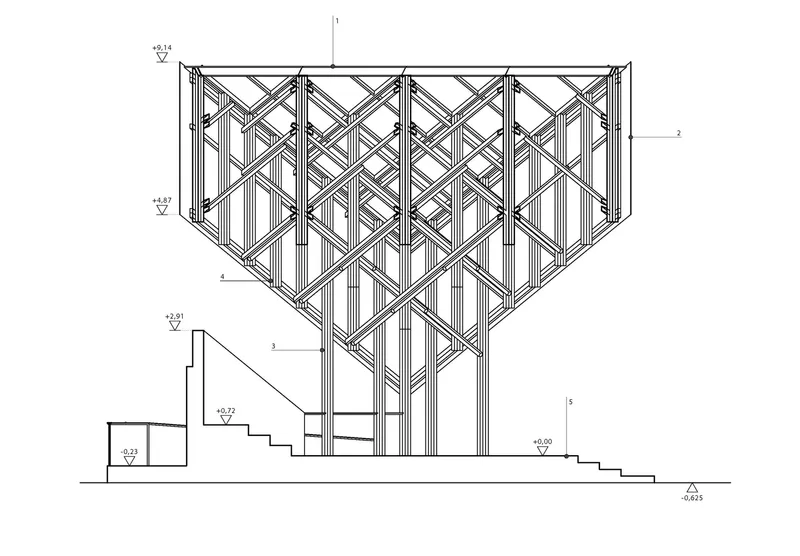
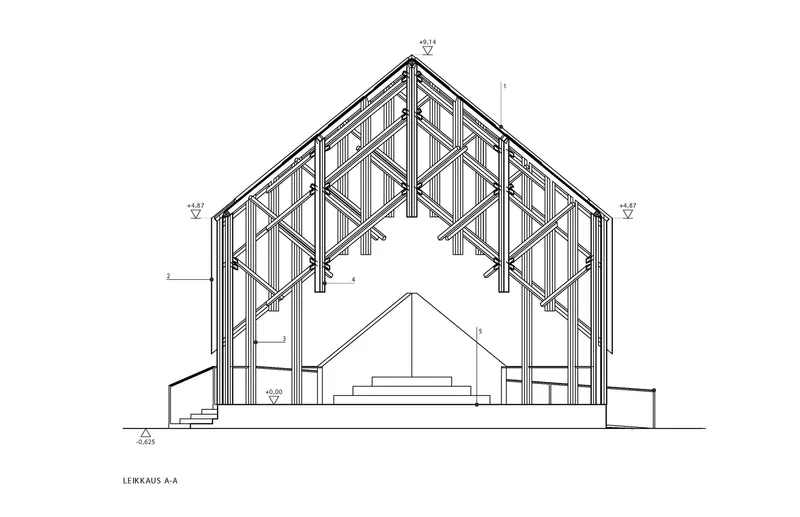
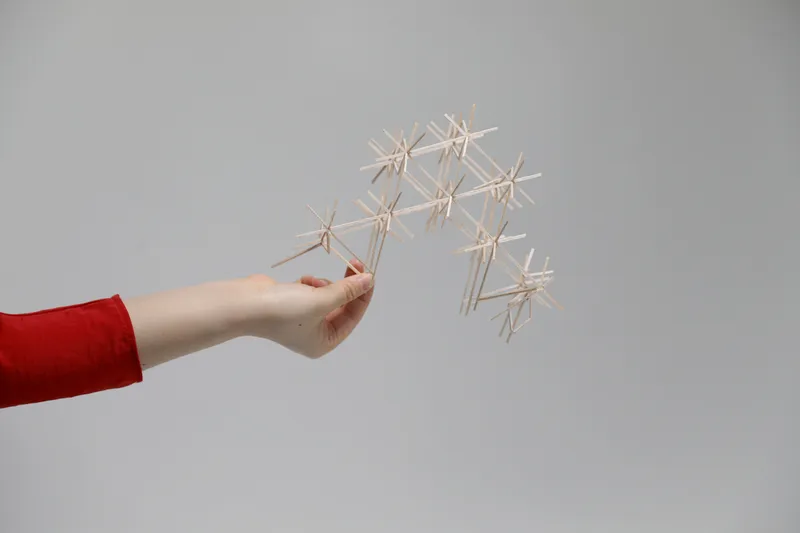
KIDE's design draws poetic inspiration from the fractal patterns found in snow crystals. Its form is articulated through a sequence of eight glulam trusses that interlace into a visually rhythmic square canopy. These trusses were prefabricated at Aalto University and assembled on-site in Kuhmo, ensuring precision and minimizing environmental disruption. This efficient assembly process enhances both the aesthetic and structural clarity of the design.
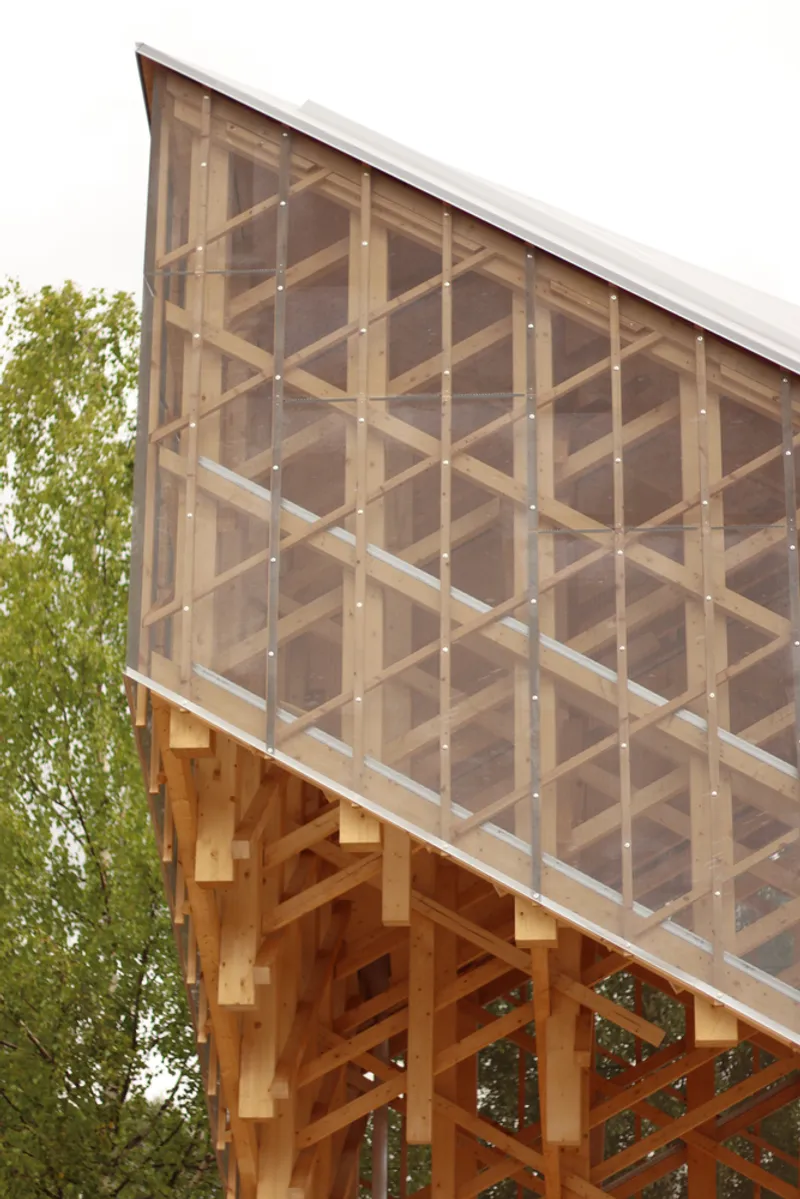
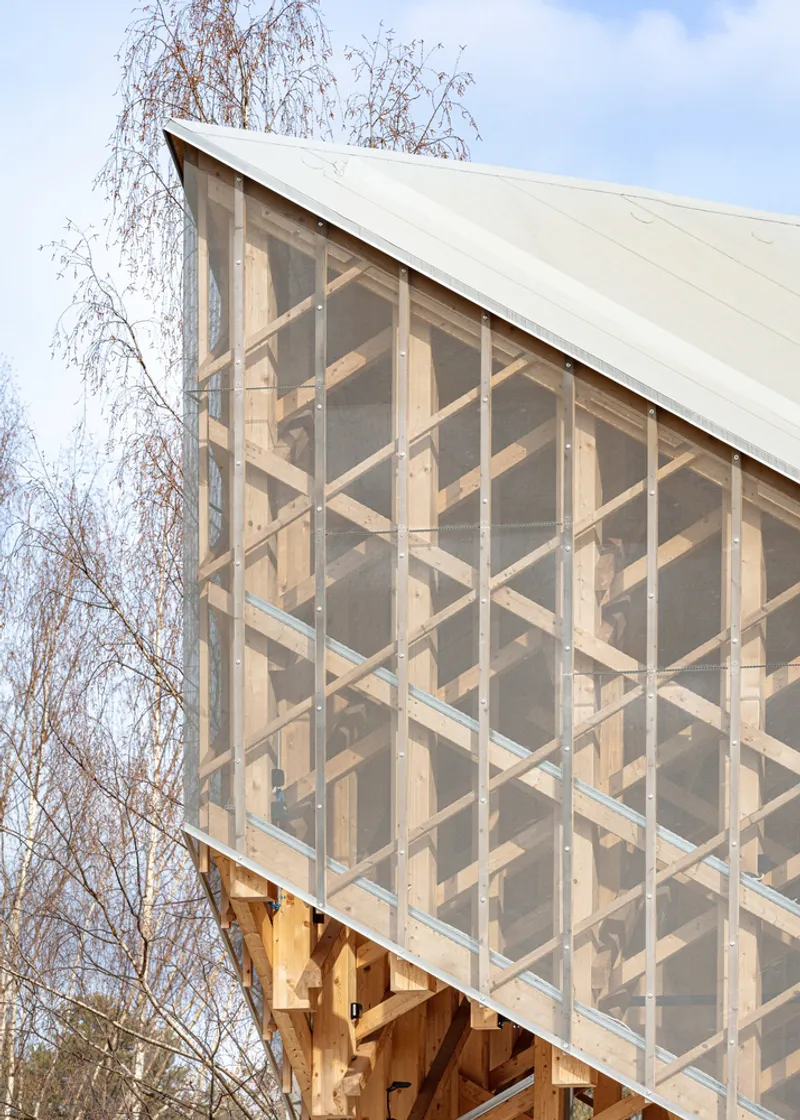
A translucent metal mesh envelops the canopy, subtly revealing the complexity of the wooden framework underneath. This layer allows natural light to filter through while maintaining an architectural elegance that respects the minimalist Nordic tradition.
Immersive Spatial Experience and Community Impact
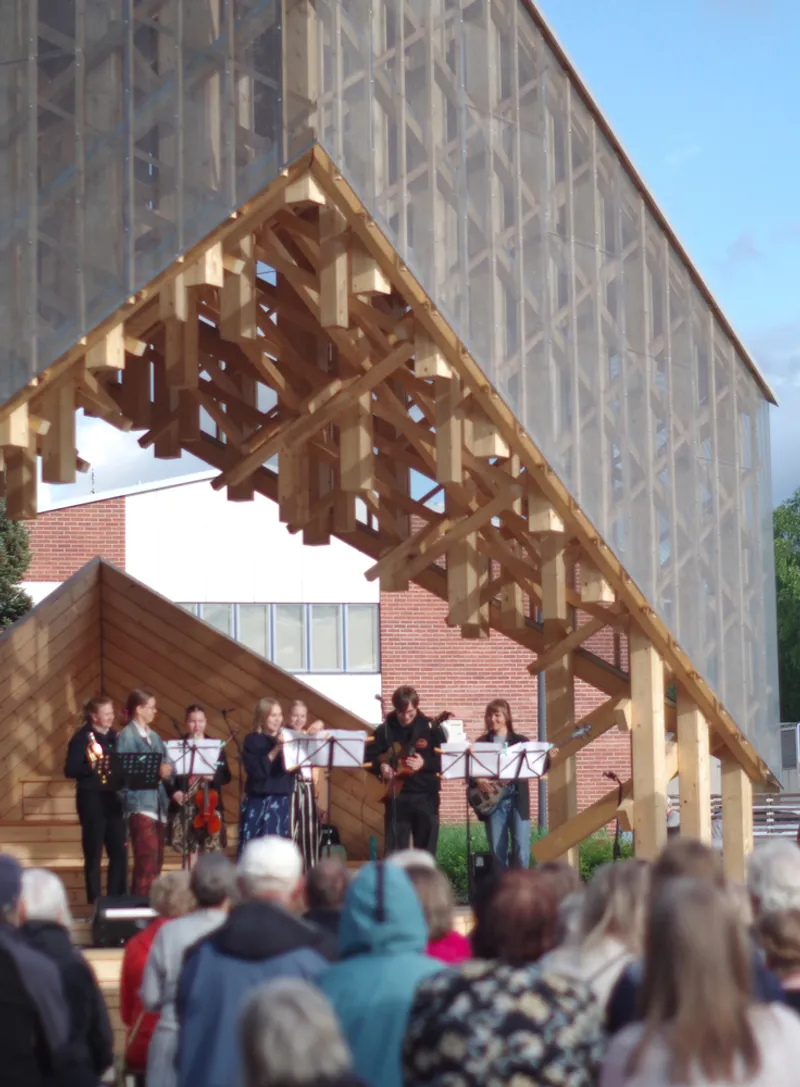
The stage’s elevated pinewood platform and scenic backdrop, sourced from local forests, provide an inviting setting for a wide range of performances—from rock concerts to traditional folk music, choir performances, and civic award ceremonies. The design prioritizes openness and community inclusivity. Its spatial configuration invites daily use by residents, including for local markets and informal gatherings, fostering social cohesion.
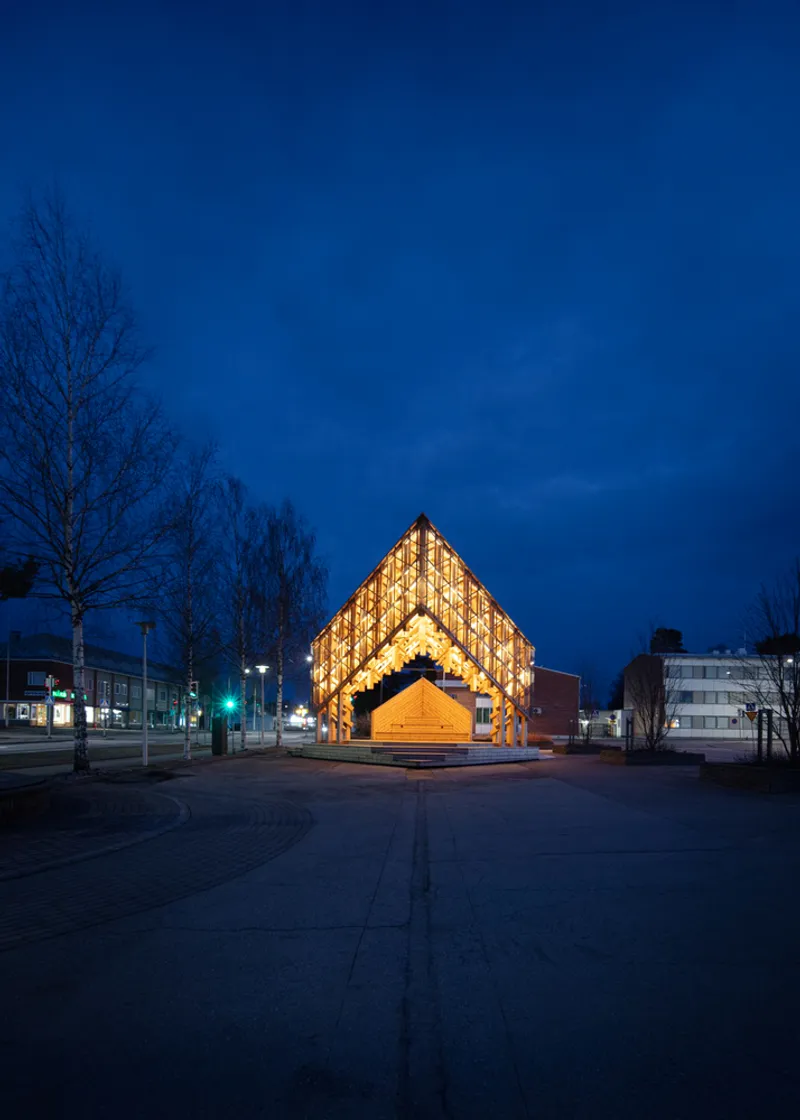
In only a short period, KIDE has transformed into a landmark of wooden outdoor stage architecture, breathing new cultural life into a town of 8,000 inhabitants. By merging architectural excellence with local tradition and social utility, the stage has become a catalyst for urban renewal in a modest rural context.
Sustainable Timber Architecture for Long-Term Use
KIDE exemplifies a deep commitment to sustainable architectural practices. All structural elements use bio-based, renewable materials such as glulam and laminated veneer lumber (LVL). These choices not only reduce the project’s environmental impact but also ensure durability and low maintenance. The design’s adaptability and weather resilience support its continued use across seasons, emphasizing longevity and ecological responsibility.
By integrating sustainable construction, community activation, and refined aesthetics, the KIDE outdoor stage sets a new benchmark for small-scale wooden architecture. It demonstrates how intelligent design and material consciousness can elevate public infrastructure into lasting cultural symbols.
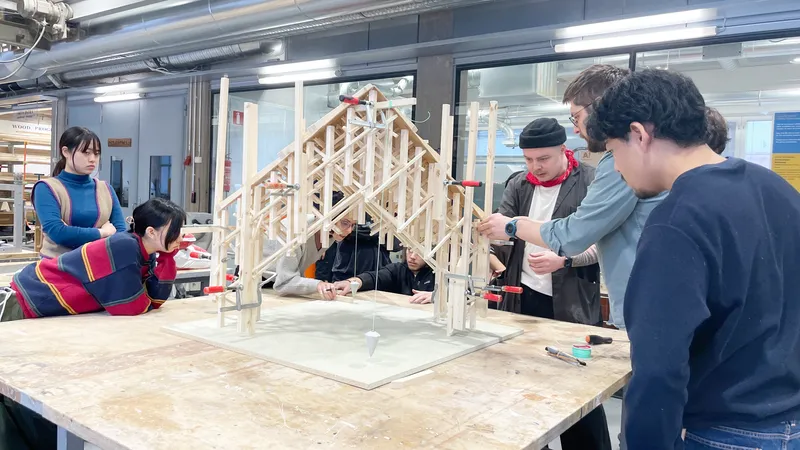
All Photographs are works of Mikko Auerniitty and Wood Program


Popular Articles
Popular articles from the community


Lunar Spiral: Space Architecture Shaped by the Mathematics of the Universe
Lunar Spiral reimagines space architecture through Fibonacci geometry, lunar regolith, levitating habitats, and self-sustaining Moon living.

Co-life: Sustainable Architecture for Age-Friendly Community Living
Co-life reimagines sustainable architecture for seniors through courtyards, rammed earth, shared gardens, and spaces designed for belonging.

Conexión: Biophilic Design Reimagines High-Rise Living in Hong Kong
Conexión reimagines high-rise living in Hong Kong through biophilic design, green facades, shared spaces, daylight, water and nature within.

Hill & Cross Opera: Sculptural Opera House Architecture Shaped by Tallinn’s Landscape and Identity
Hill & Cross Opera reimagines opera house architecture in Tallinn through its sculptural hill, civic plaza, glass wave and a luminous cross.

Similar Reads
You might also enjoy these articles


FAMM Arquitectura Organizes Ten Villas Around Courtyards and Jungle in Nosara, Costa Rica
El Molino pairs two elongated volumes with deep overhangs and timber louvers to build a compact coastal community five minutes from the beach.
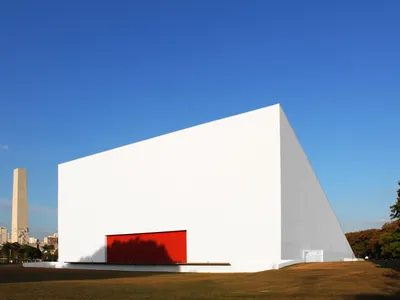
Oscar Niemeyer's Ibirapuera Park Pavilions Define São Paulo's Cultural Identity in Concrete and Curve
A constellation of modernist volumes set within São Paulo's most important urban park, conceived for the city's 400th anniversary in 1954.
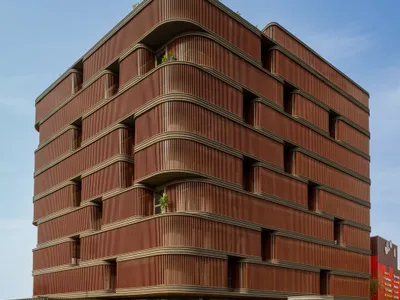
Sanjay Puri Architects Wraps a Jaipur Office Tower in Capsule-Shaped Green Buffers
A nine-level climate-responsive workplace near Jaipur Airport uses stacked planter terraces and aluminium screens to fight 40°C heat.
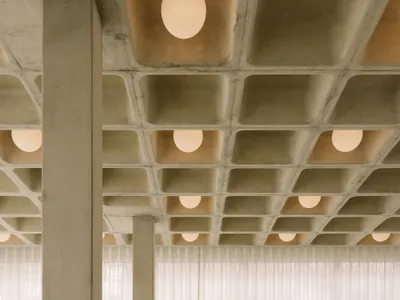
RHO Converts a Berlin Spree-Side Industrial Courtyard into Enkime's 1,000 m² Agency Headquarters
A social media agency's new home in Charlottenburg trades glossy branding for concrete waffle ceilings, glazed tile, and sheer curtains.

Explore Architecture Competitions
Discover active competitions in this discipline

Challenge to reimagine the Iron Throne

Photograph architecture without architects

Illustrate the lost glory of Angkor Wat - Render Challenge

Design challenge to reuse E-waste
Comments (0)
Please login or sign up to add comments
No comments yet. Be the first to comment!